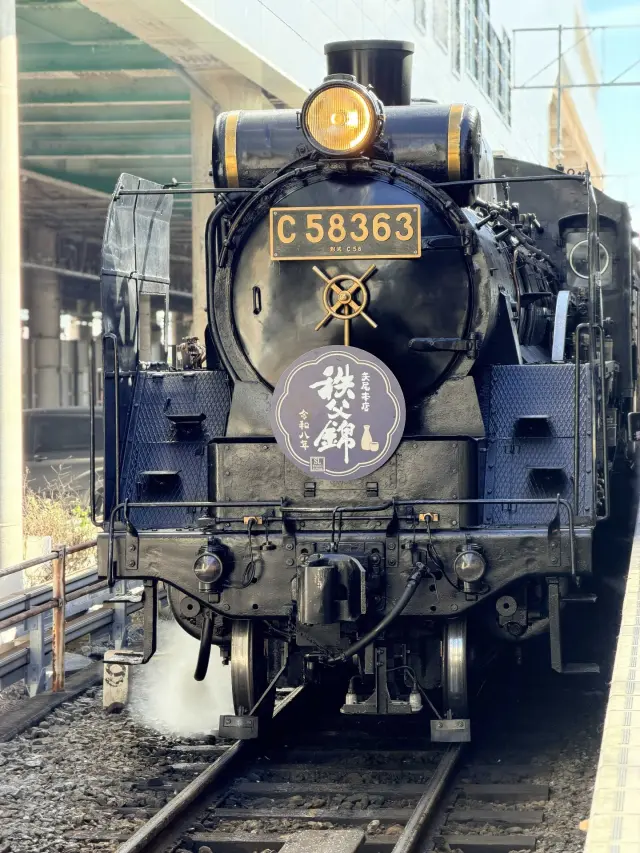
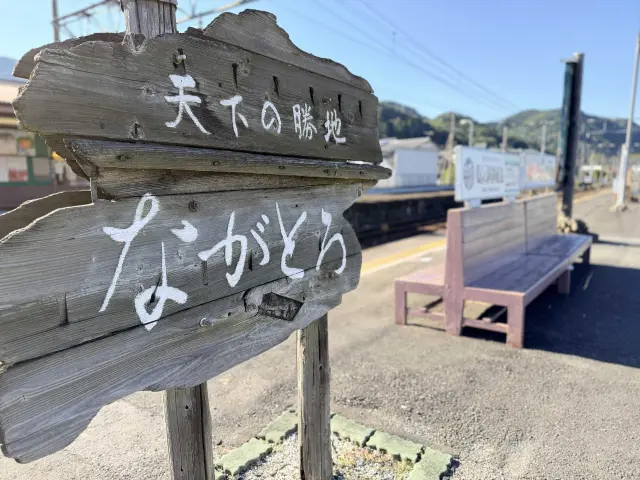
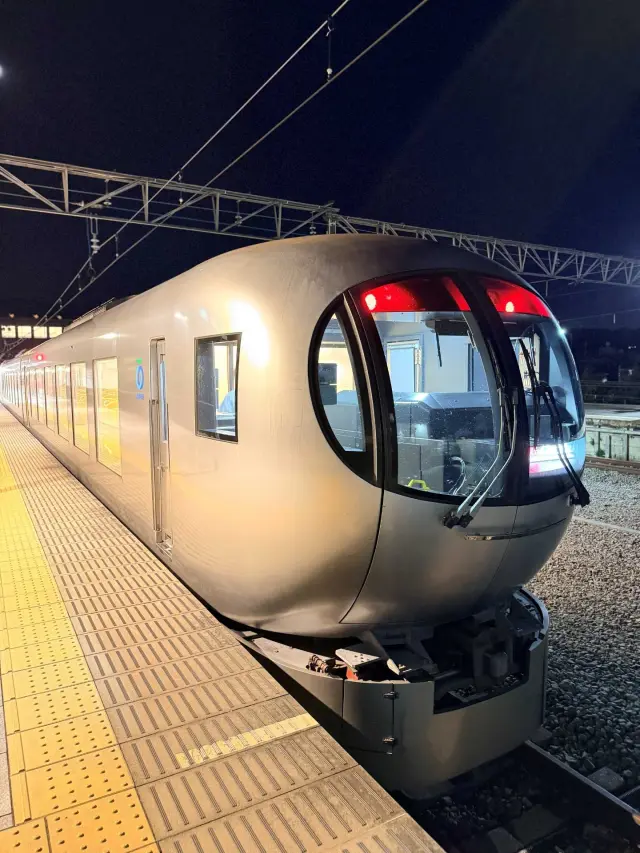
For this day trip to Nagatoro and Chichibu, I chose a different mode of transportation from most travelers. I set out from Kumagaya aboard the SL Paleo Express steam train instead of taking the Seibu Limited Express Laview from Ikebukuro to Chichibu. Besides enjoying the natural scenery along the Chichibu Railway, I specifically set aside the afternoon for downtown Chichibu, hoping to visit some of the area’s famous power spots and try the distinctive Chichibu Pilgrimage Circuit.
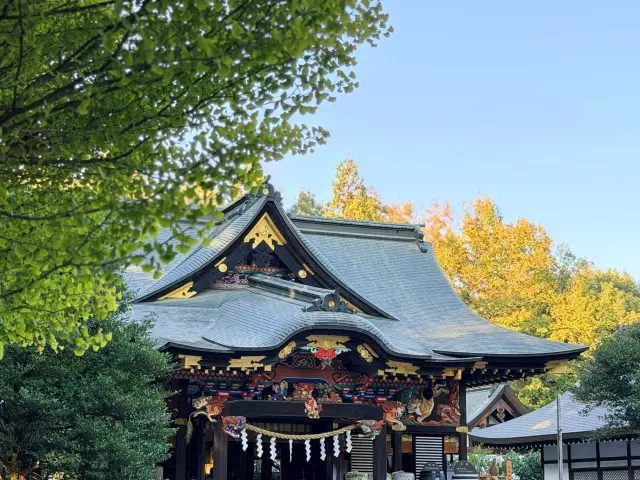
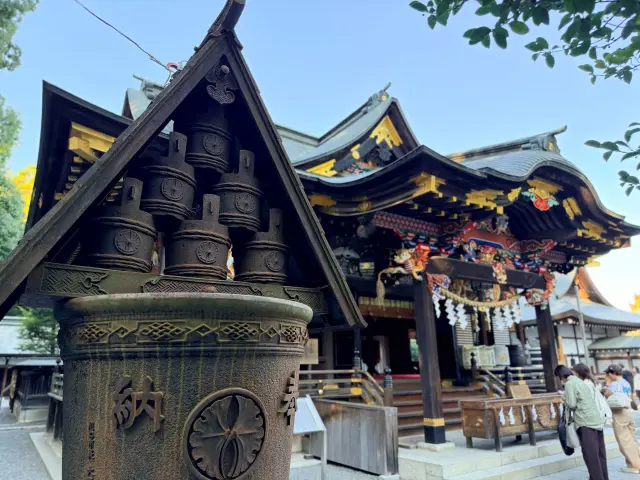
My first stop was the historic Chichibu Shrine. The carvings decorating the shrine’s main hall are quite ornate, and the intricate carvings throughout the grounds are well worth slowing down to appreciate in detail.
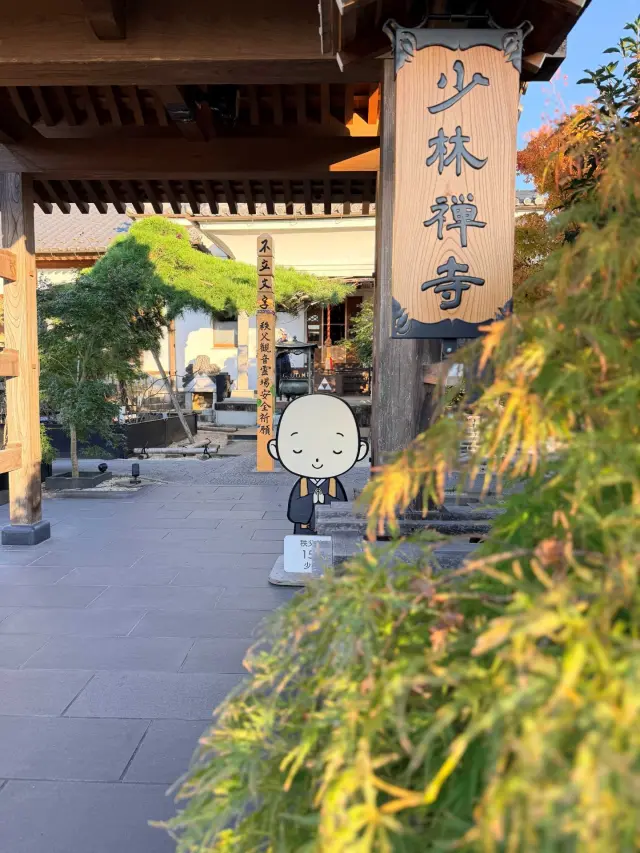
As for the Chichibu Pilgrimage Circuit, after considering the departure time of my return train and how far I could walk, I decided to visit just Temple No. 15, Shorinji, which I felt a special connection with. Before setting out, I read other travelers’ accounts of their pilgrimages and always wondered what kind of appeal could make people willing to spend the time visiting these temples one by one. It wasn’t until I personally set foot on the pilgrimage route that I gradually came to understand the unique attraction of traveling through Chichibu’s mountains, forests, and communities while enjoying the local scenery and experiencing its traditional religious culture. Chichibu has 34 pilgrimage temples in total, so it looks like I’ll need to plan a separate trip dedicated to the pilgrimage if I want to visit them all.
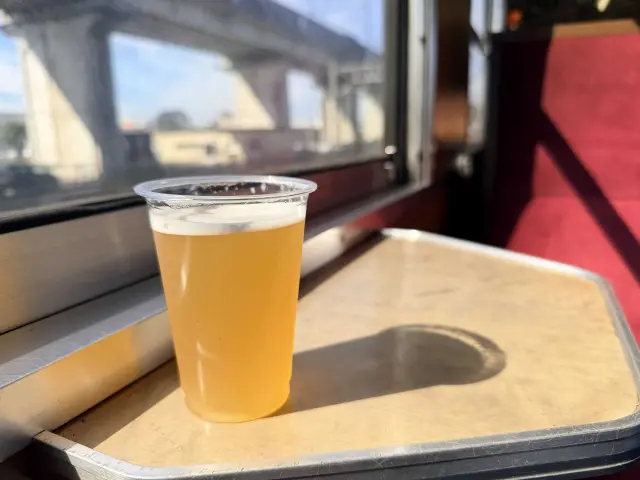
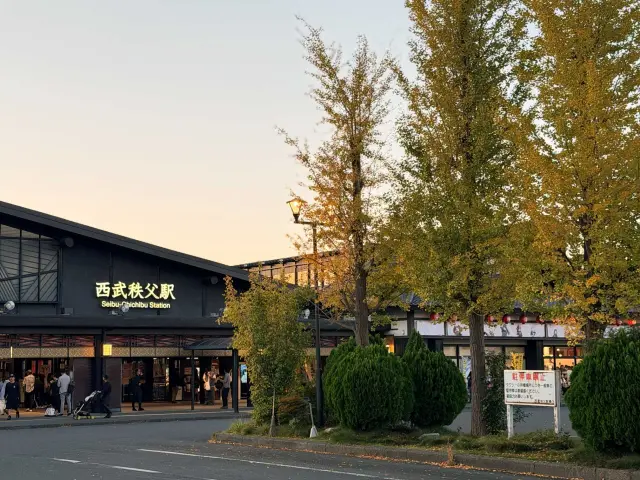
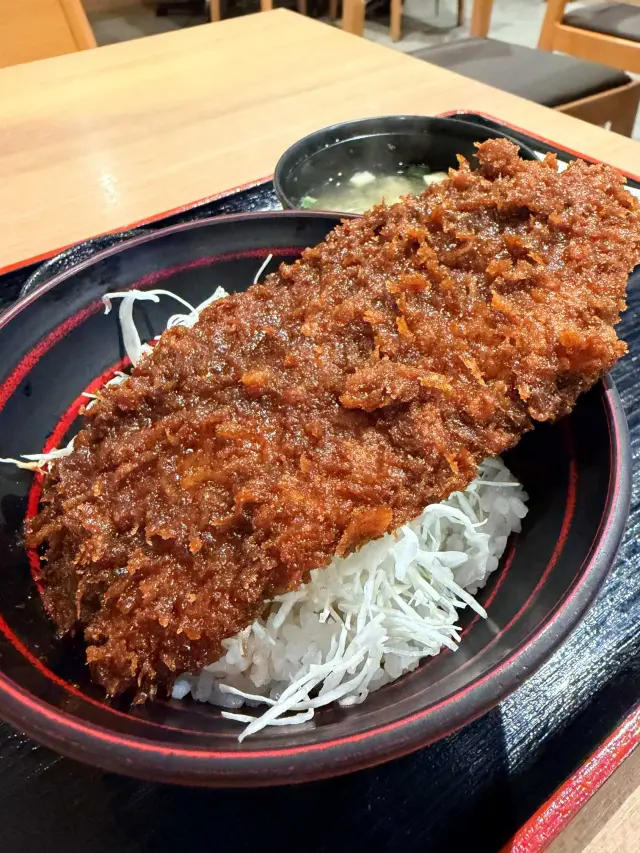
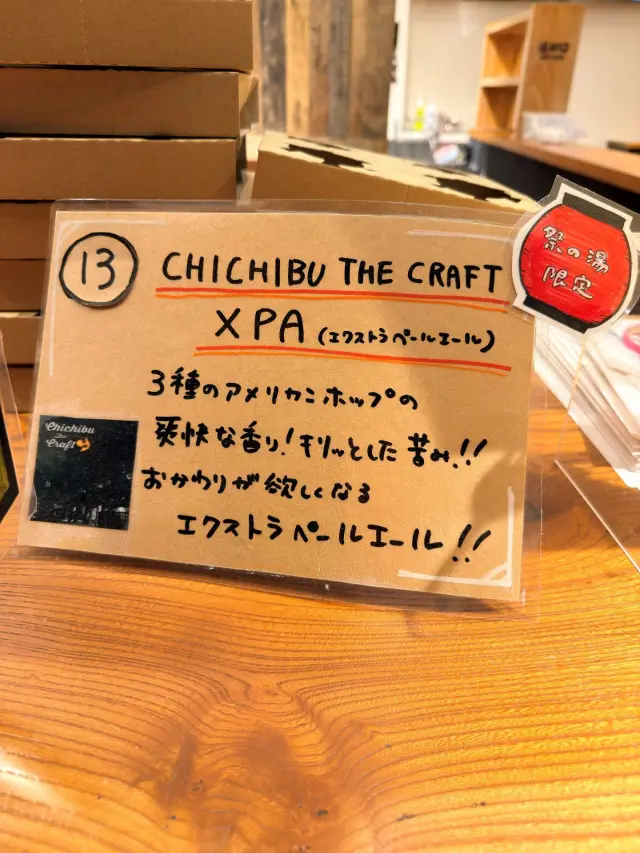
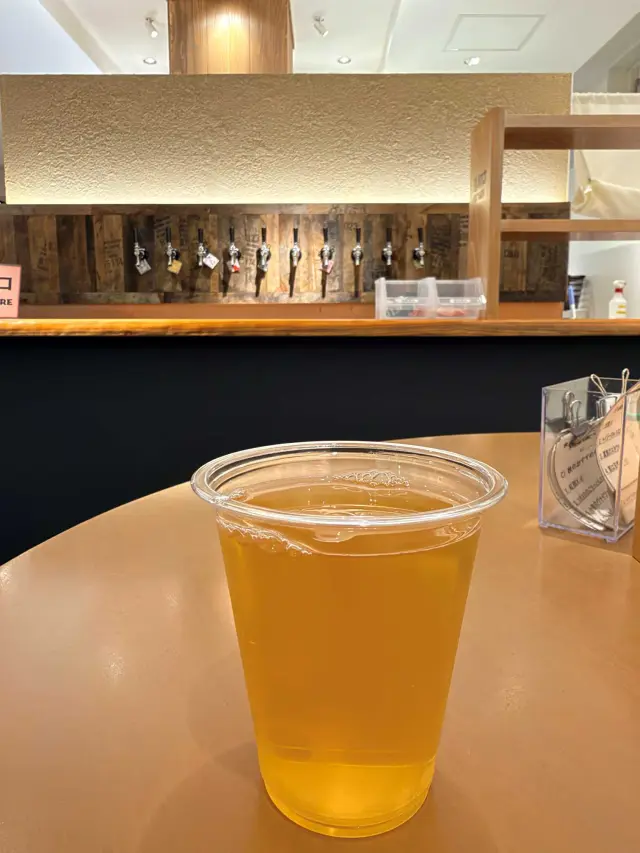
At the end of the trip, I arrived at Seibu-Chichibu Station, where Matsuri no Yu, connected directly to the station, was the perfect place to recharge and enjoy local food. Of course, my first choice was Chichibu’s specialty, waraji katsudon! The pork cutlets were fried until golden and crispy, coated in the restaurant’s special sweet-and-savory sauce, and served with steaming white rice. It was a very satisfying meal. I had already sampled local beer aboard the SL Paleo Express through a Chichibu Nishiki event, but before leaving, I naturally wanted to seize one last opportunity to try more beer brewed in Chichibu. As I enjoyed the food and drinks, most of the fatigue built up from walking all day seemed to disappear in an instant.
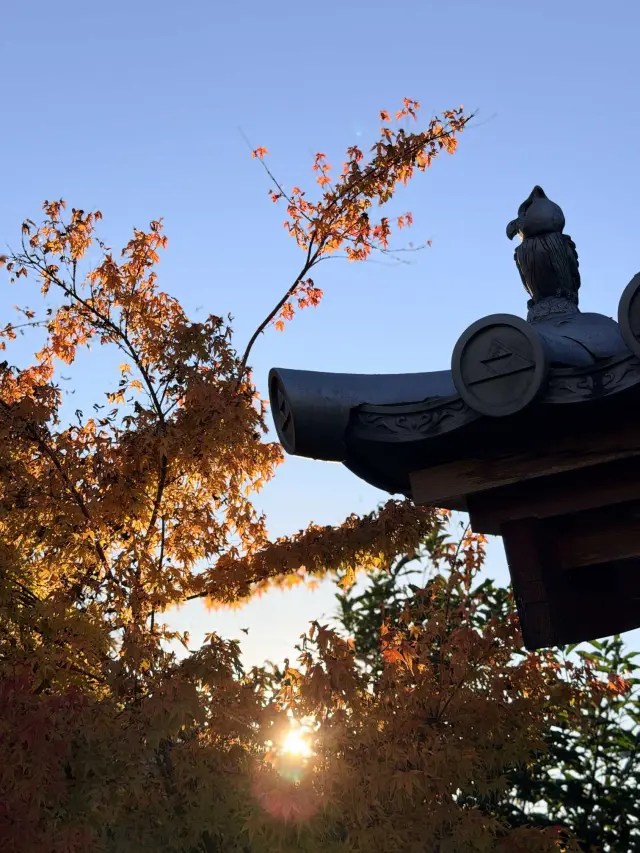
Another delightful surprise on this trip to Nagatoro and Chichibu was the beautiful fall scenery along the way. Although the maple leaves had not yet completely turned red, they happened to look exactly the way I like them best. The intermingling shades of red, yellow, and green made the forests appear even more vivid and layered. Together with the ginkgo trees that had quietly begun turning yellow, there were beautiful views everywhere that made me stop and admire them.
Looking back on the day, from the nostalgic steam train and Nagatoro’s natural scenery to Chichibu’s shrines, pilgrimage, and local food, every experience left me with different memories. My only slight regret is probably that I discovered so late just how captivating the scenery and charm of Nagatoro and Chichibu are. It also made me start looking forward to my next visit.
Chichibu Pilgrimage Circuit | Review by Stanley Kuo

Other Reviews by Stanley Kuo
-
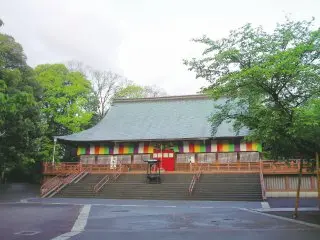
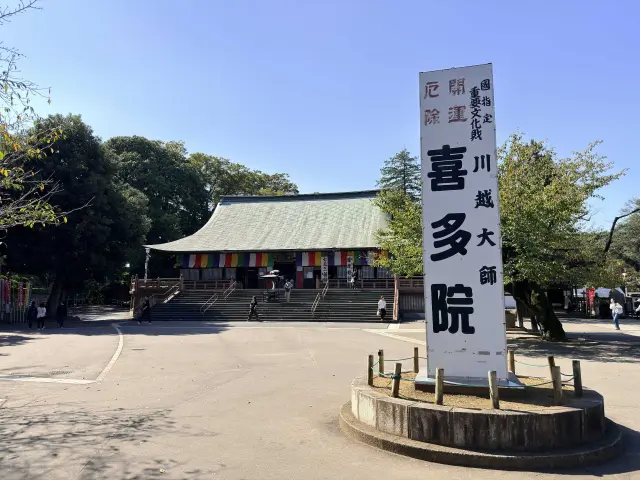
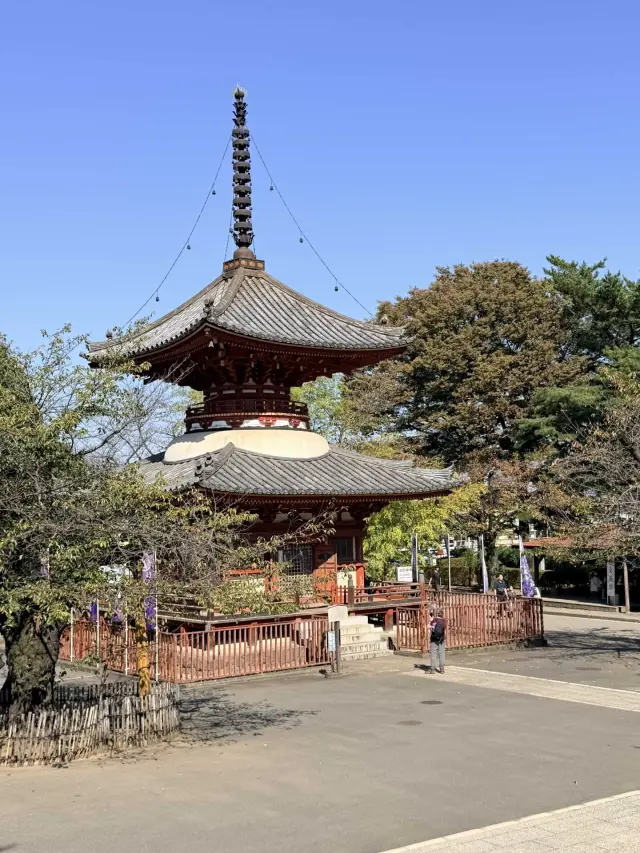
Kitain Temple
A famous temple of the Tendai sect, founded by Jikaku Daishi in 830. In the early Edo period (1603-1700), the famous high monk Tenkai was the chief priest of this temple.
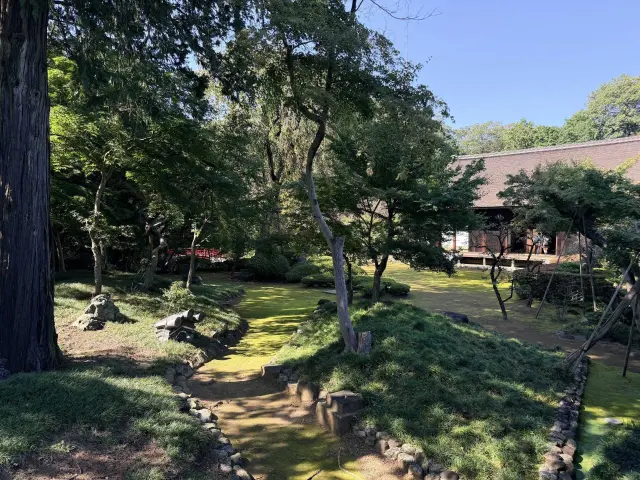
My visit happened to coincide with the annual Kawagoe Festival. As soon as I entered Kitain Temple, I was struck by its peaceful atmosphere, completely different from the lively festival outside. Strolling through the temple grounds and admiring the valuable historic buildings, I felt as though I had temporarily escaped the noise of the streets and, for a moment, traveled back in time to the Edo period.
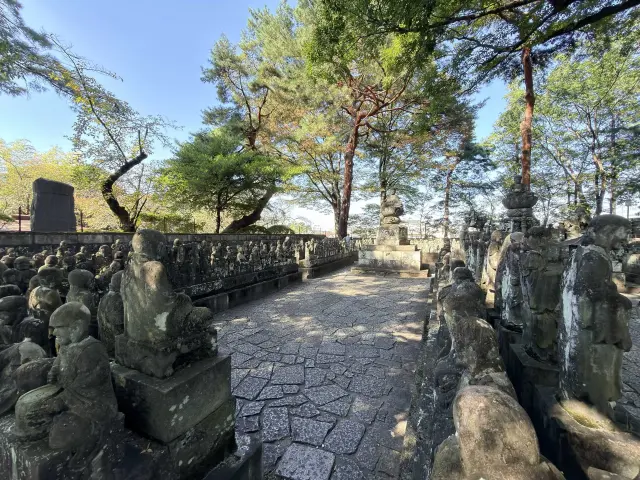
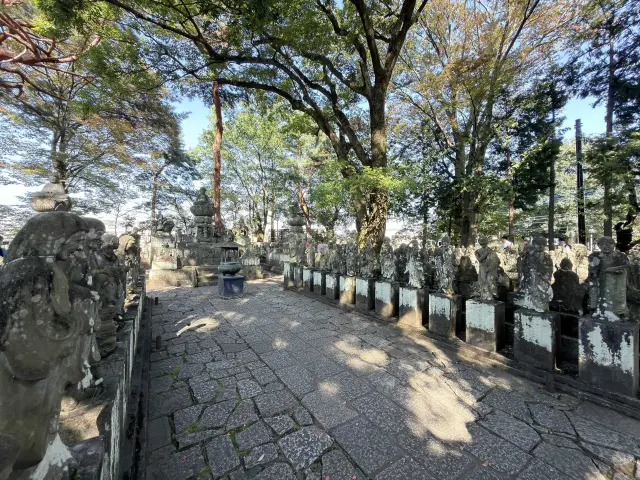
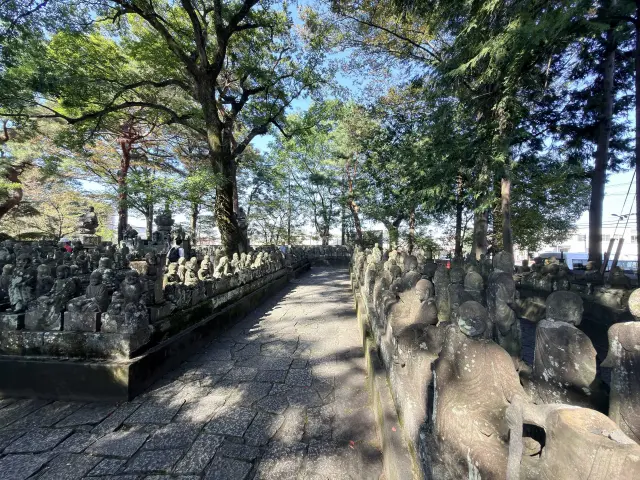
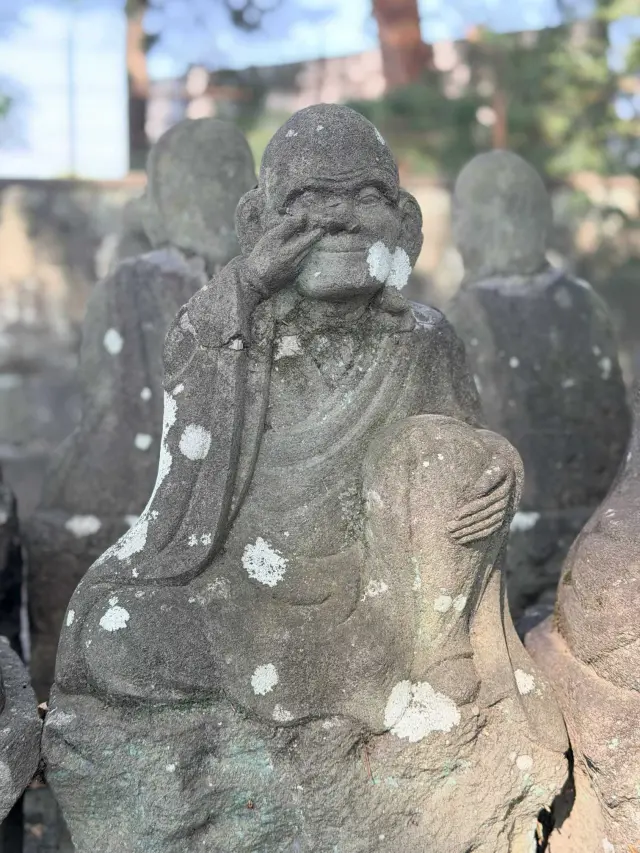
What impressed me most during this visit was undoubtedly the famous 500 Rakan statues. The more than 500 stone statues of Buddhist disciples each have different expressions and poses. Some are laughing heartily, some appear lost in thought, and others seem to be chatting casually with the companions beside them. Every statue is carved with lifelike detail, and looking closely reveals even more of its unique character and charm.
I wonder if you, like me, would try to find one among these more than 500 Rakan statues with whom you feel a special connection, stop for a moment, quietly admire its expression and pose, and experience that indescribable sense of familiarity
-
-
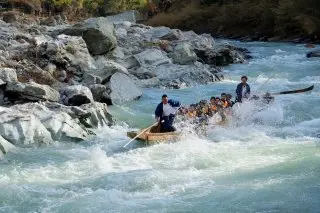
Nagatoro River Rafting
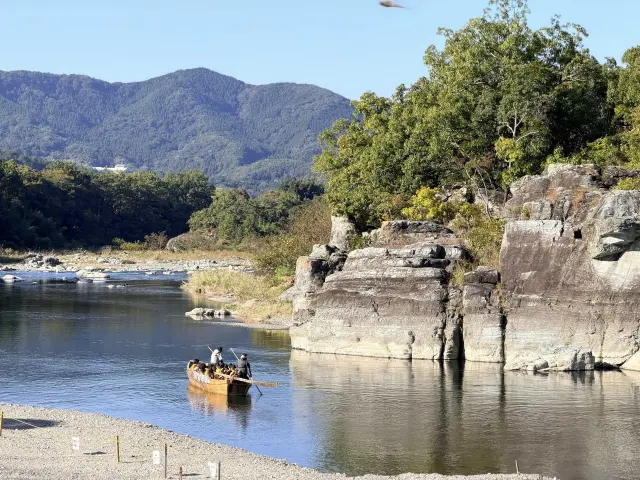
Nagatoro town in the Chichibu area is located alongside the gentle river of Arakawa and has been a popular spot for outdoor activities. Here you can enjoy a river cruise amid spectacular scenery while passing through a unique rock formation. The rock is called Iwadatami and has been selected by the government as one of the Cultural Landscapes of Japan.
On 2026/10/17, I traveled to Nagatoro and specially arranged to ride the SL steam train. In addition to personally experiencing the unique charm of an old steam locomotive that remains full of vitality despite the passage of time, I also gained a sense of Japan's deep-rooted railway culture through the enthusiasm of the people along the route.
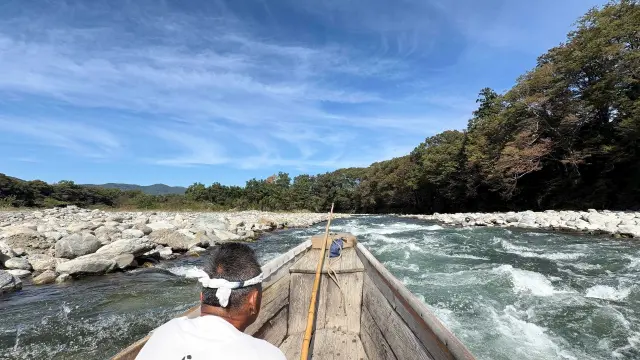
After arriving in Nagatoro, I couldn't wait to head straight for the famous Nagatoro river cruise. I was lucky enough to sit behind the boatman, which gave me an excellent front-row view of the river. The current alternated between calm and rapid, and the scenery kept changing as the boat traveled downstream. Whenever we were about to enter the rapids, the boatman thoughtfully reminded the passengers to get ready and shield themselves from the splashing water. Although it inevitably caught me a little off guard, looking back, this unexpected surprise was the most unforgettable moment of my trip to Nagatoro.
-
-

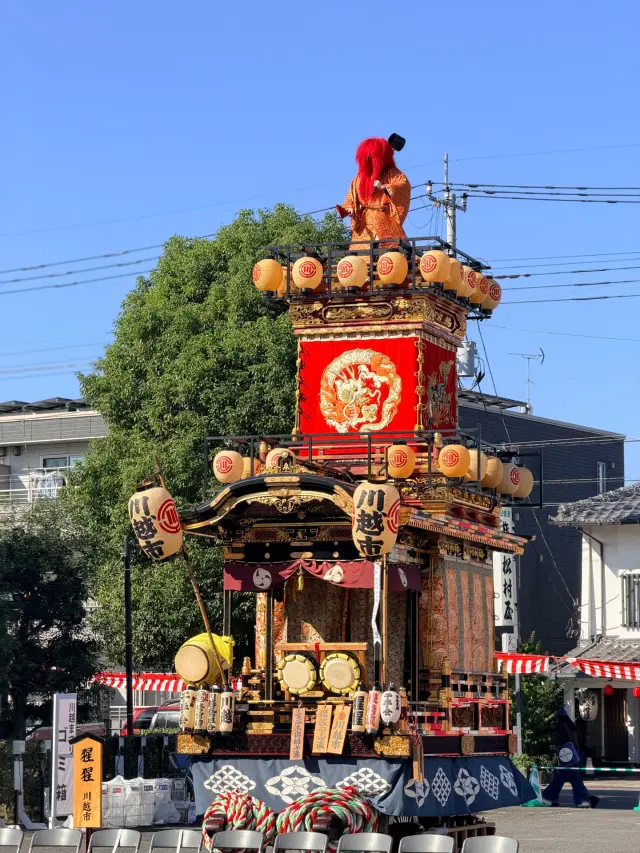
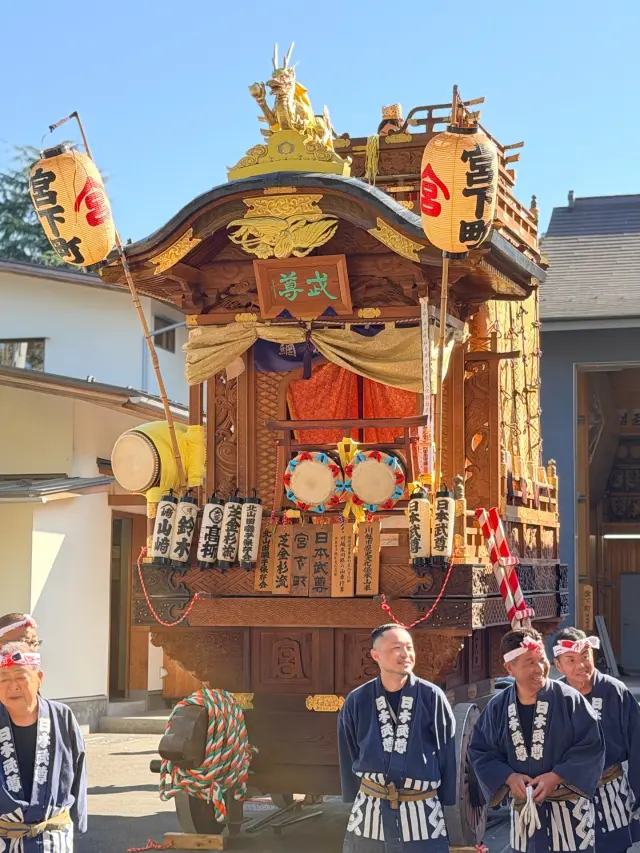
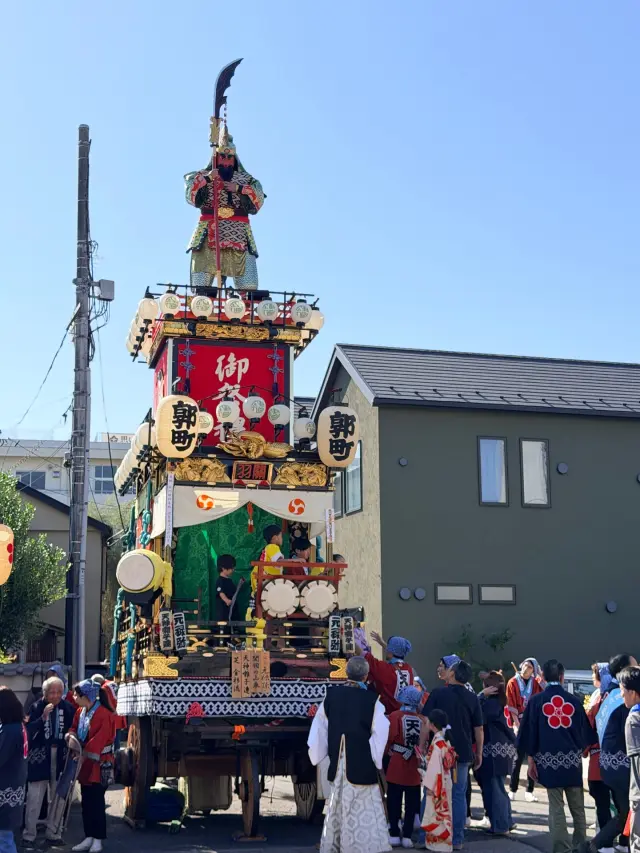
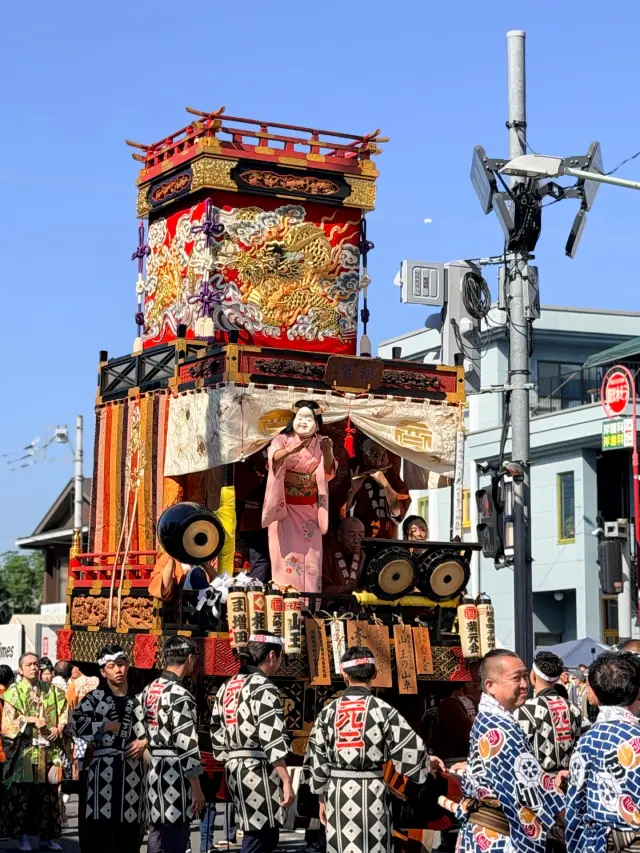
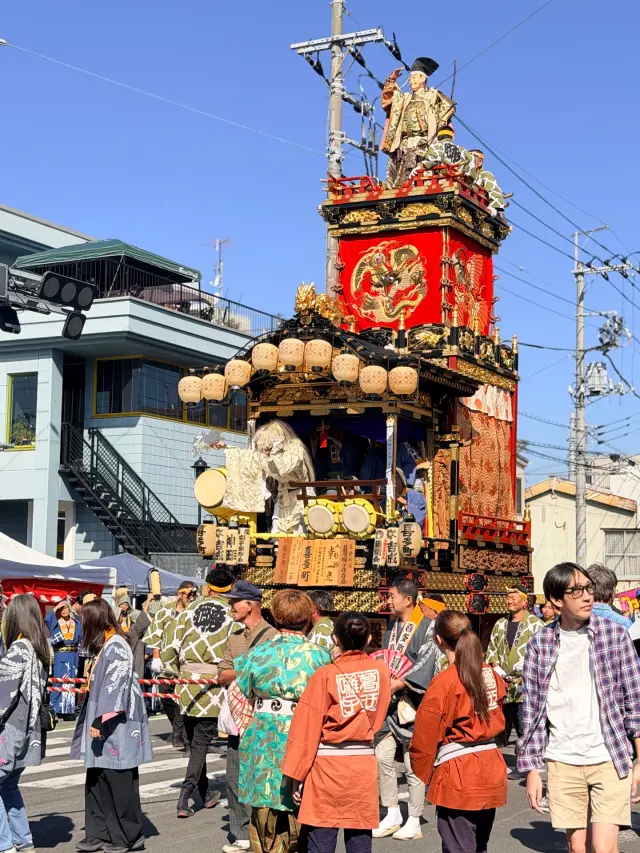
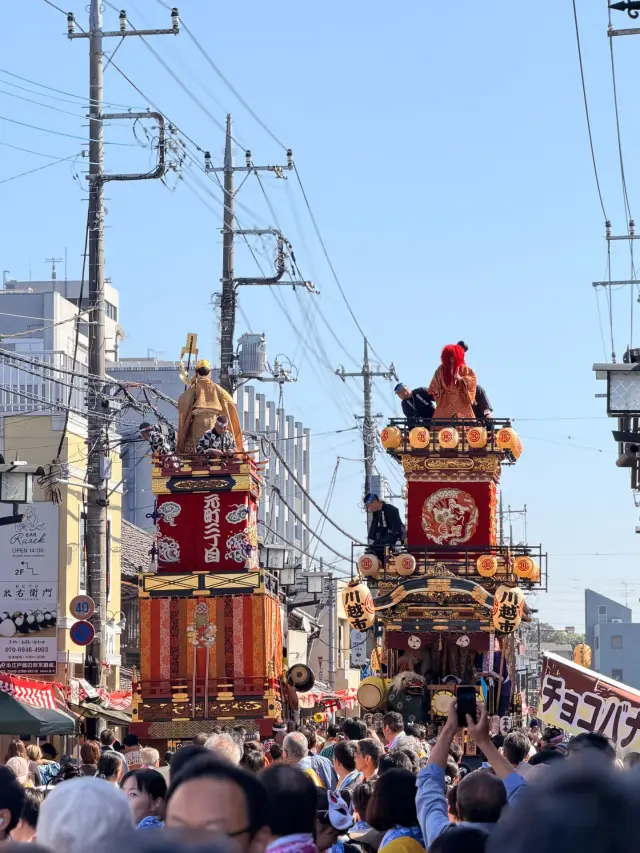
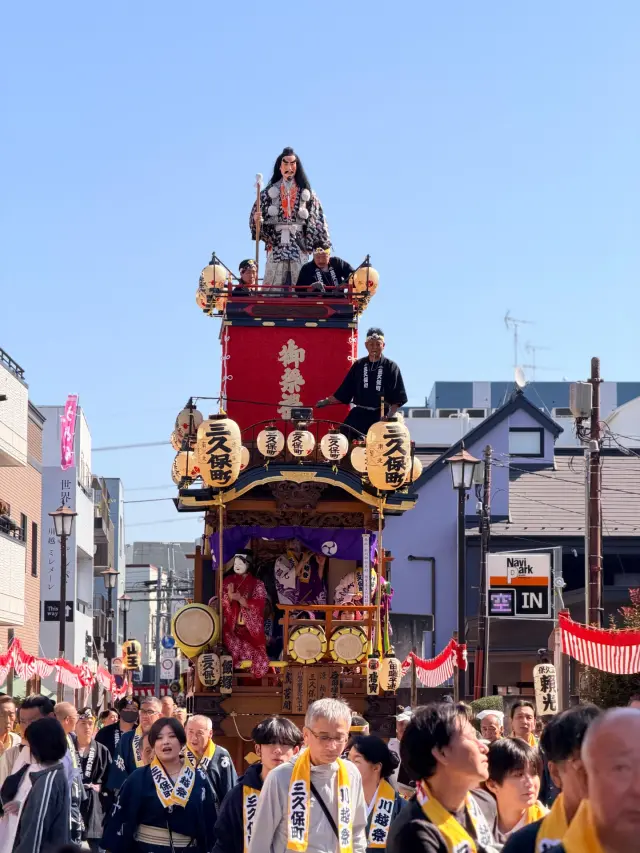
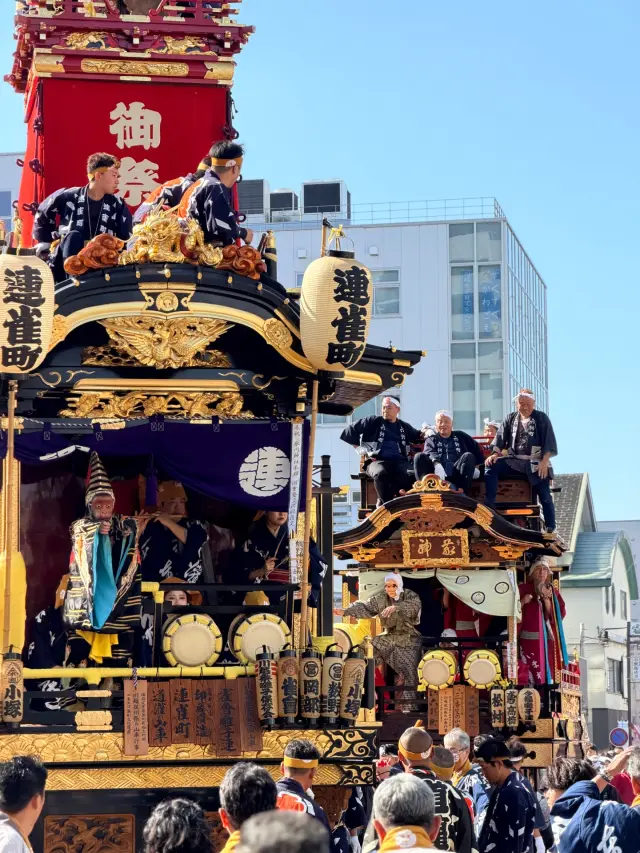
Kawagoe Festival
The Kawagoe Festival is a traditional autumn festival held every year on the third Saturday and Sunday of October. Many people come from all over the world to visit, and it is the most energetic moment of the year in Kawagoe City.
When I originally planned my trip to Kawagoe, I only intended to visit Kawagoe Hikawa Shrine, Kawagoe Kumano Shrine, Kitain Temple, and the Kurazukuri streets to take in the nostalgic atmosphere of “Little Edo.” It wasn't until after I had finalized my itinerary that I unexpectedly discovered my visit would coincide with the annual Kawagoe Festival. Curious and excited, I decided to change the order of my original itinerary and experience this major local event in person.
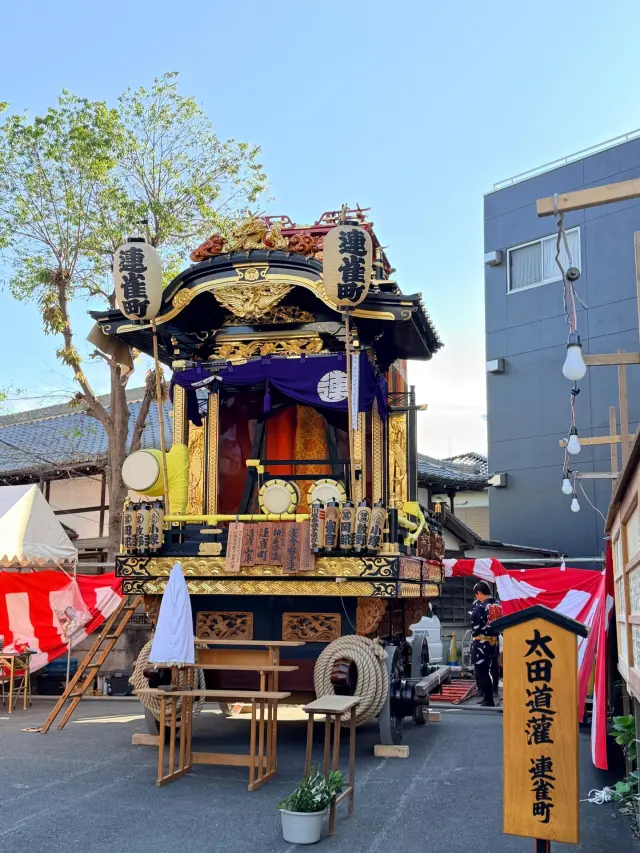
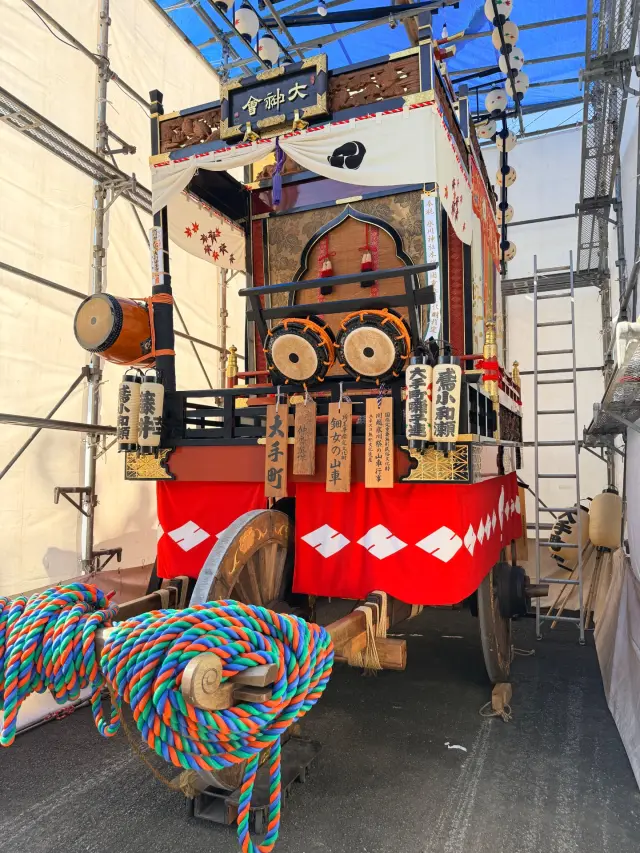
As it turned out, this last-minute change was definitely worthwhile. Although I couldn't stay until night to fully enjoy the lively festival, everything from the morning preparations and the gradually growing festive atmosphere in the streets to the ornate floats beginning their procession left a deep impression on me. It added an unexpected and unforgettable memory to what had originally been a trip focused on exploring Little Edo.
-