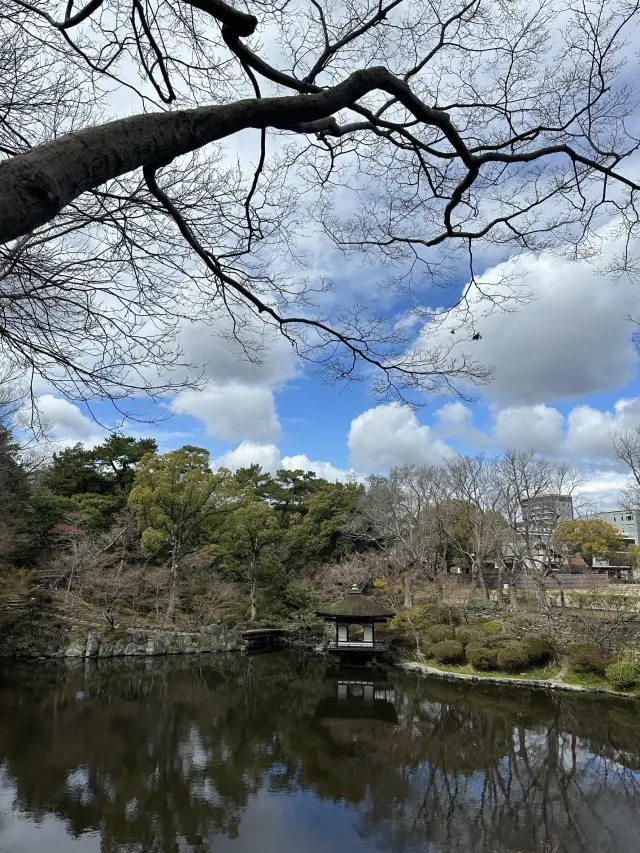
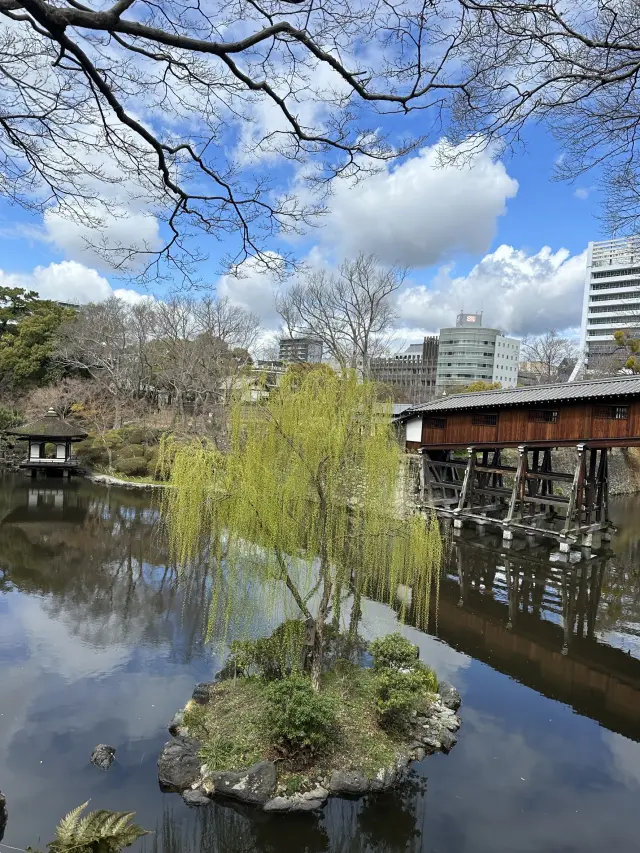
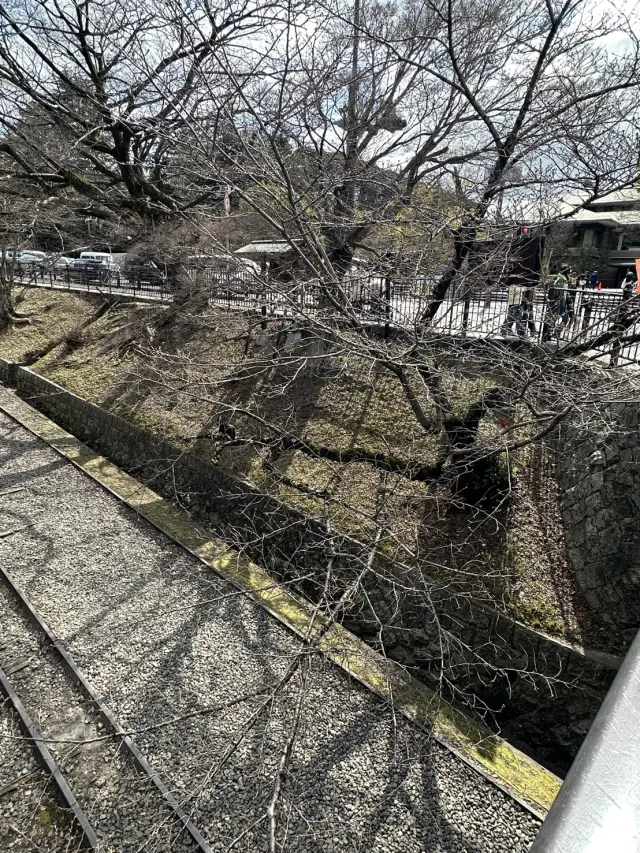
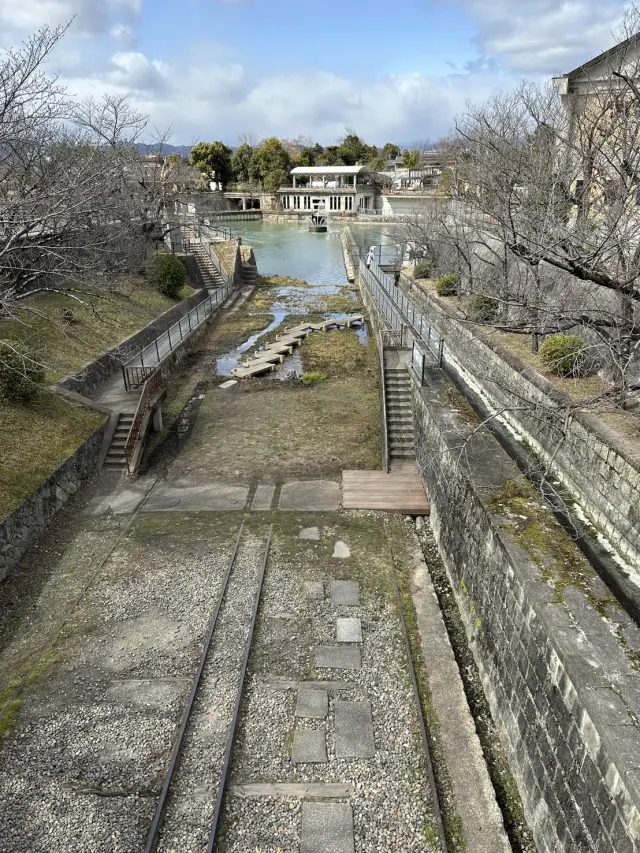
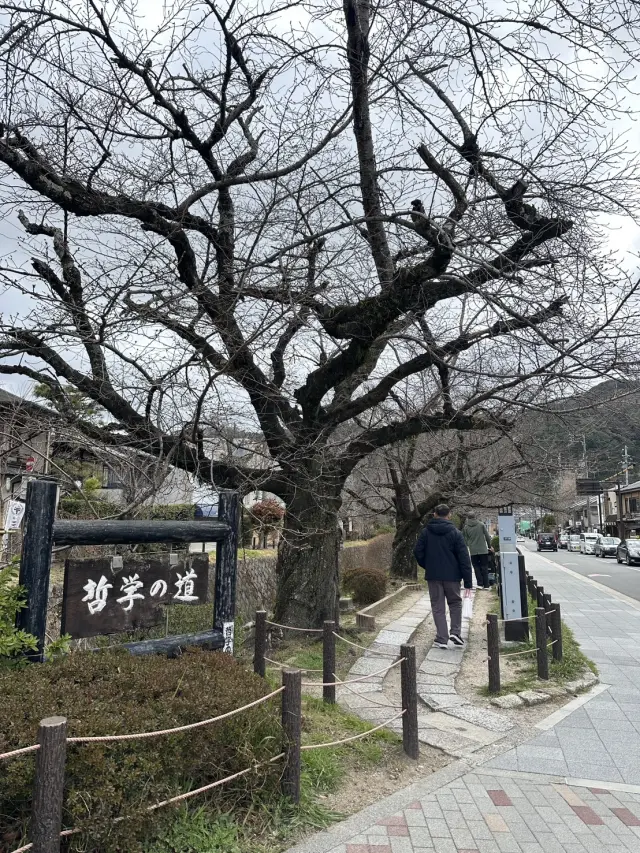
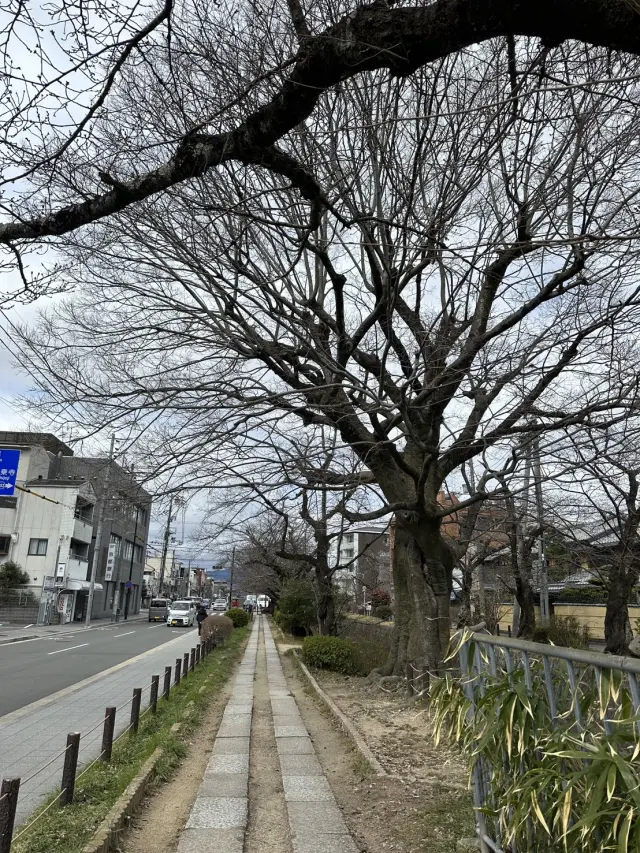
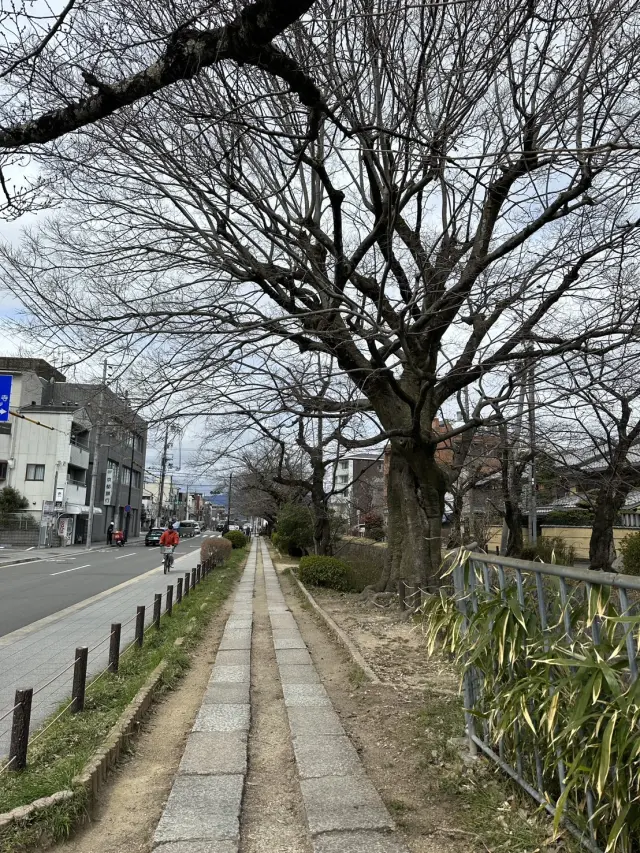
The Philosopher's Path, even without the cherry blossoms, still has a charm all its own.
Philosopher's Path | Review by ひ嘎C
Other Reviews by ひ嘎C
-
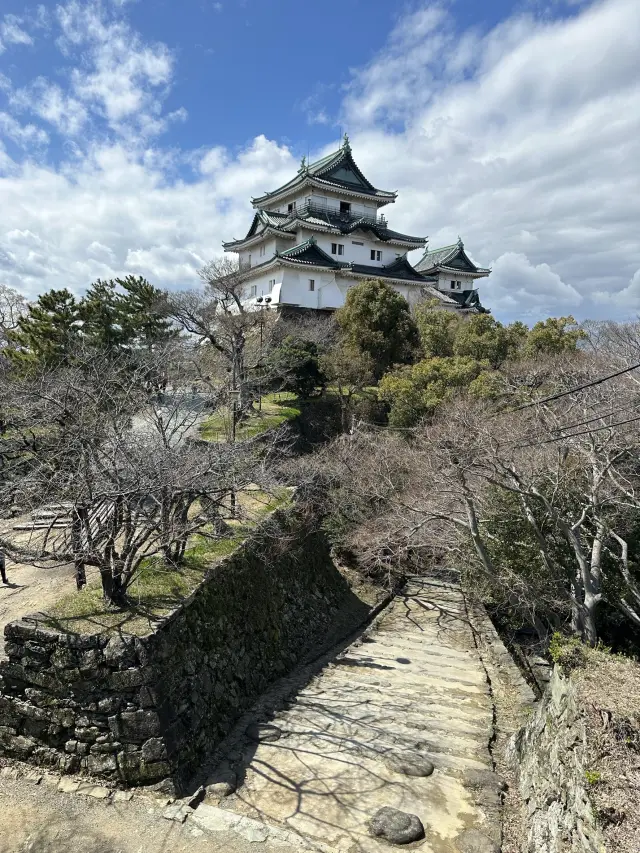
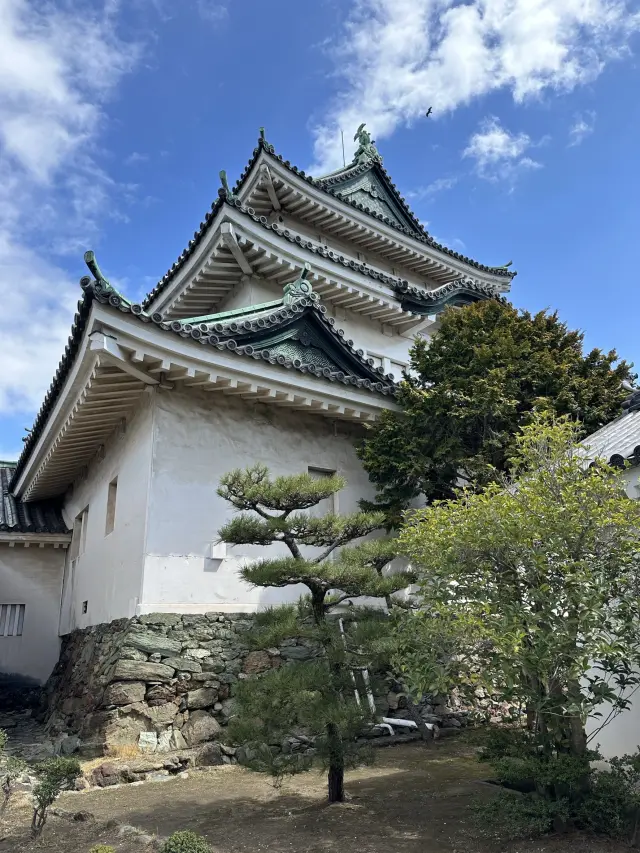
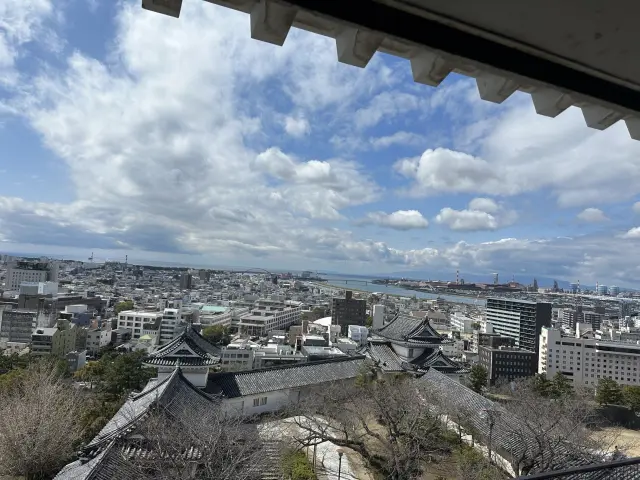
Wakayama Castle
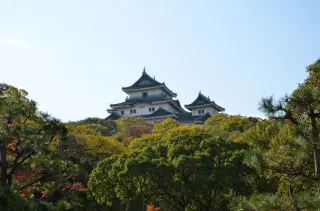
The origin of the castle started in 1585, Hashiba Hideyoshi (later Toyotomi Hideyoshi) subjugated Kishu teritory (the area now known as Wakayama) and he ordered his younger brother, Hidenaga, to build a castle on Mt.Torafusu which is at a downstream of Kinokawa-river. Later, a vassal of the Hashiba family, Kuwayama Shigeharu was placed in charge of the castle (and later, the castle lord). After the Battle of Sekigahara, Asano Yoshinaga became lord of the castle and he started building a tower followed by an interconnected corridor. He built residences in the area now known as Honmaru, Ninomaru, and Nishinomaru while building a castle town. In 1619, Yorinobu, the 10th son of Tokugawa Ieyasu, inherited the castle.
A place that doesn’t need any editing at all.
No matter how you shoot it, it looks beautiful. -
-

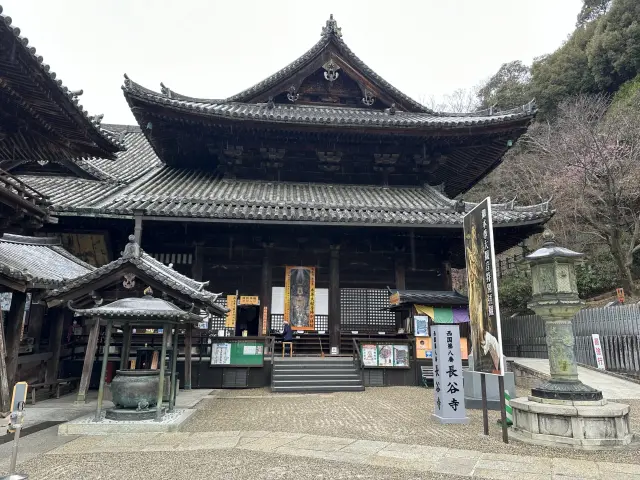
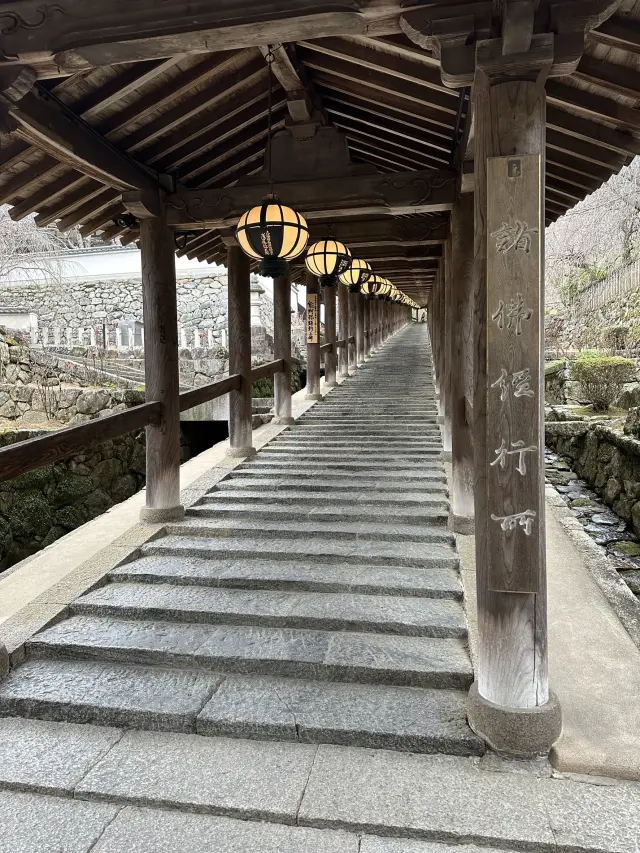
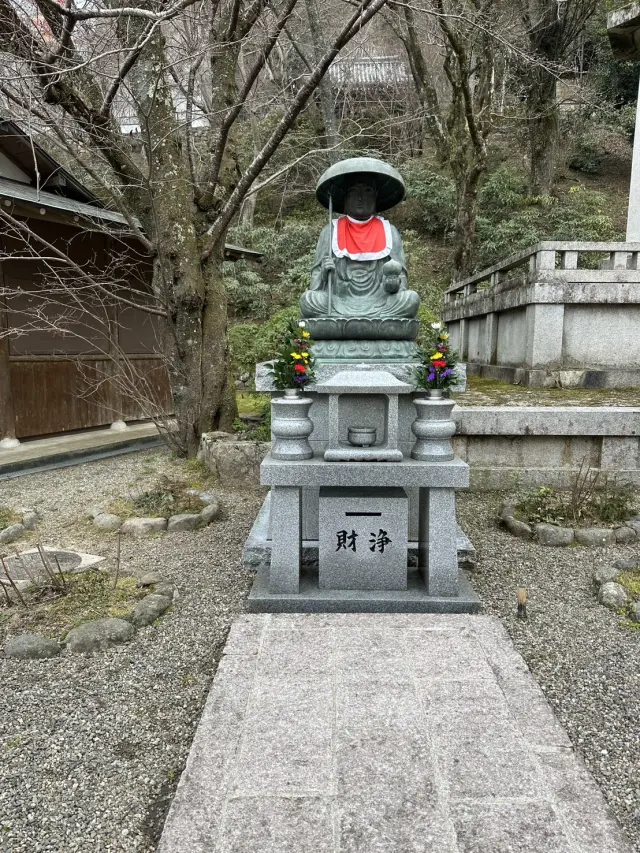
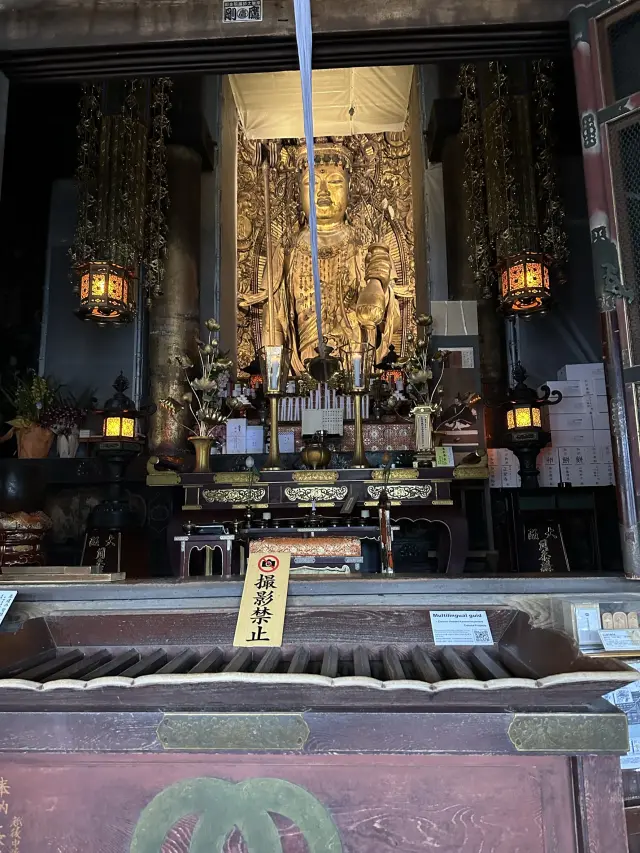
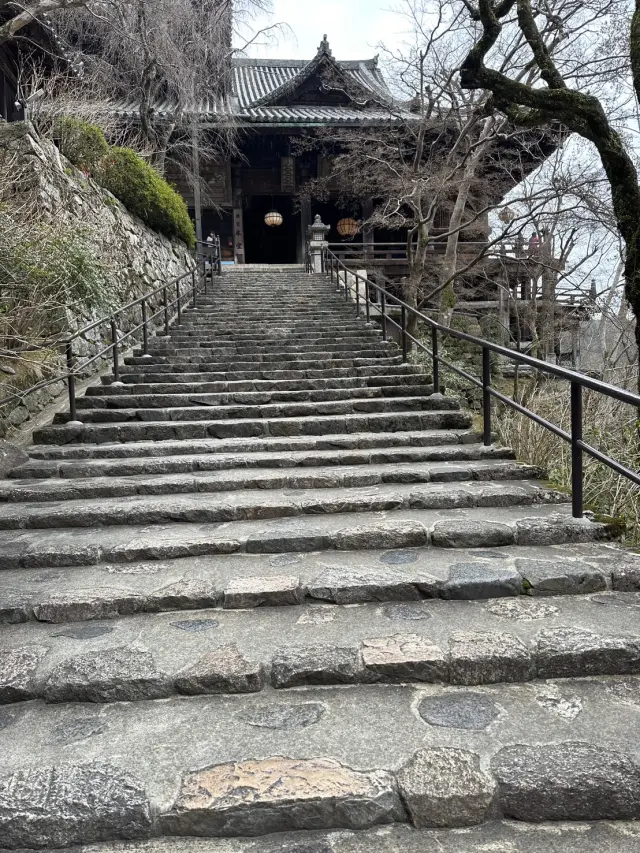
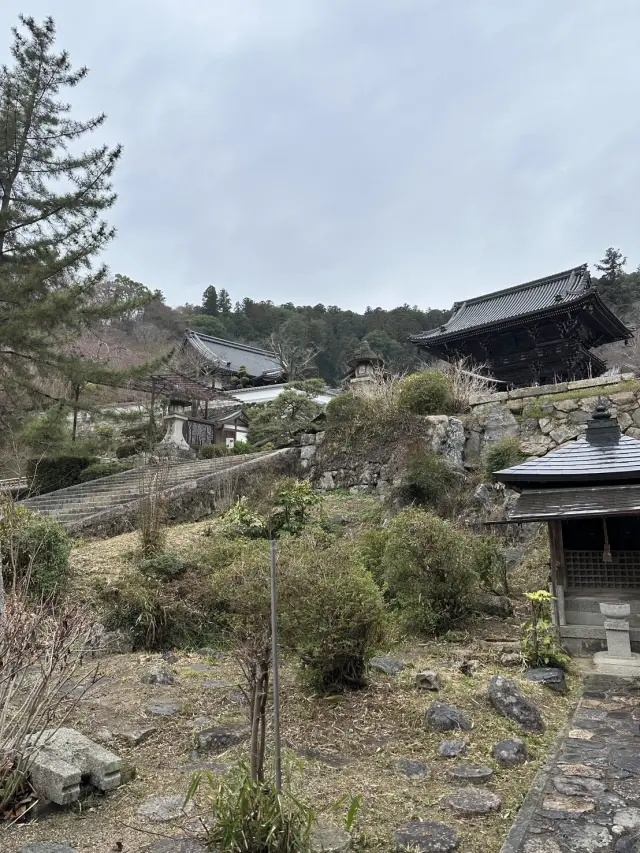
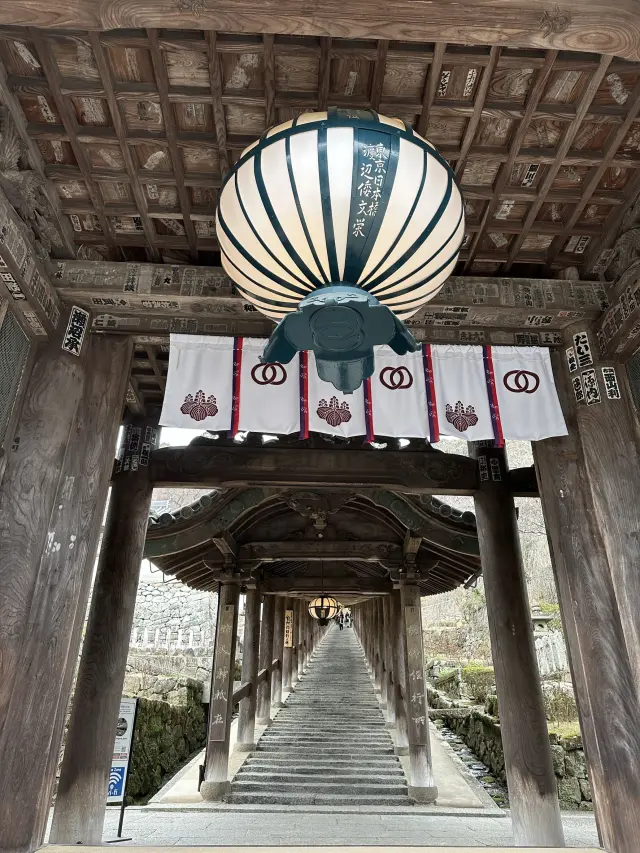
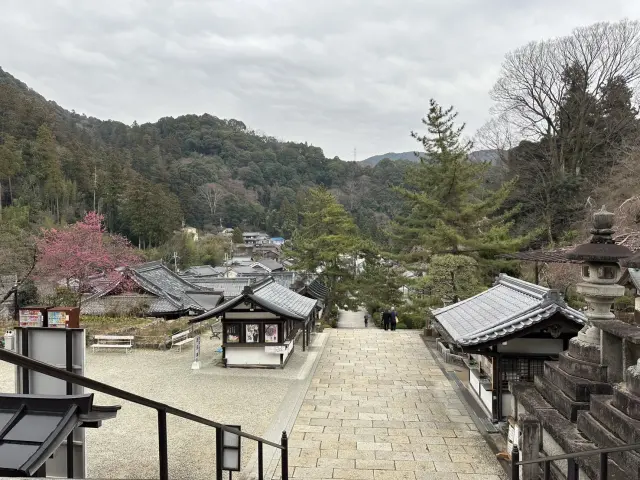
Head Temple, Hasedera
Nestled in the mountains, this is one of the most prominent holy places in Japan housing the Kannon statue. It used to stand at the midpoint of the Hase Road which ran from Yamato Province to Ise Province. It appears in ancient poetries called Komoriku no Hatsuse and in Manyoshu.
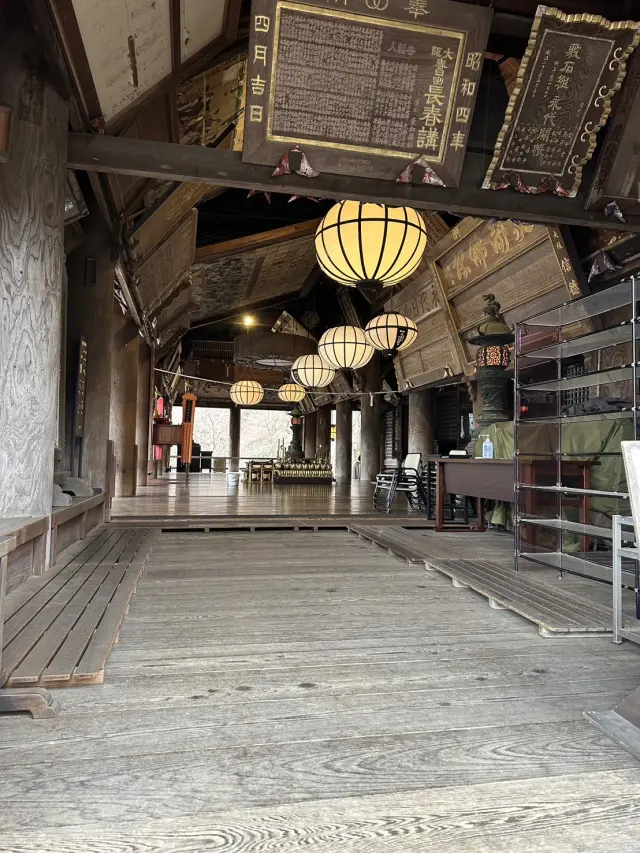
A desolate yet incredibly sacred place.
All I felt was deep emotion, over and over again. -
-
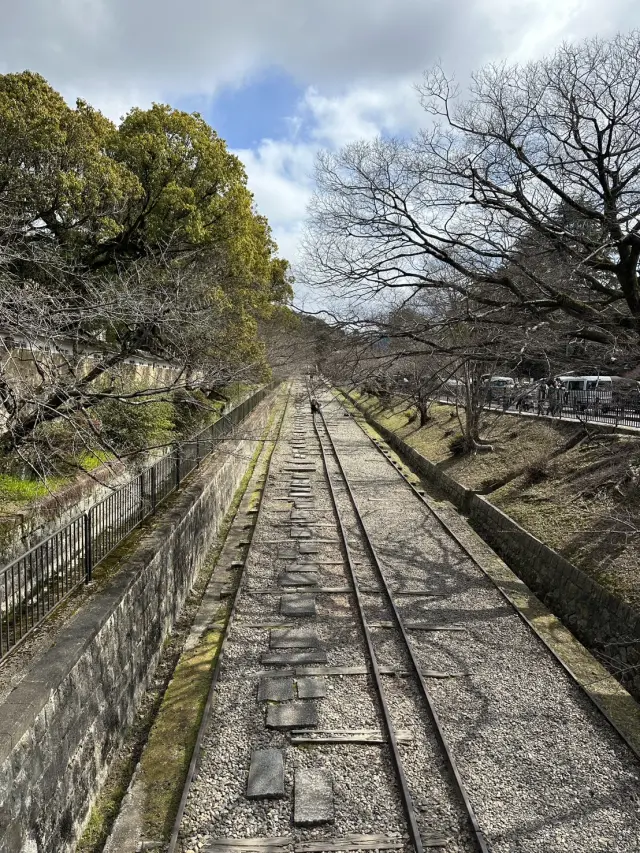
Keage Incline
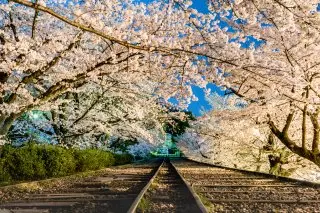
Lake Biwa Canal is a man-made waterway that connects Otsu and Kyoto. Although it was made in the Meiji Period, it is still being used and made up of the roughly 20 km-long 1st Canal, the 7.4km-long 2nd Canal, and 3.3km-long Canal Branch, etc.
Cherry trees with only buds
stood along both sides of the tracks,
creating a bleak and chilly atmosphere. -