

Miyama Kayabuki no Sato

Verified [Verified] denotes information that has been published with confirmation of its owing parties.

Miyama Kayabuki no Sato

A village of old-world thatched roof houses and a preserved Japanese culture from a bygone age.

3.32 5

Last update :

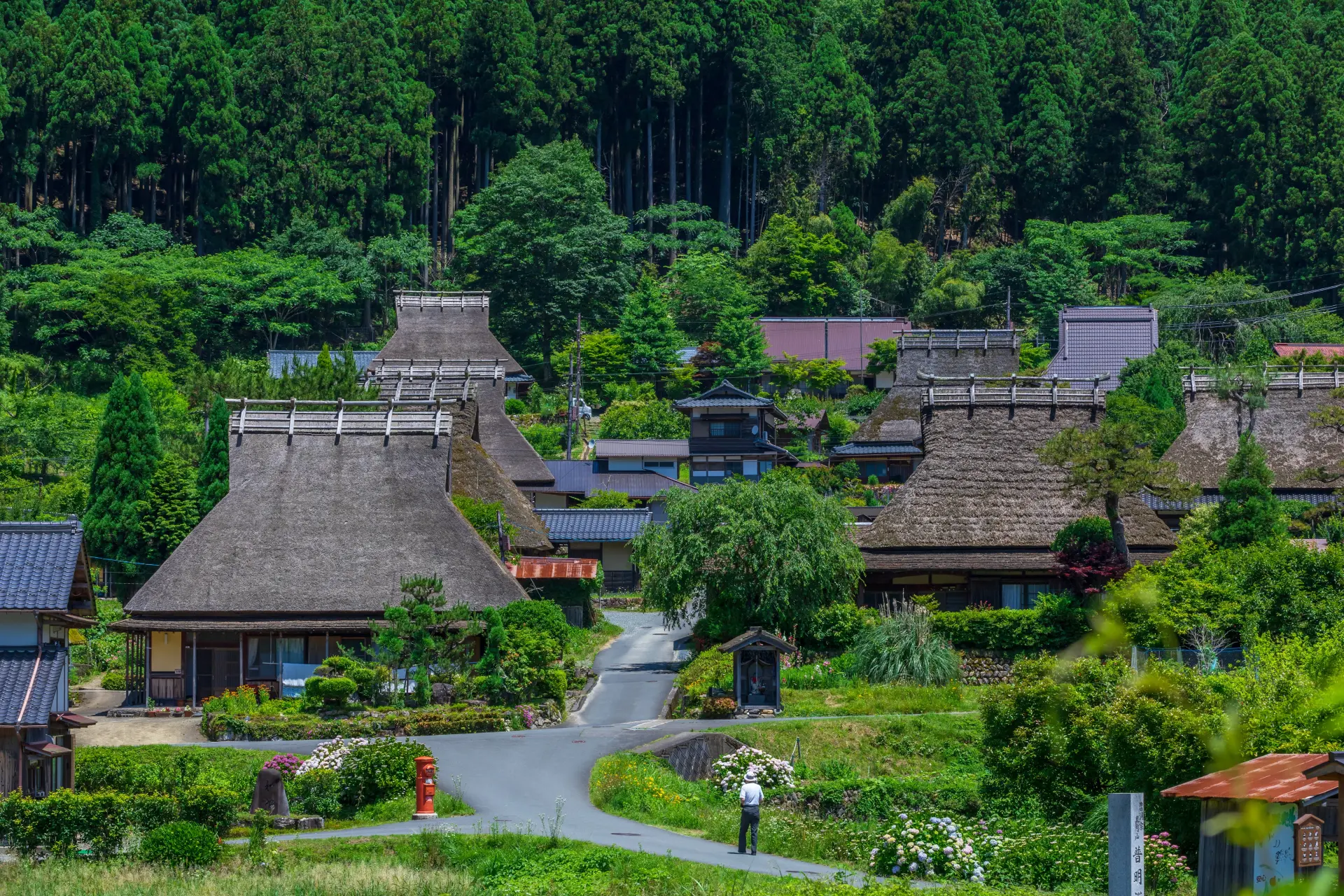
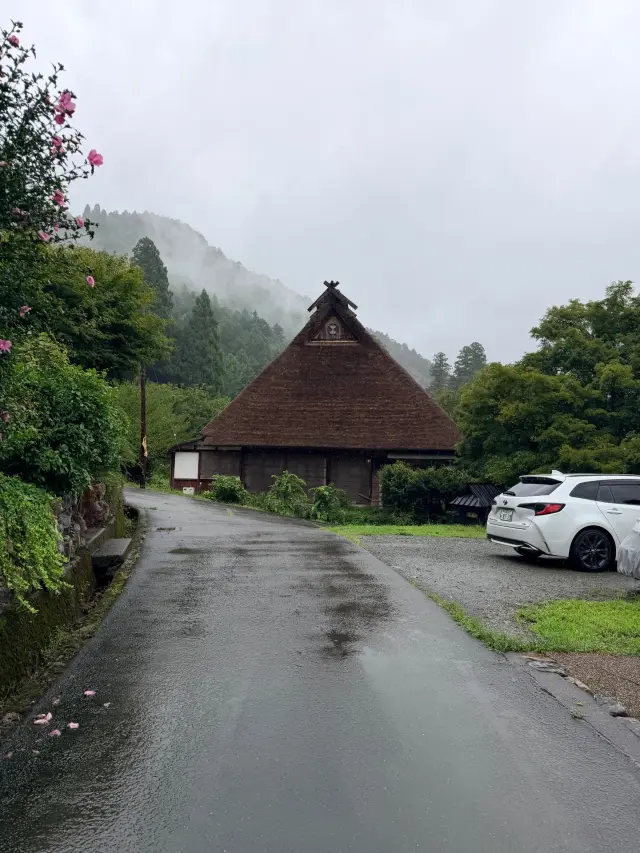
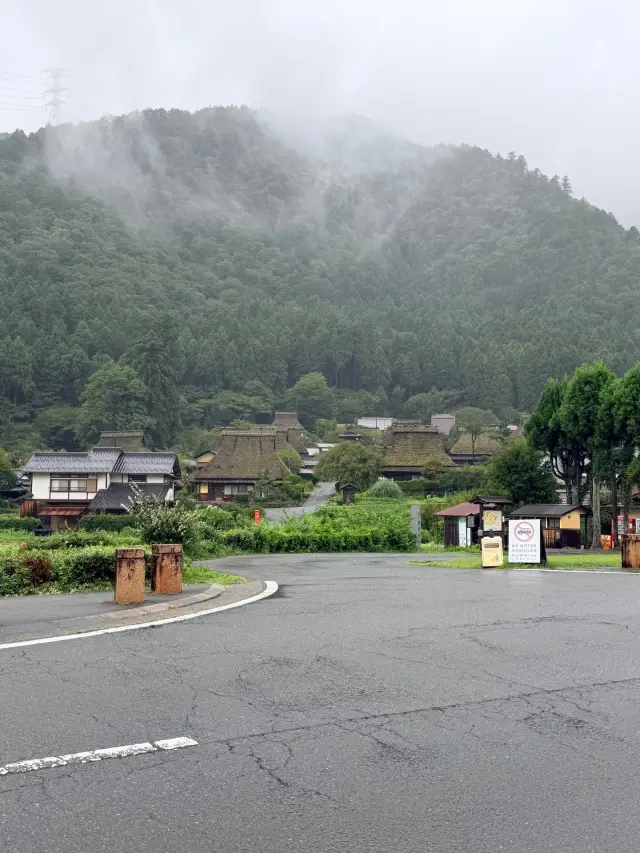
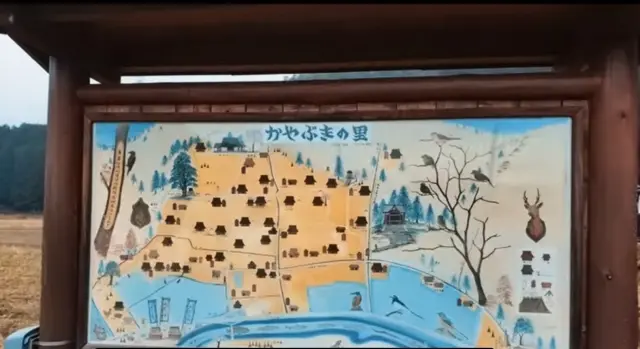
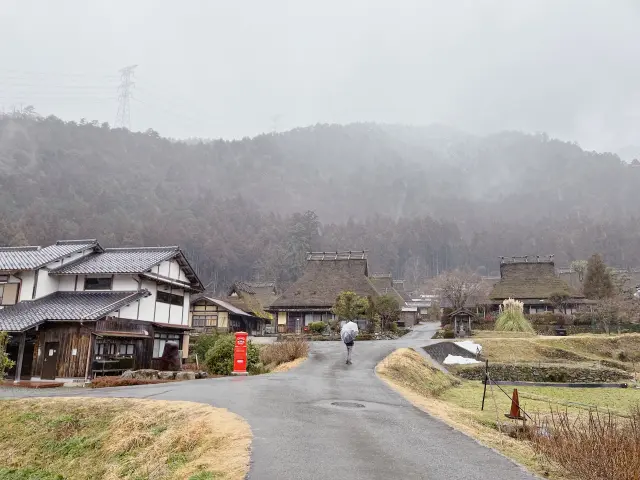
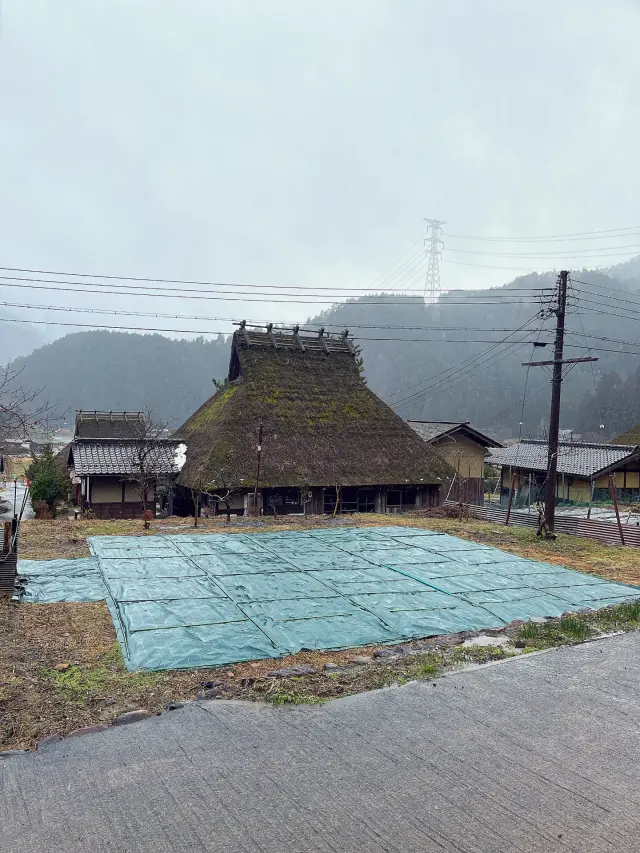
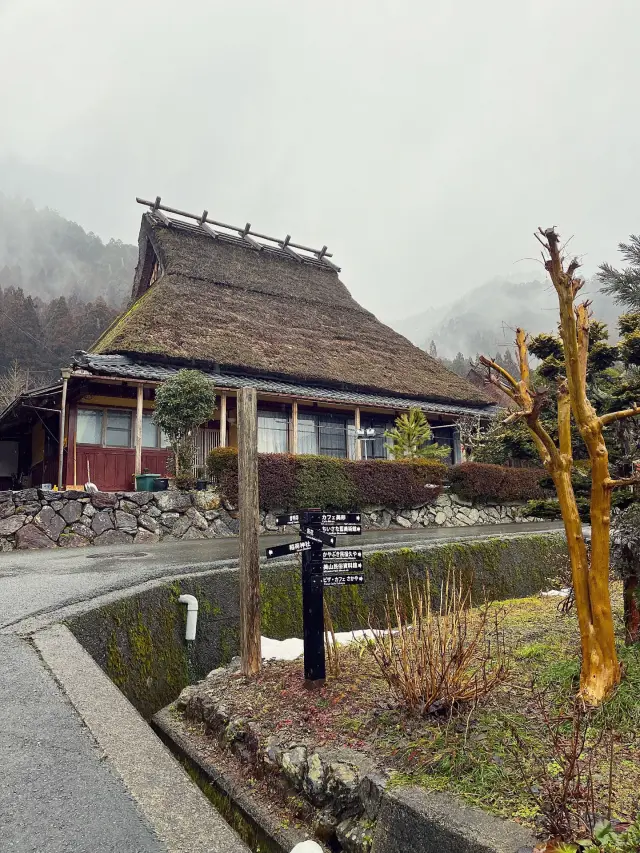
Miyama, Nantan City in Kyoto Prefecture, is home to a gathering of rare thatched-roof houses. The northern settlement is especially known for its preserved 39 thatched-roof houses, designated as an Important Preservation District for Groups of Traditional Buildings, beloved to this day as a nostalgic landscape of Japan that melts against the backdrop of picture-perfect seasons.

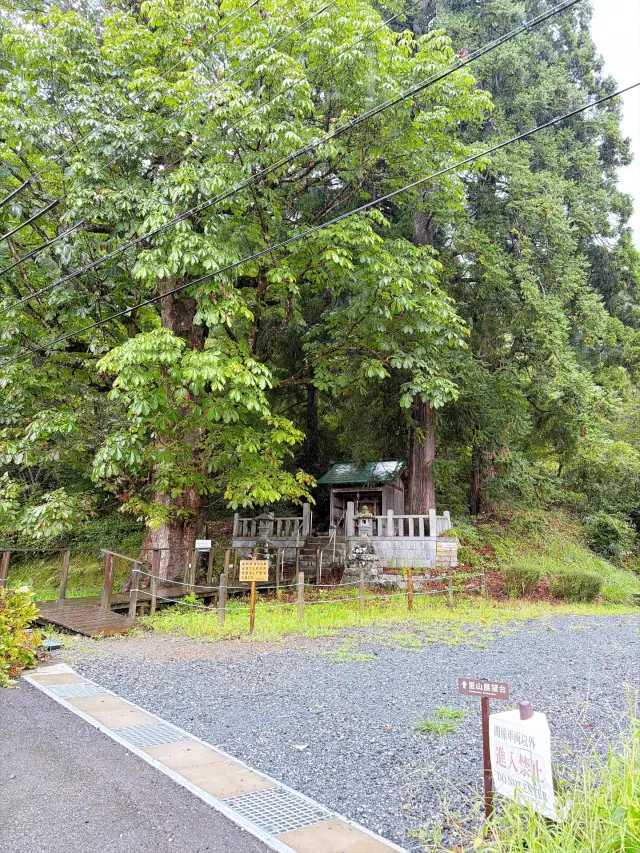
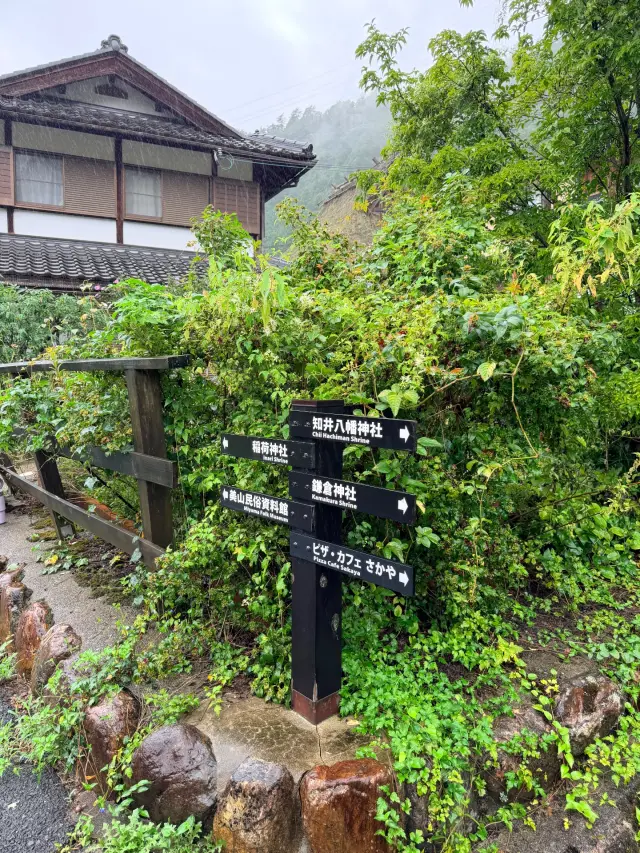
Now known as "Miyama Kayabuki no Sato," this entire village is famed as a hallmark destination. Make your way here and step into the fullness of real Japanese culture, including shrines, temples, a folk museum displaying daily tools and farming equipment from 200 years ago to illustrate traditional farm life, and an art museum on the second floor of an indigo dye workshop, showcasing shibori-dyed pieces from Japan and abroad. The area is dotted with different cafes and eateries, perfect for a break during a stroll. If there’s time for an overnight stay, book a night in the rural atmosphere at the village inns or guesthouses.

Book private guided tours for groups of two or more, complete with local guide and English if needed. Depending on the time you may catch seasonal events like the spring rice-planting ritual and the "Miyama’s Thatched Village Winter Lantern Festival," where snow-covered houses are illuminated by lanterns, also attract many visitors.

Highlights

  • A tourist spot located in the northern settlement of Miyama Town, Nantan City, Kyoto Prefecture.
  • A collective of rare thatched-roof houses, offering a glimpse of Japan's traditional landscape.
  • Classic Japanese culture at museums, art galleries, and inns to explore.
  • Plenty of dining options, including cafes and soba restaurants.
  • Seasonal events and guided tours are also available.

Photos

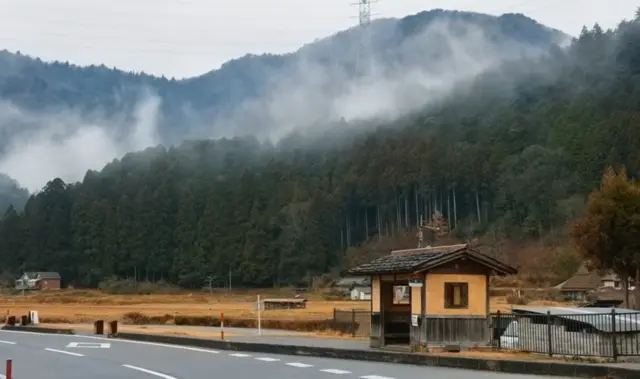
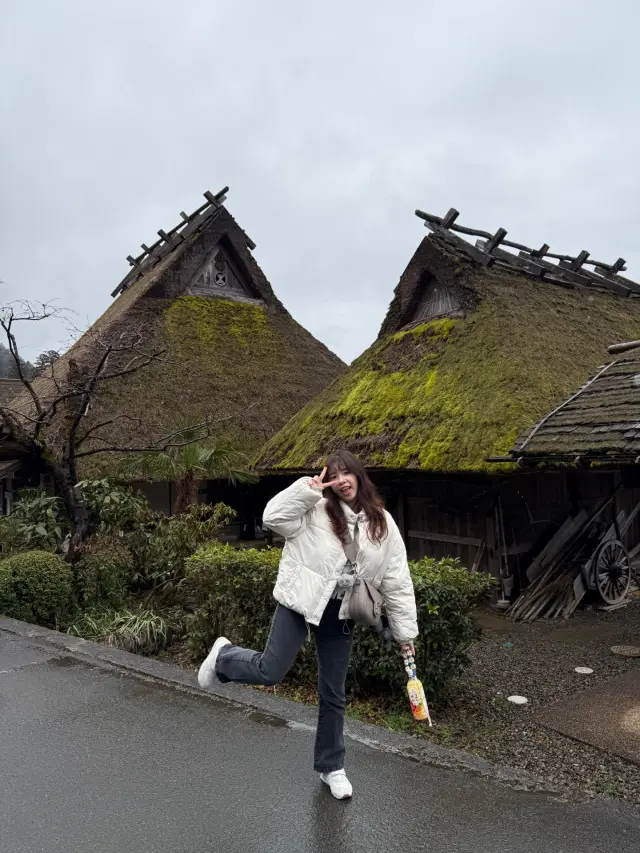
  • Thatched-roof houses showcasing different charms throughout the changing seasons.

    Thatched-roof houses showcasing different charms throughout the changing seasons.

  • The "Kayabuki no Sato Rice Planting Festival" held in spring to pray for a bountiful harvest.

    The "Kayabuki no Sato Rice Planting Festival" held in spring to pray for a bountiful harvest.

  • In winter, the "Miyama’s Thatched Village Winter Lantern Festival" lights up the village.

    In winter, the "Miyama’s Thatched Village Winter Lantern Festival" lights up the village.

Official FAQs

Frequently Asked Questions have been vetted and answered directly by each listing.

Q

Do you have signs or pamphlets in foreign languages? (If you do, which languages are available?)

A

Yes We have.

Q

Is free Wi-Fi available in the area?

A

Yes, it is.

Q

Are coin lockers available?

A

Not available.

Q

Are there restrooms available?

A

Yes, there are.

Q

Are there any smoking areas?

A

Yes.

Reviews

5

Some reviews are AI-translated.

  • See More

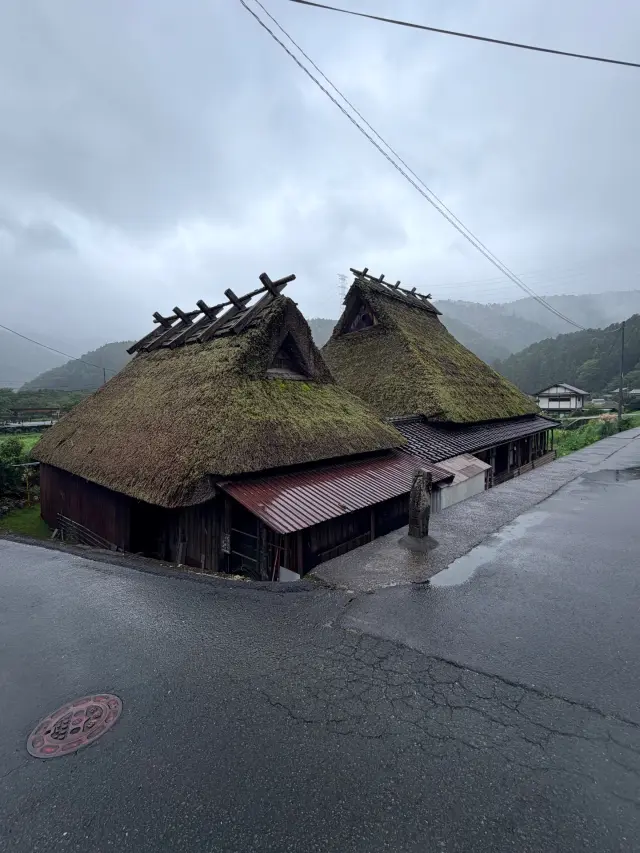
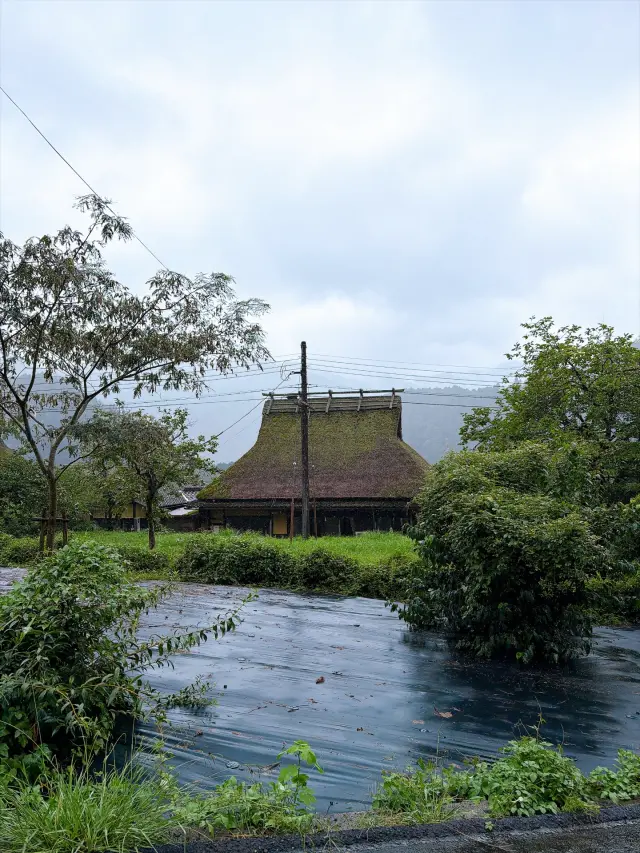
    I really love the scenery at Miyama Kayabuki no Sato. The old thatched-roof houses are scattered throughout the mountains, and the entire village is filled with the atmosphere of the Japanese countryside. I just never expected that both times I visited, it would rain. It was really a bit disappointing!

    Although rainy Miyama has an added sense of tranquility and a misty atmosphere, the rain also made it impossible to really walk around and explore, and even harder to take the kind of beautiful photos I had in mind, with thatched-roof houses under blue skies and white clouds.

    Every time I come, I feel like there are still so many places I haven't been able to fully experience. I especially want to see Kayabuki no Sato surrounded by the mountains and forests on a sunny day.

  • See More

    Miyama, Kyoto, is a small village that feels like stepping back into ancient Japan.

    Located in Nantan City, Kyoto Prefecture, Miyama's northern settlement still preserves many traditional thatched-roof homes. Its 39 thatched-roof houses are scattered throughout the valley, and together with the changing natural scenery of the four seasons, it truly feels like stepping into Japan's original landscape.

    It's not as bustling as central Kyoto. There are fewer crowds and more peace and relaxation.

    When taking the bus there on a weekday, there weren't many visitors, so I could stroll around at my own pace, admire the roofs of the old houses and the rural scenery, and experience how the local residents live in harmony with nature.

    Although it takes some time to get there, once you arrive and see the nostalgic thatched-roof village before you, you'll feel the trip was well worth it.

  • See More

    Miyama preserves a traditional thatched-roof village, with a simple, charming rural landscape full of Japanese countryside atmosphere. Strolling through the area, you can feel its relaxed and peaceful vibe. It’s a great place to unwind.

  • See More

    I’d always wanted to see what a thatched-roof village in Japan looks like, so I’m really thankful I could join a one-day tour. It made it possible for independent travelers to come here and see the beauty of this village for themselves 🤩

    I definitely recommend buying the Miyama flower-shaped cookies while you’re here. They’re seriously so delicious 👍🏻

  • See More

    A travel agency announced a special sale on a new tour, and what attracted me most was Miyama Kayabuki no Sato in the outskirts of Kyoto. It's 1.5 hours from downtown Kyoto, with few people around and none of the feel of a tourist area, so it's very comfortable for a stroll. At the entrance is an old-fashioned bright red mailbox. The village looks like something out of a fairy tale, with one adorable thatched-roof house after another. The roofs provide sound insulation, protection from wind and snow, warmth in winter, and coolness in summer. The layers of thatch are about 50–80 centimeters thick and need to be replaced every 20–30 years. Our early fall visit happened to coincide with the buckwheat flowers in full bloom. Residents grow buckwheat in fallow fields as a “landscape crop.” Every year, from around mid- to late September, the fields are covered with delicate little white flowers like fine snow. Set against the traditional thatched roofs in the background, they create a popular fall scene. Thank the Lord! We were so lucky to visit right when the flowers were blooming—an unexpected bonus.

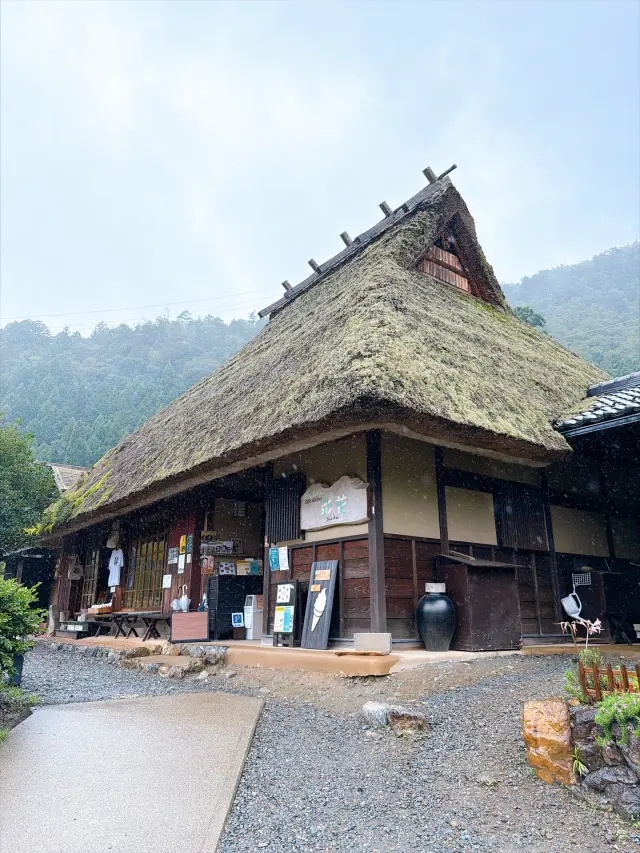
    The small “Saika” shop has Miyama milk soft-serve ice cream, and we really enjoyed it!

Details

Name in Japanese
美山かやぶきの里
Postal Code
601-0712
Address
Miyamachokita, Nantan City, Kyoto
Telephone
0771-77-0660 (Kayabuki-no-Sato Co., Ltd.)
Closed
Varies by store・facility
Business Hours
Varies by store・facility
Admission
Varies by store・facility
Access
(1) From JR San'in Main Line Hiyoshi Station, take the Nantan City bus for 55 minutes to the "Kita (Kayabuki no Sato)" stop, then walk 2 minutes.
(2) By car, it's a 40-minute drive from the Sonobe IC on the Kyoto Jukan Expressway.
Official Website
Official Website (English)
Hokkaido Tohoku Kanto Chubu Hokuriku Kansai Chugoku Shikoku Kyushu Okinawa