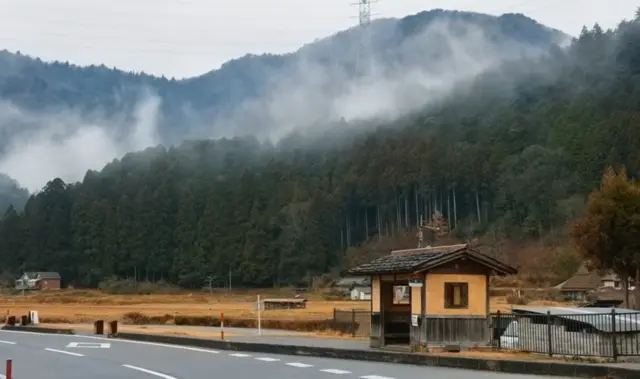
Miyama, Kyoto, is a small village that feels like stepping back into ancient Japan.
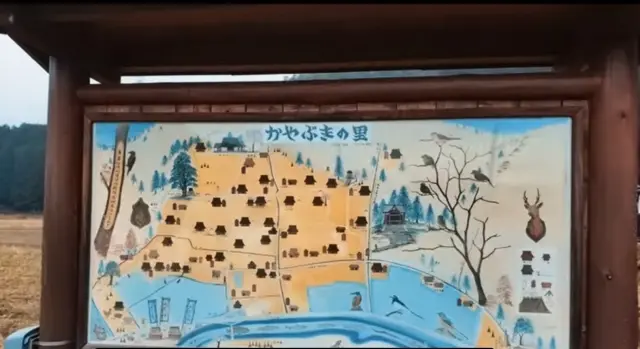
Located in Nantan City, Kyoto Prefecture, Miyama's northern settlement still preserves many traditional thatched-roof homes. Its 39 thatched-roof houses are scattered throughout the valley, and together with the changing natural scenery of the four seasons, it truly feels like stepping into Japan's original landscape.
It's not as bustling as central Kyoto. There are fewer crowds and more peace and relaxation.
When taking the bus there on a weekday, there weren't many visitors, so I could stroll around at my own pace, admire the roofs of the old houses and the rural scenery, and experience how the local residents live in harmony with nature.
Although it takes some time to get there, once you arrive and see the nostalgic thatched-roof village before you, you'll feel the trip was well worth it.
Miyama Kayabuki no Sato | Review by 王小鈞
Other Reviews by 王小鈞
-
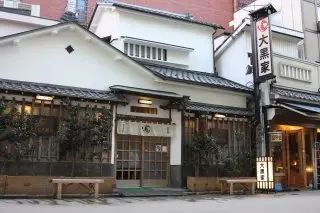
Daikokuya Tempura
First established in 1887, this tendon (rice bowl topped with tempura) restaurant is a noted dining spot in Asakusa, one of Tokyo’s major areas for eating tendon.
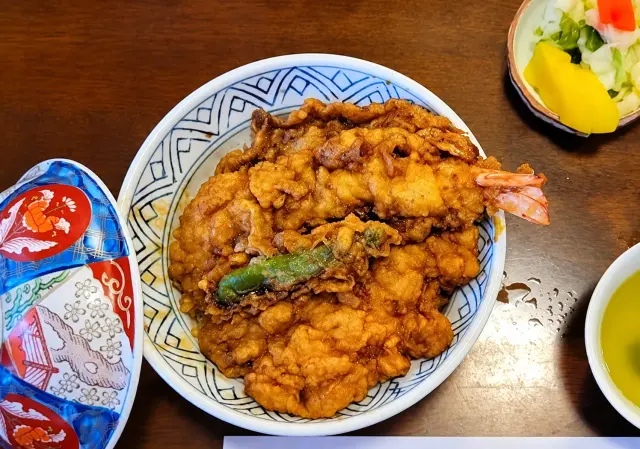
Located in Asakusa, Daikokuya Tempura is known for its signature shrimp tempura rice bowl and always draws a big crowd at mealtimes. I came for dinner this time, and it was every bit as popular as expected. After waiting in line for about an hour, I finally got to try it!
When the tempura rice bowl arrived, it was covered with fried items piled over the rice. Just looking at it made my mouth water! The shrimp was fresh and springy, coated in a golden, crispy batter and topped with Daikokuya’s signature rich sauce. It had a savory, salty flavor with a distinctive taste, and paired with Japan’s sweet, delicious rice, every bite was satisfying.
Although there are quite a few other well-known tempura restaurants around Asakusa, each with its own character, I still especially like the traditional, unpretentious flavor of this long-established restaurant. There isn’t much flashy decoration; it leaves a lasting impression through its familiar, classic flavors.
-
-
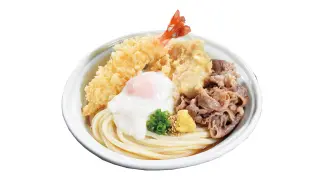
Kagawa Sanuki Mengyo Tokyo Station
Tracing its roots to Kagawaya, founded in 1926, Kagawa Sanuki Mengyo has been making handmade udon for three generations. Ingredient proportions and kneading are adjusted to suit the day’s temperature and humidity. On Nippon Gourmet Road, it serves udon with the firm bite and springiness developed by kneading the dough by foot.
If you’re in the underground mall at Tokyo Station and want a quick meal without spending too much time waiting in line, consider this Sanuki udon restaurant! The restaurant has been passed down through three generations and has a century-long history. It has also won the Minister of Agriculture, Forestry and Fisheries Award 14 times at the Sanuki Udon Skills Competition held in Kagawa Prefecture, which is quite impressive!
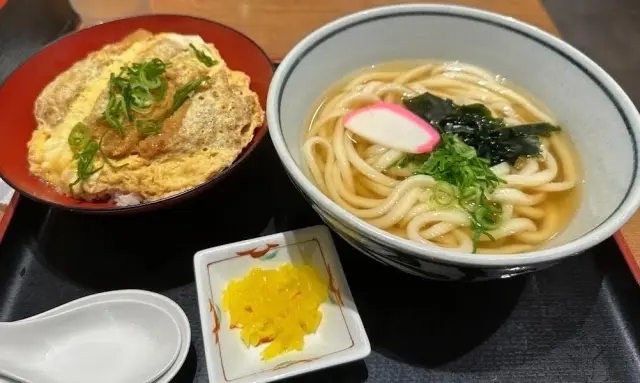
This time, we ordered two set meals. One came with udon and oyakodon, while the other came with udon and a pork cutlet rice bowl. We visited during mealtime and surprisingly didn’t have to wait in line. The food was also served quickly after ordering, making it very convenient for travelers in a hurry who want a quick meal.
Udon: * The noodles had a nice texture, and the broth was delicious. Overall, it was satisfying!
Fried food: Surprisingly good and went very well with the udon.
Oyakodon: This was rather disappointing! The chicken was very dry. It may have been prepared in advance to speed up service, and the overall texture wasn’t very good.Overall, the udon and fried food here are both worth trying. The location is especially convenient, the food comes out quickly, and you can enjoy piping-hot udon without waiting in line. However, the rice bowls were fairly average. Next time, I’ll probably just order udon with fried food!
-
-

HANAMICHIAN Tokyo Station
HANAMICHIAN is a miso ramen specialist recognized with a Bib Gourmand in the MICHELIN Guide Tokyo for two consecutive years. This Tokyo-born brand takes its name from the hanamichi, the walkway used by fighters as they make their entrance. You can enjoy its carefully prepared miso ramen on Tokyo Ramen Street.
HANAMICHIAN, located inside Tokyo Station, is known for its rich miso ramen. It has been selected for the Bib Gourmand two years in a row and is really popular, with long lines often forming!
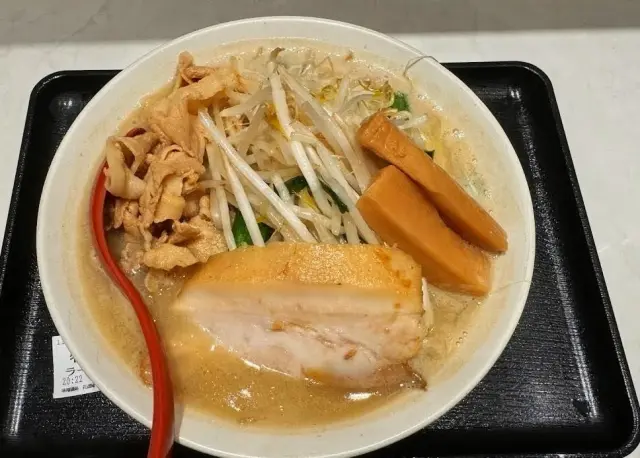
This time, I ordered the signature miso ramen for JPY 1,440. I arrived at mealtime, bought a meal ticket from the vending machine at the entrance, and then joined the line. I thought I would have to wait a long time, but I was seated after only about 5–10 minutes, which was pretty lucky!
The restaurant is clean and bright. Although there aren’t many seats, the atmosphere is lively and feels like a traditional Japanese ramen shop.
It’s really nice to find a conveniently located place in busy Tokyo Station where you can sit down and enjoy a piping-hot bowl of ramen! If you like miso ramen, consider adding this place to your food list the next time you visit Tokyo Station!
-