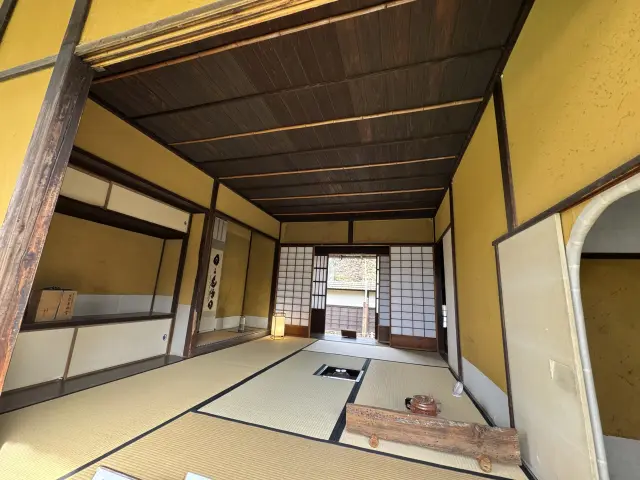
Kakunodate is perfect for taking a slow walk and exploring at a relaxed pace.
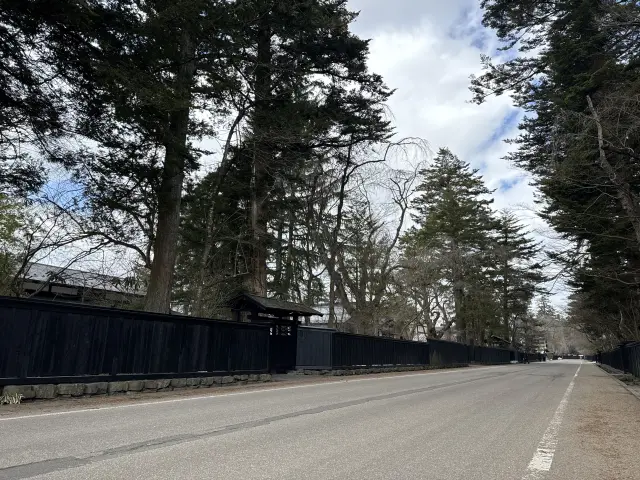
Around Bukeyashiki Street, the area still preserves the look of the Edo period. The residences aren’t flashy, but each one quietly holds the marks of time.
Samurai Residences in Kakunodate | Review by Zin

Other Reviews by Zin
-
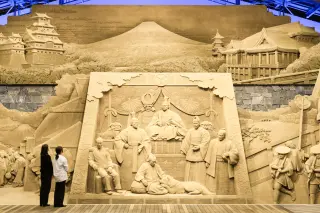
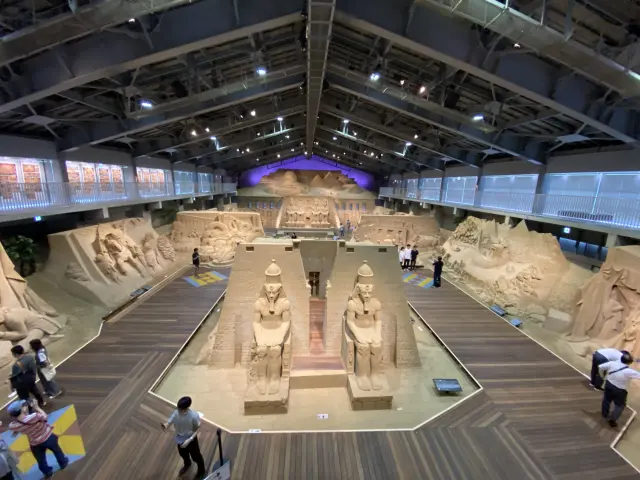
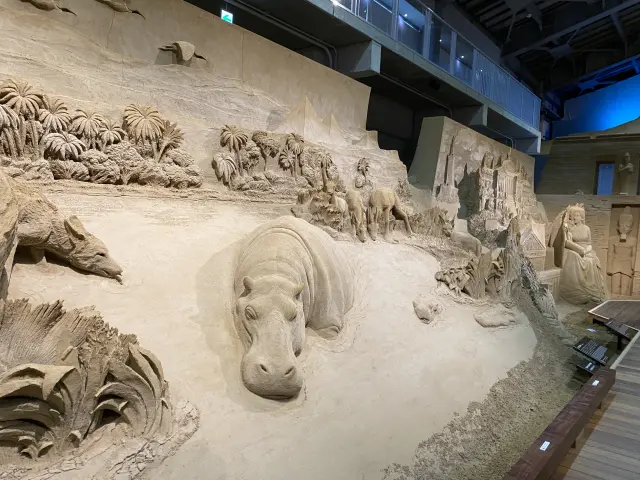
Tottori Sand Dunes The Sand Museum
The world’s first museum, curating sand creations. It is produced by Katsuhiko Chaen, who was selected as “100 Most Respected Japanese People.” He invites sand sculptors from all over the world to display sand sculpture at the global top level.
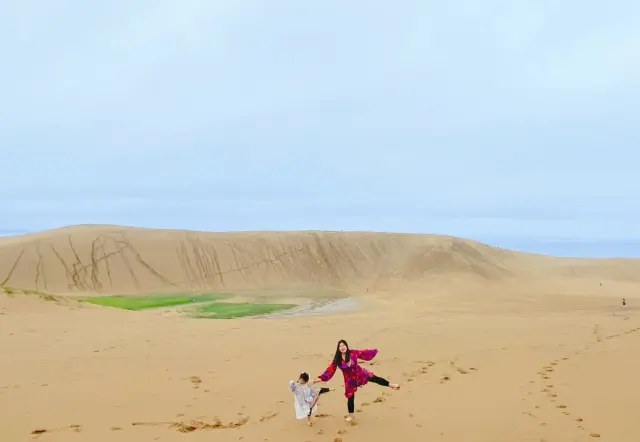
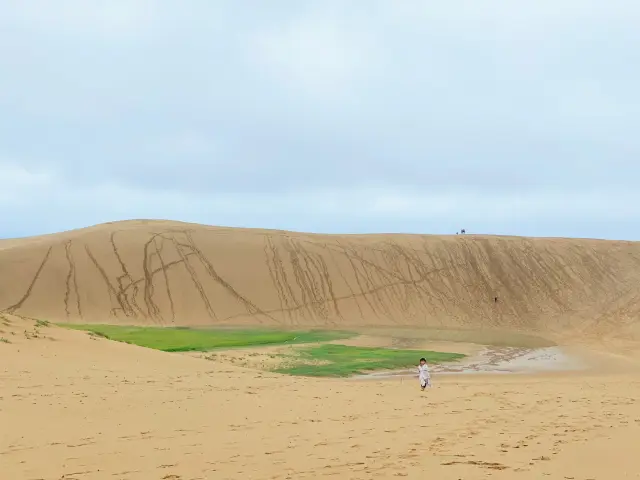
The Tottori Sand Dunes felt like stepping into a boundless world.
The wind was strong, and the sand was so fine. Every step left a mark, only to be quickly erased.
That soft feeling of sinking into the sand made me want to slow down, but also keep walking forward.
Seeing the desert and the sea in the same view was really something special.
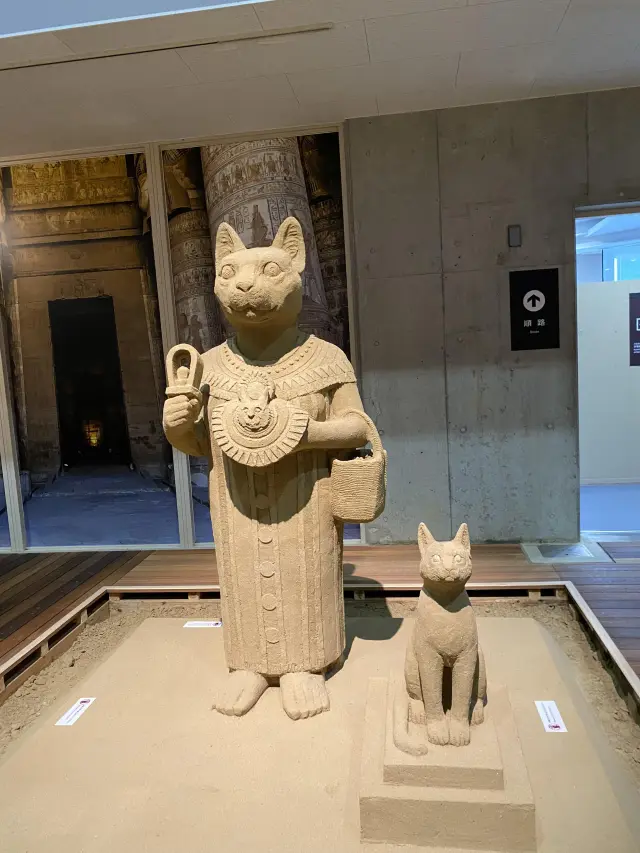
I originally thought The Sand Museum would just be about sand sculptures, but the works in front of me were unbelievably detailed. The expressions on the faces, the layers in the folds of clothing, and even the depth of light and shadow were all created entirely from sand. -
-
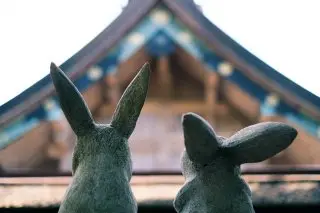
Izumo Taisha
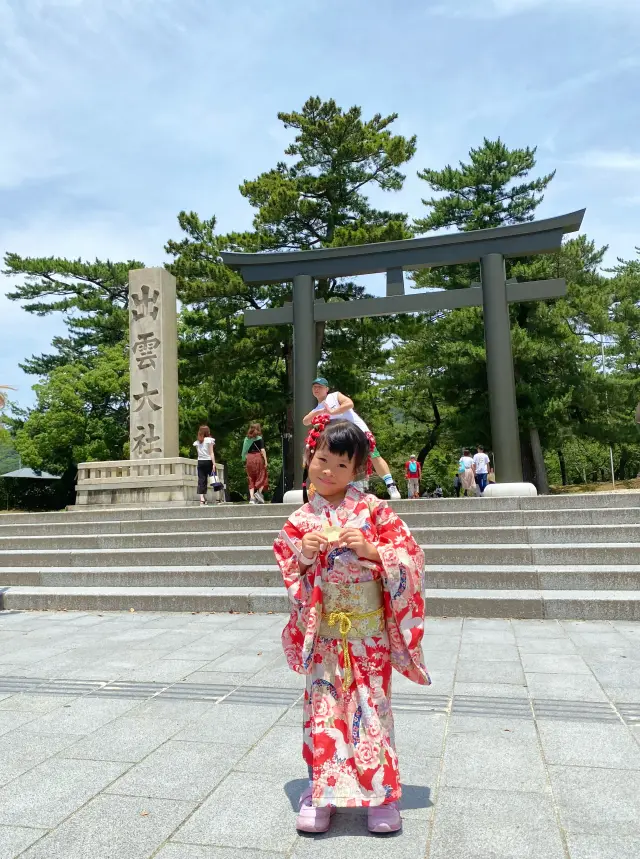
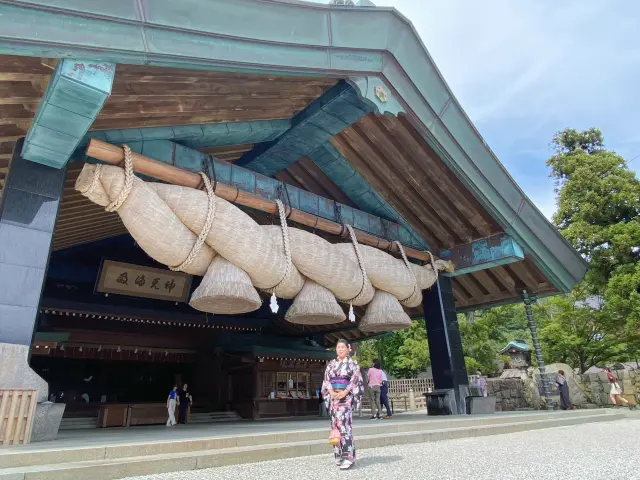
Izumo Taisha is one of the most revered, ancient shrines in Japan, along with Ise jingu Shrine. Its records go as far back as writings from the Kojiki, Japan’ oldest historical account compiled in 712. The deity enshrined here is Okuninushi no Okami, who is known as the deity of love and marriage.。
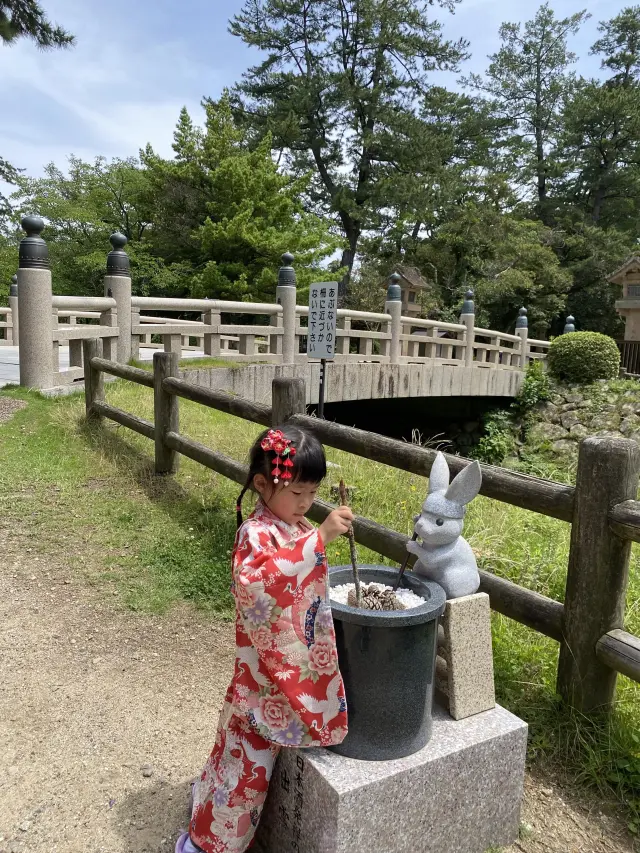
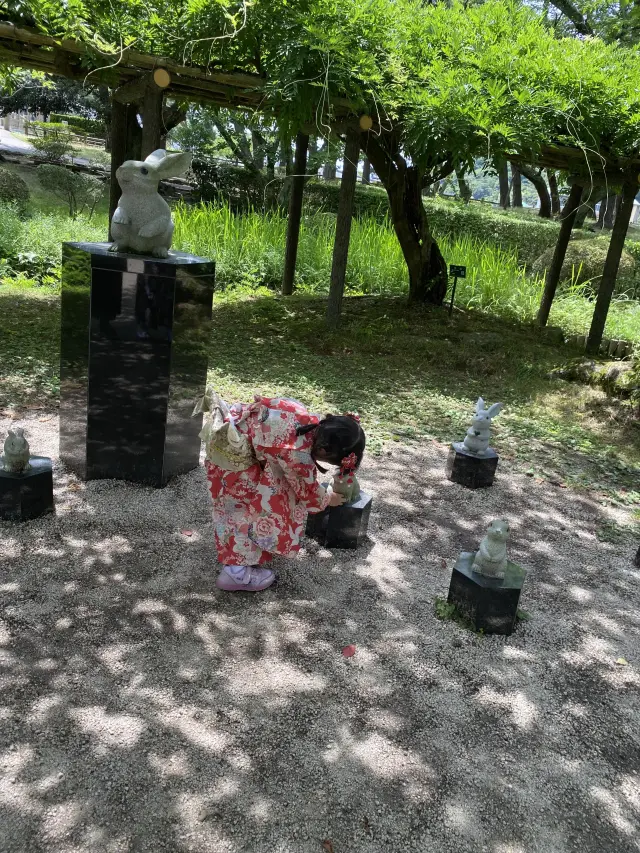
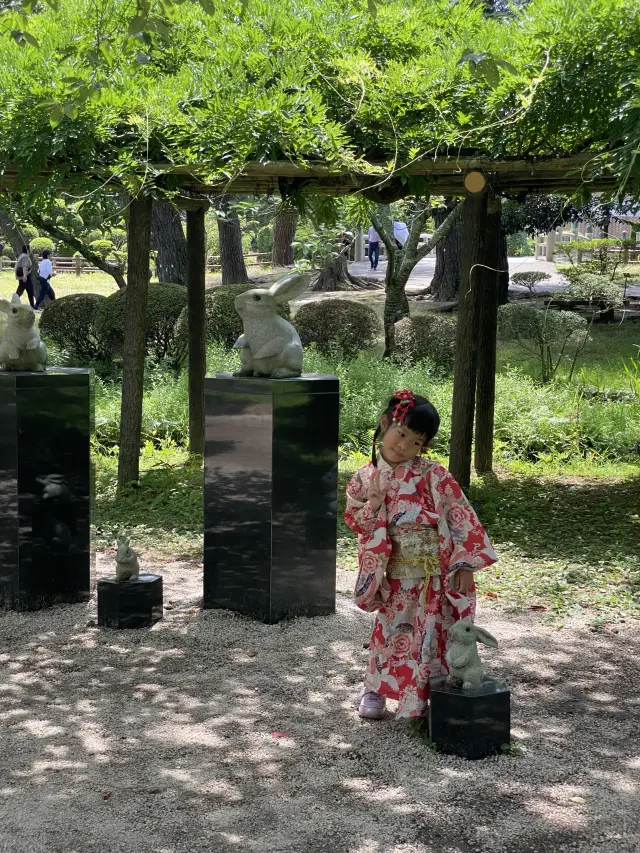
Izumo Taisha is not only one of Japan’s oldest shrines, but it also enshrines Okuninushi no Mikoto, a deity tied to the classic myth of the White Rabbit of Inaba. Rabbits here symbolize healing, rebirth, and good luck, so you can spot lots of small rabbit-themed statues throughout the shrine grounds.
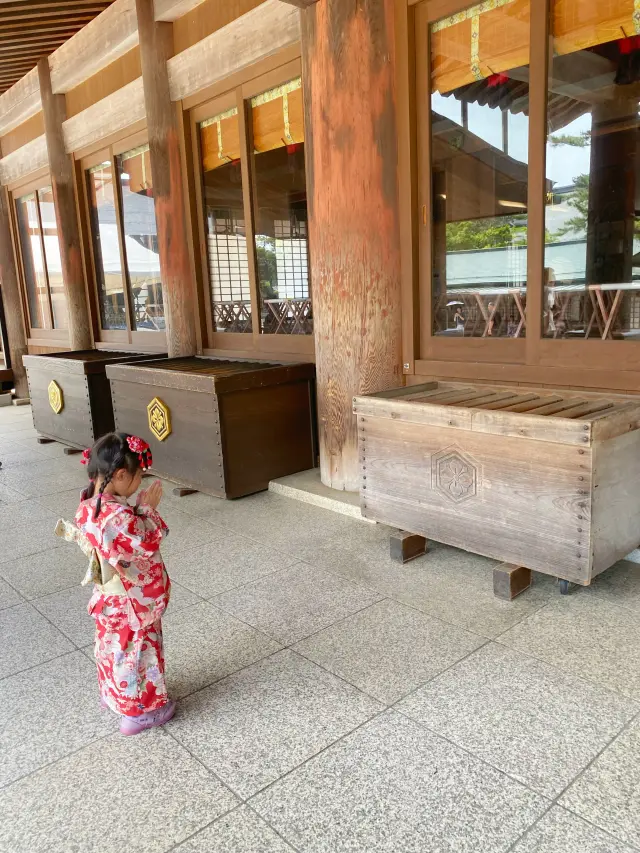
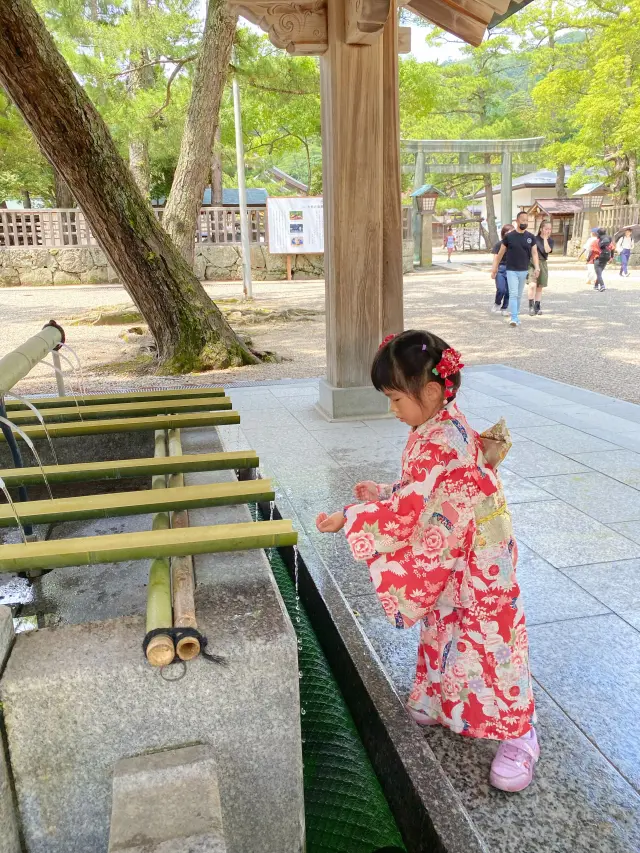
After helping my daughter put on a kimono, she turned around and looked like she had stepped right into a Japanese story. What made her happiest was discovering one little rabbit after another all around Izumo Taisha.
-
-
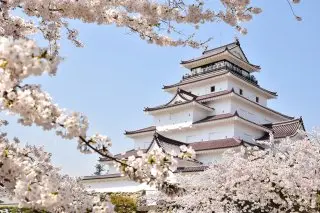
Tsurugajo Castle
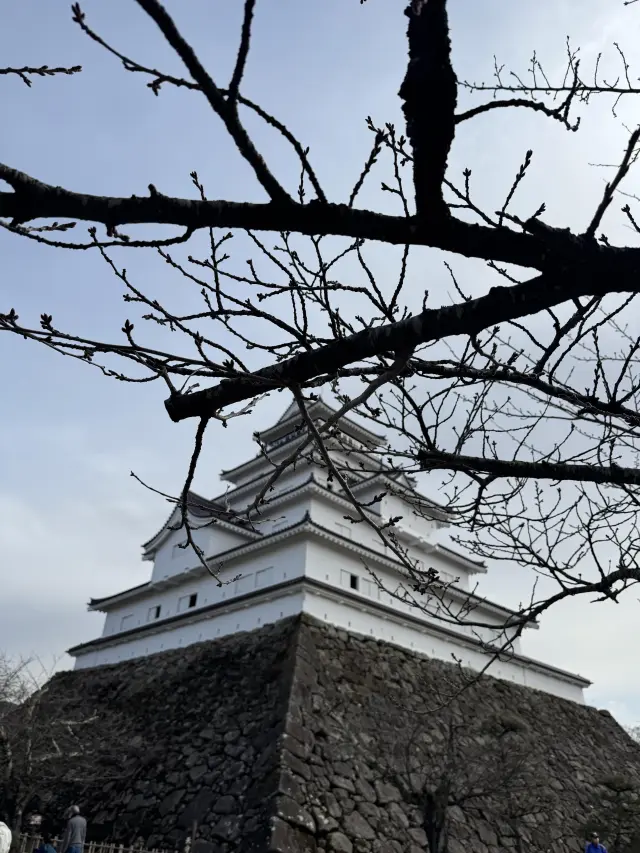
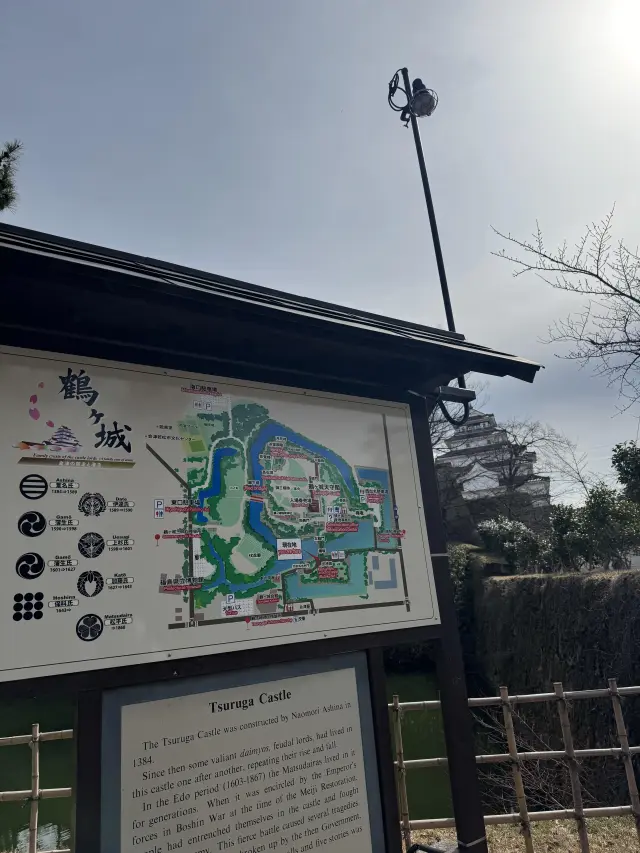
The castle is a cherry blossom viewing spot and the symbol of Aizu Wakamatsu City. Its official name is Wakamatsu Castle, and it is also sometimes called Aizu Castle or Aizu Wakamatsu Castle. The castle tower, the only one in Japan covered with red tiles, preserves the beautiful appearance of the castle in the feudal era.
Tsurugajo Castle offers free guided tours, and you can also scan a code to watch explanatory videos. It’s a historic site that’s being maintained with great care.
-