Ise Jingu is said to be a place every Japanese person should visit at least once in their lifetime, and I’ve been there twice!
The first time, I underestimated the travel time and could only rush through the Inner Shrine. This time, I gave it another try and successfully visited both the Inner Shrine and the Outer Shrine.
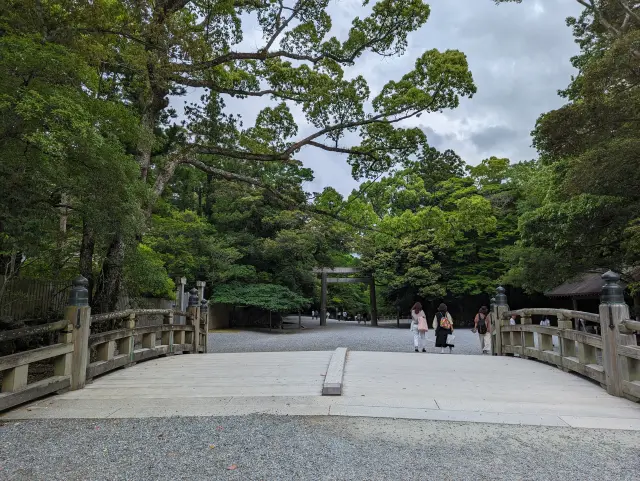
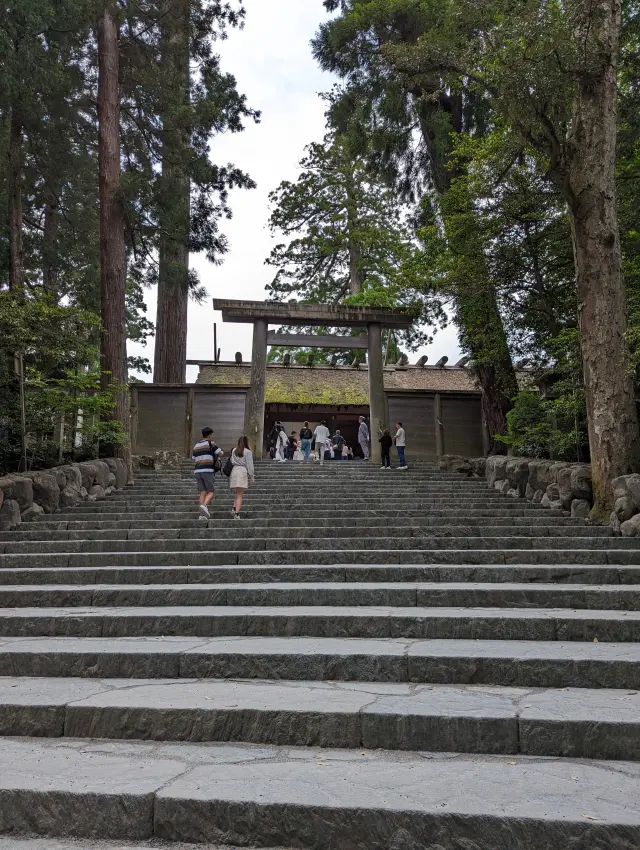
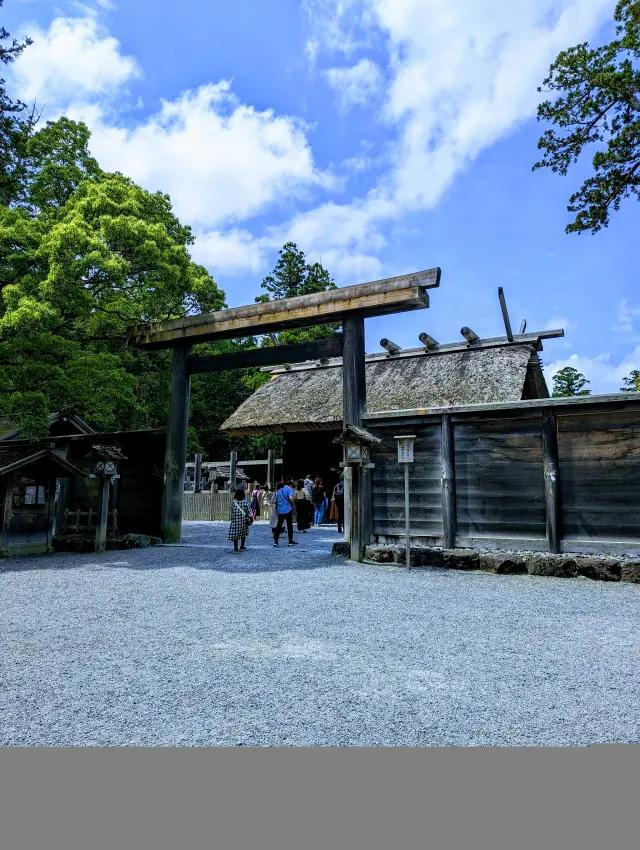
Travel guides say the proper order is to visit the Outer Shrine first and then the Inner Shrine, so we took the Kintetsu train from Toba to Iseshi Station. As soon as you exit the station, you can see a huge torii gate, and straight ahead is the approach to the Outer Shrine. There are quite a few tasteful shops lining both sides of the path. On the shrine grounds, the irises by Magatama Pond had already started to bloom. Walking along the gravel path surrounded by greenery on both sides, we finally arrived at the main shrine to pray.
After that, we took a bus to the Inner Shrine. The Isuzu River was as clear as ever and left an unforgettable impression. Finishing my visit to the Inner Shrine truly made up for the regret I had carried for years.
Ise Jingu | Review by 金己田
Other Reviews by 金己田
-
Hida Takayama Old Townscape
Hida Takayama Old Townscape is said to be a town where the original landscape of Japan remains, as the streets from the Edo period still remain, and the charming town houses and noren (curtains) of old stores continue to be seen.
If you visit Takayama, you should definitely stay overnight.
At night, the old town has a completely different charm from the daytime. Without the daytime crowds, it becomes so quiet that all you can hear is the flowing water of the Miyagawa River. The dark old houses look even more atmospheric under the lights.
During the day, the streets are full of energy, with lots of unique little shops worth exploring. Stop into one for a simple but delicious bowl of Takayama ramen, then finish with a Takayama pudding before heading back to Nagoya! -
-
Mishima Taisha
The exact founding date of Mishima Taisha is unclear, but it is believed to have a history of over 1,300 years, as evidenced by records in ancient Nara and Heian period documents. Known as the Ichinomiya of Izu, the shrine is famous for where Minamoto no Yoritomo, exiled to Izu, prayed for the revival of the Genji clan with his wife, Hojo Masako.
I visited Mishima Taisha in January. Although the winter scenery felt a little subdued, the shape of the branches made it easy to imagine how spectacular it must be when the cherry blossoms are in full bloom.
As an important center of faith in the Izu area, the shrine was steadily busy on Saturday morning, but it didn't have the noisiness of a typical tourist attraction. Most of the visitors seemed to be locals coming with their families for Hatsumode, and there was still a strong New Year's atmosphere in the air. -
-
Byodoin Omotesando
This historic Omotesando (main approach) leads to the main gate of the World Heritage Site, Byodoin Temple. Located just a 10-minute walk from JR Uji Station and immediately across the Uji Bridge from Keihan Uji Station, it is easily accessible from both stations.
Both sides of the approach to Byodoin are lined with many long-established matcha shops with a lot of history. If you visit closer to the evening, after the crowds have thinned out, you can better appreciate the street’s original quiet charm.
On the day of my visit, I chose a shop near the Uji River. Sitting in its elegant second-floor seating area, I enjoyed matcha while taking in the view of the river. The peaceful atmosphere made me fall in love with Uji instantly. -