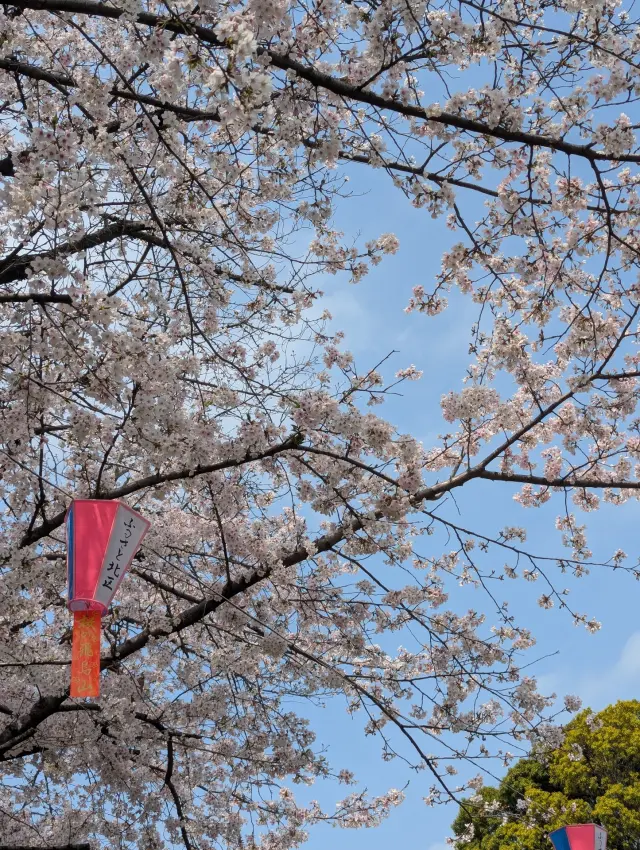
Asukayama Park is one of Tokyo’s famous cherry blossom spots, but it’s not nearly as crowded as Ueno Park, which makes the overall hanami experience so much better.
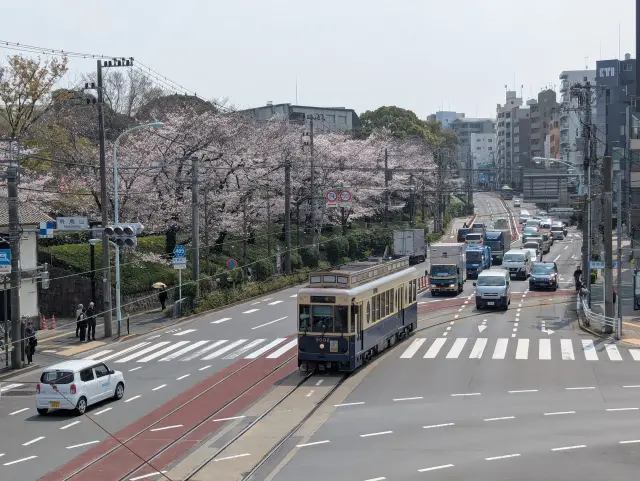
Before entering the park, I walked up to the pedestrian bridge outside and waited for the Toden Arakawa Line train to approach. Watching the streetcar slowly pass by from above, with its retro cars framed by the cherry blossoms, I captured a feeling that felt uniquely Tokyo.
If you’re like me and don’t enjoy big crowds, Asukayama Park is absolutely a fantastic choice.
Asukayama Park | Review by 金己田
Other Reviews by 金己田
-
Eizan Cable and Eizan Ropeway
Enjoy breathtaking views and easy connection from the ropeway and cable car that take you to the summit of Mt. Hiei from Yase in Kyoto.
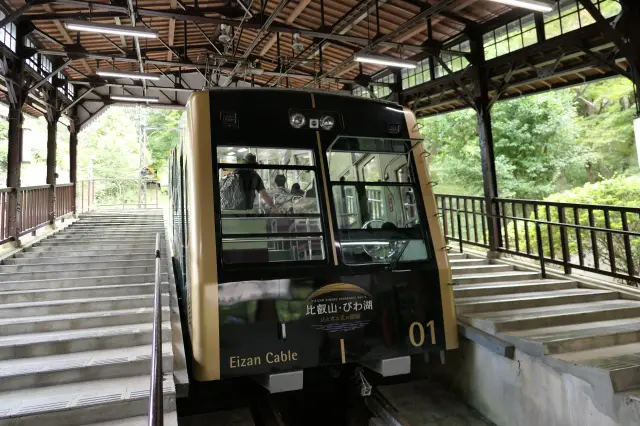
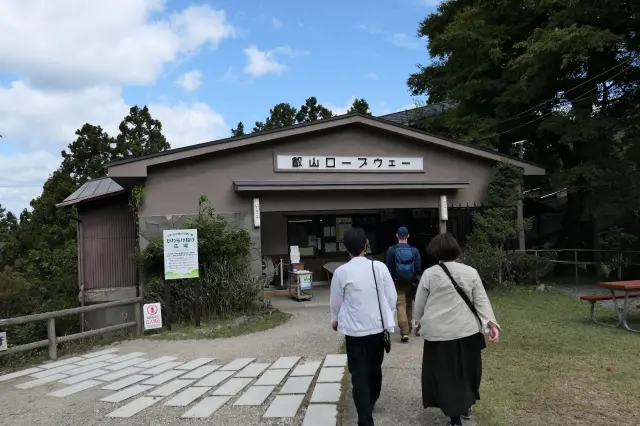
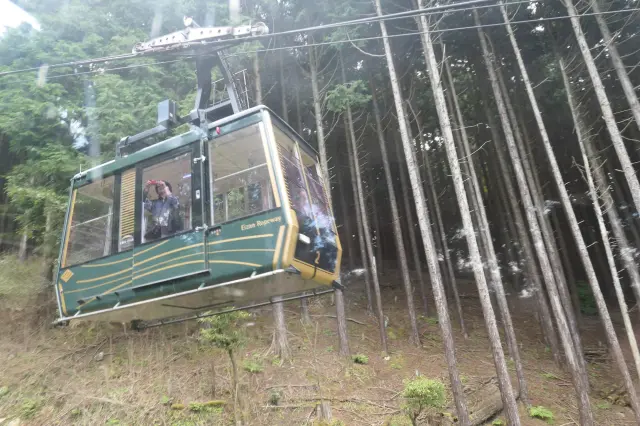
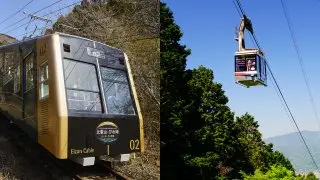
The most enjoyable way to get from Kyoto to Mt. Hiei is via the Eizan Railway. Starting at Demachiyanagi Station, take the Hiei sightseeing train to Yase, then walk to the Eizan Cable station. The cable car climbs steadily up the mountainside, reaching the ropeway station in about 9 minutes. From there, transfer to the ropeway for the ride to the summit of Mt. Hiei.
Getting to Enryakuji requires several transfers, but the whole journey feels like a fun adventure with a variety of transportation along the way. I especially loved the Eizan Railway’s deep green and gold color scheme—it looks sophisticated and stylish.
Since I was heading to Shiga for more sightseeing after coming down the mountain, I bought the Mt. Hiei Free Pass. It didn’t save me much money, but the convenience made it worthwhile. One pass made the entire trip seamless.
-
-
Amanohashidate Kasamatsu Park
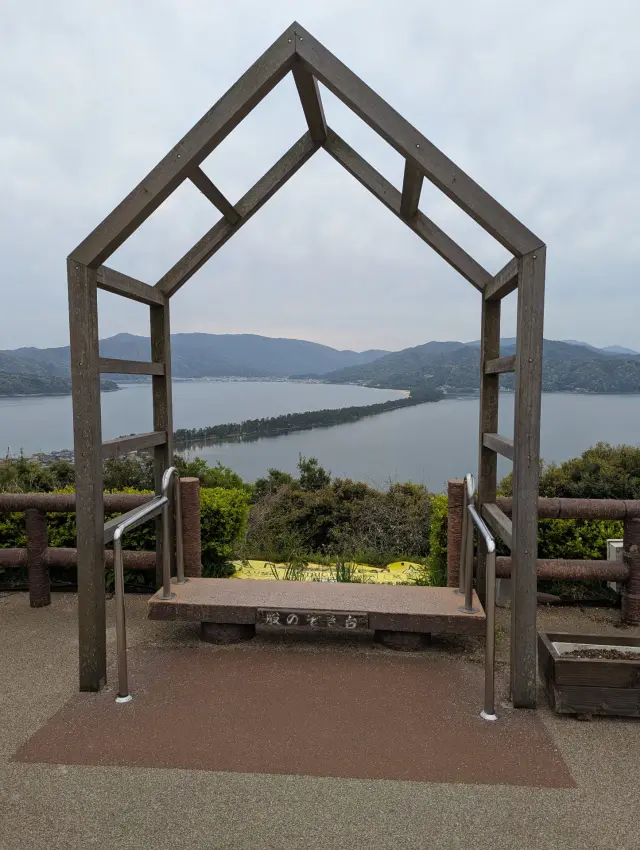
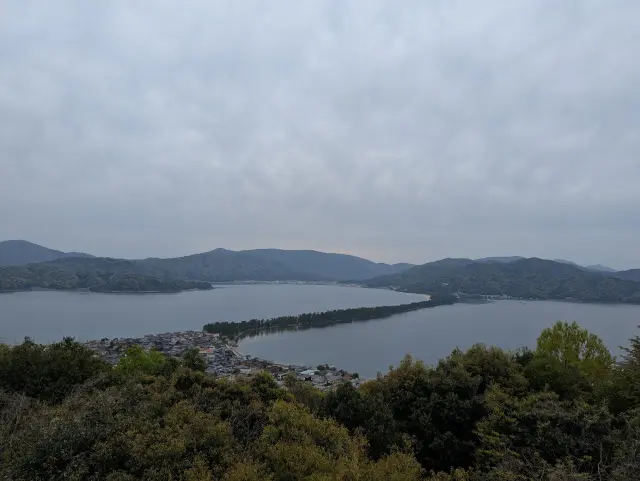
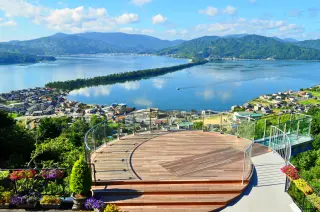
Located in Miyazu City, Kyoto Prefecture, Amanohashidate Kasamatsu Park is a breathtaking viewpoint that overlooks Amanohashidate, one of Japan's Three Scenic Views. Situated on the slopes of Mt. Nariai at an altitude of 130 meters, the park is easily accessible via the Amanohashidate Cable Car or lift from Fuchu Station.
Amanohashidate has two famous observation decks. While researching beforehand, I thought the view from View Land looked closer to how I had imagined Amanohashidate. However, since my transportation pass included the cable car fare to Kasamatsu Park, I started my first visit here.
From the observation deck, Amanohashidate stretches straight across the water. From this angle, the view is known as the “Rising Dragon View” because the sandbar looks like a dragon soaring into the sky.
Kasamatsu Park was less crowded than expected. There are several platforms for viewing Amanohashidate upside down between your legs, so there was basically no wait. There’s also a shop next to the cable car station where you can browse before heading back down.
-
-
Tsu Station
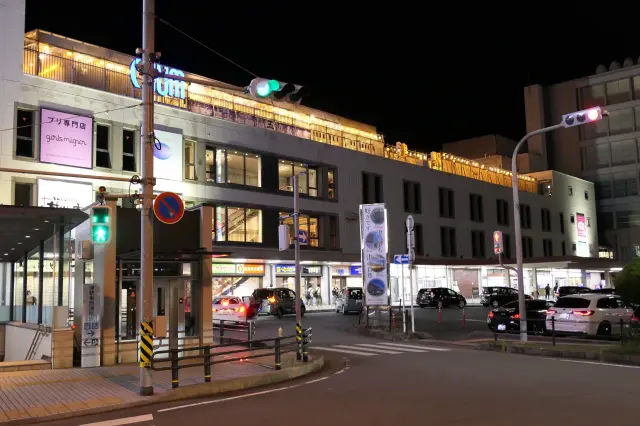
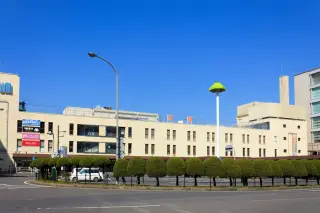
A major station on the JR Central Kisei Main Line, located in the center of Tsu City, the capital of Mie Prefecture. In addition to JR, it is also a transportation hub served by the Kintetsu Nagoya Line and the Ise Railway Ise Line. With multiple rail lines converging here, it plays an important role in supporting efficient travel within the prefecture and beyond.
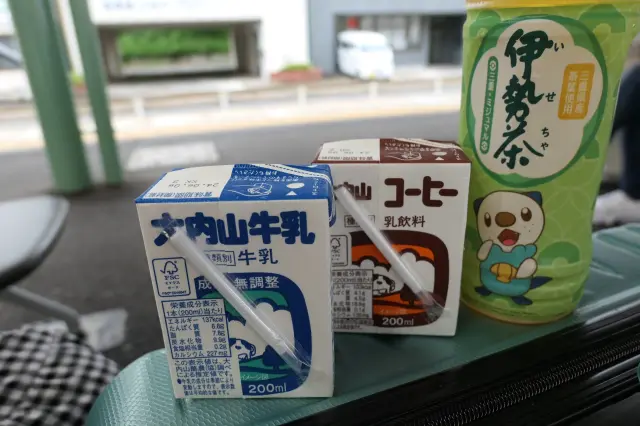
Since I was visiting Ise Jingu, I decided to stay near Tsu Station and used the station several times over a few days. Tsu Station serves both Kintetsu and JR and is medium-sized. Most of the shops inside are restaurants, but there’s also a drugstore and a 100-yen shop. The convenience store near the Kintetsu ticket gates sells milk and tea drinks exclusive to Mie, so don’t forget to grab a bottle before heading to the platform!
-