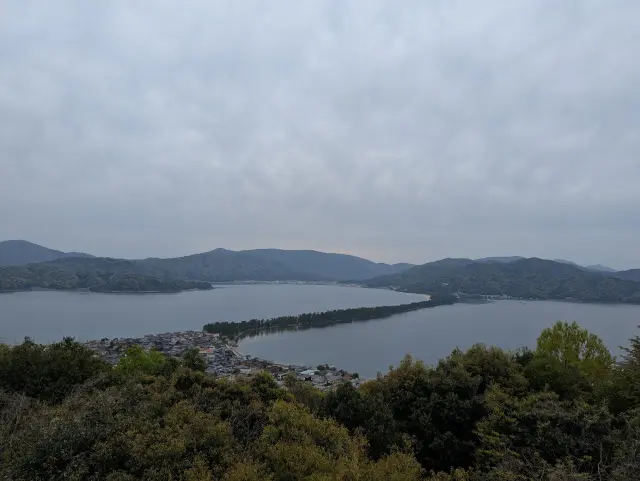
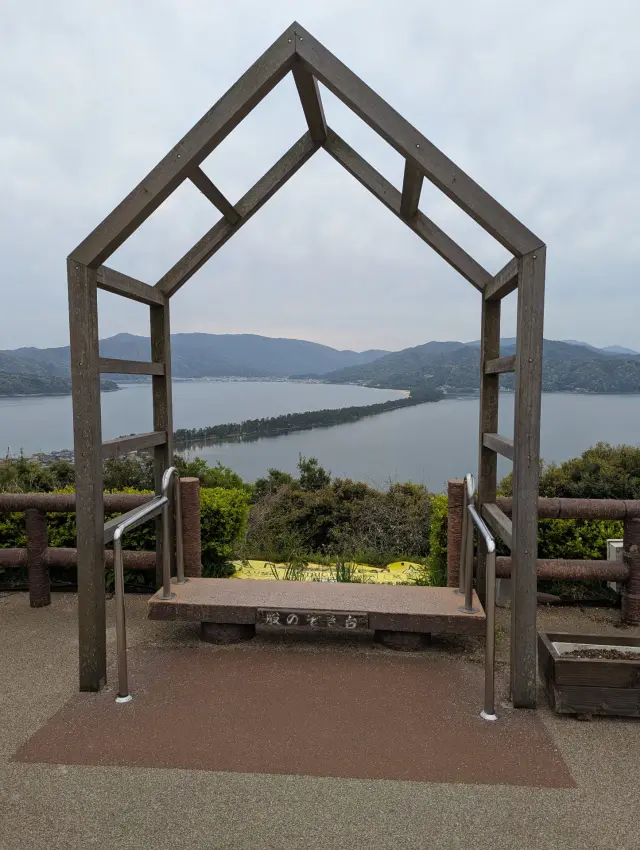
Amanohashidate has two famous observation decks. While researching beforehand, I thought the view from View Land looked closer to how I had imagined Amanohashidate. However, since my transportation pass included the cable car fare to Kasamatsu Park, I started my first visit here.
From the observation deck, Amanohashidate stretches straight across the water. From this angle, the view is known as the “Rising Dragon View” because the sandbar looks like a dragon soaring into the sky.
Kasamatsu Park was less crowded than expected. There are several platforms for viewing Amanohashidate upside down between your legs, so there was basically no wait. There’s also a shop next to the cable car station where you can browse before heading back down.
Amanohashidate Kasamatsu Park | Review by 金己田
Other Reviews by 金己田
-
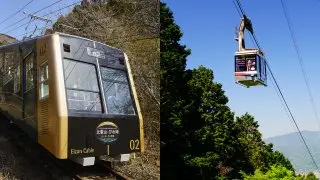
Eizan Cable and Eizan Ropeway
Enjoy breathtaking views and easy connection from the ropeway and cable car that take you to the summit of Mt. Hiei from Yase in Kyoto.
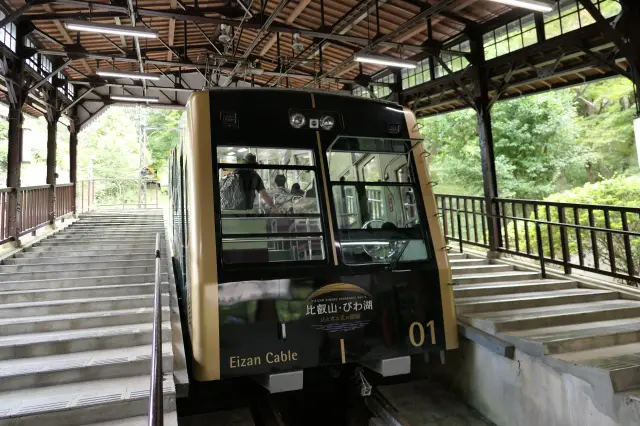
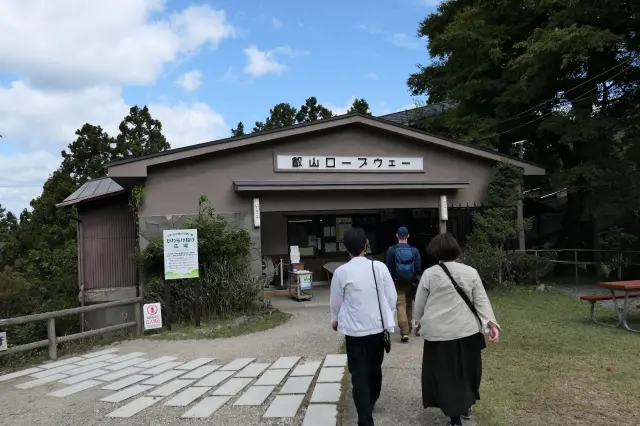
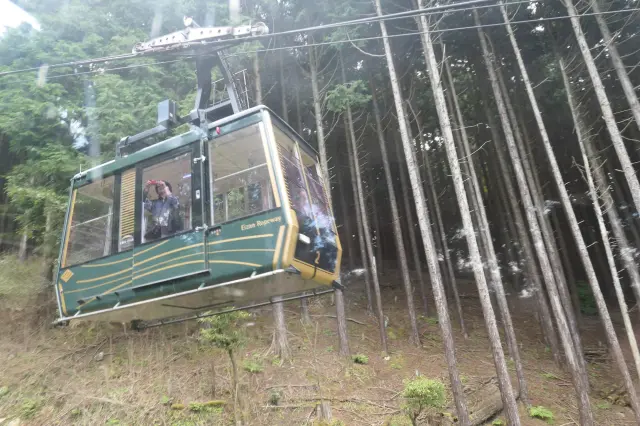
The most enjoyable way to get from Kyoto to Mt. Hiei is via the Eizan Railway. Starting at Demachiyanagi Station, take the Hiei sightseeing train to Yase, then walk to the Eizan Cable station. The cable car climbs steadily up the mountainside, reaching the ropeway station in about 9 minutes. From there, transfer to the ropeway for the ride to the summit of Mt. Hiei.
Getting to Enryakuji requires several transfers, but the whole journey feels like a fun adventure with a variety of transportation along the way. I especially loved the Eizan Railway’s deep green and gold color scheme—it looks sophisticated and stylish.
Since I was heading to Shiga for more sightseeing after coming down the mountain, I bought the Mt. Hiei Free Pass. It didn’t save me much money, but the convenience made it worthwhile. One pass made the entire trip seamless. -
-
Tsu Station
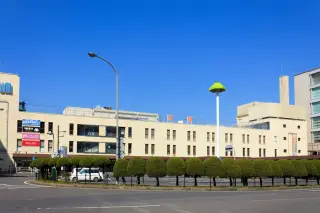
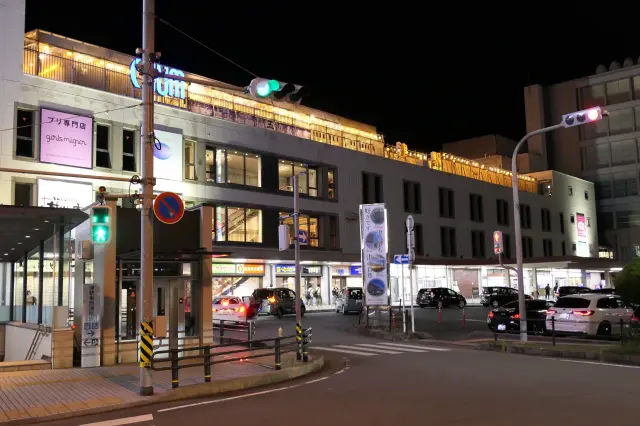
A major station on the JR Central Kisei Main Line, located in the center of Tsu City, the capital of Mie Prefecture. In addition to JR, it is also a transportation hub served by the Kintetsu Nagoya Line and the Ise Railway Ise Line. With multiple rail lines converging here, it plays an important role in supporting efficient travel within the prefecture and beyond.
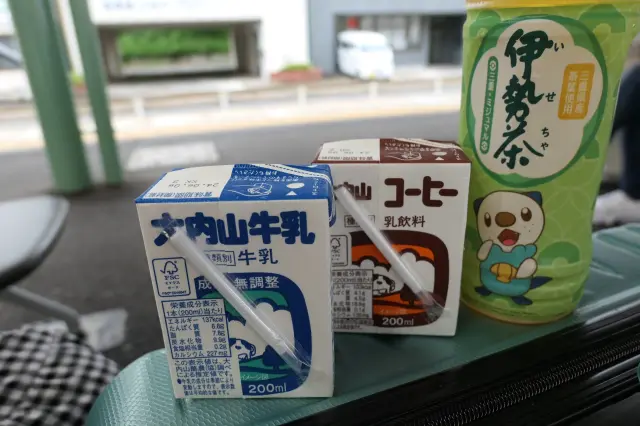
Since I was visiting Ise Jingu, I decided to stay near Tsu Station and used the station several times over a few days. Tsu Station serves both Kintetsu and JR and is medium-sized. Most of the shops inside are restaurants, but there’s also a drugstore and a 100-yen shop. The convenience store near the Kintetsu ticket gates sells milk and tea drinks exclusive to Mie, so don’t forget to grab a bottle before heading to the platform!
-
-
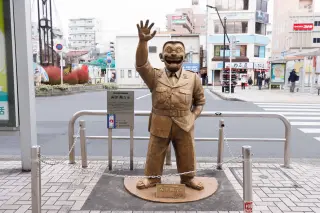
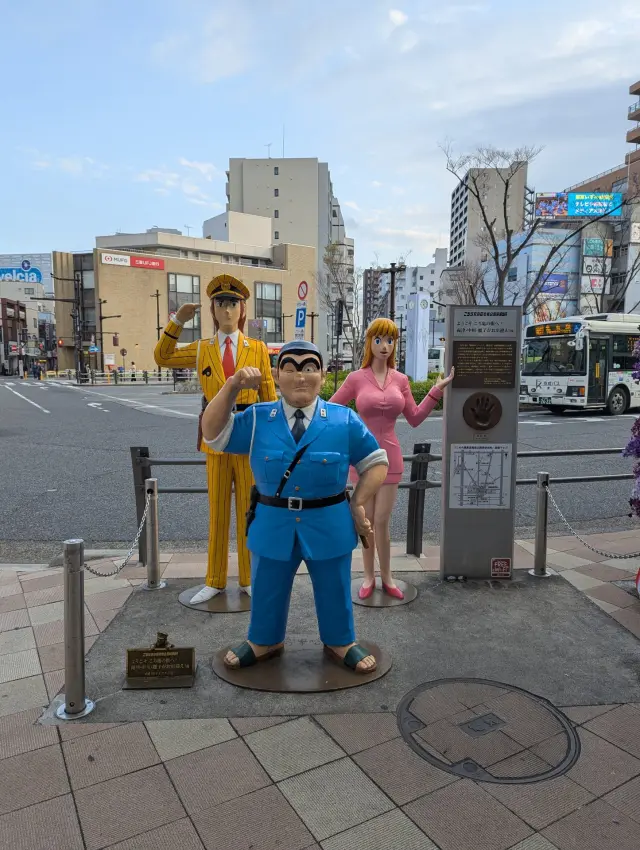
“KochiKame” Statues & Manhole Covers in Kameari
In Kameari, located in Katsushika Ward, Tokyo, bronze statues and manhole covers featuring characters from the popular manga “Kochira Katsushika-ku Kameari Koen-mae Hashutsujo” (commonly known as KochiKame) are installed throughout the town. They are scattered across both the north and south sides of JR Kameari Station on the JR Joban Line. In total, there are 15 statues and six design manhole covers.
My original impression of Kameari was basically just KochiKame.
But the moment I stepped out of the station, Ryo-san and his friends were right there at the exit, warmly welcoming every visitor. As I walked along the streets, I realized these characters weren’t only around the station. You can spot them throughout the neighborhood. You don’t even have to go out of your way to look for them—you’ll eventually run into a familiar character around some corner. That unexpected feeling made the walk a little more exciting. -