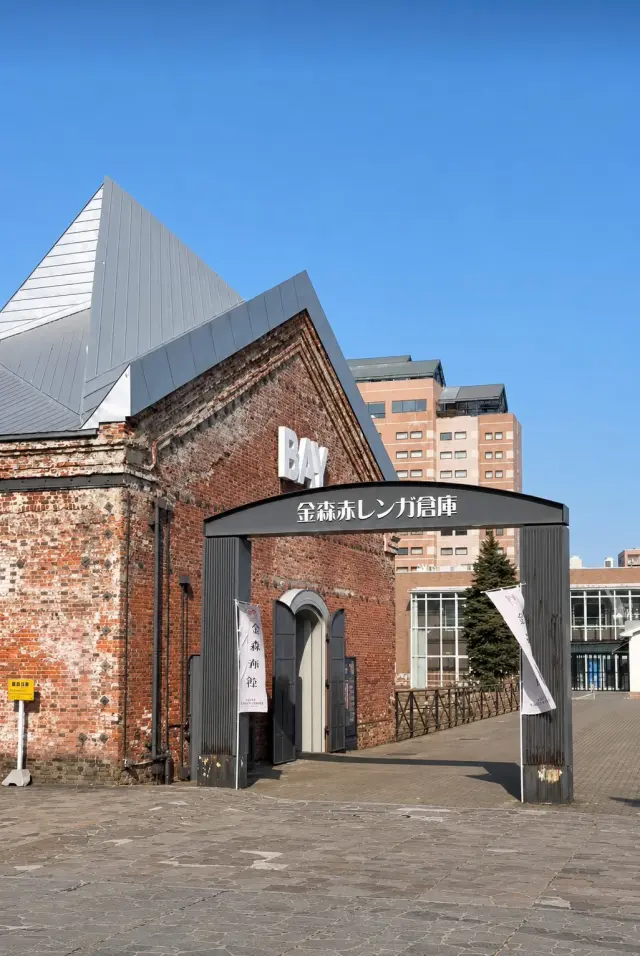
One of Hakodate's most iconic attractions is the historic Kanemori Red Brick Warehouse complex. A row of red brick warehouses lines the bay, and the red brick buildings against the blue sky and ocean create the romantic atmosphere of a Hokkaido port city. It's just a short walk from the streetcar stop, so it's very convenient to get to.
There are many unique little shops, souvenir shops, and gift shops inside the warehouses. The products are all thoughtfully designed, and it's easy to lose track of time while browsing. This is a great place to slow down, take pictures of the red brick buildings, look out at the ocean, and browse the shops, then stop somewhere for a bite when you get tired. If you visit Hakodate, I highly recommend setting aside an afternoon here. Without the pressure of a packed schedule, you can take your time walking around and enjoy Hakodate's unique waterfront charm.
Kanemori Red Brick Warehouse | Review by 楊雅雯
Other Reviews by 楊雅雯
-
Kokura Castle Garden
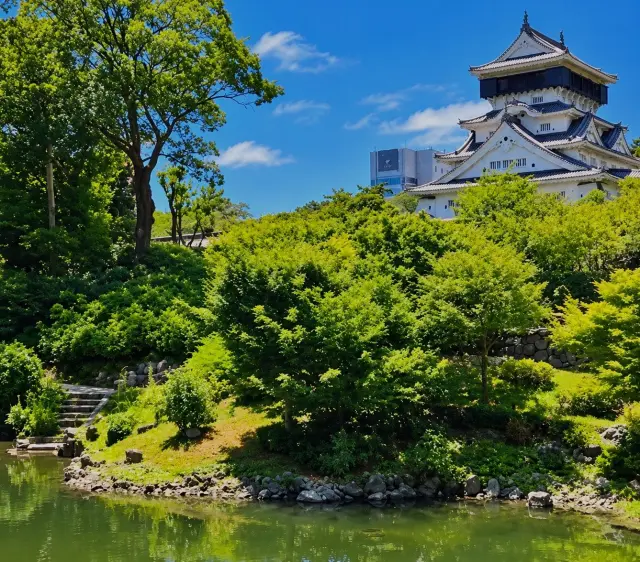
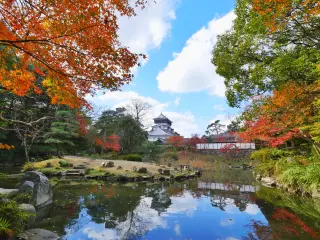
Kokura Castle Garden is a beautifully landscaped Japanese garden located beside Kokura Castle in Kitakyushu City, Fukuoka Prefecture. Recreated together with an Edo-period samurai residence, it offers a refined glimpse into traditional Japanese aesthetics.
Kokura Castle Garden at Kokura Castle is a garden attraction filled with traditional Japanese beauty. Once you enter, the atmosphere is quiet and peaceful, and it isn't too crowded, so you can take your time admiring the garden landscaping and seasonal scenery. After visiting Kokura Castle, I highly recommend stopping by for a walk. There are also places to rest and enjoy the view, where you can sit down for a short break while admiring the Japanese garden in front of you.
Whether it's the garden landscaping, traditional architecture, or views that include Kokura Castle, everything is very photogenic. Anyone who loves traditional Japanese aesthetics will definitely enjoy it! There is also an exhibition hall in the garden, where the displays help you learn about the historical background and daily life of the time. This makes the visit not only about enjoying the beautiful scenery, but also about gaining a deeper understanding of the city of Kokura.
If you're visiting Kokura Castle, remember to include Kokura Castle Garden in your itinerary too〜
-
-
Kokura Castle
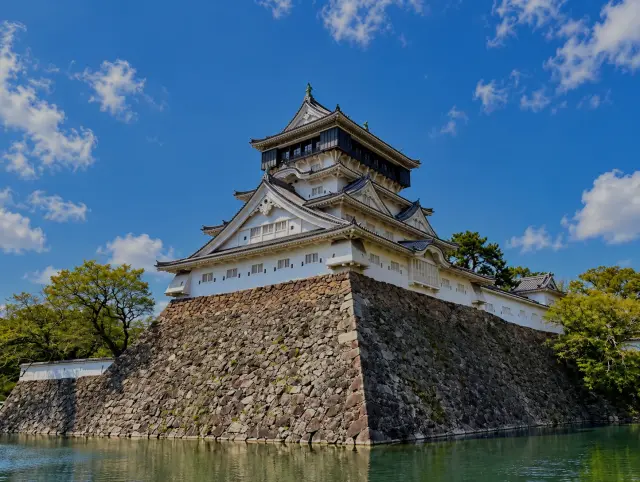
Hosokawa Tadaoki helped in the victory of the Battle of Sekigahara, entered the area and started building a castle in 1602. It took seven years to complete. Then, it was occupied by Lord Ogasawara, but all but the stone wall was burned down in 1866. After WWII, upon the citizens’ fervent request, the castle tower was rebuilt.
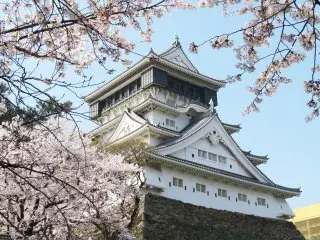
Kokura Castle is a must-see when visiting Kitakyushu. It’s within walking distance of JR Kokura Station, making it very convenient to get to. The white castle tower, imposing stone walls, and moat offer a different view from every angle and create a strong sense of a traditional Japanese castle.
Kokura Castle is also a well-known cherry blossom viewing spot in Fukuoka Prefecture. During cherry blossom season, the castle and pale pink blossoms complement each other, making the scenery even more charming. Unfortunately, this visit wasn’t during cherry blossom season, so it was missing that romantic touch of pink. Still, Kokura Castle looked impressive under the clear skies and was well worth a stroll and some photos.
-
-
Former Moji Mitsui Club
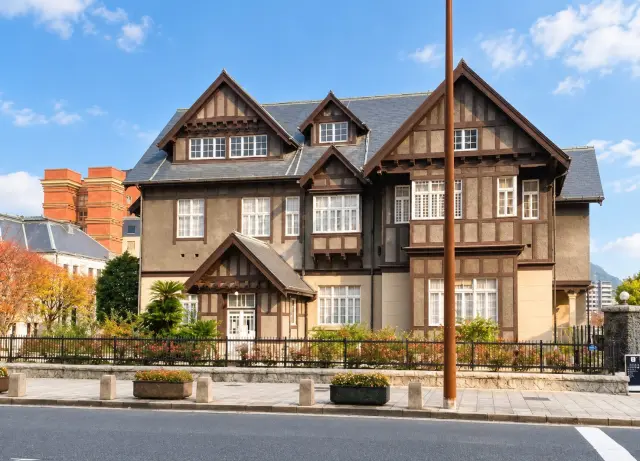
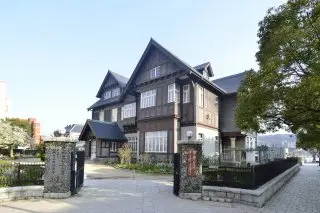
Built in 1921, it served as a social club for Mitsui Bussan. The building showcases the half-timbered style, a traditional European wooden architectural technique, where the wooden structure, like beams and pillars, are exposed on the exterior. This design, combined with the dark brown wooden elements emphasizing its vertical and horizontal lines against the contrast of the white window frames, characterizes its distinctive appearance.
When visiting Mojiko, don’t miss this beautiful Western-style building full of historic charm! The Former Moji Mitsui Club blends retro and modern architectural styles, making you feel as if you’ve stepped into the elegance of a bygone era. Every corner has a charming nostalgic atmosphere, and whether you’re admiring the architecture or taking photos, it’s well worth a visit.
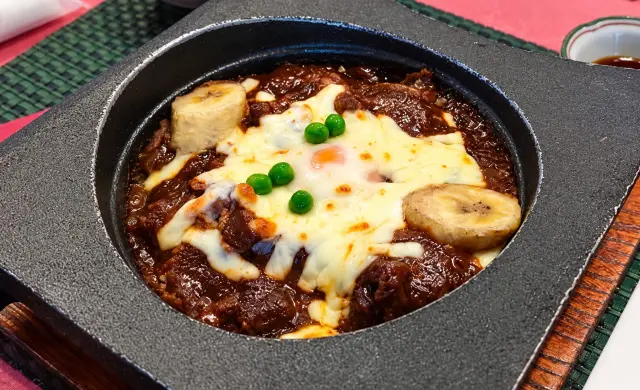
There’s also a restaurant inside where you can sit down and enjoy Mojiko’s famous baked curry, as well as local fugu dishes. Although the food isn’t exactly cheap, dining in a historic Western-style building and enjoying both the food and the unique charm of the retro setting is still highly recommended! If you’re taking a walk around Mojiko, consider stopping by to experience a different kind of nostalgia!
-