

This tour is bobber/float fishing off a wharf near the airport. The friendly staff helps bait your hook and the pools are replenished with fish like sea bass, rock fish and trout. It’s an interesting tour with a real local vibe.
Fish and Eat your Catch of Day at a Fresh Fishing Pond | Review by AI


Other Reviews by AI
-
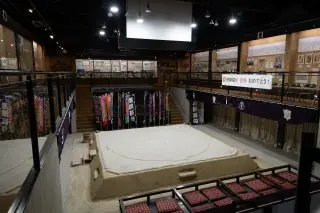
Sumo Wrestling Museum Kehayaza
In the midwest region of Nara Prefecture, Katsuragi City lies at the base of Mt. Nijo and its impressive double-peaks. Japan's oldest road Takenouchi Kaido has ancient myths connected and legends related to the Emperor of Japan, is home to historic Shinto shrines and Buddhist temples. There is a historical enchantment to the area that shows Nara used to be the capital. It is also said to be the region where Japan-specific cultural elements, such as sumo wrestling and the Tanabata festival, originated, making it the birthplace of the Japanese spirit. In one section of the city, you will find the Sumo wrestling Museum Kehayaza, a rarity even in Japan.
If you’ve ever wanted to see what you’d look like as a sumo wrestler, this is the place. Local sumo enthusiasts will announce your match, you can throw salt on an official size ring, and enjoy taking plenty of videos and pictures.
-
-
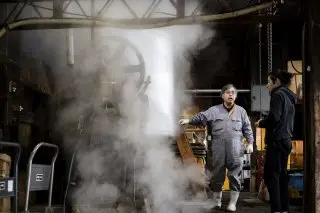
A Gastronomy Walk Through Katsuragisanroku Park, Umemoto Tofu shop, Katakami Soy Sauce
Here, you can learn about fermentation at the soy sauce brewery, or enjoy a wonderful stroll and get closer with the local area and its relationship with food. Be amazed at the number of foods at the tofu shop. Visit and experience the food, history, culture, and townsfolk as you down the thoroughfares of the city, including the Katsuragi Kodo, one of Japan's oldest roads.
We enjoyed freshly-made tofu in a quaint countryside tofu shop. The soy milk nabe was really tasty. The shop owner greeted us warmly and we had a chance to peek through the window at her well-known tofu shop in action. After a short walk through town past Edo era buildings we had a lunch at Tegami cafe where we enjoyed seasonal local food and a cup of coffee. My favorite part of the tour was visiting a traditional soy sauce shop and learning how soy sauce is made. It’s fascinating to see the 100-year old barrels, this was followed by a soy sauce pairing with vegetables, beef, and grilled “mochi “ (pounded rice). Our tour had enough time to visit “one word one wish “ shrine.
-
-
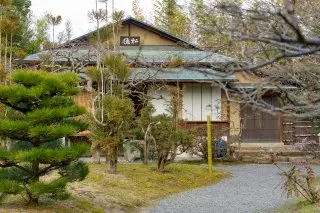
Shōkadō
Shōkadō Shōjō was a Buddhist monk of the early Edo period (1603-1868), as well as a man of culture. With his talent for the arts, Shōjō left us excellent calligraphy works and paintings, and the tea ceremonies that he hosted used to attract many cultured people and flourished as a place of exchange. In his last years, he retired to small residence (Shōkadō) that he built in Otokoyama in Yawata City, Kyoto, where he lived simply until his death in 1639. Since then, Shōkadō has been relocated several times. In 2014 it was relocated in Shōkadō garden, which was designated a national place of scenic beauty.
We enjoyed a traditional tea ceremony performed in a beautiful, serene traditional tea room by veterans who explained the movements and answered questions. The atmosphere was relaxed and we enjoyed matcha green tea and the wagashi traditional sweets before strolling through the beautiful moss and bamboo gardens and feeding the Japanese carp.
-


