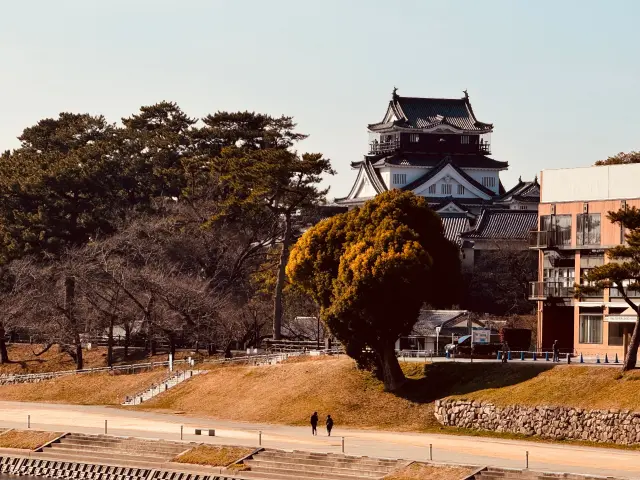
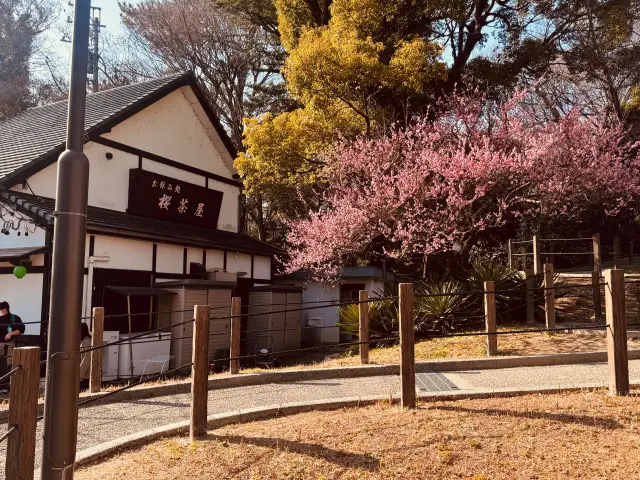
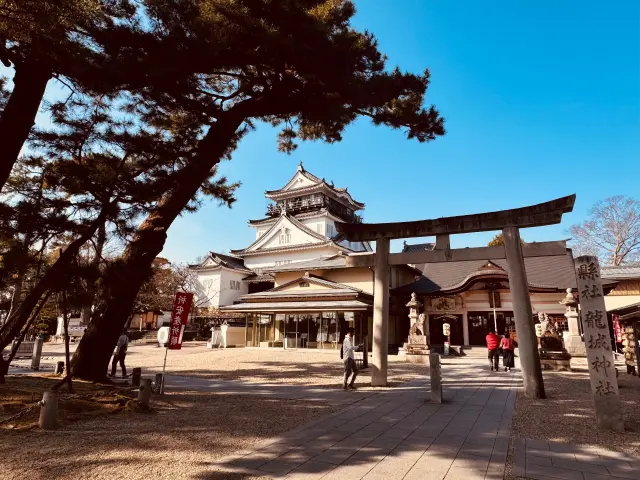
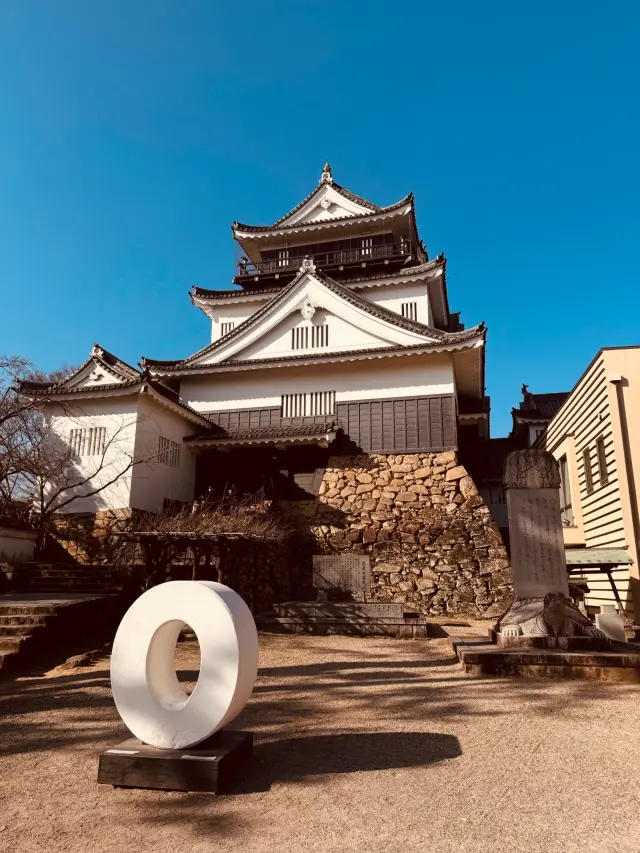
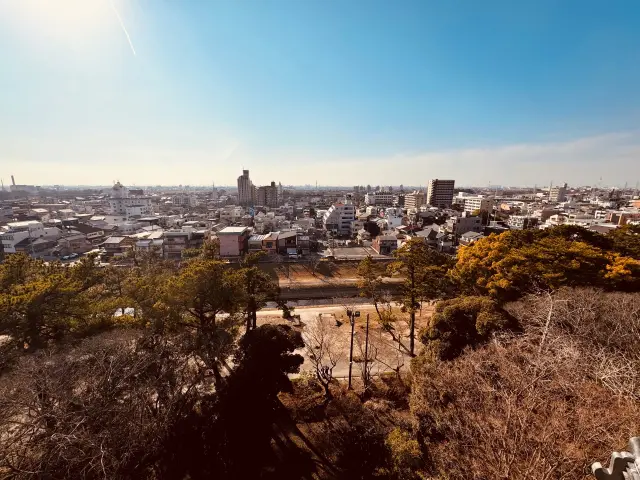
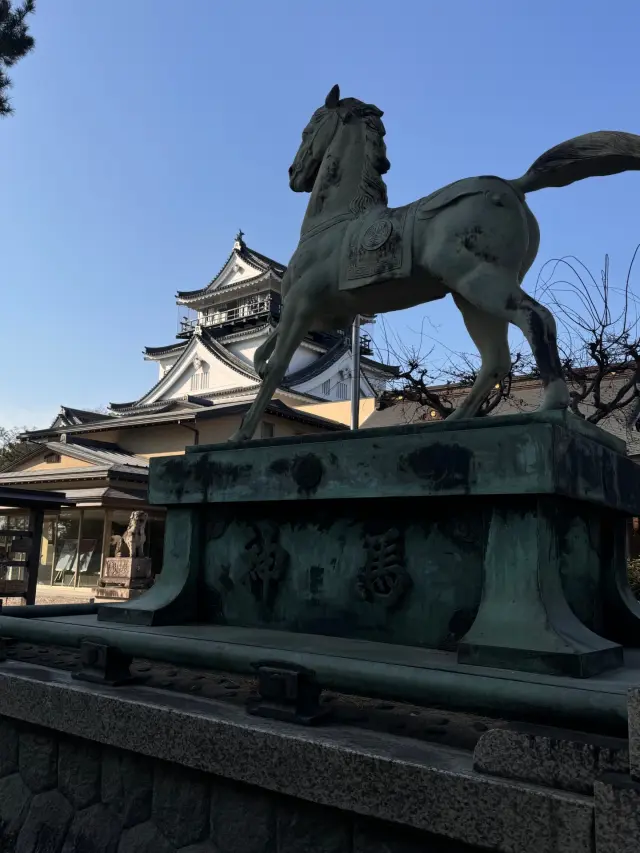
Located in Okazaki City, Aichi Prefecture, it can be reached in about 30 minutes from Meitetsu Nagoya Station. Although it may not be a top priority when visiting Nagoya, Okazaki City is historically significant as the birthplace of Tokugawa Ieyasu, the first shogun of the Edo period, and Okazaki Castle itself has important historical value. It is about a 15-minute walk from Higashi Okazaki Station. Along the way, you will pass Sugo Shrine, Okazaki Park, and Ryujin Shrine, while Okazaki Castle is located inside Okazaki Park. Although the grounds are not very large, you can see the castle keep from Tonobashi Bridge over the Oto River. Okazaki Castle has 3 stories and 5 floors, and from the top you can look out over the Higashi Okazaki area. There aren't many visitors inside, so you can take your time exploring. After visiting Okazaki Castle, you can return to the area near the station for some food and finish up this half-day trip. If you visit Nagoya, remember that you can also stop by this historic site just 30 minutes away.
Okazaki Castle | Review by hdwf2002
Other Reviews by hdwf2002
-

Shibuya Scramble Intersection
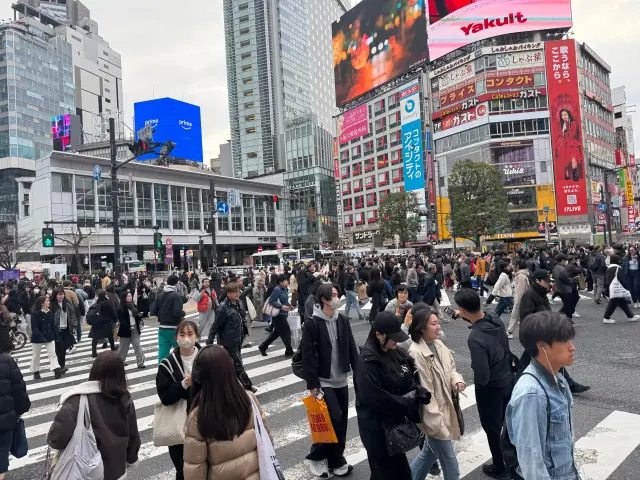
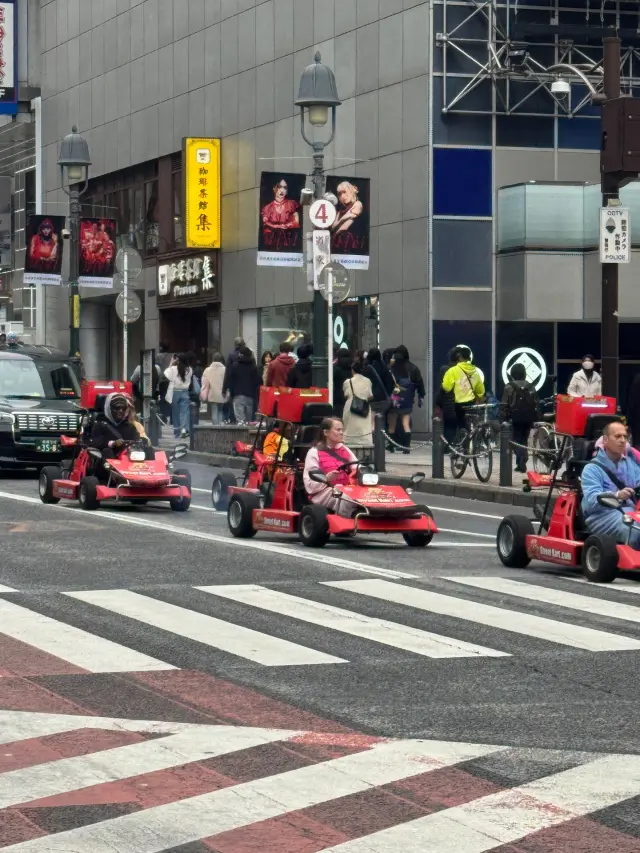
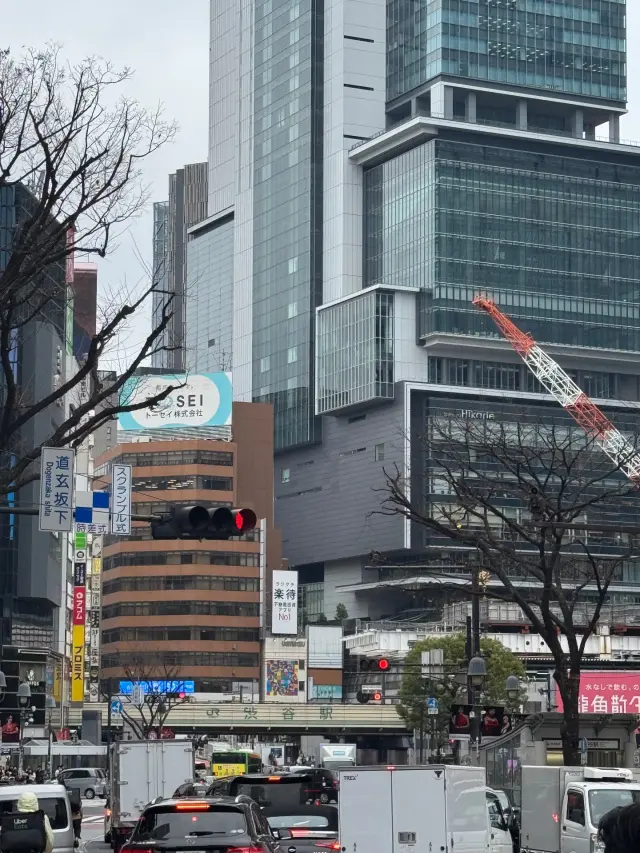
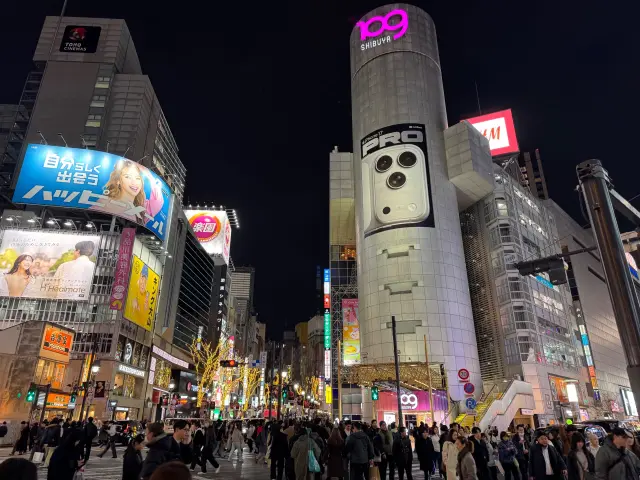
This is a scramble intersection in front of Shibuya Station. Said to be the world’s busiest crosswalk, it has become a famous sight to see in Tokyo. From the pedestrian bridge connecting the JR Yamanote Line and the Keio Inokashira Line, you can view the flurry of people crossing the intersection from above.
After more than a dozen trips to Japan, this was my first time visiting Shibuya Crossing. The crowds and lively atmosphere here are on par with Shinjuku, if not greater. The iconic sight of crowds crossing the intersection in every direction has been used as a setting in many movies and Japanese TV dramas, making it instantly recognizable to visitors. Of course, travelers should still be careful when crossing the street and watch out for people who deliberately bump into others.
-
-

Gotokuji Temple
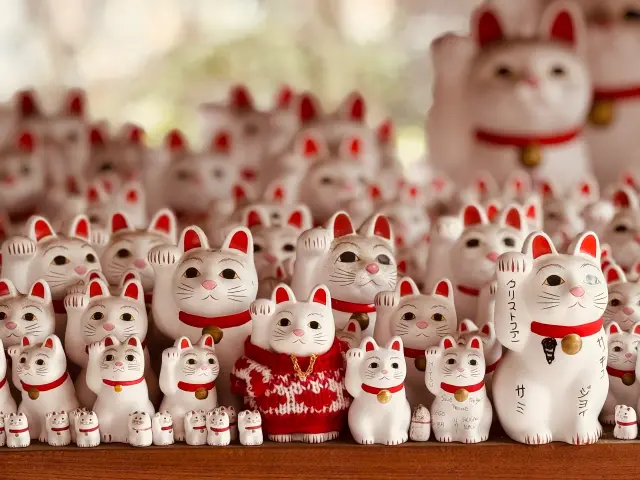
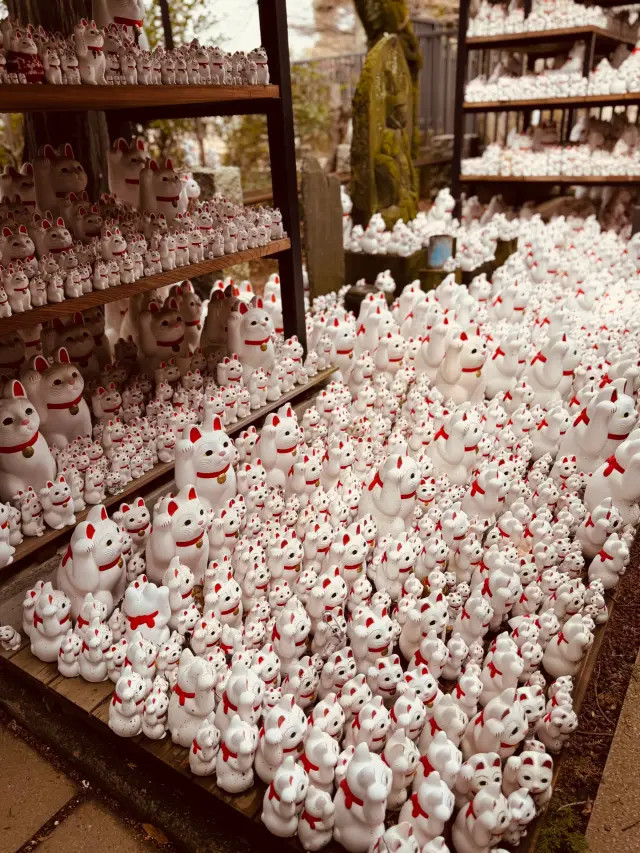
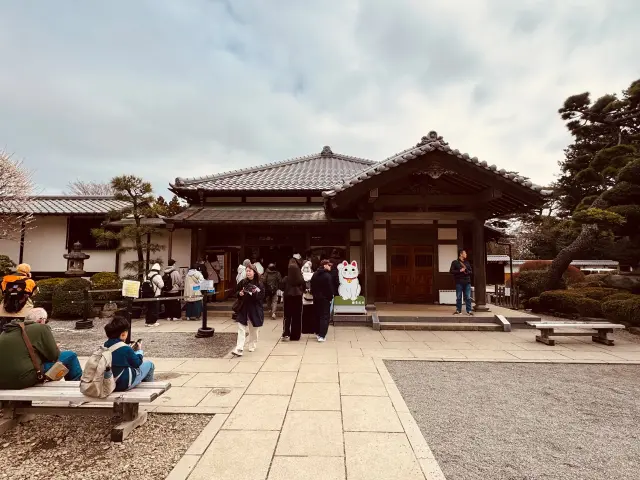
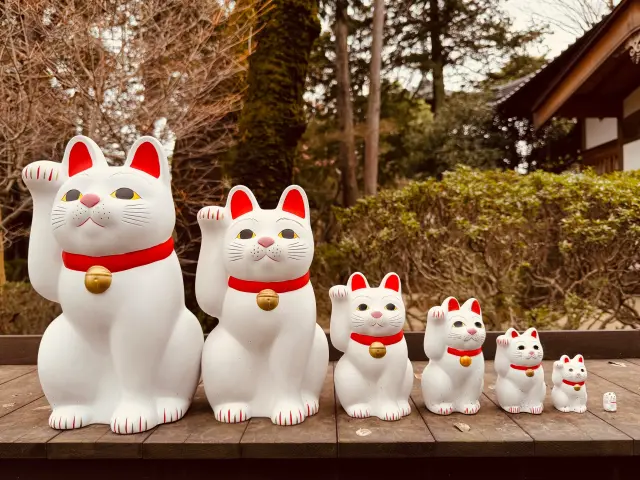
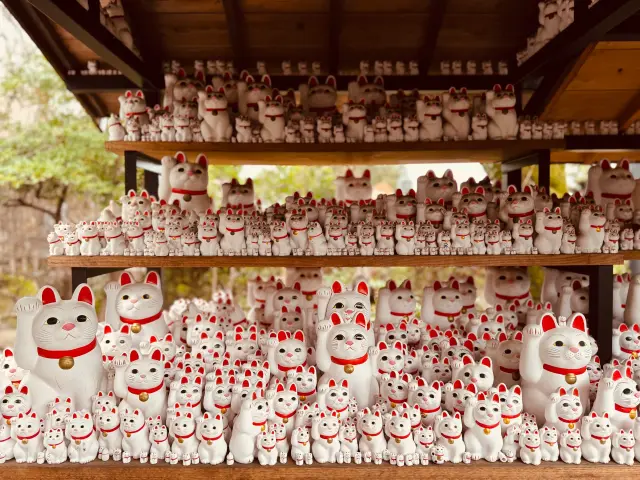
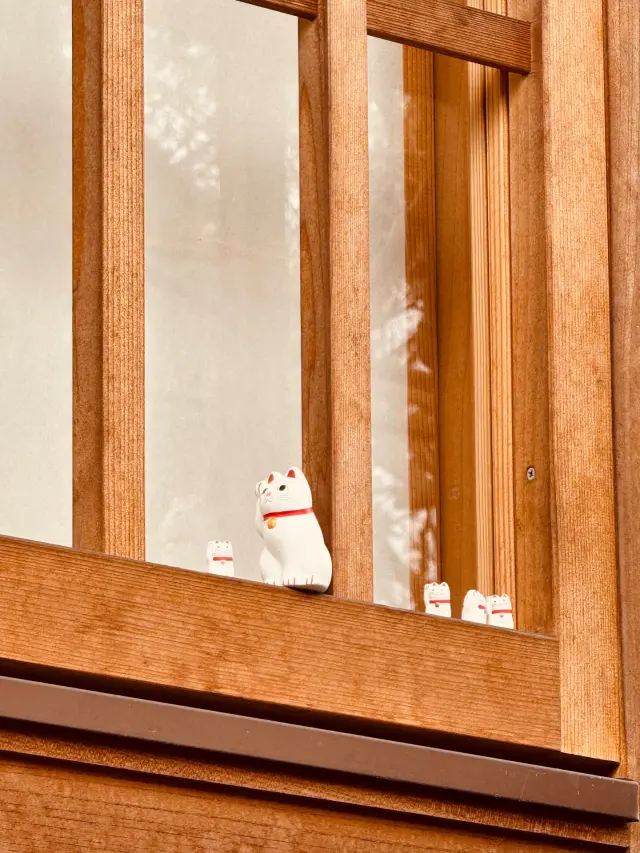
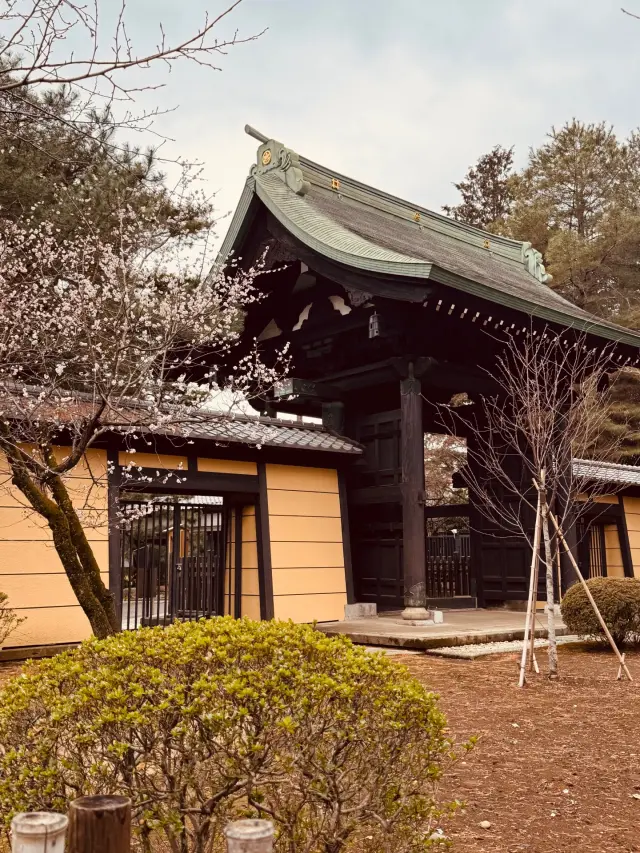
This Soto Zen temple in Tokyo’s Setagaya City is said to be the birthplace of the maneki-neko, or beckoning cat. Kotoku-in Temple, founded in 1480 by Kira Masatada, lord of Setagaya Castle, was renamed Gotokuji Temple in 1659. It became the Ii family’s family temple in Edo. The grounds contain the graves of generations of the Ii family and many cultural assets associated with them.
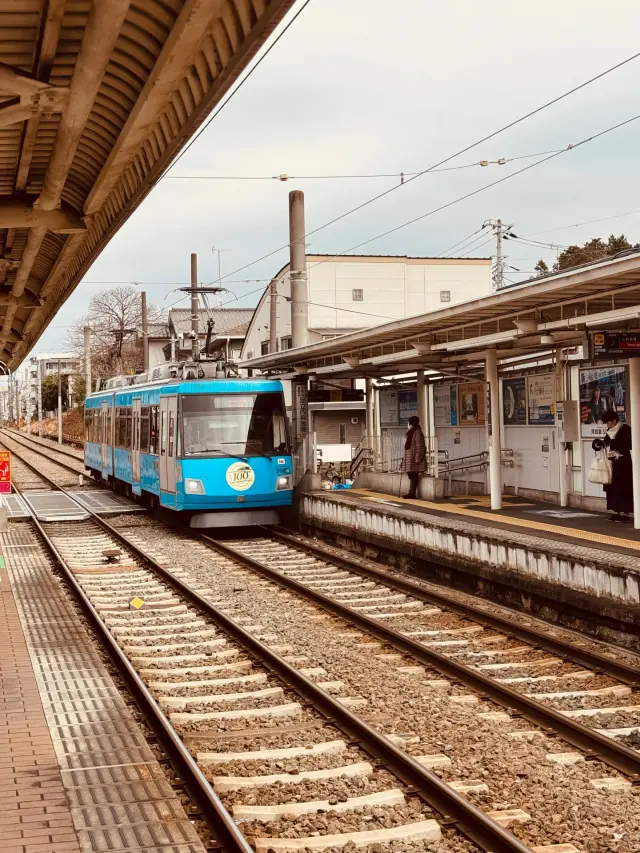
If you want to see beckoning cats, Gotokuji Temple is definitely a must-visit when you come to Tokyo. It has rapidly become popular over the past three years. Located on the outskirts of central Tokyo, it can be combined with Shimokitazawa and Sangenjaya for a full-day itinerary. Once you arrive at Gotokuji Temple, be sure to visit the area with the most beckoning cats—it’s guaranteed to have you snapping away. Most importantly, if you want to buy a beckoning cat, I recommend coming in the morning; otherwise, the limited quantities can be unforgiving. After visiting Gotokuji Temple, head to Shimokitazawa or Sangenjaya for lunch. It makes for a very nice day trip.
-
-

Harunire Terrace
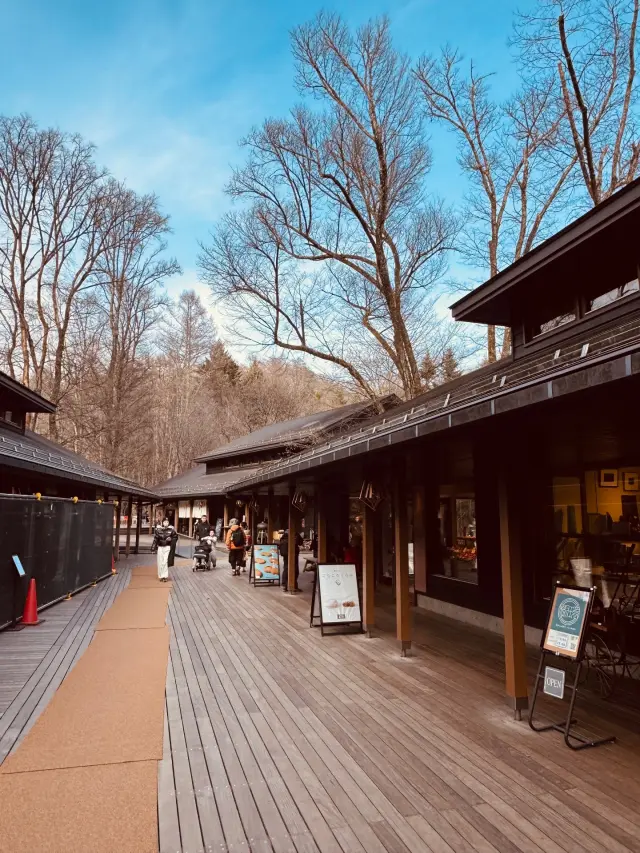
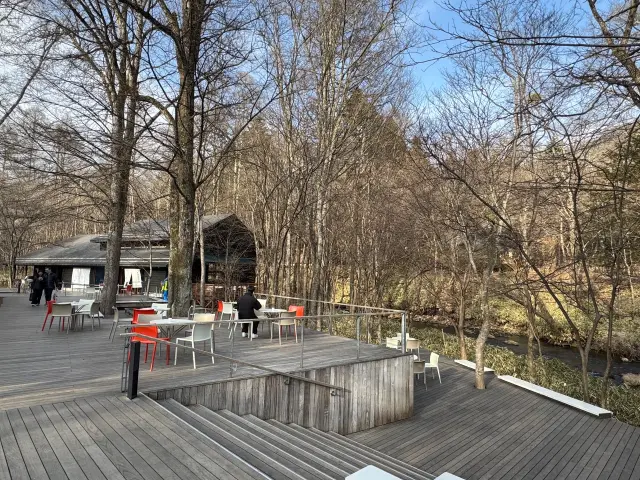
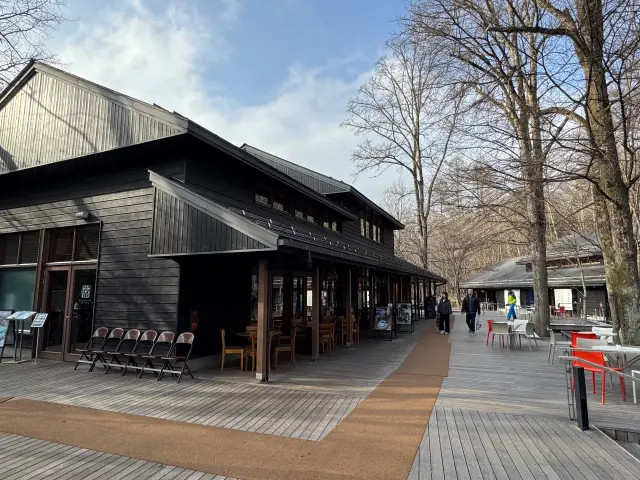
This is a “small town” with nine buildings connected with wide wooden decks, utilizing a grove of more than 100 Japanese elm trees alongside the clear stream.
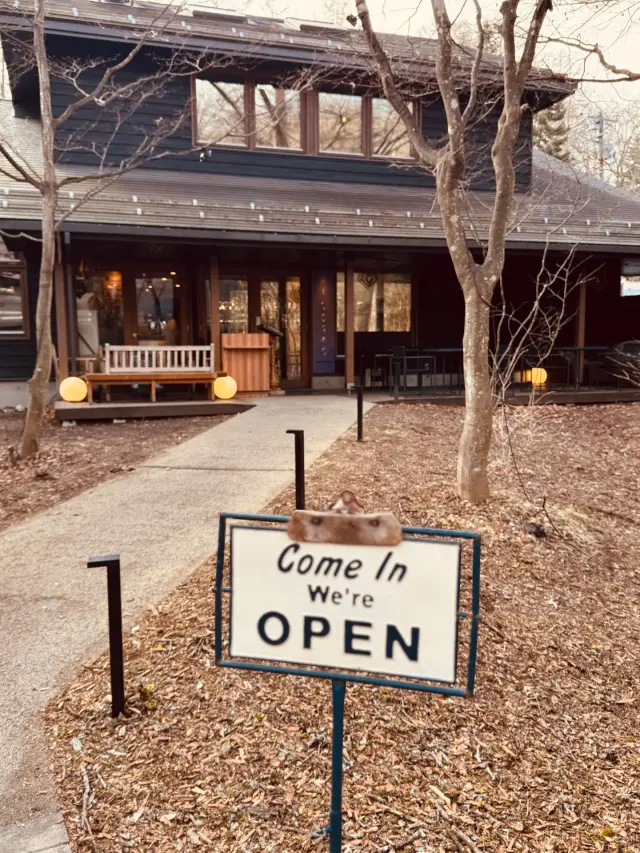
Harunire Terrace in Naka-Karuizawa is built along a stream, with wooden buildings, boardwalks, and forest cabins. The outdoor decks have free tables and chairs, while the small shopping area sells various goods and food. It’s a great place to visit in the afternoon and is very chill. I highly recommend the rich and delicious ice cream from Nagai Farm. A day trip by bicycle is also a great option—ride over from Karuizawa Station and enjoy a different way of exploring.
-