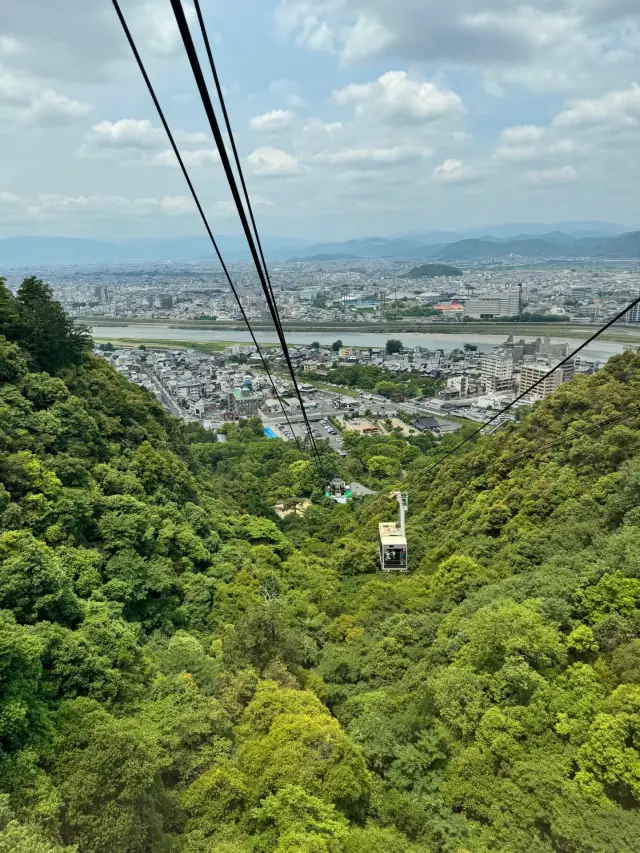
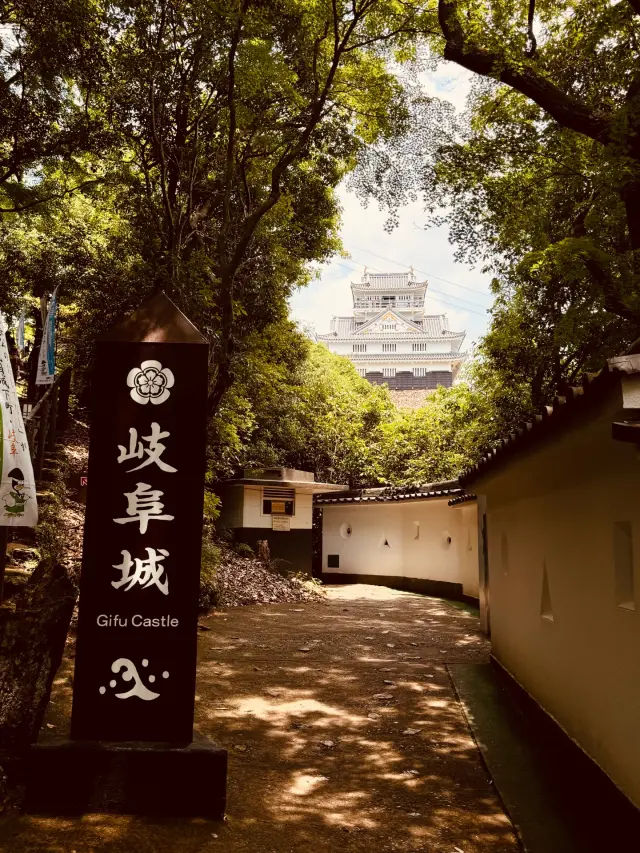
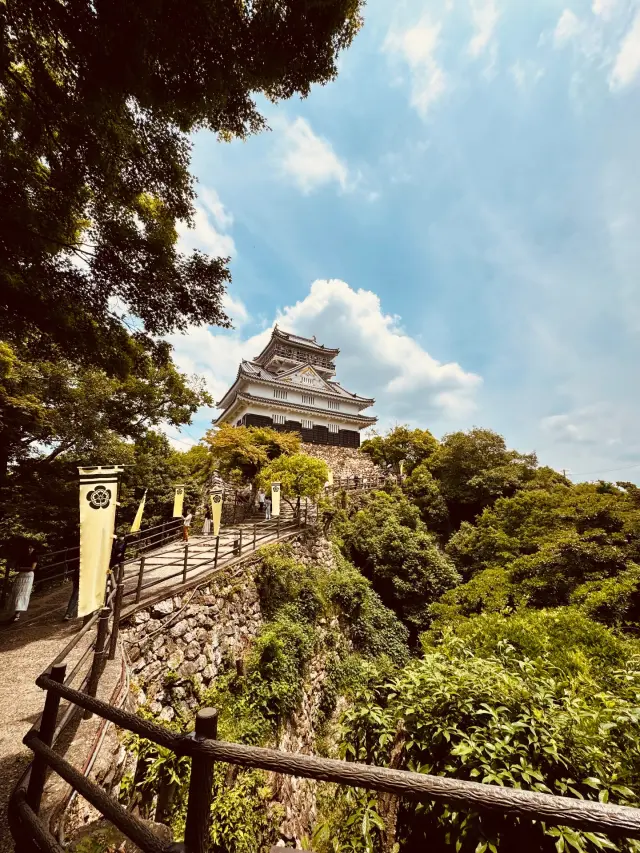
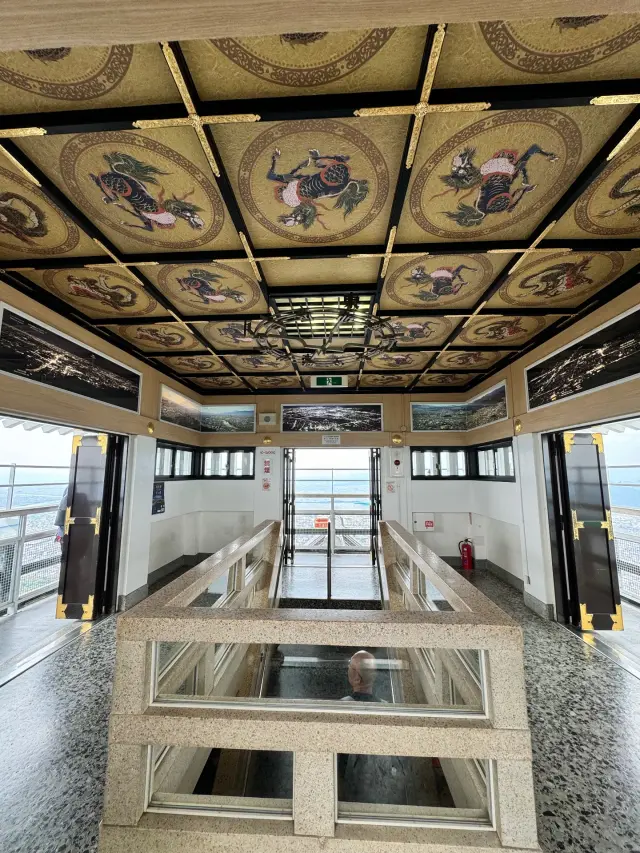
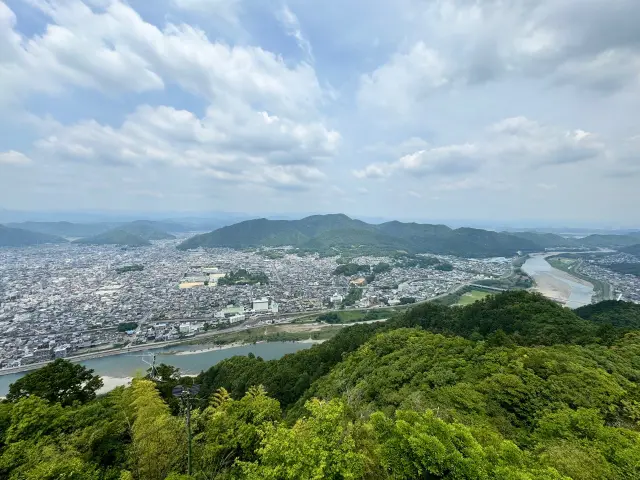
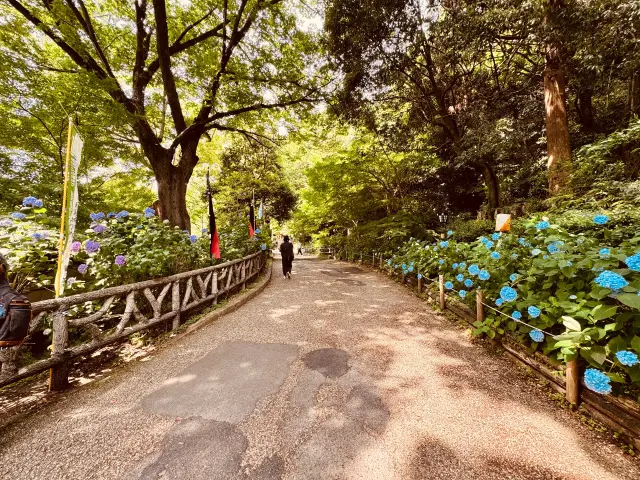
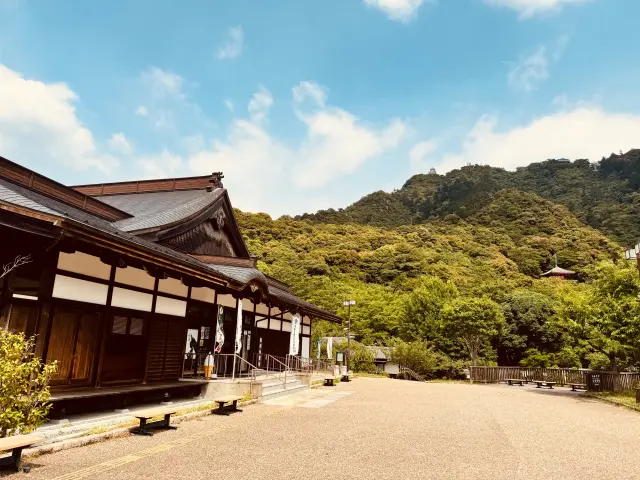
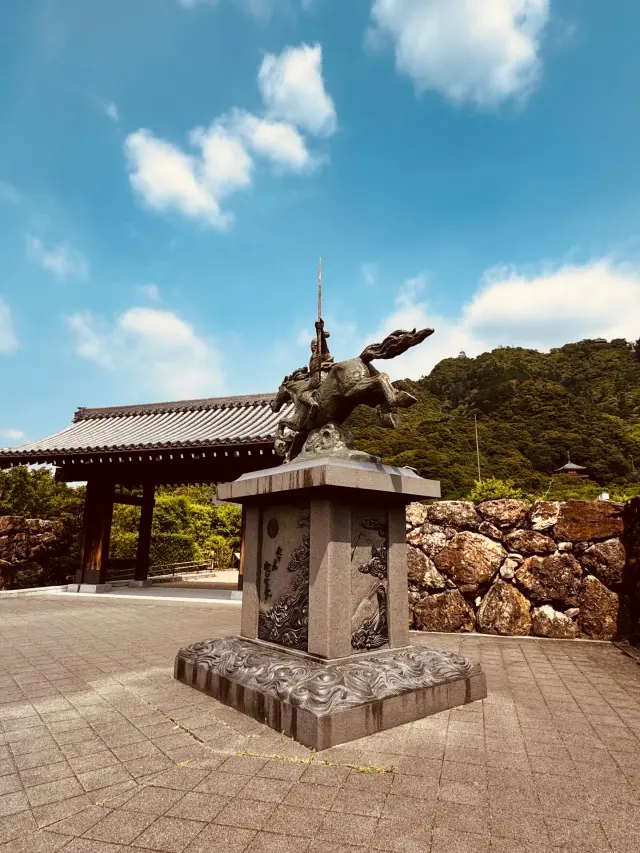
Gifu Castle in Gifu Prefecture is located at the top of Mount Kinka. It was renamed after Oda Nobunaga captured it during Japan’s Sengoku period. Since it is at the top of the mountain, you need to take the ropeway from Gifu Park below. Building this castle back then must have taken tremendous effort, so it’s no wonder it was easy to defend and difficult to attack. After getting off the ropeway, you still have to walk for about 10 minutes. If you come here, you definitely have to go up to the castle keep. From there, you can see the Nagara River and the city scenery in the distance. Gifu Park at the foot of the mountain has a hydrangea season in June, so besides visiting Gifu Castle, you can also enjoy the hydrangeas below the mountain castle.
Gifu Castle | Review by hdwf2002
Other Reviews by hdwf2002
-
Zenkoji Temple
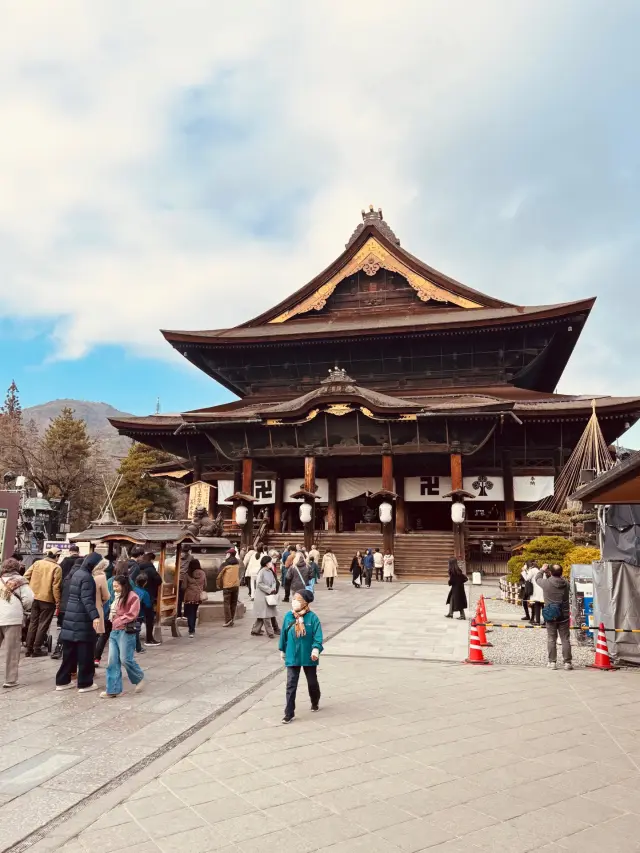
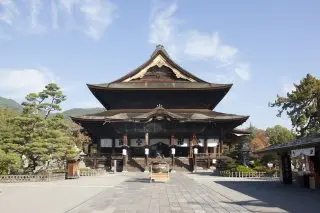
This historical large-scaled temple is about 59,000 square meters (about 5.9 ha) and was founded 1400 years ago. Many Buddhist facilities fill the compound. Some of them are; Daikanjin and Daihongan (they are also independent temples), and guests' quarters. This temple was founded at a specific time before the various subsects of Buddhism came into being. Some of the worshippers were those with power at the time, such as Minamoto no Yoritomo and Tokugawa Ieyasu , as well as the common people.
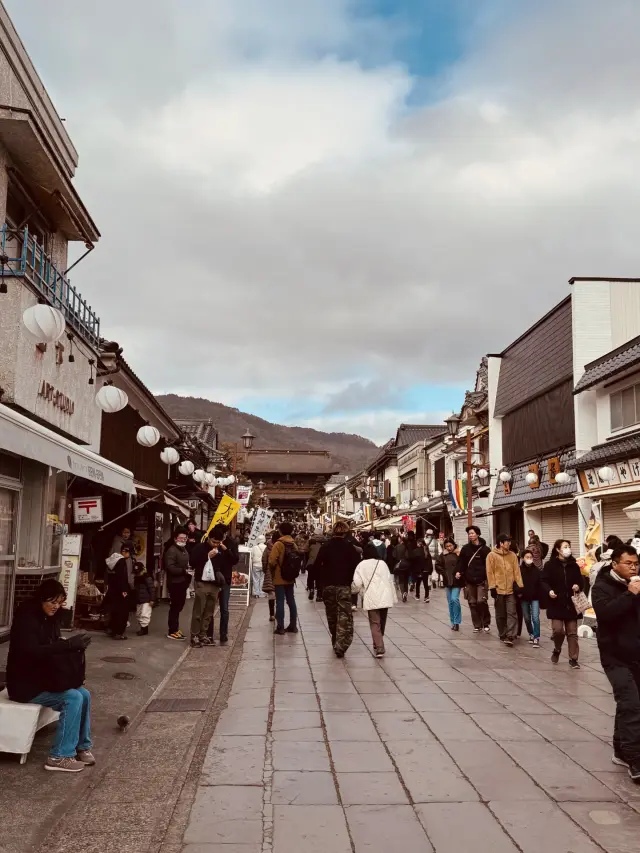
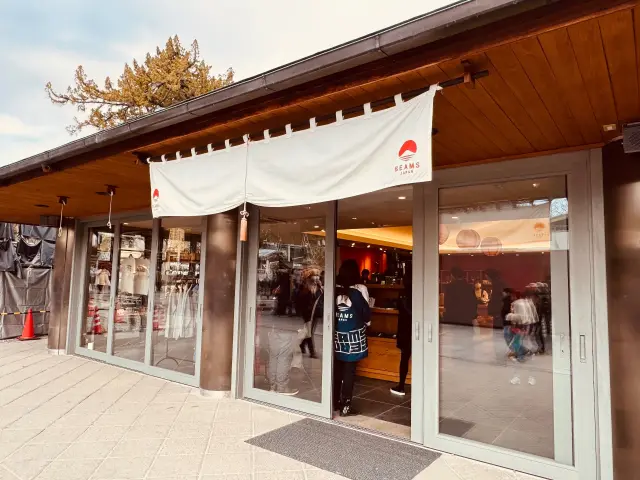
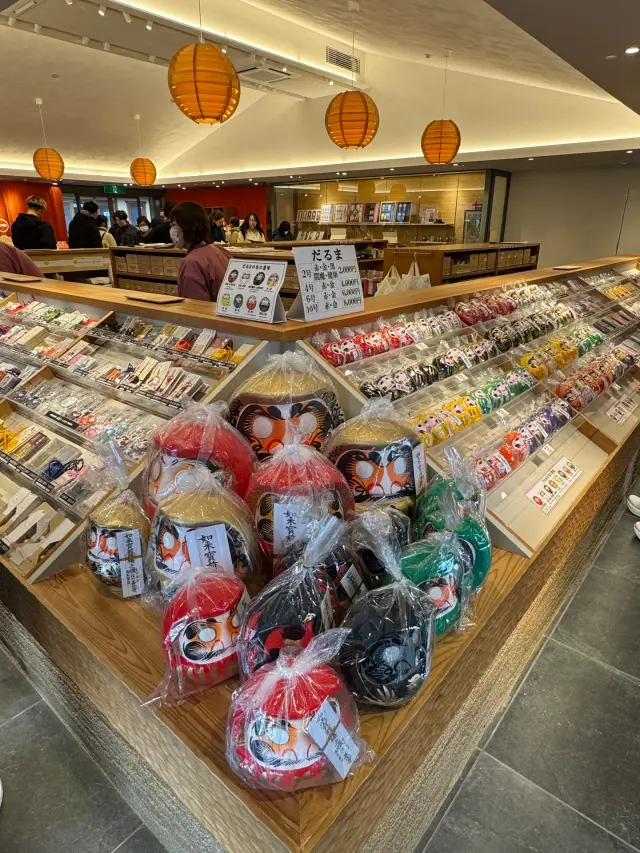
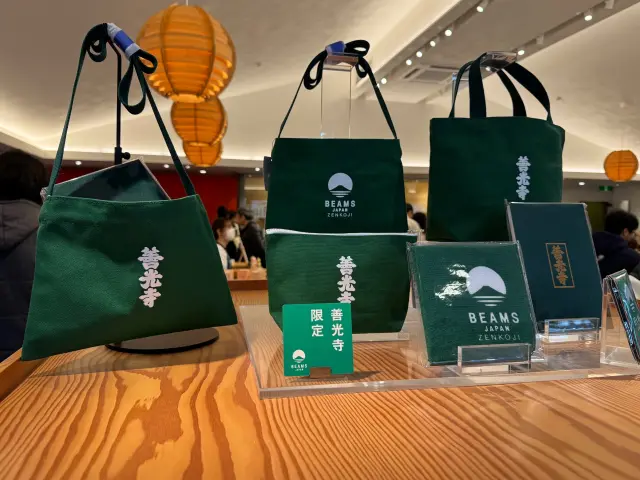
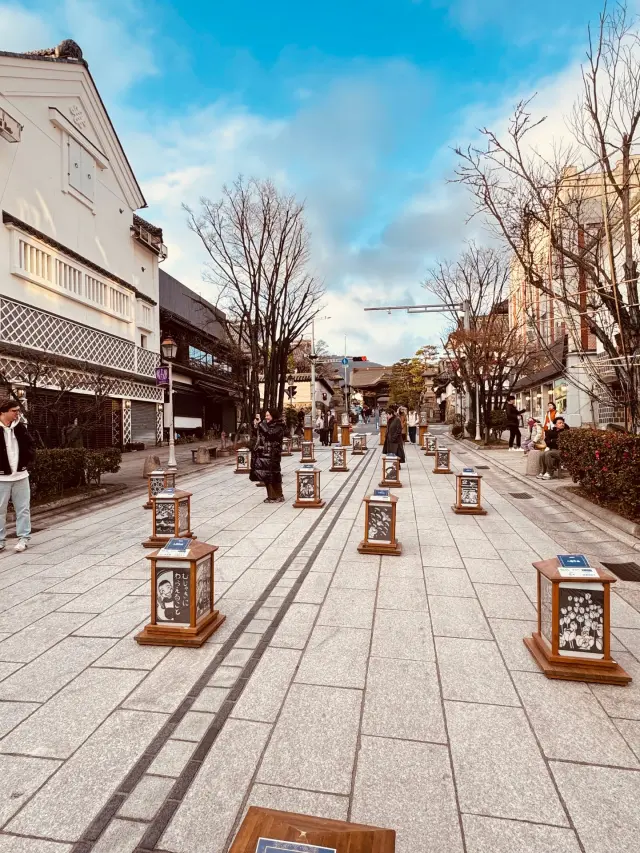
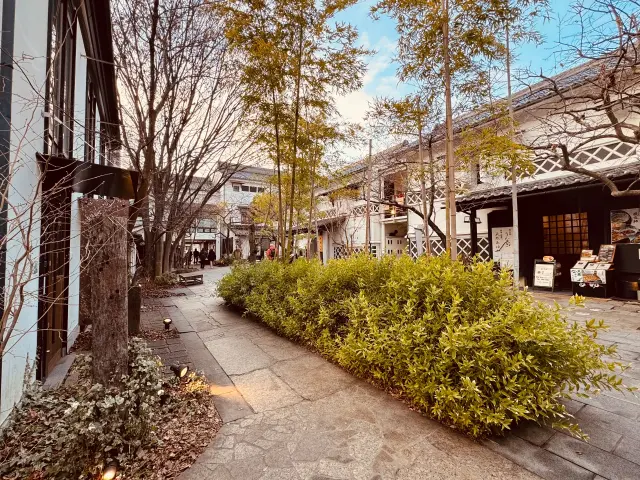
With a history of about 1,400 years, Zenkoji Temple is definitely a must-visit attraction when visiting Nagano Prefecture. It is a heritage site that combines history and religious culture. You can take a bus from Nagano Station. Shops line both sides of the approach leading to Zenkoji Temple. If you come in the afternoon, you can take a leisurely walk from the Niomon Gate to the Sanmon Gate, and then you’ll see Zenkoji Temple’s principal image. For souvenirs, the BEAMS limited-edition Zenkoji items are worth checking out. They feel like special regional collectibles, so travelers who like that sort of thing should definitely add them to their list. Visitors gradually start leaving Zenkoji Temple around 4–5 p.m. If you’re not in a hurry to leave, you can walk back along the approach in front of the temple, where there are also quite a few places to eat, bringing a perfect half-day itinerary to a close.
-
-
Chubu Electric Power MIRAI TOWER
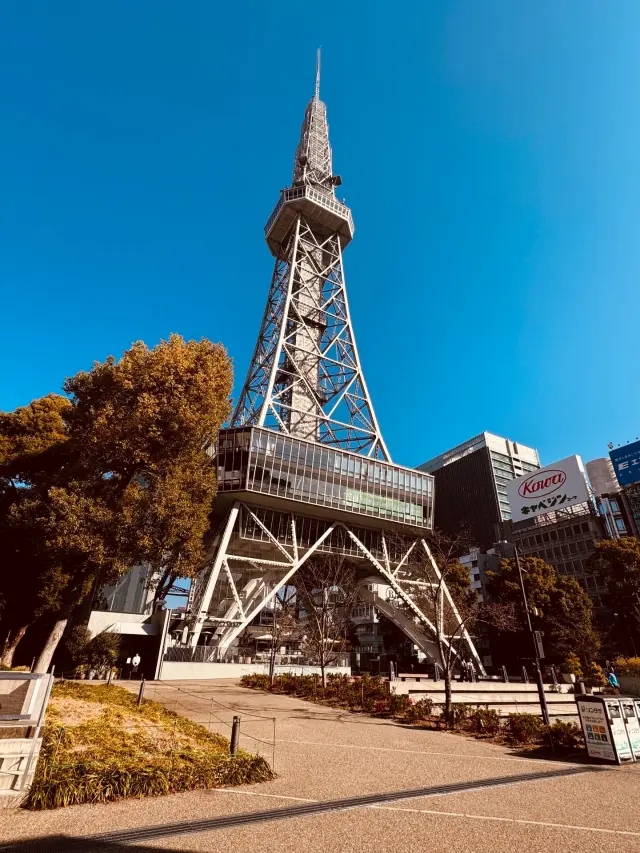
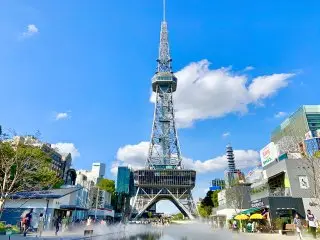
The tower is Nagoya’s symbol, built as Nagoya TV Tower for tourism and TV broadcast and completed in 1954. In 2011, TV signals were switched from analog to digital and its function as a consolidated radio tower was ended.
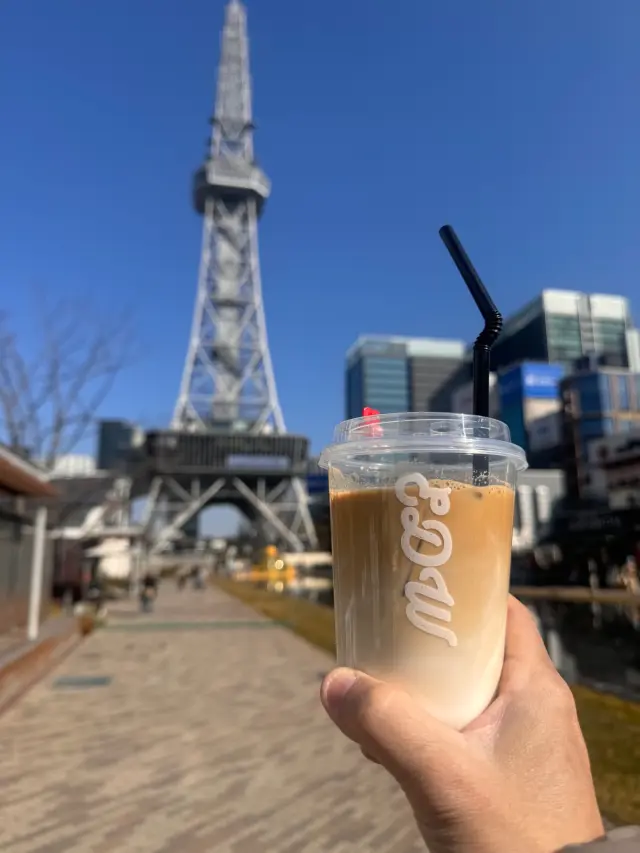
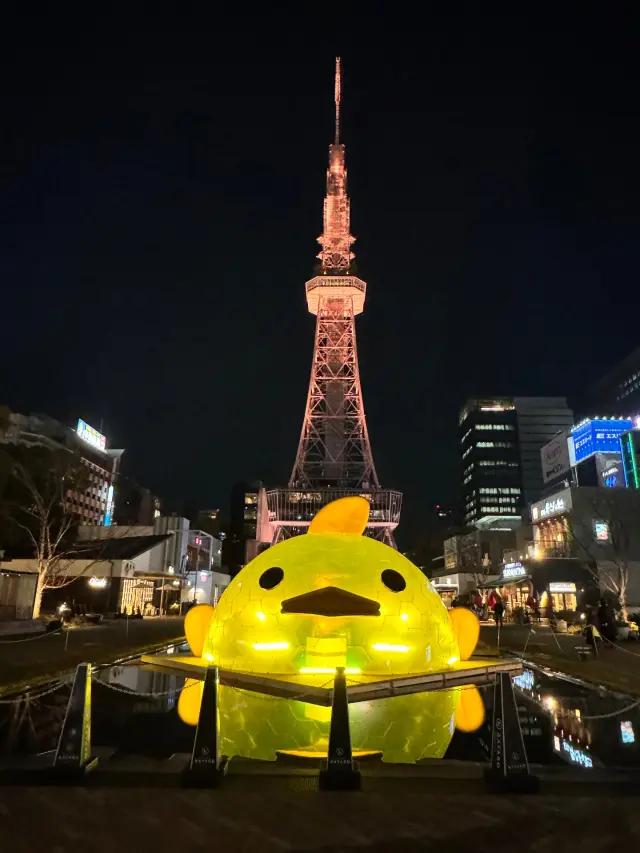
The Kanto region has Tokyo Tower and Tokyo Skytree, and when visiting the Chubu region, you definitely shouldn't miss Chubu Electric Power MIRAI TOWER. Located by Hisaya-odori subway station, it stands 180 meters tall. Although it isn't the tallest tower in Japan, it is an important landmark in the Chubu region and a must-visit spot for night views.
The tower is in Hisaya-odori Park, with a pond in front of it where events are held from time to time. There are shops and restaurants on both sides. The scenery is completely different during the day and at night, making it a great place to have afternoon tea or enjoy dinner and a walk in the evening. At night, mist rises from the park's pond, and the atmosphere and scenery will have you taking plenty of memorable photos with your phone or camera. If you're in Nagoya's Sakae area, remember to stop by for a walk.
-
-
SUNSHINE SAKAE
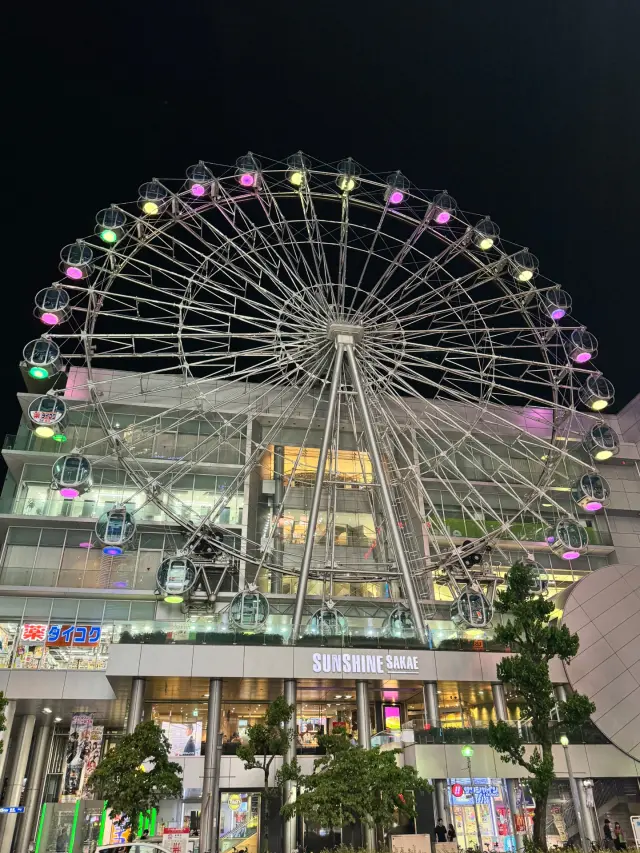
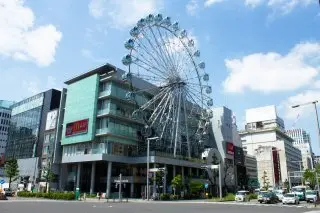
The building is located along Nishiki-dori, one of Nagoya's main streets, and features a Ferris wheel on its wall. The Ferris wheel, called "Sky-Boat," is 40 meters in diameter and reaches a maximum height of 52 meters above the ground.
The Sakae shopping district is a top choice for accommodations when visiting Nagoya. Transportation is convenient, and the area from Hisaya-odori Station through Sakae Station to Yabacho Station is lined with department stores, shopping centers, restaurants, and more. Sakae Station is the liveliest part of the area, and you can walk around and browse at night. The Ferris wheel is quite beautiful at night, but the area near Don Quijote attracts a more mixed crowd after 11:00 p.m., so be mindful of your personal safety and belongings. South of Sakae is where many department stores are concentrated. If it's your first visit, you can stay at a hotel south of Sakae. Prices are a little higher, but you won't have to worry about finding places to eat or shop.
-