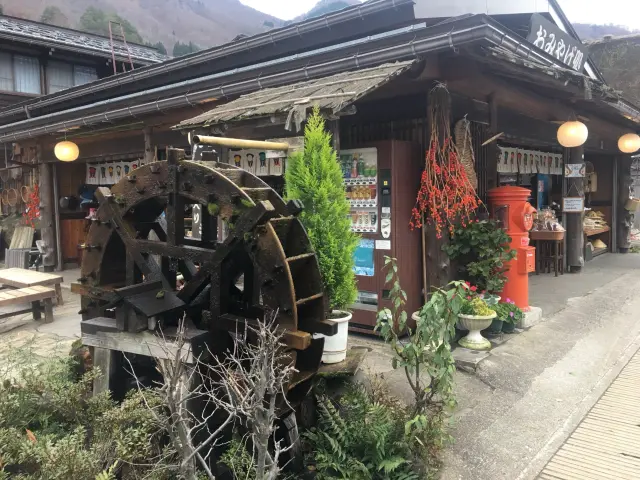
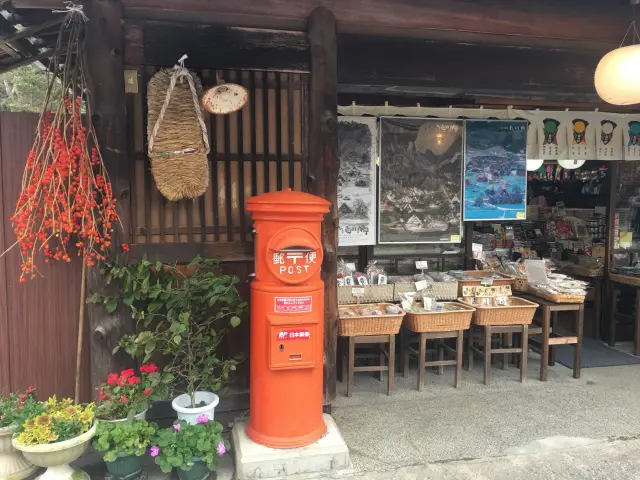
Even though you're in Tokyo, it doesn't feel like the city at all. The old-fashioned Japanese streets have a charming, down-to-earth vibe, and the street food is really unique.
Shibamata Taishakuten Sando | Review by 謝淑惠
Other Reviews by 謝淑惠
-

Shirakawa-go (Historic Village)
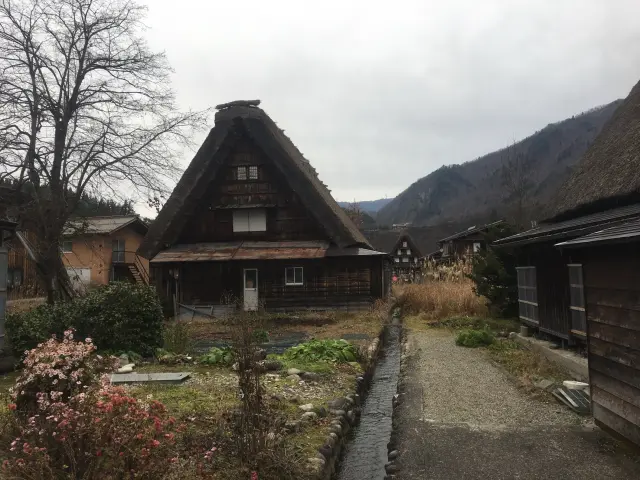
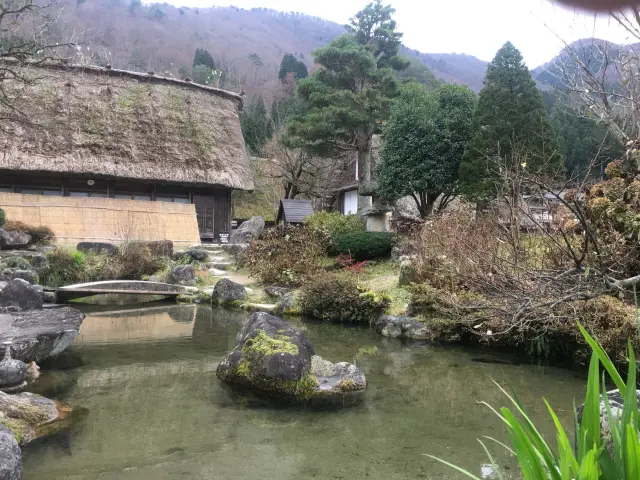
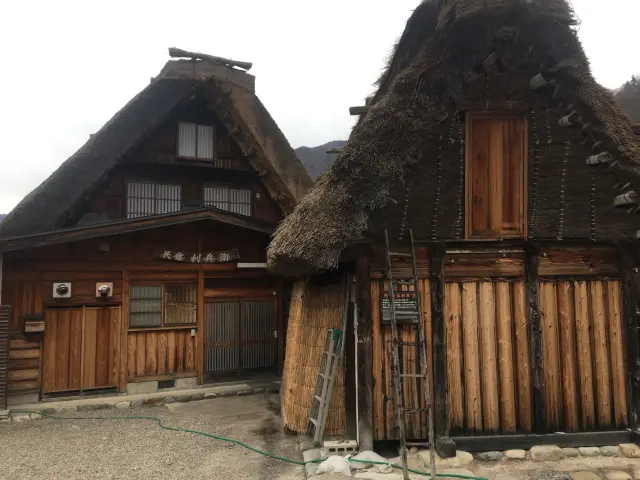
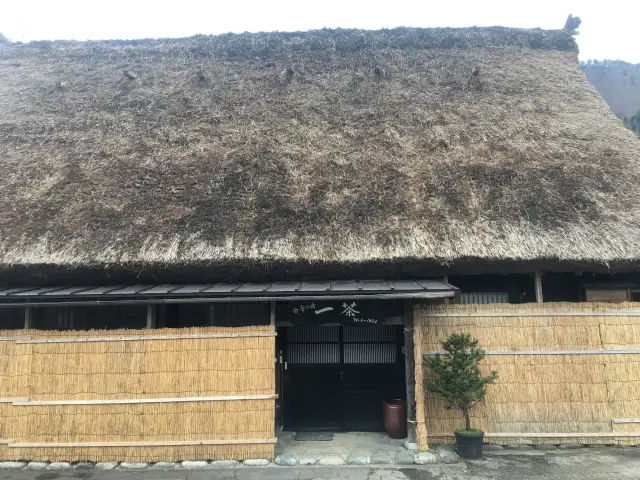
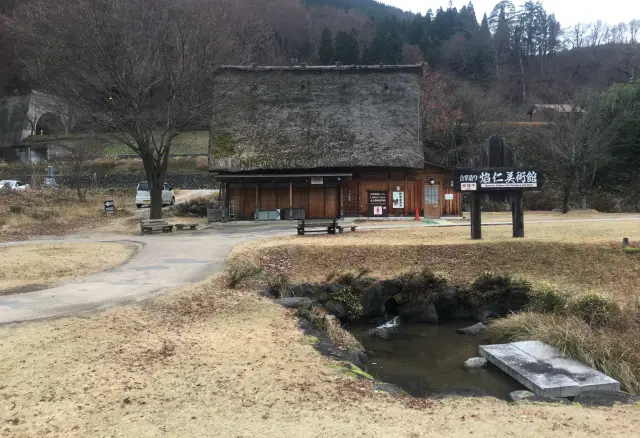
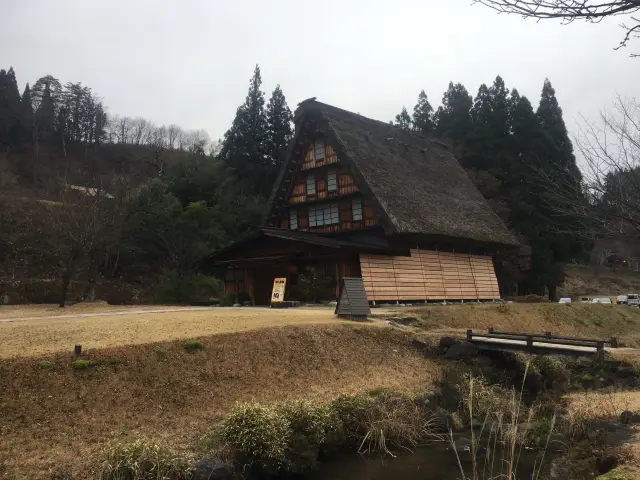
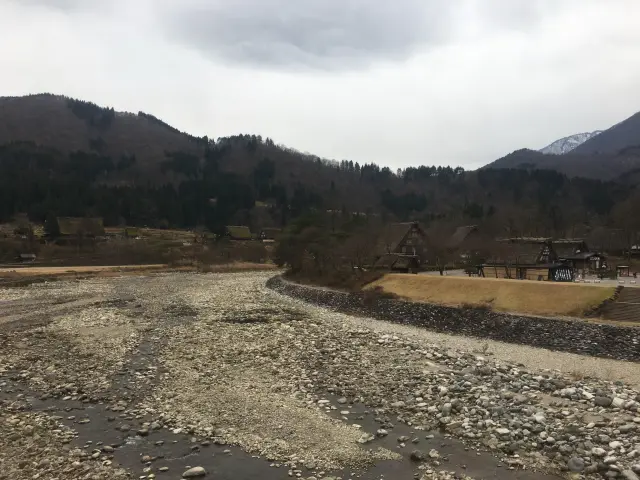
Shirakawa-go, a beautiful area where traditional Japanese scenery still exists, is home to the largest number of still-standing traditional “gassho-zukuri” Japanese homes. As of 2016, there are around 100 buildings still standing, both large and small. It is the largest remaining historic settlement in Japan, and it is preserved as a Group of Traditional Buildings in the register of Cultural Properties of Japan.
I've heard before that the gassho-style houses are built without using a single nail, but seeing them in person, they felt way sturdier than I imagined. I also visited the Gassho-zukuri Minkaen, the open-air museum in the Ogimachi gassho village. There, you can try out traditional Japanese crafts like plant dyeing, making straw sandals, and even making soba noodles. Really cool experience!
-
-
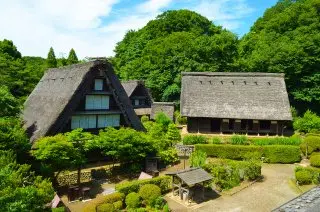
Nihon Minka-en, Kawasaki Municipal Japan Outdoor Folk House Museum
Opened in 1967, Kawasaki City is an outdoor museum that represents ancient Japanese homes. Twenty-five buildings, including private houses from the Edo period, have been relocated here and displayed, all designated as Japanese cultural heritage.
Each house has its own unique history and architectural style, letting visitors really get to know traditional Japanese lifestyles and building techniques.
-

Kawasui Kawasaki Aquarium
Head inside the KAWASAKI Le FRONT shopping complex facing Kawasaki Station to find Kawasui Kawasaki Aquarium and some 300 species of aquatic creatures from near and far, including local regions like Tama River in Kawasaki, and some all the way from Asia, Africa, and the tropical rainforests of South America and the Amazon.
Every exhibit area is thoughtfully designed, so you can observe and learn about the animals' habits up close.