Every exhibit area is thoughtfully designed, so you can observe and learn about the animals' habits up close.
Kawasui Kawasaki Aquarium | Review by 謝淑惠
Other Reviews by 謝淑惠
-

Shirakawa-go (Gassho-Zukuri Village)
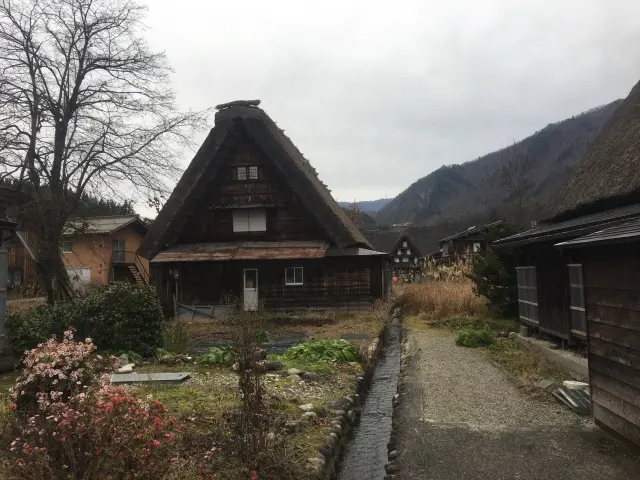
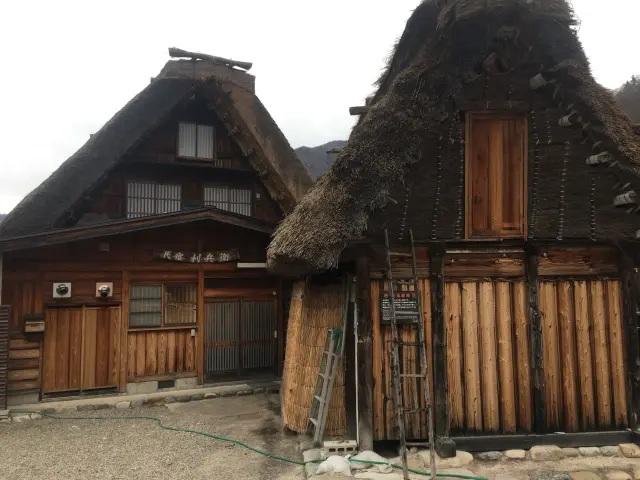
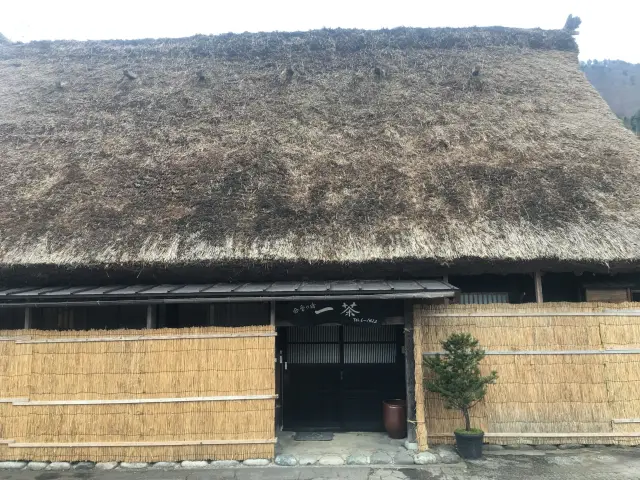
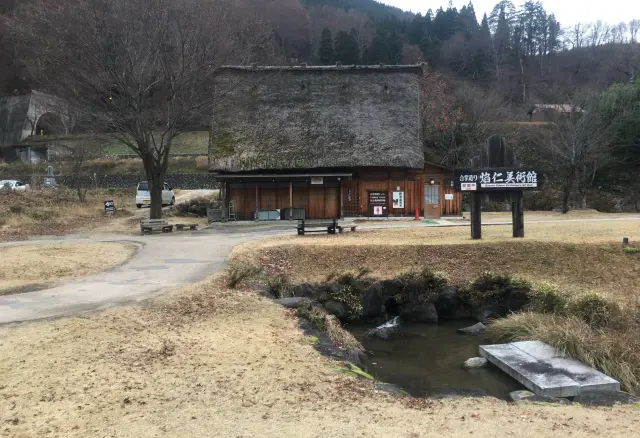
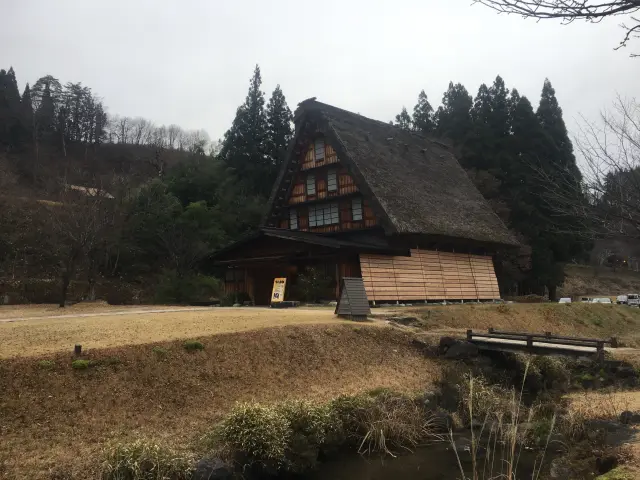
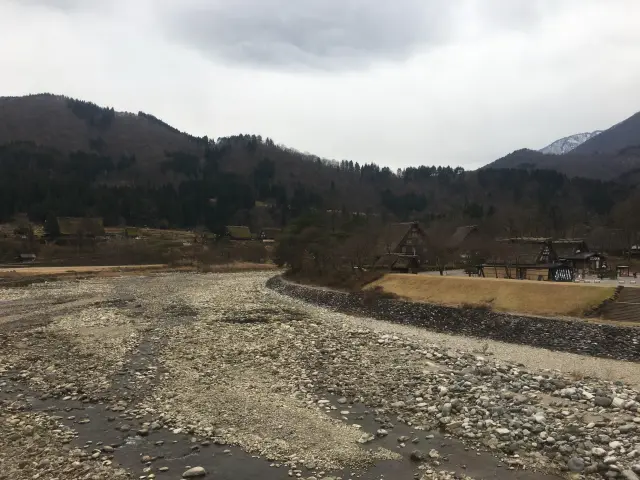
Shirakawa-go is a picturesque area where Japan’s traditional rural landscape remains intact. It has the largest concentration of gassho-zukuri buildings, with more than 100 structures of various sizes as of 2016. As Japan’s largest gassho-zukuri village, it has been designated a National Preservation District for Groups of Traditional Buildings.
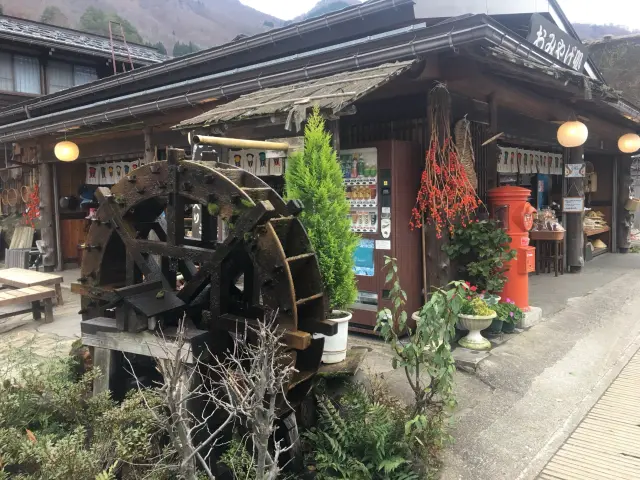
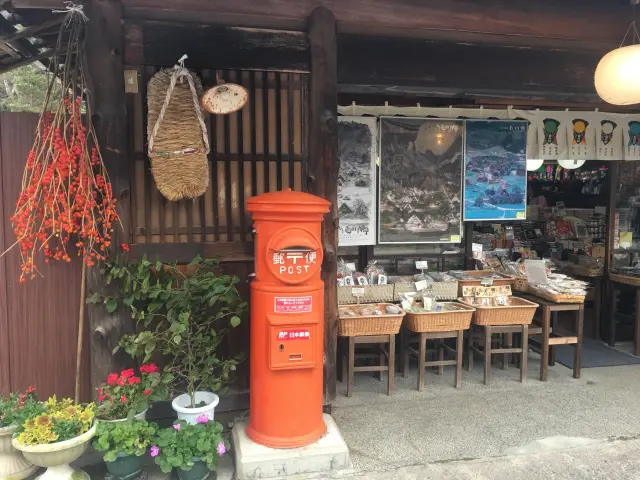
I've heard before that the gassho-style houses are built without using a single nail, but seeing them in person, they felt way sturdier than I imagined. I also visited the Gassho-zukuri Minkaen, the open-air museum in the Ogimachi gassho village. There, you can try out traditional Japanese crafts like plant dyeing, making straw sandals, and even making soba noodles. Really cool experience!
-
-
Japan Open-Air Folk House Museum
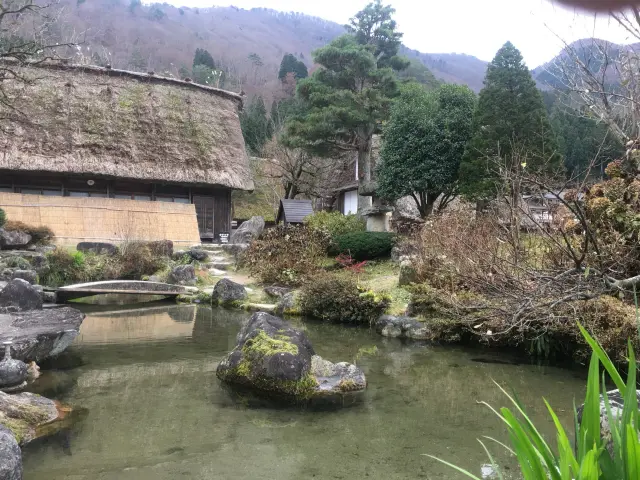
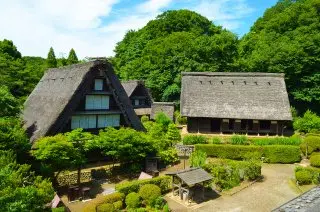
Opened in 1967, this is one of Japan’s leading open-air museums of traditional folk houses. It displays 25 relocated cultural properties, including homes from the Edo period, residences built around 100 to 300 years ago, and a Kabuki stage.
Each house has its own unique history and architectural style, letting visitors really get to know traditional Japanese lifestyles and building techniques.
-

AQUA CiTY ODAIBA
A large shopping and entertainment complex in an ideal location next to Odaiba Seaside Park, overlooking central Tokyo across the Rainbow Bridge. Its shopping zone features around 60 stores, with a focus on casual fashion inspired by the refreshing sea breeze. One of the largest dining zones in the waterfront area offers a wide variety of restaurants serving Japanese, Western, Chinese, Italian, and other cuisines.
This large shopping mall in Odaiba has an amusement area and a museum, plus all kinds of restaurants and specialty shops. If you step outside, you can get a great view of Rainbow Bridge.