

19 Must-Visit Spots for Hokkaido Sightseeing
Hokkaido offers plenty to see and do, from vast, spectacular natural scenery to beautiful cities where urban life and nature harmonize, plus memorable local food.
With attractive cities scattered across the island—like Sapporo, Hokkaido’s largest city, and Hakodate with its international, charming streets—it’s easy to feel unsure where to start.
To help you fully enjoy Hokkaido, here’s a guide to sightseeing spots, recommended food, accommodations, events, and more.
What is Hokkaido Like?
Hokkaido sits at the northernmost end of Japan.
This vast northern land, which makes up Approx. 20% of Japan’s total area, is filled with grand natural scenery.
There are many landscapes you can only see in Hokkaido, such as flower fields stretching as far as the eye can see, drift ice, and seas of clouds.
Hokkaido also has a history as a frontier and trade region, and some cities have an international feel and a nostalgic, retro atmosphere.
It’s also famous for local cuisine featuring seafood raised in northern waters, making it a top destination for travelers from Japan and around the world.

What’s the best season for sightseeing in Hokkaido?
Hokkaido is enjoyable year-round, but winter is especially recommended for its abundance of seafood.
Be sure to enjoy Hokkaido’s fresh local seafood.
What to wear in Hokkaido by season
- Spring (March–May): down jacket, coat, thick sweater, scarf, gloves
- Summer (June–August): short sleeves, long-sleeve shirt, light sweater
- Fall (September–November): coat, jacket, sweater
- Winter (December–February): down jacket, coat, thick sweater, scarf, gloves
How do you get to Hokkaido?
Hokkaido has many major airports, so you can travel from Tokyo, Osaka, or Nagoya (which also have airports) in around 1 hour 30 minutes.
There are also plenty of international flights, making it easy to access from overseas.
Main transportation options for sightseeing in Hokkaido
Hokkaido has well-developed transportation, and with buses, trains, and subways, you should be able to get around sightseeing areas without stress.
Depending on where you visit, it’s also recommended to use money-saving train free passes.
19 Must-Visit Spots for Hokkaido Sightseeing
Here are carefully selected spots where you can fully experience Hokkaido’s charm, focusing on places that showcase grand natural scenery and beautiful views in every season.
If you’re unsure how to plan your trip, try building your itinerary around the spots below.
1. Odori Park
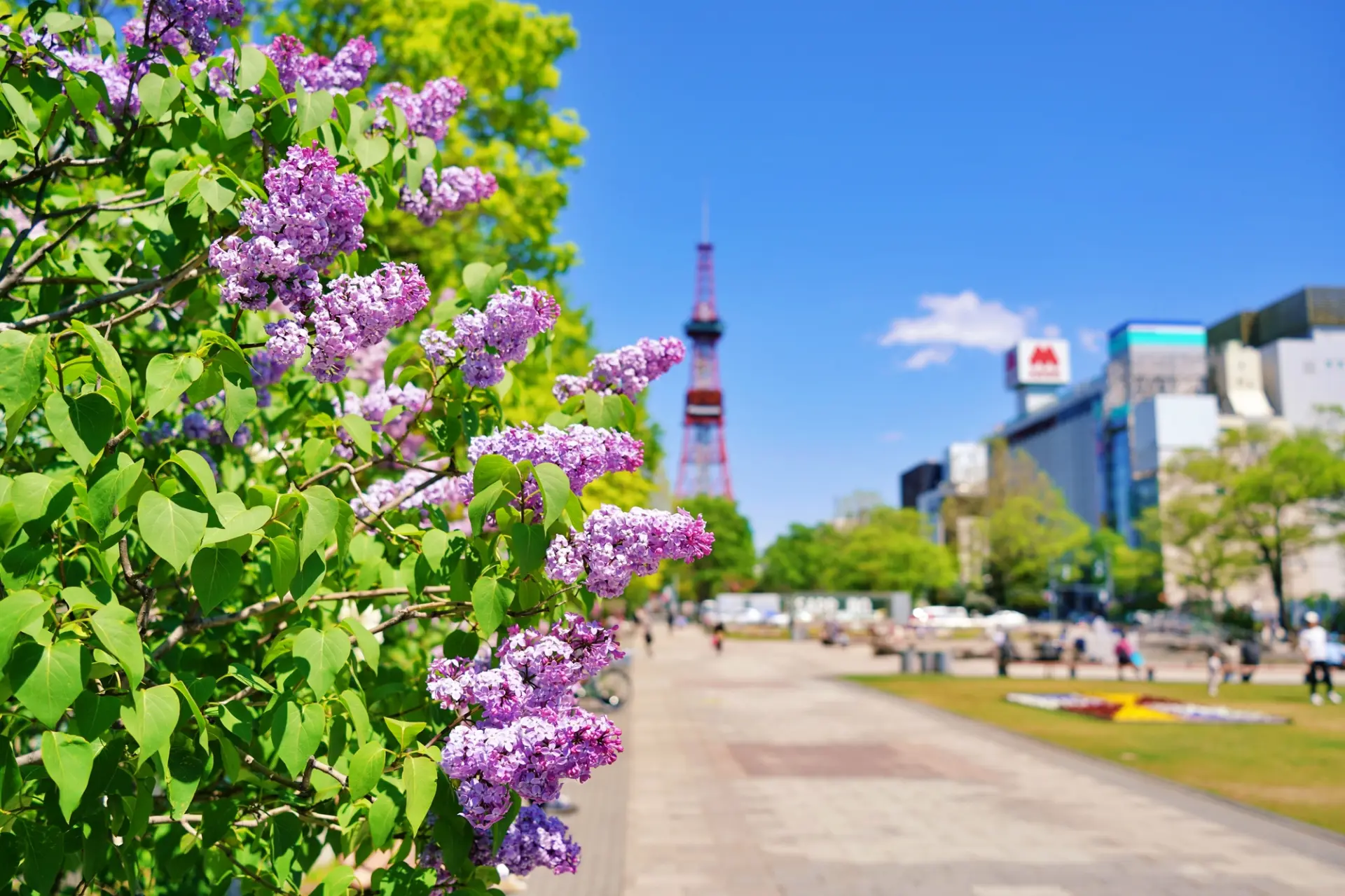
Odori Park is located in the center of Sapporo.
Surrounded by Approx. 4,700 trees of 92 varieties such as lilacs and Japanese elms, it also offers lawns, fountains, and other relaxing spaces, and is loved by tourists and locals as an oasis in the office district.
Odori Park is also known as a venue for events such as the Sapporo Lilac Festival and the YOSAKOI Soran Festival, and above all, the Sapporo Snow Festival is a major event that draws Approx. 2 million visitors each year from Japan and abroad.
2. Shiretoko Five Lakes
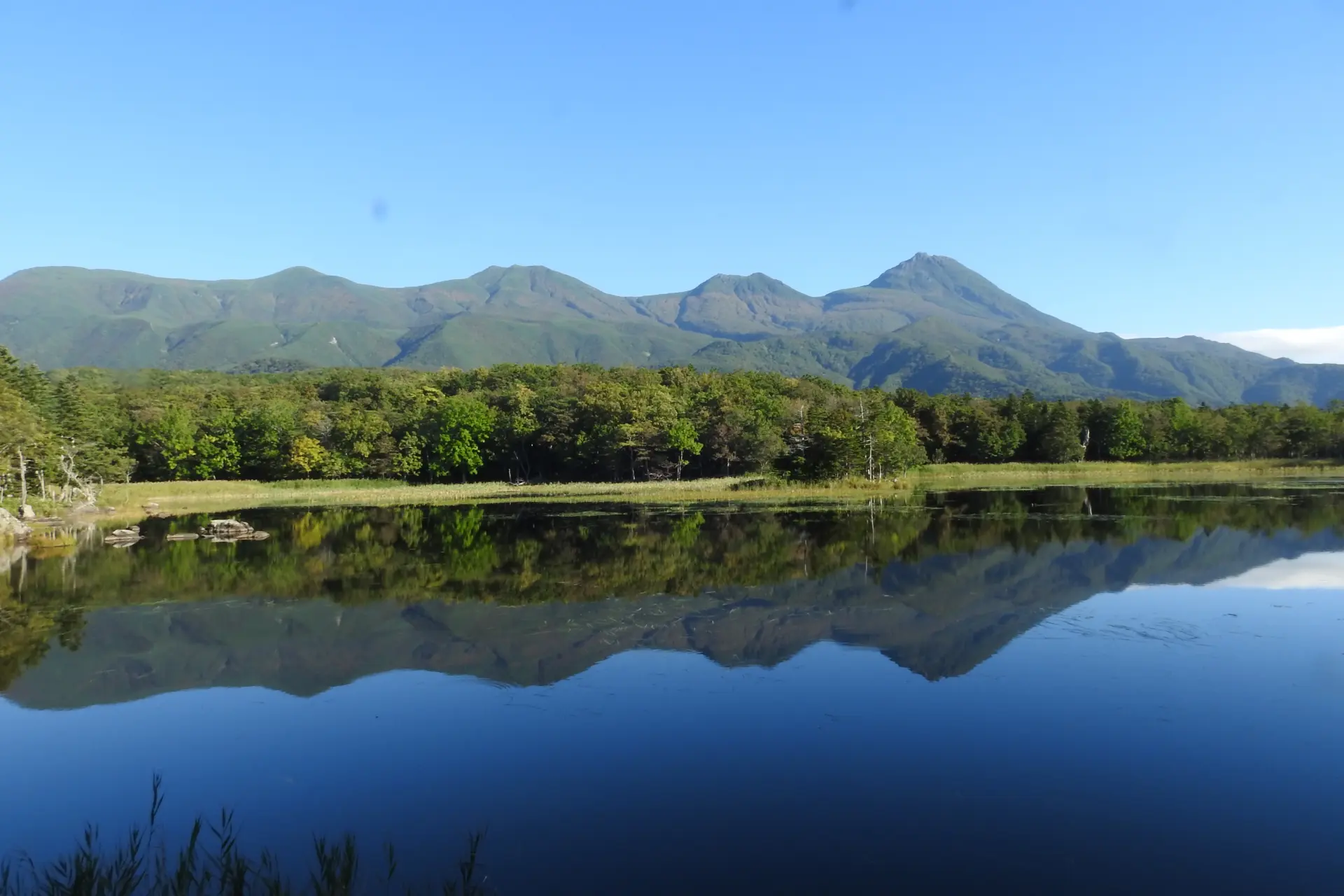
Five lakes are scattered through pristine forest with the Shiretoko mountain range as a backdrop.
Located in Shiretoko, a UNESCO World Natural Heritage site, the grand scenery is counted as one of the Shiretoko Eight Views.
Many wild animals live nearby, and you may spot Hokkaido squirrels and Ezo deer. Brown bears also live here, so take care.
Two walking trails are maintained, and the elevated wooden boardwalk (Approx. 800 m) leading to Lake 1 allows anyone to stroll safely throughout the season.
3. Lake Mashu
A caldera lake within Akan-Mashu National Park in eastern Hokkaido.
The lake, with a circumference of Approx. 20 km and an area of Approx. 19.6 km², is surrounded by a Special Protection Zone.
Because it’s encircled by steep cliffs, you can’t go down to the lake, but you can take in the beautiful surface from nearby observation decks.

4. Lake Akan
Lake Akan is the fifth-largest freshwater lake in Hokkaido and is known as a habitat for marimo algae balls.
Marimo live in freshwater lakes around the world, but Lake Akan’s marimo are known for their beautiful spherical shape, often over 15 cm in diameter, giving them global value.
The area around Lake Akan is part of Akan-Mashu National Park, a place where you can feel Hokkaido’s mystical nature, enjoy walks, and visit it as a power spot.

5. Otaru Canal
Otaru Port developed as a gateway to Hokkaido’s settlement era. As cargo volumes increased year by year, the “Otaru Canal,” completed in 1923, was built to streamline transport work.
The promenade is lined with 63 gas lamps that light up at dusk. Stone warehouses remain along the canal as they were and are now used as restaurants and more.
At dusk, when the gas lamps glow, the stone warehouses are also illuminated, creating a retro, atmospheric view.

6. Goryokaku Park
Goryokaku is a Western-style fortress built in 1866.
Until it was taken over by the Meiji government, it served as the political center of Ezochi.
Later, in 1914, it was opened to the public as “Goryokaku Park,” and it became a sightseeing destination and a nationally designated Special Historic Site visited by many travelers.

7. Asahiyama Zoo (Asahikawa City)
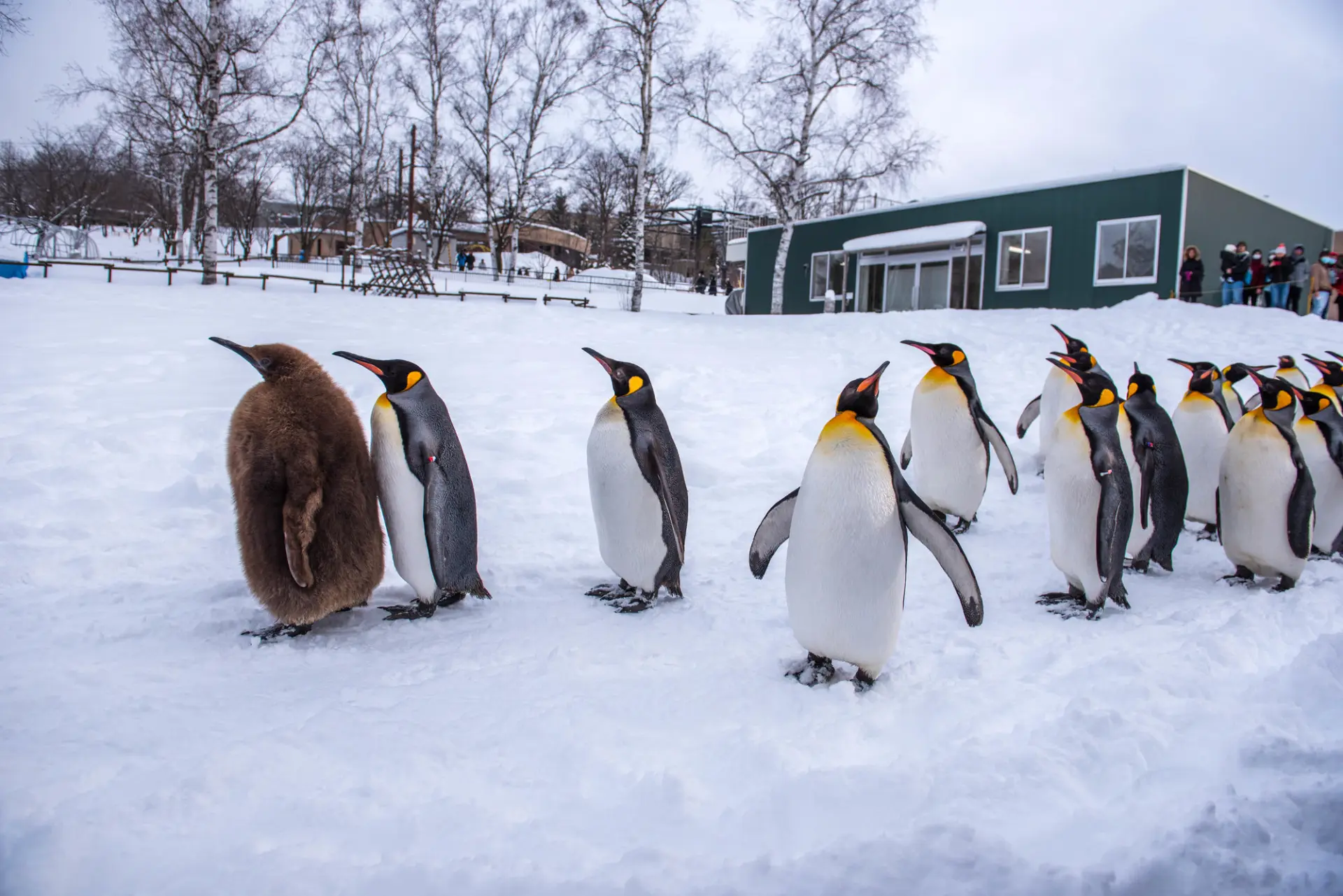
Japan’s northernmost zoo, Asahikawa City Asahiyama Zoo, is a popular zoo known for its “behavioral exhibits,” which create comfortable spaces tailored to each animal and highlight their natural behaviors.
From the “Penguin House,” where penguins freely swim through an underwater tunnel, to the “Seal House,” where seals move up and down a cylindrical tank, and the “Polar Bear House,” where you can watch polar bears dive into the pool, you can see animals living lively lives.
8. Tanukikoji Shopping Street
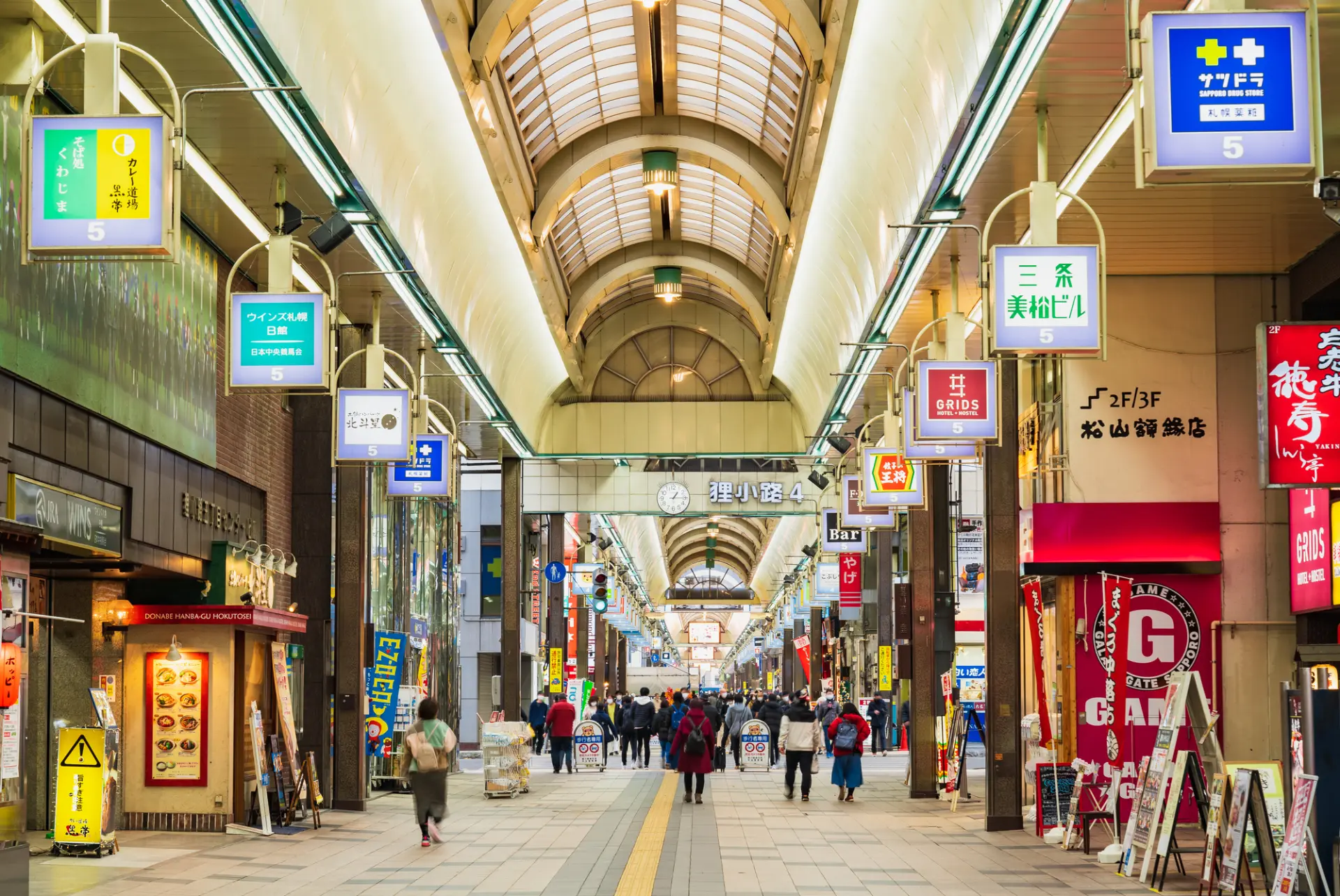
Tanukikoji Shopping Street is one of Hokkaido’s oldest shopping streets, with over 145 years of history. Located in central Sapporo, it stretches Approx. 900 meters east to west with around 200 shops.
Because it’s covered by an arcade, you can enjoy shopping, strolling, and dining even on bad-weather days.
Long-established local businesses, craft shops, and souvenir stores line the street, creating a retro atmosphere.
There are also many famous spots to enjoy Hokkaido food such as authentic Sapporo beer and jingisukan.
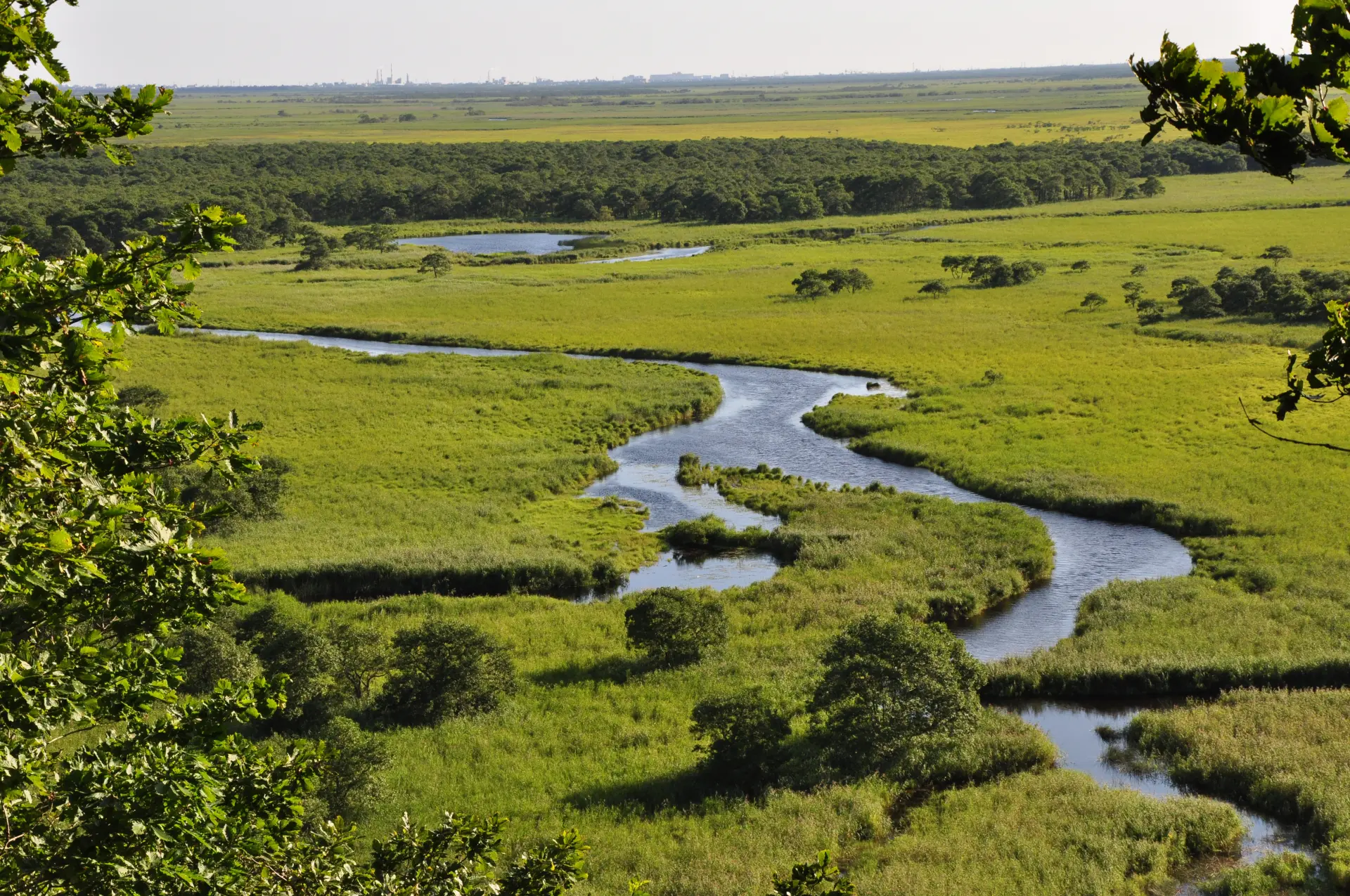
9. Kushiro Shitsugen National Park
Home to Japan’s largest wetland, including the surrounding hills, with an area of 28,788 ha. Kushiro Wetland was Japan’s first site registered under the Ramsar Convention as a wetland of international importance and is also designated a National Natural Monument, an area rich in untouched nature.
From spring buds, lush summer greens, autumn foliage, to winter snow scenes, you can enjoy seasonal views year-round.
Wild animals such as red foxes and Ezo deer live here, and if you’re lucky, you may also encounter red-crowned cranes and white-tailed eagles.
10. Patchwork Road
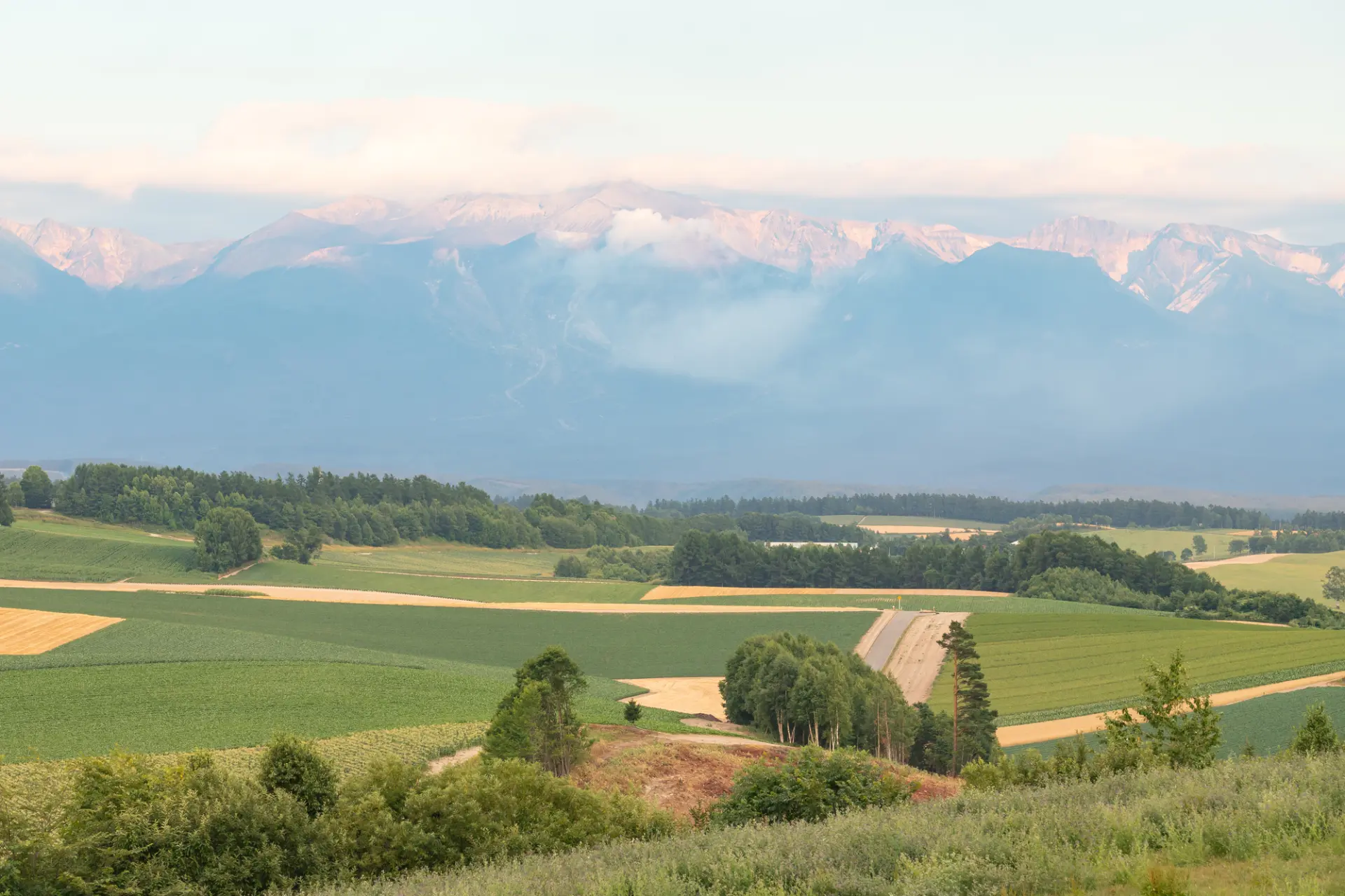
The vast hilly area spreading northwest of Biei’s town center is called “Patchwork Road,” a scenic spot often featured in Hokkaido travel brochures and commercials.
It was named because the fields planted with various crops in different plots look like patchwork.
From early summer through midsummer in particular, the fresh green and golden wheat create a colorful and beautiful landscape.
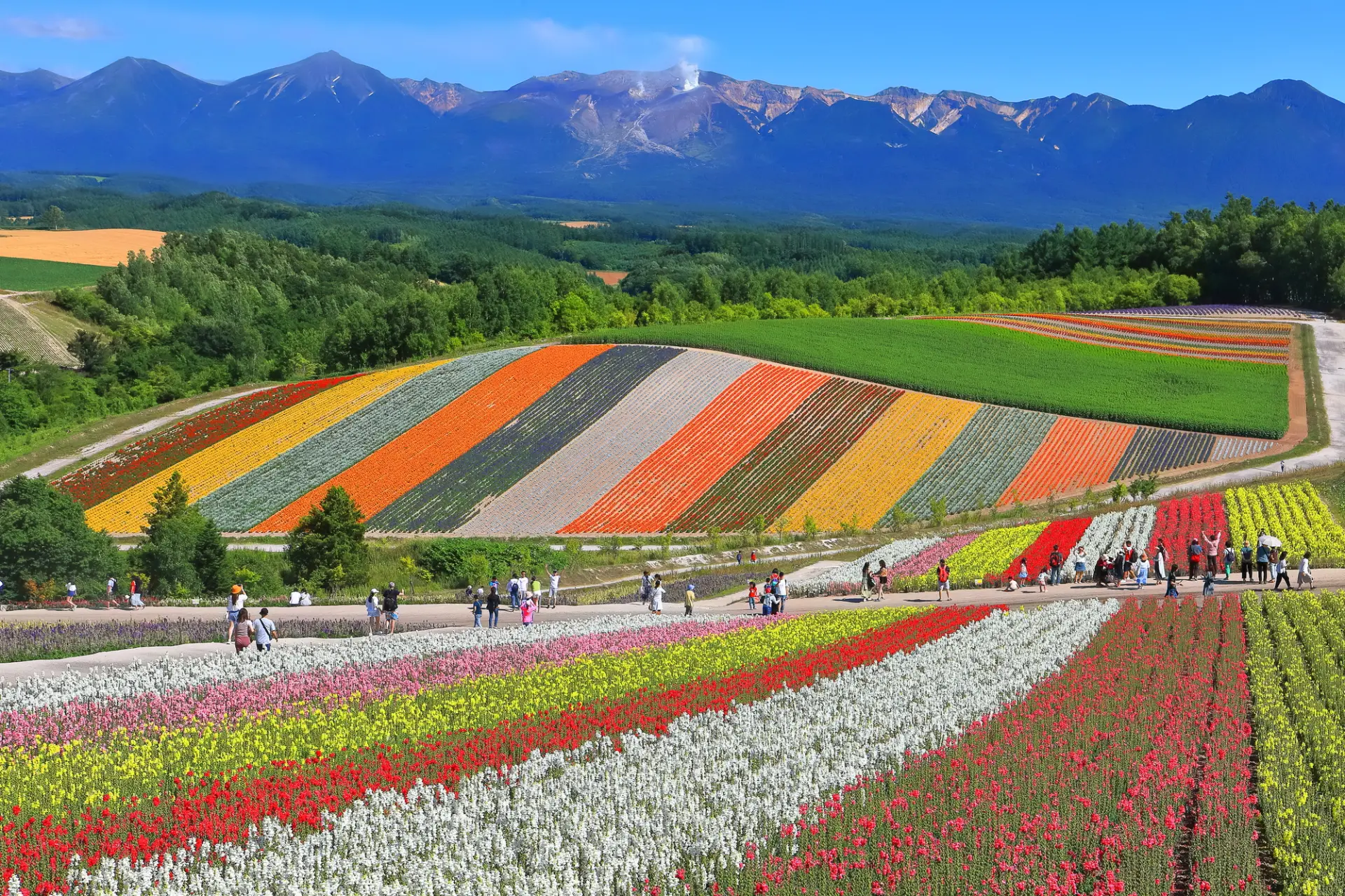
11. Daisetsuzan Sounkyo, Mt. Kurodake Ropeway
Located in central Hokkaido, Daisetsuzan—known as “the playground of the gods”—is made up of eight volcanic groups.
One of them is Mt. Kurodake, at an elevation of 1,984 m.
Enjoy alpine plants and wildlife like Hokkaido chipmunks and hiking in spring and summer, beautiful fall foliage in autumn, and skiing and snowshoe hiking in winter—it’s fun all year round.

12. Farm Tomita
A tourist farm in Nakafurano, Hokkaido, famous for elegant lavender fields stretching on a grand scale.
Along with the spectacular lavender fields, the signature highlight is the “Irodori Field,” where vivid flower bands—purple lavender, white baby’s breath, red poppies, and more—paint a gentle hillside like a canvas.
There are also many other flower fields, such as the “Hanabito Field” with colorful blooms like violas and marigolds, and the “Hanabito Garden,” where nearly 120 types of plants coexist in a small garden, delighting visitors.

13. Shirogane Blue Pond
Shirogane Blue Pond, with its eye-catching vivid blue, is famous as one of Biei’s top tourist spots. It’s a man-made lake that formed by chance when water collected behind a block dam built on the Biei River during disaster prevention work to protect against volcanic mudflows from Mt. Tokachi.
The lake’s mysteriously beautiful blue, combined with the lush surroundings and standing dead larches, creates a fantastical atmosphere like a fairy-tale world.

14. Mt. Yotei
Mt. Yotei (Yoteizan) stands in southern Shiribeshi at an elevation of 1,898 m. Because its beautiful cone shape closely resembles Mt. Fuji, it has long been affectionately called “Ezo Fuji.”
Geographically, it sits at the western edge of Shikotsu-Toya National Park, is also listed among the “100 Famous Japanese Mountains,” and its perfect cone shape has become the very symbol of the Niseko area.
Visually, a key feature is how dramatically its appearance changes by season and time of day.

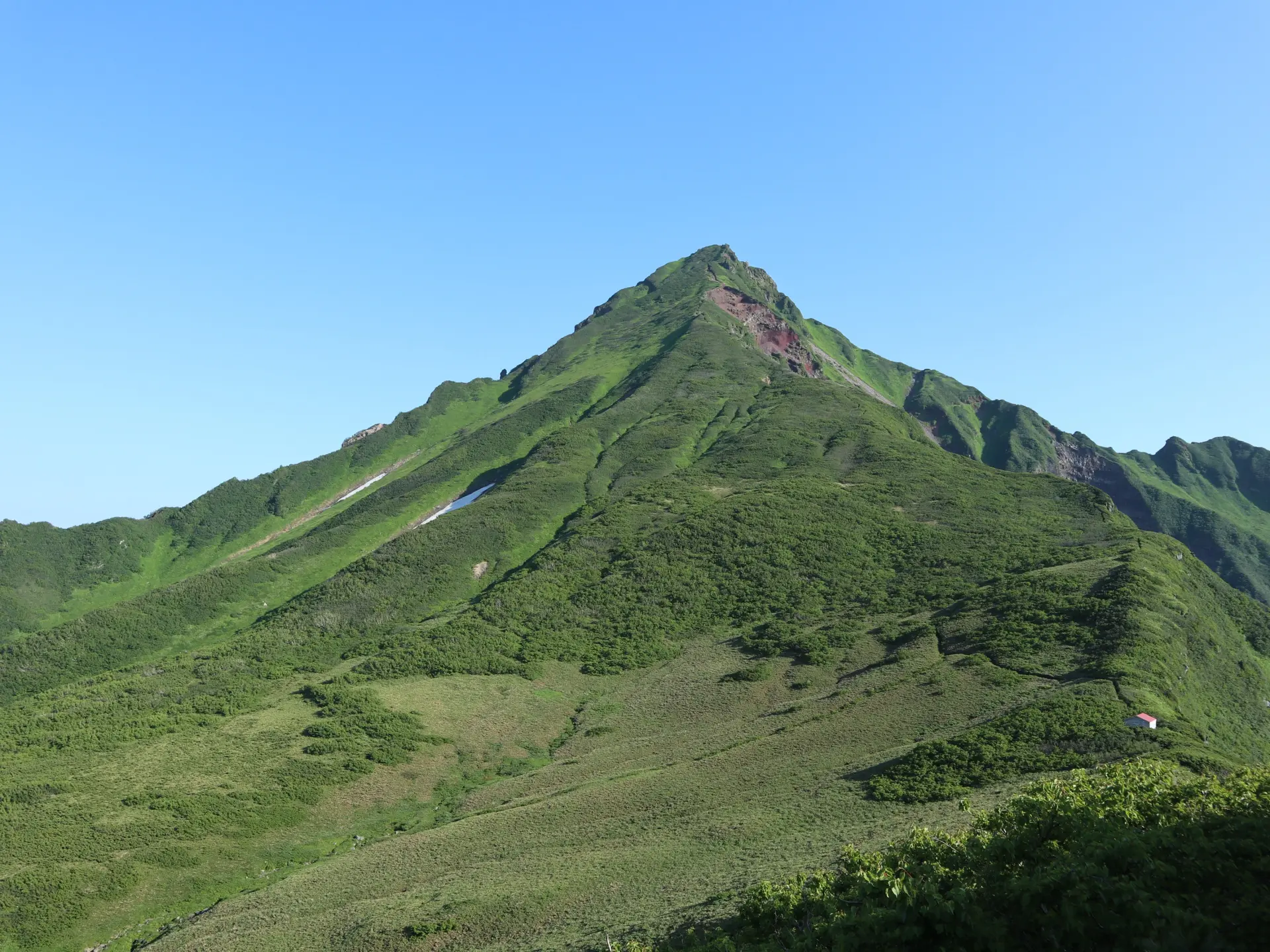
15. Rishiri Island & Rebun Island
Rishiri Island floats in the Sea of Japan, Approx. 50 km west of Wakkanai City at the northern tip of Hokkaido.
Scenic spots dot the island, including Mt. Rishiri, Otatomari Pond, Hime Pond, and Fujinoenchi.
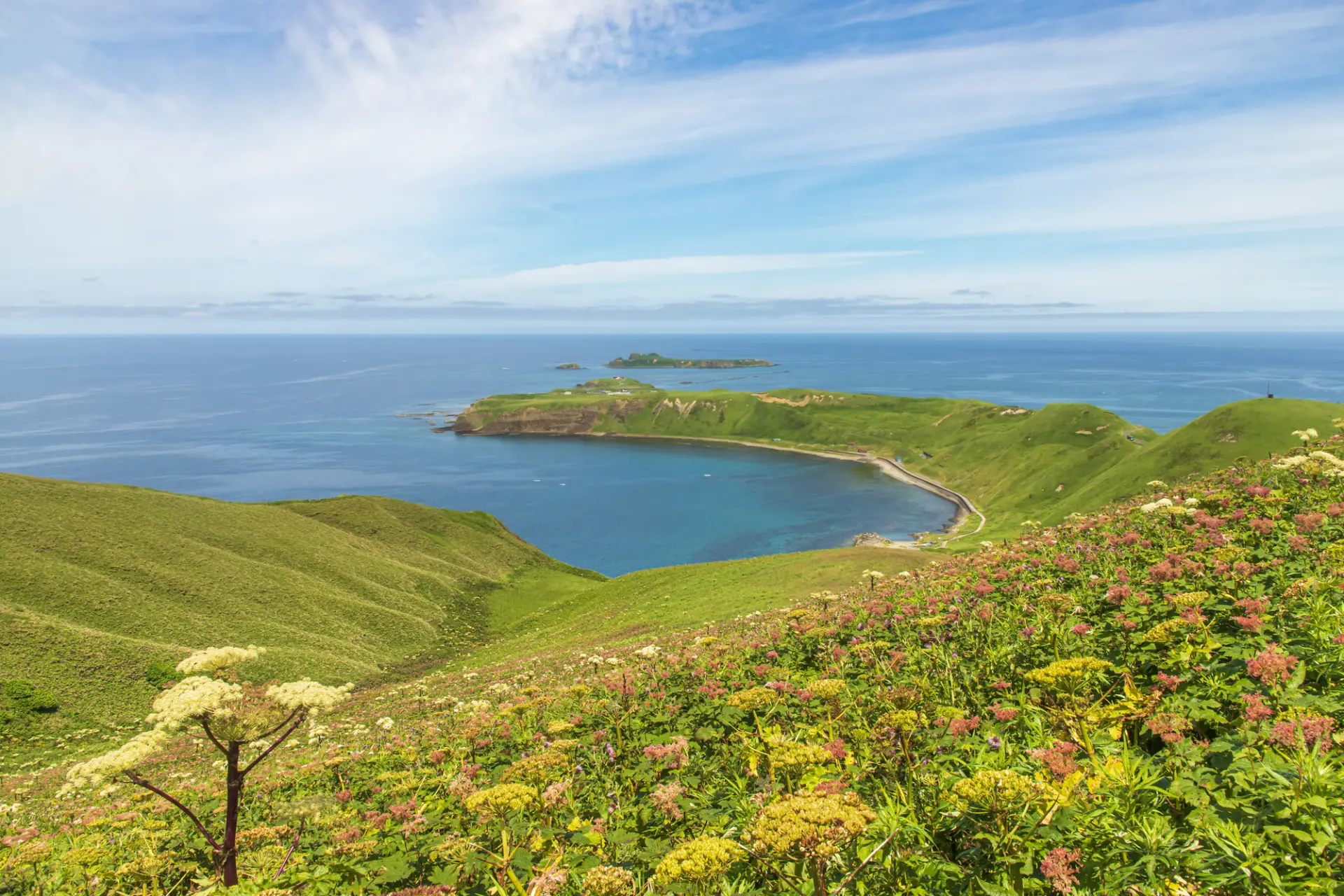
Approx. 10 km west of Rishiri Island lies Rebun Island, the northernmost remote island in the Sea of Japan.
Rebun Island is known as the “island of flowers,” where Approx. 300 types of alpine plants bloom.
Enjoy flower-filled scenery and powerful cliffside views at places like the Rebun Town Alpine Plant Garden, Momoiwa Observatory, and Sukoton Cape.
16. Shikotsu-Toya National Park
Shikotsu-Toya National Park is located in southwestern Hokkaido.
Its total area spans 993 km².
In addition to two major caldera lakes (formed when water collects in a crater), Lake Toya and Lake Shikotsu, you can see many types of volcanoes and volcanic landscapes, including Mt. Yotei, Mt. Usu, and Mt. Tarumae.
It’s also known for frequent volcanic activity, and you can observe a wide variety of hot springs and “hell phenomena” where sulfurous gas vents from the ground.

17. Cape Soya
The northernmost cape on Japan’s main islands. The “Monument of Japan’s Northernmost Point,” standing at the tip of Cape Soya at 45°31′22″N, is a perfect photo spot. The monument is designed as a triangular pyramid inspired by a ray of the North Star, a symbol of the north. The “N” in the center represents north, and the circular base represents peace and harmony.

18. Mt. Hakodate Summit Observatory
Mt. Hakodate Summit Observatory sits at the terminal station of the Mt. Hakodate Ropeway.
On the 1st floor, you’ll find an indoor lounge and Isaribi Park, a hidden night-view spot also popular with locals. The 2nd floor has a summit shop selling Mt. Hakodate original goods and a restaurant. The 3rd floor is a tea lounge, and the 4th floor opens into an observation lounge.
At the 2nd-floor restaurant “Genova,” you can enjoy dishes made with Hokkaido’s fresh seafood and seasonal ingredients in an open, airy space with large windows.

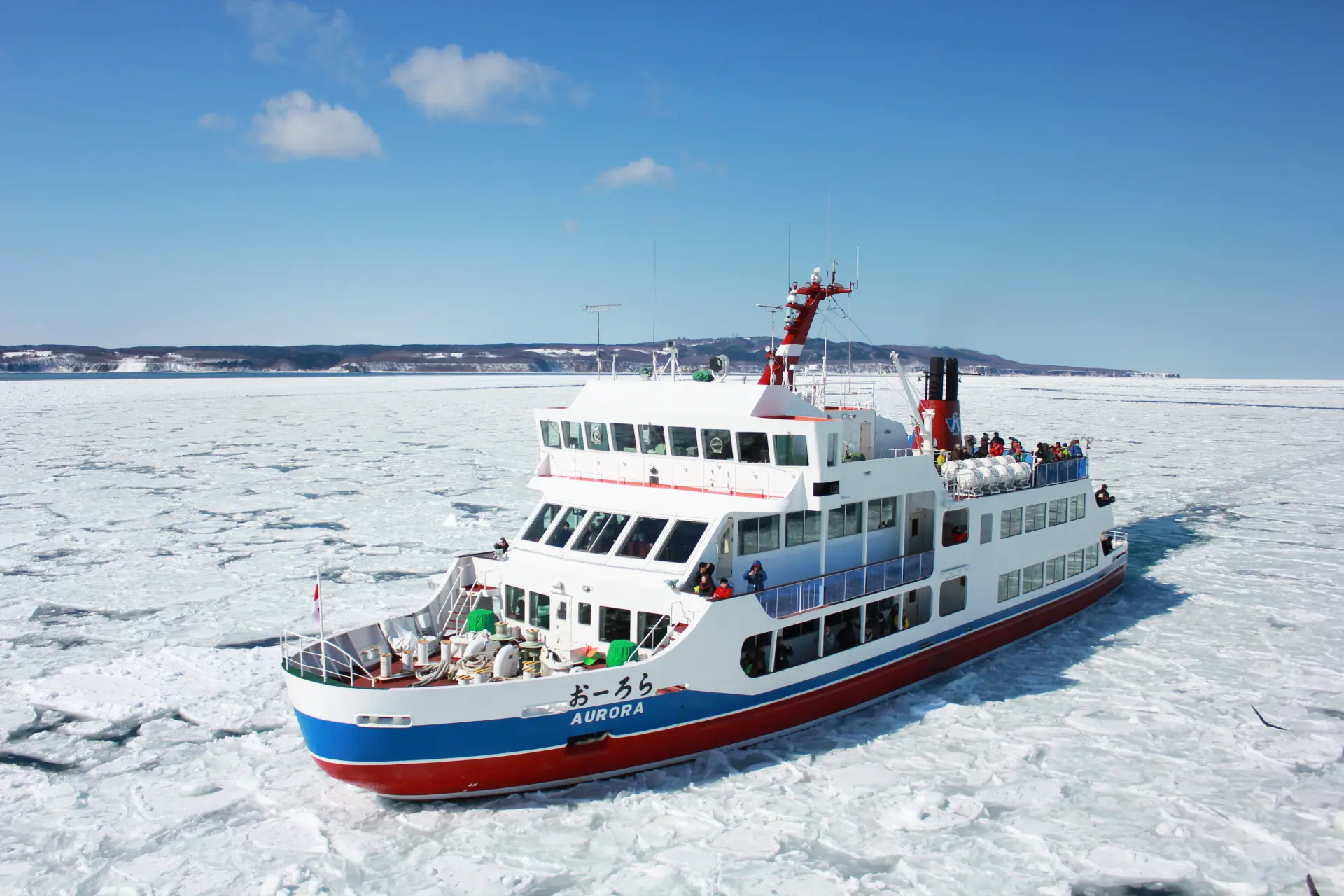
19. Abashiri Drift Ice Cruise Icebreaker Aurora
Winter in Abashiri feels like another world. From late January to late March, the Sea of Okhotsk is covered in drift ice.
You can experience this fantastical scenery up close on a cruise aboard the drift-ice sightseeing icebreaker “Aurora.”
On the Approx. 1-hour cruise, you can comfortably view the drift ice from the heated cabin.
From the free seating on the 1st floor, you can get close from a sea-side sofa, and from the side deck, you can enjoy the beauty of the drift ice from the closest point to the water’s surface.
5 Things to Do in Hokkaido
Hokkaido offers all kinds of experiences, but we especially recommend trying the “five things” below.
They’ll help you enjoy Hokkaido’s appeal even more deeply.
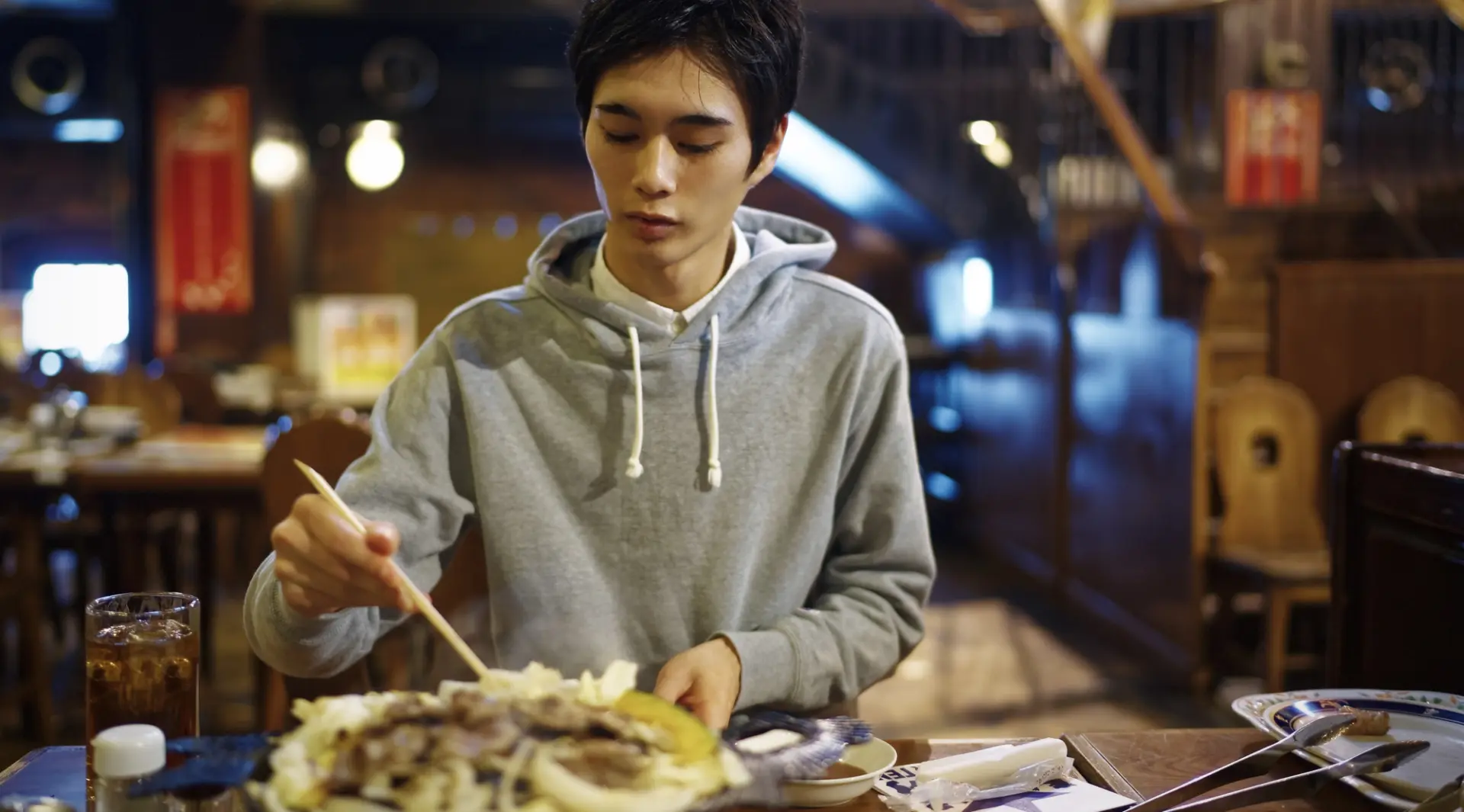
1. Enjoy local cuisine in Sapporo
Known as the hub of Hokkaido food, “Sapporo” is packed with specialties, including “Sapporo ramen” with its rich soup blending miso and pork bone broth, “soup curry” flavored with dashi and spices, “kaisendon” (seafood rice bowls) generously topped with fresh seafood, and “jingisukan” made with Hokkaido lamb.
Another highlight is that local foods from across Hokkaido gather here, so you can enjoy regional flavors while staying in Sapporo.
To dive into Sapporo’s food scene, head to Susukino, Tanukikoji Shopping Street, or the Sapporo Station area, where many restaurants are concentrated.
As the start of your Hokkaido trip, it’s also recommended to begin by enjoying signature dishes in Sapporo and getting a feel for the region through its food.
2. Take a summer drive in Hokkaido
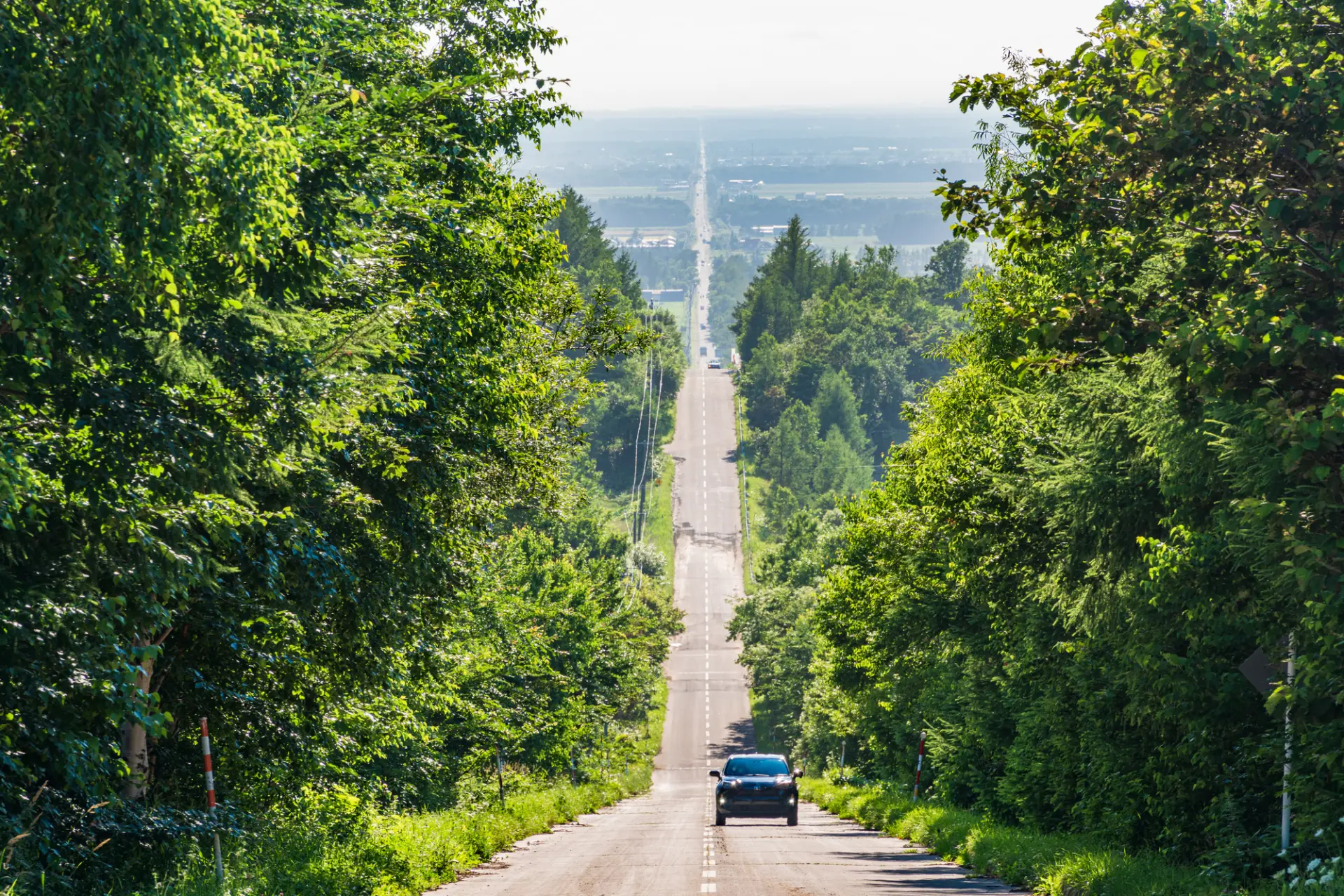
In summer, even travel time becomes part of the fun in Hokkaido.
Just driving brings one great Hokkaido view after another: long straight roads with nothing blocking your view, pasturelands under big blue skies, and coastlines where the sea sparkles in the sun and fills your field of vision.
Even on the way to your destination, driving while taking in the scenery gives you an open, refreshing feeling you won’t find in the city.
It’s also a major plus that it’s easy to stop by roadside stations or detour to spots that catch your eye.
With plenty of stops along the way, you can enjoy Hokkaido’s charm even more deeply.
3. Enjoy flower fields and hilly scenery in Furano & Biei
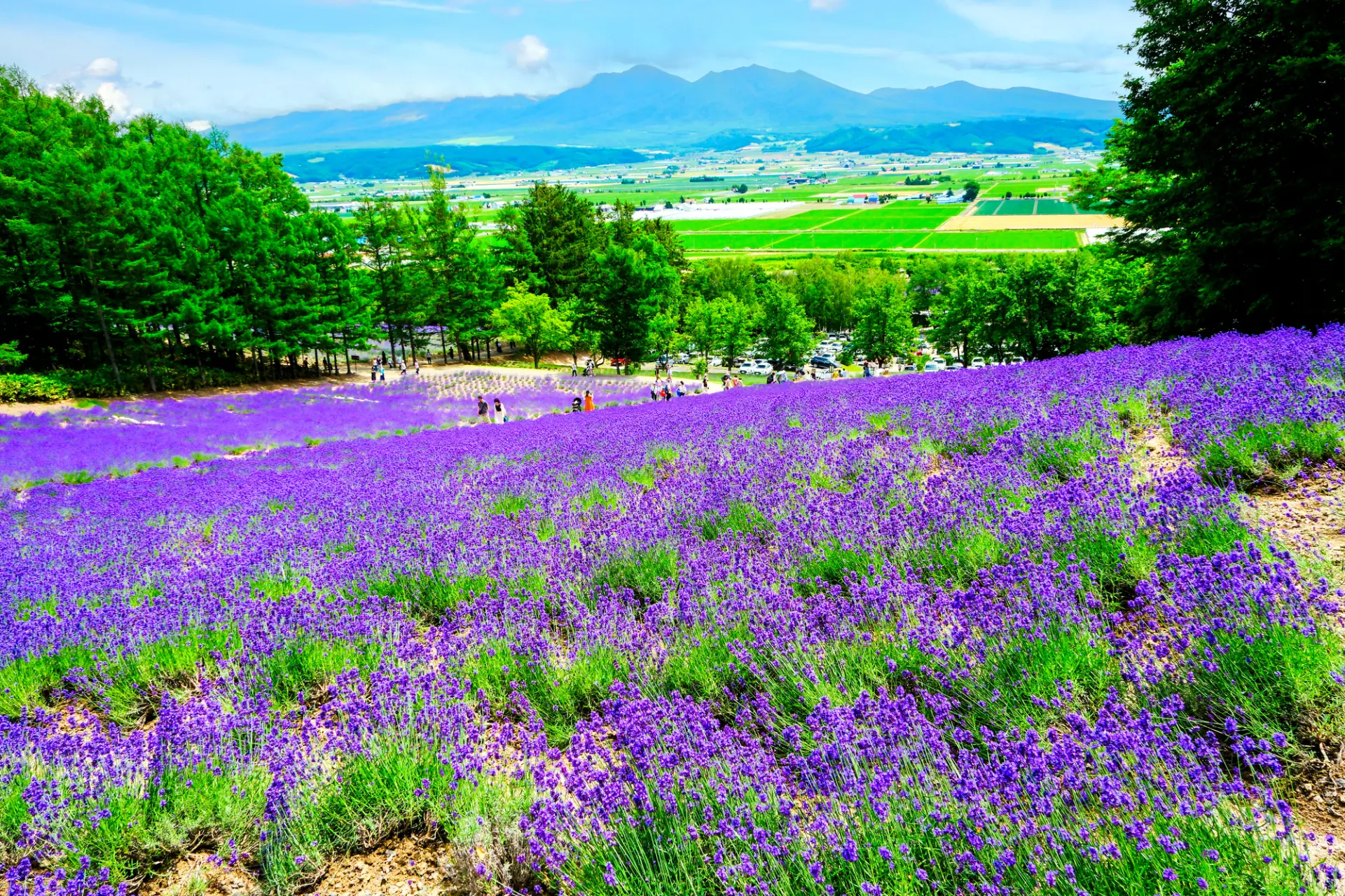
If you want classic Hokkaido scenery, head to Furano and Biei.
With the Tokachi mountain range as a backdrop, the wide rural landscape and rolling hills create views that are hard to find in urban areas.
In Furano, you can enjoy seasonal flower fields, including lavender.
Meanwhile, Biei is known for Patchwork Road with its beautiful field patterns, and open views created by undulating hills and big skies.
In both areas, simply looking out over the landscape lets you feel Hokkaido’s immense scale.
Because the scenery changes with the season and time of day, take your time exploring and enjoy the stunning combination of flowers and hills.
4. See one of the world’s top three night views from Mt. Hakodate
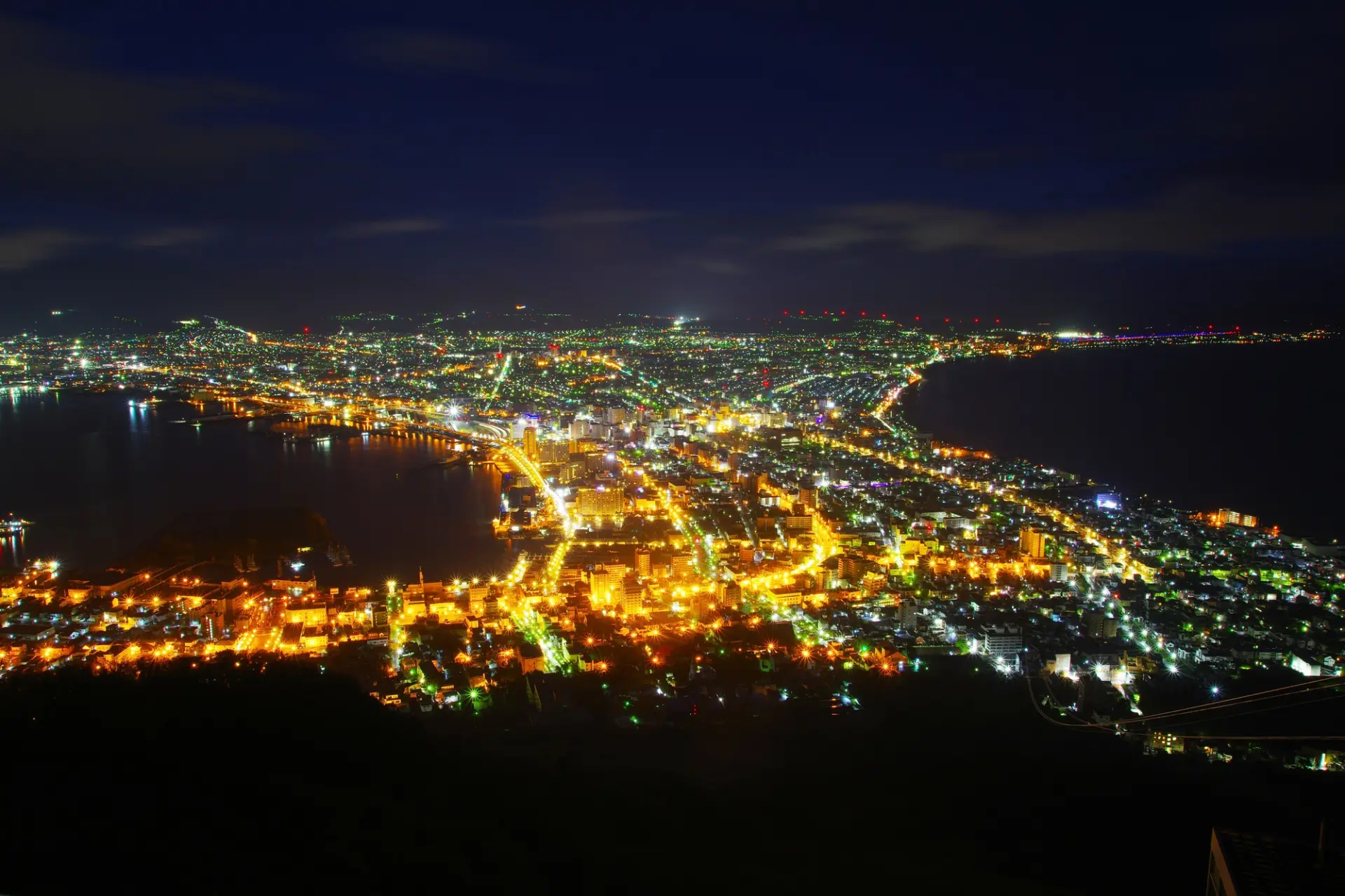
One of Hokkaido’s most iconic views is the nightscape from Mt. Hakodate.
Thanks to the area’s unique geography between two bays, the city lights spread along the narrow landform, and it’s counted as one of the “world’s top three night views.”
From the summit observatory, you can take in Hakodate’s downtown and port, and after sunset, enjoy the magical sight as the city lights gradually emerge.
Because the view looks completely different by day and night, visiting from evening into nighttime is recommended.
5. Experience powder snow in Niseko & Rusutsu
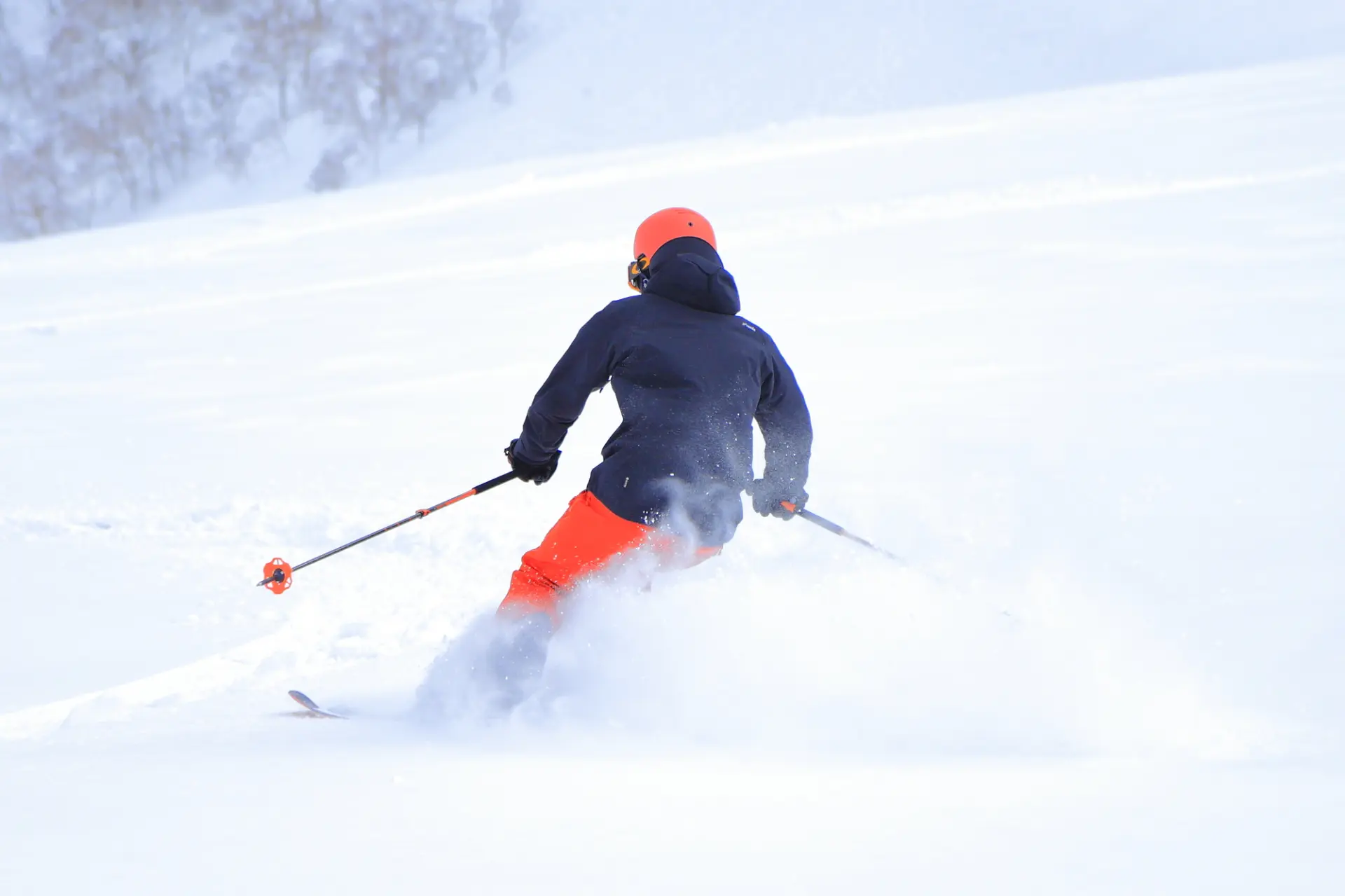
One of Hokkaido winter’s biggest draws is its world-famous powder snow, which attracts skiers and snowboarders from around the globe.
In particular, Niseko and Rusutsu are known as snow resorts that combine high-quality snow with large-scale slopes.
The dry climate and low temperatures create exceptionally light snow, giving you a unique sensation as if you’re floating while you ride.
If you visit Hokkaido in winter, be sure to experience the powder snow in Niseko or Rusutsu.
5 Popular Restaurants to Enjoy Hokkaido Cuisine
When you travel in Hokkaido, you’ll want to try all kinds of local food.
If you’re not sure where or what to eat, start with the popular restaurants we’ll introduce below.
1. Gotoken Main Store Restaurant Setsukatei
A long-established Western-style restaurant located halfway up Nijukken-zaka, one of Hakodate’s well-known sightseeing slopes.
Founded in 1879 as a Russian cuisine and bread shop, “Gotoken” later became a Western restaurant, carrying its history and traditional flavors to the present day.
The menu is diverse, from casual à la carte and Western set meals to full courses of Russian and French cuisine.
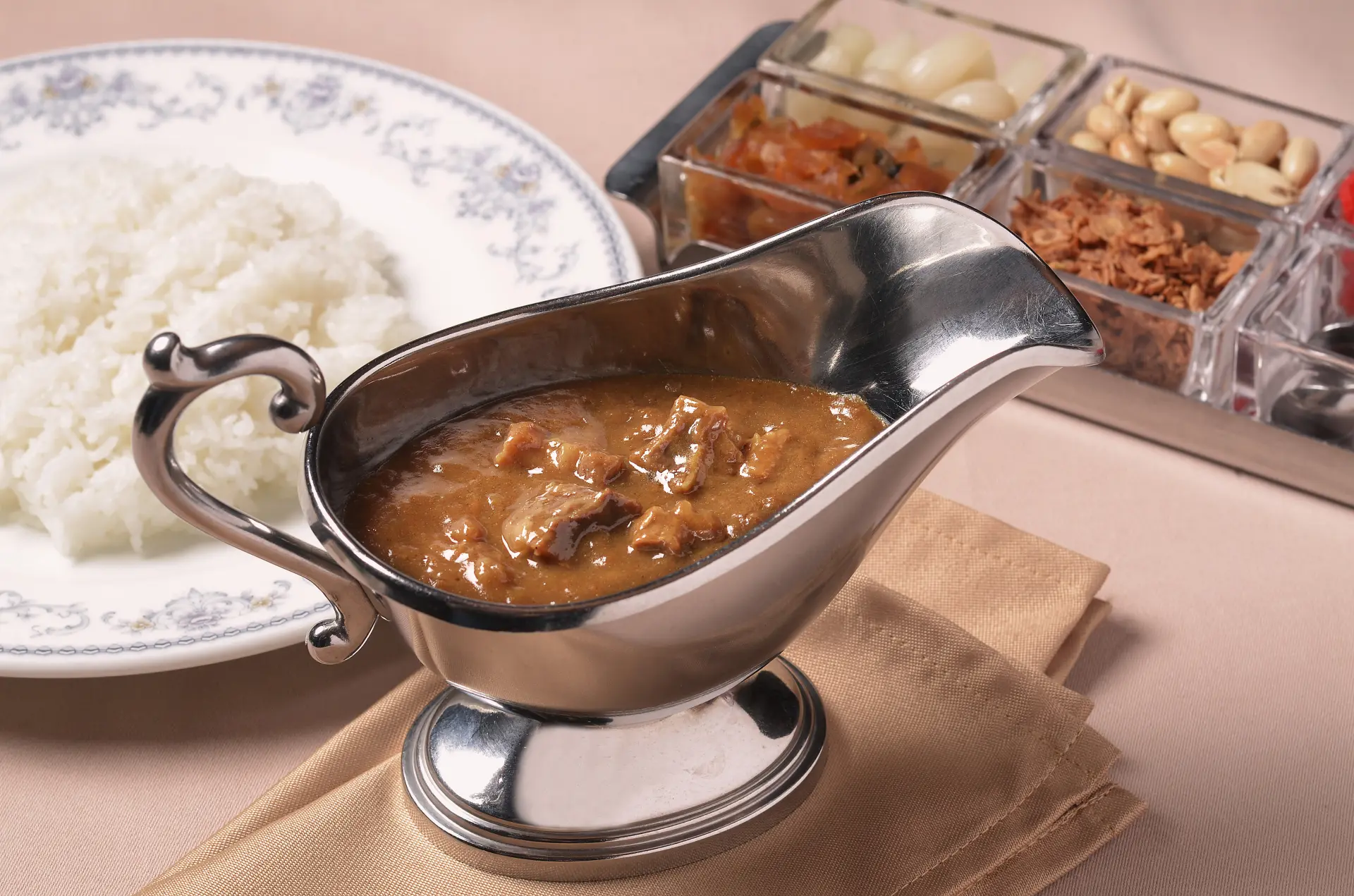
In particular, curry dishes-including an English-style curry made from a recipe completed in the Taisho era-remain highly popular and have long been Gotoken’s signature.
2. Sapporo Beer Garden
Sapporo Beer Garden is known for the red star mark painted on its brick chimney.
The red star, a symbol of Hokkaido’s development era, is now beloved as the symbol of Sapporo Beer Garden.
In Sapporo—the birthplace of Japanese beer—this is a place where you can enjoy beer along with the setting itself.

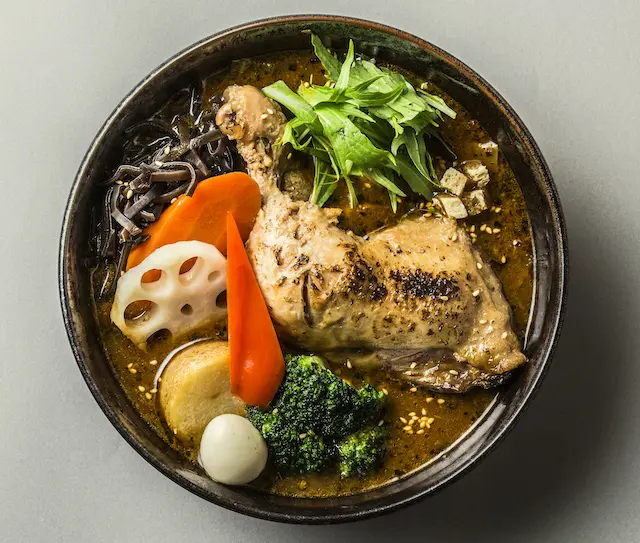
3. Soup Curry GARAKU
A famous soup curry spot, “Soup Curry GARAKU,” so popular that lines form daily and numbered tickets are handed out while you wait.
This soup curry specialty restaurant is extremely well known among locals. The standout feature is, of course, the soup.
Its popularity began with the umami created by the owner’s unique idea of combining Japanese-style dashi learned at a udon specialty shop where he used to work with spices.
4. Otaru Masazushi Main Store
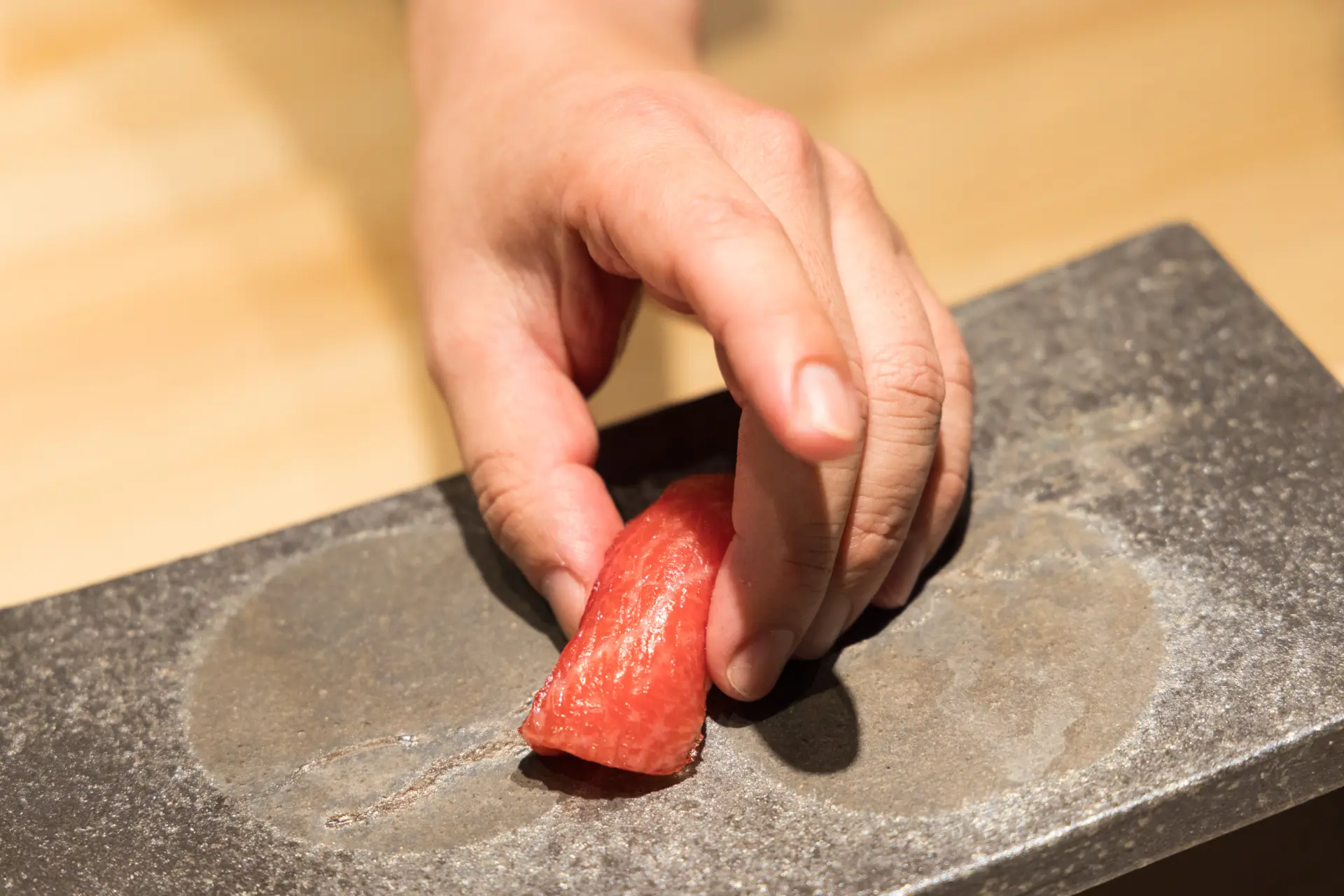
Founded in Otaru, Hokkaido in 1935, this sushi restaurant now has locations in Tokyo, Nagoya, and Bangkok.
The main shop on Otaru’s Sushi Street is a four-story building with a wide range of seating, from private rooms to hall seating, so you can choose based on the occasion.
A key feature is that you can enjoy fresh Hokkaido seafood sourced directly from the company’s own fish shop.
The menu mainly features courses and set meals, and the contents change depending on the season and supply.
Centered on seasonal ingredients, they’ll serve nigiri sushi, grilled items, and snacks based on the day’s recommendations and your preferences.
5. Sumire
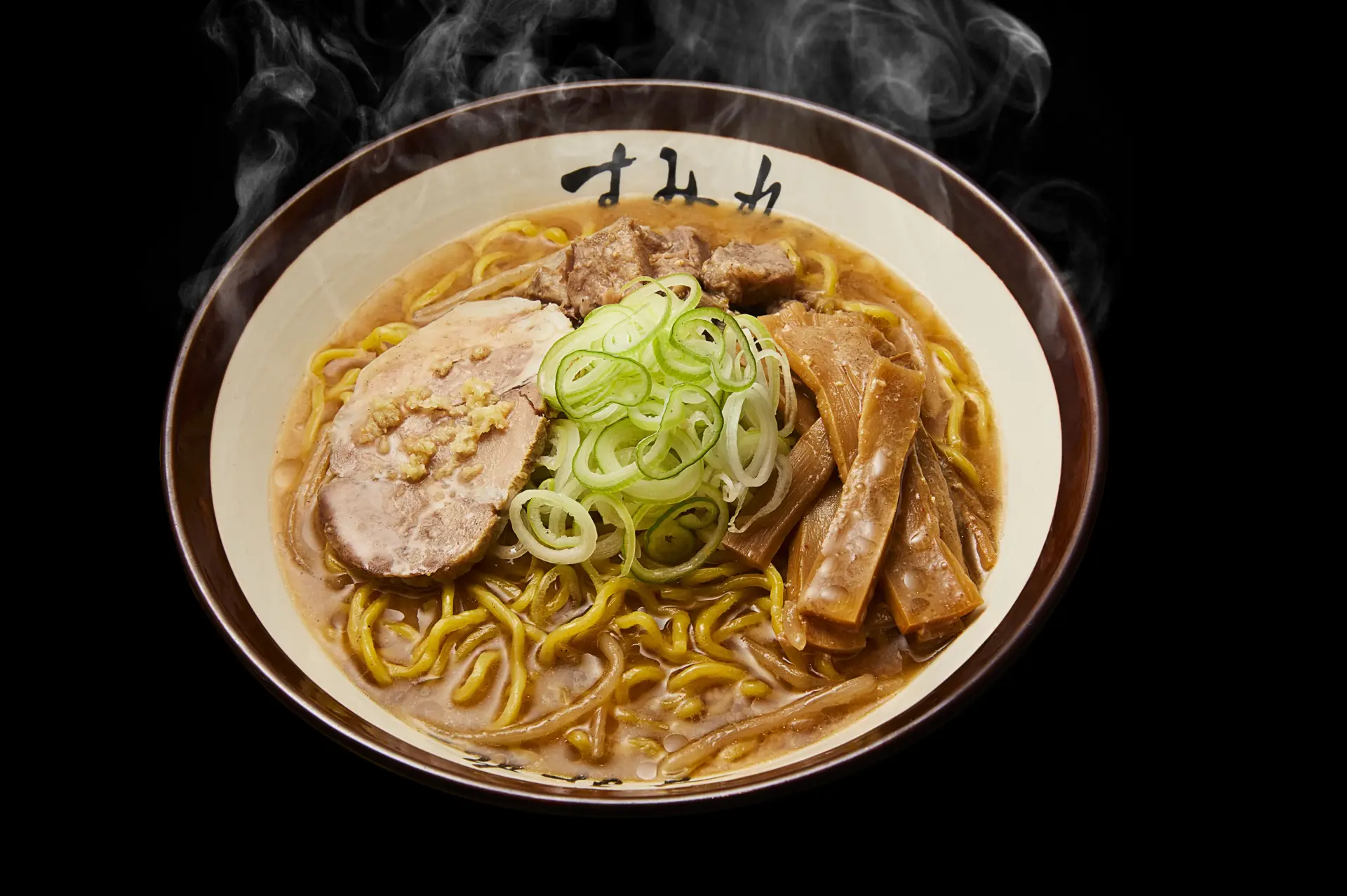
Sapporo is the birthplace of miso ramen and remains a fierce battleground where many shops compete.
Among them, this is a famous spot with nationwide recognition and a long-loved reputation.
With its main shop in Nakanoshima and additional locations in Susukino, Satozuka, and even Yokohama, it has also inspired many spin-off shops known as “Jun-Sumikei,” making it a popular brand.
The current Nakanoshima main shop reopened after a newly rebuilt renovation in 2017.
Its stylish exposed-concrete exterior and bright, natural interior—unusual for a ramen shop—are especially striking.
If You’re Not Sure, Start Here! 5 Classic Shopping Spots in Hokkaido
Hokkaido has many shopping spots, and plenty of people aren’t sure where to shop.
So, from the many options, here are carefully selected classic shopping spots.
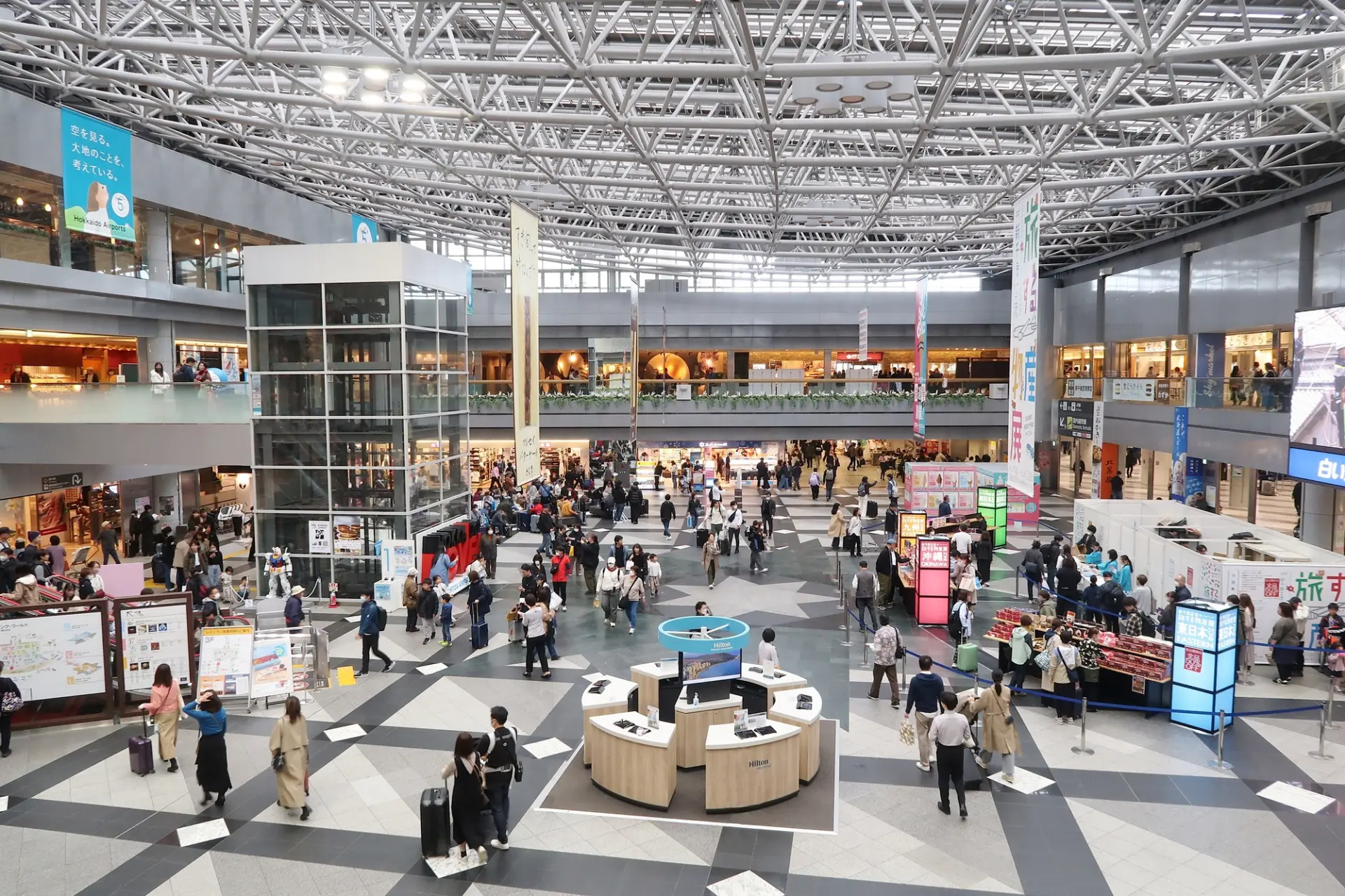
1. New Chitose Airport
Hokkaido’s largest airport, spanning Chitose City and Tomakomai City in Hokkaido.
With excellent access to downtown areas, it’s known as Hokkaido’s gateway to the skies.
It has two 3,000 m runways, and international flights take off and land 24 hours a day.
On the 2nd floor of the domestic terminal, you’ll find “Shopping World,” an area filled with shops selling specialties and souvenirs from across Hokkaido.
The international terminal also has a duty-free store, “New Chitose Airport DUTY FREE SHOP,” making it convenient for last-minute shopping before heading home.
2. Mitsui Outlet Park Sapporo-Kitahiroshima
One of the largest outlet malls in Hokkaido, with around 170 shops across a wide range of categories, including high-end fashion, well-known kitchen items, sporting goods, and drugstores.
At the food court, try dishes unique to Hokkaido.
You’ll find local favorites like “butadon” (pork bowl) where juicy pork pairs perfectly with white rice, and “Sapporo miso ramen” with its irresistibly rich soup.

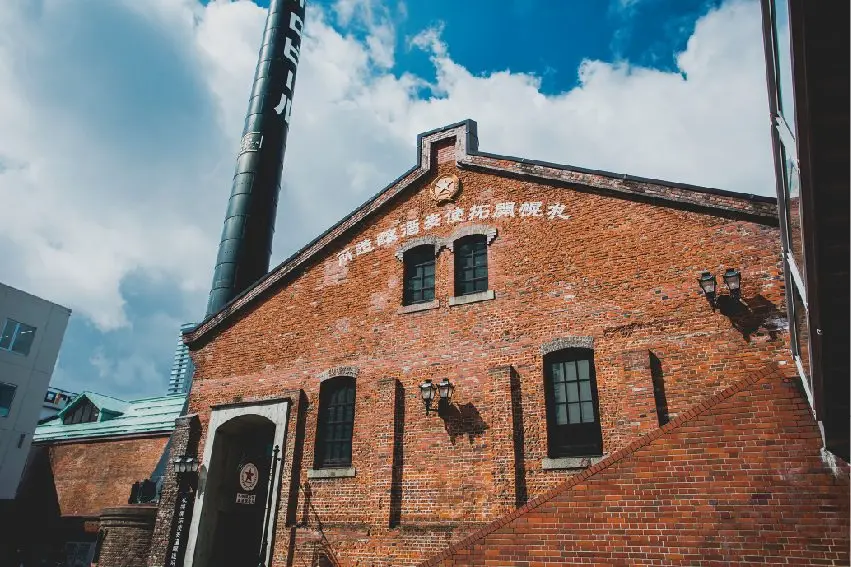
3. Sapporo Factory
A large mixed-use commercial complex built on the former Sapporo Beer factory site, rooted in the Kaitakushi Beer Brewery established in 1876.
Across seven buildings—featuring brick architecture from the factory era and a massive atrium—you’ll find a shopping mall, amusement facilities, restaurants, a fitness club, a hotel, and more.
One of its highlights is that you can enjoy shopping and café hopping without worrying about the weather.
4. Otaru Sakaimachi Street Shopping District
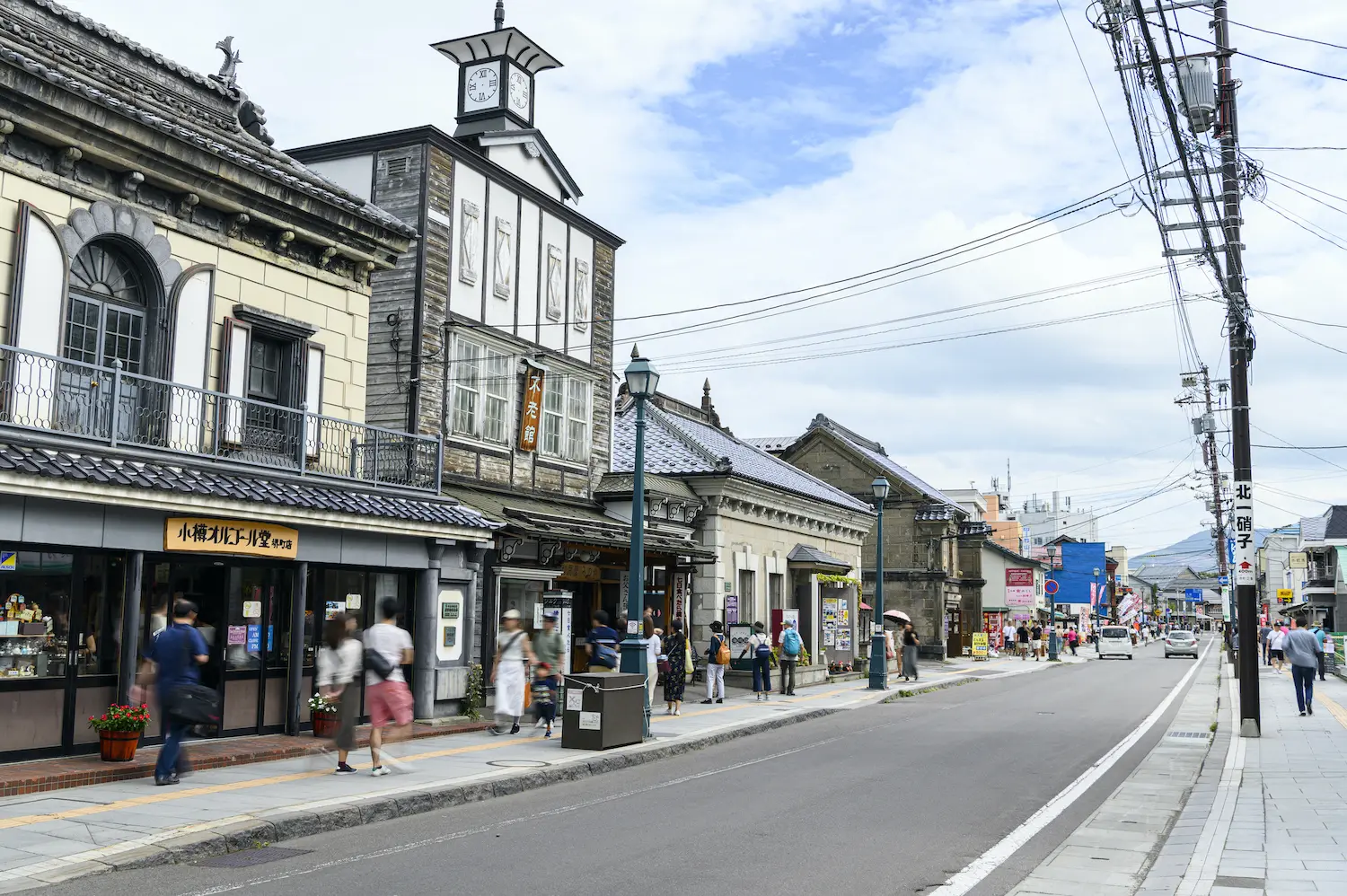
Sakaimachi Street, located one street back from the main road facing Otaru Canal, is Otaru’s main street that saw major development from the Meiji period through the early Showa period.
This Approx. 1,300 m shopping street stretching from Marchen Intersection to Nisshin-dori still has many stone-built Western-style buildings and warehouses from that era, letting you enjoy strolling and shopping in a nostalgic atmosphere.
5. Kanemori Red Brick Warehouse
Kanemori Red Brick Warehouse is a landmark in Hakodate’s bay area, made up of seven warehouses.
With rows of red brick warehouses, it’s a romantic spot full of atmosphere—and it’s easy to see why it’s popular not only with locals and tourists, but also with couples.
Four of the warehouses are named “BAY Hakodate,” “Kanemori Yoimono-kan,” “Hakodate History Plaza,” and “Kanemori Hall,” each offering its own unique features.

Recommended for a High-Quality Stay! 5 Places to Stay in Hokkaido
Here are recommended places to stay that will enrich your time in Hokkaido, from prestigious hotels to resort hotels where you can enjoy grand nature, and hotels with luxurious breakfasts.
If you’re not sure where to stay, consider the options below.
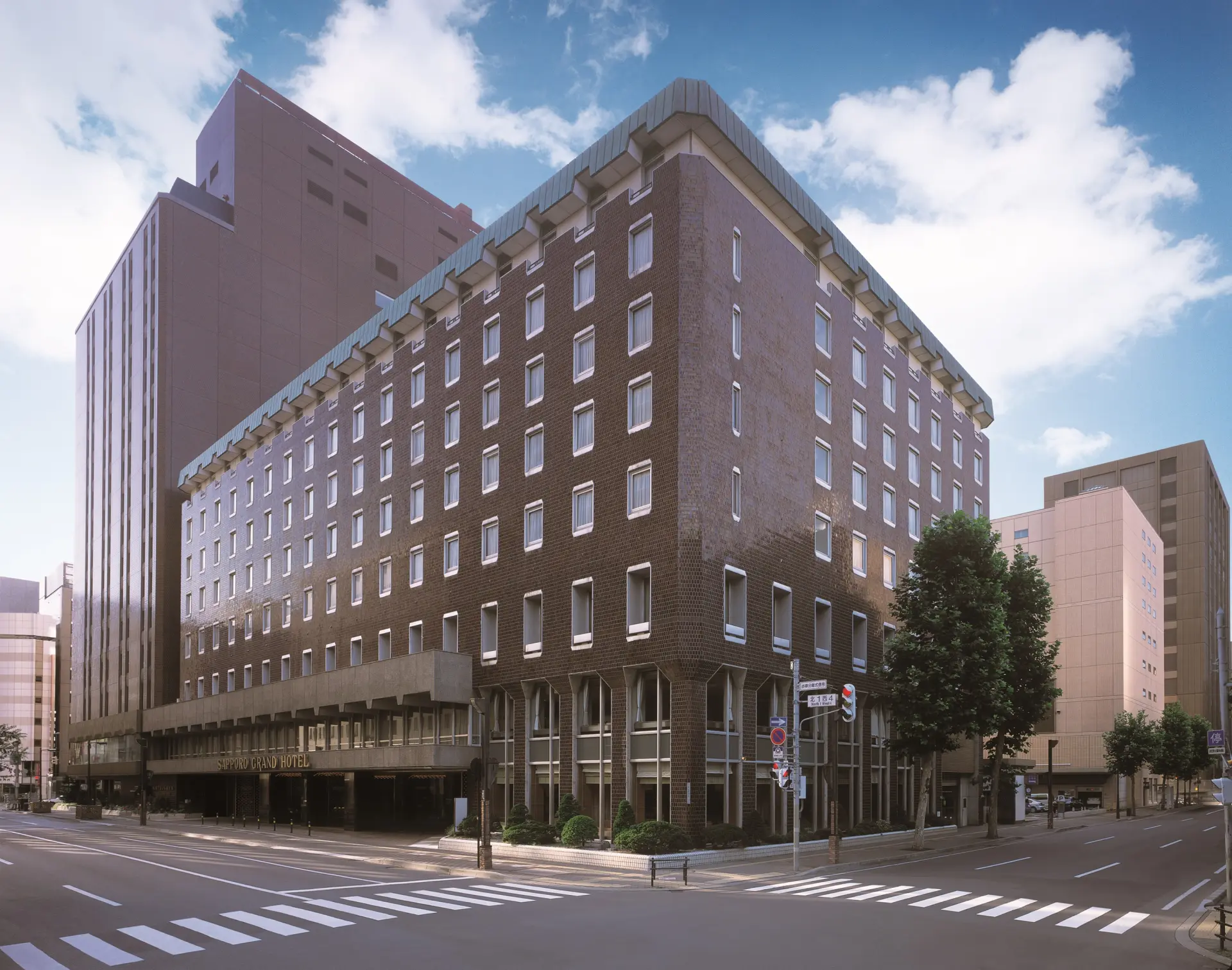
1. Sapporo Grand Hotel
Opened in 1934 as Hokkaido’s first full-scale Western-style hotel. A long-established hotel that welcomes guests with a hospitality-first spirit.
Located in central Sapporo along a main avenue lined with vivid street trees, it offers an excellent location with great access from JR Sapporo Station and the subway.
From 21 m² standard rooms with warmth and calm to a 162 m² top-tier super suite, it provides relaxing stays to suit a wide range of needs.
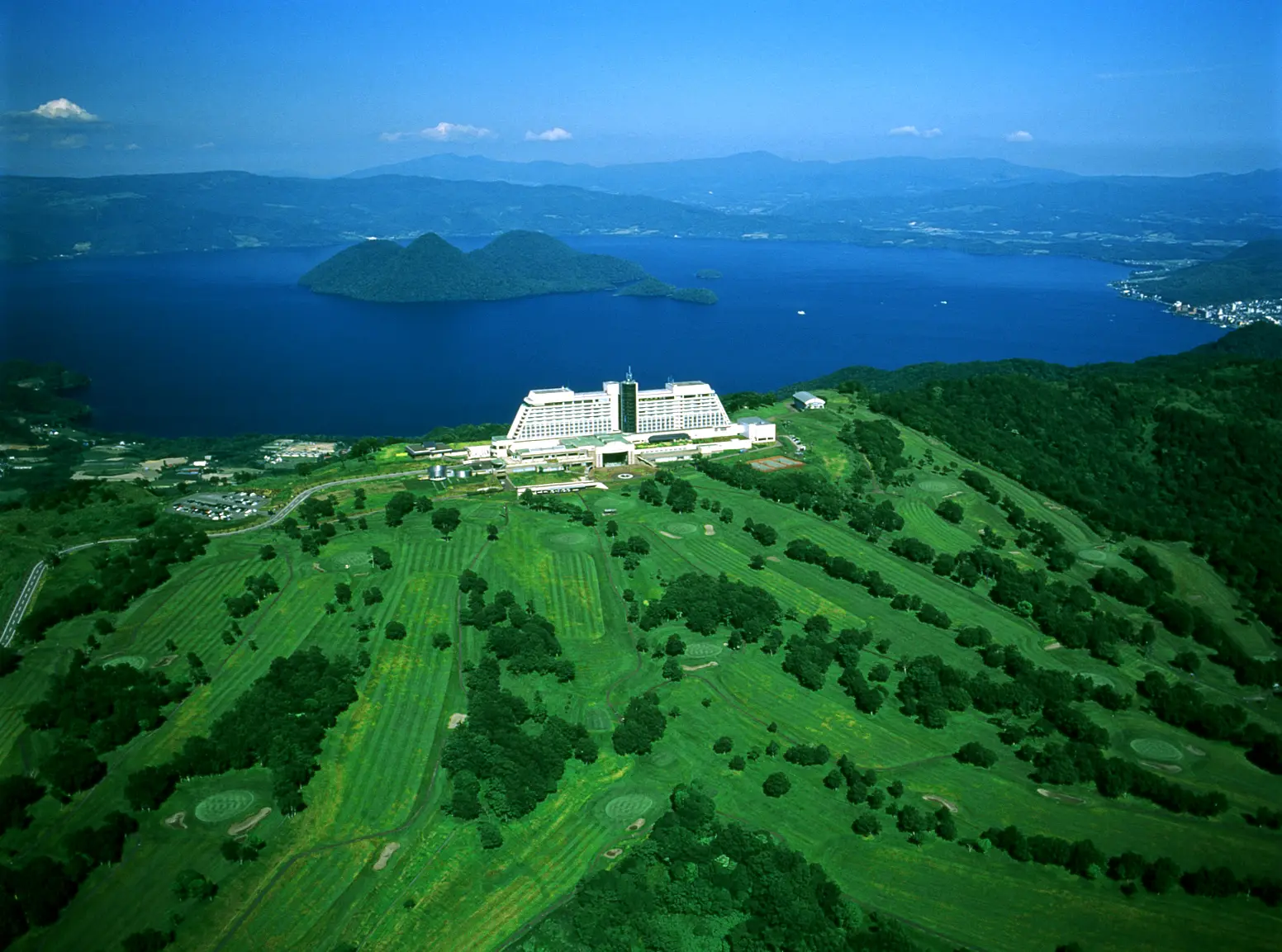
2. The Windsor Hotel TOYA Resort & Spa
A luxury resort hotel also known as the venue of the 2008 Toyako Summit.
Standing at an elevation of Approx. 625 m, the huge glass windows in the main lobby offer sweeping views over Lake Toya and the rich natural scenery of Toya.
Rooms include “Premiere Style,” using suite rooms with plenty of perks, and “Casual Style,” ideal for a more easygoing stay. Another highlight is that you can enjoy beautiful views from any room.
3. La Vista Hakodate Bay
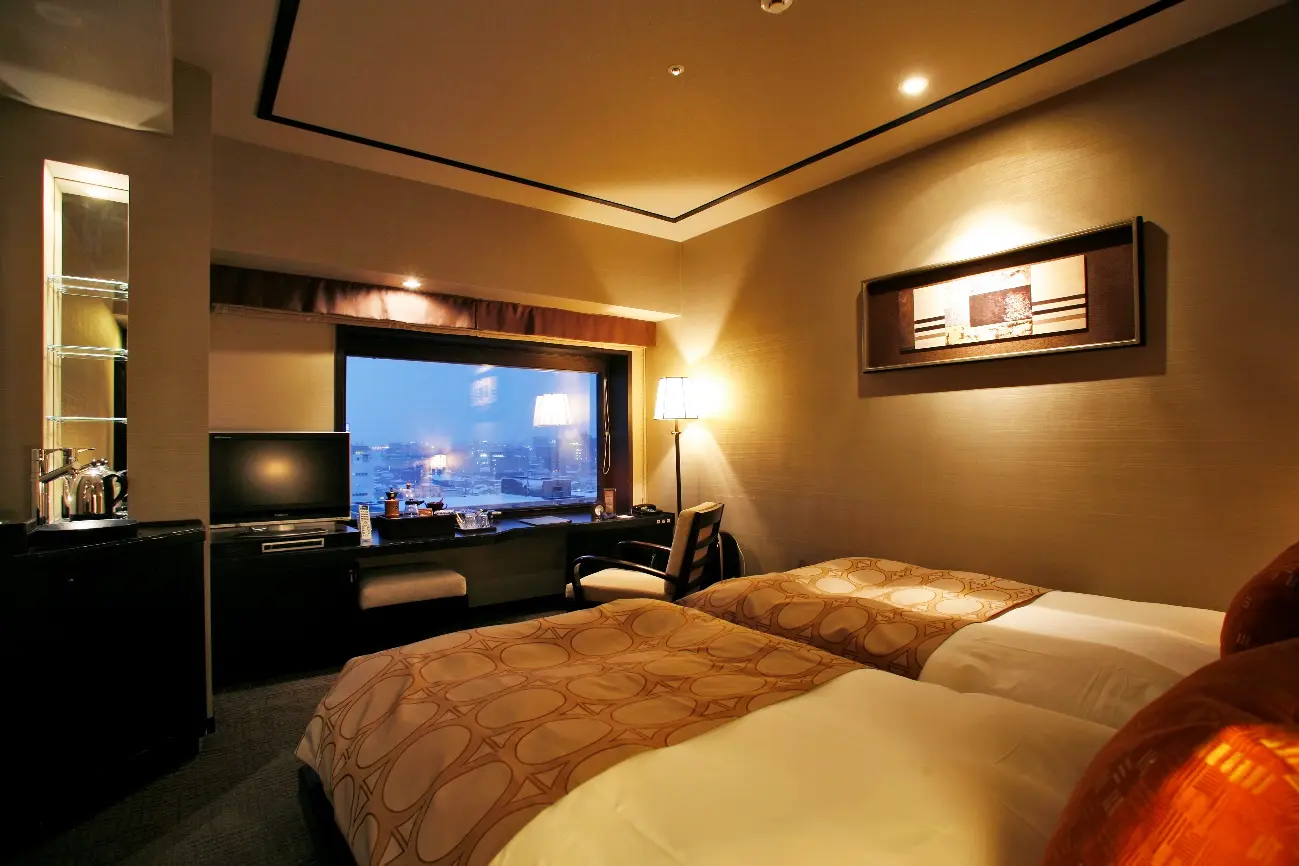
La Vista Hakodate Bay is a hotel in the international-feel city of Hakodate, inspired by Taisho Romance.
From the interior spaces to the guest rooms, it features classical design touches, creating an elegant and calm atmosphere that suits Hakodate.
At La Vista Hakodate Bay, breakfast is one of the must-try popular highlights.
Its breakfast—ranked No. 1 in Hokkaido for breakfast reviews for seven consecutive years—lets you enjoy overflowing seafood bowls topped with Hokkaido ikura and more, plus aburi-yaki where seafood and vegetables are grilled right in front of you, offering plenty of Hokkaido’s ocean and mountain flavors.
4. Hoshino Resorts TOMAMU
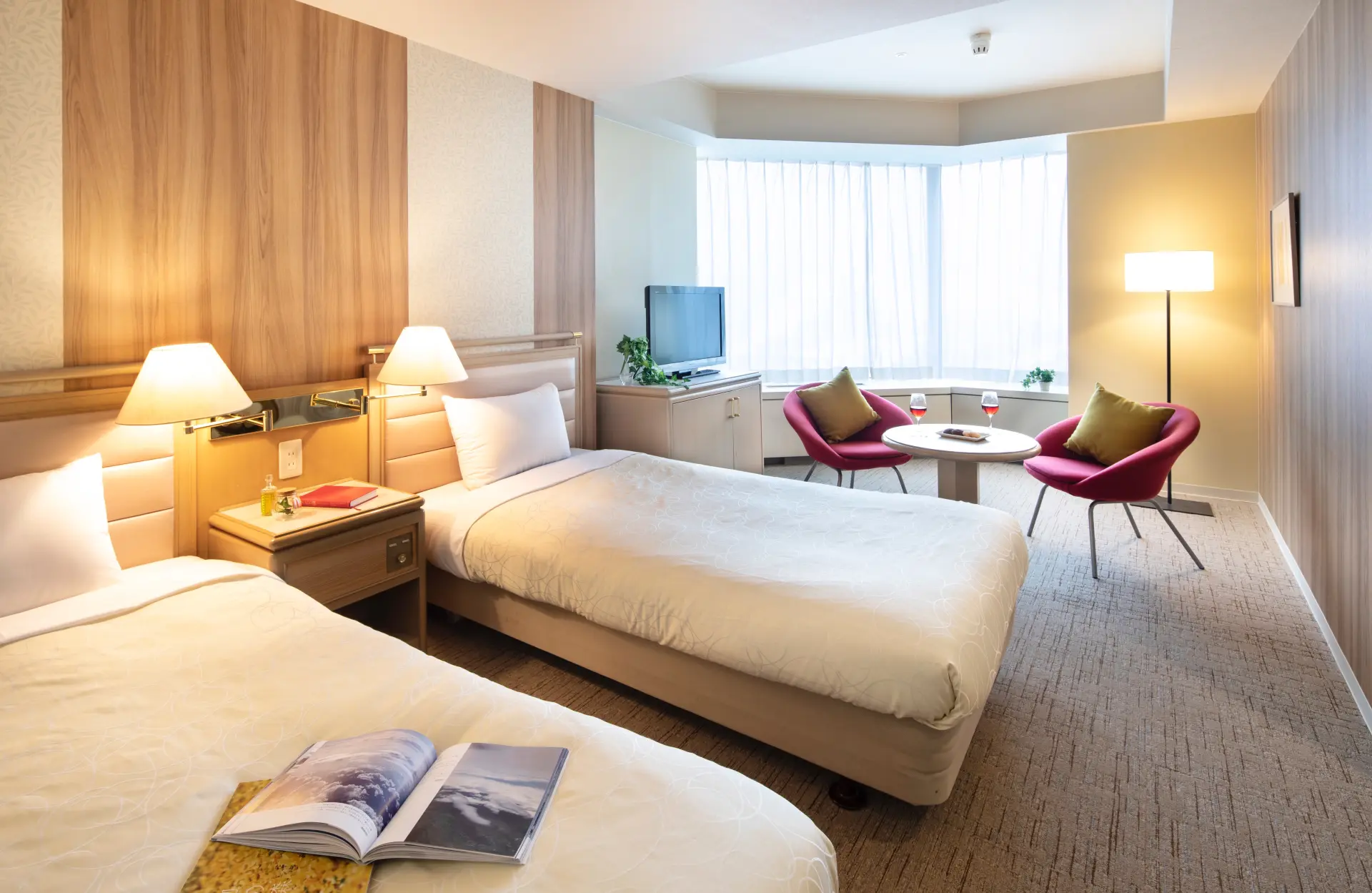
A resort hotel located almost in the center of Hokkaido.
Built around two main buildings, “Tomamu The Tower” and “RISONARE Tomamu,” it offers everything from stays and dining to seasonal scenic views and activities within the property.
RISONARE Tomamu features all-suite rooms over 100 m², equipped with a view jet bath and private sauna.
Meanwhile, the landmark Tomamu The Tower offers easy access around the property and is convenient if you want an activity-focused stay.
The “Unkai Terrace,” open only in the early mornings from May to October, lets you see a grand sea of clouds flowing over the mountains when weather conditions align.
5. Higashiyama Niseko Village, a Ritz-Carlton Reserve
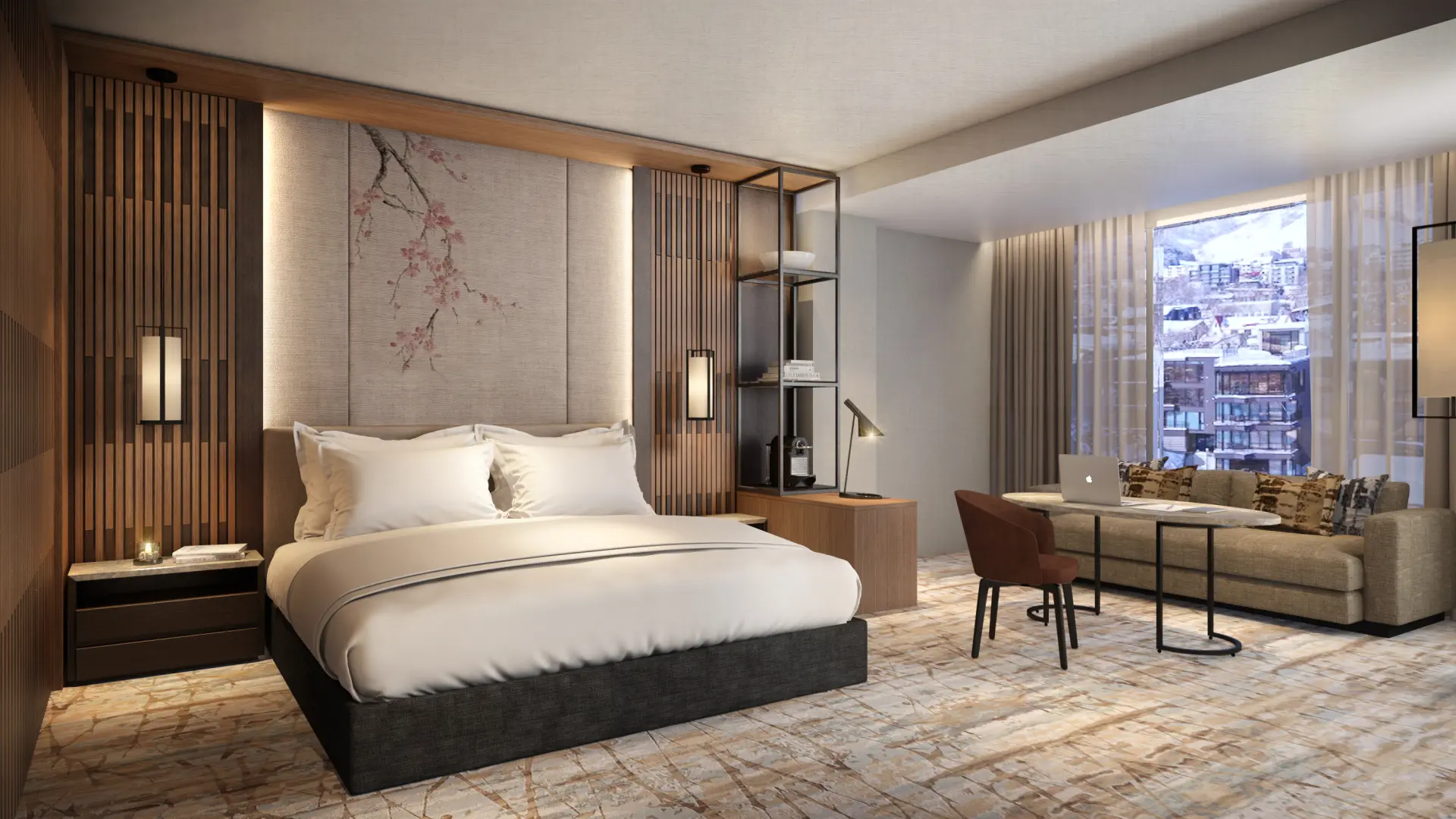
A resort hotel located in the vast mountain resort area “Niseko Village.”
The 50 rooms and suites feature calm interiors that harmonize with the surrounding nature.
Another highlight is the views of Mt. Yotei and Mt. Annupuri from the rooms.
On-site, you’ll find an onsen spa using mineral-rich natural hot spring water, and dining where you can enjoy Japanese cuisine made with seasonal ingredients.
Nearby, ski areas and nature-based outdoor fields spread out, letting you spend your stay balancing activities and relaxation.
Can’t-Miss! 5 Hokkaido Souvenirs
Hokkaido isn’t just rich in sightseeing spots—it also has great souvenirs.
Here are carefully selected, nationally famous souvenirs from among the many options.
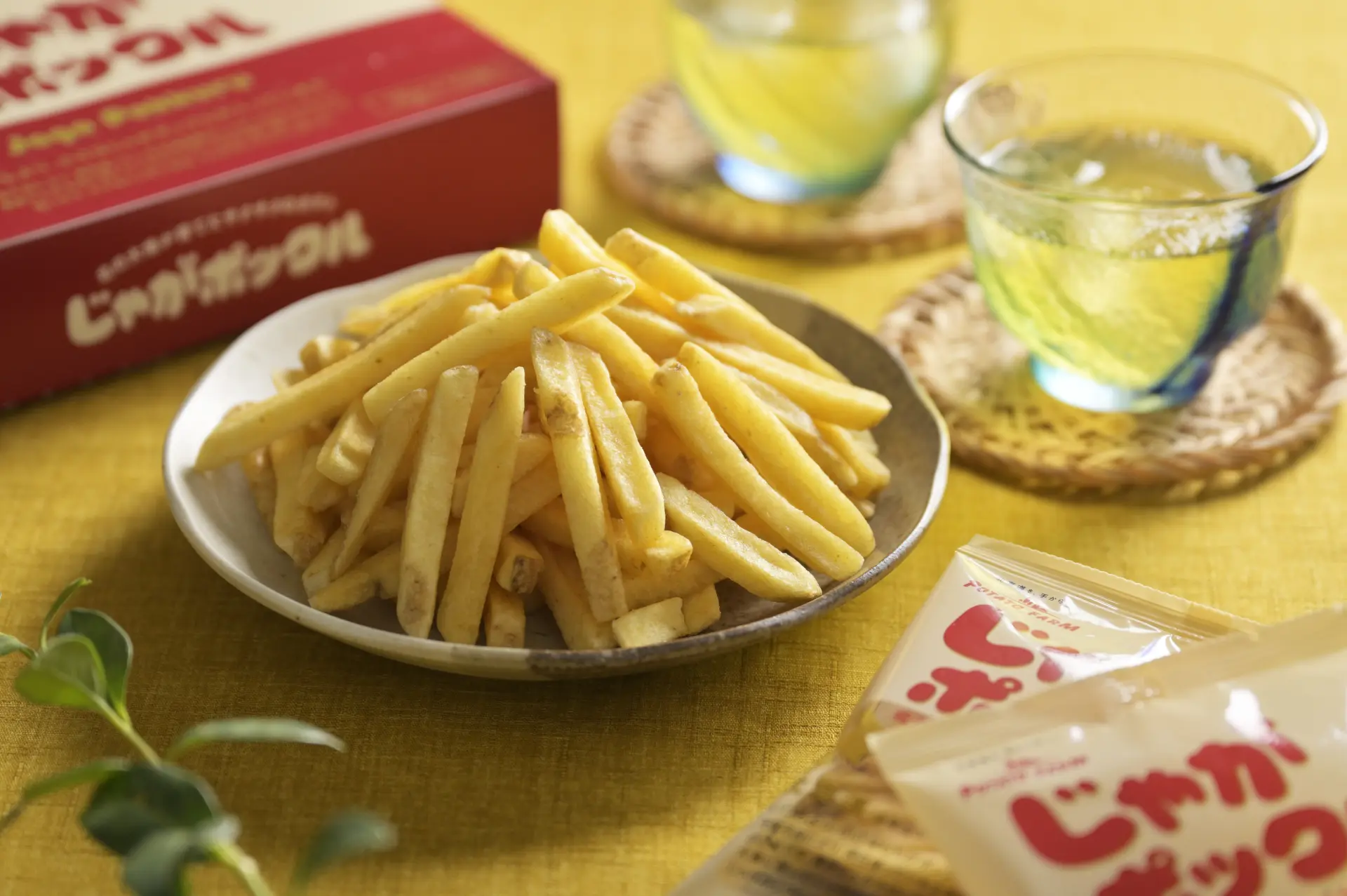
1. Calbee “Jaga Pokkuru Okhotsk Salt Flavor”
“Jaga Pokkuru” is made by Calbee, one of Japan’s leading snack manufacturers.
Produced at the Chitose factory in Hokkaido and sold mainly in Hokkaido, it’s a popular Hokkaido souvenir.
The name combines “jaga” (potato) and “koropokkuru,” a fairy appearing in Ainu legends, the indigenous people of the region.
2. ISHIYA “Shiroi Koibito”
“Shiroi Koibito” is a famous Hokkaido sweet that everyone in Japan knows.
Even more than 40 years after its release, it remains a staple Hokkaido souvenir with enduring popularity.
Sandwiching original-blend white chocolate between traditional French langue de chat cookies, its biggest features are its melt-in-your-mouth texture and gentle sweetness.

3. ROYCE’ “Nama Chocolate”
Founded in 1983 in Sapporo’s Higashi Ward, ROYCE’ aims to make chocolate that can rival Europe.
Now a hugely popular chocolate maker from Hokkaido, its signature menu item is this “Nama Chocolate.”
Unlike typical chocolate that’s firm when served and then melts in your mouth after eating, ROYCE’ Nama Chocolate has a soft, smooth melt-in-your-mouth texture.

4. Rokkatei “Marusei Butter Sandwich”
A long-selling product from Rokkatei, a long-established confectionery maker founded in 1933 that continues to create sweets meant to be enjoyed every day with pocket money.
Since its release in 1977, its never-tiring flavor has kept it beloved as a classic Hokkaido souvenir.
A special cream made with white chocolate, raisins, and 100% Hokkaido fresh milk butter is sandwiched between crisp, fragrant biscuits baked with a dedicated flour blend.

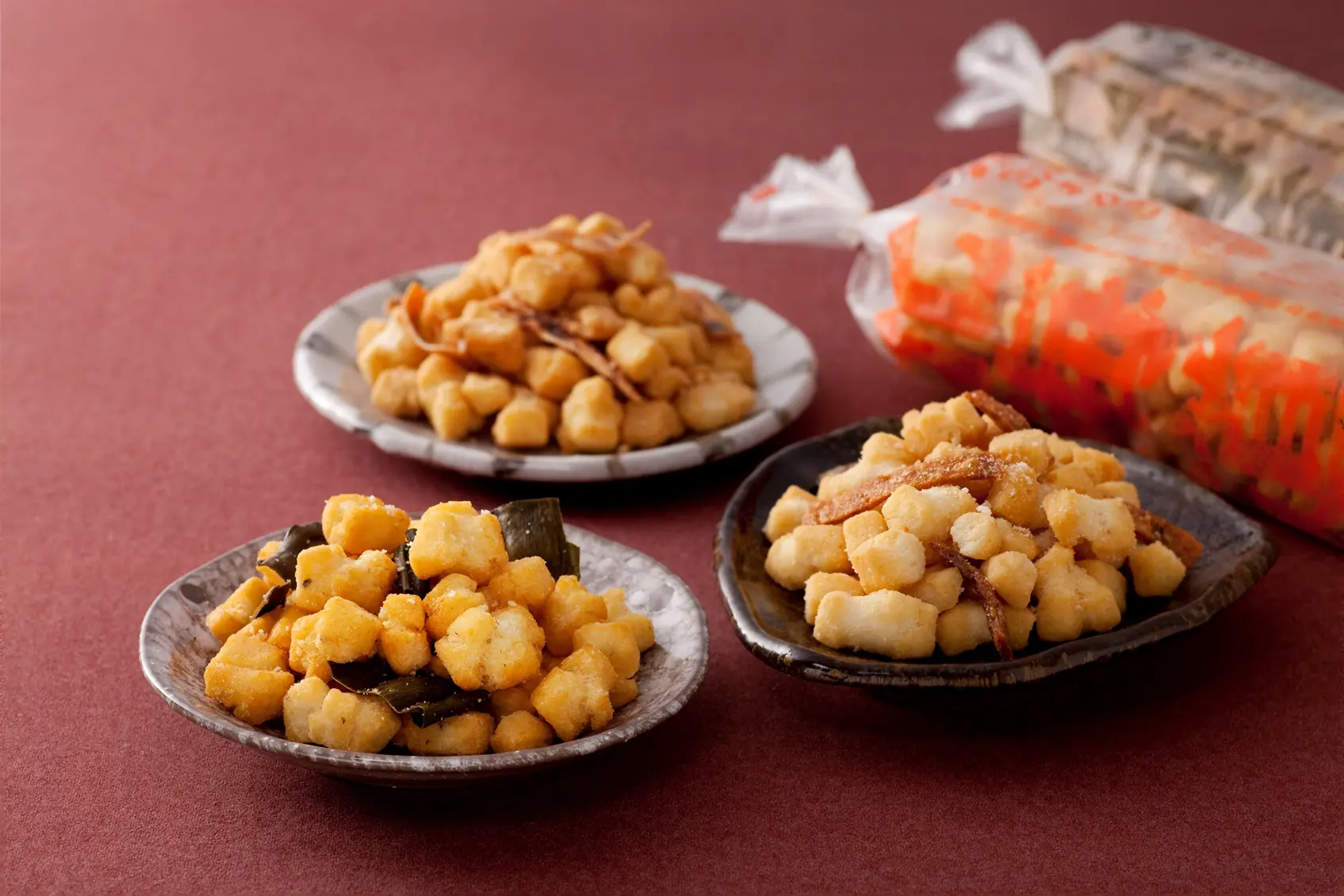
5. Kitakaro “Hokkaido Kaitaku Okaki”
A long-selling product from Kitakaro, known for its sweets made with carefully selected Hokkaido ingredients.
Focusing on treasures from Hokkaido’s seas and using high-quality ingredients, this okaki lineup currently includes 10 varieties.
Popular flavors include Hakodate squid, Mashike sweet shrimp, Shibetsu autumn salmon, Esashi scallop, Erimo kelp, Shiranuka yanagi octopus, and Shiraoi Kojohama cod roe, plus three limited-time varieties.

By Season: Recommended Festivals & Events in Hokkaido
Various events are held across Hokkaido throughout the year.
Here are some especially recommended events by season.
[Spring] Higashimokoto Shibazakura Festival
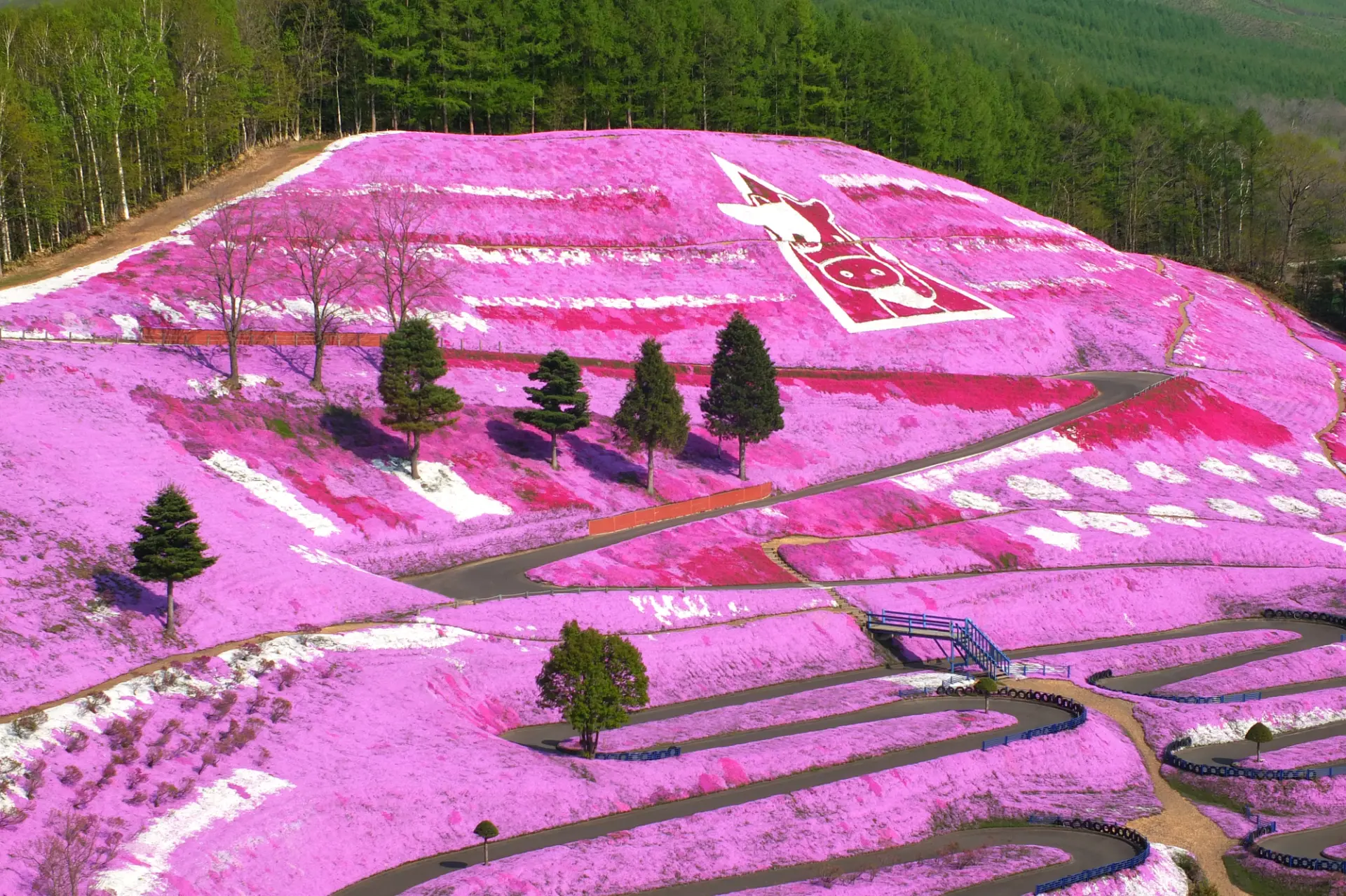
An event held each May at Higashimokoto Shibazakura Park in Abashiri.
The biggest highlight is the view of moss phlox blooming across Approx. 10 ha of hilly terrain. The entire hill turning pink, white, and pale purple is spectacular.
From the walking paths and observation deck, you can enjoy stunning views with surrounding mountains and distant scenery as a backdrop.
During the event, there are also music stages and activities by local groups, creating a lively atmosphere.
It’s also appealing that you can enjoy activities such as sightseeing vehicles and go-karts.
[Summer] Hakodate Port Festival
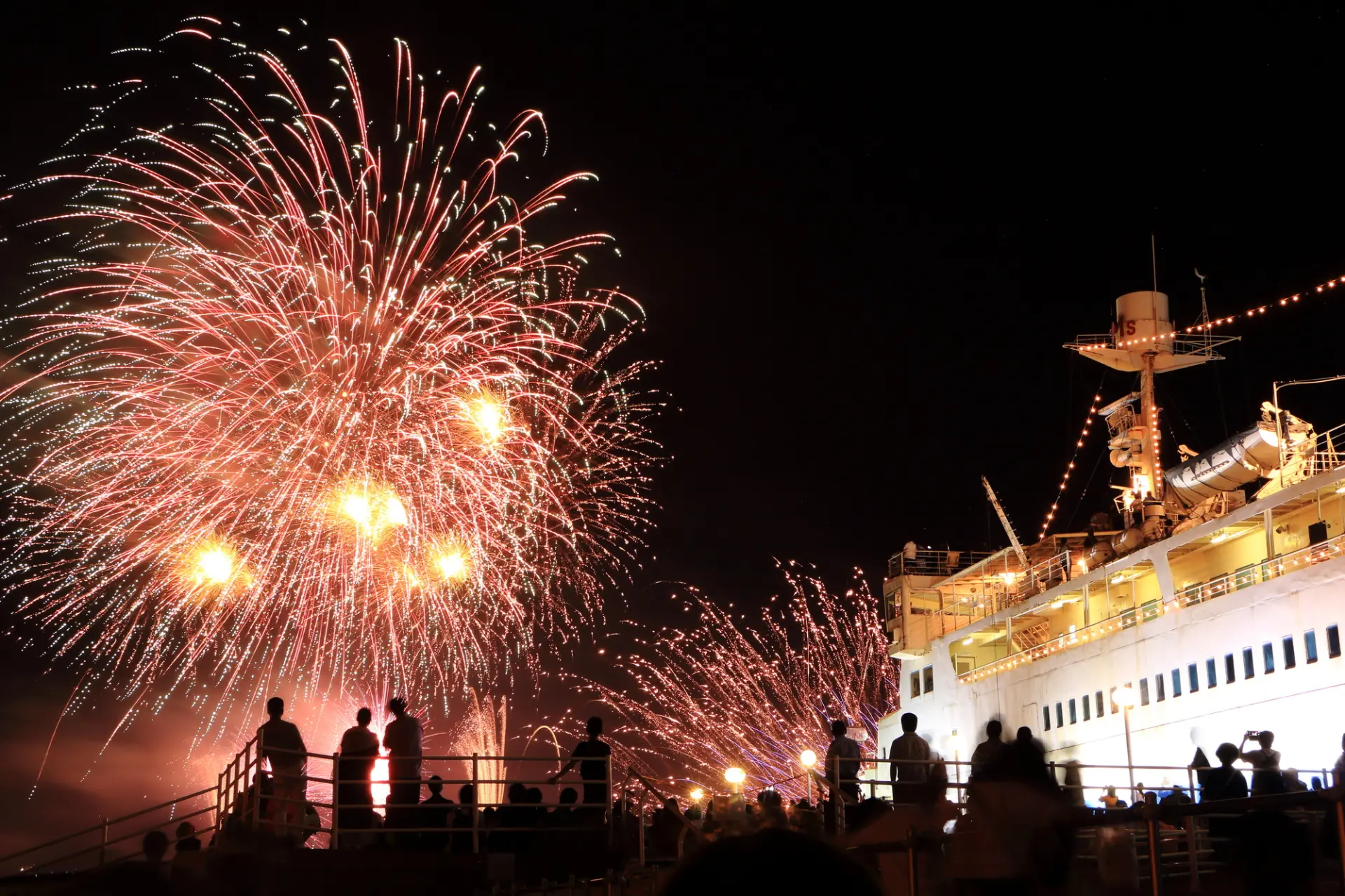
The Hakodate Port Festival, a major summer event representing Hakodate City, Hokkaido, is usually held from August 1 to August 5.
On the first day, the Doshin Fireworks Festival is held, and brilliant fireworks coloring the night sky over Hakodate Port signal the start of the festival.
On the second and third days, the parade called “Wasshoi Hakodate” takes place, with a total of Approx. 20,000 participants.
Locals and tourists dance the “Hakodate Port Dance” and the “Squid Dance,” inspired by Hakodate’s specialty squid, as they march through the streets, filling the area with excitement.
Throughout the festival, food stalls line up mainly around Hakodate Green Plaza, where you can enjoy local specialties and festival foods while taking in a lively summer Hakodate.
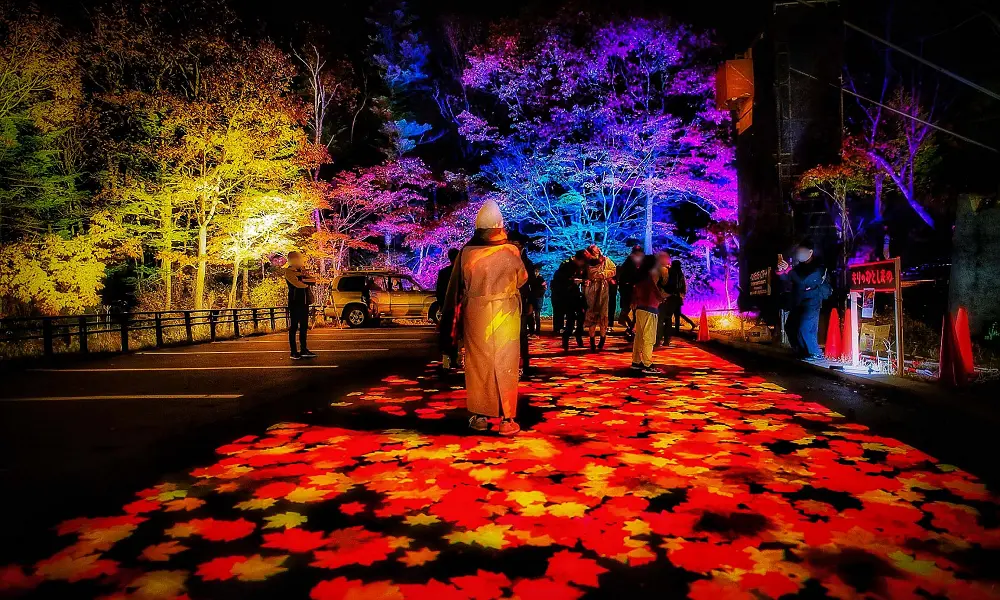
[Fall] Miracle Illuminate
An autumn light-up event held in the hot spring town of Sounkyo Onsen in Daisetsuzan National Park.
Usually held from mid-September to mid-October, the entire gorge is wrapped in light to match the peak fall foliage season.
Colorful trees are illuminated with soft light, creating a fantastical scene different from the daytime.
The light-up takes place from evening to night, and you can enjoy the collaboration of fall colors and light while walking the promenade.
The venue also features interactive light effects that respond to people’s movements and projection-mapping-style visual effects.
With many photo-worthy spots, try taking a memorable shot that captures this autumn-only blend of fall foliage and light.
[Winter] Sapporo Snow Festival
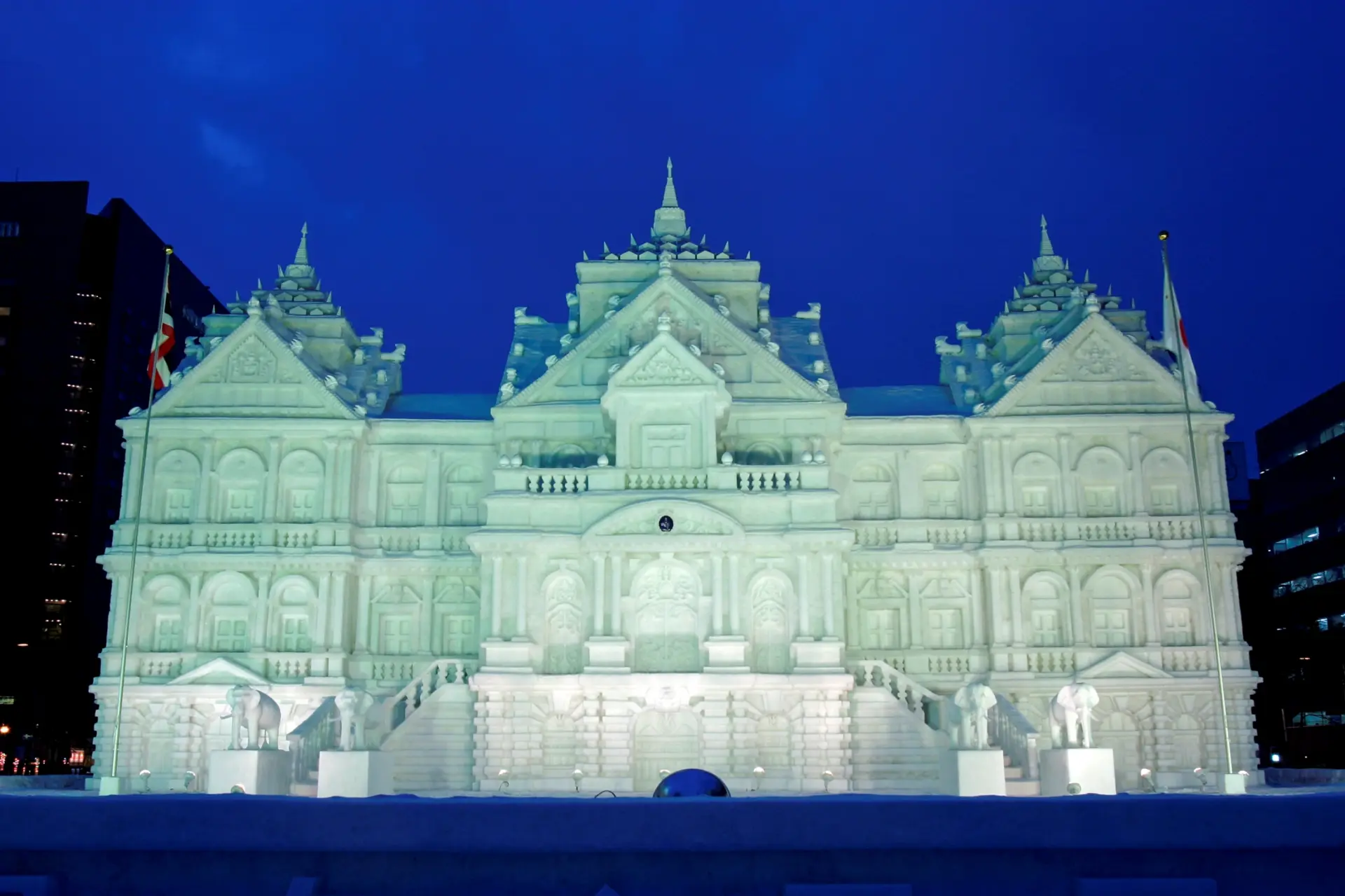
One of the world’s three major snow festivals, the Sapporo Snow Festival is a major winter event held in Sapporo, Hokkaido, every February.
It began in 1950 when local junior high and high school students built snow statues in Odori Park, and it has since grown into a major festival attracting at least Approx. 2 million visitors from Japan and abroad.
The main venues are divided into three: “Odori Site,” “Tsudome Site,” and “Susukino Site.”
5 Things to Watch Out for When Traveling in Hokkaido
Here are five important things to know to fully enjoy Hokkaido.
If you travel without knowing them, your itinerary could fall apart, so please use these tips as a reference.
1. Distances between areas are longer than you might expect
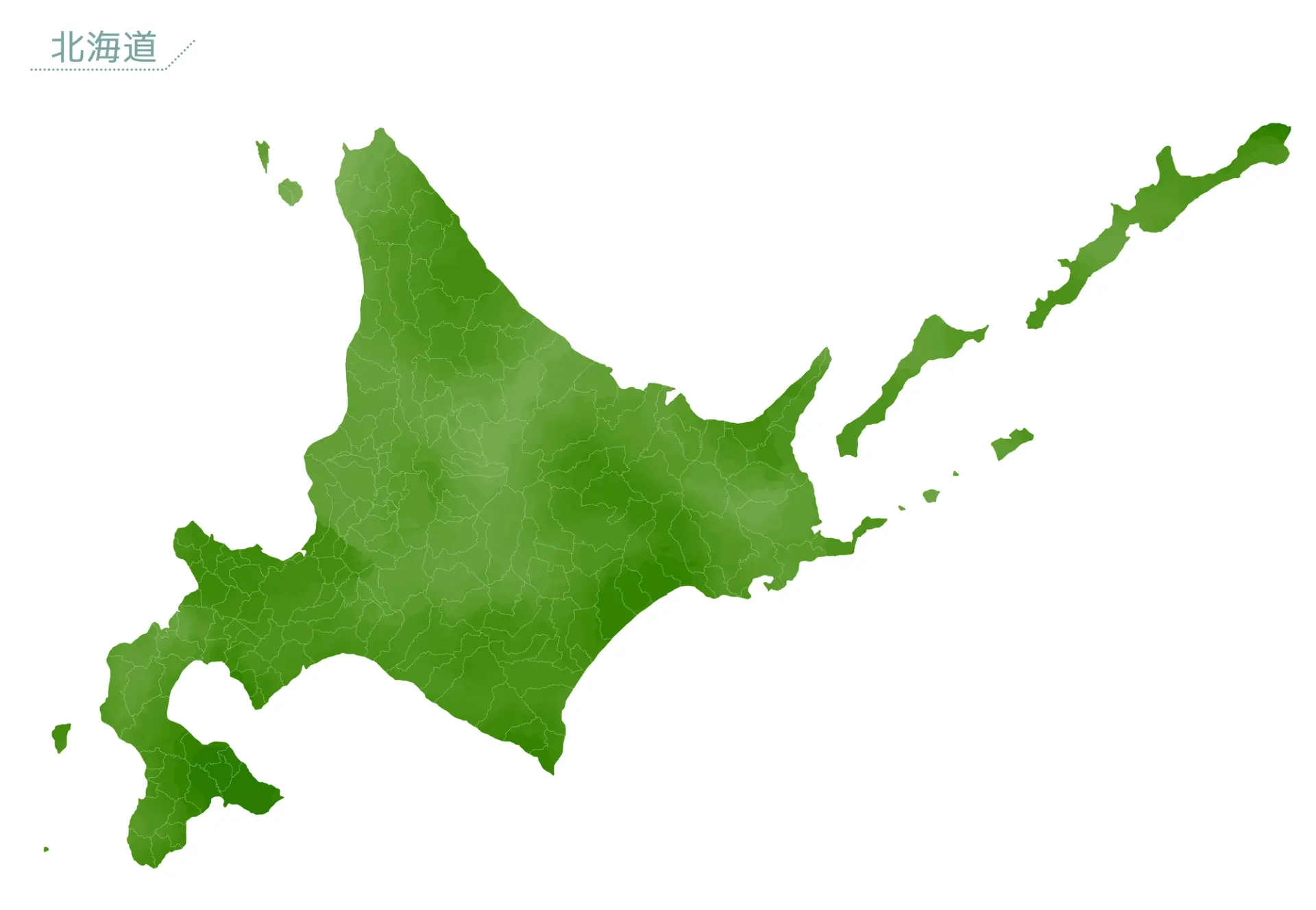
Hokkaido covers around 83,000 km², making up Approx. 20% of Japan’s land area, and it’s larger than you might imagine.
Distances between regions can be greater than they look on a map, and travel can often take a long time.
For example, from Sapporo to Hakodate takes Approx. 3–4 hours even by car or limited express train.
If you use public transportation, transfers and service frequency can make it take even longer than the distance suggests.
When sightseeing in Hokkaido, it’s best not to try to cover too many areas at once. Narrow down your destinations and plan to take your time enjoying the sights in each region.
2. Some seasons bring extreme crowds to popular tourist spots
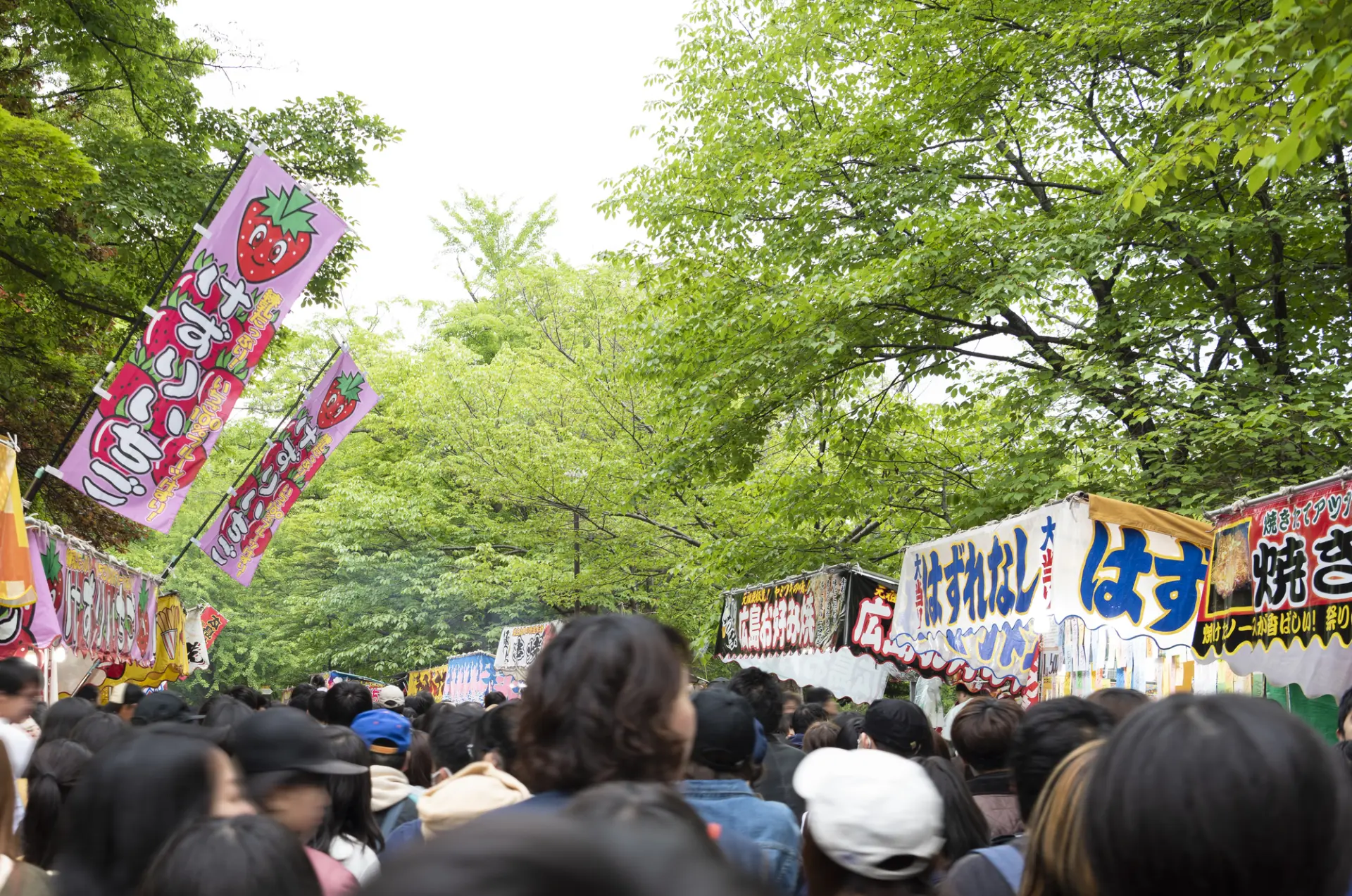
It’s also important to be aware that Hokkaido’s popular tourist spots can become crowded during specific seasons. In particular, during peak cherry blossom and fall foliage times, and when major events are held, not only the attractions but entire surrounding areas can get crowded.
For example, Furano gets busy in summer when lavender is at its best, and Sapporo gets crowded during the Sapporo Snow Festival in winter. Niseko, where you can enjoy powder snow, also becomes especially crowded.
If you’re visiting during a time when crowds are expected, it’s reassuring to secure accommodations and transportation early.
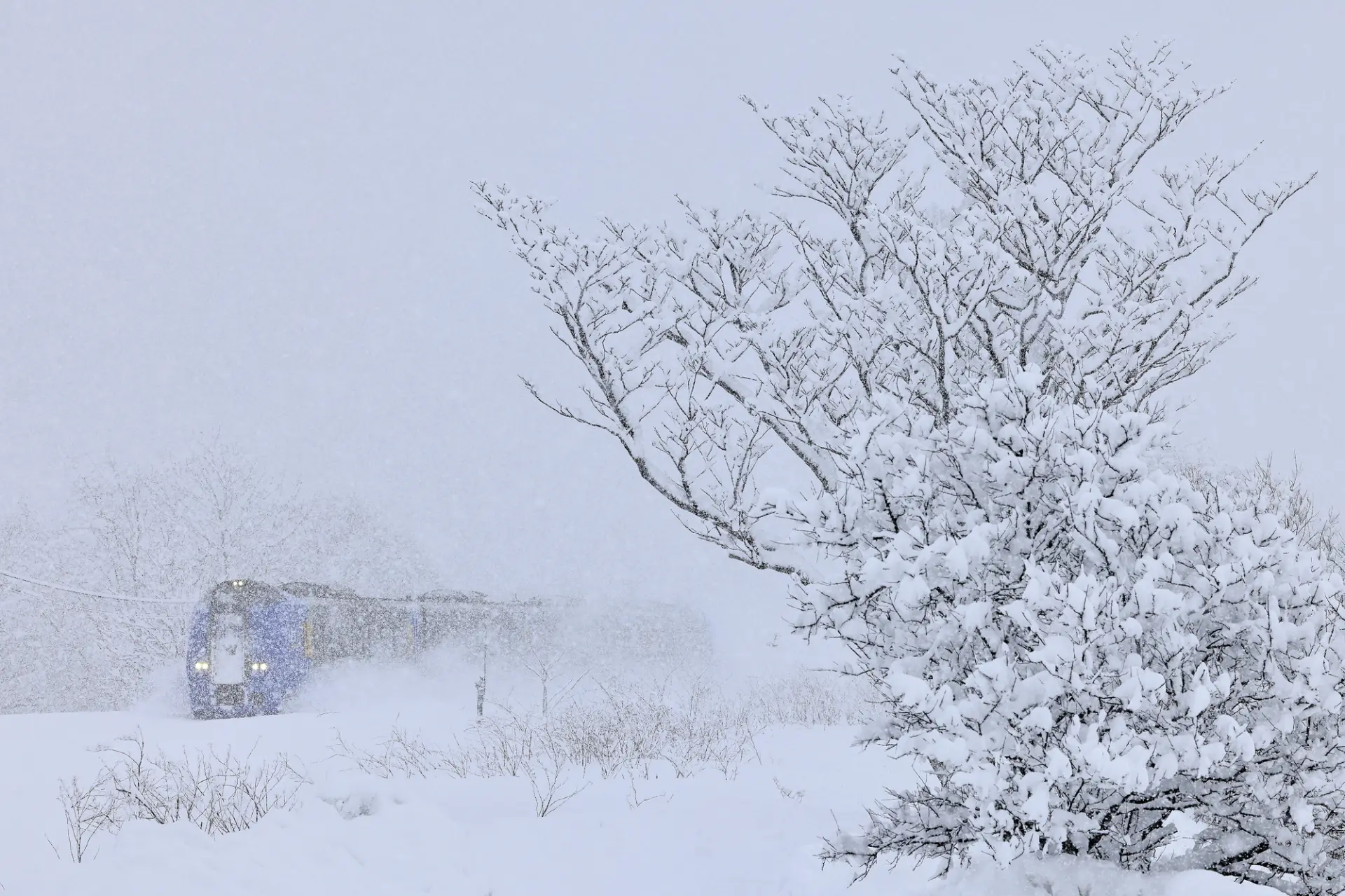
3. Bad weather can easily disrupt flights and JR services
In Hokkaido, weather can easily affect transportation, so it’s something to watch out for.
Especially in winter, blizzards, strong winds, and heavy snow can lead to flight cancellations or delays, as well as JR service suspensions and schedule disruptions.
Bad weather is hard to predict, and it’s not uncommon to suddenly be unable to travel on the day.
When traveling in Hokkaido, it’s important to build a schedule with extra buffer time on travel days.
On the day you head home and the day after intercity travel, avoid packing in too many plans so you won’t panic if delays happen due to weather.
4. You may encounter wild animals
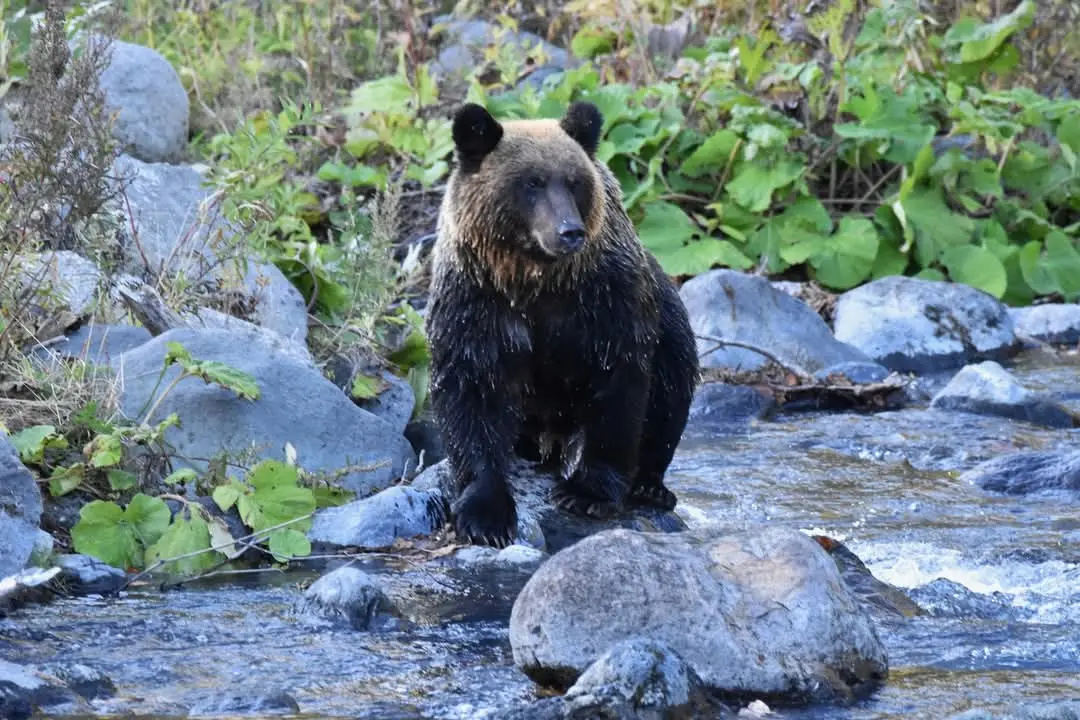
While Hokkaido’s grand nature is close at hand, it’s also an area where you may encounter wild animals.
Because precautions differ by situation, it’s best to understand them in advance.
If you’re driving a rental car, watch out for wild animals darting into the road. Accidents involving Ezo deer suddenly appearing are common, especially in suburban and mountainous areas.
Visibility is often worse at night and early morning, so reduce speed and drive with close attention to your surroundings.
If you’re hiking, climbing, or enjoying the outdoors in mountain areas or around lakes, checking for brown bear sightings is essential.
Before entering the mountains, check the latest information from local governments and tourist associations, and avoid areas with reported sightings.
5. If driving in winter, beware snowy roads and icy surfaces
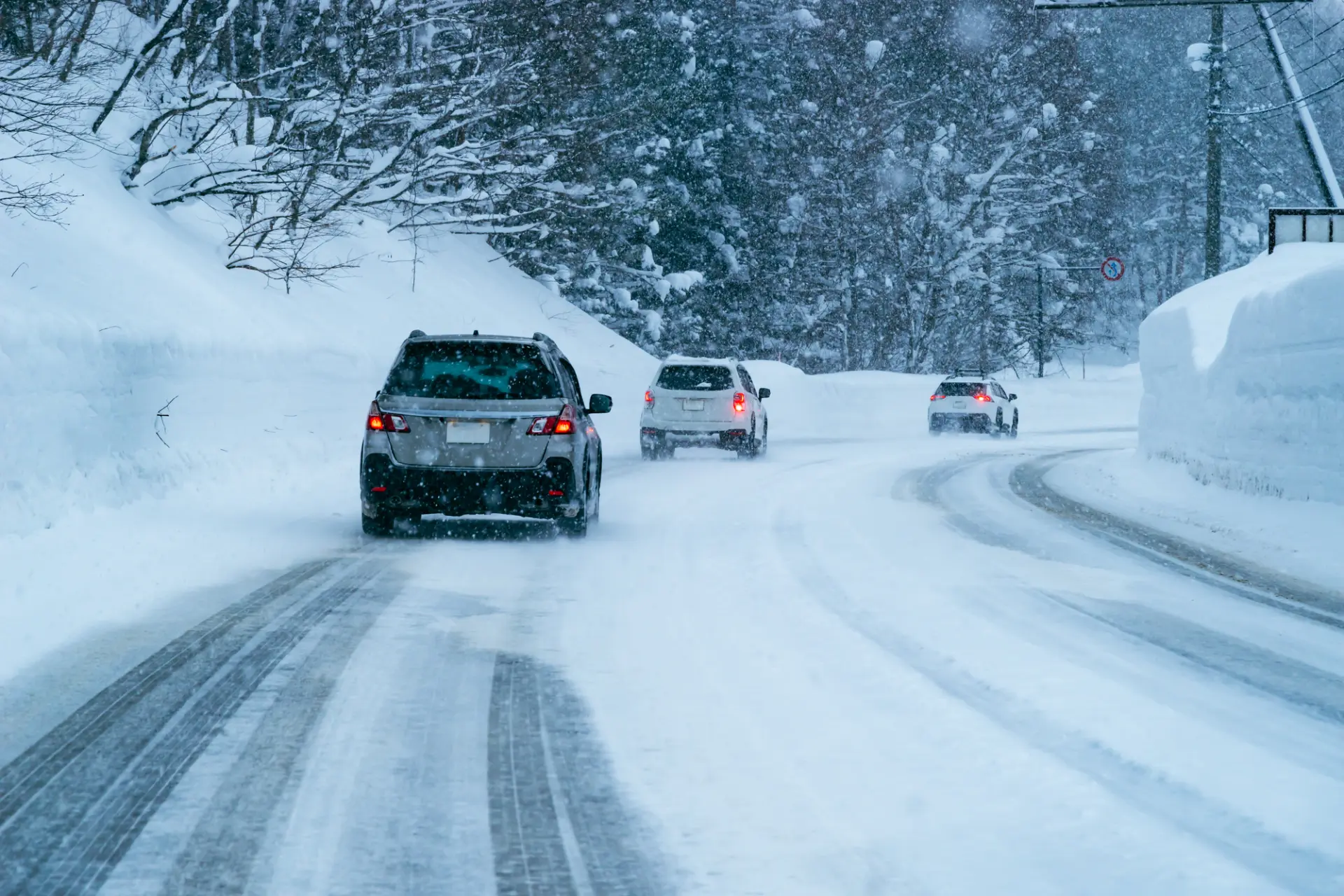
In Hokkaido winters, snow accumulation and icy roads make driving require even more caution.
One thing to be especially careful about is “black ice,” which is hard to spot by appearance even when the road is frozen.
Even without visible snow, the road can be extremely slippery and lead to accidents.
Because it takes longer to stop on snowy roads, it’s essential to reduce speed and keep plenty of distance between vehicles.
If you’re renting a car, be sure to confirm it’s equipped for winter, such as with studless tires.
If you’re not used to driving on snowy roads, consider not renting a car and using public transportation such as JR, buses, or taxis instead.
FAQ about Hokkaido Sightseeing
Q
Is it okay to get around Hokkaido using only trains and buses?
A
For getting around cities and between cities like Sapporo, Otaru, and Hakodate, it’s not a problem, but in suburbs and nature-rich areas, renting a car is more convenient.
Q
When does it start snowing in Hokkaido?
A
It varies widely by area: in northern regions, snow begins from late October to early November, and in Sapporo, it starts around mid-November. December through March is the main season to enjoy full winter scenery.
Summary
With grand natural scenery, beautiful cities, theme parks the whole family can enjoy, and outstanding local cuisine, Hokkaido offers many ways to travel.
You may not know where to begin, but start by planning your trip around the sightseeing spots introduced here. That should help you fully enjoy everything Hokkaido has to offer.