Shikotsu-Toya National Park

Verified [Verified] denotes information that has been published with confirmation of its owing parties.

Shikotsu-Toya National Park

A vast national park covering 993 km², known as a “living museum of volcanoes.”

3.32 6

Last update :

Shikotsu-Toya National Park is located in southwestern Hokkaido and covers a total area of 993 km².

In addition to Lake Toya and Lake Shikotsu, two major caldera lakes formed when volcanic craters filled with water, the park features various types of volcanoes and volcanic landforms, including Mt. Yotei, Mt. Usu, and Mt. Tarumae. The area is also known for its frequent volcanic activity, as seen in its diverse hot springs and volcanic “hells” where sulfurous steam rises from the ground. For this reason, it is sometimes called a “living museum of volcanoes.”

In 2009, the Toya-Usu UNESCO Global Geopark became the first site in Japan to be recognized as a Global Geopark for its internationally significant geological heritage. Lake Shikotsu is also known as Japan’s northernmost ice-free lake, and its distinctive deep-blue waters captivate visitors.

The park is easily accessible from central Sapporo and New Chitose Airport, attracting many visitors for nature walks, mountain climbing, and alpine plant viewing. It is also home to a wide variety of hot springs, including Noboribetsu Onsen, Toyako Onsen, and Shikotsuko Onsen, each offering water with different mineral properties.

Highlights

  • The park is divided into five areas: Lake Shikotsu, Jozankei, Lake Toya, Mt. Yotei, and Noboribetsu.
  • Lake Shikotsu has some of the clearest water in Japan.
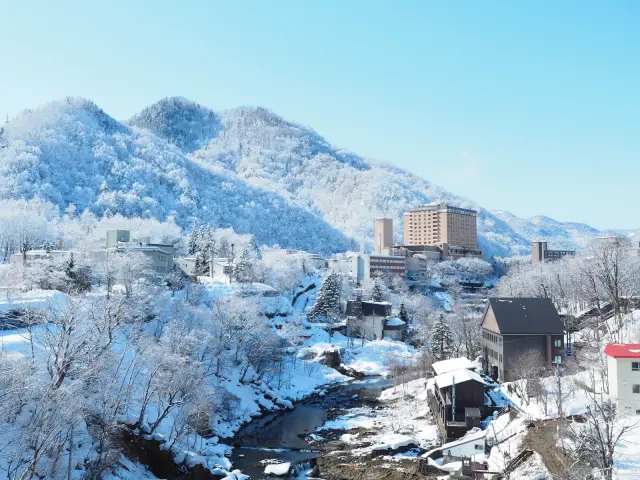
  • The Jozankei area is popular for day hikes from Sapporo.
  • On Mt. Yotei, the plant life changes with the elevation, and many varieties of alpine plants can be seen near the summit.
  • Walking trails around the Konpira Craters and Nishiyama Craters offer close-up views of the craters and the damage caused by past eruptions.

Photos

  • Lake Shikotsu, Japan’s northernmost ice-free lake, has some of the clearest water in the country.

    Lake Shikotsu, Japan’s northernmost ice-free lake, has some of the clearest water in the country.

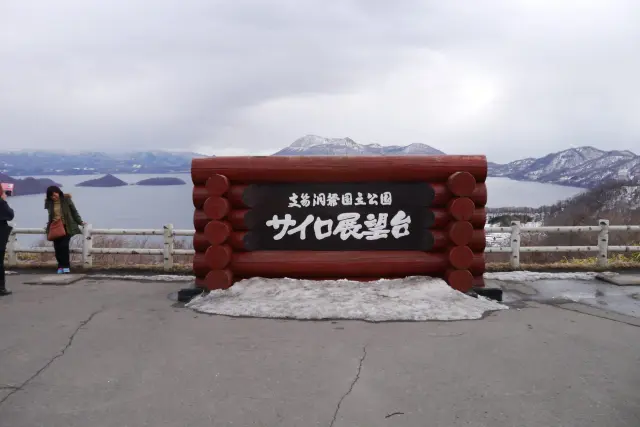
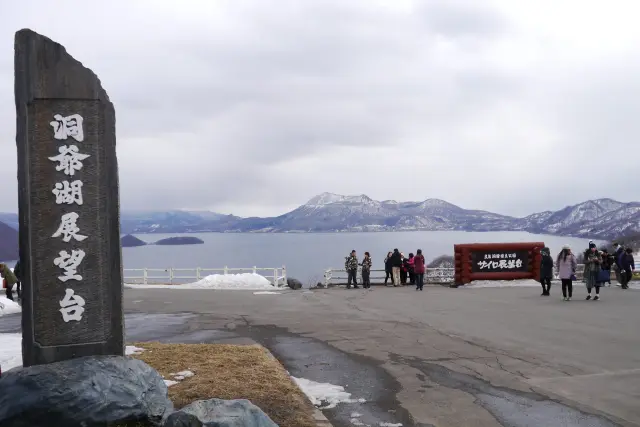
  • Lake Toya and frost-covered trees in winter.

    Lake Toya and frost-covered trees in winter.

  • Fall foliage in the Jozankei area, a popular destination for day hikes.

    Fall foliage in the Jozankei area, a popular destination for day hikes.

  • A whorled lily blooming on Mt. Yotei. Among lilies native to Japan, it grows at the highest elevations.

    A whorled lily blooming on Mt. Yotei. Among lilies native to Japan, it grows at the highest elevations.

  • Konpira Crater, located near the Toyako Onsen district.

    Konpira Crater, located near the Toyako Onsen district.

  • At the Nishiyama Craters, visitors can see a national highway severed by eruption damage.

    At the Nishiyama Craters, visitors can see a national highway severed by eruption damage.

Reviews

6

Some reviews are AI-translated.

  • See More

    When visiting Hokkaido, Shikotsu-Toya National Park lets you experience the magnificent yet peaceful side of nature. Along the way, you can see vast lakes, dense forests, and mountains in the distance. The clear lake water reflects the blue sky, creating a truly captivating view.

    Strolling along the lakeshore, enjoying the scenery and the gentle breeze, you can't help but relax. Away from the hustle and bustle of the city, you can better appreciate the purity and beauty of Hokkaido's natural scenery.

  • See More

    Winter in Hokkaido is almost unfairly beautiful! Surrounded by snow the whole way, I arrived around Lake Shikotsu and Lake Toya, and the scenery looked just like a postcard.
    This area is known as a “museum of active volcanoes.” The lake views are gorgeous, and you can also feel the unique landforms created by volcanic activity. Winter is less lively than summer, but it has a quiet, mysterious atmosphere. Standing by the lake in the cold wind, watching the snow-covered mountains reflected on the water, I couldn’t help but stop and take it all in.

  • See More

    It really feels like being in a European town—such picturesque scenery! The Ice Festival in winter is a unique local event you shouldn't miss.

  • See More

    Crepuscular rays, also called 'Jesus rays,' are a common sight at Lake Shikotsu. It's a freshwater lake in Chitose, Hokkaido, and part of Shikotsu-Toya National Park. It's actually the northernmost lake in Japan that doesn't freeze over.

    It's so quiet and beautiful here—kind of like a grander, cleaner version of Sun Moon Lake. The wind on the lake can get strong depending on the season, but there are lots of little shops and dessert places around, perfect for a break. You have to try the cream puffs from Sweets shop PATISSIER LAB (Tarumae Mountain Cream Puff, 220 yen) and the cheesy potatoes—they're super delicious!

  • See More

    The lakes and mountains here are just as beautiful as those in Europe. After taking photos by the lake, you can buy some grilled corn at the shop—it's super sweet and tasty.

Details

Name in Japanese
支笏洞爺国立公園
Postal Code
066-0281
Address
Shikotsuko Onsen, Chitose City, Hokkaido
Phone
011-299-1950 (Hokkaido Regional Environment Office)
Admission
Free
Closed on
None
Access
About 55 minutes from New Chitose Airport by Hokkaido Chuo Bus; get off at Shikotsuko Bus Terminal
This is one example of an access route.
Official website
Official website (Japanese)
Hokkaido Tohoku Kanto Chubu Hokuriku Kansai Chugoku Shikoku Kyushu Okinawa