
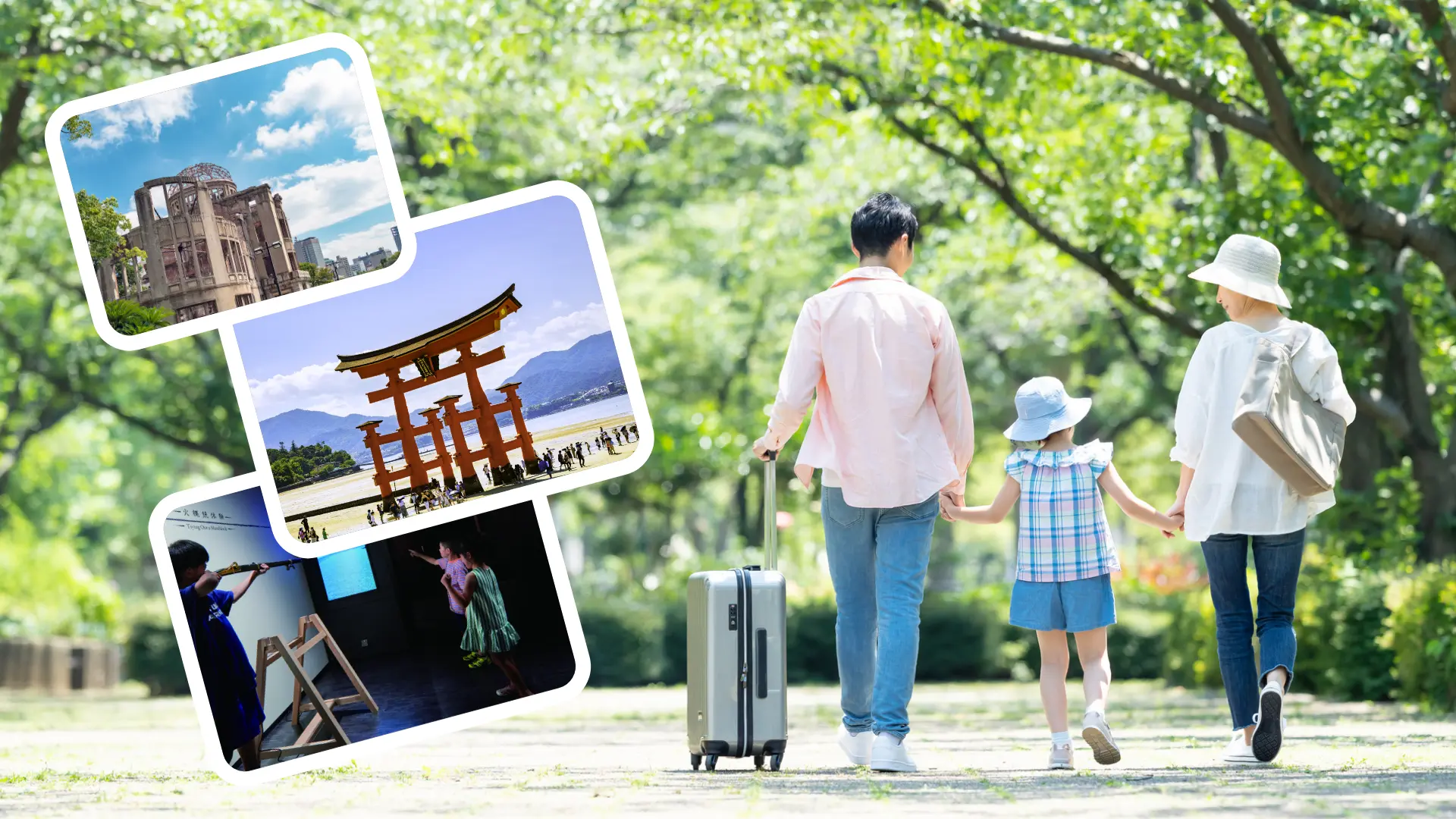
Learn While You Play! 13 Recommended Tourist Spots in Hiroshima for Family Trips with Kids
Hiroshima, rich in nature and facing the Seto Inland Sea, is a perfect destination for family outings with kids.
Among its wide variety of sightseeing spots are many places where you can learn about history and culture while having fun.
They offer all kinds of experiences that will spark children’s curiosity.
This article carefully introduces popular tourist spots to visit with your family, along with accommodations ideal as sightseeing bases.
Use this guide to plan a trip that will become a special family memory.
3 Tips for Enjoying Family Outings in Hiroshima
Here are three helpful tips to know before enjoying Hiroshima with your children.
Keep these points in mind, and you’ll be able to enjoy Hiroshima’s charms with peace of mind.
1. Tips for Enjoying Miyajima Comfortably and Safely
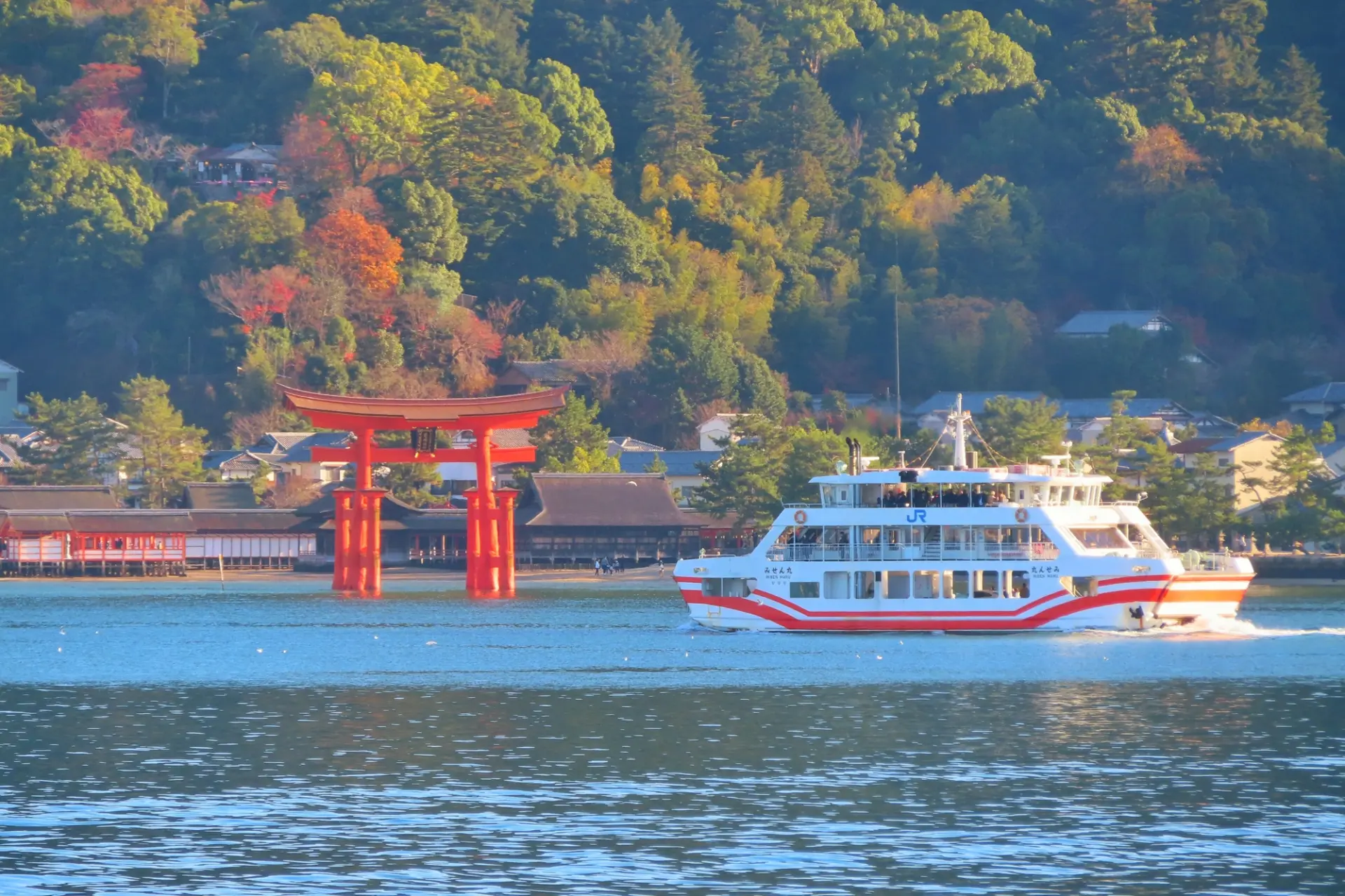
To reach Miyajima, home to the World Heritage site Itsukushima Shrine, take a ferry from Miyajimaguchi Pier.
Since it tends to get crowded from 10:00am to 2:00pm, traveling early in the morning is relatively less busy, and the ferry is more comfortable to use.
Sightseeing on the island is also more relaxing in the early morning or evening, when there are fewer people.
Miyajima has many stone-paved paths, slopes, and gravel roads, so it is easier to get around if you bring a lightweight, foldable stroller or a baby carrier.
Also, be careful because the deer on the island are sensitive to the smell of food, and if children are carrying snacks, the deer may come close or even snatch them from their hands.
2. Be Careful of Hot Griddles at Okonomiyaki Restaurants
Many visitors are probably planning to try Hiroshima’s famous okonomiyaki.
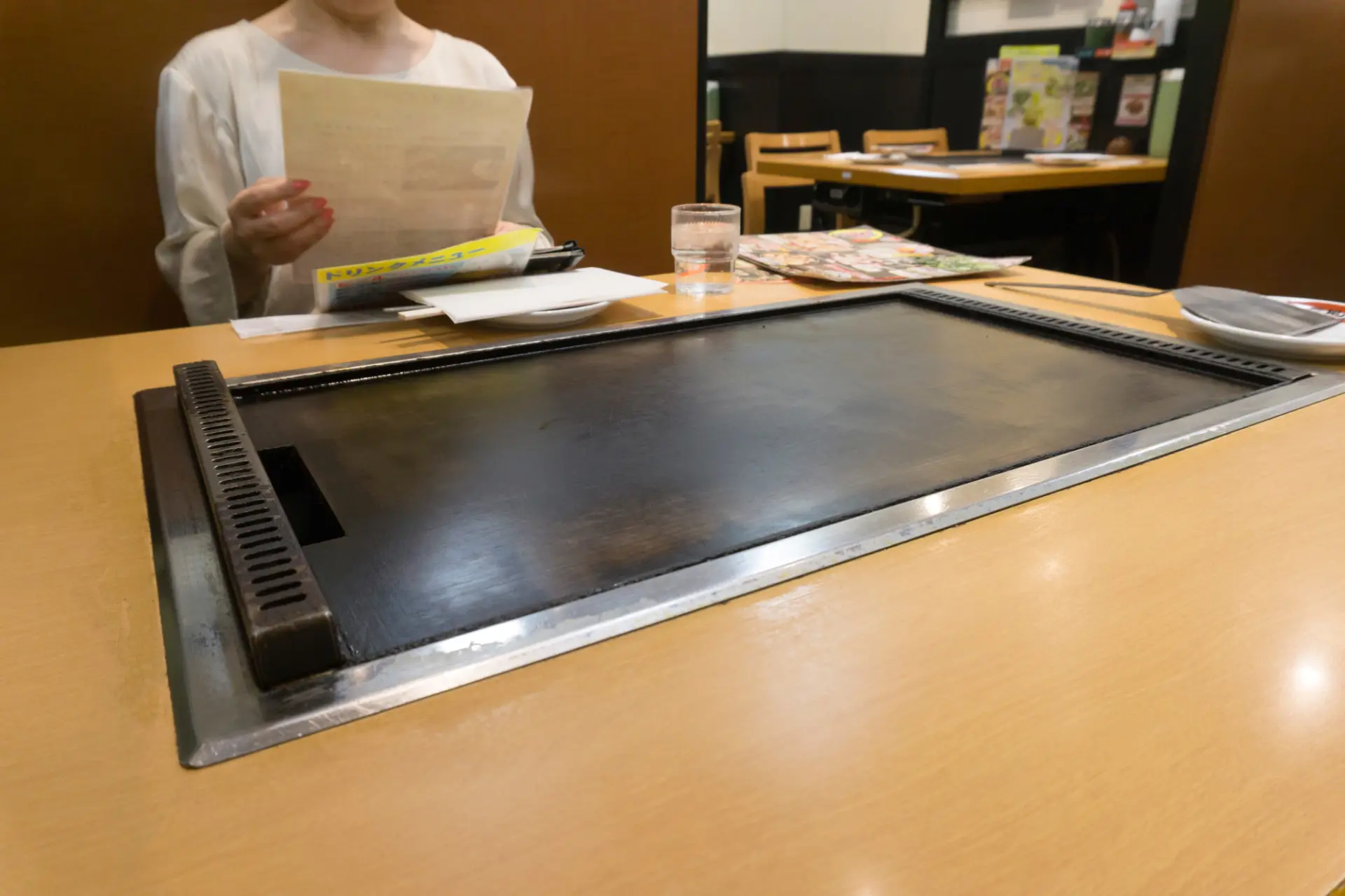
At many okonomiyaki restaurants, a hot griddle is built into the table and kept heated at all times so the food can be served warm.
Please be especially careful, as small children could get burned if they touch it.
If you are concerned, it is recommended to choose a restaurant without a griddle at the table.
Also, popular restaurants often have long lines. Visiting right after opening or choosing a restaurant that accepts reservations in advance will make your visit smoother.
3. Plan Your Visit to the Hiroshima Peace Memorial Museum Based on Your Child’s Age
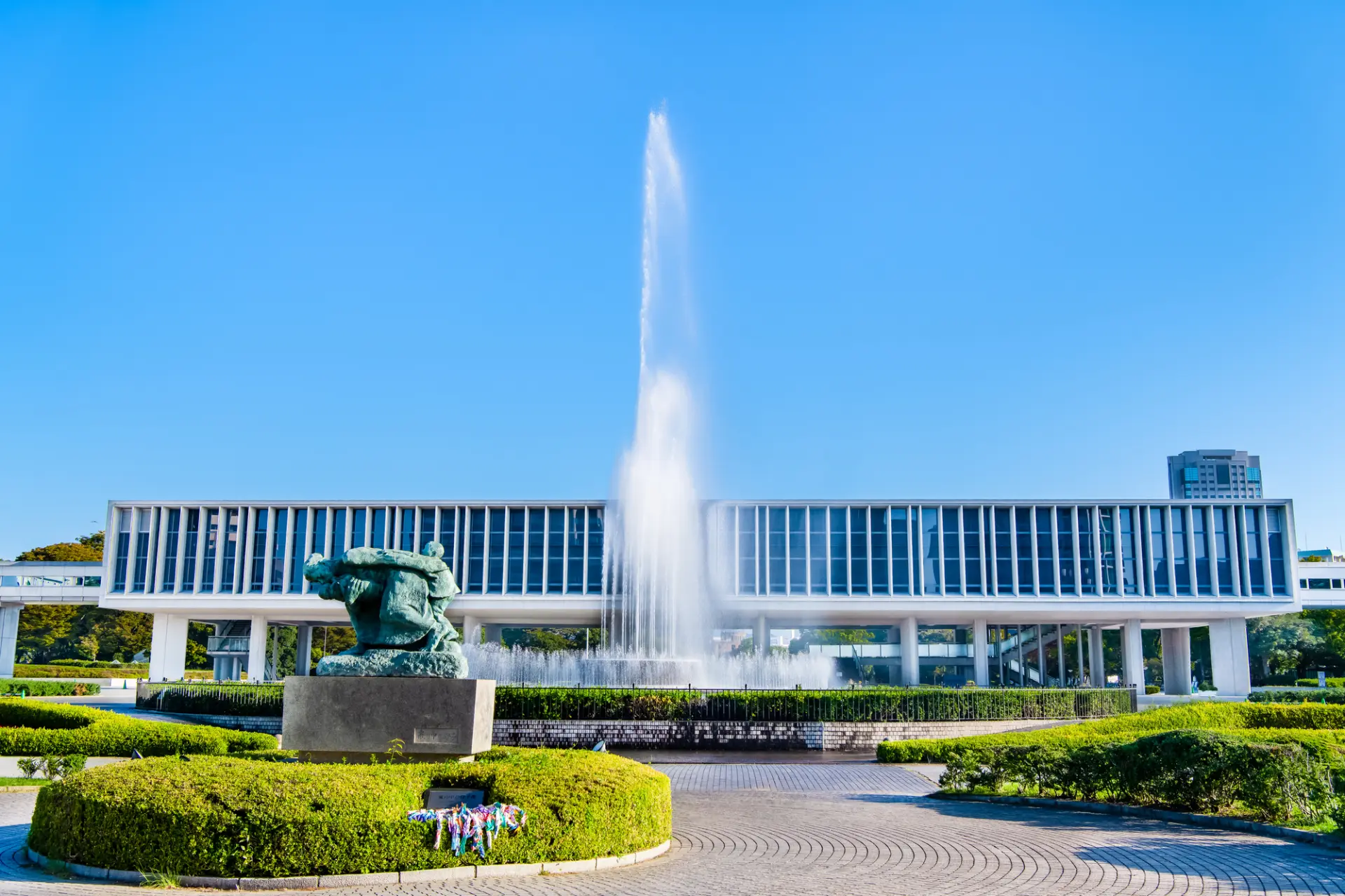
Hiroshima Peace Memorial Museum is a facility that conveys the damage caused by the atomic bomb and the importance of peace, and it attracts many visitors from around the world.
There is no age restriction, and even small children may enter, but some exhibits, including photographs and belongings related to the atomic bombing, may be shocking.
It may help to explain in advance that it is a place to learn about preventing war and that some exhibits may feel a little frightening.
If you are visiting with small children, one option is not to go through every exhibition room and instead focus on areas and videos with relatively gentler content.
It is also recommended to take a walk together in Peace Memorial Park and have adults take turns visiting the museum.
Best for Family Outings! 13 Tourist Spots in Hiroshima
Hiroshima is full of spots that families can enjoy together.
From nature and animal encounters to time spent learning about history and culture, as well as hands-on science experiences, the variety is impressive.
Enjoy the kinds of experiences that are unique to Hiroshima with your family to the fullest.
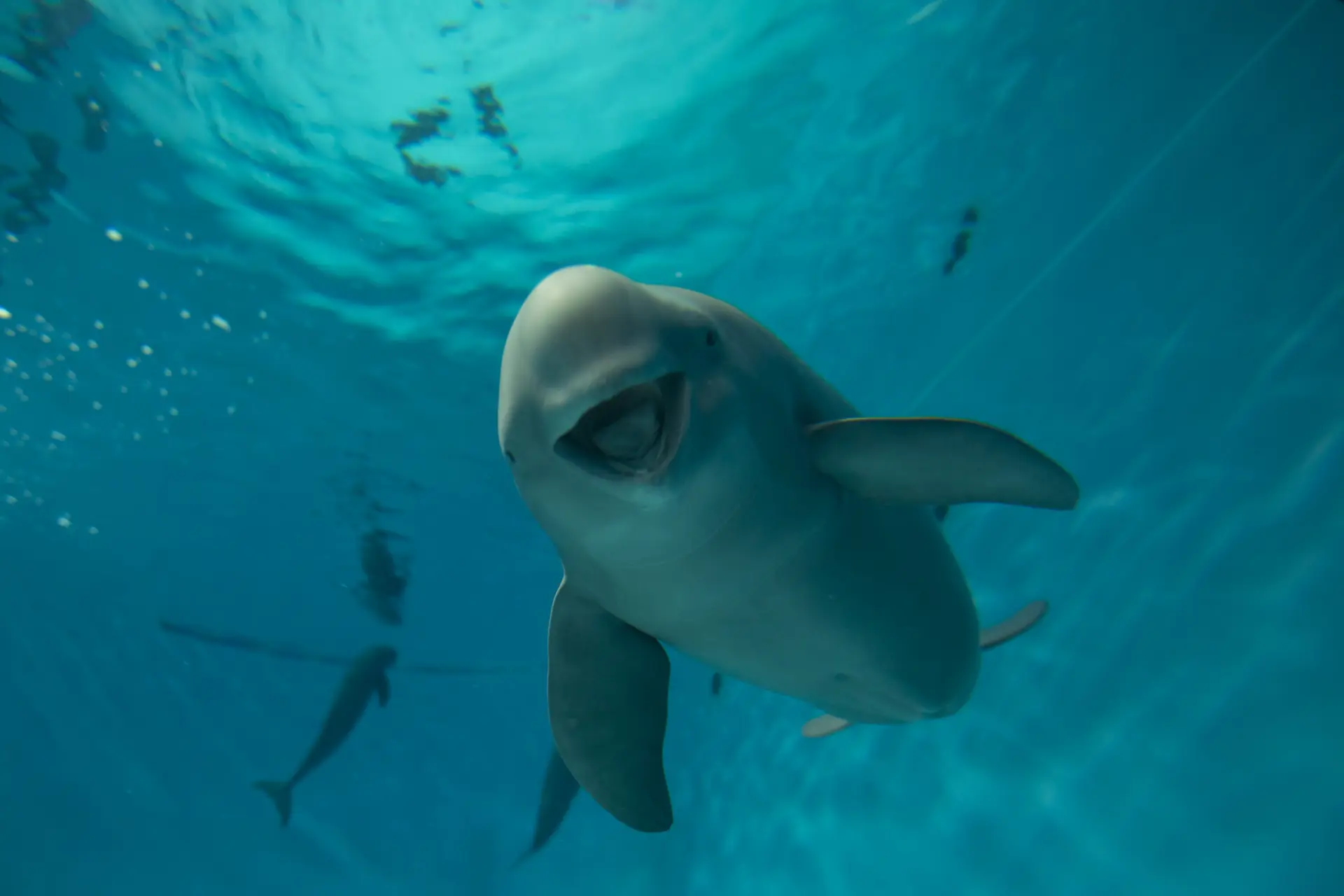
1. Miyajima Aquarium "Miyajimarin"
An aquarium on Miyajima, known as the island of the World Heritage site Itsukushima Shrine. It is about a 5-minute walk from the Itsukushima Shrine exit, making it easy to include in your sightseeing route.
The Japanese-style architecture with a tiled roof, designed in consideration of Miyajima’s historic scenery, is especially striking.
Inside, more than 15,000 marine creatures, including fish and mammals from 380 species, are on display. Exhibits related to the local area are especially abundant, including a tank for finless porpoises that live in the Seto Inland Sea and zones recreating Miyajima’s tidal flats and Hiroshima’s satoyama landscapes.
2. Hiroshima Castle
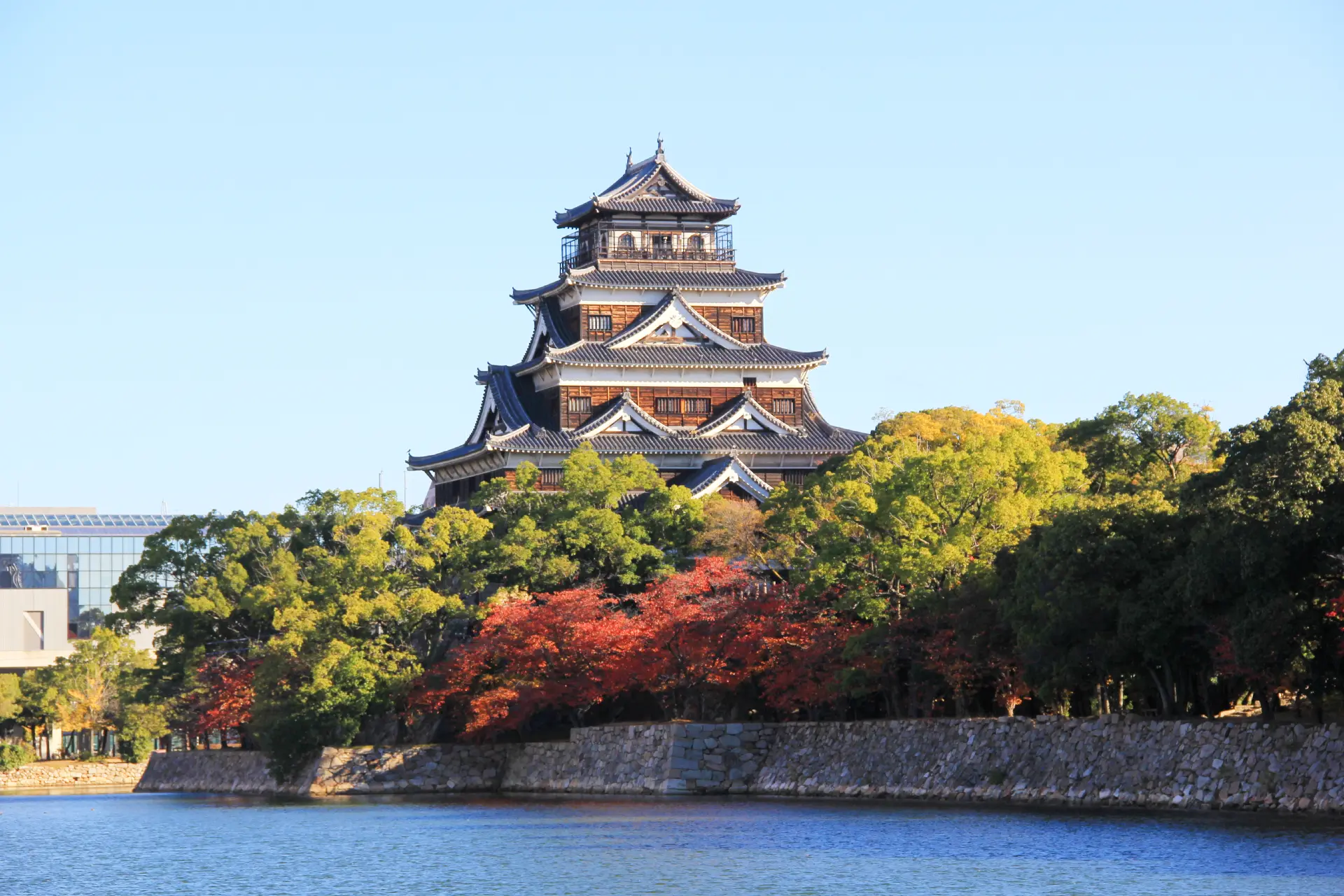
Hiroshima Castle was built in 1589 by Mori Terumoto, who is known as one of Toyotomi Hideyoshi’s Council of Five Elders.
The castle tower serves as an exhibition space displaying Japanese swords, armor, and more. From the observation floor on the top level, you can enjoy a panoramic view of Hiroshima’s cityscape.
Buildings such as the Omote Gomon Gate and Taiko Yagura Turret, which were destroyed in the atomic bombing, were also restored in the 1990s, allowing visitors to see the beautiful scenery. In spring, cherry blossoms bloom in full, and the area becomes lively with flower-viewing visitors.
3. 5-Days Children's Museum of Culture and Science
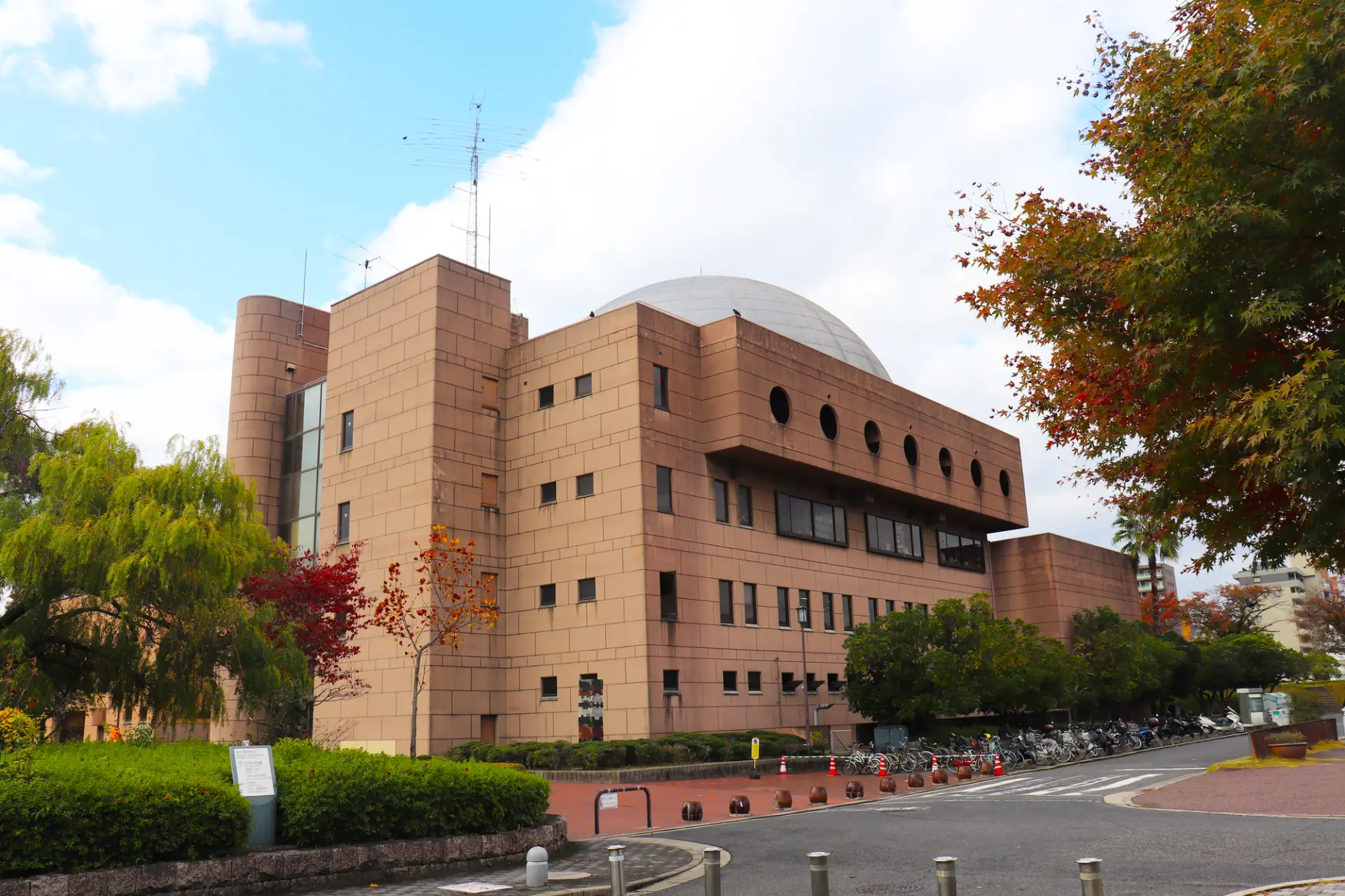
5-Days Children's Museum of Culture and Science is an interactive science and culture facility in central Hiroshima.
It is also easily accessible, about a 5-minute walk from the Genbaku Dome-mae streetcar stop, making it easy to drop by casually.
Inside, there are plenty of hands-on exhibits where children can learn by seeing, touching, and playing, stimulating their curiosity and imagination.
At the planetarium, in addition to live explanations of the starry sky, programs featuring soothing aromas are also shown.
Science shows and seasonal craft workshops are also held regularly.
4. Yamato Museum
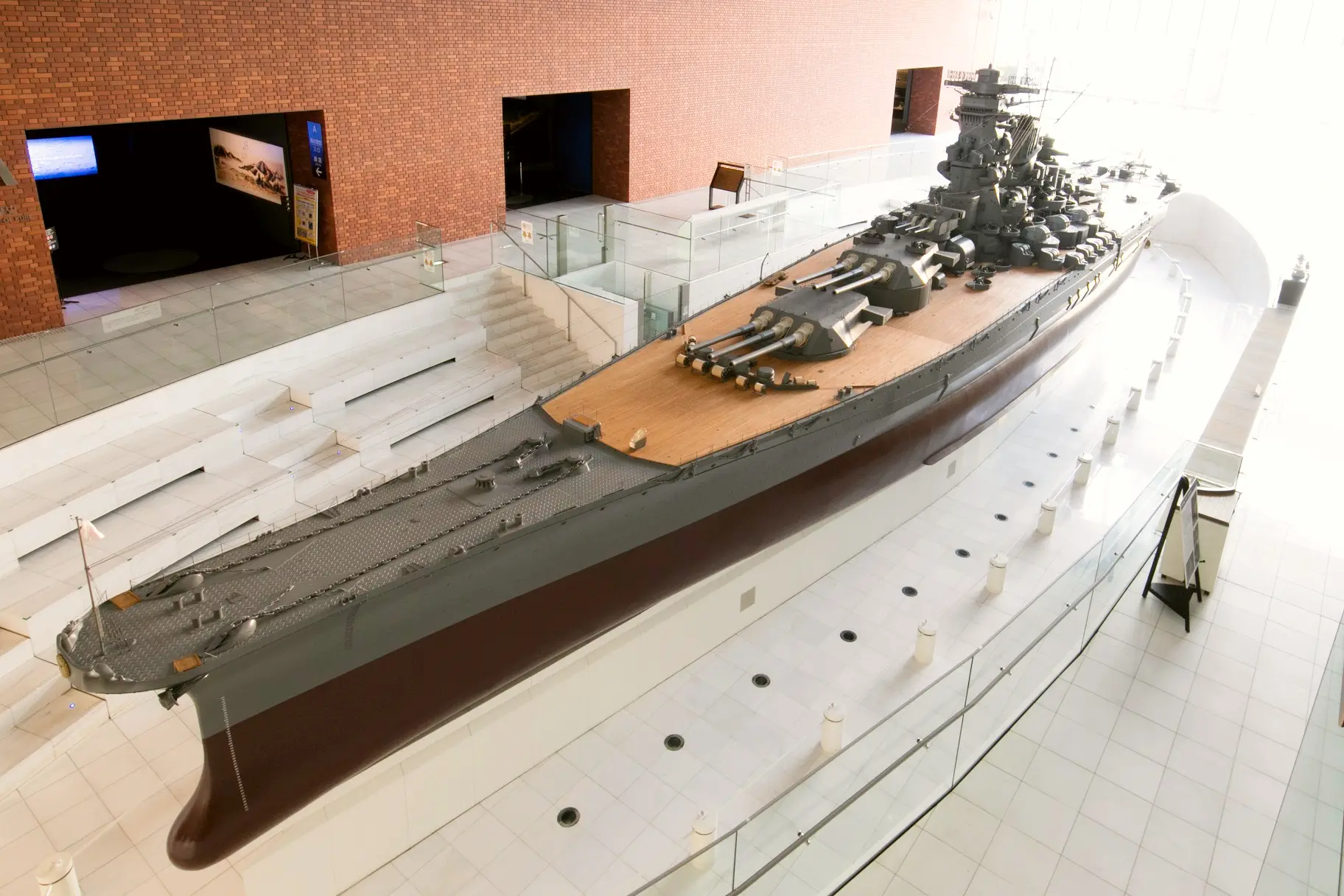
A museum introducing the Yamato, once the largest battleship in the world during World War II.
You can also learn about the history of Kure and science and technology here.
The museum’s symbol, a 1/10-scale model of the battleship Yamato, was recreated based on original design drawings from the time, footage from underwater surveys, and testimony from former crew members.
It passes down to future generations the importance of peace and the greatness of science and technology.
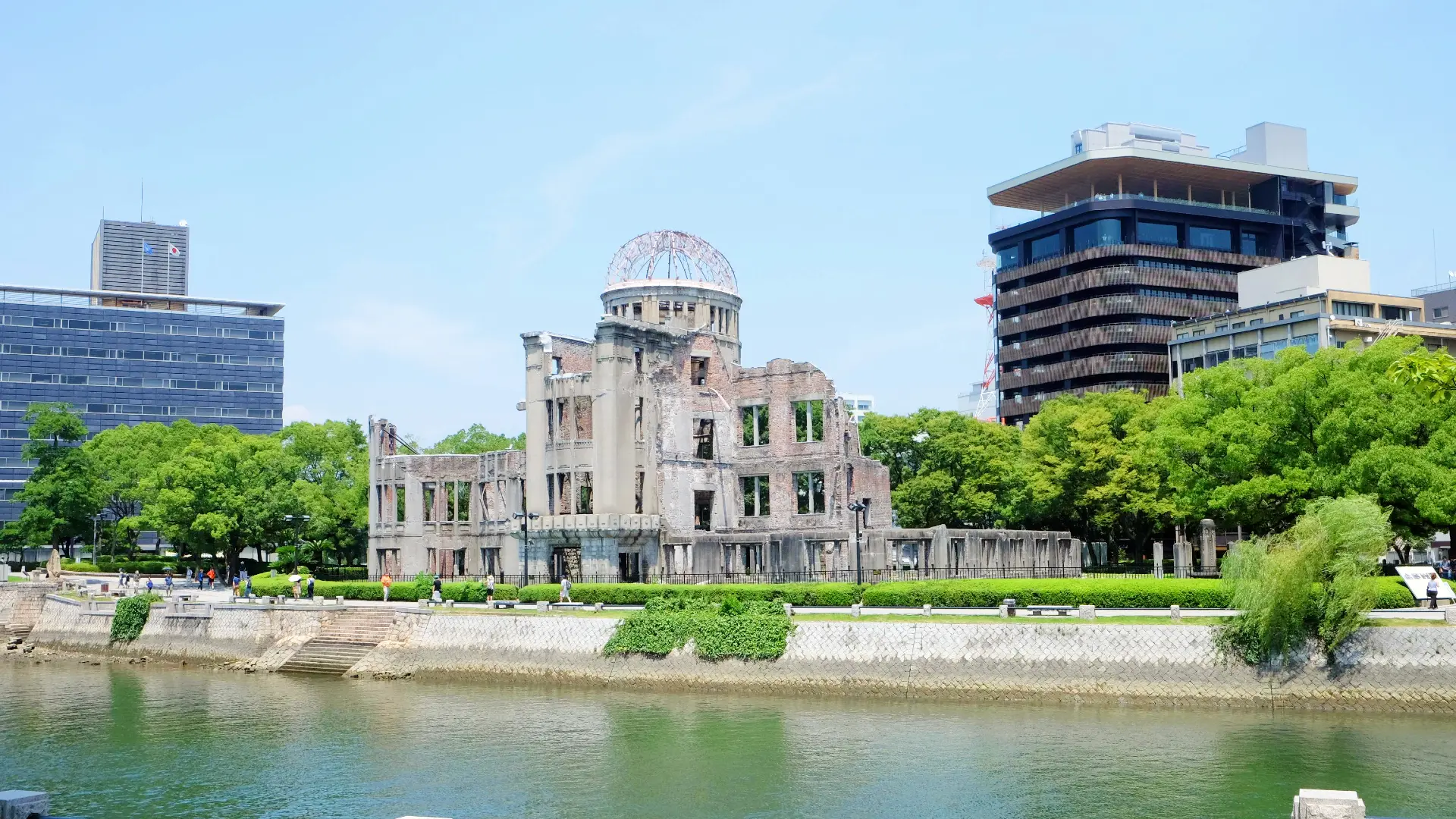
5. Atomic Bomb Dome
The Atomic Bomb Dome was originally completed as the Hiroshima Prefectural Industrial Promotion Hall on April 5, 1915, based on a design by Czech architect Jan Letzel.
However, when the atomic bomb was dropped, it was damaged at a point only 160m from the hypocenter.
The exposed steel framework and crumbling outer walls remain as they were at the time of the bombing, and at some point it came to be called the Atomic Bomb Dome.
It is a valuable building that conveys the tragic history to the present day.
6. Orizuru Tower
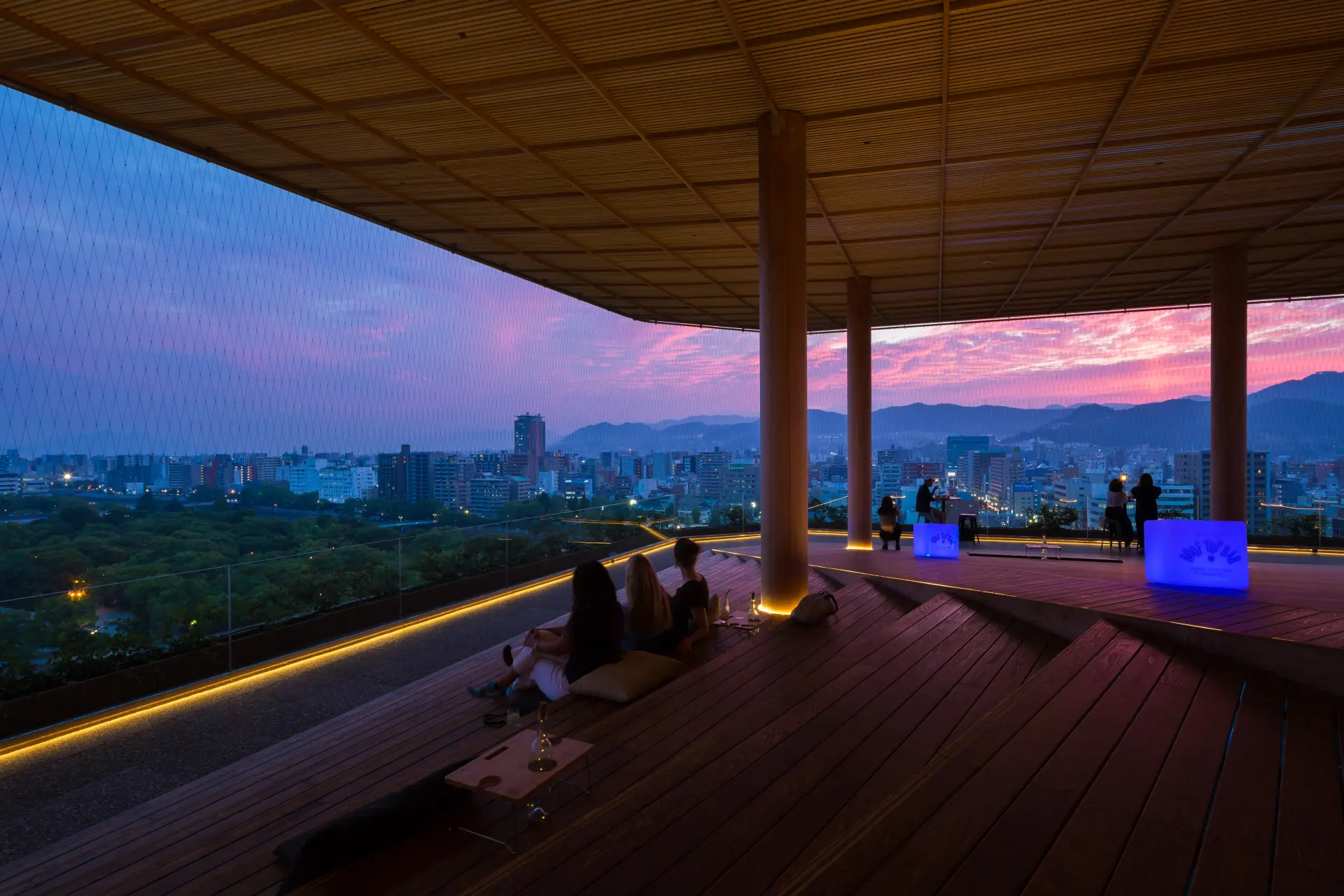
A multi-purpose building next to the Atomic Bomb Dome, this landmark tower in Hiroshima offers scenery and experiences you can only find here.
Open to visitors are the souvenir shop and café on the first floor, the Orizuru Square and Orizuru Wall on the 12th floor, and the rooftop observation deck Hiroshima Hill.
The rooftop observation deck is a pleasant wooden-deck space where the breeze flows through and the warmth of the wood can be felt. In addition to Peace Memorial Park and the Atomic Bomb Dome, on clear days you can even see as far as Mt. Misen on Miyajima.
7. Shukkeien Garden
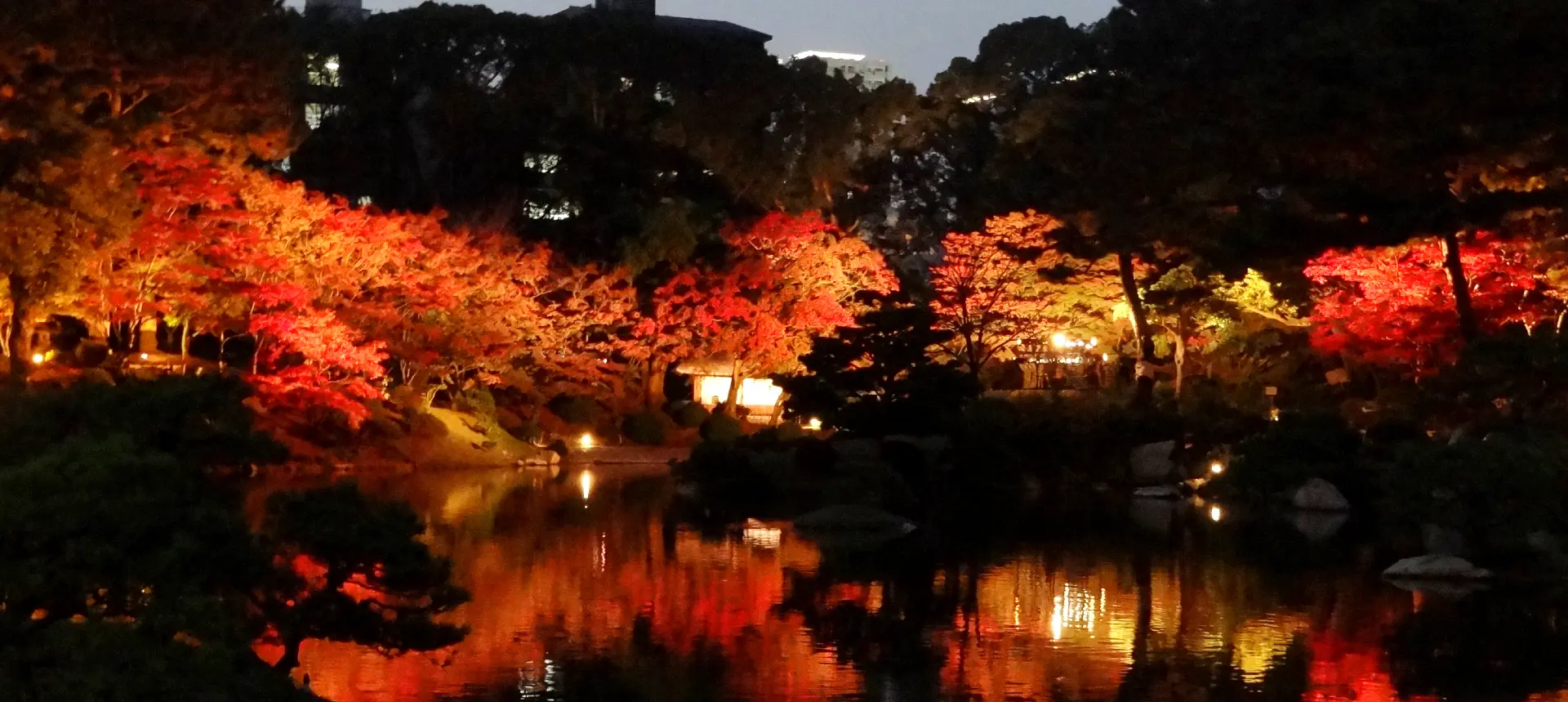
Shukkeien Garden was created from 1620 by Asano Nagaakira, lord of the Hiroshima Domain, as the garden of his villa.
In Takuei Pond, which spreads across the center of the garden, float islands called Tsuru-jima and Kame-jima, created with wishes for longevity. The pond is brackish water, a mix of fresh water and seawater, and is home to fish such as mullet that live in seawater. Wild birds also fly in to prey on them.
Around the pond, teahouses, small pavilions, mountains, rivers, and islands are skillfully arranged, creating a stroll garden where visitors can walk around the grounds along garden paths.
8. Itsukushima Shrine
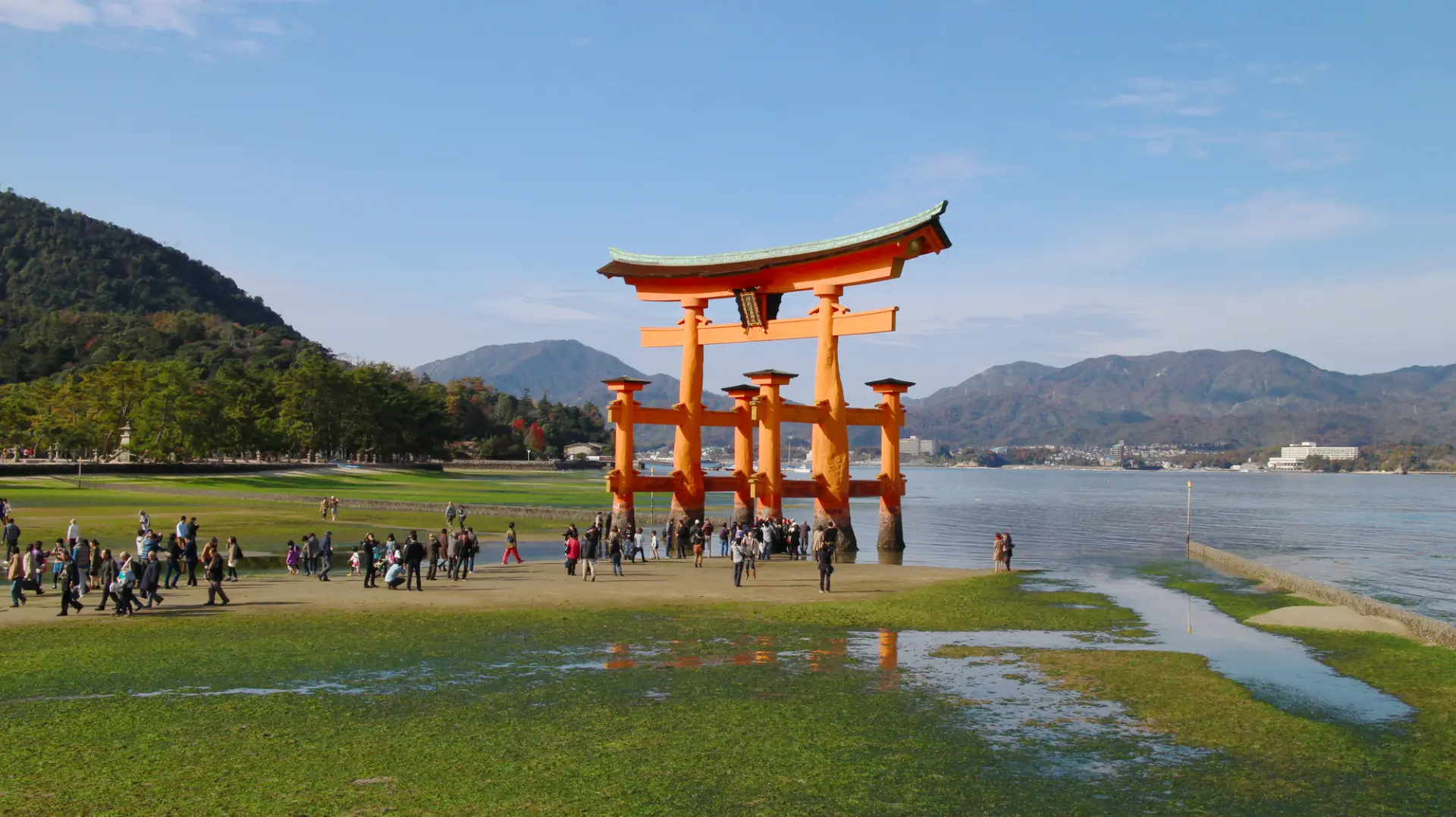
Itsukushima Shrine stands on Itsukushima, known as the Island of the Gods.
Most of the shrine buildings within the grounds are designated as National Treasures or Important Cultural Properties. The great torii gate standing in the sea completed the three-and-a-half-year Reiwa-era major restoration in 2022 and has been restored to its vivid vermilion color, giving it an even more powerful appearance.
The shrine is also illuminated from around sunset until 11:00pm, creating a fantastical scene quite different from the daytime.
9. Fukuyama Auto & Clock Museum
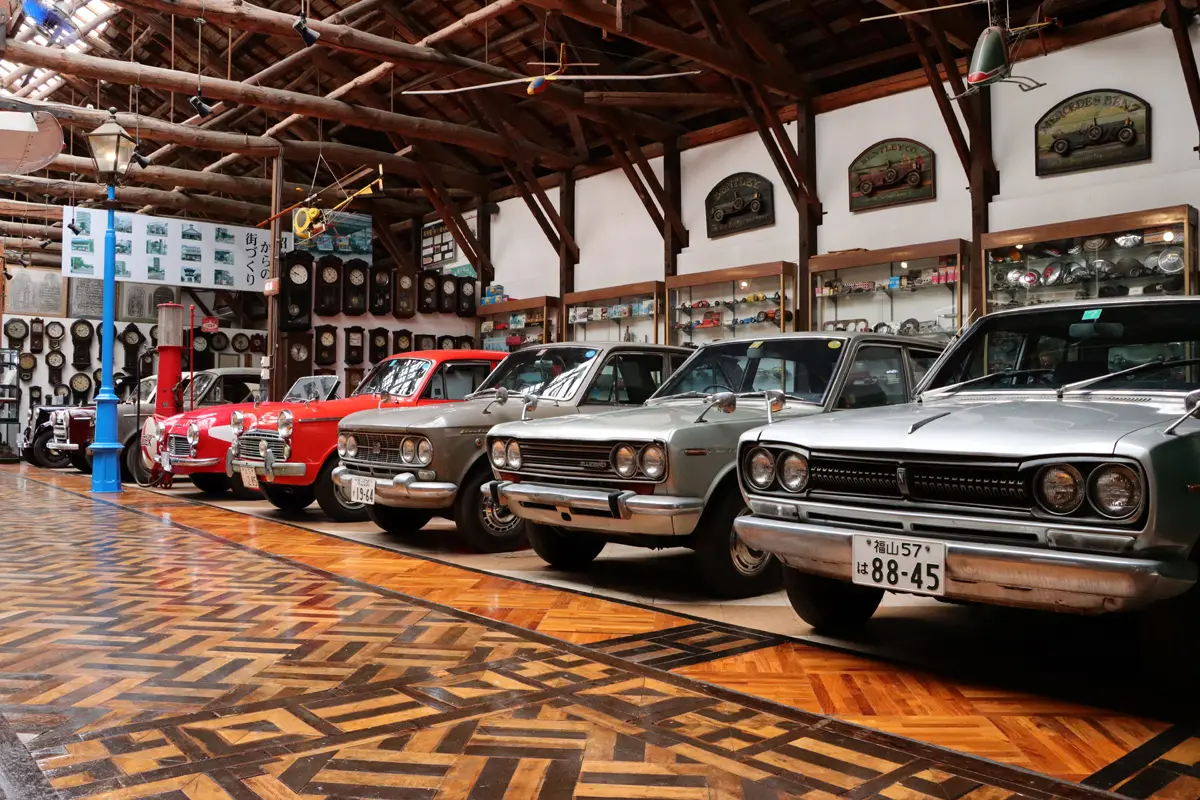
A museum with classic cars from Japan and abroad, along with antique clocks.
With hands-on exhibits as its motto, the displays inside can not only be viewed but also photographed.
The biggest highlight here is the collection of classic cars. A diverse lineup of vehicles is displayed inside and outside the museum, including passenger cars built before World War II such as the Ford Model T and Datsun Sedan, three-wheeled trucks once nicknamed “Batanko,” and motorcycles with sidecars.
10. Okunoshima (Rabbit Island)
A small island of about 4km around, designated as part of Setonaikai National Park.
It was once home to a poison gas factory and is also known as “the island erased from maps.”
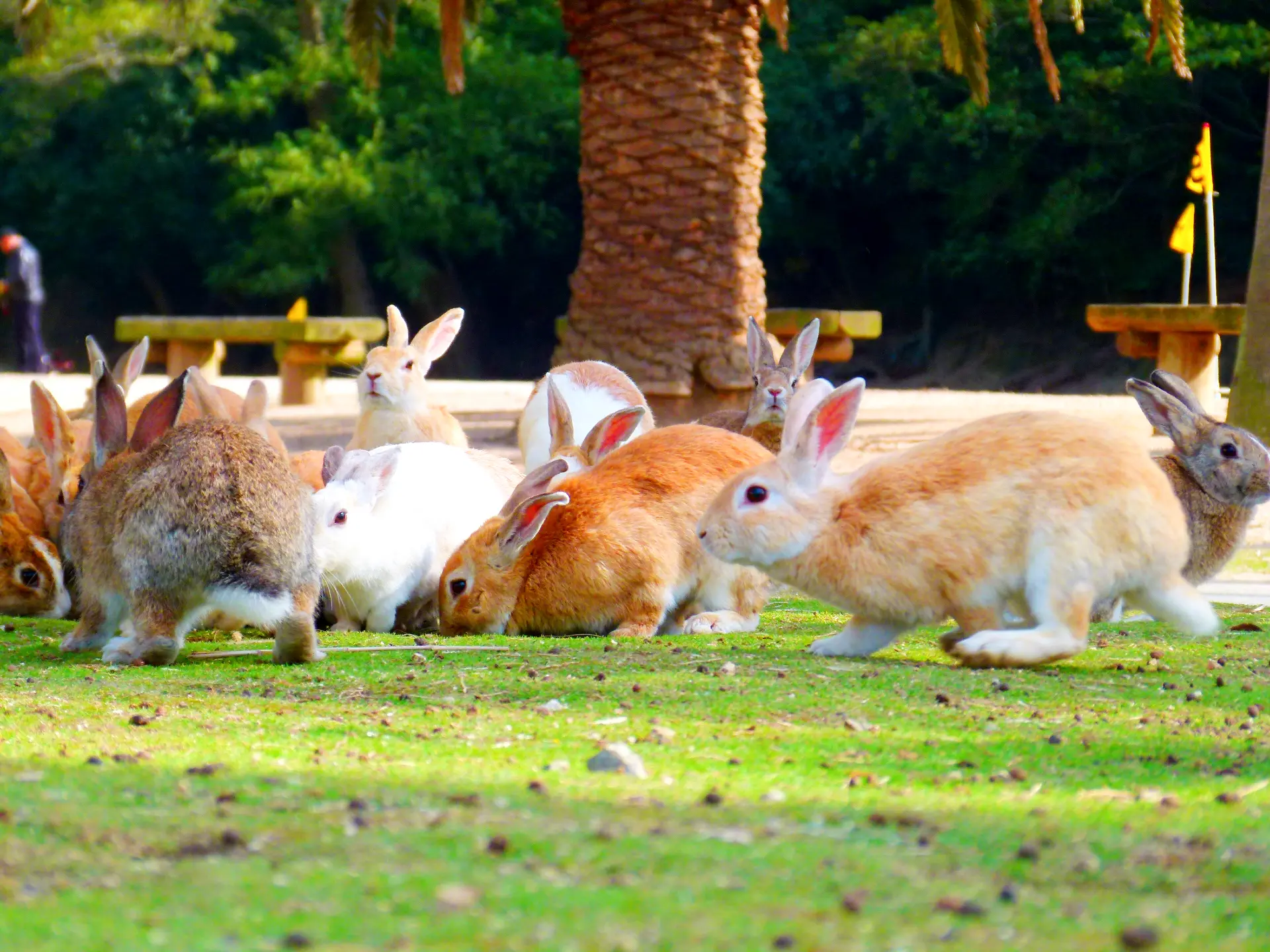
Today, 500 to 600 rabbits live on the island, and in recent years it has also become known as Rabbit Island, attracting attention on the internet and social media and drawing many visitors from Japan and abroad.
11. Kaita General Park
A general park in Kaita Town, located about 10 minutes from JR Hiroshima Station on the Kure Line.
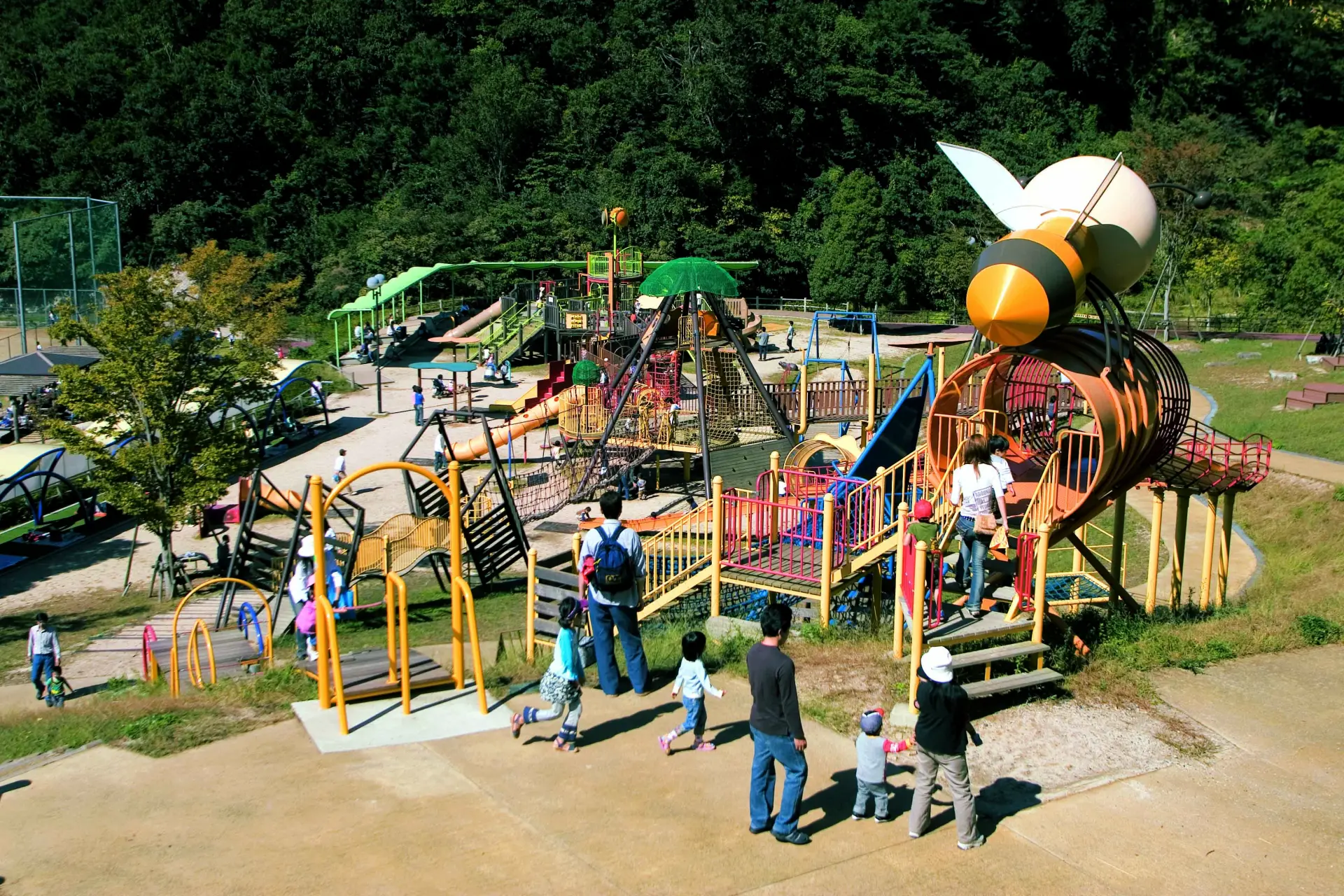
Taking advantage of its rich natural environment, the park features walking paths where visitors can leisurely enjoy places such as an herb garden, a seasonal plaza, and a fruit garden, along with flowers and herbs throughout the year.
The management building hall also has Honey Cafe, which is another nice feature, as it can be used for light meals or as a coffee shop.
12. Alley Karasukojima
One of the component parts of the Japan Heritage site “Naval Ports of Japan: Yokosuka, Kure, Sasebo, and Maizuru,” this park lets visitors feel the remnants of Kure’s past as a thriving naval port.
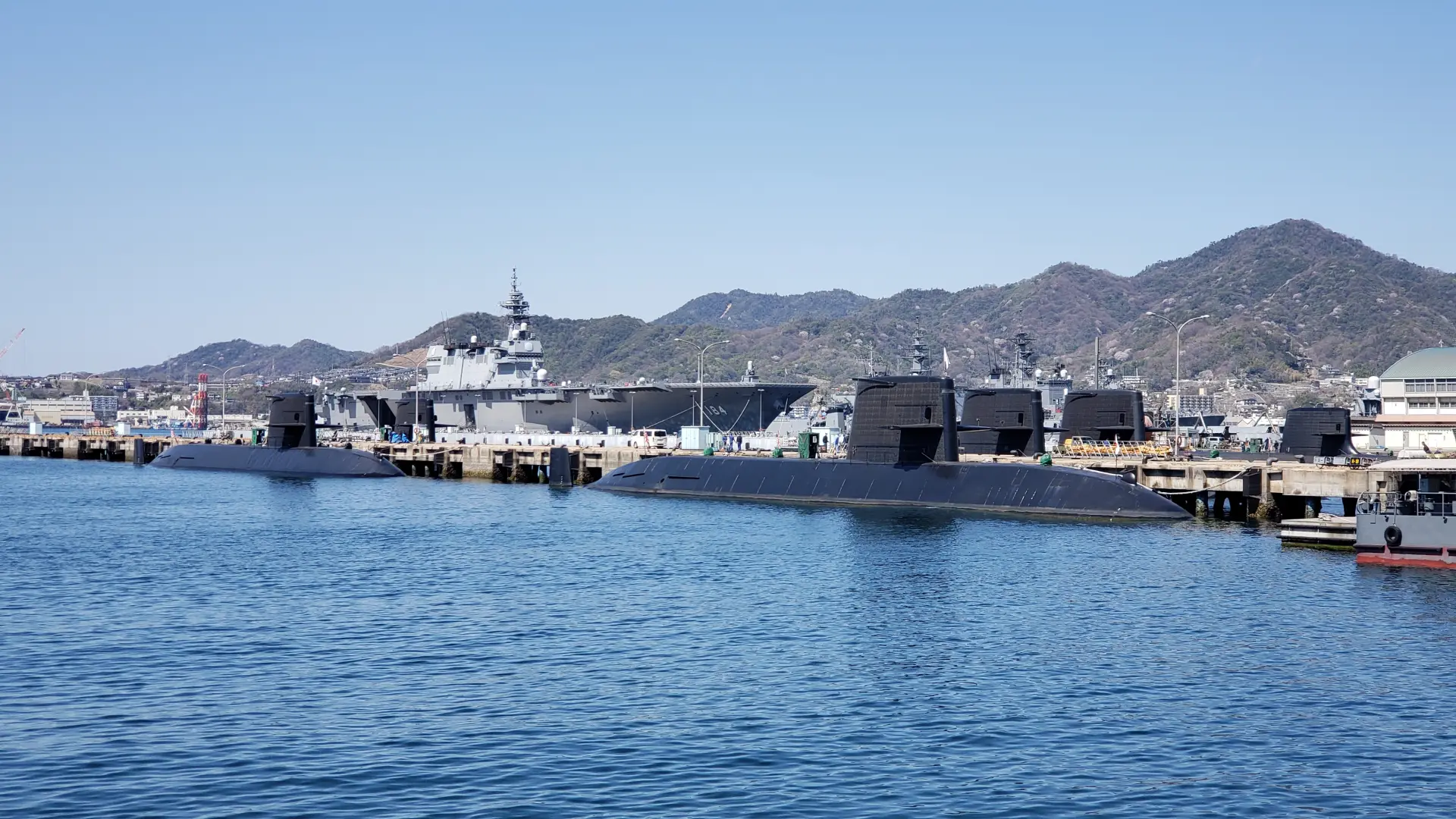
It is known as one of the rare spots in the world where you can see submarines up close.
Today, it has been developed as a park where you can closely observe Japan Maritime Self-Defense Force submarines and escort ships docked nearby.
13. Fukuyama Castle Museum
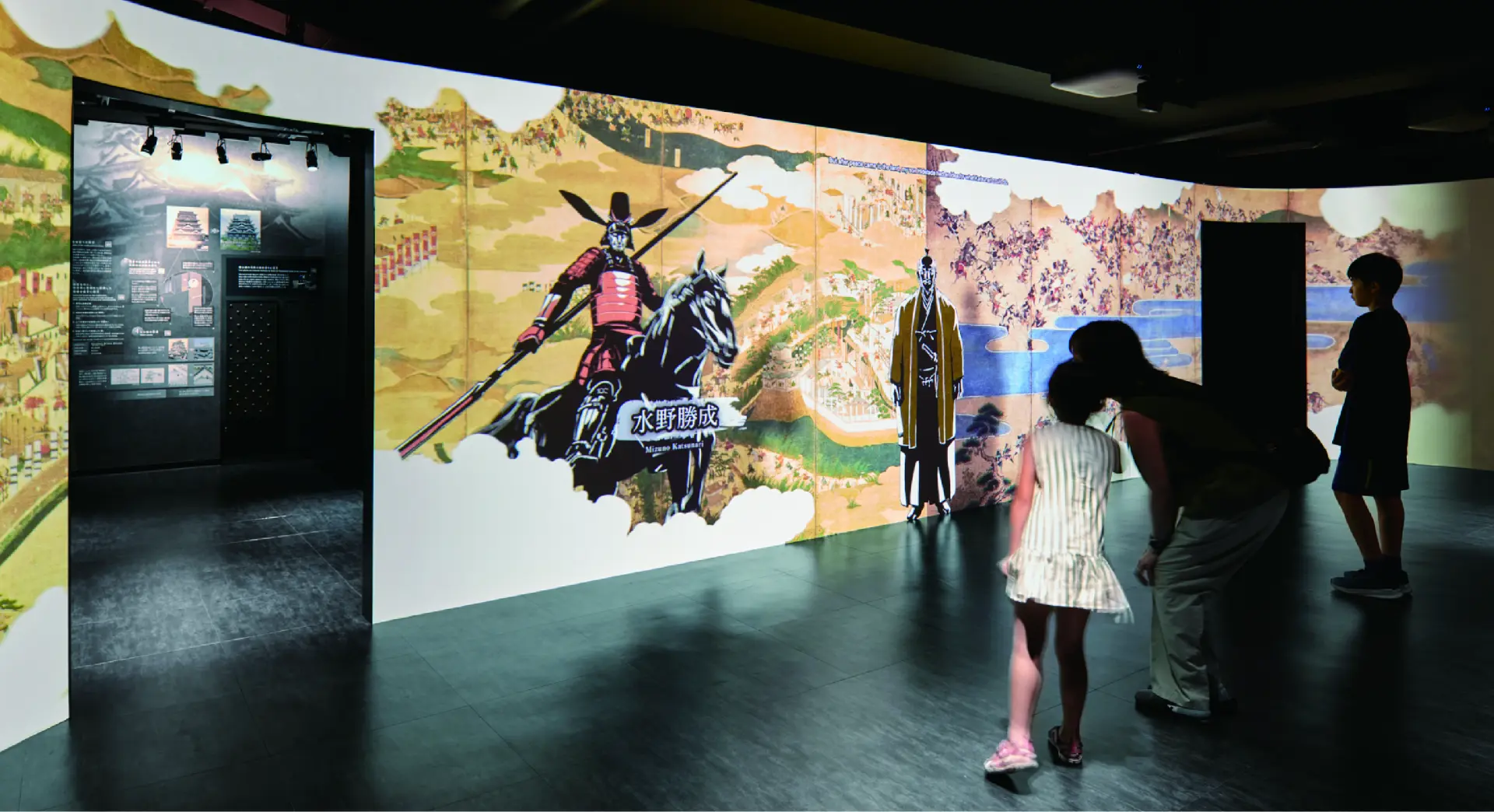
A history museum inside the castle tower of Fukuyama Castle, located in front of Fukuyama Station in Hiroshima Prefecture. Fukuyama Castle was built in 1622 by Mizuno Katsunari, a cousin of Tokugawa Ieyasu.
Selected as one of Japan’s Top 100 Castles, this famous castle is admired for its magnificent appearance. It was renewed in 2022, and the iron-plated north side of the castle tower, the only one of its kind in Japan, was also recreated.
The museum has also incorporated the latest visual technology and interactive exhibits, making it an even more enjoyable place to learn about Fukuyama Castle and the Fukuyama Domain.
Perfect Bases for Family Trips! 3 Recommended Places to Stay in Hiroshima
From among Hiroshima’s many hotels, here are some with convenient locations for accessing popular sightseeing spots in Hiroshima City.
All of them also offer a full range of services and facilities that are great for families with children, so you can stay with peace of mind.
When traveling with children, it is also important to reduce travel time as much as possible, so please use this as a reference when choosing where to stay.
1. Comfort Hotel Hiroshima Otemachi
Comfort Hotel Hiroshima Otemachi is located a 1-minute walk from Chuden-mae Station.
Its appeal lies in its convenient location with easy access to popular sightseeing spots such as Hiroshima Castle and the Atomic Bomb Dome.
The simple, clean guest rooms are equipped with comfortable Serta beds and original sleep-support pillows to help guests rest well.
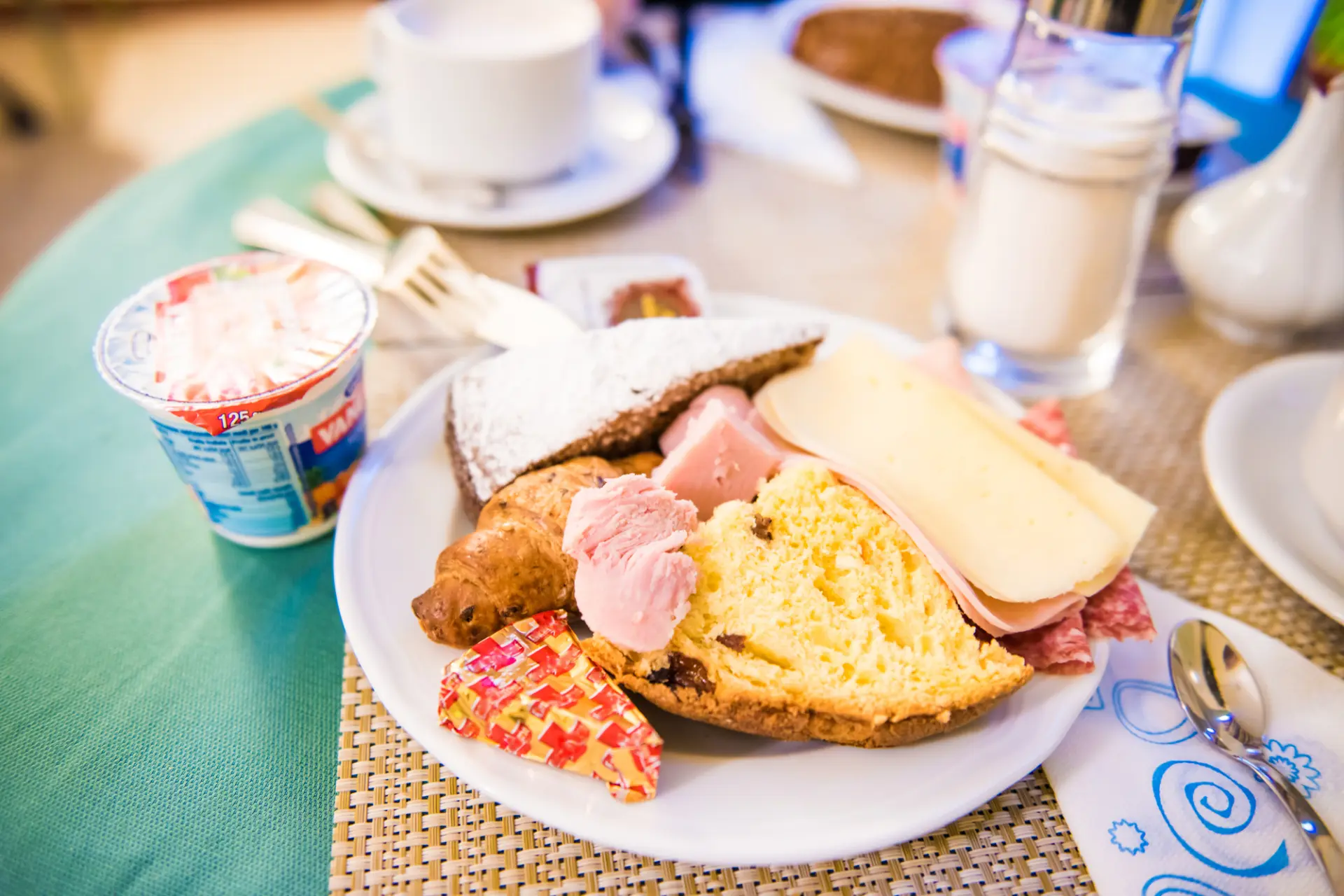
Another nice point is the complimentary buffet-style breakfast.
With services such as free stays for children sharing a bed and baby crib rentals, families with small children can stay here with peace of mind.
2. ANA Crowne Plaza Hiroshima
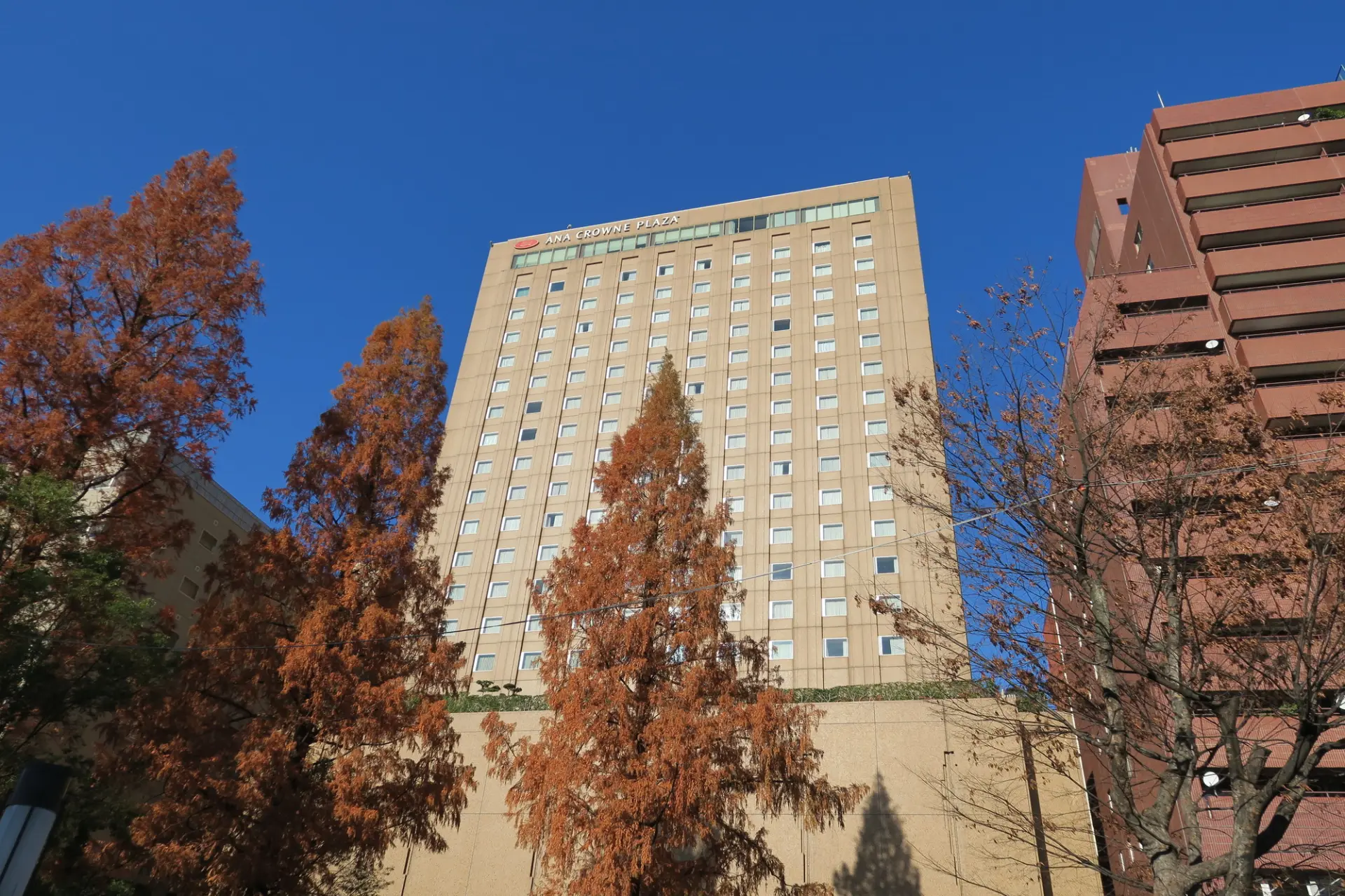
A hotel in central Hiroshima with convenient access to Peace Memorial Park and the downtown area.
The guest rooms are divided into three floor categories, Club, Middle, and Standard, and one of the hotel’s main attractions is that you can choose the room that best suits your preferred view, space, and number of guests.
The hotel also has four restaurants serving authentic Japanese, Western, and Chinese cuisine.
In addition, a Rooftop Beer Garden opens only during the summer season.
Its garden barbecue and dessert buffet, which families can also enjoy while taking in Hiroshima’s cityscape and evening views from 85m above ground, are especially popular.
3. Hotel Granvia Hiroshima
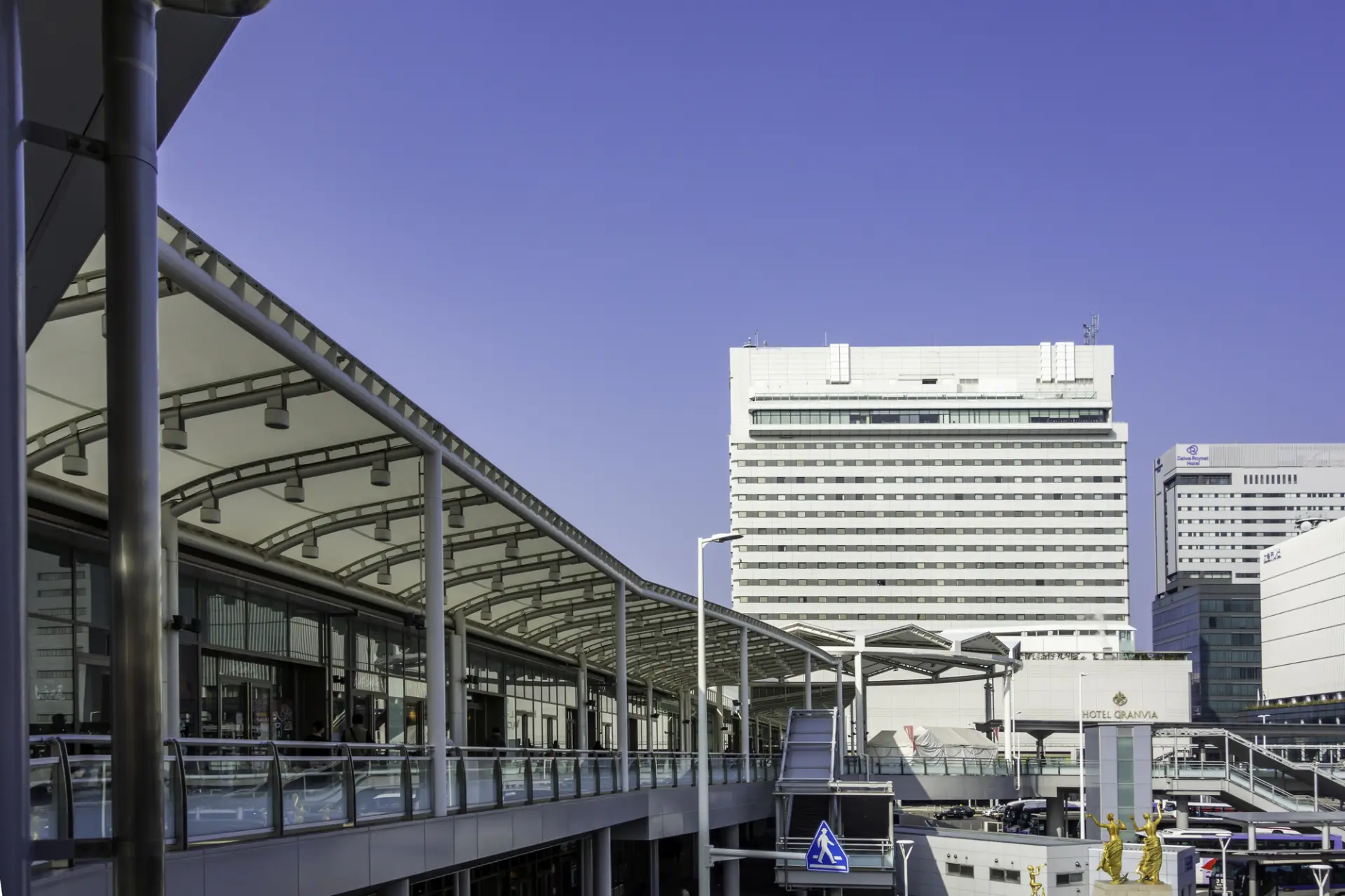
A hotel directly connected to JR Hiroshima Station in a highly convenient location, making it easy to visit places such as the Atomic Bomb Dome and Itsukushima Shrine.
The guest rooms come in four different floor types with distinct concepts, allowing you to choose according to your travel style and purpose.
Another attraction is the commitment to comfortable sleep, with American-made pocket coil beds and Tempur pillows in every room.
Inside the hotel are nine dining venues covering a wide range of genres, including a sky restaurant, bar, buffet, Japanese restaurant, and Chinese restaurant.
Baby cribs and bed guard rentals are also available, so families traveling with children can stay here with peace of mind.
A 2-Day Model Course for Family Sightseeing in Hiroshima
This 2-day, 1-night model course focuses on the spots introduced in this article while taking you around Hiroshima City’s popular sightseeing attractions.
It is easy to get around by public transportation and on foot, and travel time between spots is short.
It is also recommended to add one more night and visit sightseeing spots outside Hiroshima City.
- Day 1
- Hiroshima Station → Travel to Miyajima by JR + ferry → Omotesando Shopping Street → Itsukushima Shrine → Miyajima Aquarium Miyajimarin → Hotel Granvia Hiroshima
- Day 2
- Hotel Granvia Hiroshima → Atomic Bomb Dome → Orizuru Tower → 5-Days Children's Museum of Culture and Science → Hiroshima Station
FAQ about Sightseeing in Hiroshima with Your Family
Q
Are there spots in Hiroshima that children can enjoy too?
Yes, there are plenty of family-friendly places to enjoy, including science museums and zoos.
Q
What is the recommended season for family sightseeing in Hiroshima?
Spring and fall are recommended. The weather is mild, making it comfortable to enjoy outdoor spots as well.
Summary
This article has introduced sightseeing spots in Hiroshima that families can enjoy together, along with recommended accommodations.
We hope you will enjoy experiences unique to Hiroshima and make special memories with your family.
If you want to learn more about sightseeing spots in Hiroshima, be sure to check out this article as well.