


First Time in Hiroshima? Where Should You Go?
Hiroshima Prefecture Travel Guide
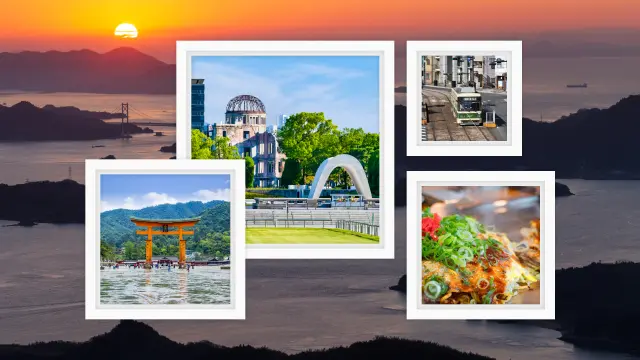
Hiroshima Prefecture offers a wide variety of attractions, from the World Heritage sites of Itsukushima Shrine and the Atomic Bomb Dome to rich history, culture, and nature. In central Hiroshima City, you can enjoy urban sightseeing with Peace Memorial Park as well as lively entertainment districts and shopping facilities. Charming towns such as Onomichi and Tomonoura dot the Seto Inland Sea coast, while each area has its own distinctive highlights, including the Yamato Museum in Kure and the Tobishima Kaido, which links islands by bridges.
Venture into the north of the prefecture to discover flower fields, gorges, and mountains that change with the seasons. With plenty of local specialties such as oysters, conger eel, and other seafood from the Seto Inland Sea, as well as okonomiyaki, you can savor a variety of flavors wherever you go.
Where World Heritage Sites, Seto Inland Sea Islands, and Mountain Scenery Come Together
Explore Hiroshima by Area

-
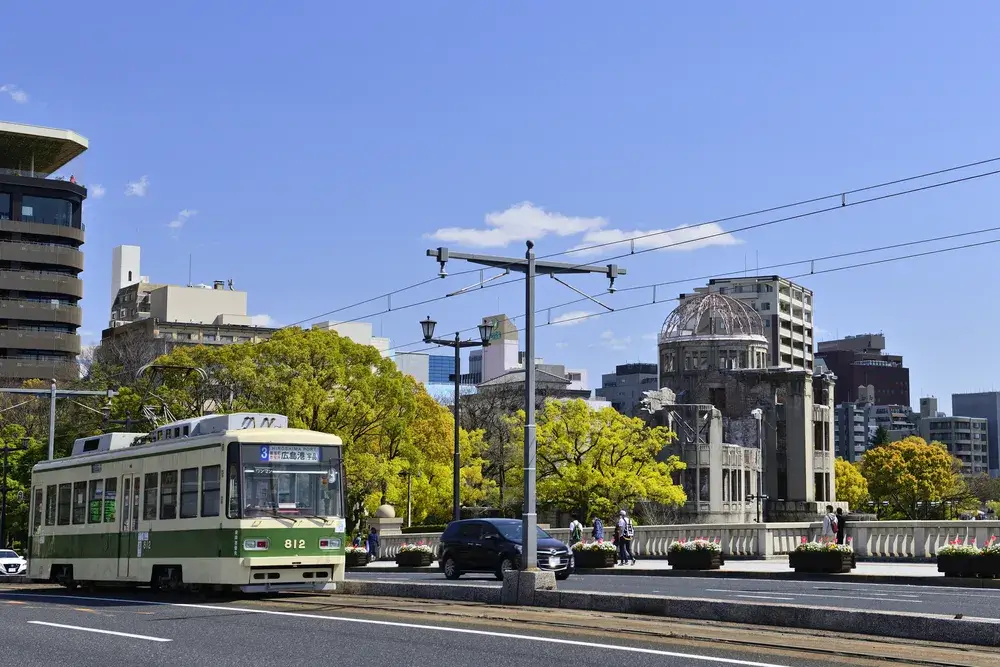
Peace Memorial Park / Hiroshima Castle / Hatchobori Naka Ward, Hiroshima City
The heart of sightseeing in the city, where Hiroshima's signature attractions such as Peace Memorial Park, the Atomic Bomb Dome, and Hiroshima Castle are concentrated. Kamiyacho and Hatchobori are home to department stores, shopping facilities, and restaurants, so you can enjoy shopping and dining between sightseeing stops. The area also features an extensive network of streetcars and buses, making it easy to get around the city.
-
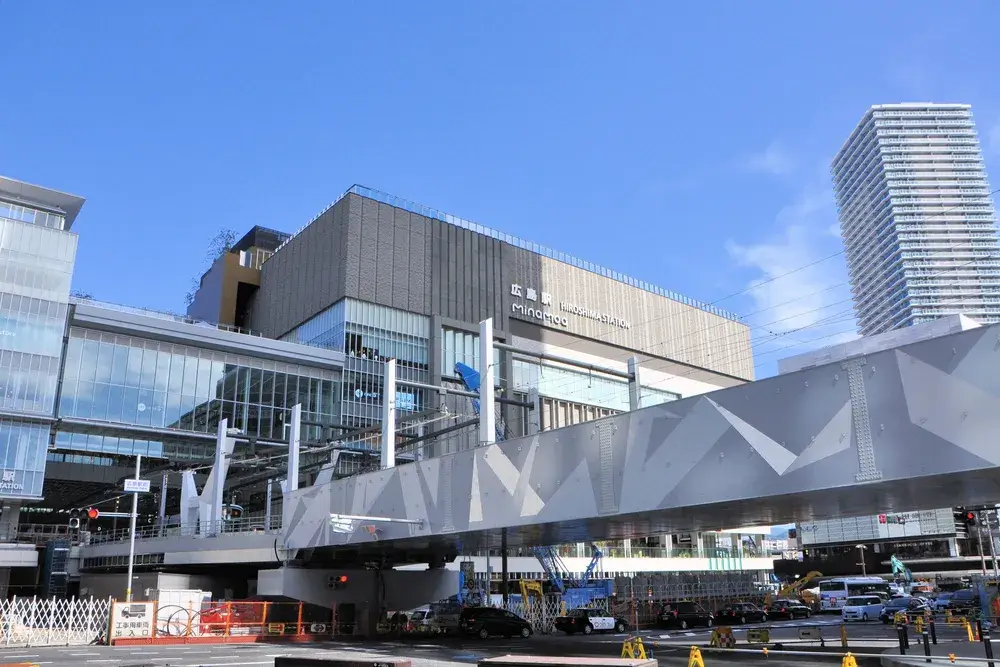
Hiroshima Station / Hijiyama / Ujina Higashi Ward & Minami Ward, Hiroshima City
Centered on Hiroshima Station, the gateway to Hiroshima, this area stretches from Hijiyama to Ujina, home to Hiroshima Port. Shopping facilities and restaurants cluster around the station, while Hijiyama is dotted with cultural spots such as parks and an art museum. Boats to Miyajima and the islands of the Seto Inland Sea depart from Hiroshima Port in Ujina, making it a starting point for island-hopping trips.
-
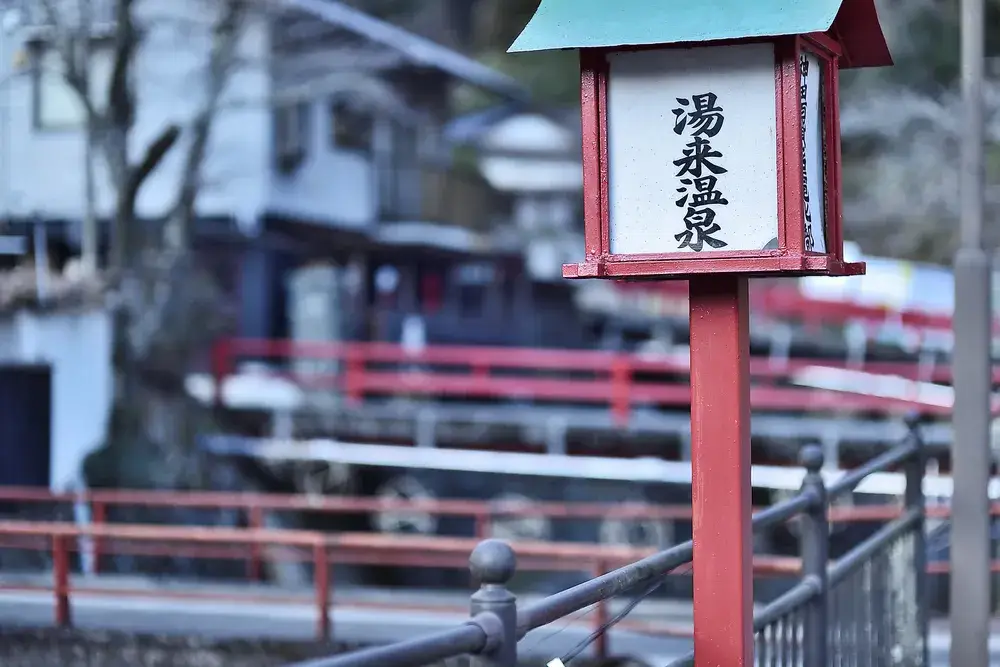
Yokogawa / Itsukaichi / Yuki Nishi Ward & Saeki Ward, Hiroshima City
The western part of Hiroshima City shows many different faces, from lively town centers to hot spring villages in the mountains. Yokogawa and Itsukaichi are lined with restaurants and shops, and further inland lies Yuki Onsen, surrounded by lush nature. It's the perfect choice when you want to venture out from the city to enjoy hot springs or outdoor activities in nature.
-
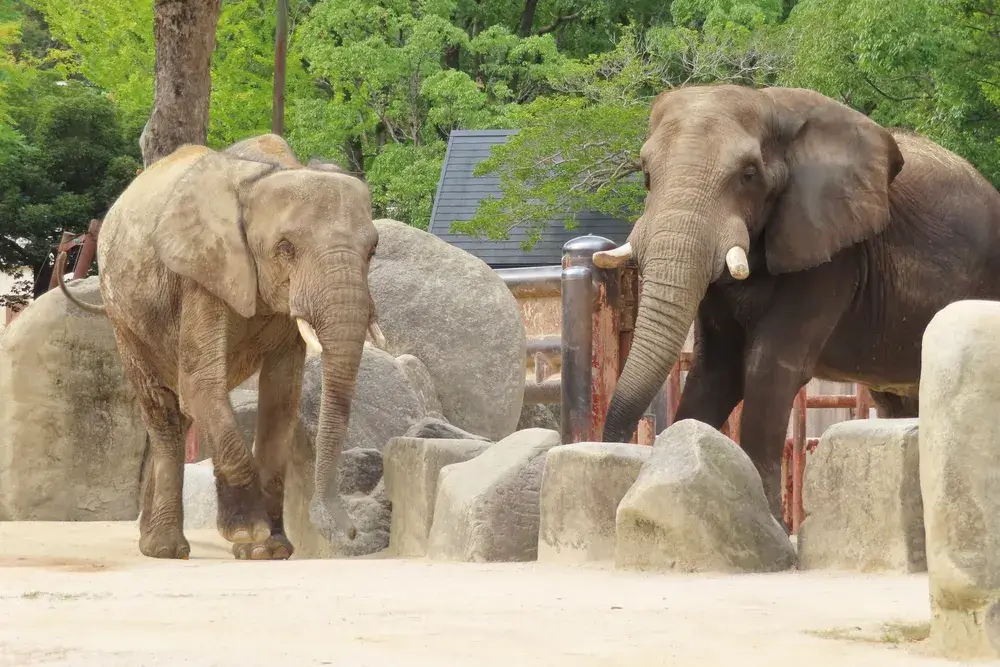
Gion / Asa Zoological Park / Kabe Asaminami Ward & Asakita Ward, Hiroshima City
The northern part of Hiroshima City, where rich nature surrounds residential neighborhoods. Spots for enjoying nature are scattered throughout, including Asa Zoological Park, Hiroshima City Forest Park (Hana Midori Koen), and Nanbara Gorge. In Kabe, old folk houses remain along the former highway, letting you stroll through streets steeped in history.
-
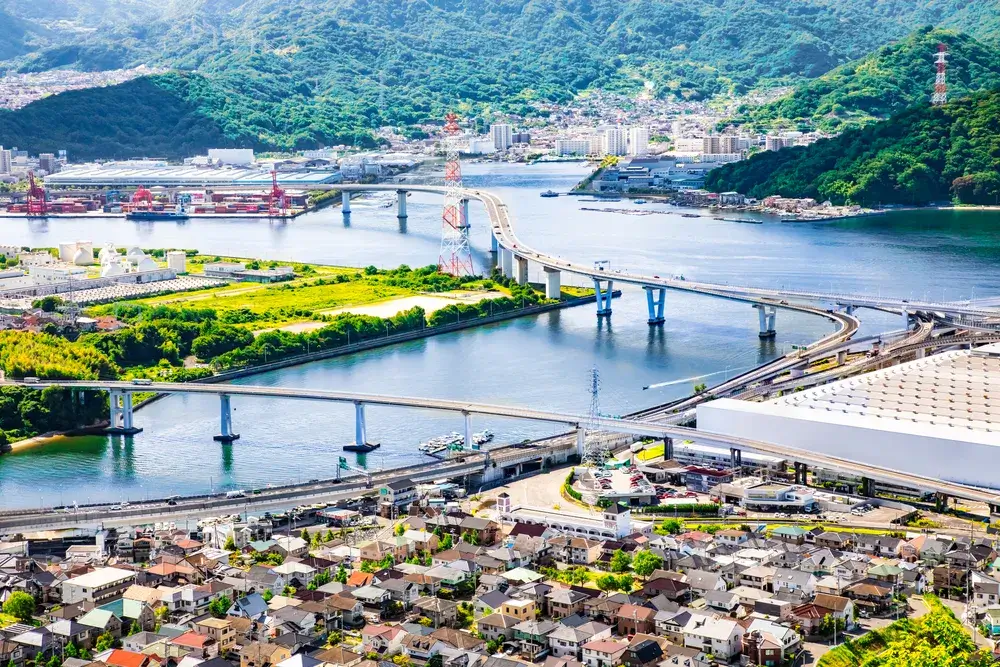
Senogawa / Kumano / Saka Aki Ward (Hiroshima City), Fuchu Town, Kaita Town, Kumano Town & Saka Town
Centered on Kumano Town, famous for its brushes, this area extends from eastern Hiroshima City to the Seto Inland Sea coast. In Kumano, you can learn about the history and culture of brush-making, while Saka is home to Kirari Sakanagisa Park, a filming location for the movie "Drive My Car." Kaita and Saka also offer seaside scenery.
-
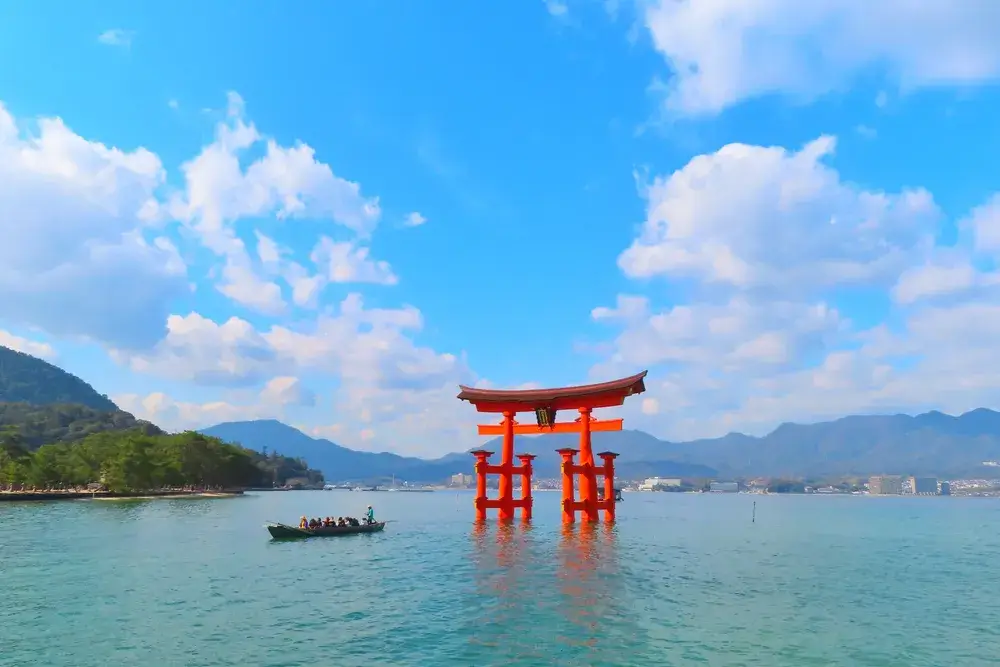
Miyajima / Miyahama Onsen / Otake Hatsukaichi City & Otake City
A coastal area along the Seto Inland Sea that includes Miyajima, home to the World Heritage site of Itsukushima Shrine, as well as Miyahama Onsen and Otake City. Miyajima is filled with historic temples, shrines, and shopping streets, while across the water at Miyahama Onsen you can soak in hot springs overlooking the Seto Inland Sea. Otake City is home to the Simose Art Museum, known for its striking architecture, making it a great destination for art lovers.
-
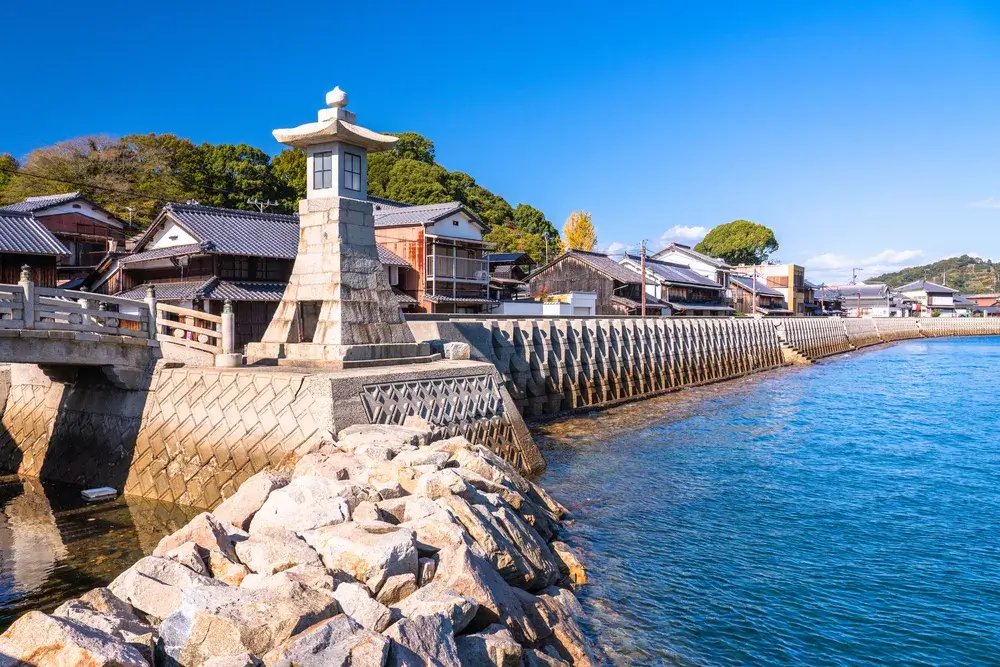
Kure / Etajima / Tobishima Kaido Kure City & Etajima City
An area with diverse highlights: Kure, which preserves the history of shipbuilding and the navy; Etajima, floating in the Seto Inland Sea; and the Tobishima Kaido, which links islands by bridges. Visit the Yamato Museum in Kure and facilities associated with the former Imperial Japanese Naval Academy on Etajima. The Tobishima Kaido is also great for drives and cycling.
-

Saijo / Takehara / Osakikamijima Higashihiroshima City, Takehara City & Osakikamijima Town
This area includes Saijo in Higashihiroshima City, lined with sake breweries; Takehara, where historic streets remain; and Osakikamijima, floating in the calm Seto Inland Sea. Tour the sake breweries in Saijo, stroll through Takehara's streets, or take a trip to Okunoshima, known as Rabbit Island. On Osakikamijima, spend a relaxing time gazing out at the sea.
-
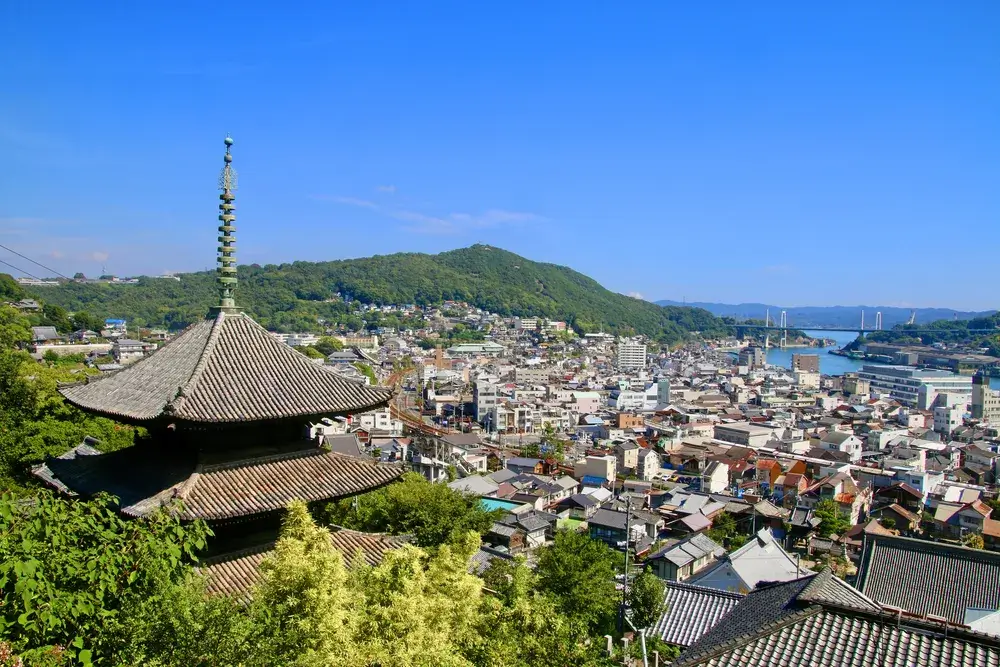
Mihara / Onomichi / Sera Mihara City, Onomichi City & Sera Town
An area with a wide range of attractions, from Mihara, home to Hiroshima Airport, to Onomichi, the town of slopes, and the Sera Plateau with its vast flower fields. In Mihara, visit historic sites such as the Mihara Castle ruins; in Onomichi, wander the slopes and alleys to explore temples, shrines, and townscapes. Sera's highlight is its expansive flower fields that change with the seasons.
-
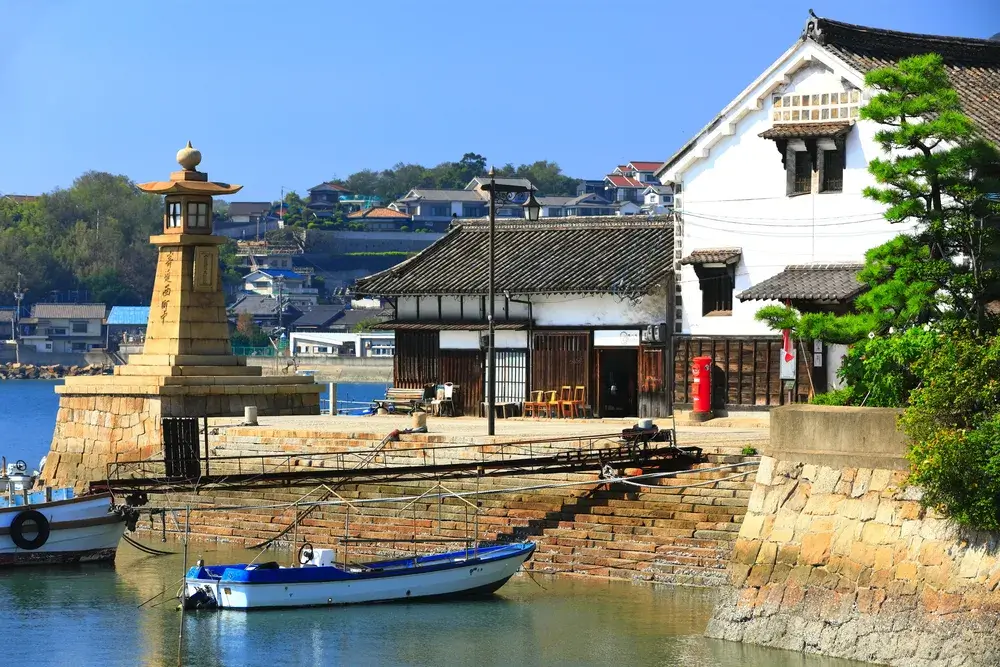
Fukuyama / Tomonoura / Fuchu Fukuyama City & Fuchu City
Using Fukuyama, the main city of eastern Hiroshima Prefecture, as your base, head to Tomonoura facing the Seto Inland Sea and inland Fuchu City. In Fukuyama, visit historic sites such as Fukuyama Castle, and in Tomonoura, stroll through the port town. Joge in Fuchu City retains white-walled and namako-walled streetscapes that tell of its prosperous history as a shogunate-controlled territory, letting you feel the atmosphere of the past as you walk.
-
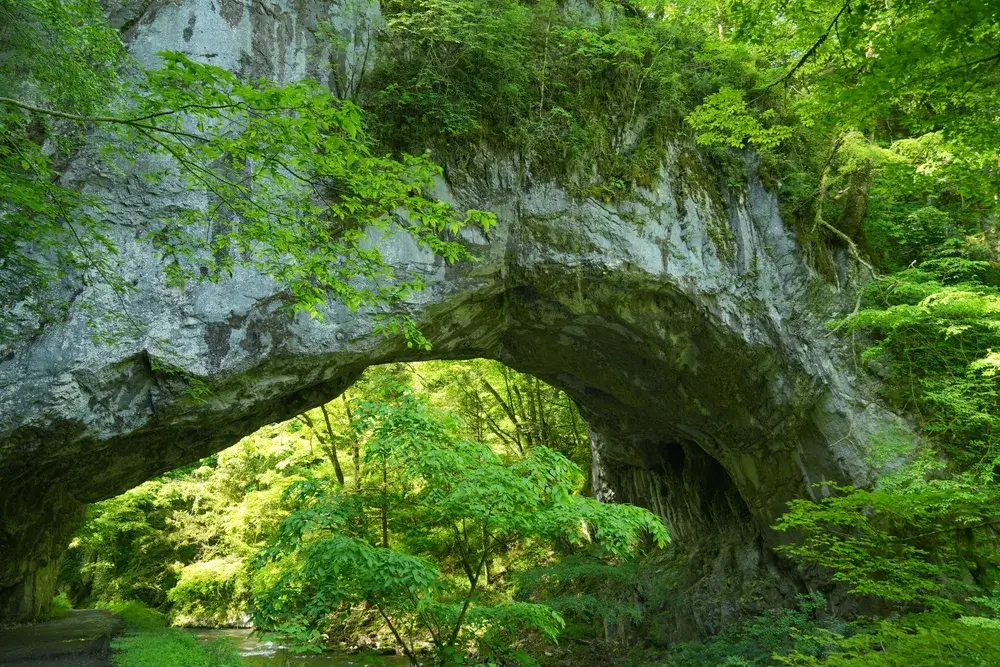
Miyoshi / Shobara / Taishakukyo Miyoshi City, Shobara City & Jinsekikogen Town
An area where you can experience the magnificent nature of the northeastern part of the prefecture, including mountains, gorges, and highlands. In Miyoshi, visit spots such as the Miyoshi Mononoke Museum, and in Shobara, enjoy highland scenery and nature through the seasons. Taishakukyo Gorge, spanning Shobara City and Jinsekikogen Town, features varied landscapes such as the Ondoribashi natural bridge and Lake Shinryu.
-
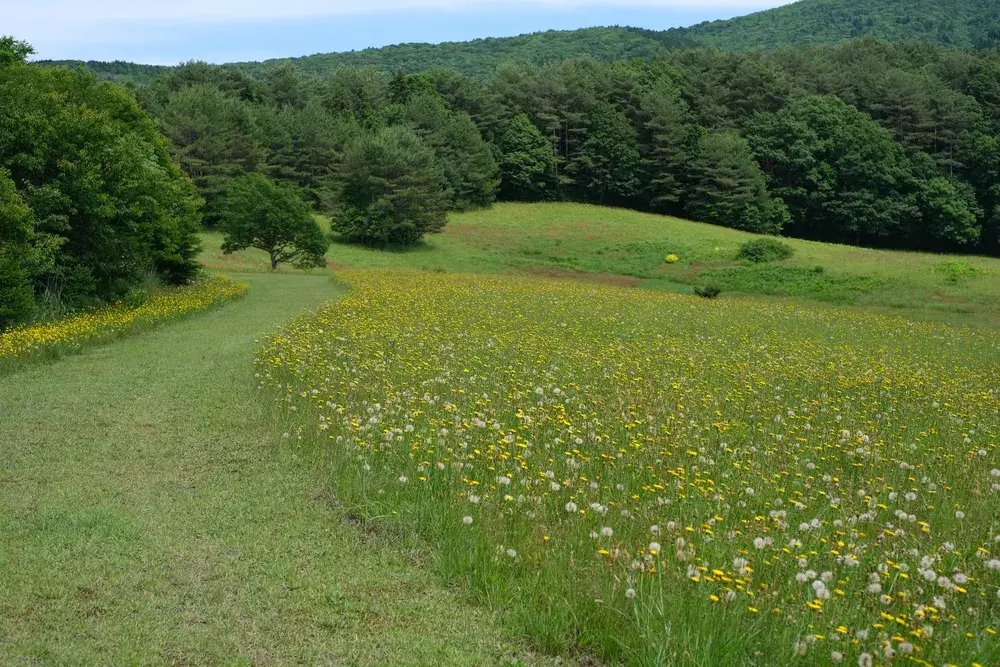
Akitakata / Sandankyo / Kitahiroshima Akitakata City, Akiota Town & Kitahiroshima Town
An area in the northwest of the prefecture where you can enjoy both history and culture and nature, with historic sites associated with the Mori clan, kagura culture, gorges, and highlands. In Akiota, admire the gorge scenery of Sandankyo, a Special Place of Scenic Beauty, while Kitahiroshima is home to sprawling highlands and wetlands. In Akitakata, watching the kagura performances passed down through generations is also recommended.
GOOD LUCK TRIP Recommends
Must-Visit Attractions for Your First Trip to Hiroshima
-
 Miyajima, Miyahama Onsen, Otake1. Itsukushima Shrine
A Shrine Registered as a World Heritage Site as of 1996.
-
 Peace Memorial Park, Hiroshima Castle, Hatchobori2. Atomic Bomb Dome (Hiroshima Peace Memorial Park)
An esteemed building artifact that stands in remembrance of the bombing of Japan. The Peace Bell stands at Hiroshima Peace Memorial Park
-
 Fukuyama, Tomonoura, Fuchu3. Tomonoura
The bay from famous Hollywood movies, anime and the Manyoshu anthology
-
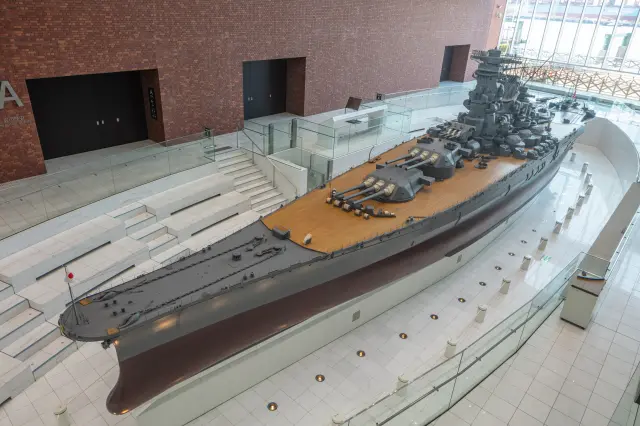 Kure, Etajima, Tobishima Kaido4. Yamato Museum (Kure Maritime Museum)
A museum introducing the history, science, and technology behind Kure’s world-class shipbuilding expertise.
-
 Saijo, Takehara, Osakikamijima5. Okunoshima (Rabbit Island)
Rabbit Island is a small island with a circumference of about 4 km, inhabited by 500-600 rabbits.
Hiroshima Attractions


GOOD LUCK TRIP Recommends
5 Best Things to Do in Hiroshima
-
1. Tour the Seto Inland Sea Islands on the Shimanami Kaido, a Cyclist's Paradise
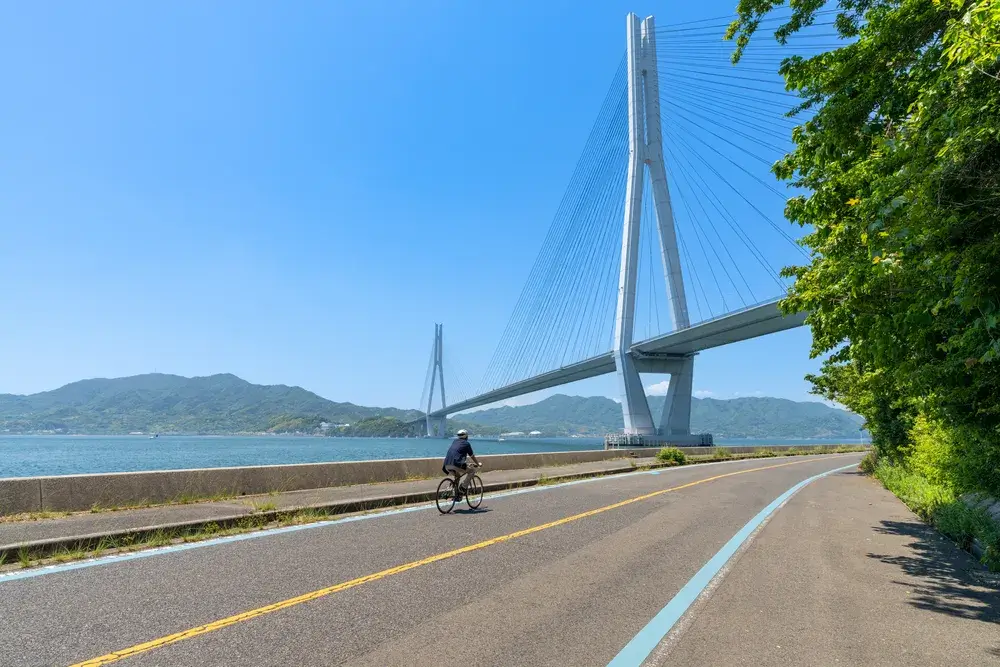
Linking Onomichi in Hiroshima Prefecture with Imabari in Ehime Prefecture, the Shimanami Kaido connects six islands in the Seto Inland Sea by bridges. It was Japan's first cycling route across a strait and is known as a "cyclist's paradise." Ride while taking in views of the sea and islands, stop off for sightseeing on the way, or explore the route by car.
-
 Mihara, Onomichi, SeraShimanami Kaido (Seaway)
A beautiful sea road connecting Honshu and Shikoku, famous as a sacred place for cyclists.
-
 Mihara, Onomichi, SeraInnoshima Park
Park with Coveted Nightscapes and Views Overlooking the Islands of the Seto Inland Sea.
-
 Mihara, Onomichi, SeraKousanji Museum (Kousanji)
A “Temple for Mothers” that Expresses Gratitude for All Mothers Around the World, with Must-See Buildings
-
-
2. Discover Sake Culture in Saijo, the Sake Capital
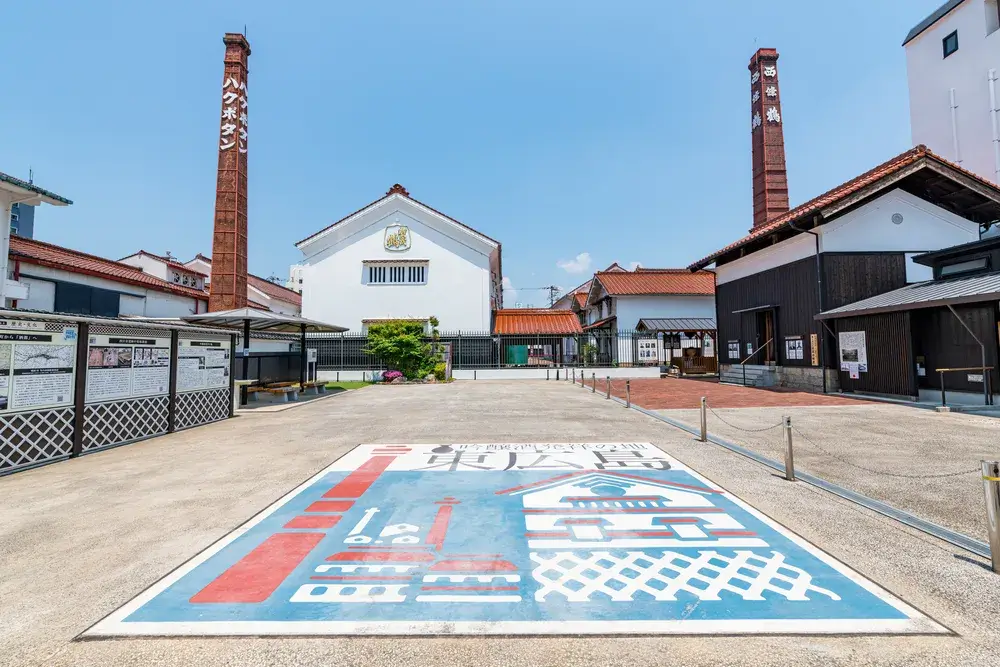
Saijo is one of Japan's three great sake-brewing centers, alongside Nada and Fushimi. Several breweries are located around JR Saijo Station, creating a landscape of red-brick chimneys and white-walled brewery buildings. You can learn about sake-making culture through brewery tours and tastings, and every autumn the Sake Matsuri festival brings together a wide range of sake.
-
3. Discover the Natural Beauty of the Mountains at Sandankyo, Taishakukyo, and More
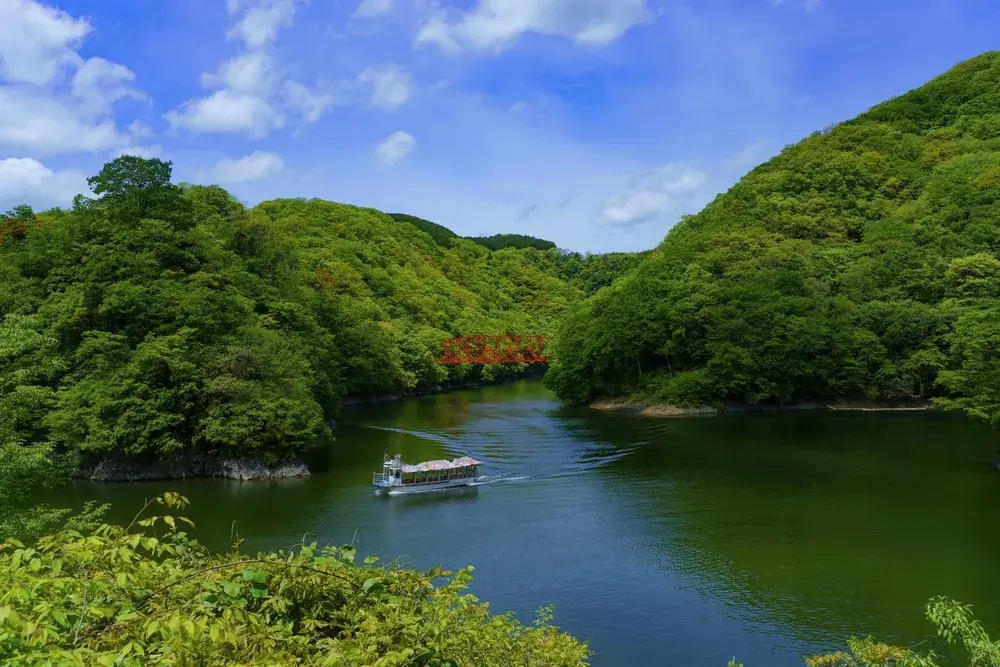
Hiroshima's mountainous areas are home to rich nature, including gorges and peaks. Highlights include Sandankyo, a Special Place of Scenic Beauty; Taishakukyo, known for the Ondoribashi natural bridge and Lake Shinryu; and Miyamakyo, with its series of waterfalls large and small. Enjoy gorge walks, water activities, and hiking to experience natural scenery quite different from the Seto Inland Sea coast.
-
 Akitakata, Sandankyo, KitahiroshimaSandan-kyo
A Special Place of Scenic Beauty designated by the Japanese government, where you can stroll through a landscape reminiscent of a traditional ink painting.
-
 Miyoshi, Shobara, TaishakukyoTaishaku Gorge
Experience mystical, breathtaking scenery sculpted entirely by nature.
-
-
4. Stroll Through Old Towns and Soak Up the Nostalgic Atmosphere
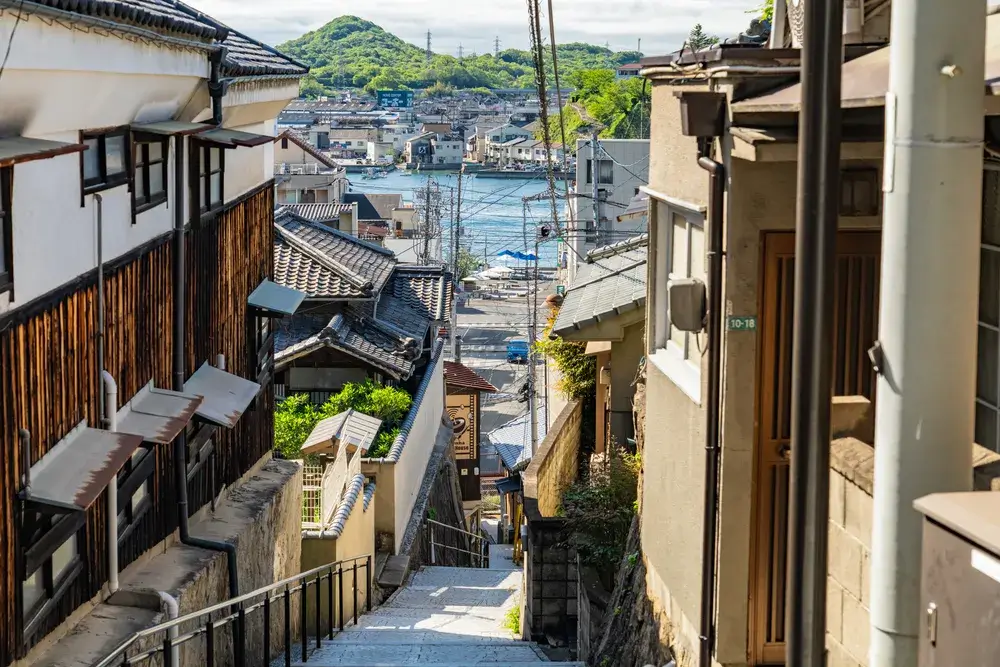
Hiroshima is dotted with towns that retain the atmosphere of bygone days, such as Onomichi with its maze of slopes and alleys, Takehara with its Edo-period streetscapes, and Tomonoura and Mitarai, which prospered as ports where ships waited for the tide. Take your time and wander wherever your feet lead you, admiring old-fashioned shops and historic buildings along the way.
-
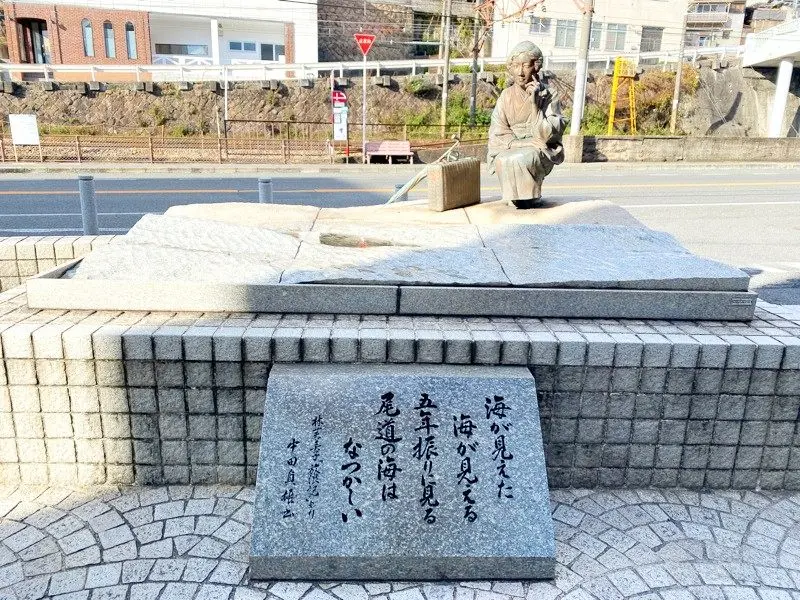 Mihara, Onomichi, SeraOnomichi Hondori (Main street) Shopping district
A retro shopping district full of photo-worthy spots.
-
 Kure, Etajima, Tobishima KaidoJapan Heritage Mitarai Historic Streetscapes Preservation District
A port town that once flourished as a town of waiting for the wind and tide.
-
-
5. Reflect on Hiroshima's Memories at the Peace Memorial Museum
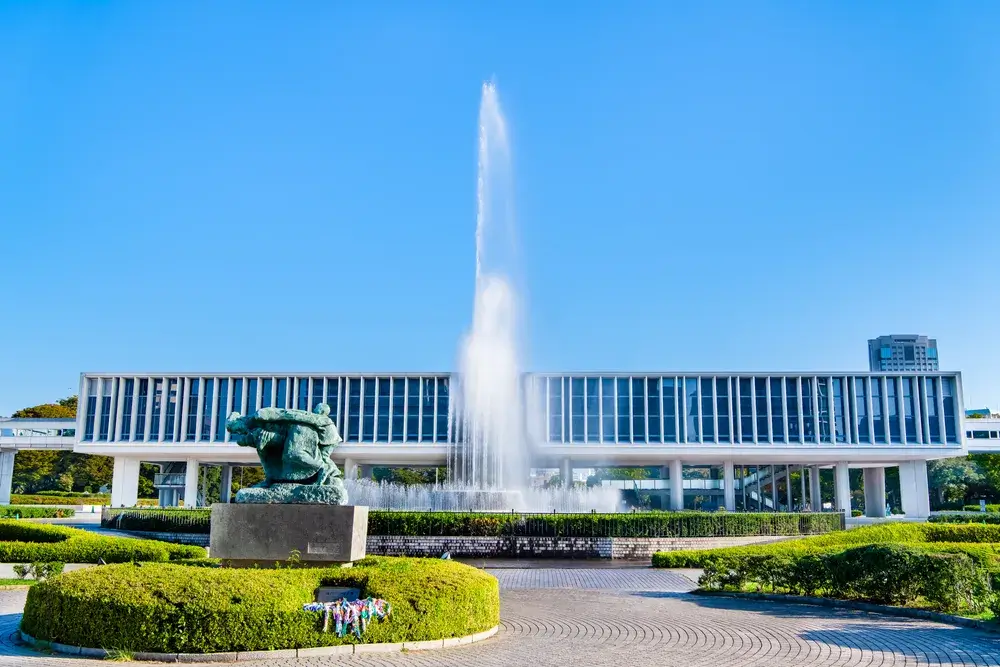
The Hiroshima Peace Memorial Museum conveys the damage caused by the atomic bombing on August 6, 1945, and the path Hiroshima has taken since. The exhibits include belongings left by atomic bomb victims, photographs, and other materials that tell of that time. Visit together with Peace Memorial Park and the Atomic Bomb Dome to learn about Hiroshima's memories and reflect anew on peace.

Hiroshima's Featured Articles






Must-Try Local Food in Hiroshima!
Hiroshima Food Guide
-
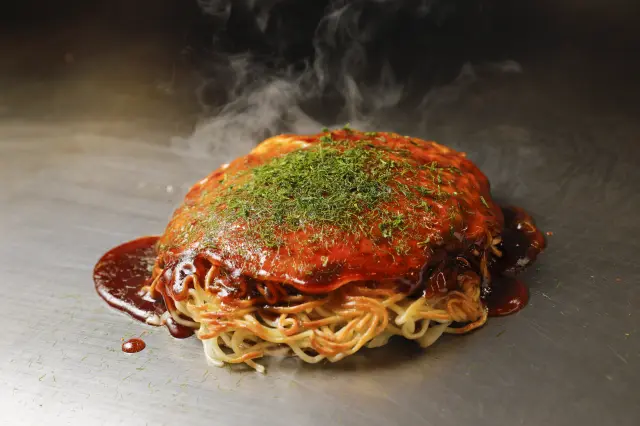
1. Okonomiyaki
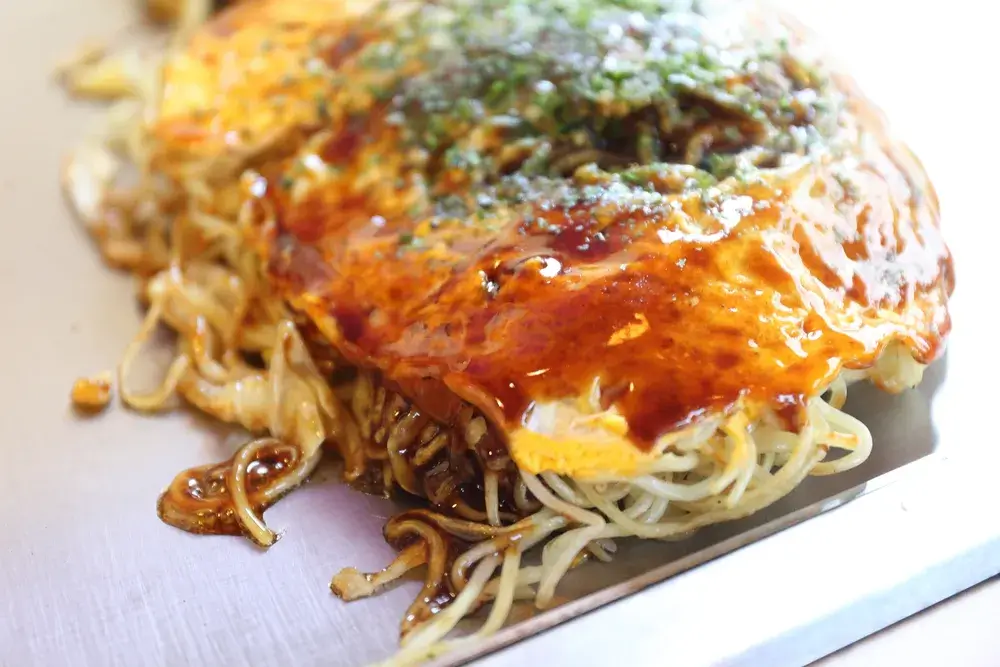
Hiroshima's soul food, made by layering cabbage, pork, noodles, egg, and more with a thin crepe-like batter, then grilling and finishing with sauce. It's fun to try the different regional styles found throughout the prefecture, such as Onomichi-yaki, Bingo Fuchu-yaki, and Shobara-yaki.
-
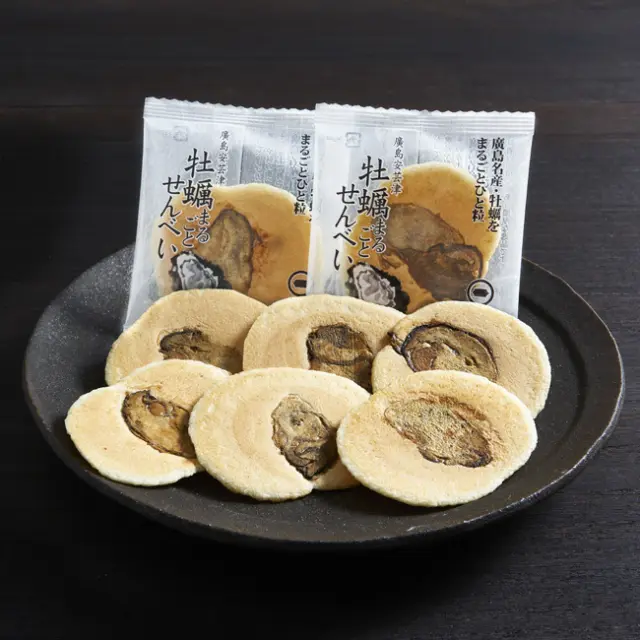
2. Oysters
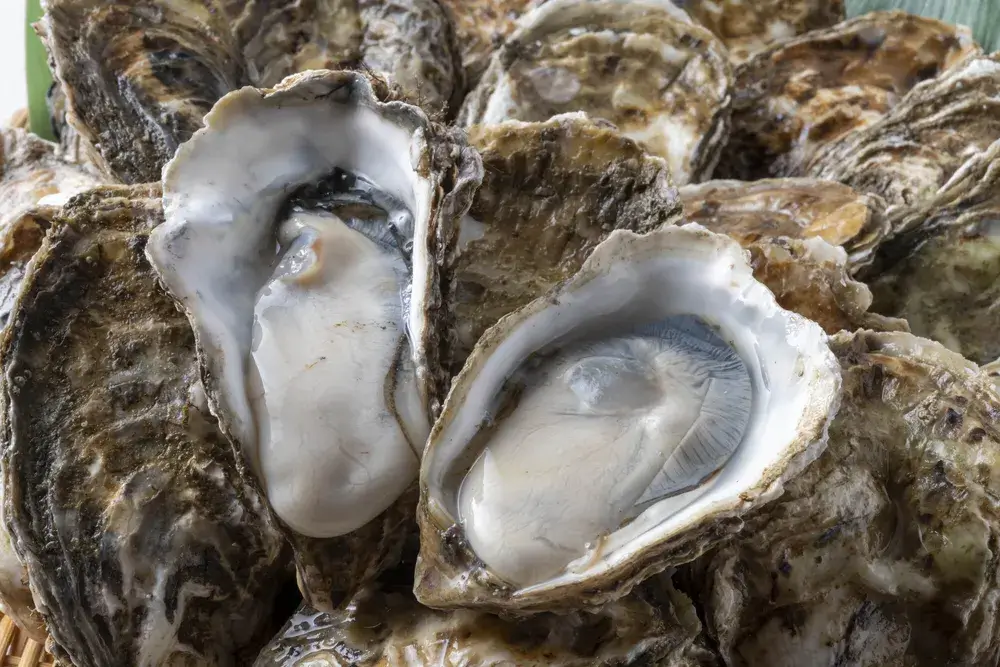
Hiroshima's signature seafood, with the highest production volume in Japan. Despite their small shells, the oysters are plump and rich in flavor. Enjoy them in a variety of dishes, including raw, grilled, deep-fried, and in dote-nabe hot pot.
-
3. Anago-meshi (Conger Eel Rice)
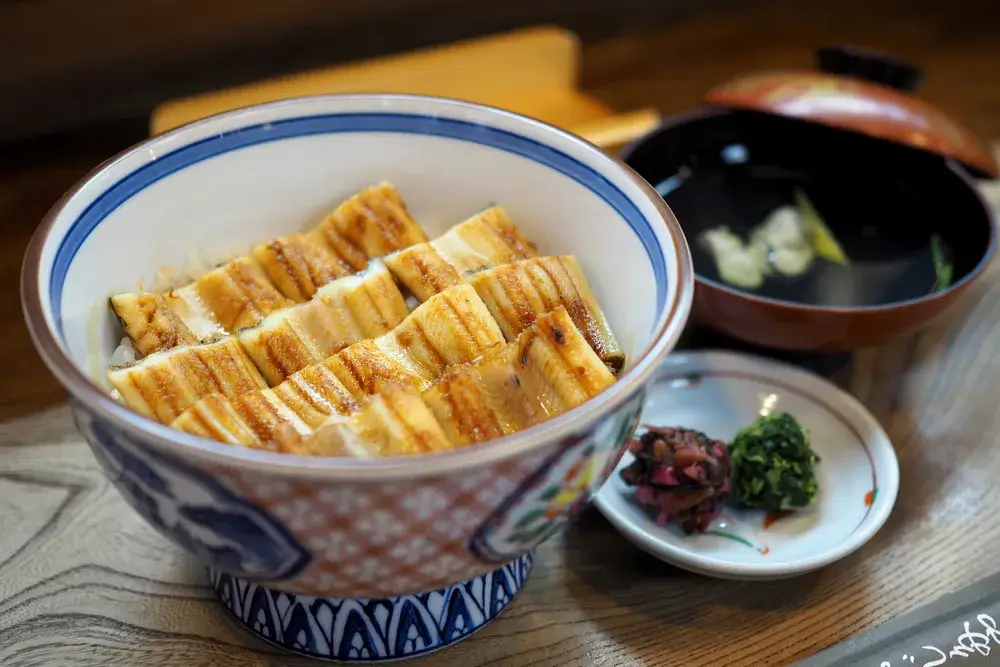
A Miyajima specialty of fragrant grilled conger eel served over rice infused with the flavor of dashi. It is said to have originated in the Meiji era as a station bento sold at the gateway to Miyajima, and it remains a local favorite around Miyajima today.
-
4. Onomichi Ramen
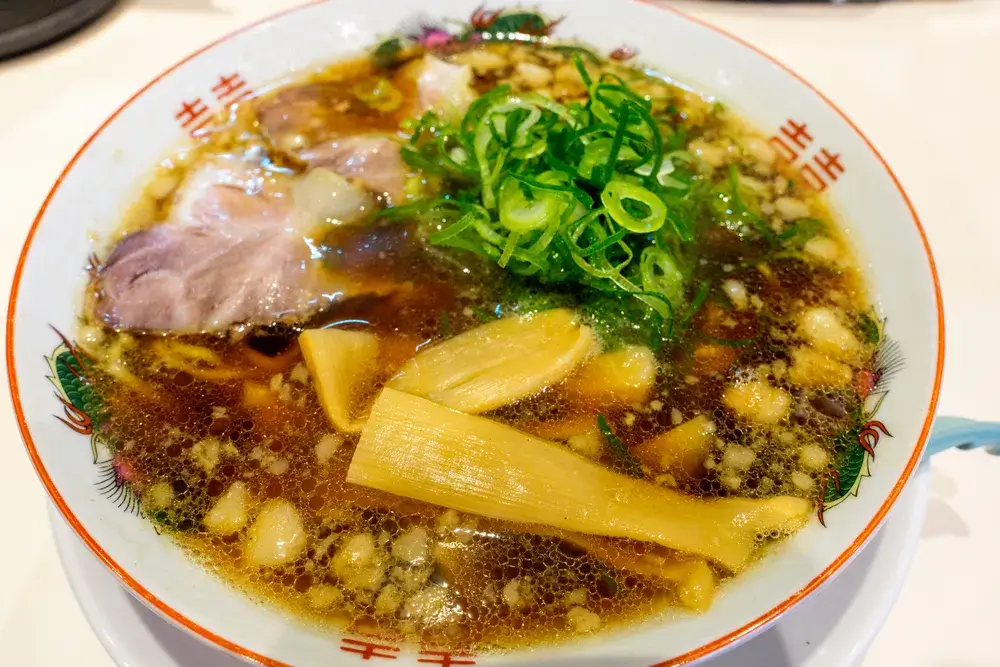
Characterized by a soy sauce-based soup flavored with small-fish dashi and topped with pork back fat, served with chewy flat noodles. Toppings and other details vary from shop to shop, so it's fun to compare each one's style.
-
5. Shirunashi Tantanmen (Soupless Dandan Noodles)
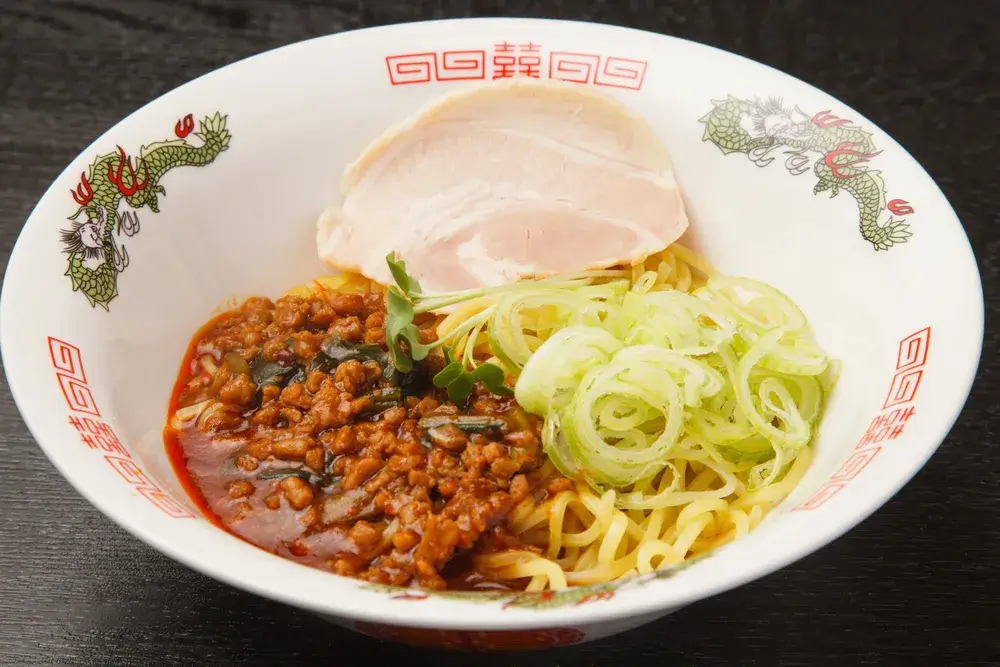
Thin noodles, spiced minced meat, green onions, and more are combined with a sauce flavored with chili oil and Sichuan pepper. The basic way to eat it is to mix the noodles, toppings, and sauce thoroughly before eating, allowing you to enjoy the unique combination of heat and numbing spice.
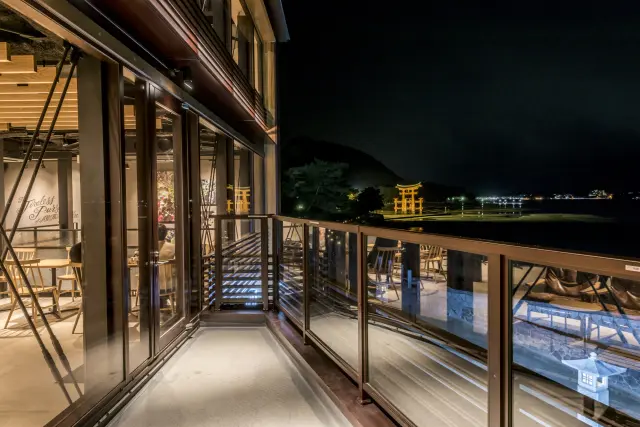
Where to Eat in Hiroshima




Travel Ideas
Hiroshima Itineraries
A 2-Day Itinerary Exploring Hiroshima's Popular Attractions
A 2-day itinerary that takes you around Miyajima, home to the World Heritage site of Itsukushima Shrine, and then from central Hiroshima to Tomonoura and Onomichi.
On day 1, cross to Miyajima, visit Itsukushima Shrine and Daisho-in Temple, and then take in sweeping views of the Seto Inland Sea from Mount Misen. After staying at a hot spring inn on the island, visit the Atomic Bomb Dome, the Hiroshima Peace Memorial Museum, and Hiroshima Castle the next day before heading to the eastern part of the prefecture.
Savor Hiroshima specialties such as oysters, okonomiyaki, and Onomichi ramen while experiencing history, culture, and the scenery of the Seto Inland Sea over two days.
Day 1
- 8:20 Start from JR Hiroshima Station
- 9:30 Pray for a safe journey at Itsukushima Shrine
- 11:00 Pray to ward off misfortune at Daisho-in Temple
- 12:00 Enjoy premium oysters for lunch at Kakiya
- 14:20 Take in the refreshing panoramic views from the Mount Misen observatory
- 16:10 Enjoy the seasonal scenery at Momijidani Park
- 17:30 Relax amid nature and hot springs at Iwaso
Day 2
- 8:00 Start from Miyajima Pier
- 9:30 Experience the tragic history of the atomic bombing firsthand at the Atomic Bomb Dome
- 9:45 Learn about the horrors of the atomic bomb at the Hiroshima Peace Memorial Museum
- 11:00 Stroll around Hiroshima Castle and enjoy its beautiful scenery and Japanese culture
- 12:00 Taste Hiroshima's specialty at Okonomi-mura
- 14:30 Explore Tomonoura, a beautiful town full of charm
- 17:15 Enjoy local cuisine at Onomichi Ramen Ichibankan
- 18:00 End your trip with a stroll along Cat Alley, one of Onomichi's popular spots
A Slow Nature Trip Featuring the Flower Fields of the Sera Plateau and Retro Town Walks in Miyoshi and Takehara
A 3-day itinerary for a relaxed journey from Hiroshima's mountains to the Seto Inland Sea, taking in nature and historic townscapes along the way.
In Miyoshi, experience a winery, yokai culture, and retro streetscapes, then enjoy gorges and seasonal flowers at Taishakukyo and Sera. On the final day, relax on Okunoshima before strolling through Takehara's streets, which retain the atmosphere of the Edo period.
With hot springs and local cuisine along the way, set out on a journey to fully savor Hiroshima's diverse scenery and culture.
Day 1
- 9:30 Pick up a rental car near JR Hiroshima Station and set off
- 11:00 Enjoy wine and local food at Hiroshima Miyoshi Winery
- 13:30 Immerse yourself in the world of yokai at the Koichi Yumoto Memorial Museum of Japanese Yokai (Miyoshi Mononoke Museum)
- 14:00 Stroll the retro streets of Miyoshi Hondori Shopping Street
- 16:00 Relax amid nature and hot springs at Kimita Onsen Mori no Izumi
Day 2
- 9:00 Depart from Kimita Onsen Mori no Izumi
- 10:00 Take a nature walk while admiring the gorge scenery at Taishaku Gorge
- 12:30 Stroll through the seasonal flower fields at Sera Kogen Farm
- 14:00 Enjoy lunch and shopping at Michi-no-Eki Sera
- Around 17:30 Return your rental car at JR Hiroshima Station
- Around 18:00 Check in at Hotel Granvia Hiroshima South Gate
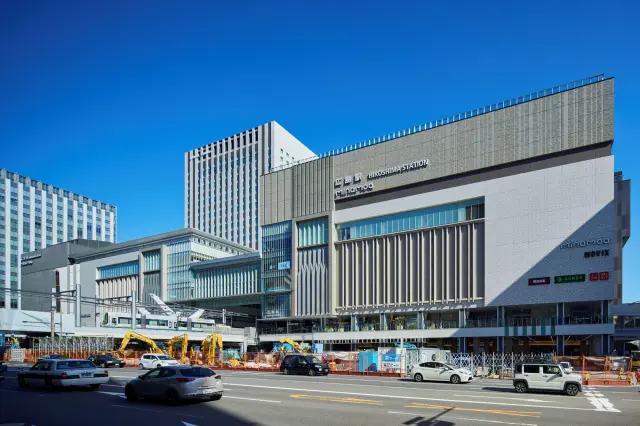
- Around 19:00 Have dinner at Hiroshima Station Building Minamoa or ekie
Day 3
- 9:00 Depart from Hotel Granvia Hiroshima South Gate
- 10:50 Take a ferry from Tadanoumi Port to Okunoshima
- 11:05 Interact with rabbits and explore Okunoshima
- Lunch on the island
- 13:48 Take a ferry from Okunoshima back to Tadanoumi Port
- 14:00 Arrive at Tadanoumi Port and take the JR line to Takehara
- Around 15:00 Stroll the retro streets of the Takehara Townscape Preservation District
- Around 17:30 Finish at JR Takehara Station
Discover Hiroshima by Season
Best Places to Visit Throughout the Year
Cherry blossoms and seasonal flowers reach their peak across the prefecture, making this a delightful time for flower viewing. Beyond hanami, you can admire views of cherry blossoms against the Seto Inland Sea or visit vast flower fields, encountering a different floral landscape depending on where you go.
-
 Mihara, Onomichi, SeraSera Kogen Farm
A flower sightseeing farm that blends seasonal floral displays with local character and welcomes Approx. 300,000 visitors a year.
-
 Miyoshi, Shobara, TaishakukyoShobara Ueno Park
A popular cherry blossom spot where 600 Somei Yoshino trees bloom around the pond, known for its beautiful illumination.
-
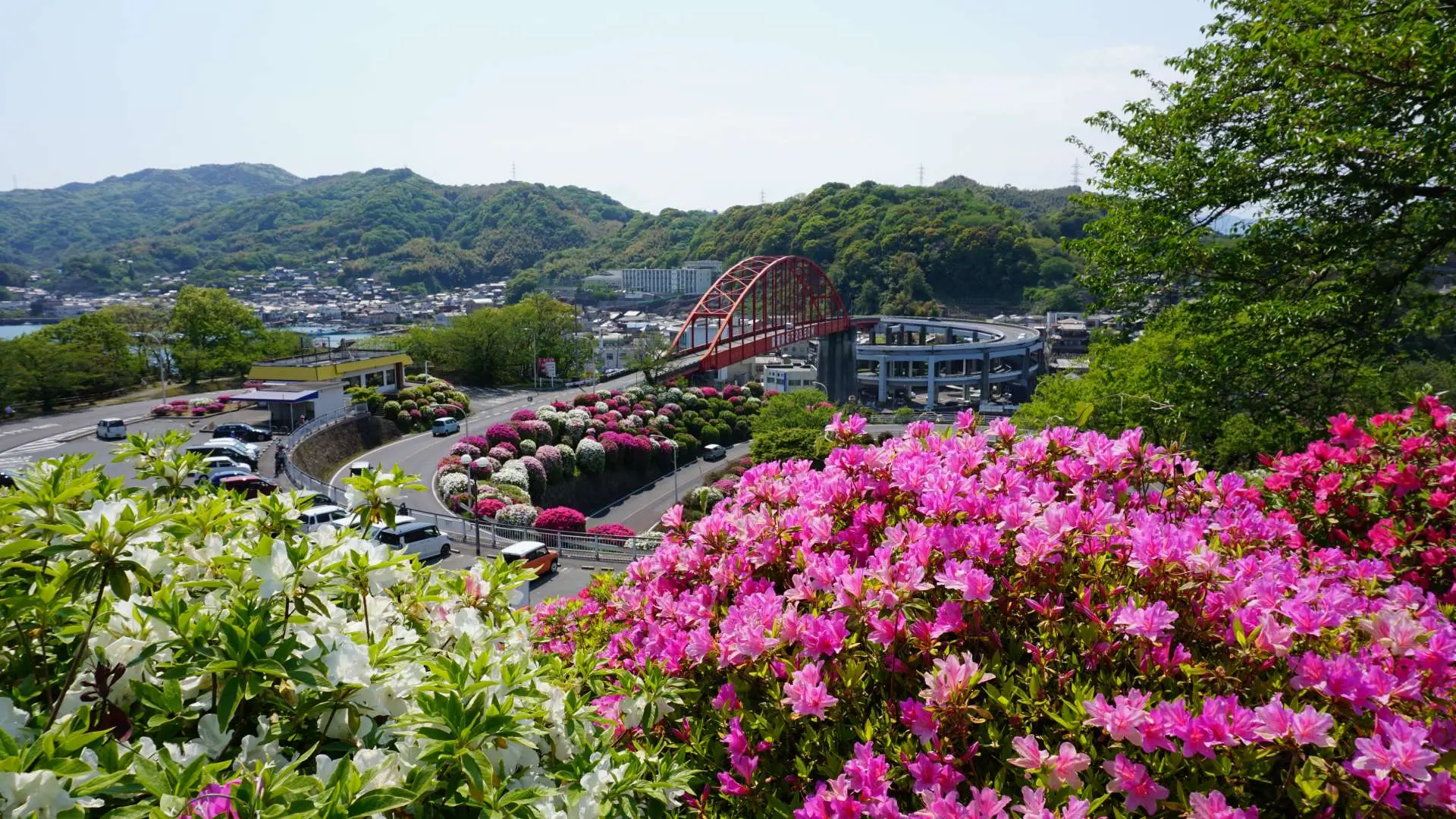 Kure, Etajima, Tobishima KaidoOndo no Seto Townscape
Legend has it that the area was developed by Taira no Kiyomori over 800 years ago. The boats that come and go have an emotional impact along with the scenery of the Setouchi area.
Hiroshima's Spring Weather and What to Wear
The coastal areas and islands facing the Seto Inland Sea enjoy relatively mild weather, and as spring progresses it becomes increasingly pleasant. However, in the north near the Chugoku Mountains, it can get chilly, especially in the mornings and evenings, so be mindful of temperature differences between regions. Bring a jacket in early spring, and from April onward, choose clothing that's easy to adjust with layers.
| Month | March | April | May |
|---|---|---|---|
| Temperature | 9.5℃ | 14.8℃ | 19.6℃ |
The season to enjoy the outdoors to the fullest, with swimming in the sea and activities in the highlands. Traditional festivals are also held in the city, so in addition to getting active in nature, you can experience the lively atmosphere of the festivities.
-
 Mihara, Onomichi, SeraSetoda Sunset Beach
A Swimming Beach That’s True to its Name, with Gorgeous Views of the Sunset
-
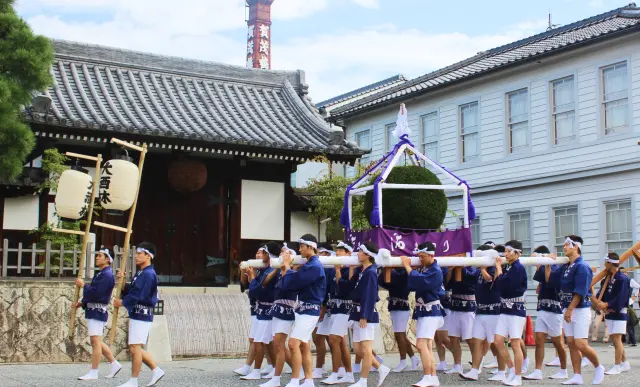
 Peace Memorial Park, Hiroshima Castle, HatchoboriToukasan Grand Festival
An early summer festival known in the Hiroshima area as the occasion for putting on yukata for the first time of the season.
Hiroshima's Summer Weather and What to Wear
June brings the rainy season with many rainy days, and from July temperatures rise with a string of hot, humid days. Sunlight is strong along the Seto Inland Sea coast and on the islands, so in addition to breathable clothing, take measures against the heat such as wearing a hat. The mountains in the north are also hot during the day, but temperatures can drop in the mornings and evenings at higher elevations, so it's a good idea to bring a light layer.
| Month | June | July | August |
|---|---|---|---|
| Temperature | 23.2℃ | 27.2℃ | 28.5℃ |
When the autumn leaves reach their peak, stroll through parks and temples while admiring the colorful trees. Famous foliage spots are scattered across Miyajima, Mihara, Miyoshi, and elsewhere, each offering a different autumn landscape.

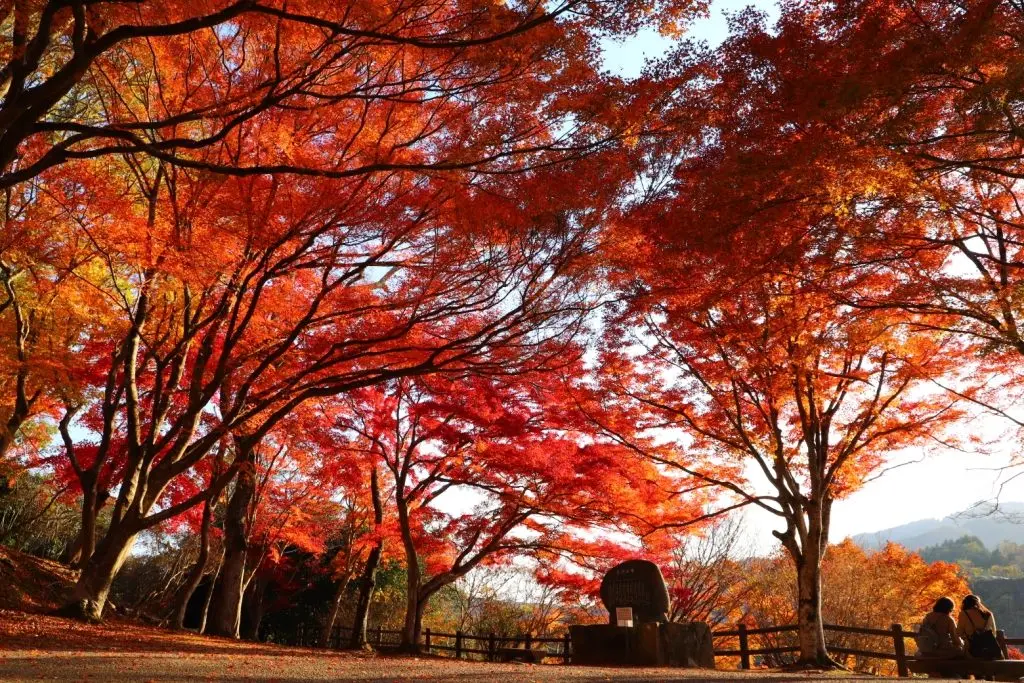
Hiroshima's Autumn Weather and What to Wear
Late-summer heat lingers in September, but it gradually cools from October, and by November it gets chilly, especially in the mornings and evenings. Compared with the Seto Inland Sea coast and the islands, temperatures are lower in the north and in the mountains, and the morning and evening chill becomes stronger during the autumn foliage season. Short sleeves are often fine in September, but as autumn deepens, add long sleeves and a jacket.
| Month | September | October | November |
|---|---|---|---|
| Temperature | 24.7℃ | 18.8℃ | 12.9℃ |
In the north of the prefecture, where the Chugoku Mountains stretch, snow accumulates and you can enjoy winter sports such as skiing and snowboarding. Warm up in hot springs or admire snow-covered Japanese gardens: there are many ways to enjoy the cold season.
-
 Akitakata, Sandankyo, KitahiroshimaGeihoku Kogen Oasa Ski Resort
A ski resort with exceptionally wide slopes, located along a national highway on the Hiroshima-Shimane prefectural border.
-
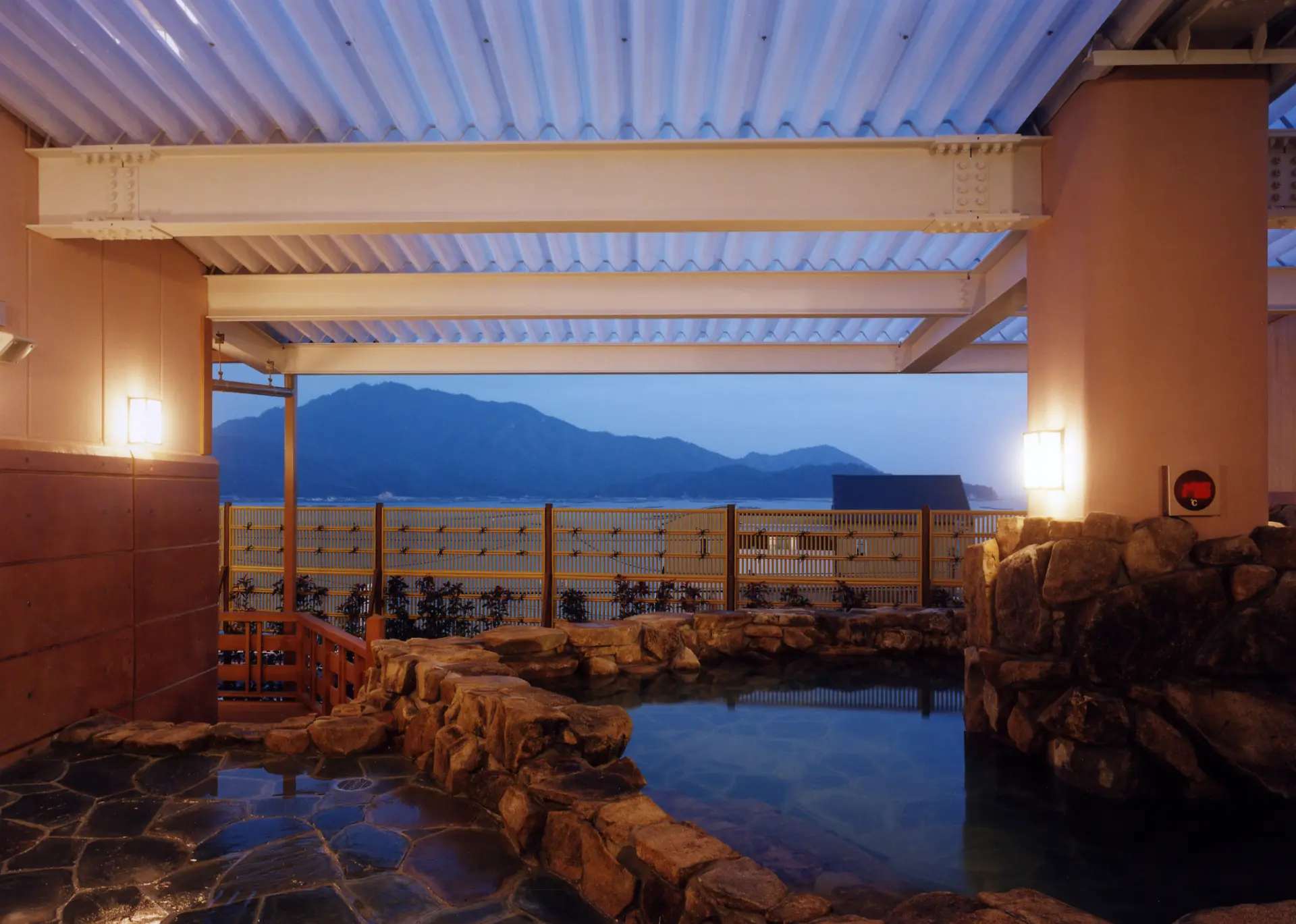 Miyajima, Miyahama Onsen, OtakeMiyahama Onsen
A hot spring resort across the water from the World Heritage Site of Miyajima, known for its skin-beautifying water.
-
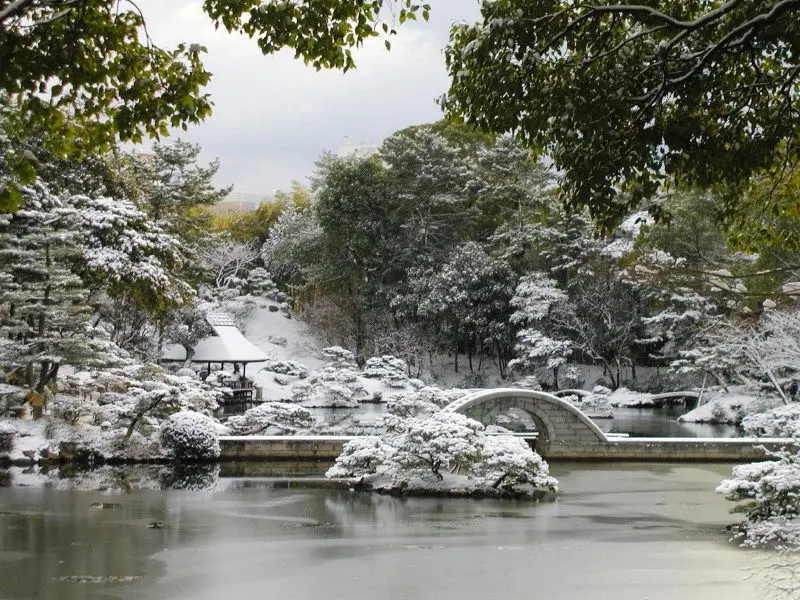 Peace Memorial Park, Hiroshima Castle, HatchoboriShukkeien Garden
Japanese Garden with beautiful scenery throughout the year, located in downtown Hiroshima.
Hiroshima's Winter Weather and What to Wear
The Seto Inland Sea coast and islands see many sunny days, but it gets bitterly cold, especially in the mornings and evenings. In the north near the Chugoku Mountains, temperatures are even lower and snow accumulates, so thorough protection against the cold, such as a heavy coat or down jacket, is essential. When heading north, also bring shoes suitable for snow.
| Month | December | January | February |
|---|---|---|---|
| Temperature | 7.5℃ | 5.4℃ | 6.2℃ |
Hiroshima Festivals & Events


Explore the Best of Hiroshima by Area and Theme
Recommended Spots in Hiroshima by Area and Theme
No matching spots found.
Must-Buy Souvenirs in Hiroshima
Hiroshima Shopping & Souvenir Guide
-
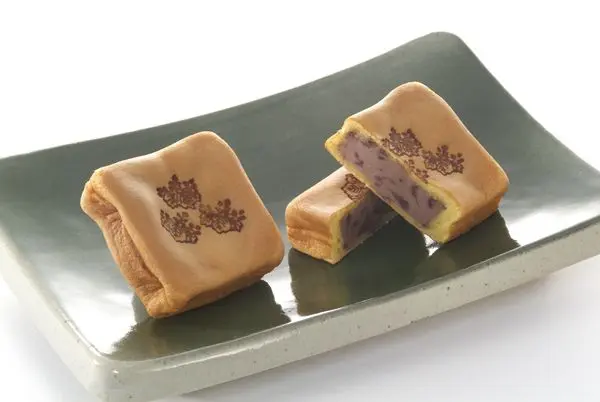
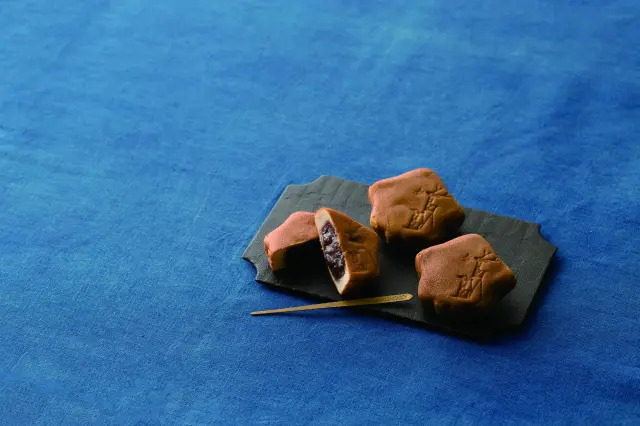
1. Momiji Manju (Maple Leaf Cakes)
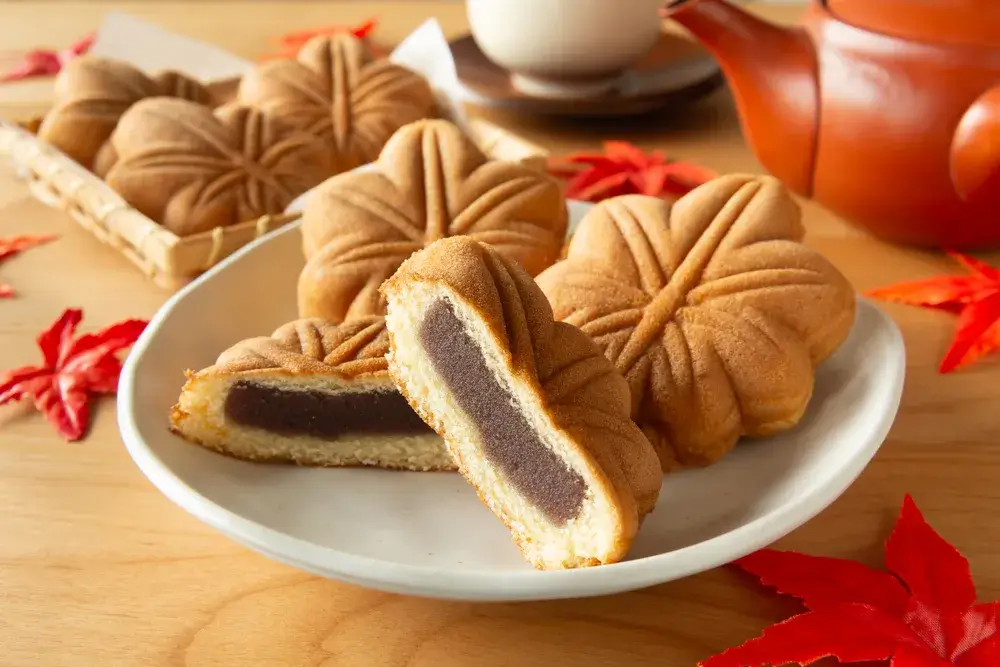
Hiroshima's signature confection: sweet bean paste wrapped in sponge cake shaped like a maple leaf. In addition to the classic smooth and chunky red bean fillings, there are many flavors such as matcha and chocolate, and you can compare the offerings of different shops.
-
2. Kameya "Kawadori Mochi"
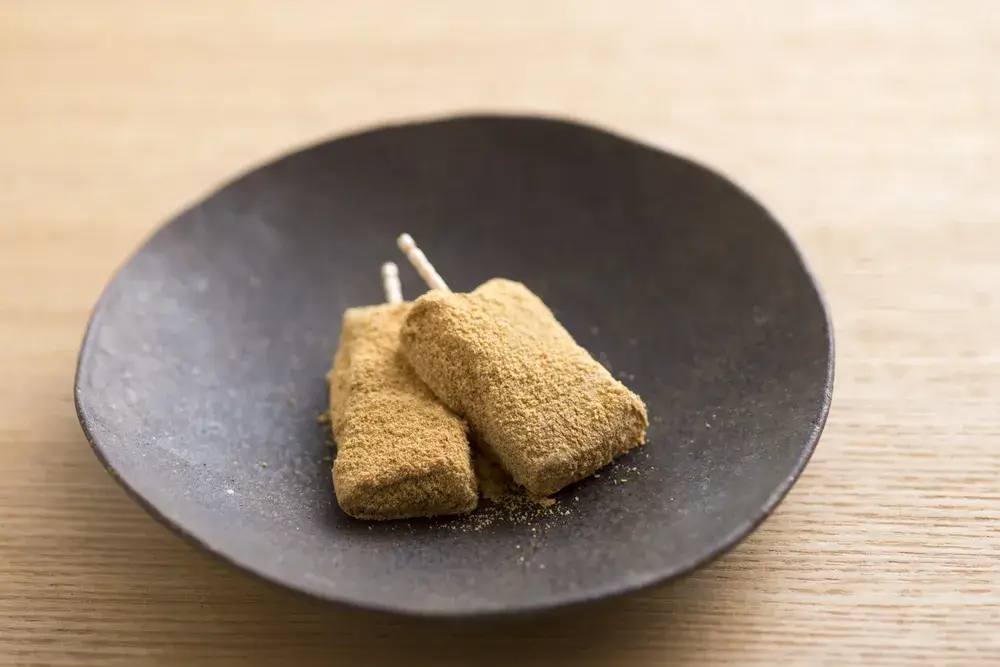
A Hiroshima specialty made of fine gyuhi (soft rice cake) with walnuts and dusted with kinako (roasted soybean flour). It's known for its soft, chewy texture and the toasty aroma of walnuts. Available at Hiroshima Station, Hiroshima Airport, and elsewhere, it comes in boxes of various sizes to suit your needs.
-
3. Hiroshima Lemon Products
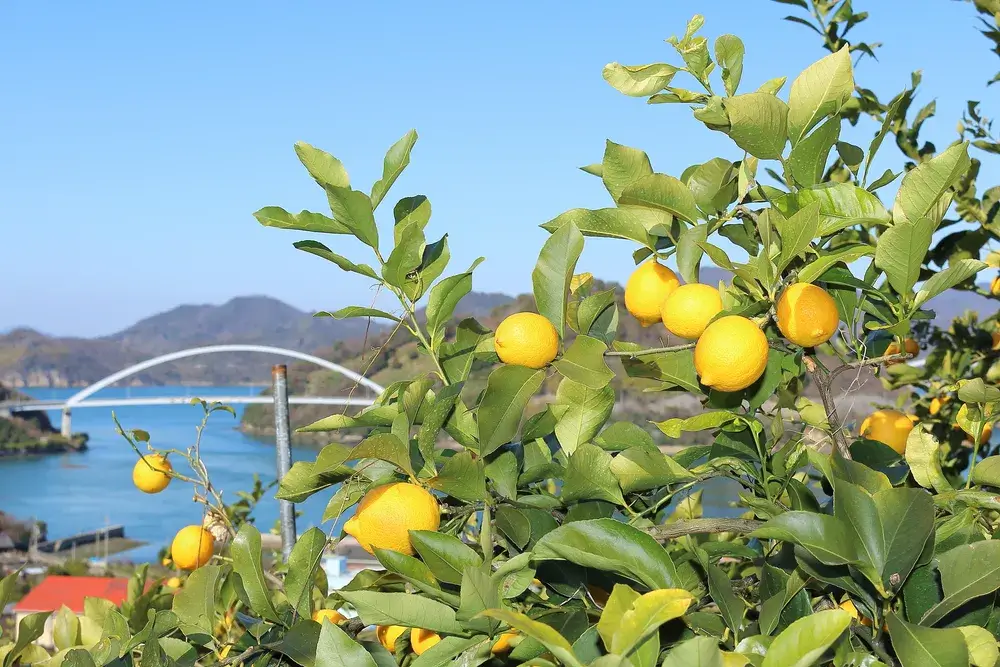
With lemon cultivation thriving mainly on the islands of the Seto Inland Sea, Hiroshima is Japan's top lemon producer. A wide range of lemon products make great souvenirs, starting with lemon cakes and including sweets, drinks, and seasonings that make the most of the fruit's refreshing tartness.
-
4. Kumano Brushes
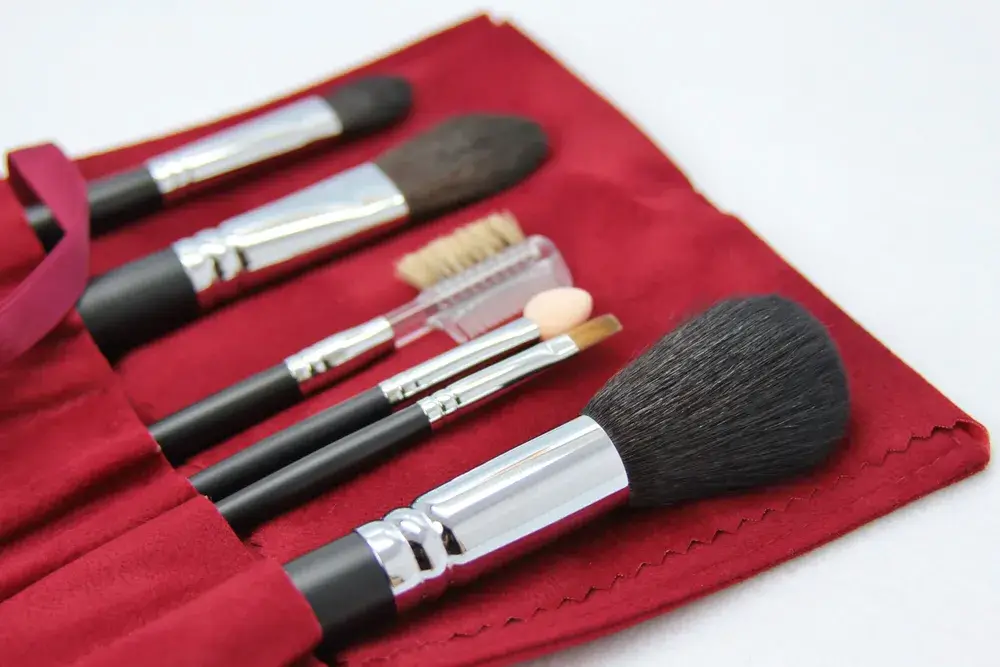
Made in Kumano Town, Hiroshima Prefecture, Kumano brushes are highly regarded both in Japan and abroad. In addition to calligraphy and painting brushes, there's a wide selection of silky-smooth makeup brushes, making them a popular high-quality souvenir that showcases the skills of master craftspeople.
-
5. Miyajima Shakushi (Rice Paddles)
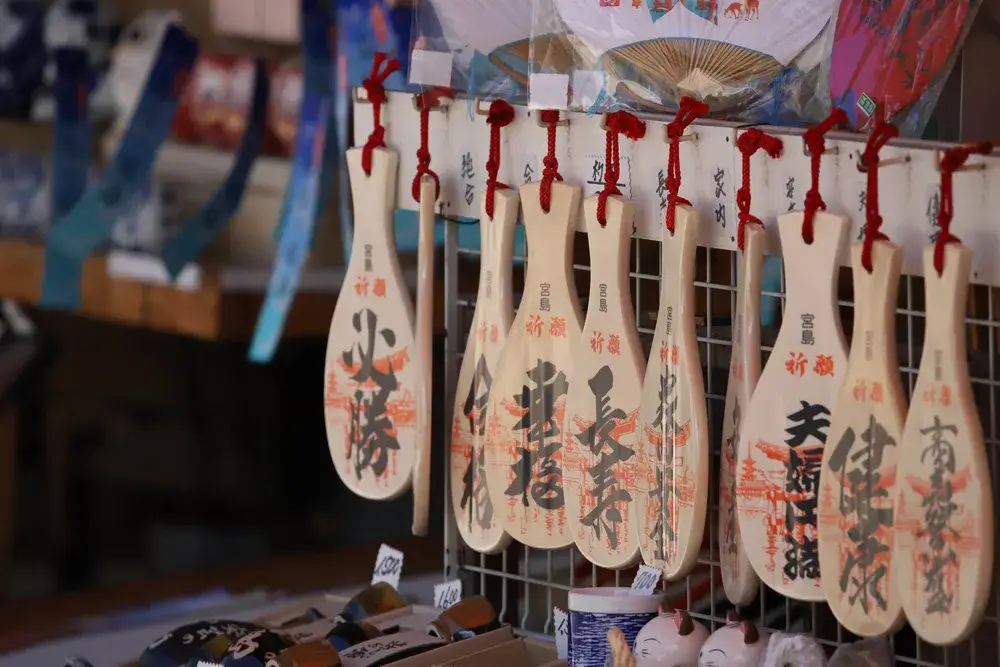
One of Miyajima's representative traditional souvenirs. Wooden rice paddles that make the most of the wood grain are used as everyday items and are also cherished as good-luck charms said to "scoop up good fortune," available in a variety of sizes and designs.
Hiroshima Souvenirs
Shopping in Hiroshima
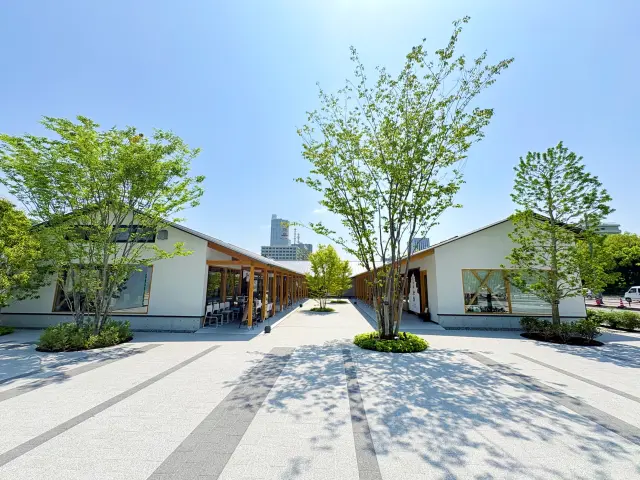



Recommended Areas in Hiroshima
Hiroshima Accommodation Guide
-
1. Hiroshima Station Area
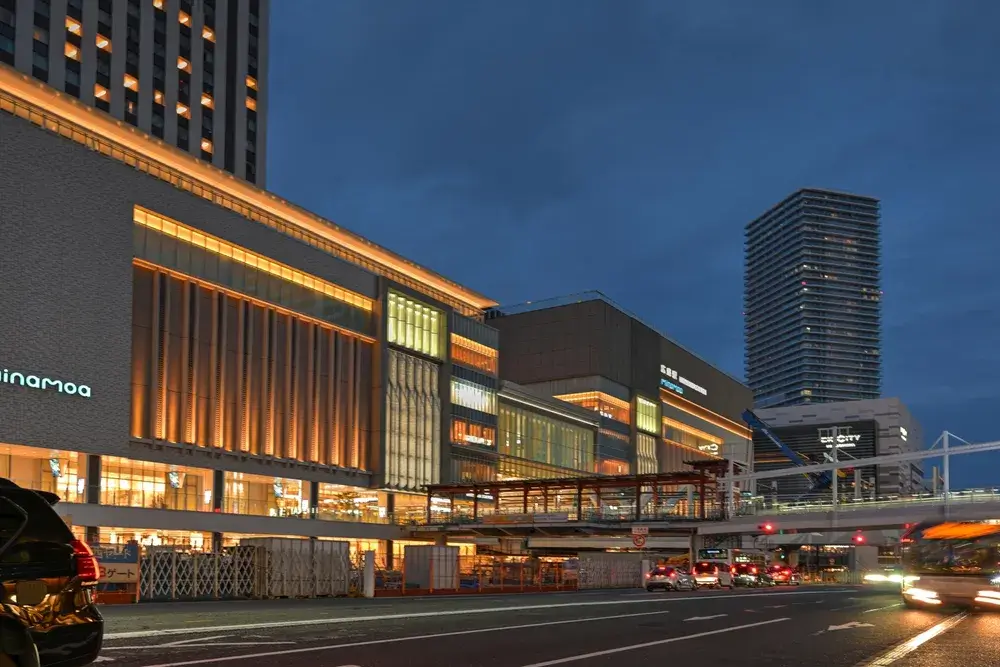
If you plan to travel widely throughout Hiroshima Prefecture, the area around Hiroshima Station makes a convenient base. In addition to Shinkansen and JR conventional lines, streetcars and buses are available, making it easy to reach destinations across the city and prefecture. With many hotels directly connected to or near the station, plus plenty of restaurants and shopping facilities, it's convenient if you arrive late or need to move on early the next morning.
-
2. Peace Memorial Park / Hatchobori Area
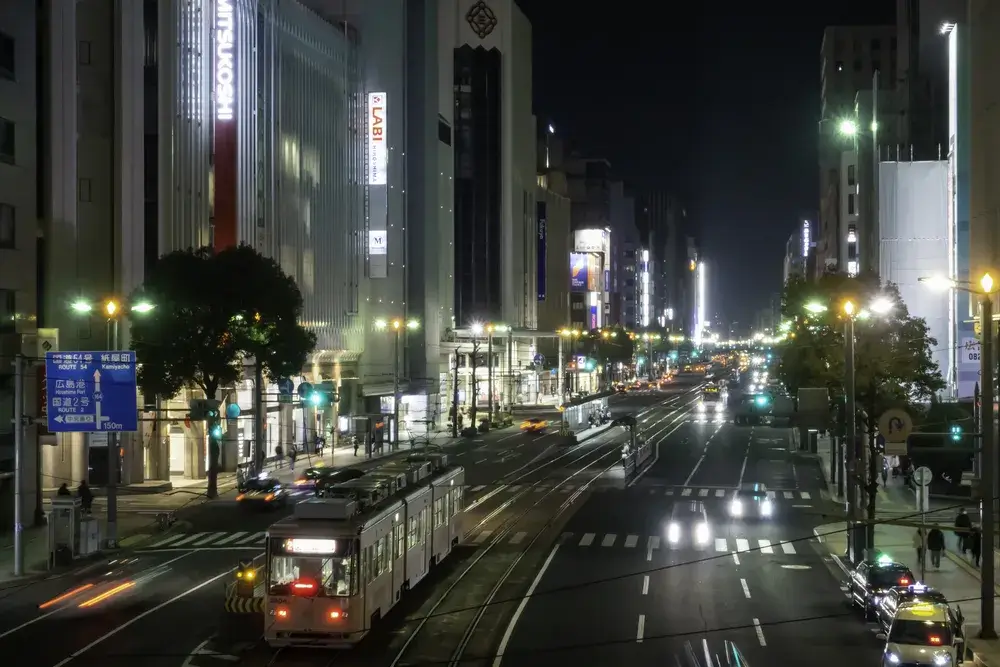
Central Hiroshima, where signature attractions such as Peace Memorial Park and the Atomic Bomb Dome are concentrated. Around Kamiyacho, Hatchobori, and Hondori, you'll find hotels as well as department stores, shopping facilities, and restaurants. It's easy to enjoy dining and shopping in town after a day of sightseeing, making it a convenient base when exploring mainly within Hiroshima City.
-
3. Miyajima Area
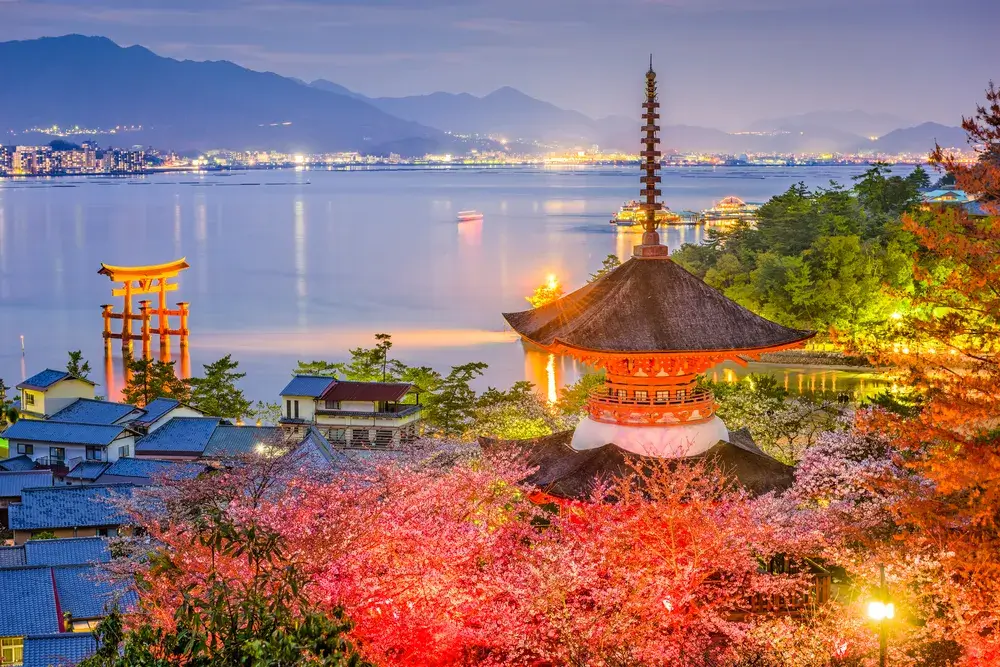
On Miyajima, you can not only visit famous sites such as Itsukushima Shrine but also enjoy staying on the island itself. The island has ryokan, hotels, and guesthouses, and strolling in the evening or early morning when day-trippers have left is a special experience for overnight guests. There are also accommodations across the water in Miyajimaguchi and Miyahama Onsen, so combining hot springs with Miyajima sightseeing is another good option.
-
4. Onomichi / Shimanami Kaido Area
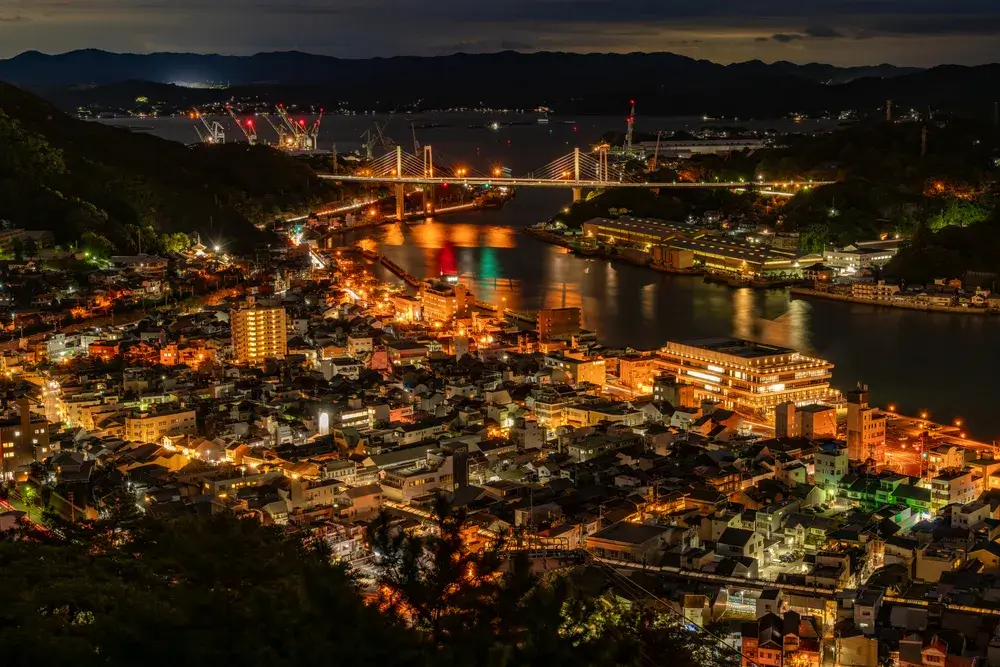
This area is ideal for those who want to enjoy walking the slopes and alleys of Onomichi and touring the islands of the Seto Inland Sea. Central Onomichi has hotels, ryokan, and guesthouses, and distinctive accommodations are scattered across islands such as Innoshima and Ikuchijima. If you're combining your stay with cycling the Shimanami Kaido, choose where to stay based on your route and plans for the next day.
-
5. Miyoshi / Shobara Area
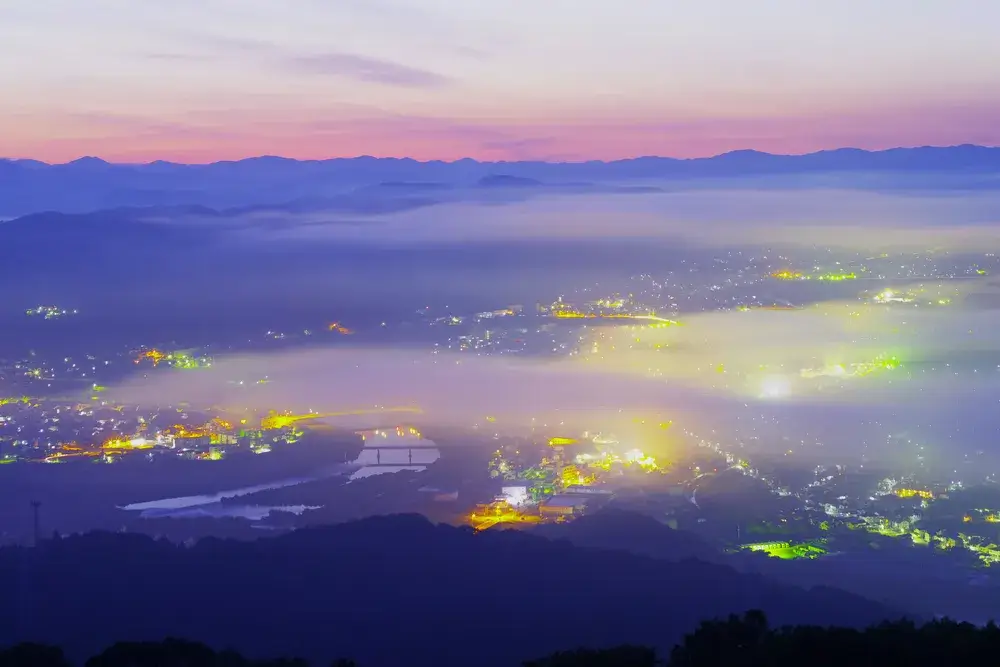
In the north of the prefecture, surrounded by mountains and gorges, you can stay close to nature. Miyoshi and Shobara have hotels and hot spring inns, and accommodations surrounded by nature are also scattered around Taishakukyo Gorge. Choose your lodging based on where you plan to sightsee, and enjoy a stay that's quite different from the Seto Inland Sea side, with countryside scenery and hot springs.
Where to Stay in Hiroshima


Essential Information for Visiting Hiroshima
Hiroshima Travel Basics & Transportation Guide

How to Get to Hiroshima
|
From Tokyo (Tokaido/Sanyo Shinkansen) |
Tokyo Station → Hiroshima Station | Approx. 3 hr 50 min |
|---|---|---|
|
From Nagoya (Tokaido/Sanyo Shinkansen) |
Nagoya Station → Hiroshima Station | Approx. 2 hr 15 min |
|
From Sendai (By Air) |
Sendai Airport → Hiroshima Airport | Approx. 1 hr 40 min |
|
From Hokkaido (By Air) |
New Chitose Airport → Hiroshima Airport | Approx. 2 hr |
|
From Osaka (Sanyo Shinkansen) |
Shin-Osaka Station → Hiroshima Station | Approx. 1 hr 20 min |
|
From Okinawa (By Air) |
Naha Airport → Hiroshima Airport | Approx. 1 hr 45 min |
- Hiroshima Airport to Hiroshima Station takes about 50 minutes by limousine bus.

- Name
- Hiroshima Prefecture
- Prefectural Capital
- Hiroshima City
- Main Airport(s)
- Hiroshima Airport
- Major Railway Station(s)
- Hiroshima Station, Fukuyama Station
- Location
- Western Chugoku Region
- Climate
- The coastal areas and islands facing the Seto Inland Sea are relatively warm, with many sunny days and little rainfall. The north of the prefecture, near the Chugoku Mountains, is cooler than the coast and sees snow in winter.
- Best Time to Visit
- Year-round. Each season offers something different: cherry blossoms and flower fields in spring, seaside and highland activities in summer, autumn foliage in autumn, and hot springs and winter sports in winter. There are also many places worth visiting at any time of year, such as World Heritage sites, historic townscapes, and the islands of the Seto Inland Sea.
- Time Zone / Language / Currency
- Same as mainland Japan: no time difference, Japanese, and the Japanese yen (JPY).
- Transportation
- JR trains, streetcars, local buses, and boats can take you around Hiroshima City and to Miyajima, Kure, Onomichi, and more. To travel widely to the islands of the Seto Inland Sea and the north of the prefecture, combine trains, buses, boats, and cars according to your destination.
- Access to Other Areas
- You can travel to Okayama and Yamaguchi by Shinkansen or conventional lines, and to Shikoku via the Shimanami Kaido or by ferry. Highway buses also run to the San'in region, making it convenient for touring the Chugoku and Shikoku regions together.
- Travel Tips
- Summers are hot and humid, and heavy rain is a concern during the rainy and typhoon seasons. In winter, snow and icy roads occur in the north of the prefecture, so if traveling by car, you'll need to prepare for snow with winter tires and the like.
- Must-See Attractions
- Itsukushima Shrine, Atomic Bomb Dome, Tomonoura
- Local Specialties
- Okonomiyaki, oysters, anago-meshi (conger eel rice)
Hiroshima Travel FAQs
Q
How many days do I need to enjoy Hiroshima?
A
For a first visit to Hiroshima, 3 days is a good guideline. If you focus on Hiroshima City and Miyajima, 2 days is enough, but if you want to venture out to Onomichi, Kure, or Tomonoura, 3 days will let you enjoy the trip at a more relaxed pace.
Q
Can I enjoy Hiroshima without a car?
A
You can get around Hiroshima City, Miyajima, Kure, Onomichi, and other areas using JR trains, streetcars, local buses, and boats. However, if you plan to tour widely, including the gorges and highlands in the north of the prefecture and the islands of the Seto Inland Sea, a rental car will make getting around easier.
Q
Which areas of Hiroshima do you recommend?
A
For first-time visitors, central Hiroshima, with Peace Memorial Park and the Atomic Bomb Dome, and Miyajima, home to Itsukushima Shrine, are the classic choices. Choose Onomichi for walking slopes and old streets, Tomonoura for the charm of a port town, or Kure to learn about naval and shipbuilding history: you can pick areas to suit the purpose of your trip.
Q
What is the best season to visit Hiroshima?
A
Hiroshima can be enjoyed year-round. Each season offers something different, from cherry blossoms and flower fields in spring and seaside and highland activities in summer to autumn foliage in autumn and hot springs and winter sports in winter. World Heritage sites and historic townscapes can be visited in any season.
Q
Are there attractions outside Miyajima and Hiroshima City?
A
In the east of the prefecture are Onomichi and Tomonoura; in the central area are Saijo, with its many sake breweries, and Takehara, where historic streetscapes remain; and in the north are Sandankyo and Taishakukyo gorges. In the Seto Inland Sea, islands connected by the Shimanami Kaido and Tobishima Kaido let you experience Hiroshima scenery and culture different from the city and Miyajima.