

Yamato Museum  
(Kure Maritime Museum)

Verified [Verified] denotes information that has been published with confirmation of its owing parties.

Yamato Museum
(Kure Maritime Museum)

A museum introducing the history, science, and technology behind Kure’s world-class shipbuilding expertise.

4.55 22

Last update :
Supervised by :  Yamato Museum

Kure flourished as the military port where the battleship Yamato was built and as Japan’s leading naval arsenal city. After World War II, it helped Japan grow into the world’s top shipbuilding nation, building many of the world’s largest tankers. In many ways, the “history of Kure” reflects Japan’s modernization since the Meiji era. This museum introduces the history of Kure’s manufacturing, which supported Japan’s modernization, along with the remarkable science and technology that formed its foundation and continue to be passed down today, while exploring the efforts of earlier generations and the life and culture of the time.
Reopening after renovation on April 23, 2026. To reduce congestion, the shop and ticket office have been moved outdoors, and the 3rd floor has been completely renovated. Updates have also been made to storage for materials that could not previously be fully housed, as well as to the museum’s symbol, the 1/10-scale battleship Yamato, based on new discoveries.

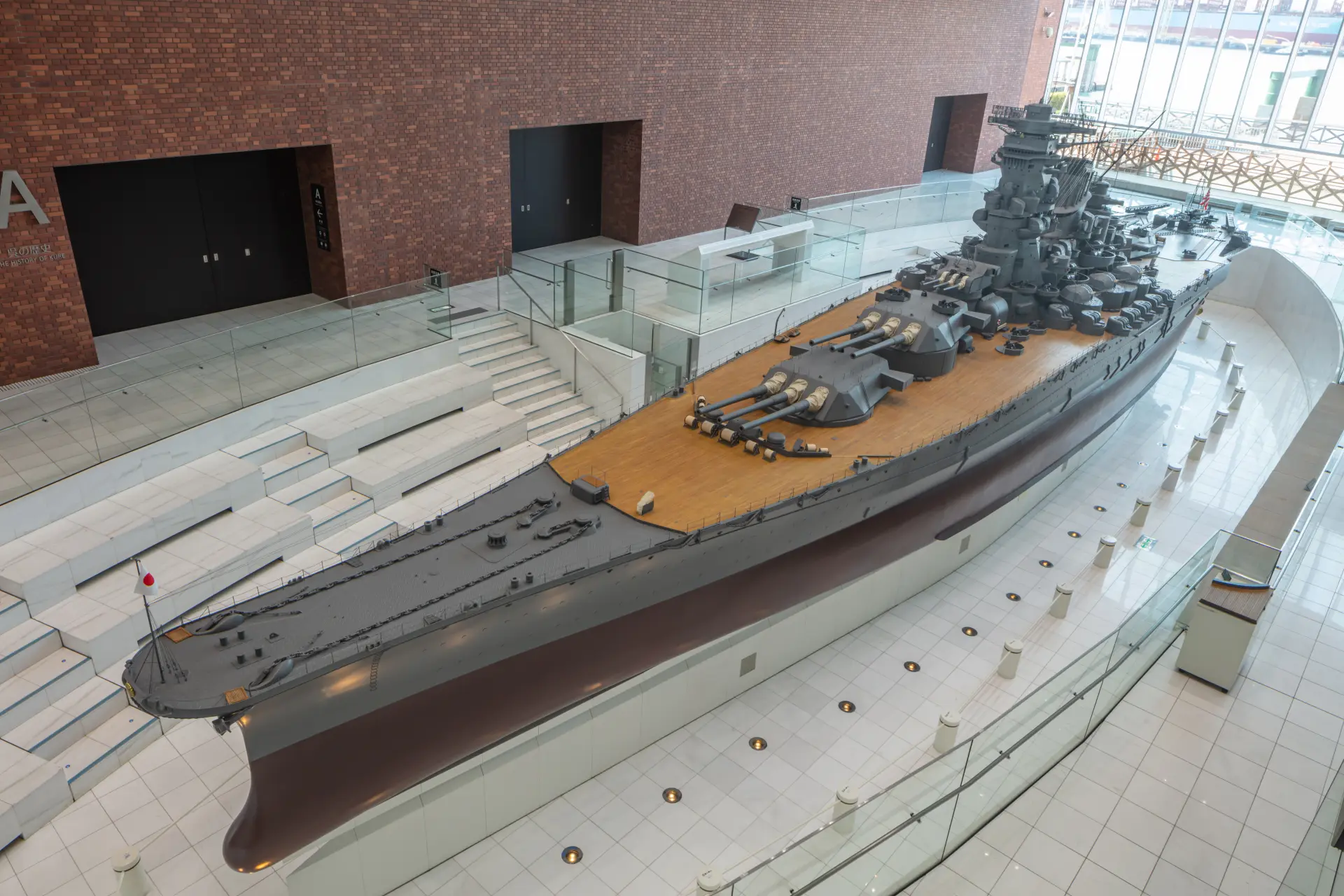
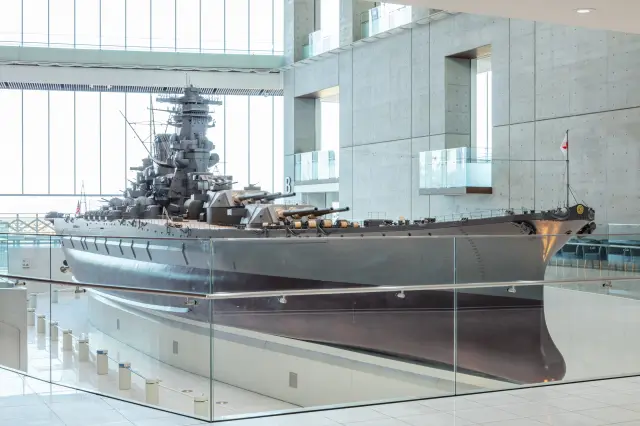
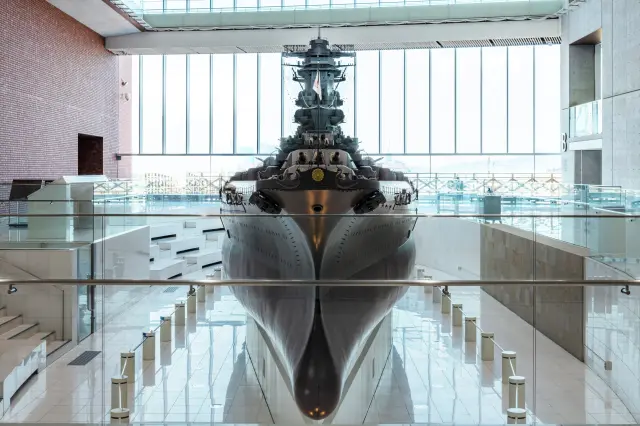
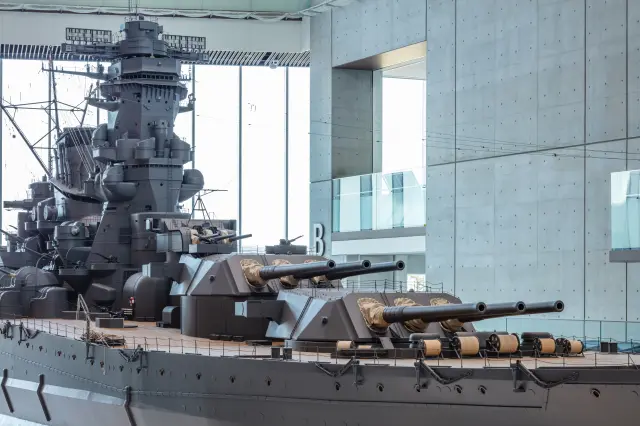
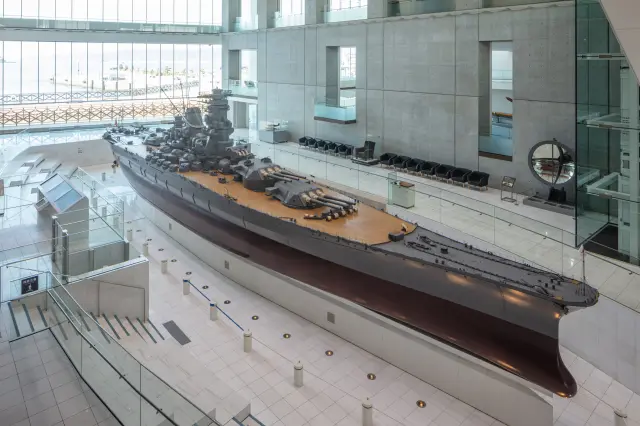
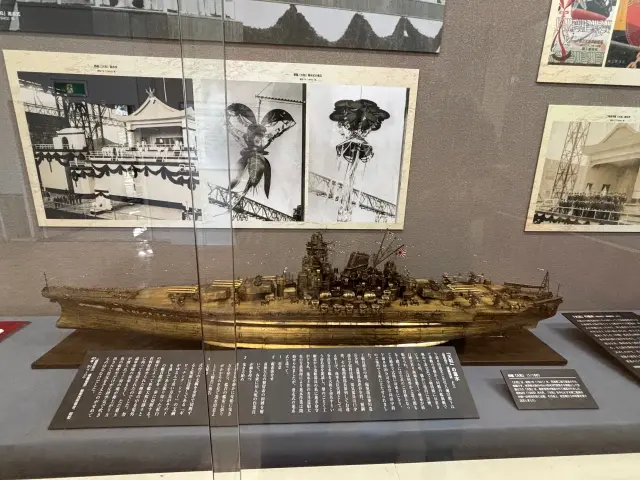
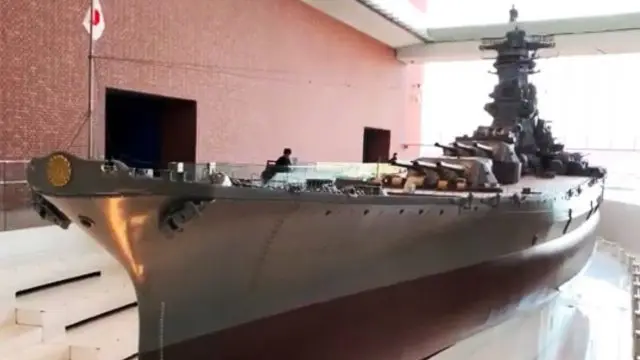
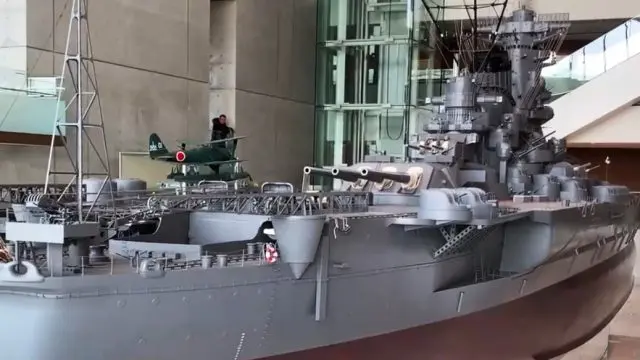
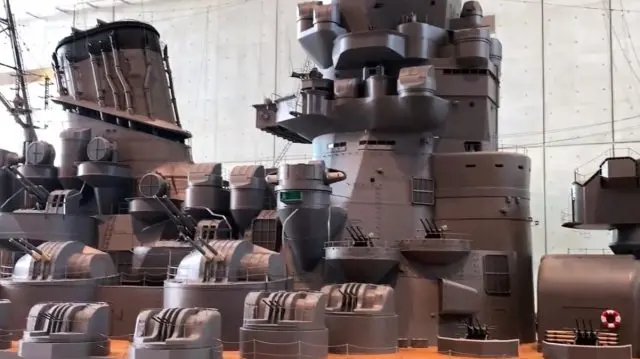
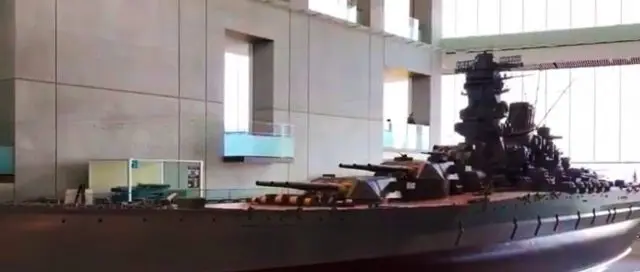
The 1/10-scale battleship Yamato, the symbol of the Yamato Museum, has been recreated based on original blueprints, underwater survey footage, and crew testimony. Updates based on new discoveries, including a correction to the size of the Imperial chrysanthemum crest mounted on the bow, newly confirmed during a 2016 underwater survey, help pass on the importance of peace and the excellence of science and technology to future generations.

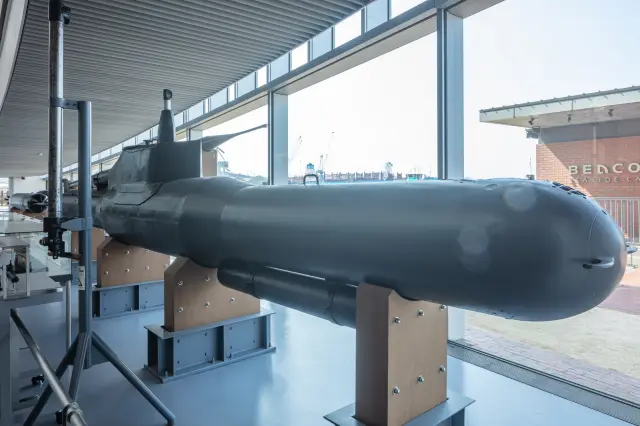
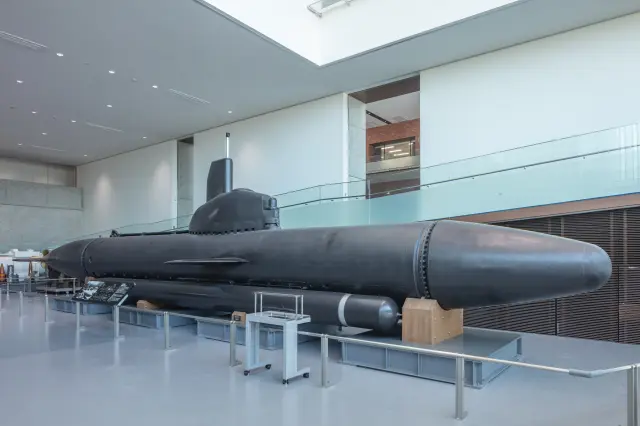
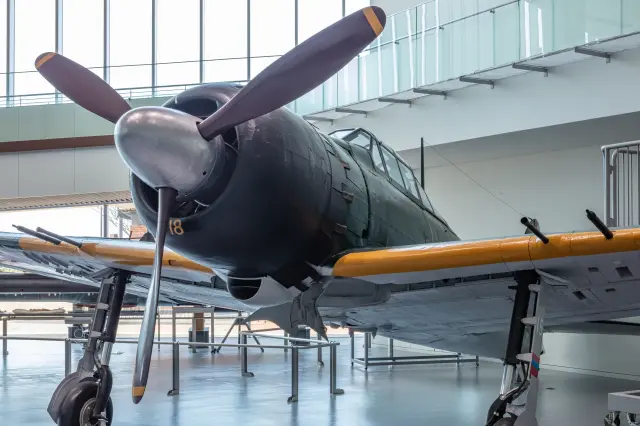
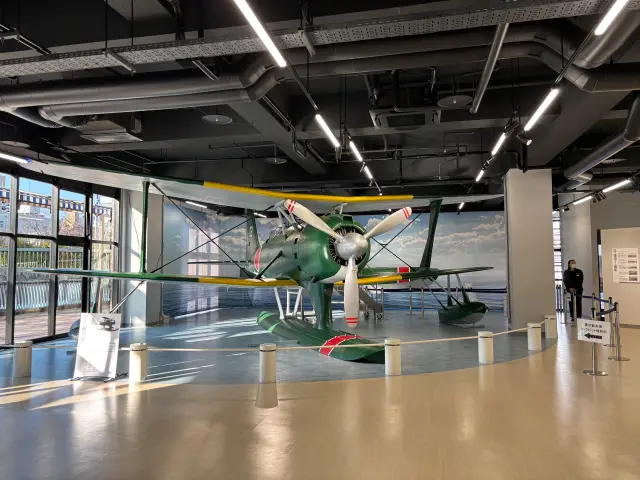
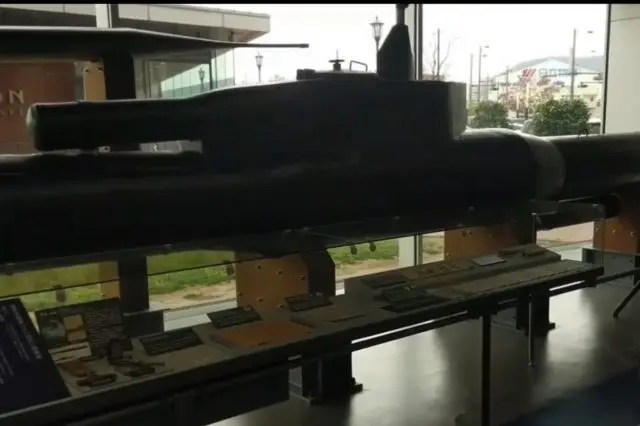
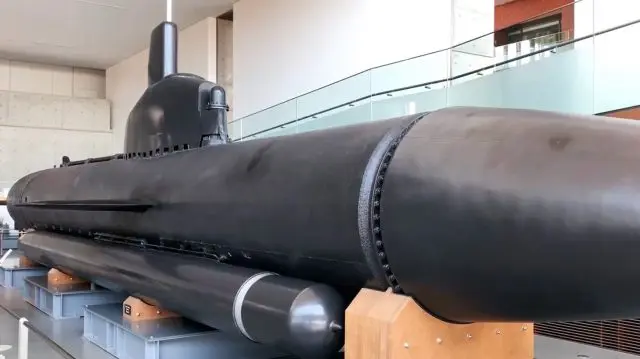
In the large exhibit hall on the 1st floor, visitors can see real materials up close, including a Mitsubishi A6M Zero Type 62 carrier-based fighter and the Kaiten Type 10 prototype suicide weapon, offering a powerful lesson in the tragedy of war and the importance of peace.
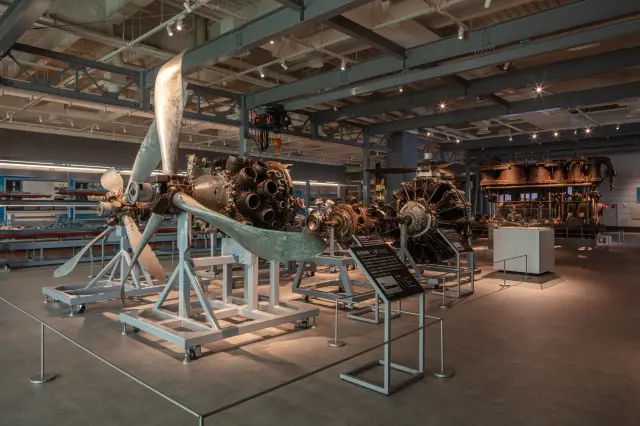
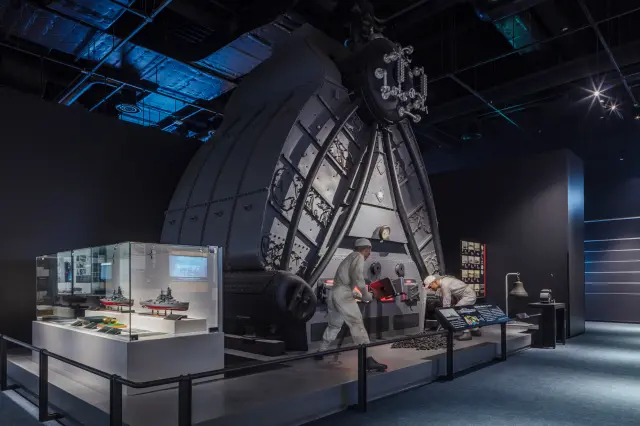
On the 3rd floor, based on the history of Kure as a “manufacturing city,” related real materials are displayed from the perspective of learning about technologies developed at the Kure Naval Arsenal and Hiro Naval Arsenal, technologies that continue today, and newly added technologies. Hands-on devices using valuable real materials and other items have also been introduced, allowing visitors to enjoy learning about the principles and mechanisms behind these technologies.

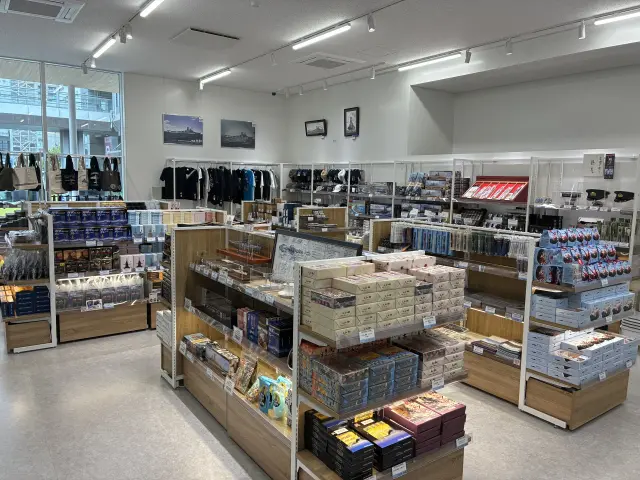
The relocated outdoor Museum Shop Yamato offers plenty of souvenirs to browse after your visit. You can purchase a wide range of goods, including “Navy Curry,” made based on the flavors once eaten by the navy, tenugui towels decorated with diagrams of the battleship Yamato, and caps embroidered with the silhouette of Yamato.

*Photo by: Yamato Museum

Highlights

  • Learn about Yamato, once the world’s largest battleship, and the history of Kure.
  • See realistic materials related to war up close.
  • Plenty of content for learning together with children.
  • Souvenirs from Museum Shop Yamato are also popular.
  • Reopening after renovation on April 23, 2026.

Photos

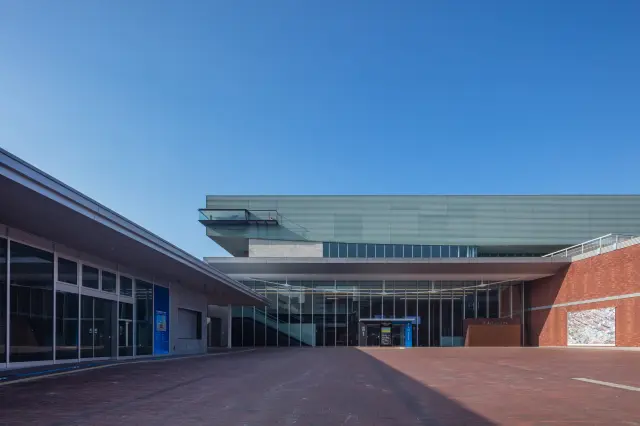
  • The striking glass-fronted exterior of the Yamato Museum

    The striking glass-fronted exterior of the Yamato Museum

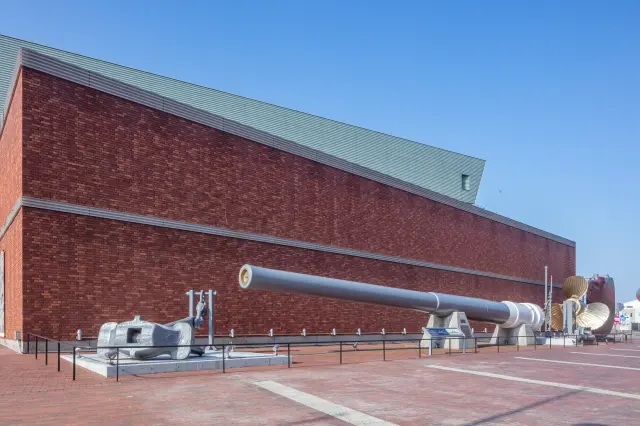
  • Brick Park spreads out in front of the Yamato Museum. It displays salvaged items from the battleship Mutsu, including the main gun barrel, propeller, and main rudder.

    Brick Park spreads out in front of the Yamato Museum. It displays salvaged items from the battleship Mutsu, including the main gun barrel, propeller, and main rudder.

  • The 1/10-scale battleship Yamato, measuring 26.3 meters in total length

    The 1/10-scale battleship Yamato, measuring 26.3 meters in total length

  • As the symbol of the Yamato Museum, it continues to pass on the importance of peace and the excellence of science and technology to future generations.

    As the symbol of the Yamato Museum, it continues to pass on the importance of peace and the excellence of science and technology to future generations.

  • Recreated in as much detail as possible based on blueprints, photographs, underwater survey footage, and other materials

    Recreated in as much detail as possible based on blueprints, photographs, underwater survey footage, and other materials

  • Views of the still-existing Yamato shipbuilding dock and Kure Bay, where various ships come and go

    Views of the still-existing Yamato shipbuilding dock and Kure Bay, where various ships come and go

  • Kaiten, a suicide weapon developed mainly at the Kure Naval Arsenal. More than 100 precious lives were lost, with an average age of 21.

    Kaiten, a suicide weapon developed mainly at the Kure Naval Arsenal. More than 100 precious lives were lost, with an average age of 21.

  • Type 93 torpedo and Type 2 torpedo (Large Exhibit Hall)

    Type 93 torpedo and Type 2 torpedo (Large Exhibit Hall)

  • Real weapon-related materials, including a Mitsubishi A6M Zero carrier-based fighter, convey the tragedy of war and the importance of peace.

    Real weapon-related materials, including a Mitsubishi A6M Zero carrier-based fighter, convey the tragedy of war and the importance of peace.

  • In the Science and Technology Exhibit Room, visitors can enjoy learning about the principles and mechanisms behind technology.

    In the Science and Technology Exhibit Room, visitors can enjoy learning about the principles and mechanisms behind technology.

  • Learn about the history of Kure, which prospered as Japan’s leading naval arsenal city.

    Learn about the history of Kure, which prospered as Japan’s leading naval arsenal city.

  • “Museum Shop Yamato,” offering products related to the exhibits and sweets unique to Kure

    “Museum Shop Yamato,” offering products related to the exhibits and sweets unique to Kure

Official FAQs

Frequently Asked Questions have been vetted and answered directly by each listing.

Q

Is re-entry allowed?

A

Yes.

Q

Is free Wi-Fi available inside the facility?

A

Yes.

Q

Are coin lockers available?

A

Yes.

Reviews

22

Some reviews are AI-translated.

  • See More

    Japan's military power has always been among the top in the world. Recently, the Japanese government has been revising its laws, and the U.S. wants to loosen the restrictions on Japan. They're hoping Japan can become a stabilizing force in Asia.

  • See More

    Kure played an important role for the Japanese Navy during World War II. If you're visiting Hiroshima, it's worth stopping by here.

  • See More

    It's a rare opportunity to actually tour the inside of a submarine.

  • See More

    Hiroshima's Kure City is a major shipbuilding and military port, with a highly developed defense industry. The 1:10 scale model of the Yamato battleship really shows off Japan's military strength.

  • See More

    It's great to have educational trips with kids during winter break. The Yamato Museum introduces the world's largest battleship from WWII, and it's also a fantastic place for children to learn!

Details

Name in Japanese
大和ミュージアム(呉市海事歴史科学館)
Postal Code
737-0029
Address
5-20 Takara-machi, Kure City, Hiroshima Prefecture
Phone
0823-25-3017
Admission
Adults (college students and older): ¥1,000
High school students: ¥300
Elementary and junior high school students: ¥200
* Preschool children are free
* Special and temporary exhibitions require a separate fee
Hours
9:00am-6:00pm (last admission at 5:30pm)
Closed on
Tuesdays (if Tuesday is a national holiday, closed the following day)
* Open daily from April 29 to May 5, July 21 to August 31, and December 29 to January 3
* Please check the official website.
Access
8-minute walk from Kure Station on the JR Kure Line
Official website
Official website (English)