Irifuneyama Memorial Museum

Verified [Verified] denotes information that has been published with confirmation of its owing parties.

Irifuneyama Memorial Museum

Explore the former official residence of the commander-in-chief of the Kure Naval District, which has frequently appeared as a filming location.

3.20 2

Last update :

The Kure Naval District was established in 1889. Irifuneyama Memorial Museum preserves and displays the building constructed at that time as the official residence of the commander-in-chief. In 2016, it was recognized as a component of the Japan Heritage site “Naval Port Cities: Yokosuka, Kure, Sasebo, and Maizuru—Experience the Dynamic Modernization of Japan.”

The residence was damaged in the 1905 Geiyo Earthquake and subsequently rebuilt. It was designed by Kotaro Sakurai, who, at the age of just 18, became the first Japanese person officially recognized as an architect by the Royal Institute of British Architects. This reconstructed second-generation building is now open to the public.

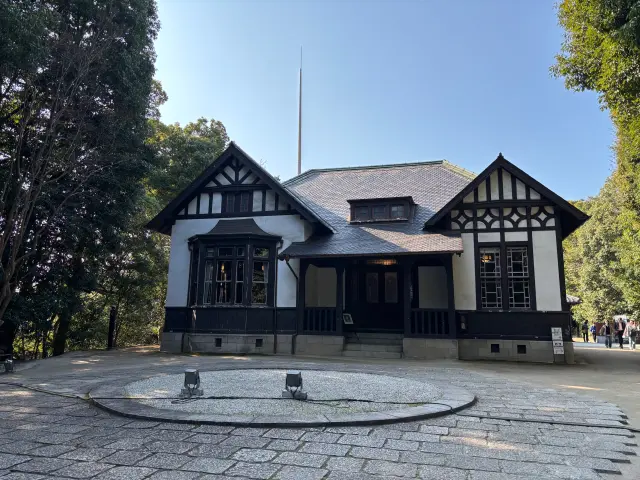
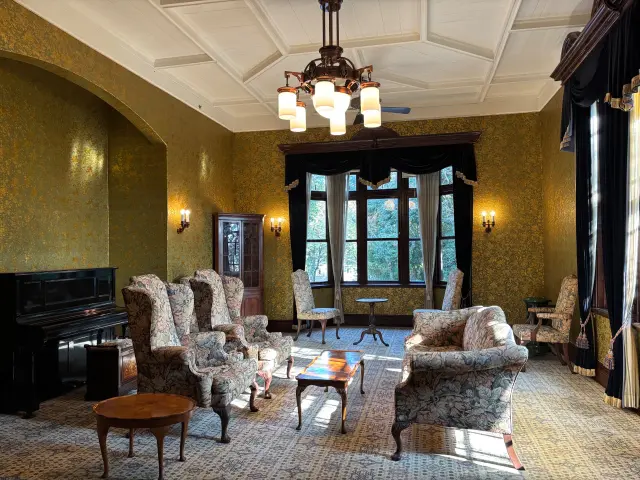
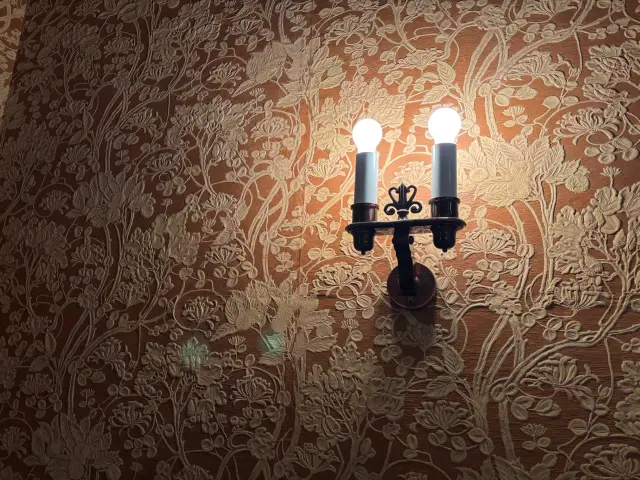
The building combines Japanese and Western architectural styles. The Western-style wing served as both the commander-in-chief’s office and a reception facility, while the Japanese-style rooms formed the residential quarters. It was designated a National Important Cultural Property in 1998. The British-style Western wing, where the commander-in-chief worked, features lavish interiors, including an office, reception room, and spacious dining room. Also noteworthy are the walls decorated with kinkarakami, a traditional Japanese craft. This embossed paper was designed to resemble leather and was recreated using woodblocks made from patterns found on small surviving pieces of the original wallpaper. Five different kinkarakami patterns can be seen throughout the building, so take your time to appreciate each one.

Other attractions include the History and Folklore Museum, which hosts special exhibitions; the former Naval Arsenal tower clock; and a relocated annex from the house where Heihachiro Togo lived while stationed in Kure. Allow plenty of time to explore the entire museum.

Highlights

  • The former official residence of the commander-in-chief of the Kure Naval District is open to the public as a museum.
  • The current building, a reconstruction of the second-generation residence, combines Japanese and Western architectural styles and was designated a National Important Cultural Property in 1998.
  • The walls of the Western-style wing feature kinkarakami, a traditional Japanese decorative paper.
  • The site also includes the History and Folklore Museum, which hosts a variety of special exhibitions.
  • Visitors can also see the relocated annex of the former Togo Residence, where Heihachiro Togo once lived.

Photos

  • The former official residence of the commander-in-chief of the Kure Naval District. Paving stones from the city’s streetcar tracks were used for the carriage stop in front of the entrance.

    The former official residence of the commander-in-chief of the Kure Naval District. Paving stones from the city’s streetcar tracks were used for the carriage stop in front of the entrance.

  • The stained glass at the entrance was made in Britain. Sunlight streaming through it makes the colors especially vivid.

    The stained glass at the entrance was made in Britain. Sunlight streaming through it makes the colors especially vivid.

  • Kinkarakami in the reception room. This wallpaper dates back to the building’s time as the commander-in-chief’s residence.

    Kinkarakami in the reception room. This wallpaper dates back to the building’s time as the commander-in-chief’s residence.

  • The spacious guest room, where dignitaries from Japan and abroad were received.

    The spacious guest room, where dignitaries from Japan and abroad were received.

  • The Japanese-style residential quarters used by successive commanders-in-chief. This room served as the family’s bedroom.

    The Japanese-style residential quarters used by successive commanders-in-chief. This room served as the family’s bedroom.

  • The former Naval Arsenal tower clock, which marked its 100th anniversary in 2021.

    The former Naval Arsenal tower clock, which marked its 100th anniversary in 2021.

Official FAQs

Frequently Asked Questions have been vetted and answered directly by each listing.

Q

Is reentry permitted?

A

Yes.

Q

Is free Wi-Fi available at the museum?

A

Yes.

Q

Are coin-operated lockers available?

A

No.

Reviews

2

Some reviews are AI-translated.

  • See More

    The Irifuneyama Memorial Museum is located in Kure, Hiroshima Prefecture, Japan, and is an important site preserving Kure's naval history. Its most notable building is the former official residence of the commander-in-chief of the Kure Naval District. Built during the Meiji era, it blends Japanese and Western architectural styles and has been designated an Important Cultural Property of Japan. The ornate kinkarakami wallpaper in the Western-style building is especially intricate and quite rare. Walking through the museum, I could really feel the atmosphere of the Meiji era, and it also gave me a better understanding of Kure's history.

  • See More

    Centered around the former residence of the Kure Naval District Commander, this place has been designated as an Important Cultural Property of Japan.

Details

Name in Japanese
入船山記念館
Postal Code
737-0028
Address
4-6 Saiwaicho, Kure, Hiroshima Prefecture
Phone
0823-21-1037
Closed on
Tuesdays (closed the following day when Tuesday is a national holiday)
[ New Year holidays ] December 29–January 3
Hours
9:00 a.m.–5:00 p.m.
Admission
Adults: ¥250; high school students: ¥150; elementary and junior high school students: ¥100
Access
13-minute walk from Kure Station on the JR Kure Line
Credit Cards
Not accepted
Official website
Official website (Japanese)
Hokkaido Tohoku Kanto Chubu Hokuriku Kansai Chugoku Shikoku Kyushu Okinawa