
![[Nemuro Travel Guide] Visit the City Where Japan’s Earliest Sunrise Appears! Experience a Journey Only Possible at the Edge of Japan](https://static.gltjp.com/glt/data/article/22000/21410/20260504_110921_7d927f11_w1920.webp)
[Nemuro Travel Guide] Visit the City Where Japan’s Earliest Sunrise Appears! Experience a Journey Only Possible at the Edge of Japan
Located at the easternmost tip of mainland Hokkaido, Nemuro faces the Pacific Ocean and the Sea of Okhotsk and is the city where the sun rises earliest in Japan.
Surrounded by vast nature and quiet, it offers a special sense of time unique to the “edge of Japan.”
From wild landscapes like Cape Nosappu and Shunkunitai to the rare Hanasaki crab, a delicacy you can only enjoy here, Nemuro is filled with attractions found nowhere else.
This article introduces top attractions, unique Nemuro experiences, and helpful travel tips.
Set out on a trip to Nemuro in search of scenery and moments you can only find here.
What is Nemuro Like?
Nemuro City, located on the Nemuro Peninsula in eastern Hokkaido, is Japan’s easternmost city and a nature-rich area facing the Pacific Ocean and the Sea of Okhotsk.
In summer, you can see Japan’s earliest sunrise around 3:00–4:00 am, and in winter around 6:00–7:00 am.
Unlike urban tourist destinations, Nemuro is known for its magnificent, rustic scenery, from untouched wetlands and lakes to dramatic coastal cliffs.
Its signature attractions include sunrise views from Cape Nosappu and birdwatching at Shunkunitai and Lake Furen. Nemuro is also blessed with fresh seafood such as Hanasaki crab, making it a place where you can enjoy wild nature, food, and history all at once.
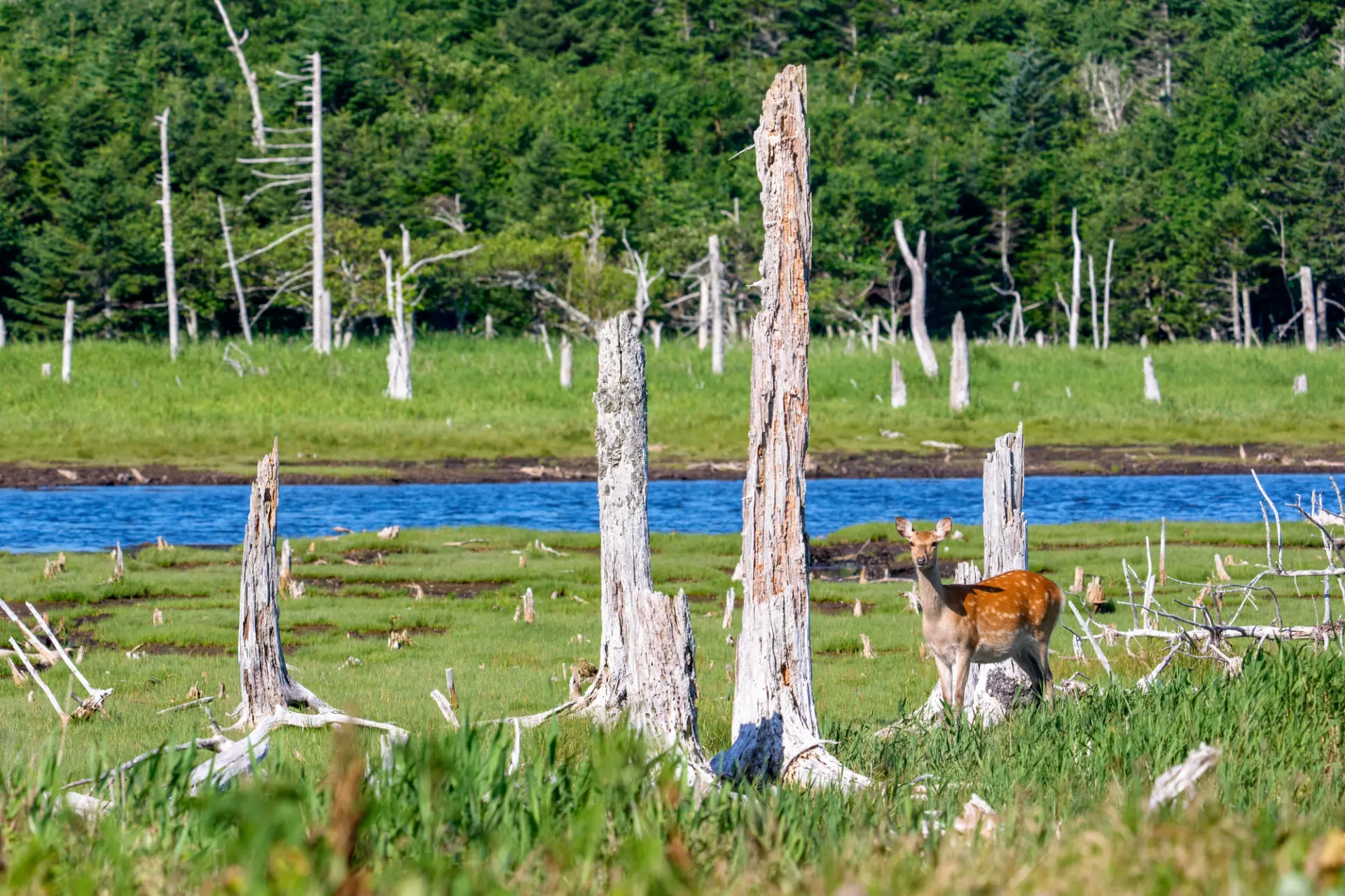
What is the Best Season to Visit Nemuro?
If you’re visiting Nemuro, summer (July–August) and winter (January–February) are especially recommended.
Summer is the season for Hanasaki crab, a local specialty you can only eat in Nemuro, with the peak season around July–August.
Many travelers come for teppo-jiru crab soup or simply boiled crab.
Around February in winter, you can see drift ice and observe rare wild birds such as Steller’s sea eagles, making it an irresistible season for nature lovers.
What to Wear in Nemuro by Season
- Spring (March - May)
- Light jacket or cardigan (some days can be chilly even in May)
- Summer (June - August)
- Light jacket, long sleeves (cooler than summers on Honshu, so protection against the chill is needed)
- Fall (September - November)
- Coat, heavy jacket
- Winter (December - February)
- Heavy coat, thermal innerwear, gloves, scarf
How Do You Get to Nemuro?
The main gateway station to Nemuro is Nemuro Station on the JR Hanasaki Line.
With the March 2025 timetable revision, Higashi-Nemuro Station was closed, making Nemuro Station Japan’s easternmost station for the first time in 64 years.
The nearest airport is Nemuro Nakashibetsu Airport, and it takes Approx. 120 minutes by local bus from the airport to the Nemuro Station Bus Terminal.
You can also travel via Kushiro Airport and use the JR Hanasaki Line, enjoying the Approx. 2.5-hour ride from Kushiro Station to Nemuro Station through vast natural scenery.
Main Transportation Options for Nemuro Sightseeing
Nemuro’s attractions are spread out in and around the city, so renting a car is the standard way to get around.
Public buses are available, but service is limited and not ideal for efficient sightseeing.
With the flexibility of a car, you can easily access places such as Cape Nosappu and Shunkunitai.
You can also use the regular sightseeing bus “Nosappu-go” to visit major spots efficiently with a guide.
11 Popular Attractions Around Nemuro
The spots introduced below center on places where you can experience the grand nature, history, and culture unique to Nemuro.
Along with untouched landscapes such as capes, wetlands, and lakes, you’ll also find facilities that share the region’s history.
By visiting them one by one, you’ll feel the deeper appeal of this area more clearly.
Be sure to make time for them.
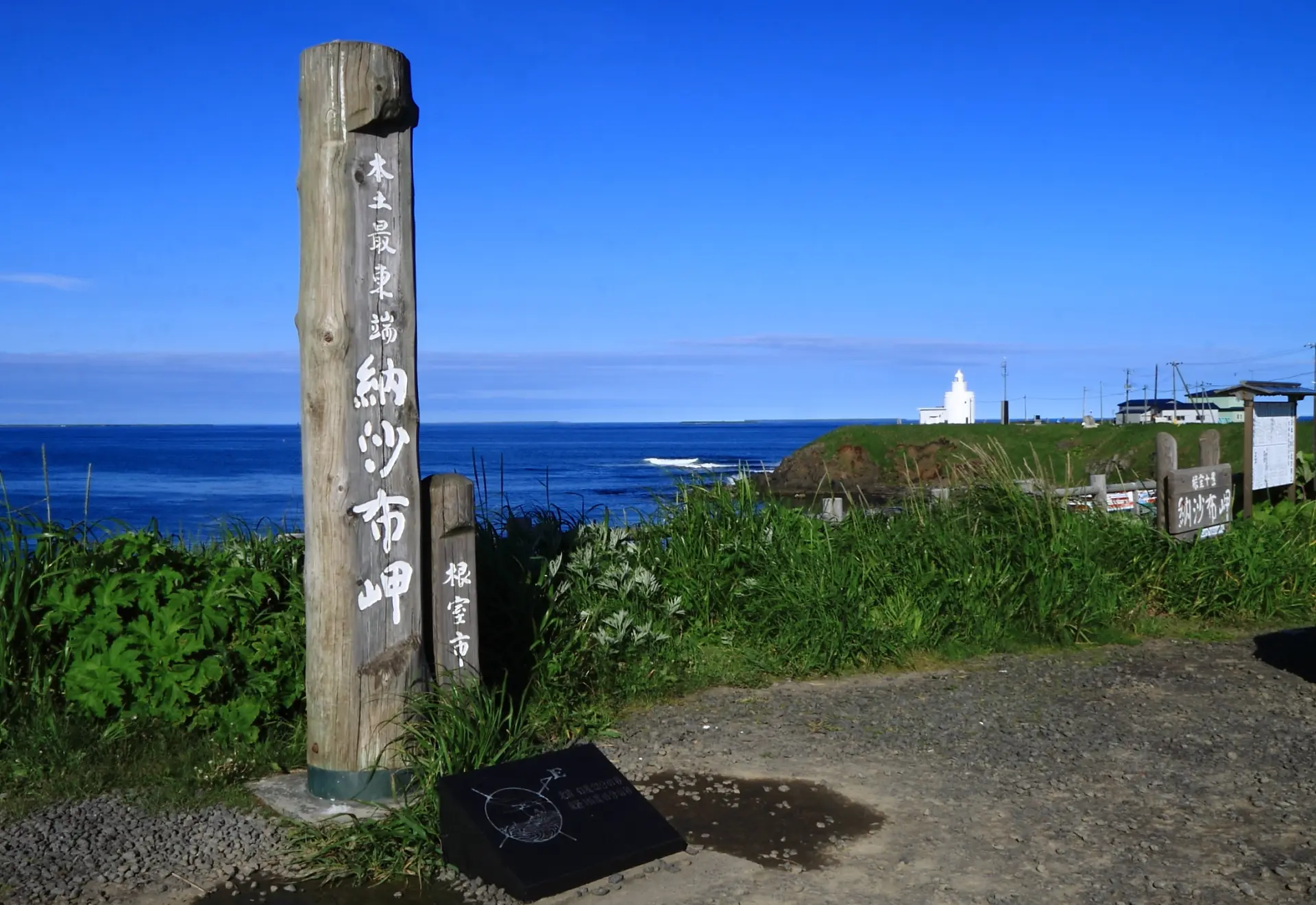
1. Cape Nosappu
A cape in Nemuro City, Hokkaido, known as the easternmost point of mainland Japan.
It is famous as the place where you can see Japan’s earliest sunrise, and especially on New Year’s Day, many people from across the country visit to worship Japan’s earliest first sunrise of the year.
The area around the cape is maintained as Bokyo no Misaki Park and has many highlights.
Inside the park are the Northern Territories Museum, which displays materials and panels about the four islands, and the Shima no Kakehashi Monument, created with prayers for the return of the Northern Territories and for peace.
2. Shunkunitai
A sandbar separating Nemuro Bay and Lake Furen, stretching Approx. 8 kilometers in length and up to 1.3 kilometers in width.
With wetlands, grasslands, dunes, and other varied natural environments, it is known as one of Japan’s top wild bird paradises.
Approx. 330 species of wild birds can be observed here, more than half of all wild bird species found in Japan. From April to October, plants such as skunk cabbage and beach rockcress bloom, adding color to the wetlands and grasslands.
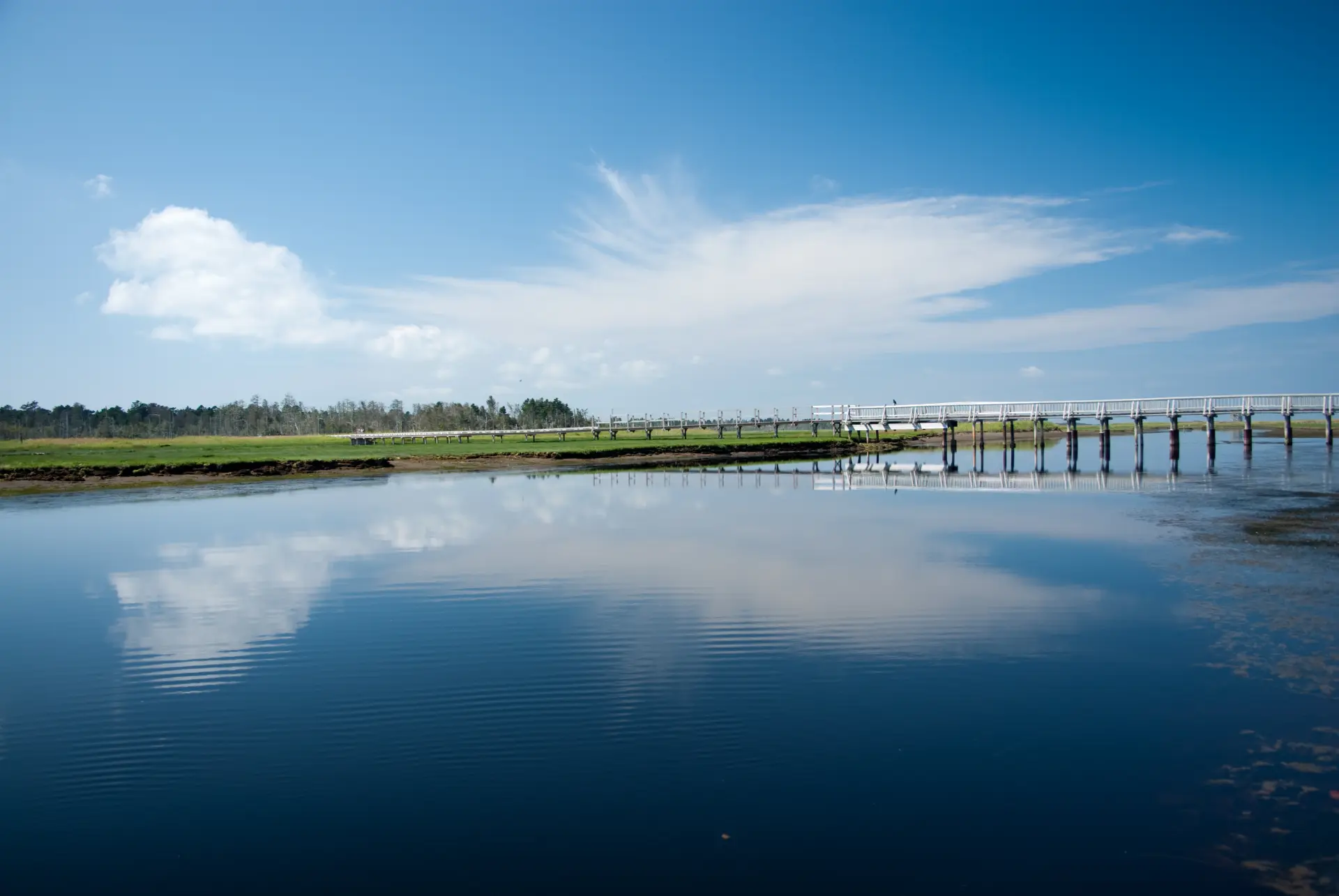
3. Lake Furen
Lake Furen, spanning Nemuro City and Betsukai Town in Hokkaido, is a brackish lake with a shoreline of Approx. 96 kilometers.
Around the lake are coastal dunes, grasslands, wetlands, and forests, where you can see diverse plants such as rugosa rose, Ezo sukashi-yuri lilies, and beach pea.
It is also known as one of Japan’s largest arrival sites for swans, and from mid-October in particular, many whooper swans arrive and turn the lake surface white.
You can also observe Approx. 330 species of wild birds, including the red-crowned crane, a Special Natural Monument.
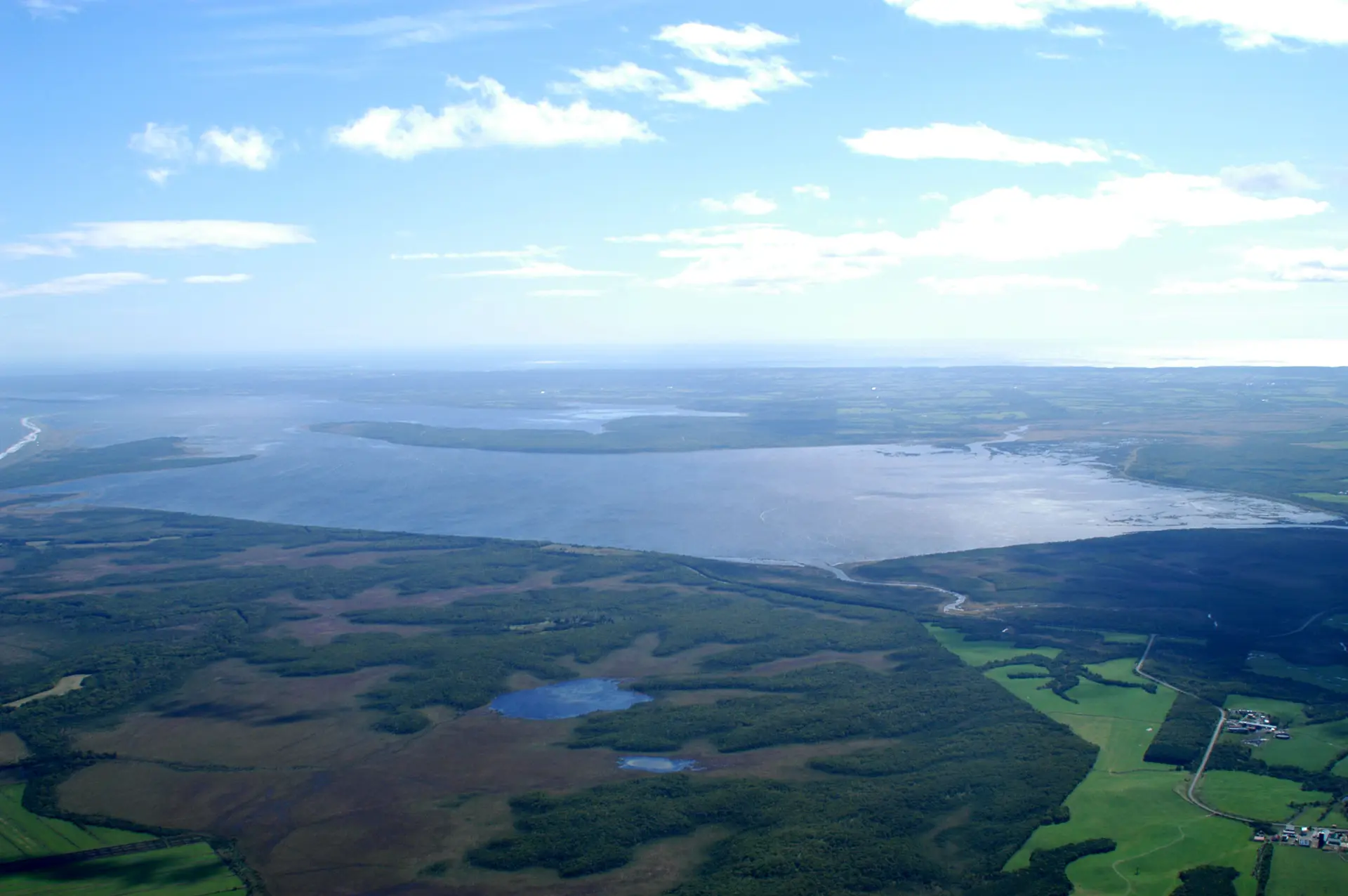
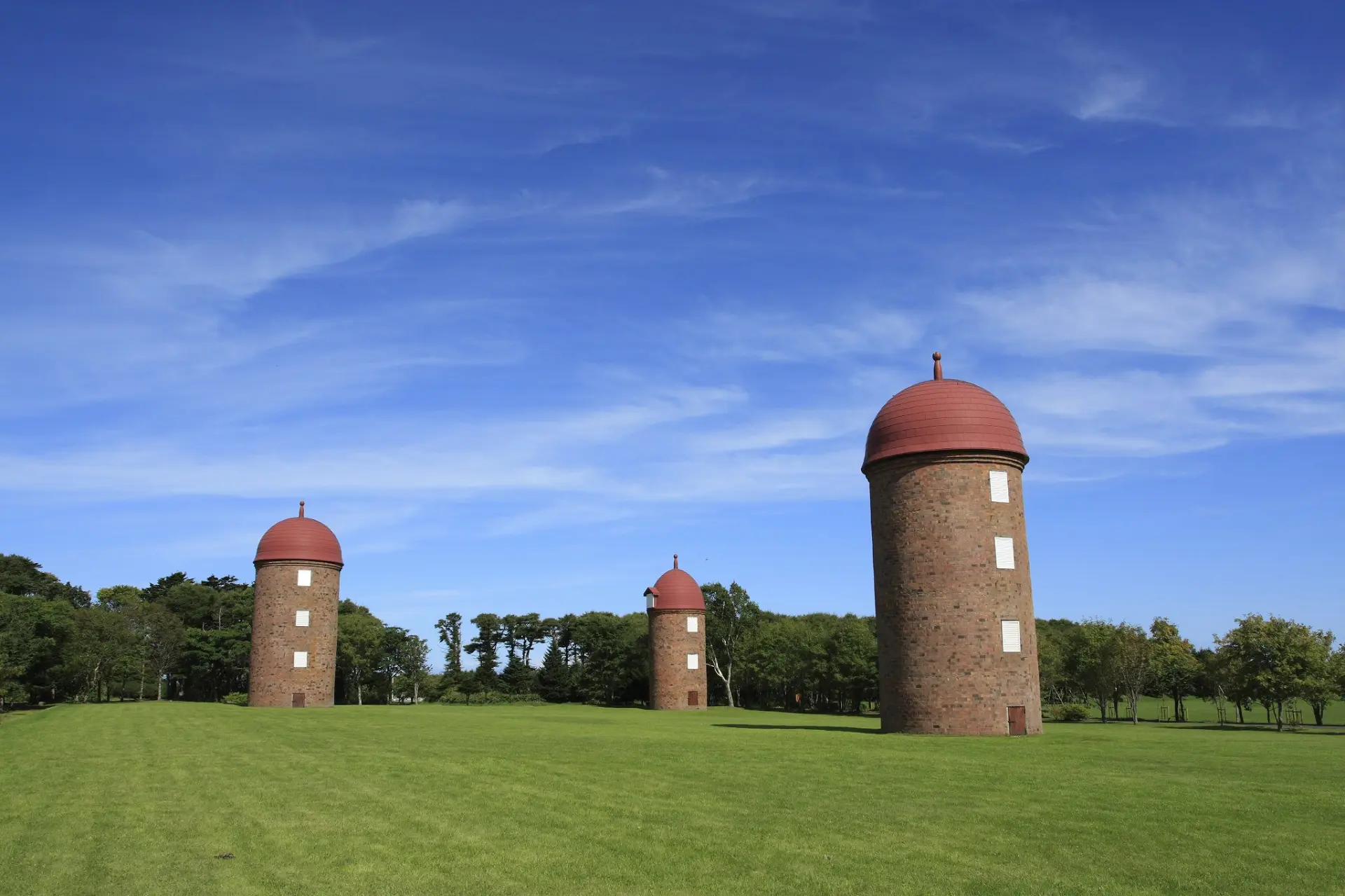
4. Meiji Park
A park opened in 1979 on the former site of the Kaitakushi Nemuro Ranch, the second-oldest national ranch in Hokkaido.
The 11.4-hectare grounds include spacious lawns, multipurpose areas, a fountain plaza, and more, making it a beloved place for local residents to relax.
In May, Chishima cherry blossoms, known as “Japan’s latest-blooming cherry blossoms,” come into bloom, and a light-up event is held.
5. Onneto
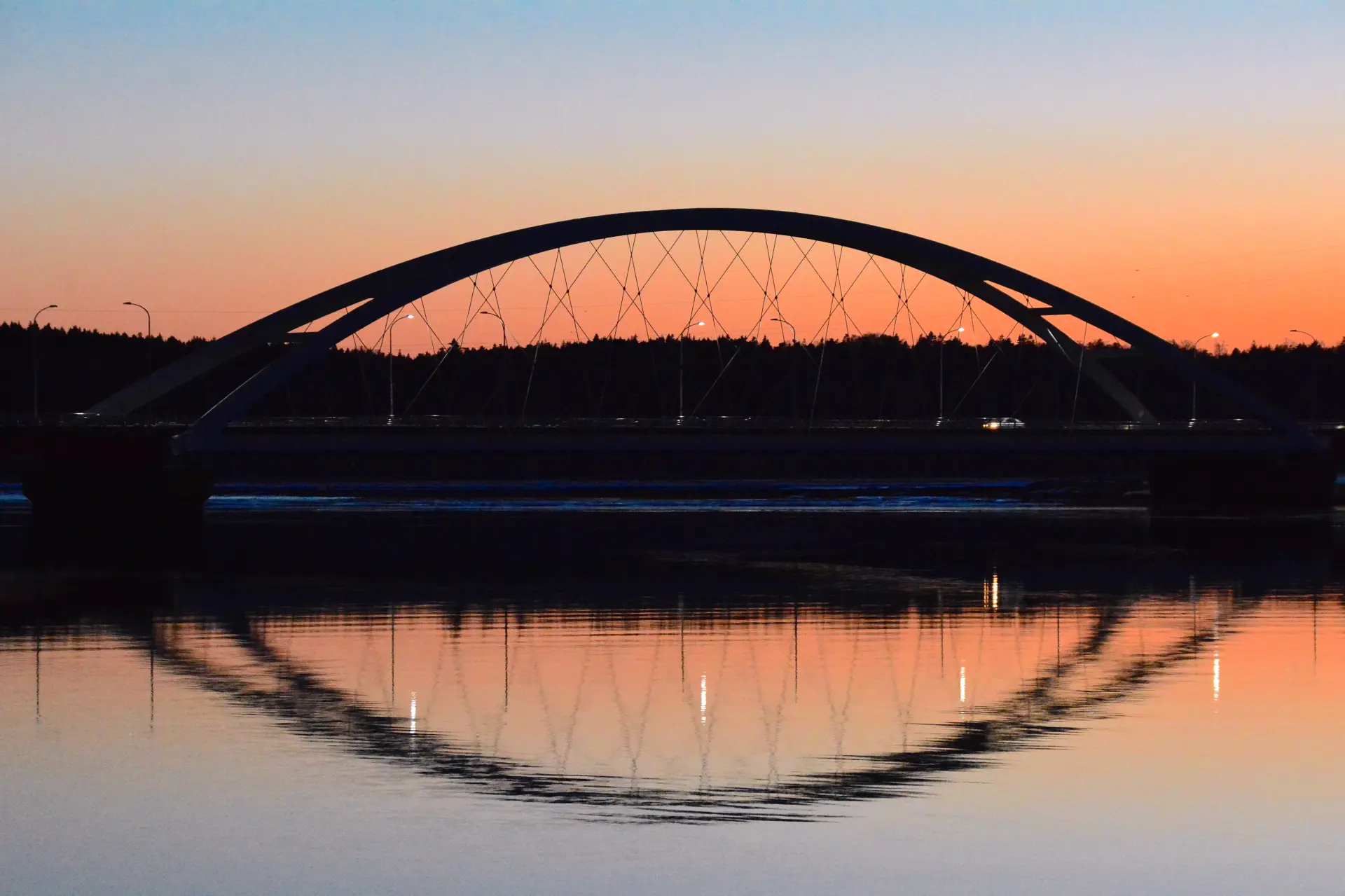
Onneto, one of Nemuro’s representative lakes alongside Lake Furen, is one of the “Ten Scenic Views of Nemuro.” It is a brackish lake where fresh water and seawater mix, with a shoreline of Approx. 15 kilometers.
At low tide, tidal flats stretch far offshore, as the lake is generally shallow, and it attracts people enjoying clam digging for clams and surf clams.
The lake scenery, which changes by season and time of day, is another appeal of Onneto.
In particular, Onneto Ohashi Bridge at the mouth of the lagoon is a popular sunset spot.
6. Northern Primeval Flower Garden
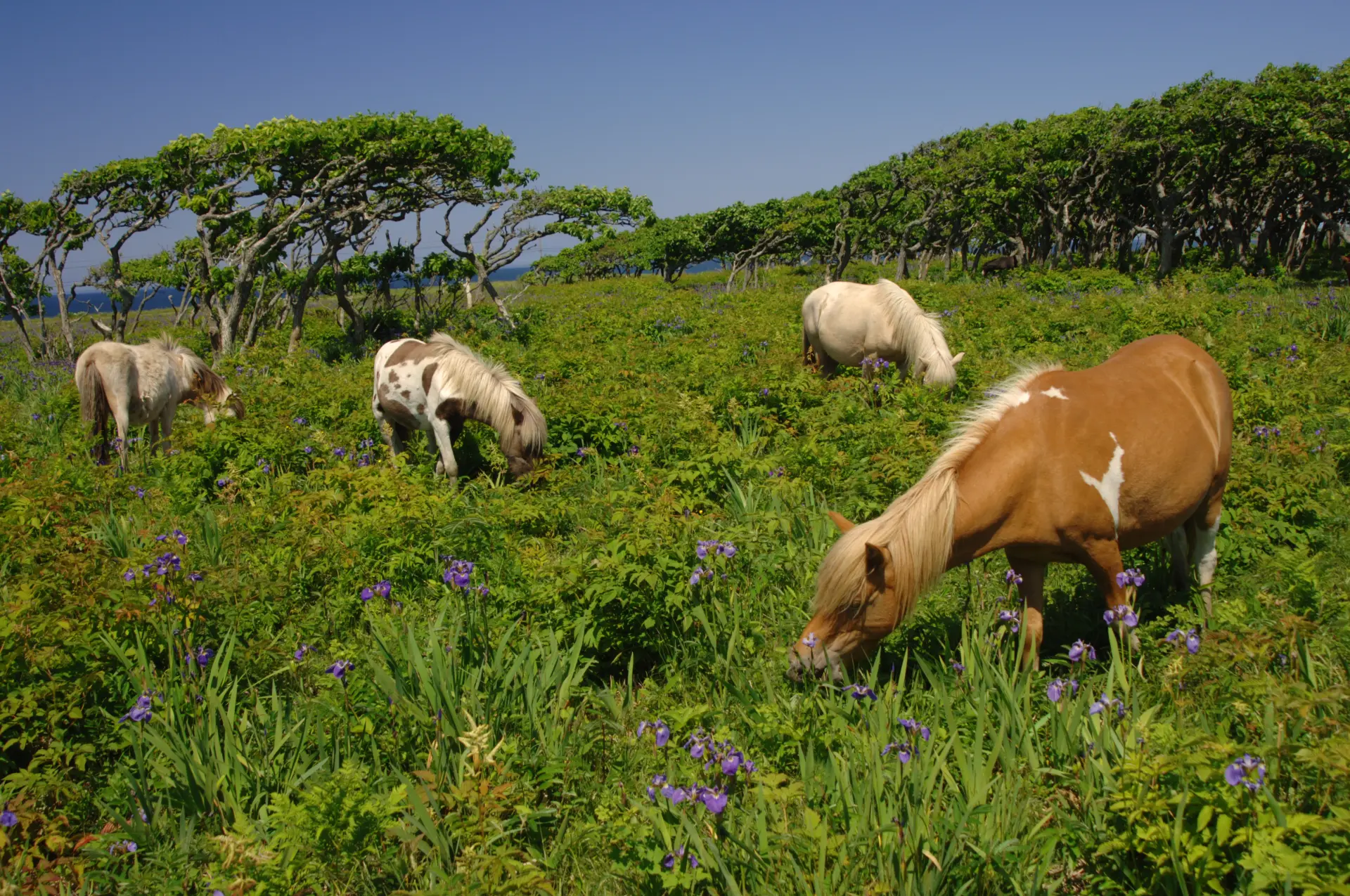
A nature-rich primeval flower garden of Approx. 75 hectares stretching along the Sea of Okhotsk in Nemuro City.
Located near Cape Nokkamappu on the way from central Nemuro to Cape Nosappu, it is recommended as a stop during a drive.
Inside the garden, an Approx. 2-kilometer boardwalk is maintained, allowing you to stroll through the wetlands while observing a wide variety of plants.
7. Nemuro City Shunkunitai Wild Bird Park Nature Center
Shunkunitai is an Approx. 8-kilometer-long sandbar with a rich natural environment and is registered under the Ramsar Convention.
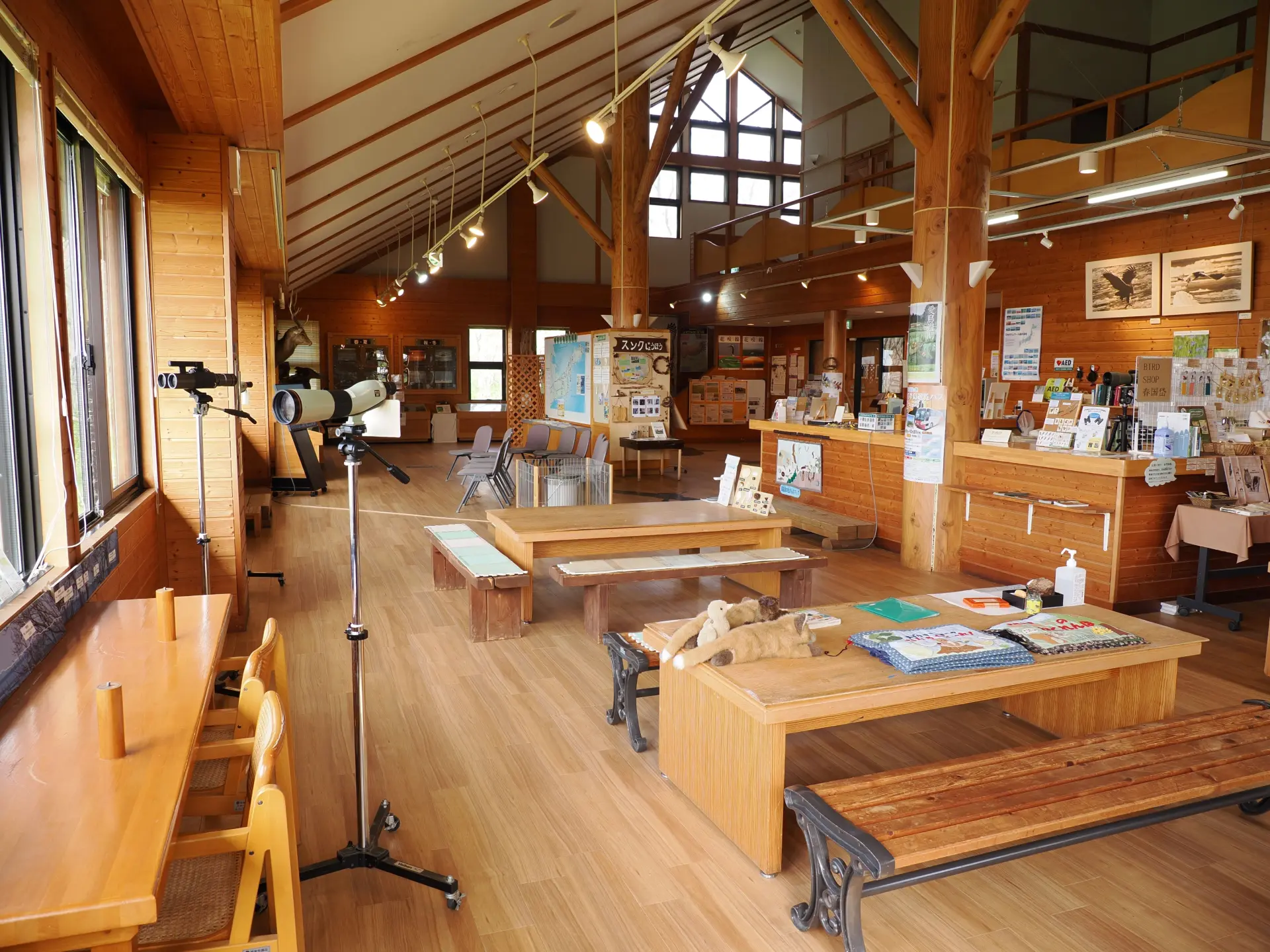
The Nemuro City Shunkunitai Wild Bird Park Nature Center was established to protect and introduce the natural environment of Shunkunitai, a treasure house of wild flora and fauna, especially wild birds.
Nature specialists called rangers are stationed at the center and explain the natural environment of Shunkunitai and the surrounding area, as well as the plants and animals that visitors can observe.
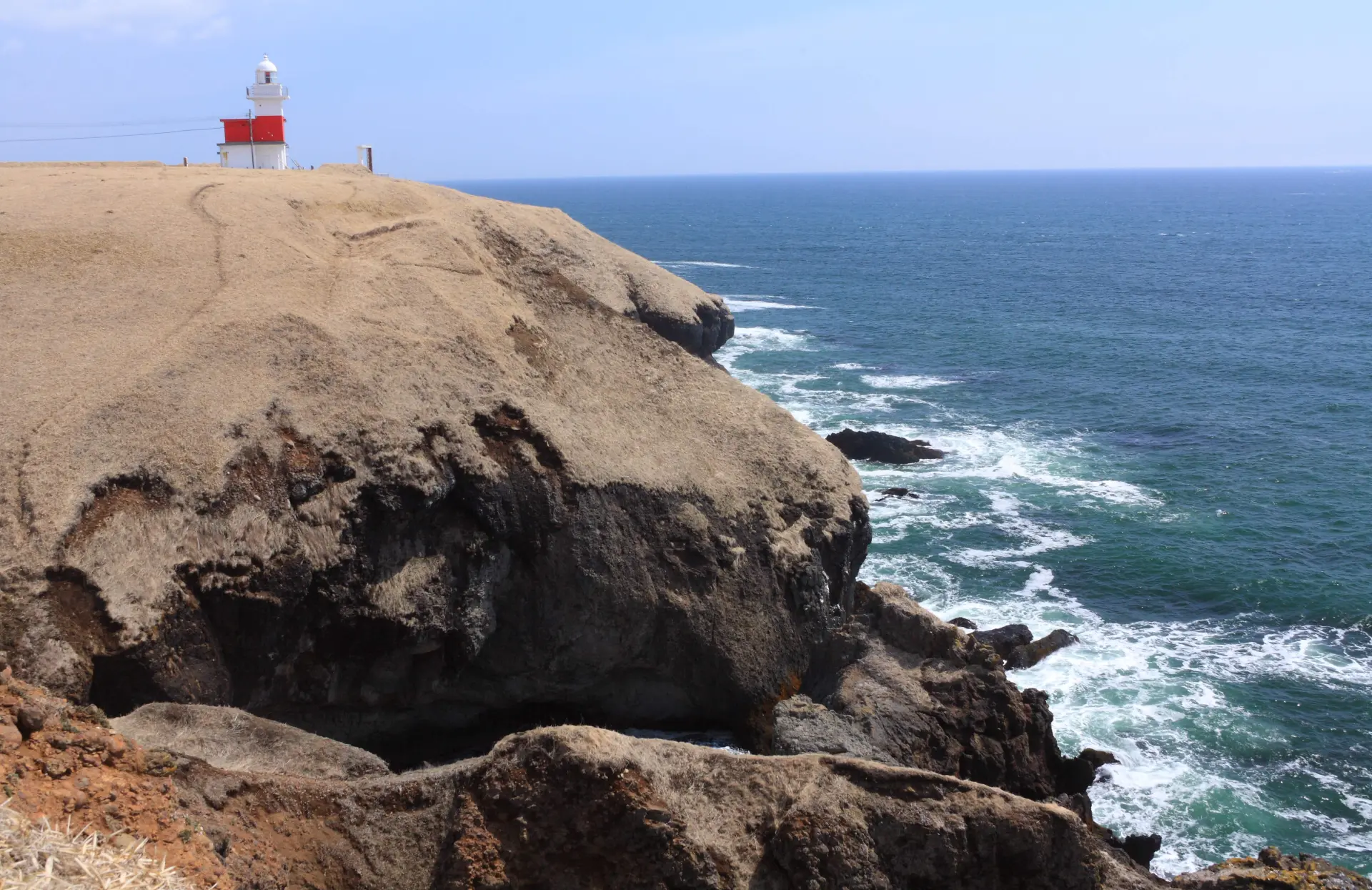
8. Cape Ochiishi
A cape in southern Nemuro City, Hokkaido, jutting into the Pacific Ocean from the base of the Nemuro Peninsula.
Surrounded by sheer cliffs, it offers a landscape of untouched nature.
Listed as one of the “Ten Scenic Views of Nemuro,” the cape offers dynamic views of towering cliffs and rough waves.
At the tip of the cape stands a striking red-and-white lighthouse, and the path to it passes through a forested area thick with trees such as Sakhalin spruce.
In the forest wetlands, you can also see Sakai azalea, designated a National Natural Monument.
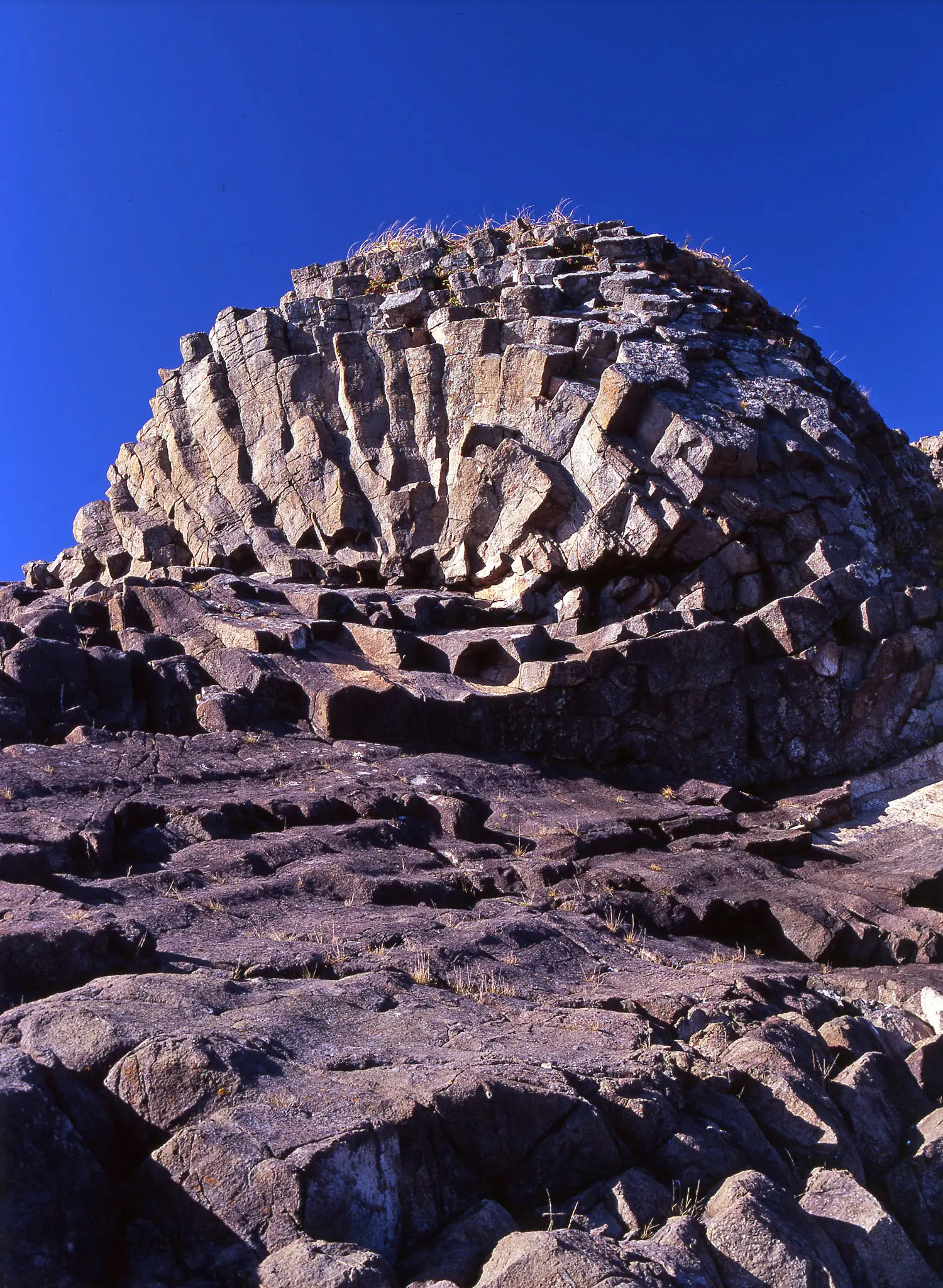
9. Hanasaki Lighthouse Kurumaishi
A huge, unusual rock located on a cape at Hanasaki Port in Nemuro, known as a production area for Hanasaki crab.
The stone, which reaches 6 meters in diameter, is basalt with a radial joint structure, and its distinctive wheel-like shape has the powerful presence of a work of art.
A stone of this shape and size is rare even worldwide, and it is designated a National Natural Monument.
Smaller kurumaishi stones with diameters of 1–3 meters are also scattered nearby, so take a look while walking along the maintained boardwalk.
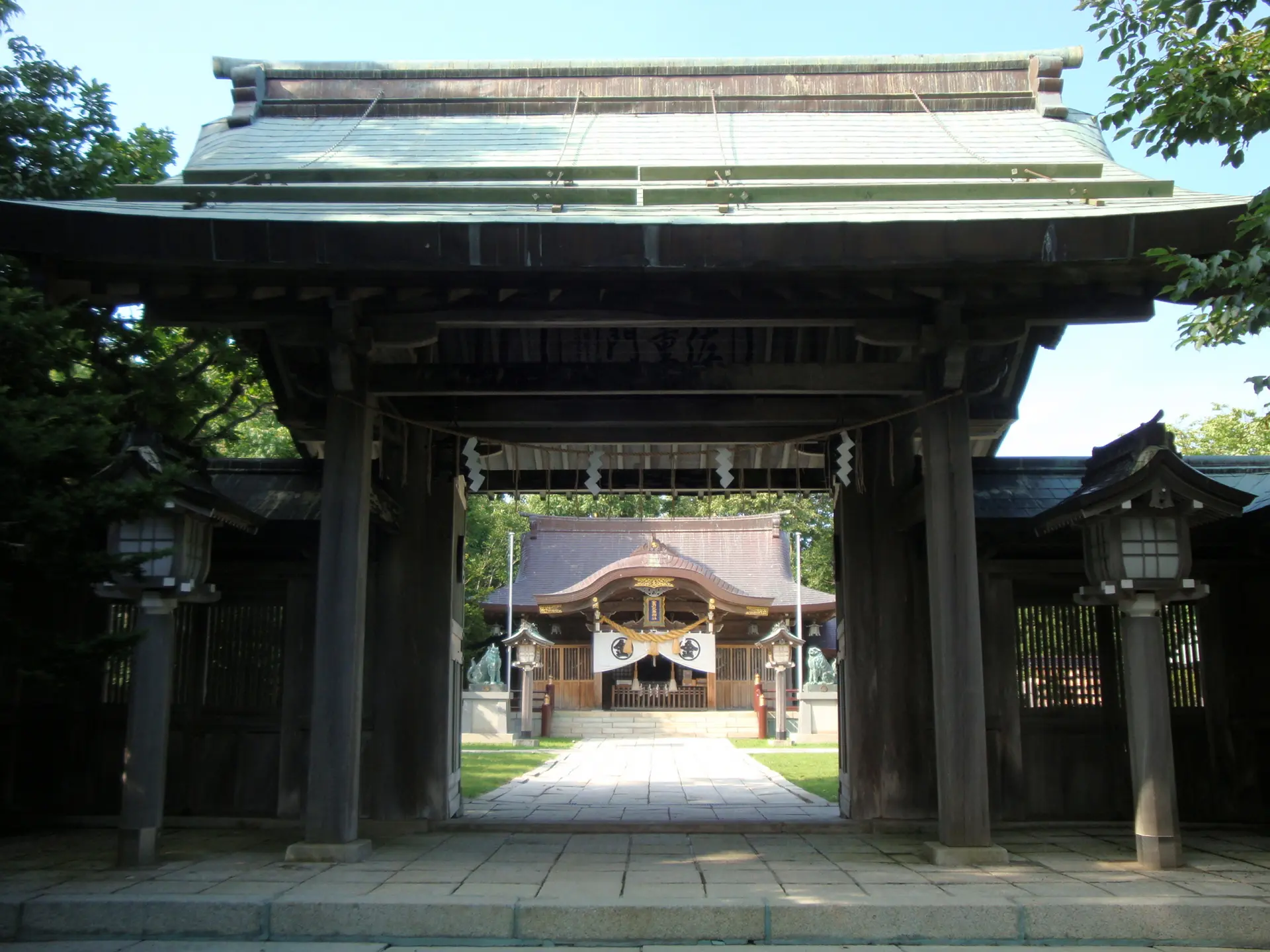
10. Kotohira Shrine
This shrine is said to have been built in 1806 by Takadaya Kahei, a merchant and pioneer of northern fishing who opened up Nemuro’s fishing grounds. As development progressed, it gained deep faith as a guardian deity of the community, and today it is worshipped as a protector of household safety, long-lasting descendants, fishing, industry, and commerce.
The Mikoshi Hall and Festival Museum on the shrine grounds displays mikoshi portable shrines and tools actually used in the annual grand festival.
You can also see the powerful festival procession through photos and videos.
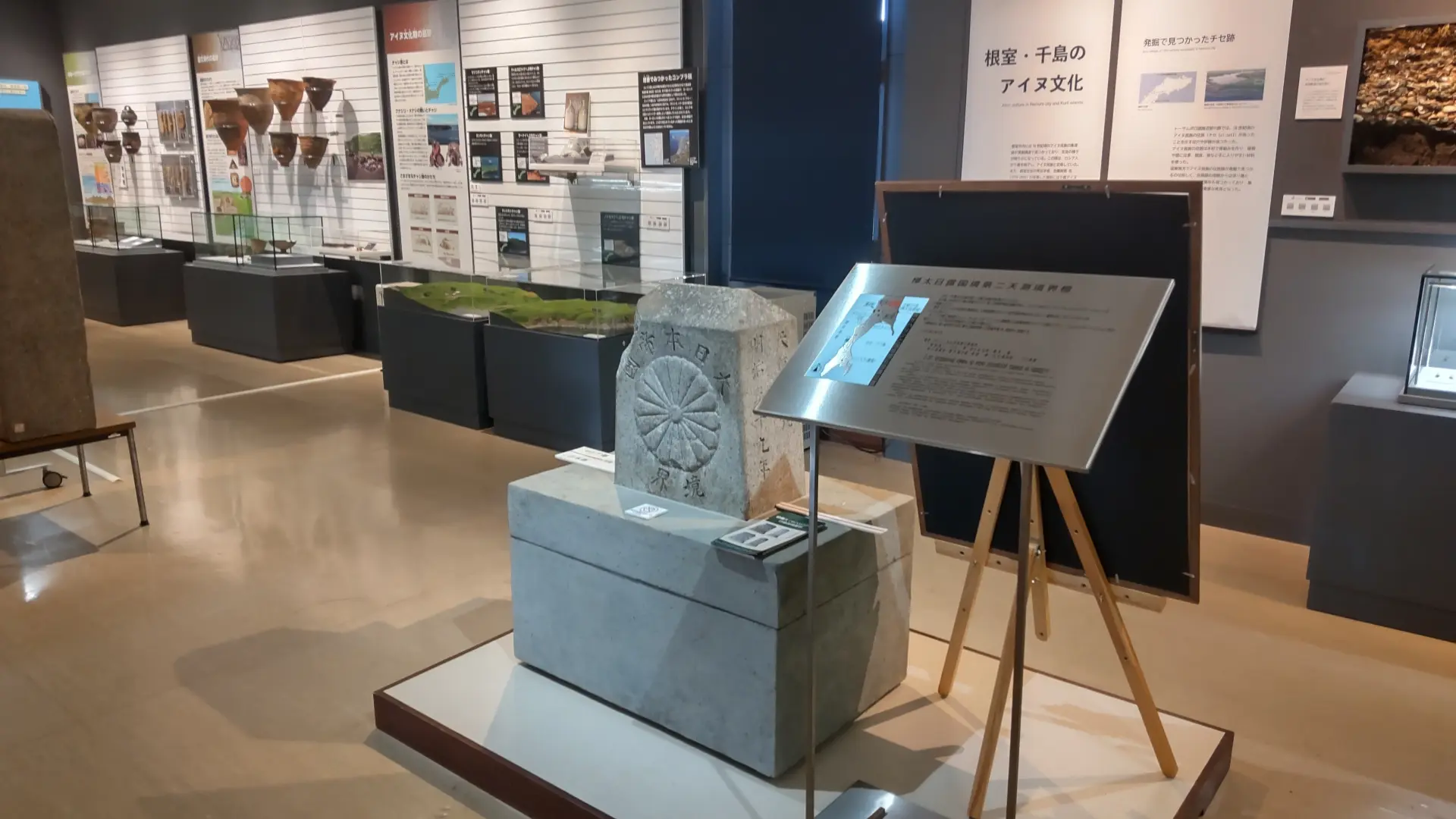
11. Nemuro City Museum of History and Nature
A museum that collects, preserves, and exhibits materials related to the history and nature of Nemuro City and the surrounding area.
Inside, exhibits include pottery and stone tools excavated from archaeological sites in the city, clay figurines from the late Jomon period, materials related to the arrival of Laxman, Russia’s first envoy to Japan, and border marker stones that were installed on Sakhalin.
Specimens of local animals such as the Blakiston’s fish owl, a Natural Monument, are also on display, helping visitors deepen their understanding of Nemuro’s natural environment.
3 Things to Do in Nemuro
When you visit Nemuro, don’t just tour the sights—enjoy experiences that are unique to this land.
The nature and food of Japan’s easternmost city, along with a sense of time found only here, will make your trip even more memorable.
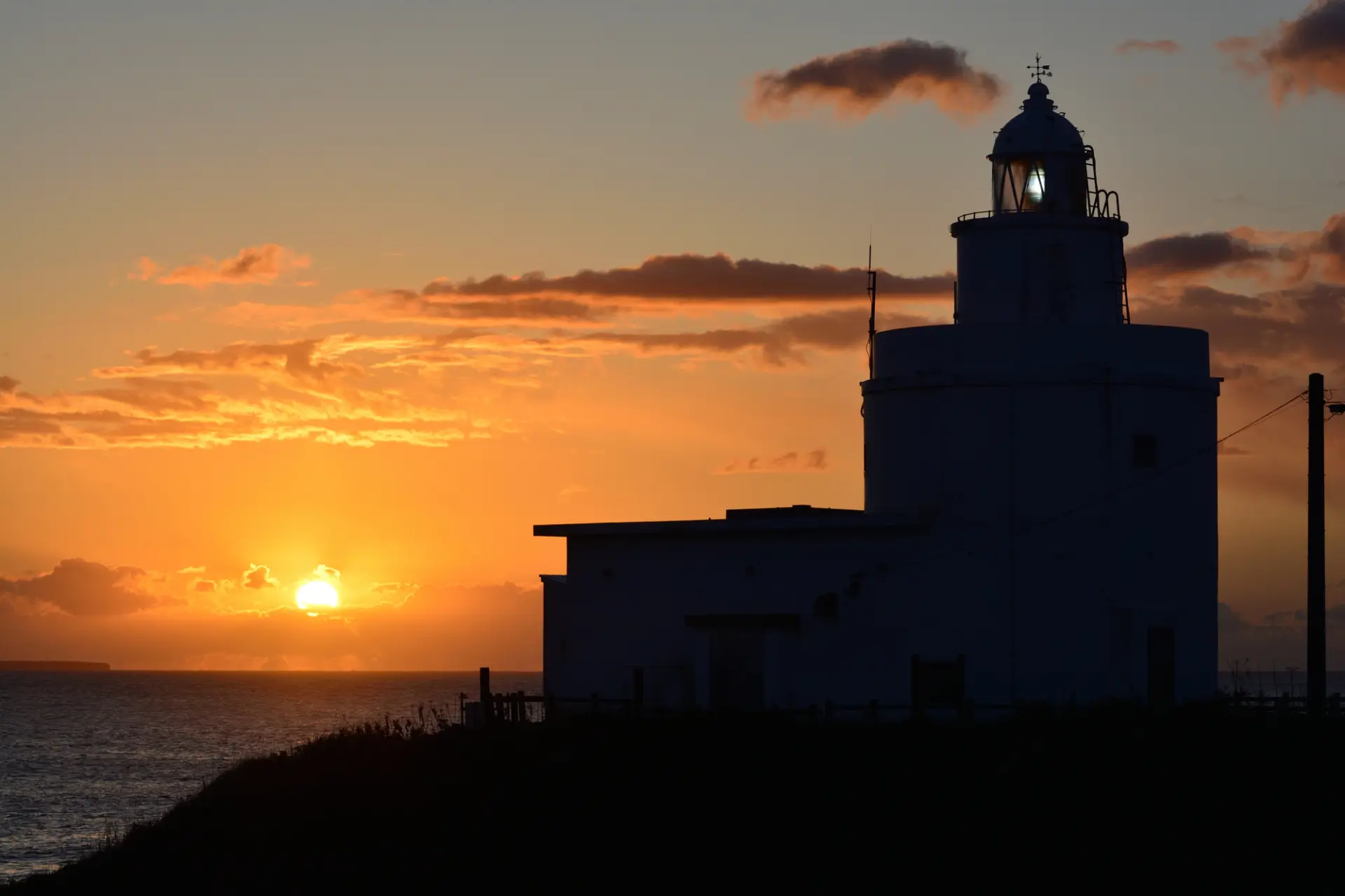
1. Watch Japan’s Earliest Sunrise
In Nemuro, Japan’s earliest sunrise arrives around 3:00–4:00 am in summer and around 6:00–7:00 am in winter. Cape Nosappu in particular is a classic spot to experience that moment.
The morning sun rising beyond the horizon slowly lights up the world in the silence, creating a feeling too moving for words.
Many people come seeking this single moment, making it a special experience and a highlight of the trip.
2. Eat a Whole Hanasaki Crab (July–September Only)
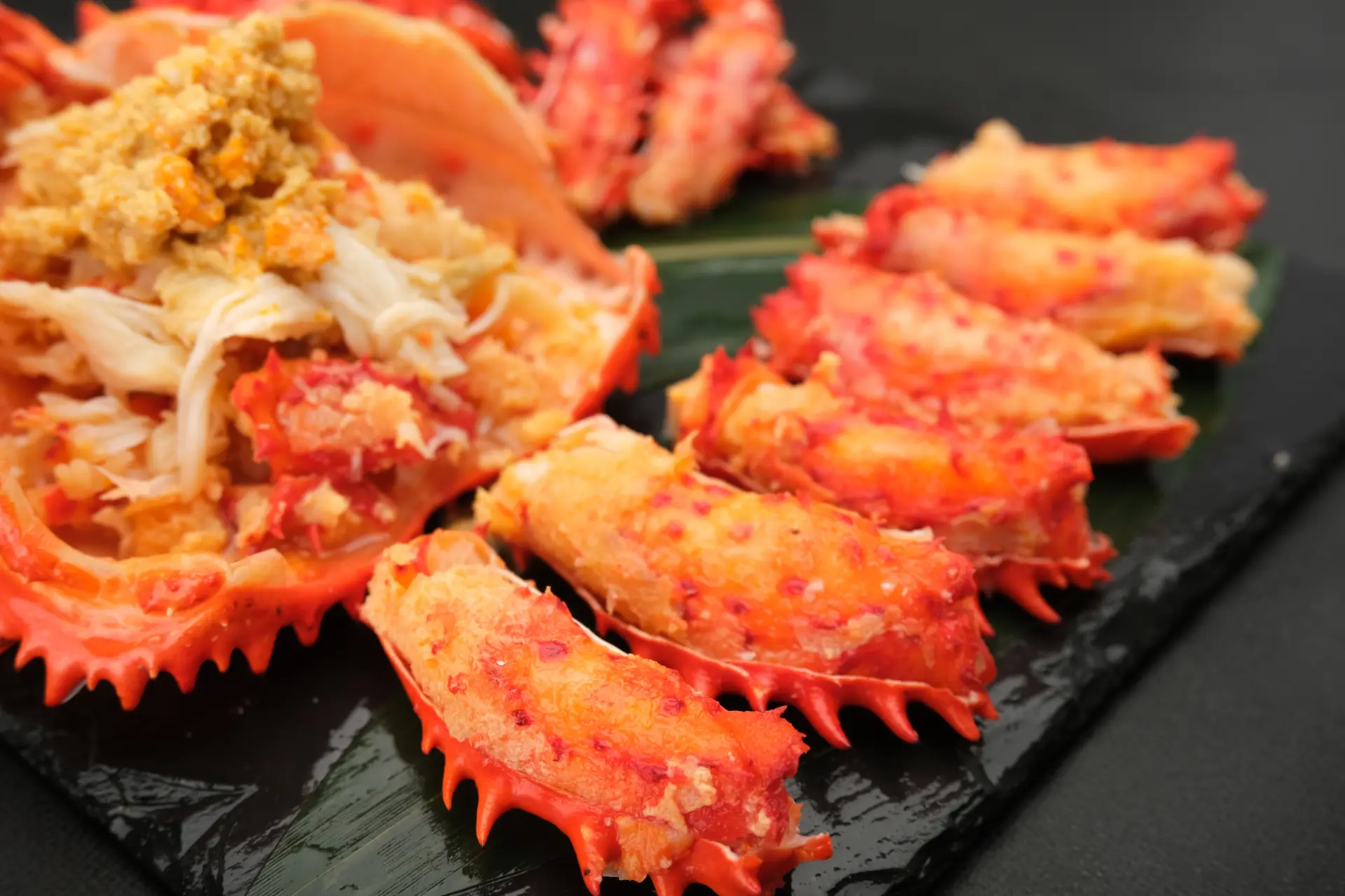
Hanasaki crab is a rare crab landed mainly around Nemuro in Japan, and its season is limited to July–September.
Known for its rich umami and firm, springy meat, enjoying a whole crab is a luxury unique to this area.
Local restaurants serve it fresh, allowing you to directly appreciate the quality of the ingredients.
If you visit Nemuro, this is one of the area’s signature foods worth planning your trip around.
3. Immerse Yourself in Birdwatching
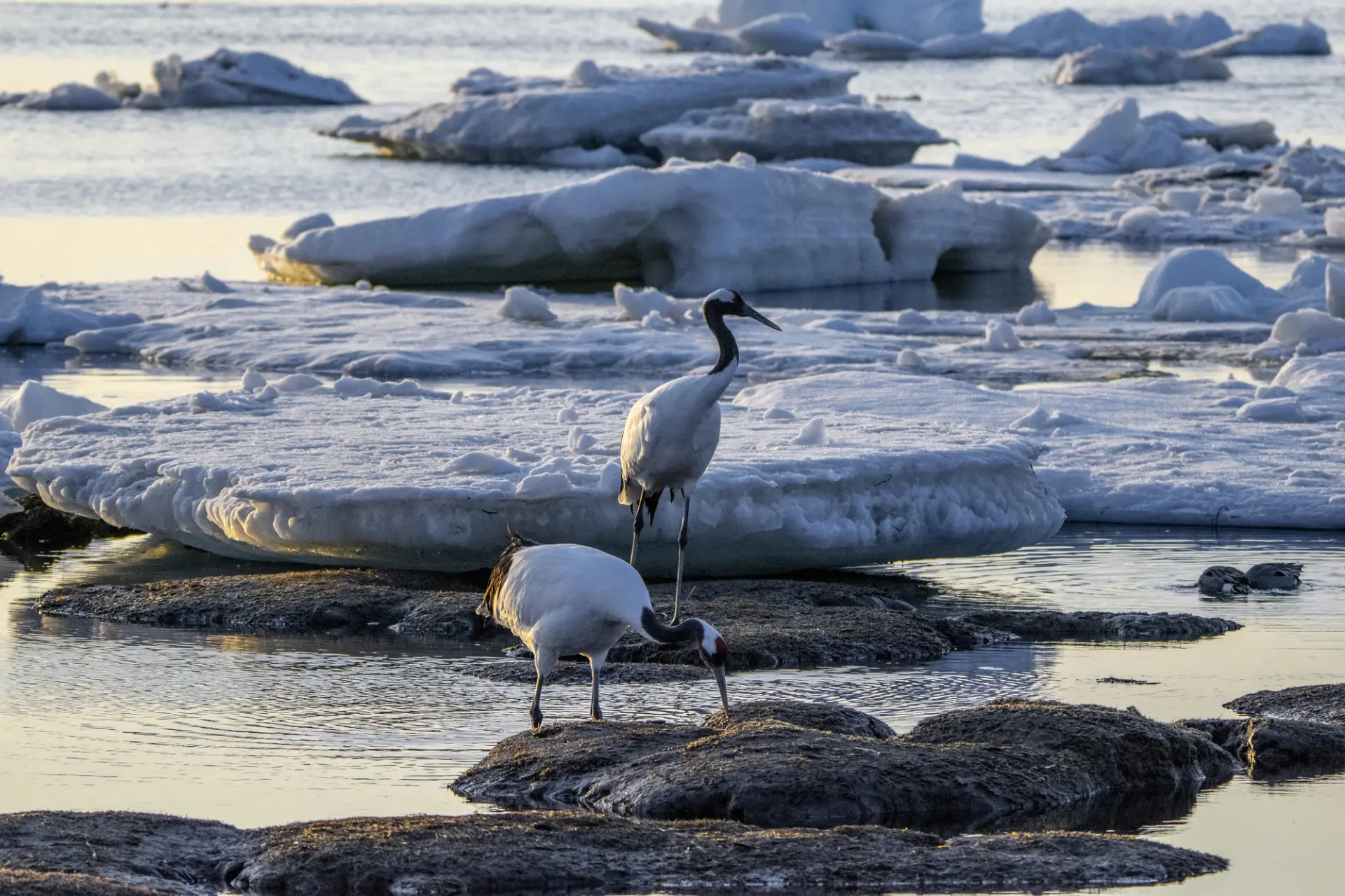
Nemuro is one of Japan’s leading birdwatching destinations, with Approx. half of the bird species seen in Japan confirmed here.
Shunkunitai and Lake Furen in particular are known for attracting a wide variety of birds and are sacred sites for enthusiasts from Japan and abroad.
You can observe different birds each season and feel the richness of nature up close.
It’s also appealing because even beginners can enjoy it casually.
3 Things to Keep in Mind in Nemuro
Nemuro is rich in nature, but its environment differs greatly from urban areas, so some caution is necessary.
Understanding the climate, transportation, and facility situation in advance will help you enjoy a more comfortable and smooth trip.
1. Always Bring Warm Clothing, Even in Summer
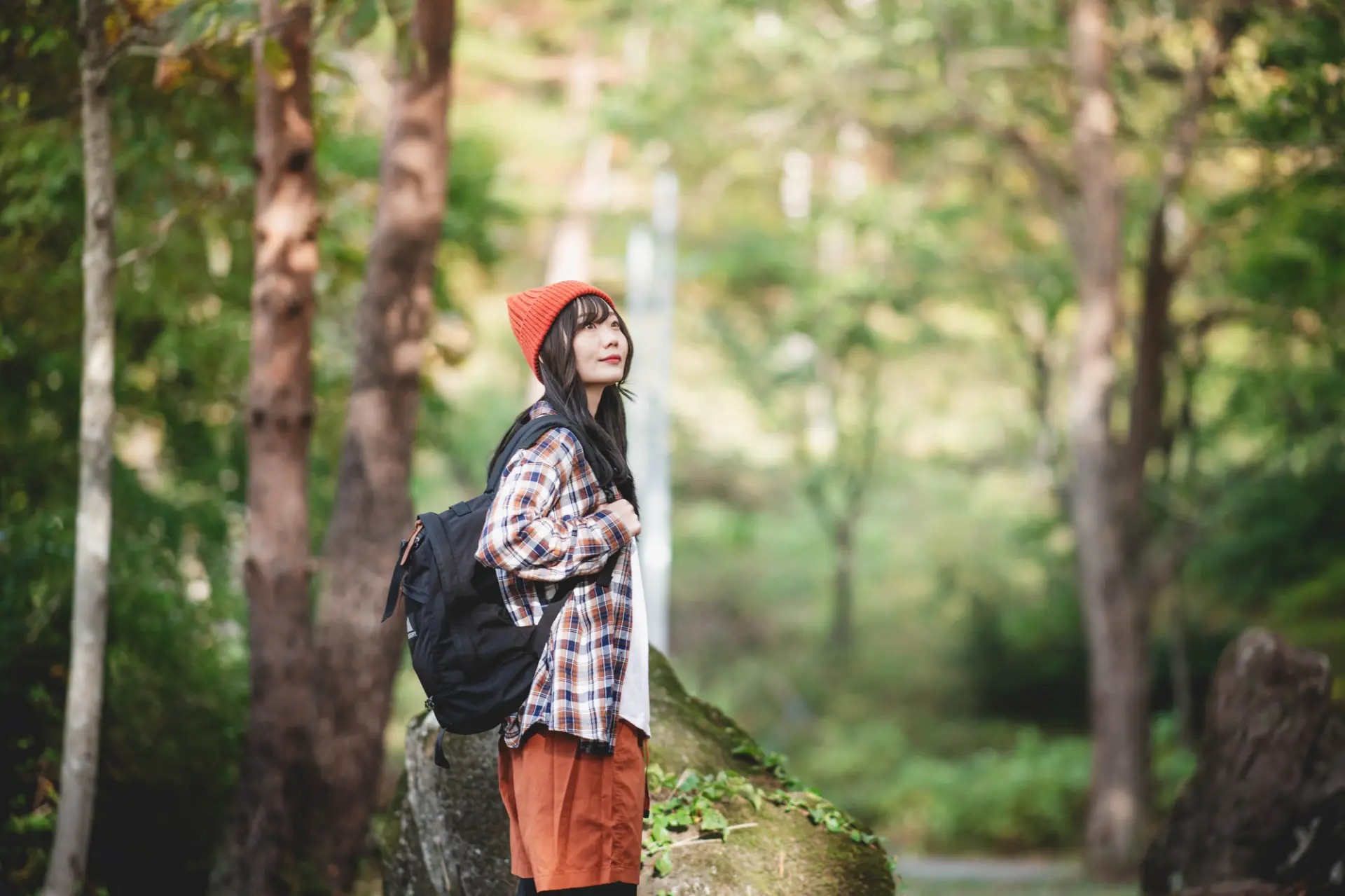
Because Nemuro is surrounded by the sea, temperatures do not rise much even in summer, and fog and wind often make it feel colder than expected.
If you visit dressed lightly as you would on Honshu, you may be surprised by how chilly it gets.
Cold winds are especially common in the mornings, evenings, and around the capes, so long sleeves and a light jacket are essential.
Choosing clothes you can layer will help you sightsee comfortably.
2. A Rental Car Is the Standard Way to Get Around
Nemuro’s attractions are spread over a wide area, and buses are infrequent, so advance rental car reservations are essential.
While driving, be careful of poor visibility caused by fog and wild animals suddenly entering the road; at night in particular, slow down and drive cautiously.
There are also few gas stations in Nemuro City, and many close early.
Refuel with plenty of time to spare, and be sure to fill up before heading out for a longer drive.
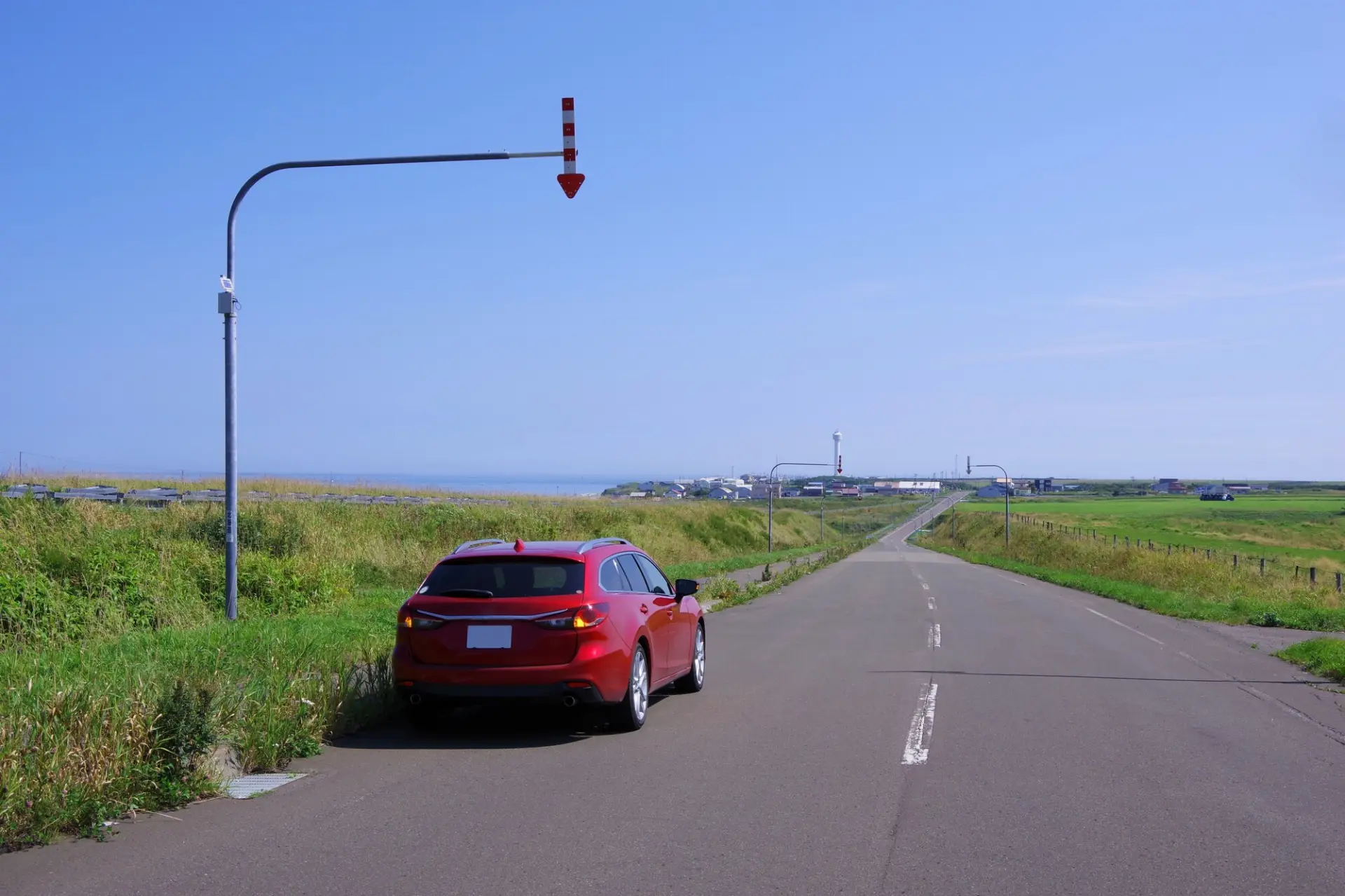
3. Check Restaurant and Tourist Facility Hours in Advance
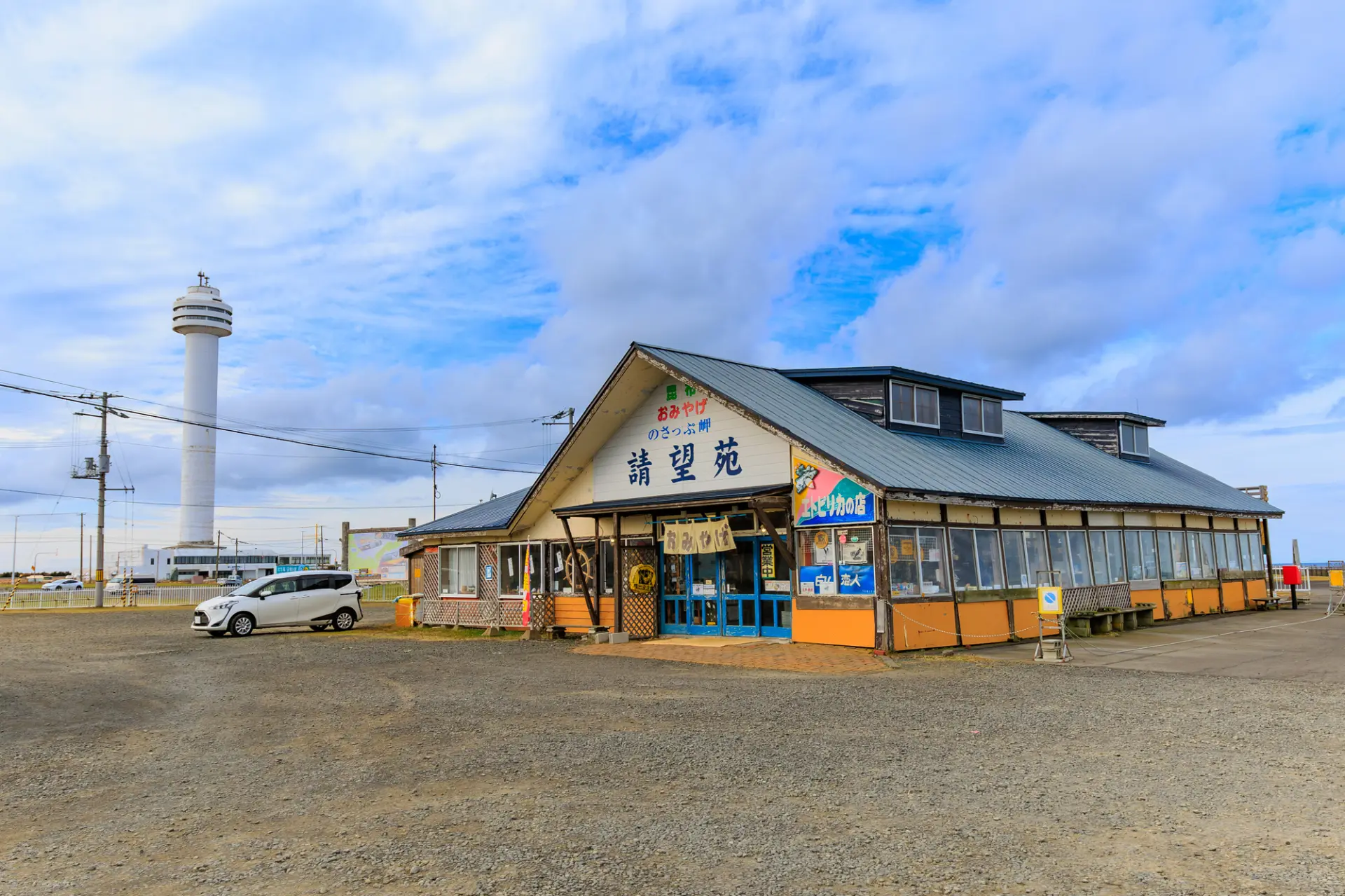
Compared with urban areas, Nemuro has fewer restaurants and tourist facilities, and their business hours tend to be shorter.
Many places close in the evening, so you may have trouble finding a meal if you do not check in advance.
Many facilities also have regular closing days or operate seasonally, so confirming details before your visit is essential.
To sightsee efficiently, check the business information for the places you want to visit ahead of time.
FAQ about Nemuro Travel
Q
What is the best season for sightseeing in Nemuro?
June–September, when the weather is comfortable, is ideal. You can enjoy Nemuro year-round, with primeval flower gardens in early summer, saury in fall, and drift ice and eagle watching in winter.
Q
What transportation do you recommend?
Because attractions are spread out, a rental car is essential. Please drive carefully and watch out for Ezo deer suddenly entering the road.
Q
Are there local foods you can only eat in Nemuro?
Hanasaki crab and escalope, a local dish that originated in Nemuro, are must-try foods that represent the area. Be sure to try them.
Summary
This article introduced a wide range of Nemuro’s representative attractions, experiences, foods, and travel tips.
It is a place packed with the appeal of Japan’s easternmost city, including magnificent nature, quiet scenery, and seasonal seafood.
By visiting the spots introduced here, you are sure to encounter special moments and moving experiences found only in Nemuro, through spectacular views, wild birds, and food.