
Shurijo Castle Travel Guide: Seiden Highlights, Reservations, Time Required, and Suggested Routes
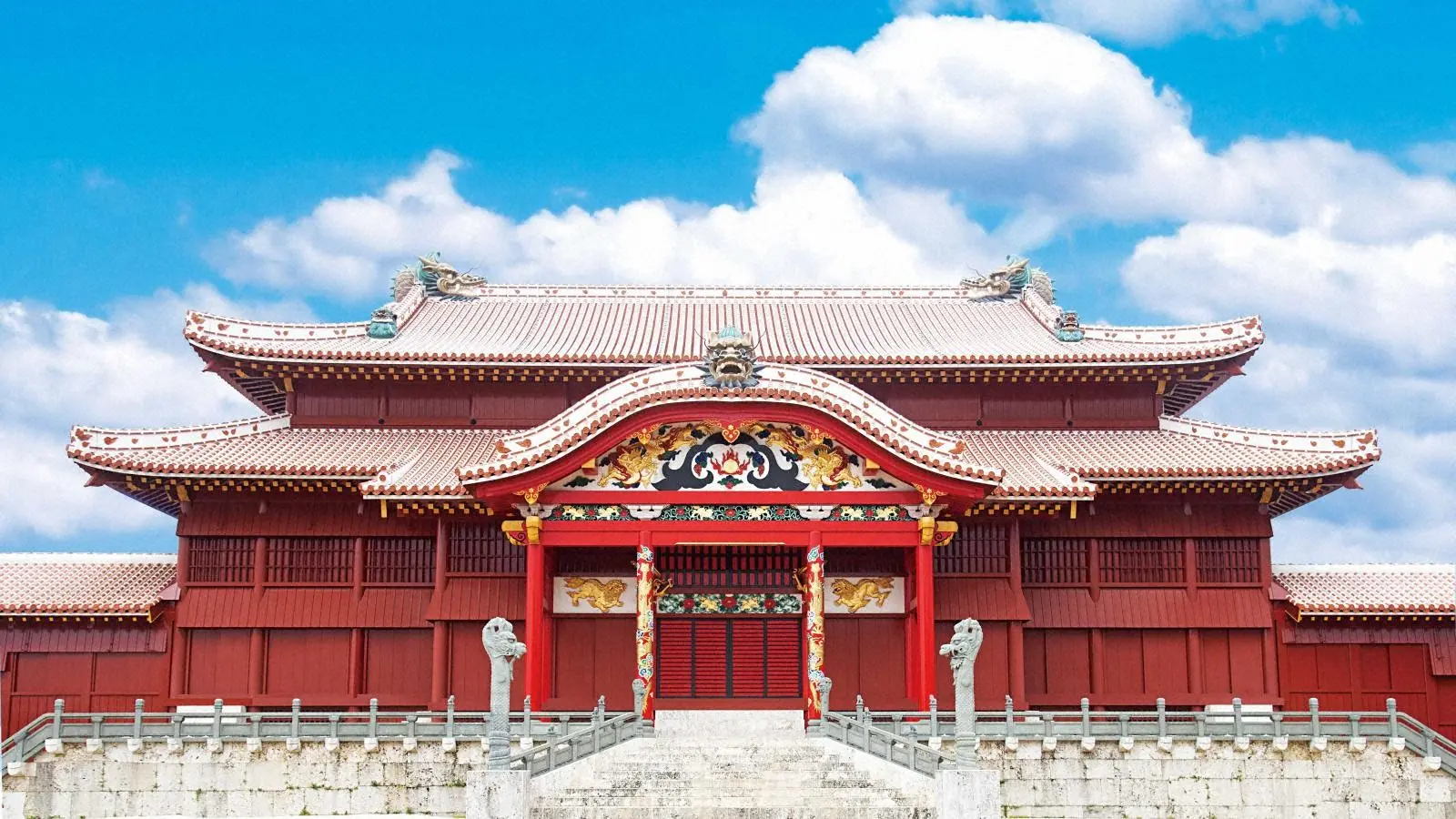
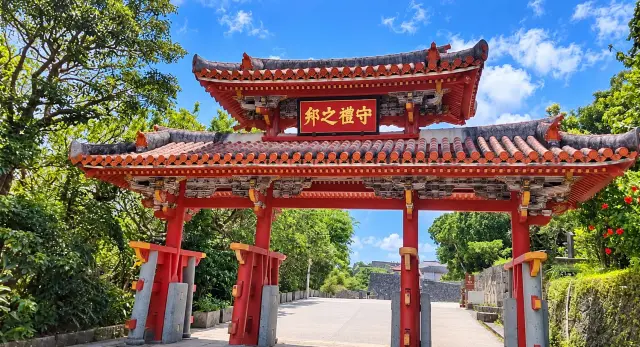
Pass through the vermilion Shureimon Gate and follow the stone walls through a series of gates to reach the Seiden, where the kings of the Ryukyu Kingdom once conducted affairs of state.
The Seiden, which was destroyed in a fire in 2019, has been reconstructed and opens to the public on November 23, 2026. If you would like to tour the interior, reserve a date and time in advance.
This article introduces the highlights of Shurijo Castle, from gates that can be visited for free to Ryukyu Kingdom ornamentation inside the Seiden. It also covers admission fees, how long a visit takes, and suggested routes based on what you would like to see.
What Is Shurijo Castle?
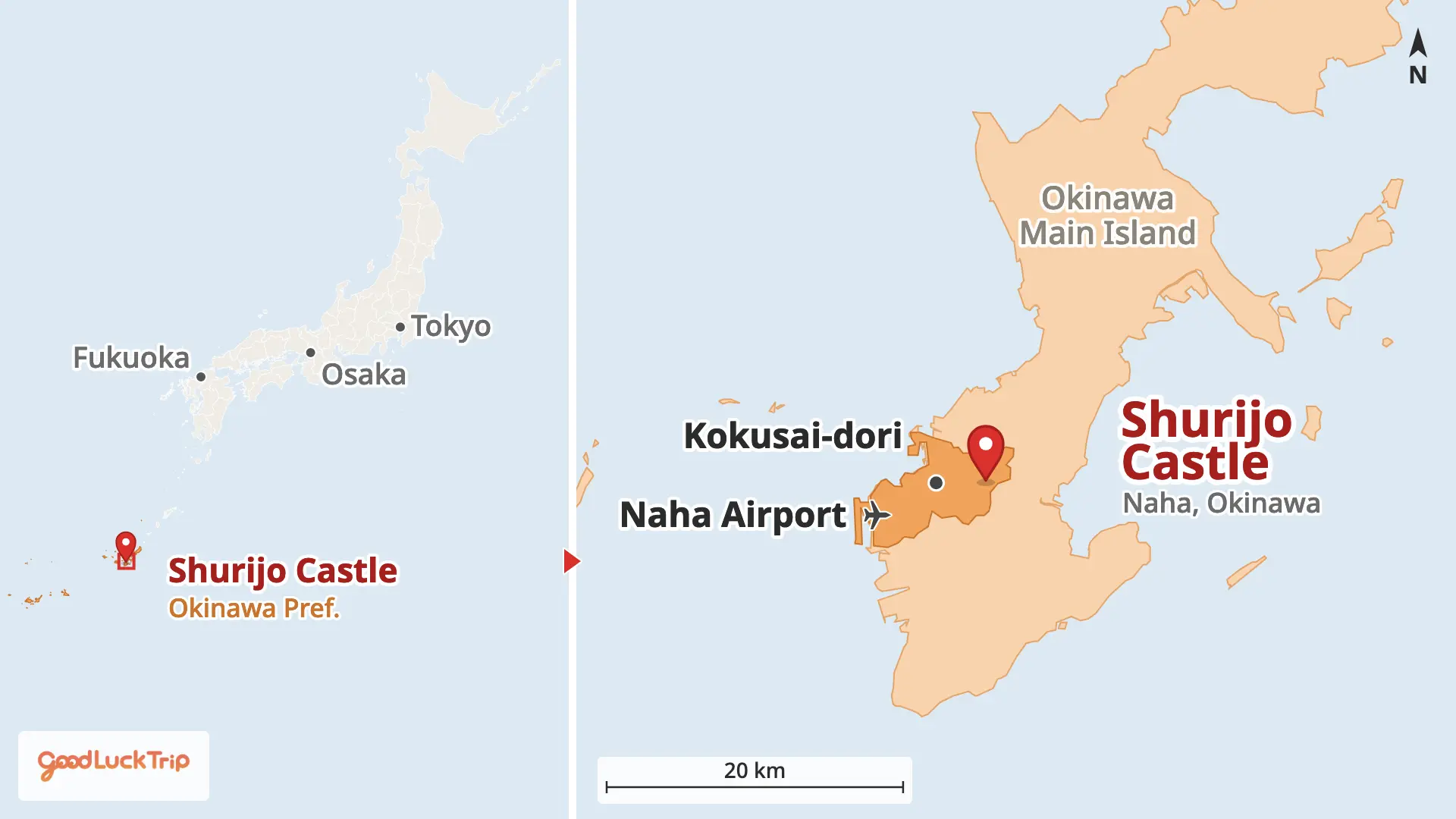
Located in Naha, Okinawa Prefecture, Shurijo Castle once flourished as the political, diplomatic, and cultural center of the Ryukyu Kingdom.
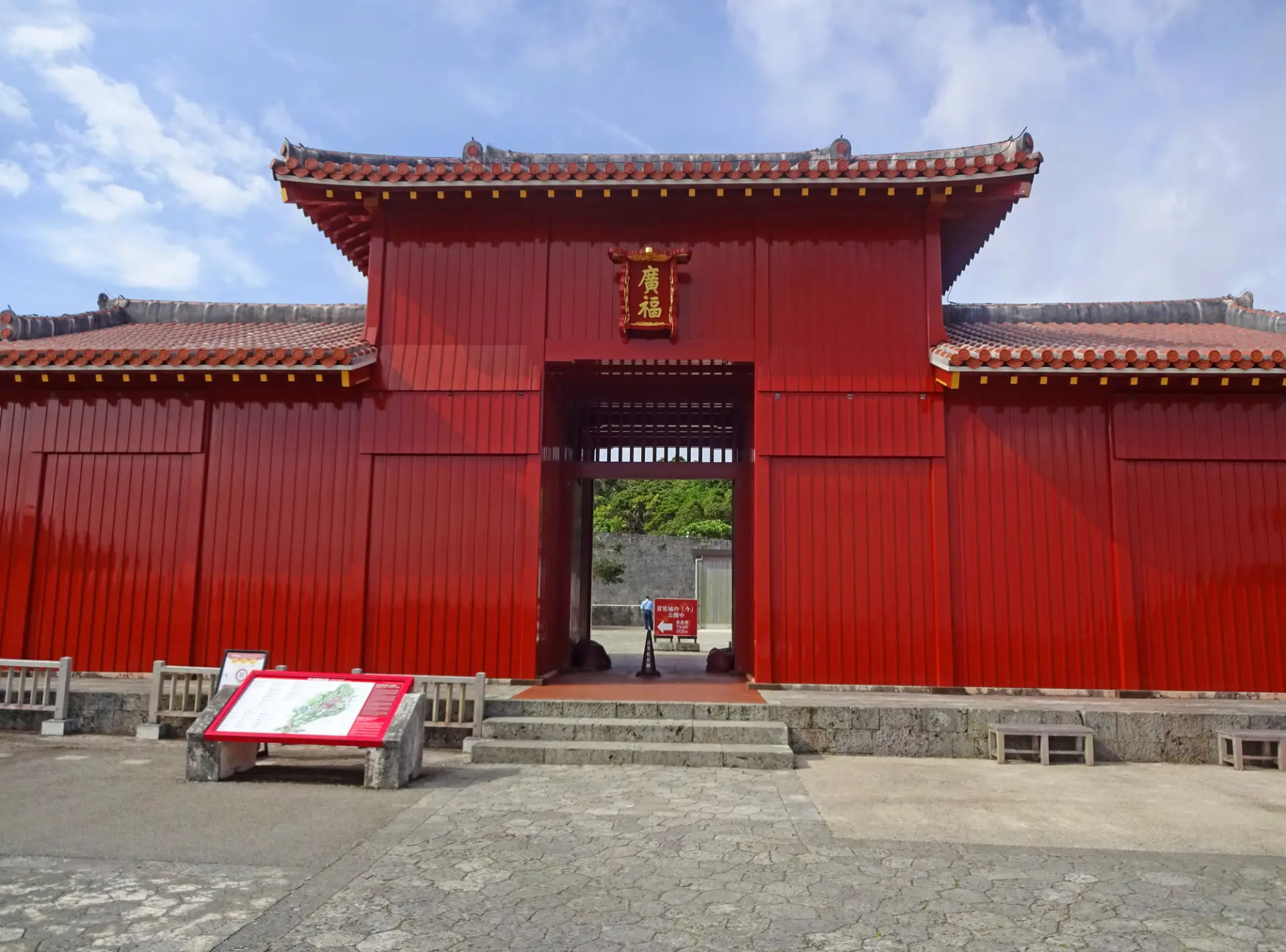
Today, the grounds have been developed as Shurijo Castle Park, where structures evoking the history of the Ryukyu Kingdom are found throughout the site, including the vivid vermilion Seiden, Shureimon Gate, and Kankaimon Gate.
In 2000, the castle ruins were registered as a UNESCO World Cultural Heritage Site as part of the Gusuku Sites and Related Properties of the Kingdom of Ryukyu. The Ryukyu Kingdom, which lasted for approximately 450 years from 1429 to 1879, developed its own distinctive culture through trade with Japan, China, and Southeast Asia. A symbol of that culture, the Shurijo Castle Seiden features an ornate exterior incorporating both Chinese and Japanese architectural styles, conveying the former splendor of the Ryukyu Kingdom today.
Throughout its history, Shurijo Castle was repeatedly destroyed by fire and rebuilt. A fire on October 31, 2019, destroyed the Seiden and other major structures. Reconstruction proceeded with support from Japan and abroad, along with the efforts of artisans carrying on traditional techniques, and the Seiden was restored in 2026. Through the reconstructed Seiden and historic castle ruins, visitors can experience the history and culture of the Ryukyu Kingdom at one of Okinawa’s best-known attractions.
How to Get to Shurijo Castle
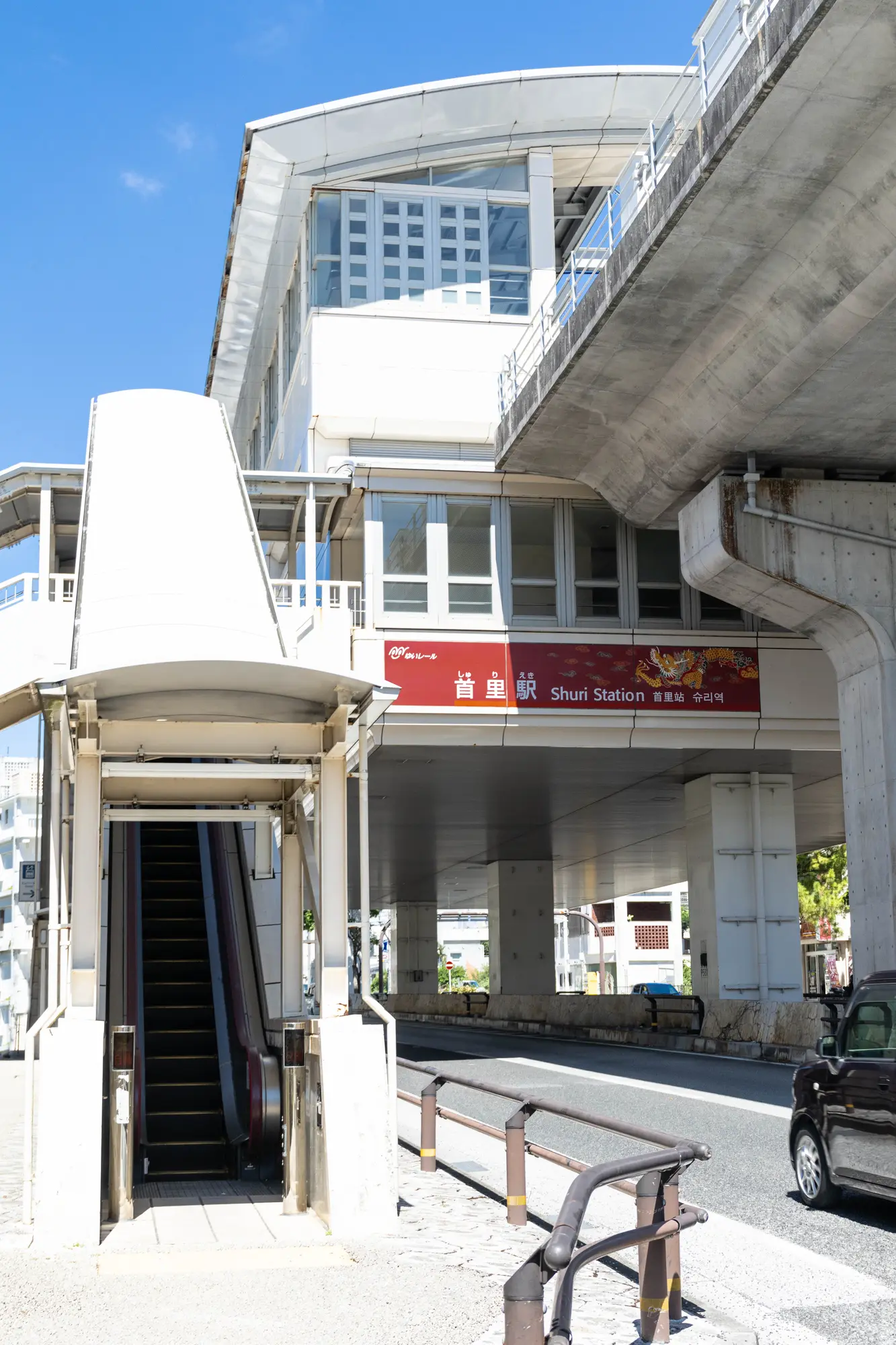
Take the Yui Rail from Naha Airport Station to Shuri Station, a journey of approximately 27 minutes. Shureimon Gate is about a 15-minute walk from the station, making the total journey from Naha Airport approximately 45 minutes, excluding transfer and waiting times.
To minimize walking, take a local bus from Shuri Ekimae and get off at Shurijo-mae. Shureimon Gate is about a 1-minute walk from the bus stop. Visitors touring the Seiden interior must pass through several castle gates and the entrance checkpoint for the paid area after reaching Shureimon. If traveling by Yui Rail, select a Seiden reservation time approximately 40 to 50 minutes after your scheduled arrival at Shuri Station.
By rental car, Shurijo Castle Park is approximately 40 to 60 minutes from Naha Airport. Parking is available beneath Suimuikan. The parking lot may fill up, so check availability before setting out.
Admission Fees, Seiden Reservations, and Opening Hours
Ticket and reservation requirements at Shurijo Castle Park vary depending on what you want to see. Choose the appropriate option based on whether you plan to explore gates such as Shureimon or tour the Seiden interior.
Admission Fees
Shureimon and Kankaimon can be visited for free. The area beyond Hoshinmon requires admission. Individual admission fees starting November 23, 2026, are as follows.
| Category | Admission Fee |
|---|---|
| Adults | ¥1,000 |
| High school students | ¥760 |
| Elementary and junior high school students | ¥370 |
| Children under 6 | Free |
To tour the Seiden interior, select an admission ticket with a Seiden interior reservation on the official ticket website, then specify your visit date and viewing time. There is no additional fee for reserving a date and time. If spaces remain, same-day tickets can be purchased through the official ticket website or at the Kofukumon ticket office until 15 minutes before the desired time slot.
To see the Seiden exterior, choose an admission ticket without a Seiden interior reservation. Because no specific time is required, you can explore at your own pace, viewing the Seiden from the elevated observation deck or looking out across Naha from Agari-no-Azana.
Opening Hours
The free area containing the castle gates and the paid area containing the Seiden have different opening and closing hours. If visiting in the evening, check the last admission time for the paid area.
| - | April–November | December–March |
|---|---|---|
| Free area, including Kankaimon | 8:00 a.m.–7:30 p.m. | 8:00 a.m.–6:30 p.m. |
| Paid area beyond Hoshinmon | 8:30 a.m.–7:00 p.m. (last admission at 6:30 p.m.) | 8:30 a.m.–6:00 p.m. (last admission at 5:30 p.m.) |
How Long Does It Take to Visit Shurijo Castle? Three Suggested Routes
When visiting Shurijo Castle, begin at Suimuikan, the park’s information center, and head toward Shureimon Gate. From there, your route will vary depending on whether you explore the free castle gates, view the Seiden exterior, or tour the interior.
Each estimated time begins and ends at Suimuikan. Allow additional time for travel between Shuri Station and the park.
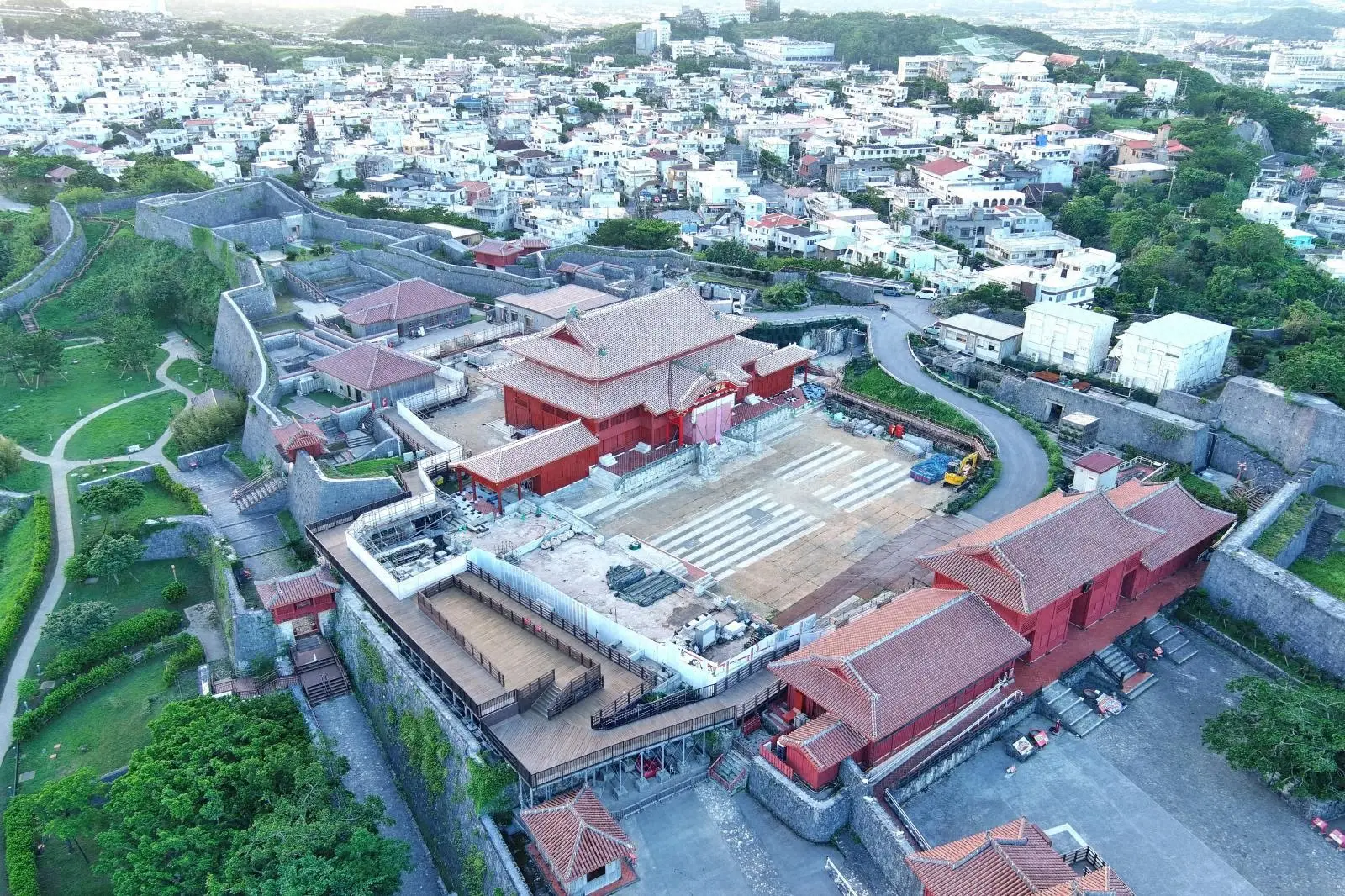
1. Explore the Castle Gates for Free: From Shureimon to Kankaimon and Zuisenmon
Time required: Approximately 30–45 minutes
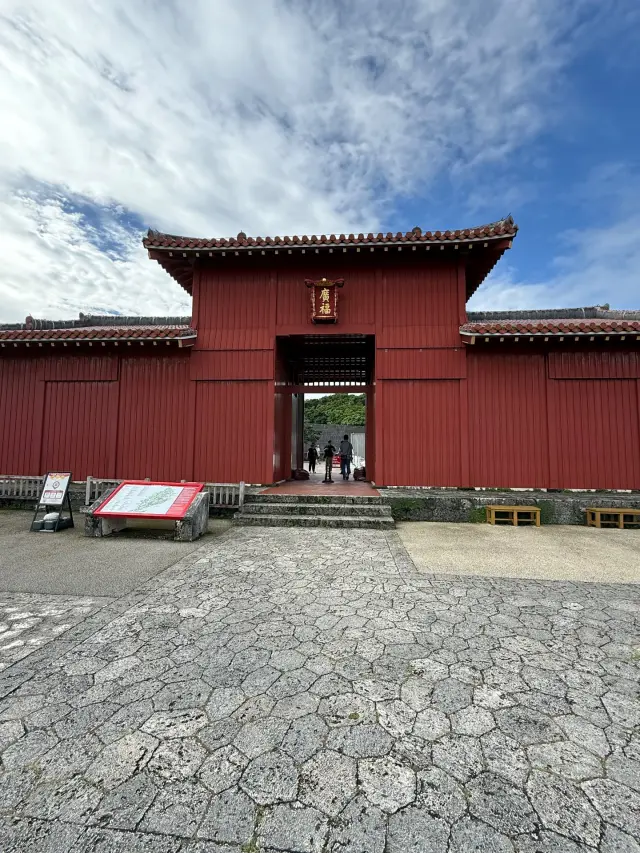
Shureimon Gate, topped with a red-tile roof, is approximately 5 minutes from Suimuikan. After passing through the gate, stop at Sonohyan-utaki Ishimon, where the king prayed for safe journeys. Beyond it are Kankaimon, where a pair of shisa welcome visitors, and Zuisenmon, standing atop a stone staircase. It takes approximately 15 minutes to walk from Shureimon to the entrance checkpoint for the paid area. Allow extra time to take photographs and examine the plaques displayed above the gates.
2. See the Seiden Exterior: From Hoshinmon to the Elevated Observation Deck
Time required: Approximately 60–90 minutes
After exploring the castle gates, present your admission ticket at Hoshinmon and enter the paid area. The elevated observation deck is recommended for visitors who want to photograph the Seiden. From this slightly raised vantage point, you can see not only the vermilion building but also its overlapping red-tile roofs and the dragons decorating them. If time permits, continue to Agari-no-Azana and look out over what was once the castle town.
3. Tour the Seiden Interior: See the King’s Throne, the Usasuka
Time required: Approximately 90–120 minutes
To explore the main areas, including the Seiden interior, allow approximately 90 to 120 minutes from departure at Suimuikan until your return. It takes about 15 minutes to reach the Seiden entrance from the ticket office and checkpoint, and the interior tour also takes approximately 15 minutes.
Your reserved time is when you should join the line for admission to the Seiden. If you want to spend time exploring Shureimon and Kankaimon, leave Suimuikan correspondingly earlier.
See Impressive Architecture for Free: Five Highlights in Shurijo Castle’s Free Area
The following sections introduce the highlights of both the free and paid areas of Shurijo Castle.
There is plenty to see in the free area alone, so you may be unsure where to begin.
If so, start with these five highlights.
1. Shureimon, the Graceful Gate Welcoming Visitors
One of Shurijo Castle’s symbols, Shureimon is the first gate visitors pass through on the way to the Seiden.
Built in the Chinese paifang architectural style, it reflects the influence of Chinese culture.
At the top of Shureimon is a horizontal plaque bearing the words “Shurei-no-Kuni.”
This means “Ryukyu is a land that values courtesy and propriety.”

2. Sonohyan-utaki Ishimon, Where the King Prayed for Safe Journeys
Sonohyan-utaki Ishimon stands between Shureimon and Kankaimon at Shurijo Castle.
Rather than serving as a passageway, it was a place of worship where the king prayed for safety before departing on pilgrimages throughout the kingdom.
A representative example of Ryukyuan stone architecture, the gate stands before a sacred grove known as an utaki, where deities are worshipped.
It was designated a National Treasure in 1933 but was partially destroyed during the Battle of Okinawa.
It was reconstructed in 1957, designated an Important Cultural Property of Japan, and later registered as a World Heritage Site.

3. Kankaimon, Guarded by Shisa to Ward Off Evil
Shurijo Castle is surrounded by two layers of walls, an outer enclosure and an inner enclosure. Kankaimon is the first gate in the outer enclosure.
Its name reflects its purpose of welcoming envoys sent to Shurijo Castle by the Chinese emperor.
A pair of stone lion figures known as shisa stand on either side of Kankaimon to ward off evil.

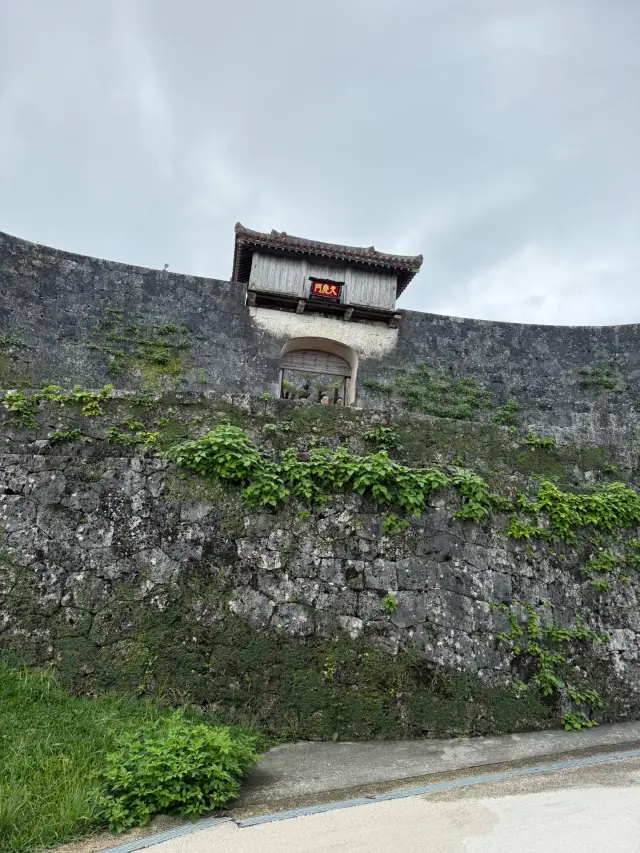
4. Zuisenmon, Reflecting the Culture of the Ryukyu Kingdom
Zuisenmon is the second gate, reached after passing through Kankaimon.
It was named after Ryuhi, the spring in front of the gate. “Zuisen” means “splendid and auspicious spring.”
Turret gates with a structure built above a stone gateway can also be seen at Japanese castles, but the horizontal plaque reading “Zuisen” on the turret reflects Chinese cultural influence and conveys the distinctive culture of the Ryukyu Kingdom.
Before Kankaimon and Kyukeimon were built, Zuisenmon served as the main gate of Shurijo Castle.
As at Kankaimon, a pair of shisa guards either side of the gate.

5. Suimuikan, Where You Can Learn About Shurijo Castle’s History
Suimuikan is Shurijo Castle’s information center.
This facility provides visitor information and a place to rest, with a general information desk, restaurant, café, and shops.
It also contains exhibits on Ryukyuan history and culture, making it worth visiting before passing through Shureimon.
Restaurant Suimui serves Okinawan regional cuisine and dishes made with Dynasty Miso, once supplied to the Ryukyu royal family.

Experience Ryukyu History and Culture: Three Highlights in Shurijo Castle’s Paid Area
The first place to see in the paid area is the Shurijo Castle Seiden, which showcases Ryukyuan craftsmanship. Both its exterior and interior contain noteworthy details, including lion carvings on the front and dragon pillars surrounding the king’s throne. The following section also introduces Hoshinmon, the gate leading to the Seiden, and Agari-no-Azana, which offers panoramic views of Naha.
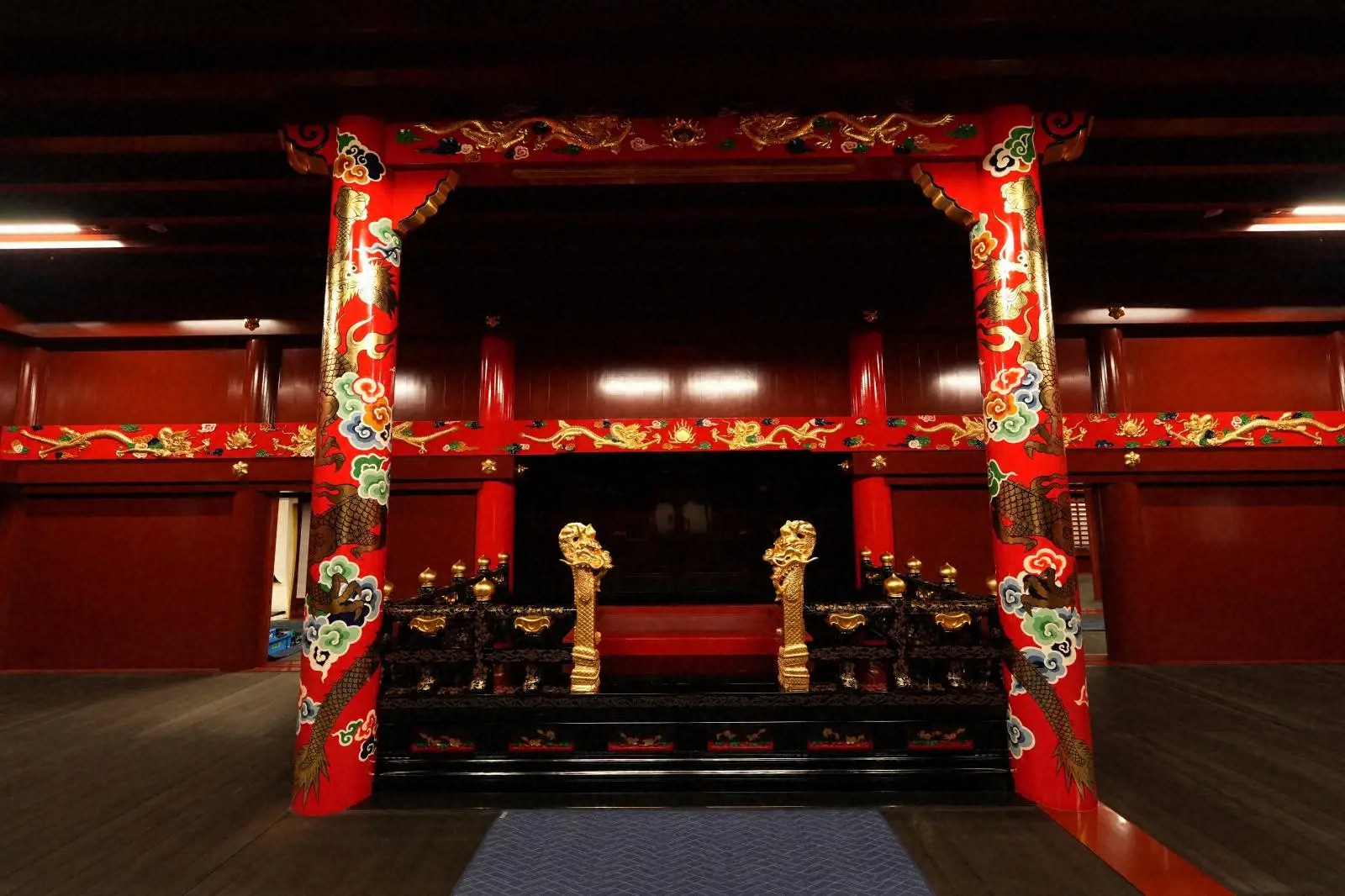
1. Shurijo Castle Seiden, Showcasing Ryukyuan Craftsmanship
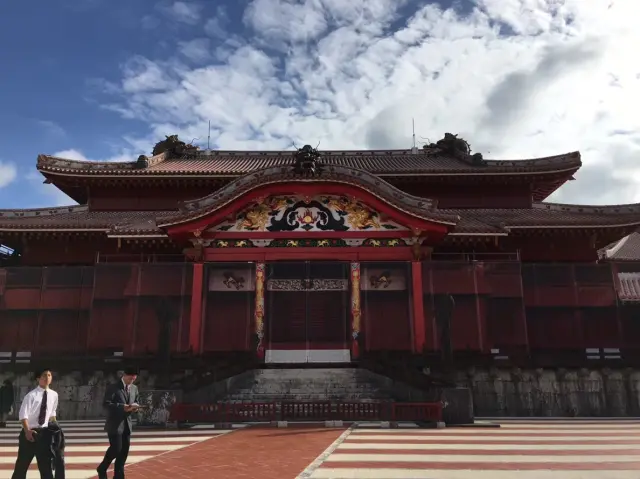
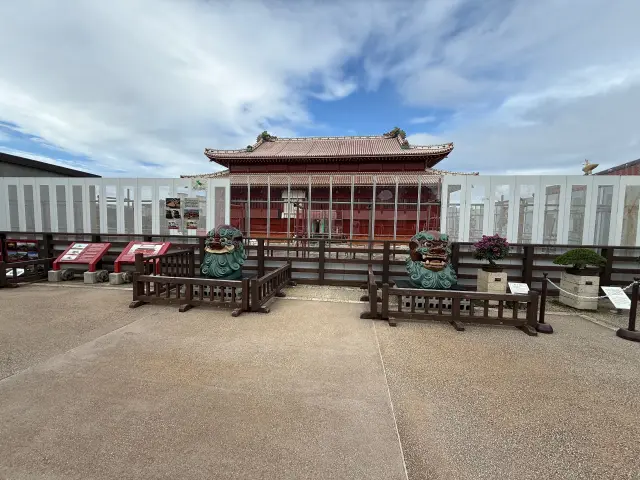
The Shurijo Castle Seiden immediately draws the eye with its vermilion walls and red-tile roof. After viewing the front, look for the karahafu, the curved gable rising like a bow in the center. During the latest reconstruction, the shapes and sizes of the lion carvings on either side were reexamined using old photographs and other references.
If touring the interior, do not miss the Usasuka on the second floor. A pair of dragon pillars decorates the king’s throne, creating one of the most formal and ceremonial spaces in the Seiden.
Beneath the Seiden are the Seiden Foundation Remains, stone foundations that once supported earlier buildings. The overlapping foundations from different periods reveal how the people of the kingdom repeatedly rebuilt the Seiden on this site.

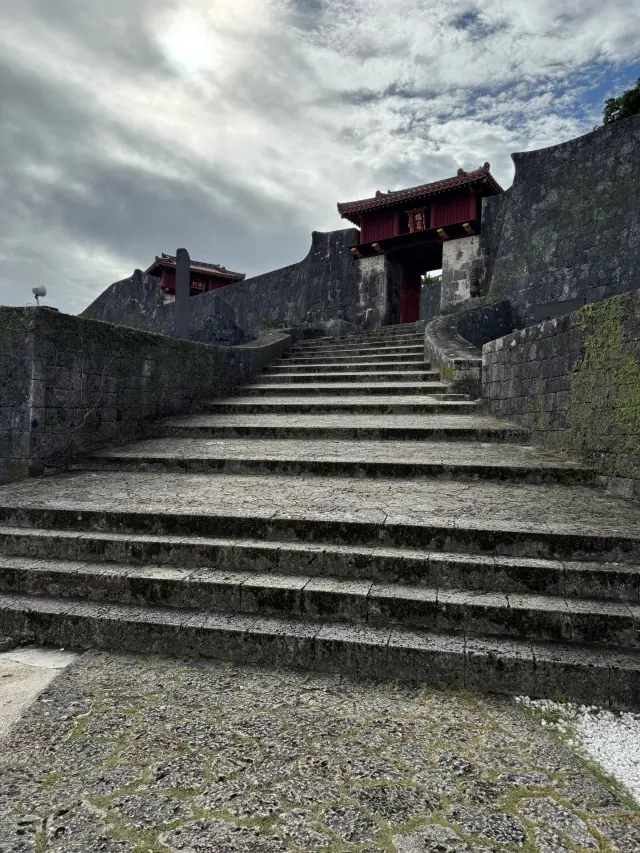
2. Hoshinmon, the Final Gate Before the Seiden
Hoshinmon is the final gate leading into the Una courtyard, where the Shurijo Castle Seiden stands. Of its three entrances, the center gate was reserved for the king and others of high rank. Other officials entered through the gates on either side. The gate was remodeled in 1754 based on Chinese systems. It was removed around the end of the Meiji period but reconstructed to restore its exterior appearance in 1992. Today, it serves as the entrance checkpoint for the paid area.
Do not miss the Ukejo gate-opening ceremony, which normally begins with an introduction in front of Hoshinmon at 8:25 a.m. and culminates with the gate opening to the sound of a gong at 8:30 a.m. Staff dressed as officials from the Ryukyu Kingdom strike the gong and call out “Ukejo” as Hoshinmon opens. The ceremony offers a glimpse of what it may have felt like to visit during the Ryukyu era.

3. Agari-no-Azana, Offering Panoramic Views of Naha
An azana is a lookout built to provide views into the distance. Along with Rokokumon and Iri-no-Azana, this site also played a role in announcing the time throughout the castle.
From Agari-no-Azana, located at an elevation of 459 feet, visitors can see the town outside the castle and the rear of the Seiden within the grounds. In clear weather, the view extends as far as the Chinen Peninsula and Kudaka Island. Take your time admiring the area around Shurijo Castle and the Naha cityscape while enjoying the pleasant breeze.

Three Attractions Near Shurijo Castle
After exploring Shurijo Castle, visit nearby sites preserving the culture and history of the Ryukyu Kingdom.
The surrounding area has plenty to see beyond the castle, including royal mausoleums and a former royal villa.
Here are three attractions to visit along with Shurijo Castle.
1. Tamaudun
This royal mausoleum was built in 1501 during the reign of King Sho Shin, an era widely regarded as the height of the Ryukyu Kingdom.
The enormous stone structure is said to have been modeled after Shurijo Castle and features three burial chambers containing remains, arranged from east to west.
Elements dating back to its original construction in 1501 remain intact, including the Tamaudun Stele, which bears the names of the royal family members buried there.

2. Shuri Kinjo-cho Stone-Paved Road
The Shuri Kinjo-cho Stone-Paved Road is part of the Madama-michi road built in the 16th century during the Ryukyu Kingdom era.
Madama-michi was developed as a major road connecting Shurijo Castle with other regions.
The sloping road runs through a quiet residential neighborhood in Shuri Kinjo-cho, approximately 1,640 feet from Shurijo Castle.
It extends for approximately 984 feet and averages about 13 feet wide, with paving stones made from pieces of Ryukyu limestone approximately 8 to 12 inches across.

3. Shikinaen Royal Garden
Completed in 1799 during the reign of King Sho On, the 15th king of the Second Sho Dynasty, Shikinaen was the largest villa owned by the Ryukyu royal family. It was used as a retreat for the royal family and to entertain Chinese investiture envoys.
It was designated a National Place of Scenic Beauty in 1941 but suffered devastating damage during the Battle of Okinawa near the end of World War II.
Following postwar reconstruction, it was redesignated a National Place of Scenic Beauty in 1976 and designated a Special Place of Scenic Beauty in 2000.
That same year, it was registered as part of the UNESCO World Cultural Heritage Site known as the Gusuku Sites and Related Properties of the Kingdom of Ryukyu.

Three Restaurants Around Shuri and Kokusai Street to Visit with Shurijo Castle
After visiting Shurijo Castle, a World Heritage Site preserving Okinawa’s history and culture, explore the surrounding area’s food culture. From traditional Ryukyuan cuisine to creative dishes made with local ingredients, these restaurants offer opportunities to sample Okinawan soul food between sightseeing stops.
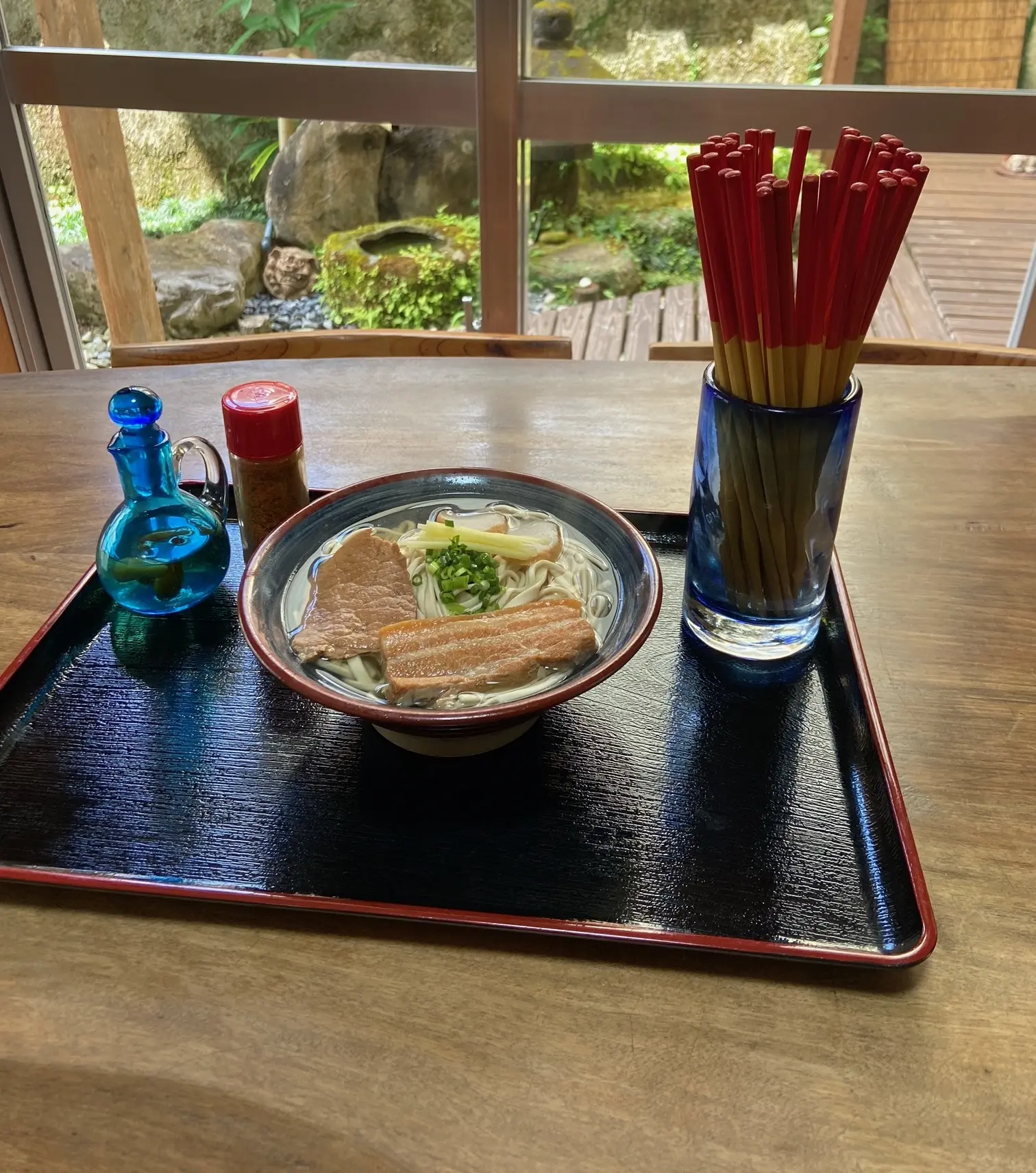
1. Shuri Soba
Located in a residential neighborhood a short walk from Shurijo Castle, this renowned Okinawa soba restaurant is popular with locals, with lines often forming before it opens.
The menu is simple: in addition to its signature Shuri Soba, it offers simmered dishes, rice balls, jushi seasoned rice, and chilled zenzai.
Available in large, medium, and small sizes, Shuri Soba features flat, handmade noodles with a firm, springy texture and satisfying bite.
2. Jimanya Naha
This atmospheric restaurant occupies a renovated 60-year-old traditional house.
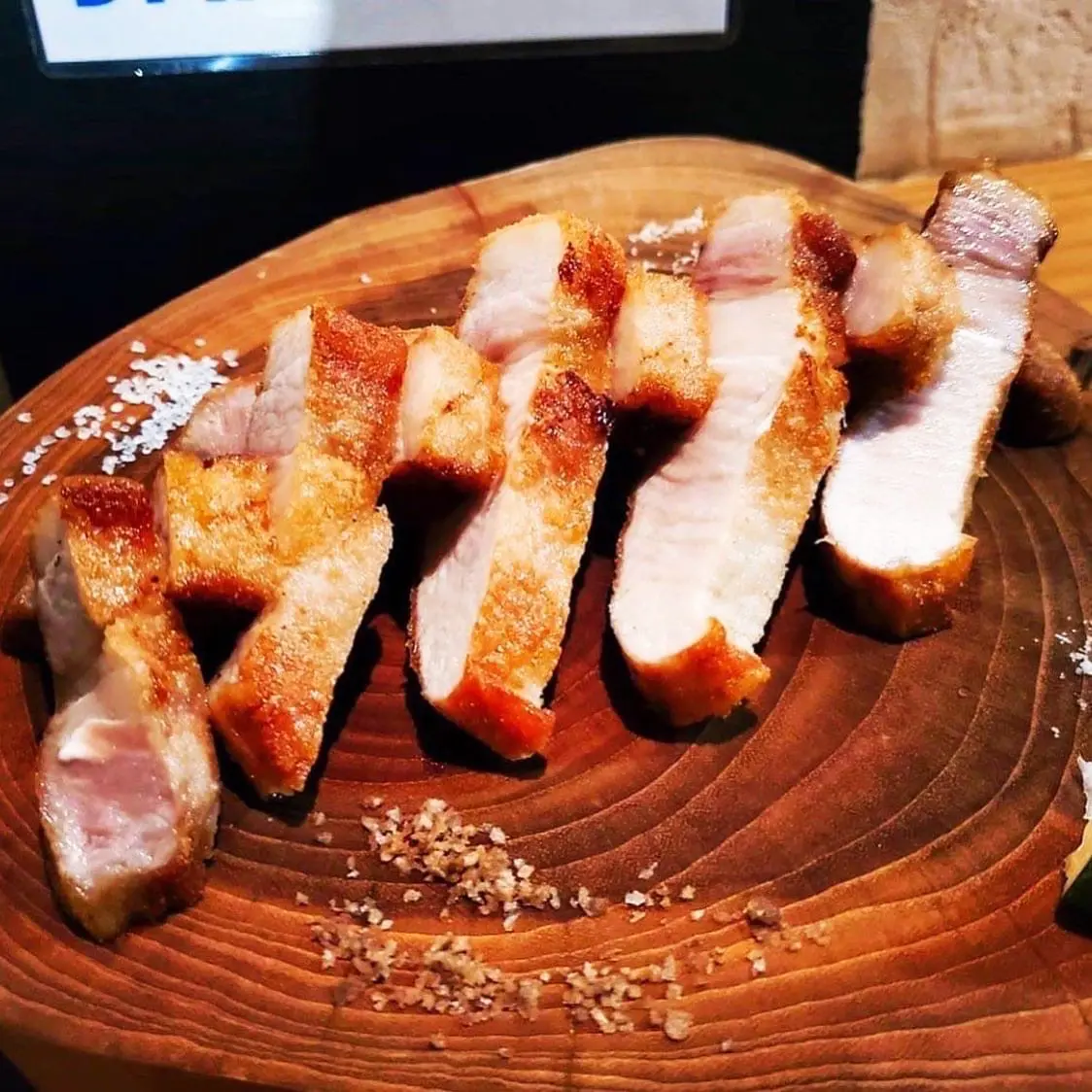
Its menu includes dishes generously prepared with Pineapple Pork Jun, an Okinawan premium pork raised on pineapple, as well as local specialties such as goya champuru, fu champuru, island shallots, and tofuyo fermented tofu.
3. Pork Tamago Onigiri Makishi Market
This specialty shop serves pork tamago onigiri, a local favorite worth trying during a visit to Okinawa.
Known locally as “po-tama,” pork tamago onigiri consists of luncheon meat and a Japanese-style omelet sandwiched between rice.
This Okinawan soul food originated as a convenient home-cooked meal that could be eaten quickly on busy mornings.
It is also generously portioned and filling.

Three Popular Places to Stay in Naha for Visiting Shurijo Castle
Central Naha is a convenient base for visiting Shurijo Castle, with extensive transportation options and many restaurants.
It offers easy access to the castle ruins while also making it possible to explore the city and enjoy a meal between sightseeing excursions.
Here are three carefully selected accommodations in central Naha offering different styles of stay.
1. Hotel Gracery Naha
Kokusai Street is Naha’s main thoroughfare, bustling day and night in the heart of Okinawa Prefecture.
Hotel Gracery Naha is located along Kokusai Street, approximately 15 minutes by car from Naha Airport, making it a convenient sightseeing base.
Designed with comfort in mind, every guest room has a separate bathroom.

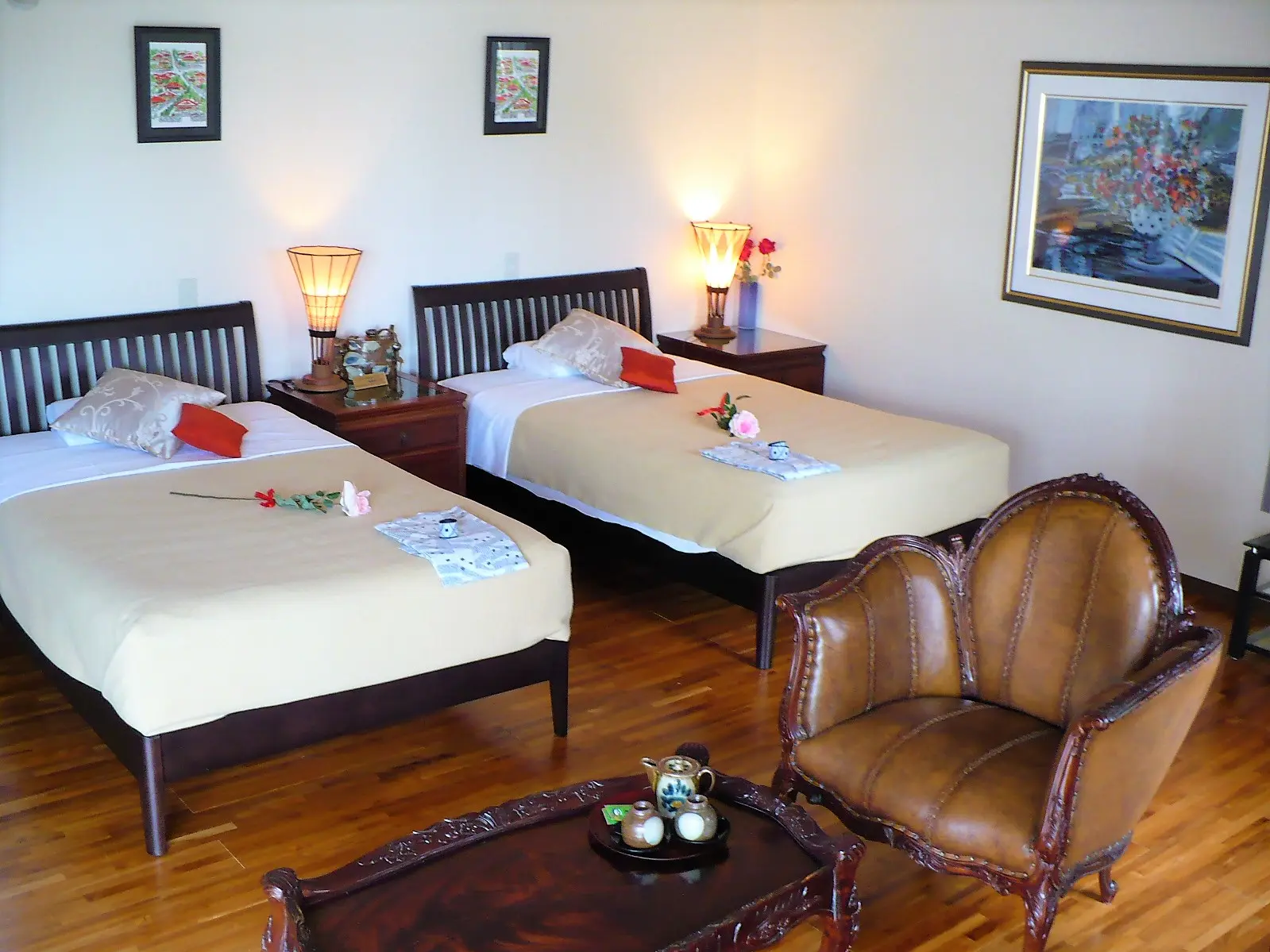
2. Okinawa Daiichi Hotel
Founded in 1955, the long-established Okinawa Daiichi Hotel relocated to Ichigin Street near Kokusai Street and reopened in 2011.
Surrounded by Ryukyuan-style stone walls and antique furnishings, the hotel has five rooms in total, including twin rooms, single rooms, and Japanese-style rooms.
Despite its small size, its attentive service has earned it many repeat guests.
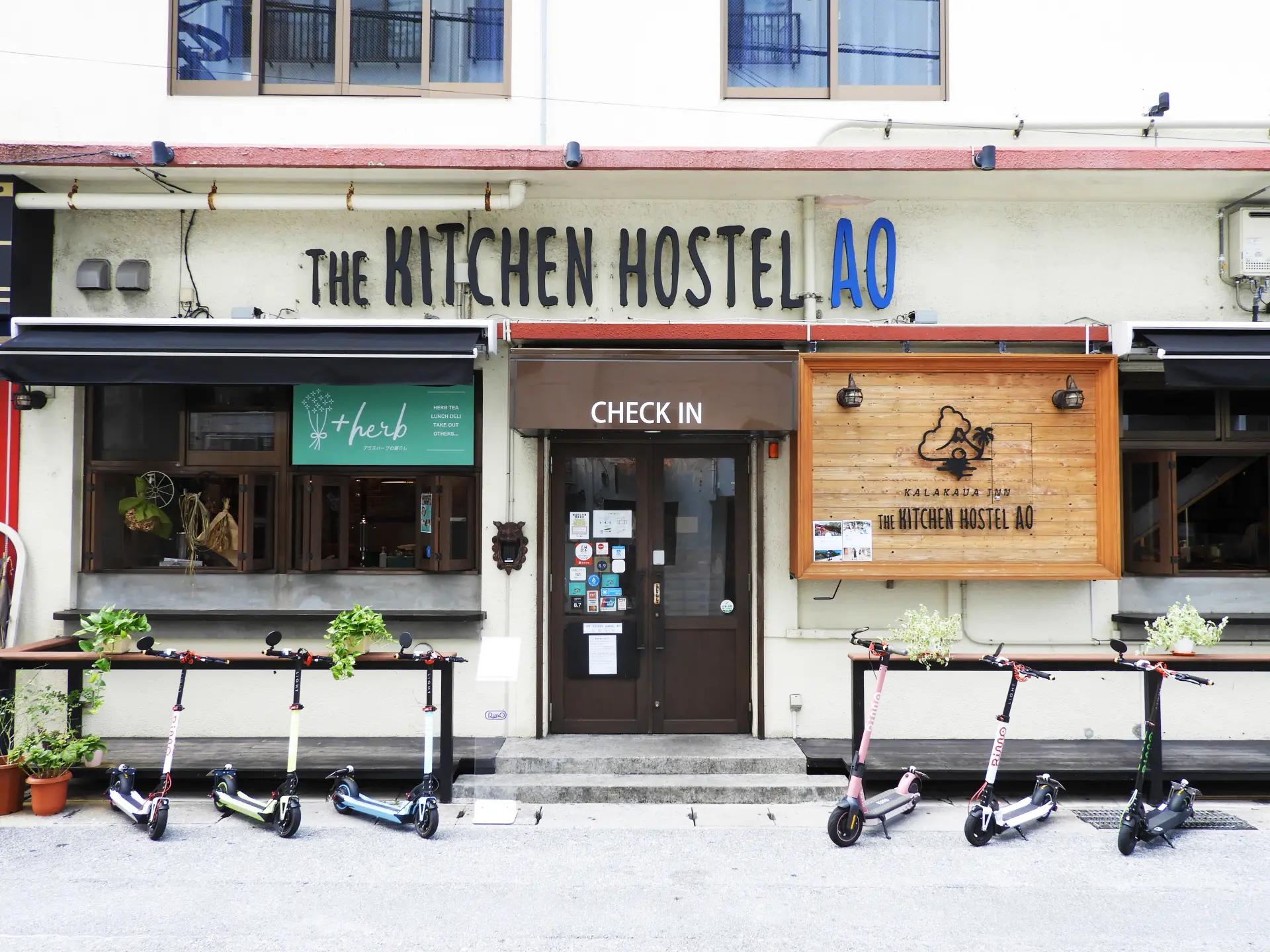
3. THE KITCHEN HOSTEL AO
This guesthouse is located near Naha City Hall and within walking distance of Kokusai Street.
Although it offers affordable dormitory-style accommodations, it supports a comfortable night’s sleep with soft bedding by Shinsaibashi Nishikawa and pocket-coil mattresses from IDC Otsuka Kagu.
Each bedside area has a power outlet, USB port, and reading light, allowing guests to relax in their own space.
Shurijo Castle Reviews
Some reviews are AI-translated.
-
While visiting Okinawa, I made a special trip to the iconic Shurijo Castle Park. Before even entering the main area, I saw the towering red walls and historic stone gates. The style is very different from typical Japanese castles and has a strong Ryukyu Kingdom character. Once inside the park, I slowly made my way up the winding stone paths and steps. The walls on both sides were spectacular, and it felt as if I had traveled back in time and stepped into the history of the former Ryukyu Kingdom.
Along the way, I admired the historic buildings. Although the weather was a little hot and the walk took some effort, seeing these preserved historic ruins made it well worth it. What impressed me most were the vivid vermilion buildings with their intricate traditional Ryukyuan decorations, which gave them a unique, exotic atmosphere.
Visiting in person, I also learned that Shurijo Castle had suffered a fire and that some areas are still being restored and rebuilt. Seeing the reconstruction work gave me a stronger sense of how much local people value and preserve their history and culture. This was more than just a sightseeing trip; it also gave me a deeper understanding of Okinawa's history.
-
-
I visited Shurijo Castle before the pandemic, and I never expected to hear on the news not long afterward that it had been damaged by a fire. I felt truly saddened at the time.
When I returned to Okinawa in 2025, of course I had to visit this familiar old friend again. Seeing Shurijo Castle being rebuilt step by step and getting ready to show its original appearance once more made me really happy, and I’m looking forward to the day it’s completed.
Although I still couldn’t see the fully restored Shurijo Castle on this visit, at least I got to witness the reconstruction process. It seems this little wish will have to wait until my next trip to Okinawa! I hope that when I return in 2027, I’ll be able to see Shurijo Castle shining once again with my own eyes. 🇯🇵
-
-
If you're visiting Okinawa, I highly recommend making time to visit Shurijo Castle. This historic castle symbolizes Okinawa's history and culture. Although it was damaged by fire, it is now gradually being rebuilt. As you walk through the grounds, you can get a sense of the former splendor of the Ryukyu Kingdom. The red-tiled buildings, stone walls, and surrounding scenery are all very distinctive. Even though some areas are still under construction, you can see the reconstruction in progress, giving you a deeper sense of how important this castle is to Okinawa. I look forward to visiting again and seeing a more complete and vibrant Shurijo Castle.
-


Frequently Asked Questions About Shurijo Castle
Q
How much of Shurijo Castle can be visited for free?
Shureimon, Sonohyan-utaki Ishimon, Kankaimon, Zuisenmon, and several other sites can be visited for free. The area beyond Hoshinmon requires admission, including the elevated observation deck overlooking the Seiden exterior.
Q
Can I see the Shurijo Castle Seiden without a reservation?
You can see the Seiden exterior without a reservation if you have an admission ticket for the paid area. A date-and-time reservation is required to tour the interior. If spaces remain, same-day reservations can be made online or at the Kofukumon ticket office.
Q
How long does it take to visit Shurijo Castle?
Beginning and ending at Suimuikan, allow approximately 30 to 45 minutes to explore the free castle gates, 60 to 90 minutes to include the Seiden exterior, or 90 to 120 minutes to also tour the Seiden interior.
Q
Will Shurijo Castle’s reconstruction continue after the Seiden is restored?
Yes. Although the Seiden destroyed in the 2019 fire has been reconstructed, restoration of the surrounding structures, including the Hokuden, Nanden, and Bandokoro, will continue.
Summary
A visit to Shurijo Castle follows a series of gates beginning at Shureimon and leads through the royal castle where the kings of Ryukyu once lived. Look closely at the plaques above the gates and the dragons decorating the Seiden to discover the cultural values cherished by the Ryukyu Kingdom.
To see the Seiden interior, reserve a viewing time and allow approximately 90 to 120 minutes for a round trip from Suimuikan. Afterward, consider continuing to Tamaudun, where Ryukyu kings are buried, or the Shuri Kinjo-cho Stone-Paved Road.
If you plan to use Naha as a base for exploring Okinawa, see the following article introducing highlights in each area.
Author
Writers & Editors
GOOD LUCK TRIP Editors
Sharing lesser-known ways to experience Japan with the world!