
17 Recommended Attractions for a Solo Trip to Okinawa: Explore History and Scenic Views at Your Own Pace
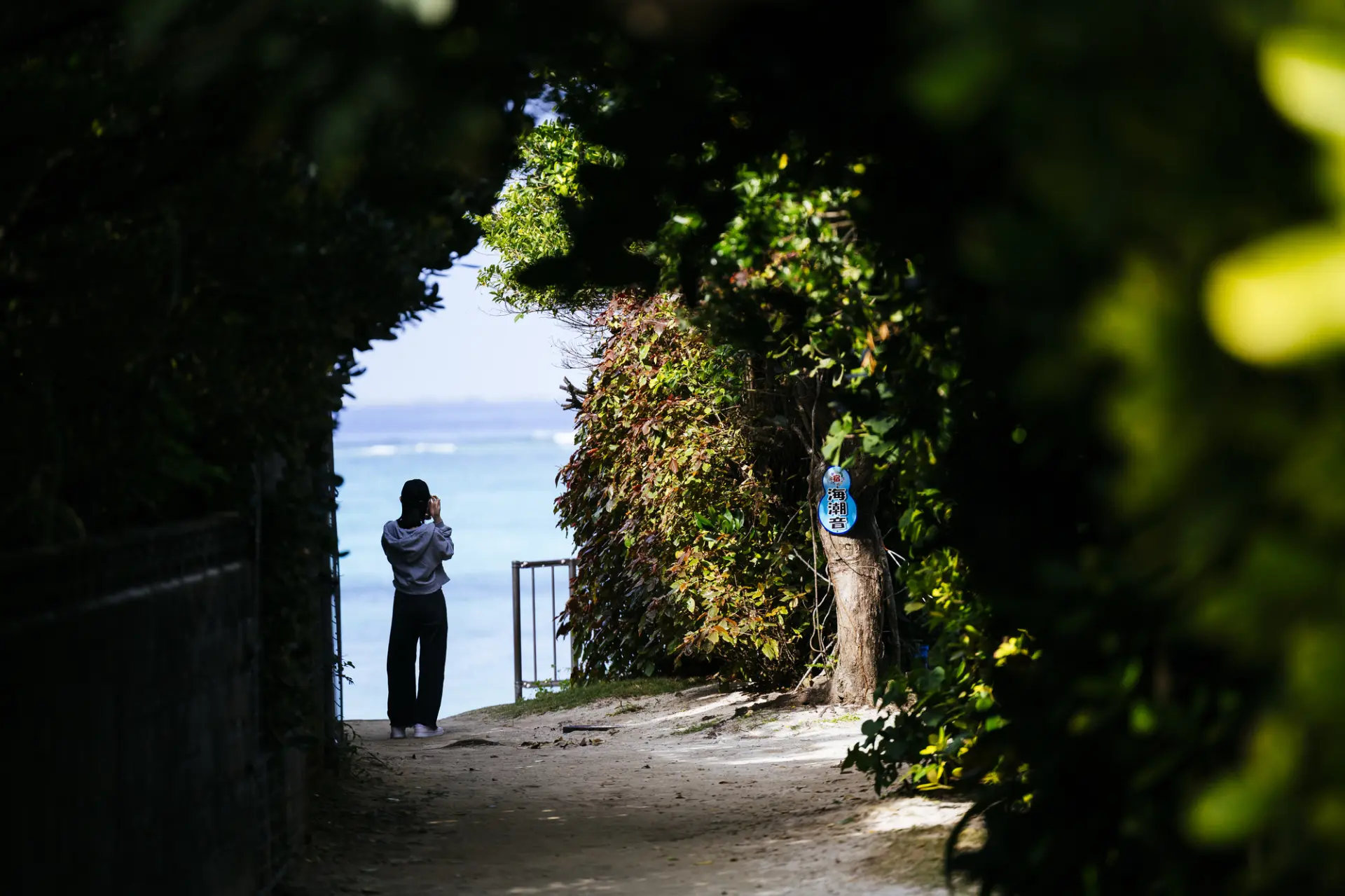
The appeal of traveling solo in Okinawa lies in being able to plan each day around your mood, whether exploring the history of the Ryukyu Kingdom at Shurijo Castle Park, browsing crafts along Tsuboya Yachimun Street, or relaxing amid the natural beauty of Okinawa Churaumi Aquarium and the Bise Fukugi Tree Road.
Okinawa reveals a different side of itself wherever you go, from exploring Naha on foot to scenic views in the north of the main island and even the outlying islands if time allows. Roam the islands as the mood takes you, and new scenery and culture await.
Recommended Areas to Visit on a Solo Trip to Okinawa
Your experience of a solo trip to Okinawa will vary greatly depending on the area you visit. Discover the history of the Ryukyu Kingdom and explore city streets in Shuri and Naha, spend time among natural landscapes and sacred sites in southern Okinawa Island, or take in quintessential Okinawan scenery around Motobu and Bise.
Each area has its own appeal, and one of the advantages of traveling on Okinawa Island is how easily you can combine them to suit your interests and length of stay. Start by choosing the areas that catch your interest, then map out a solo itinerary of your own.
1. Shuri and Naha Area
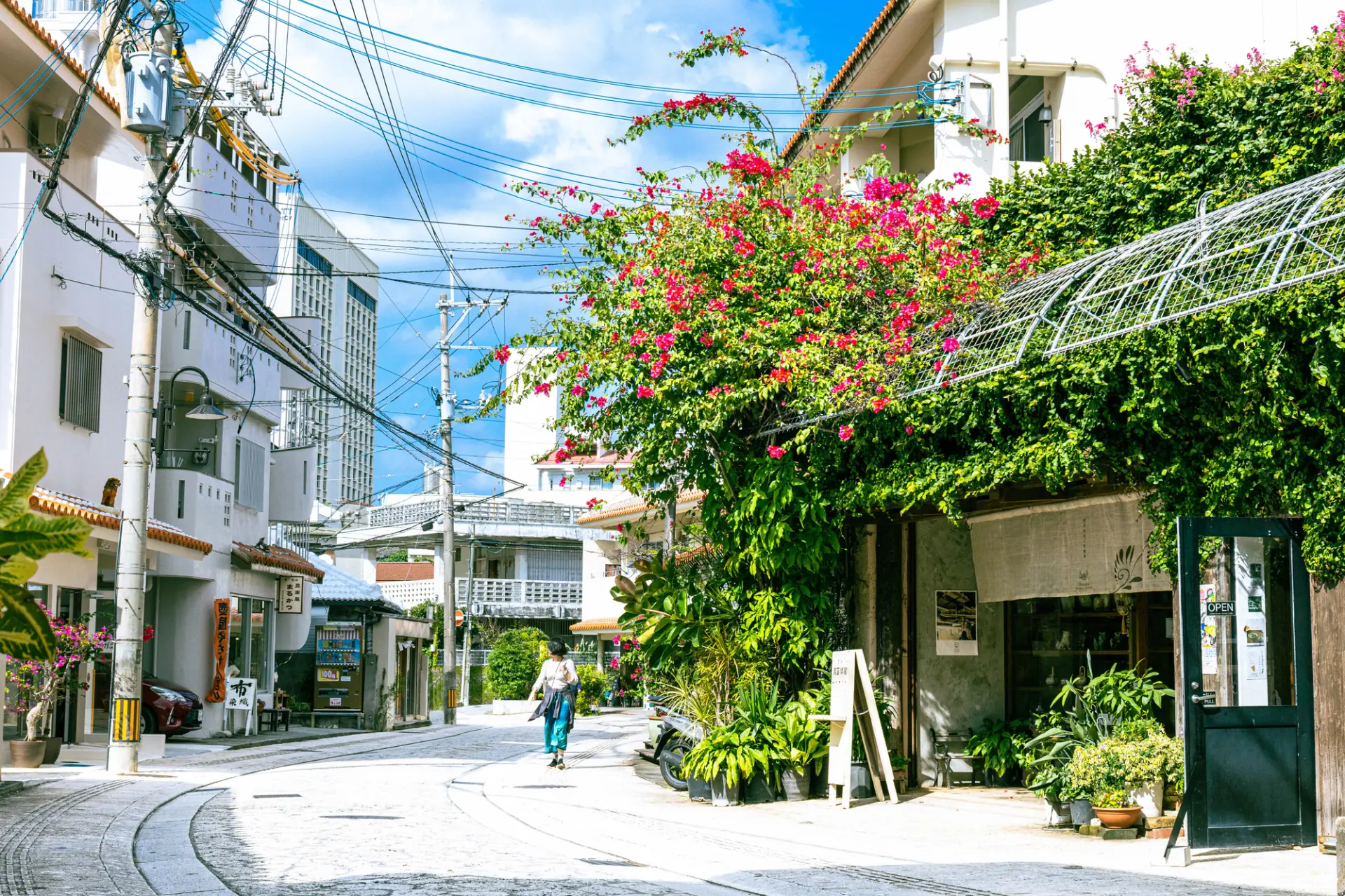
This area offers an up-close look at Okinawan culture and everyday life through sites such as Shurijo Castle Park, which tells the history of the Ryukyu Kingdom, Tamaudun, and Tsuboya Yachimun Street. Its appeal lies in the freedom to follow your interests while exploring stone-paved slopes, markets, and museums. When your feet need a rest, stop at a café near Kokusai Street and enjoy the flexibility that comes with traveling alone. It is an ideal area for exploring streets where history and everyday life blend naturally.
2. Southern Okinawa Island
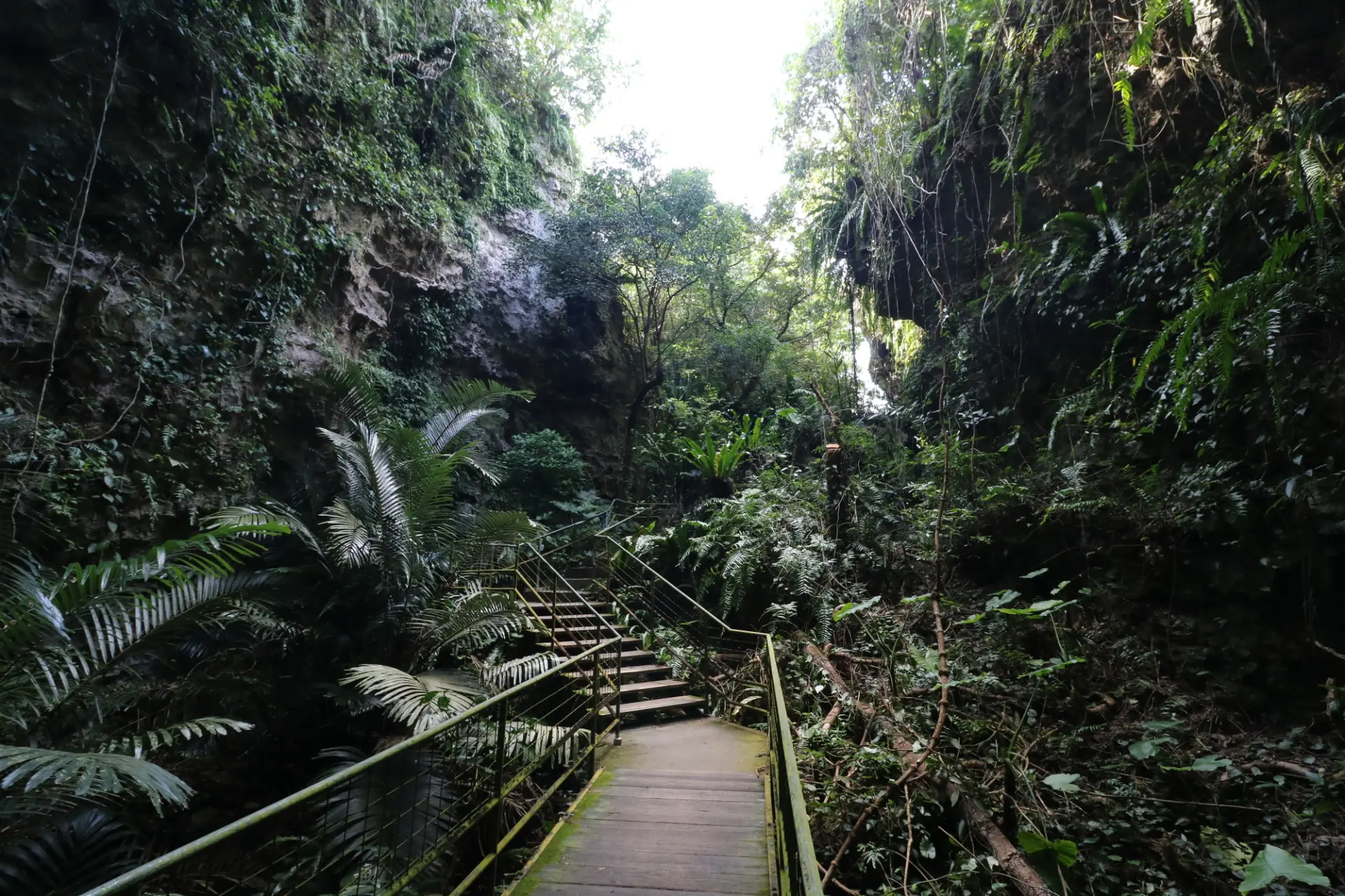
Southern Okinawa Island brings together places where visitors can learn more about the island's nature, spirituality, and culture, including Valley of Gangala, Sefa Utaki, and Okinawa World. Walking through forests, spending quiet moments at sacred sites, and experiencing traditional culture can feel especially memorable when traveling alone. The area is also easy to reach from central Naha and convenient to explore in half a day or a full day.
3. Motobu and Bise Area
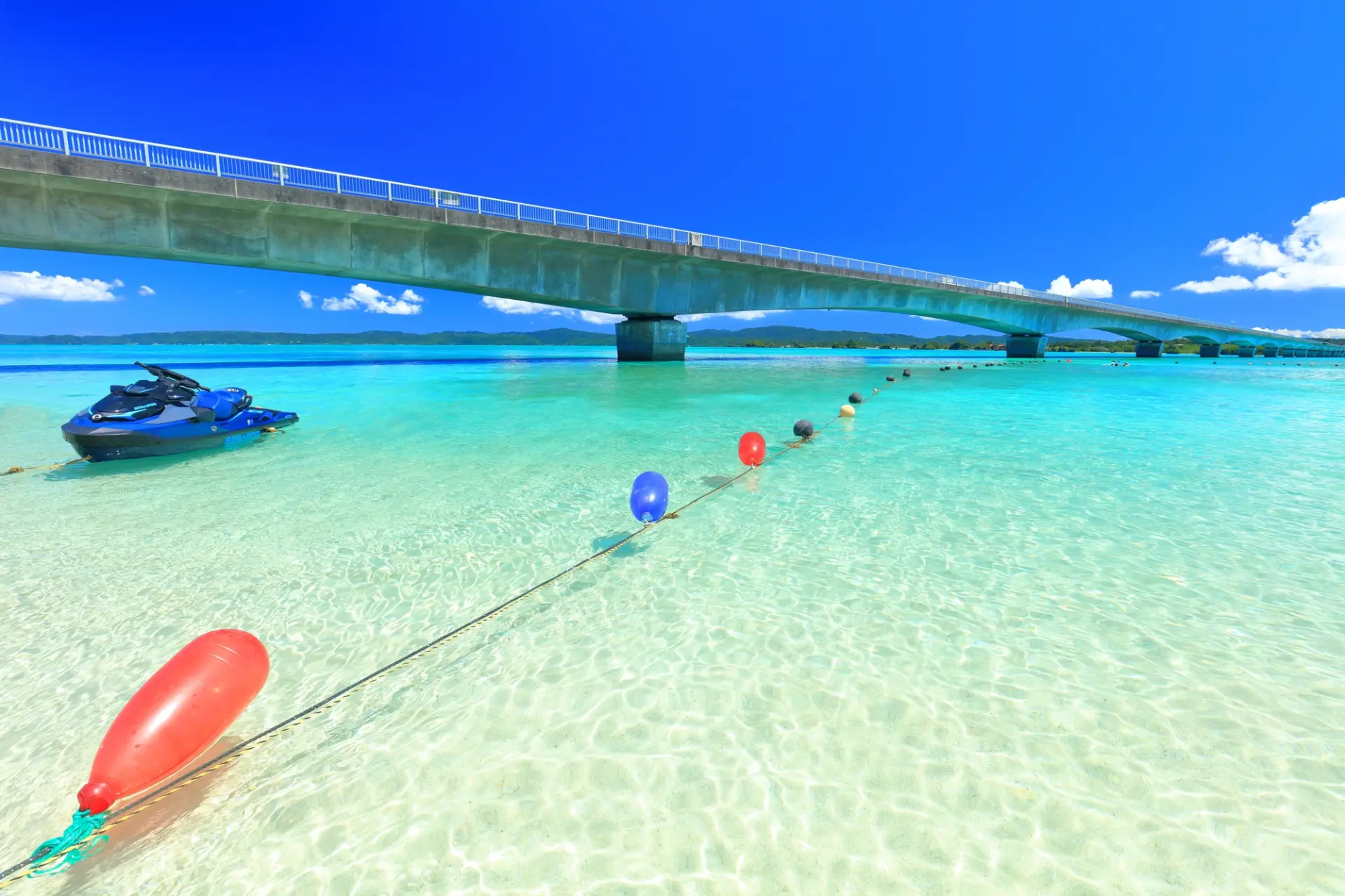
This popular area in northern Okinawa Island is home to a series of iconic scenic spots, including Okinawa Churaumi Aquarium, the Bise Fukugi Tree Road, and Kouri Bridge. Time in nature becomes the focus here, whether driving with views of the sea or strolling slowly along shaded, tree-lined lanes. Renting a car and stopping wherever catches your interest is a relaxing way to explore the scenery.
17 Recommended Attractions for a Solo Trip to Okinawa
On a solo trip to Okinawa, you can explore streets rich in history and culture or unwind while gazing at the blue sea, all at your own pace.
Discover Ryukyuan history and crafts at Shurijo Castle Park and Tsuboya Yachimun Street, then visit sacred forests and limestone caves in southern Okinawa Island. Venture as far as Motobu, and iconic Okinawan scenery awaits at places such as Okinawa Churaumi Aquarium and the Bise Fukugi Tree Road.
Connect the places that interest you and savor the island at your own pace.
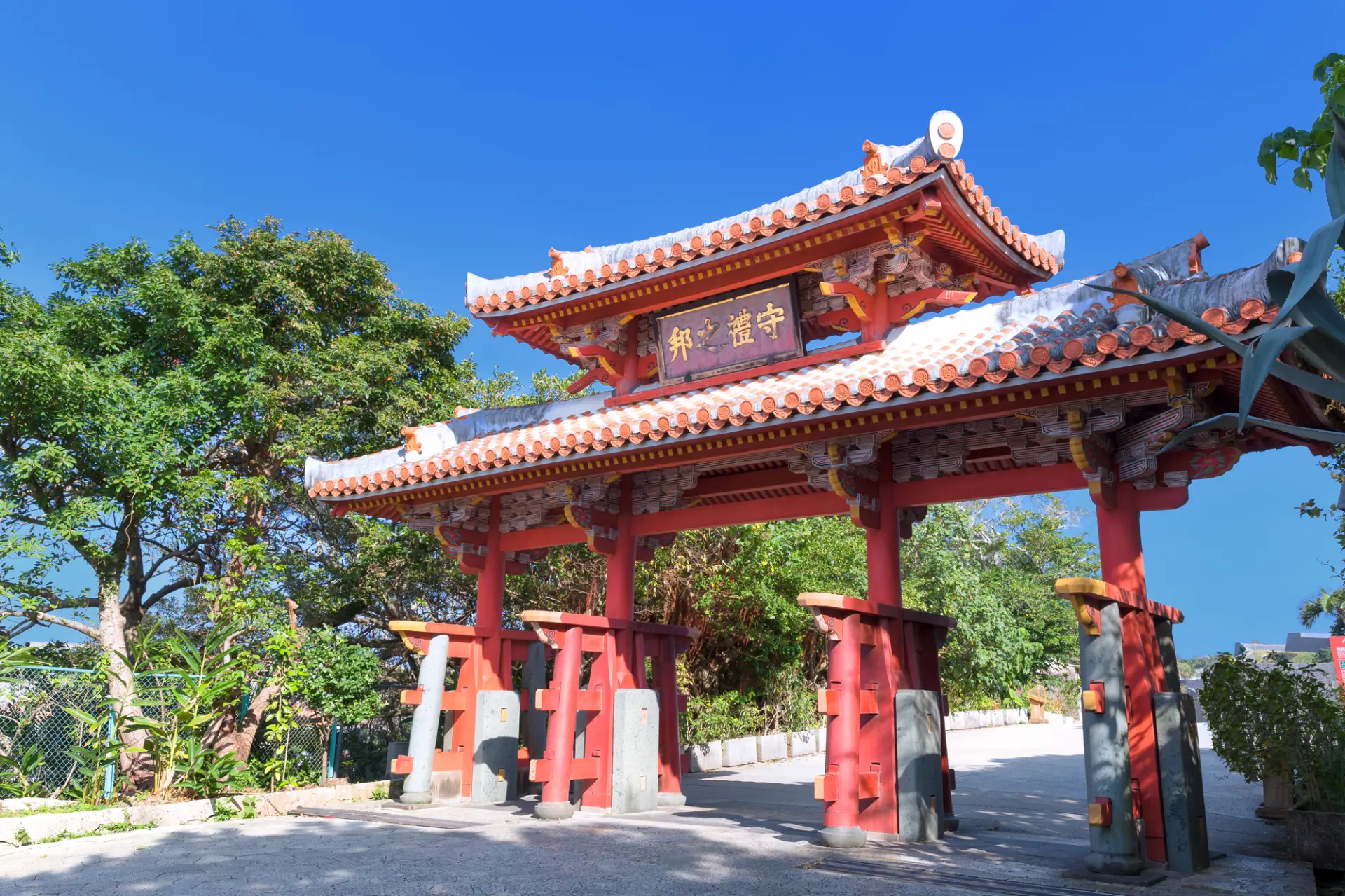
1. Shurijo Castle Park (Naha City)
The castle ruins that symbolize the history of the Ryukyu Kingdom are a fitting place to begin a solo trip to Okinawa. Located on a hill overlooking Naha, the site is surrounded by gracefully curving castle walls.
For approximately 450 years from 1429, it served as the political, diplomatic, and cultural center of the kingdom. Its distinctive architecture, incorporating castle-building traditions from both China and Japan, is another highlight. Reconstruction continues following the 2019 fire.
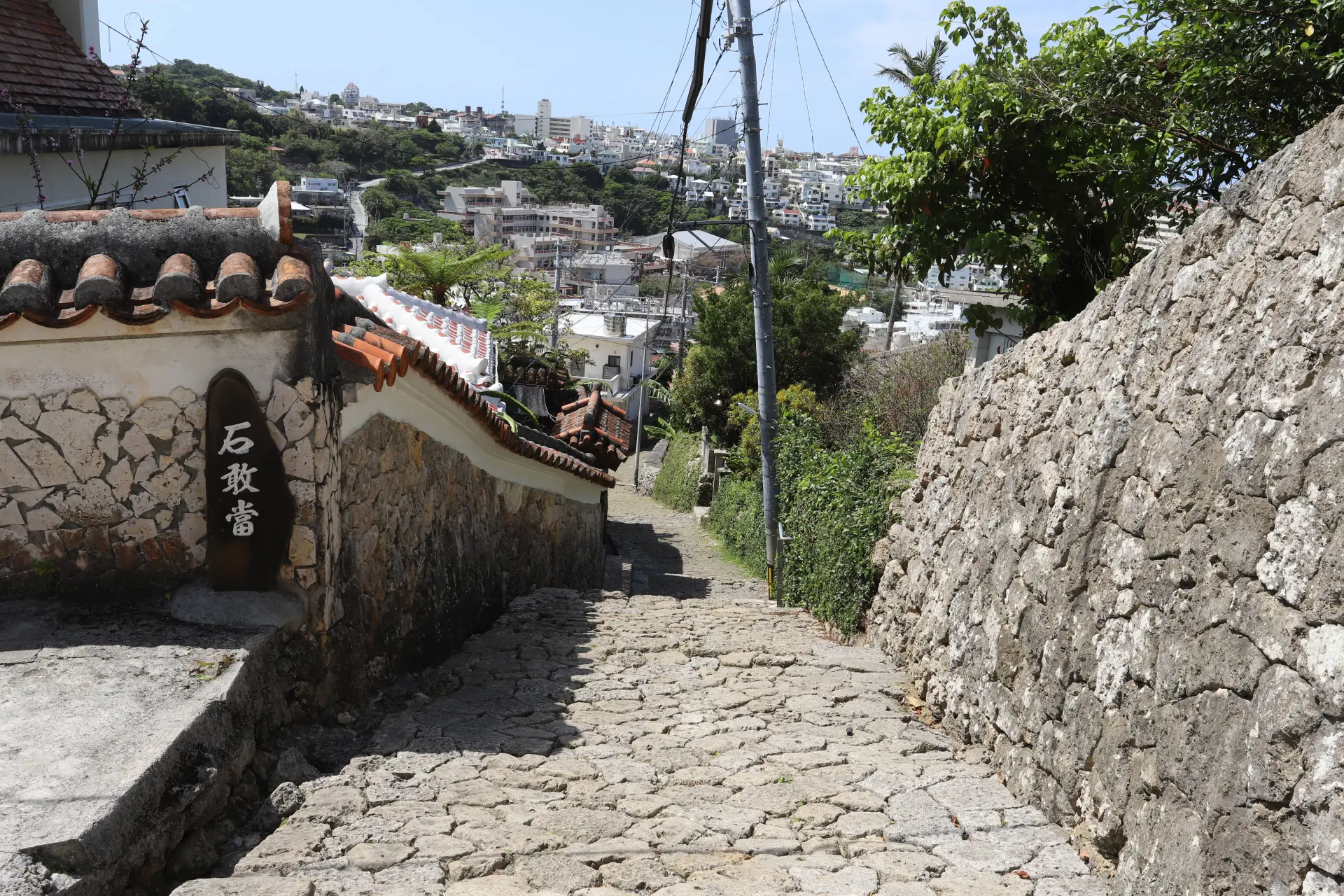
2. Shuri Kinjo-cho Stone-Paved Road (Naha City)
This sloping stone-paved road retains a strong sense of the Ryukyu Kingdom era and is a historical walking spot worth combining with a visit to Shurijo Castle.
The approximately 300-meter Ryukyu limestone pavement formed part of the former Madama-michi road that once connected various regions. Having survived wartime destruction, it remains a valuable reminder of the past.
Along the road are Uchikanagusuku Utaki, a place of worship, and giant bishop wood trees believed to be over 200 years old. As the area is sacred to local residents, visit quietly and observe proper etiquette.
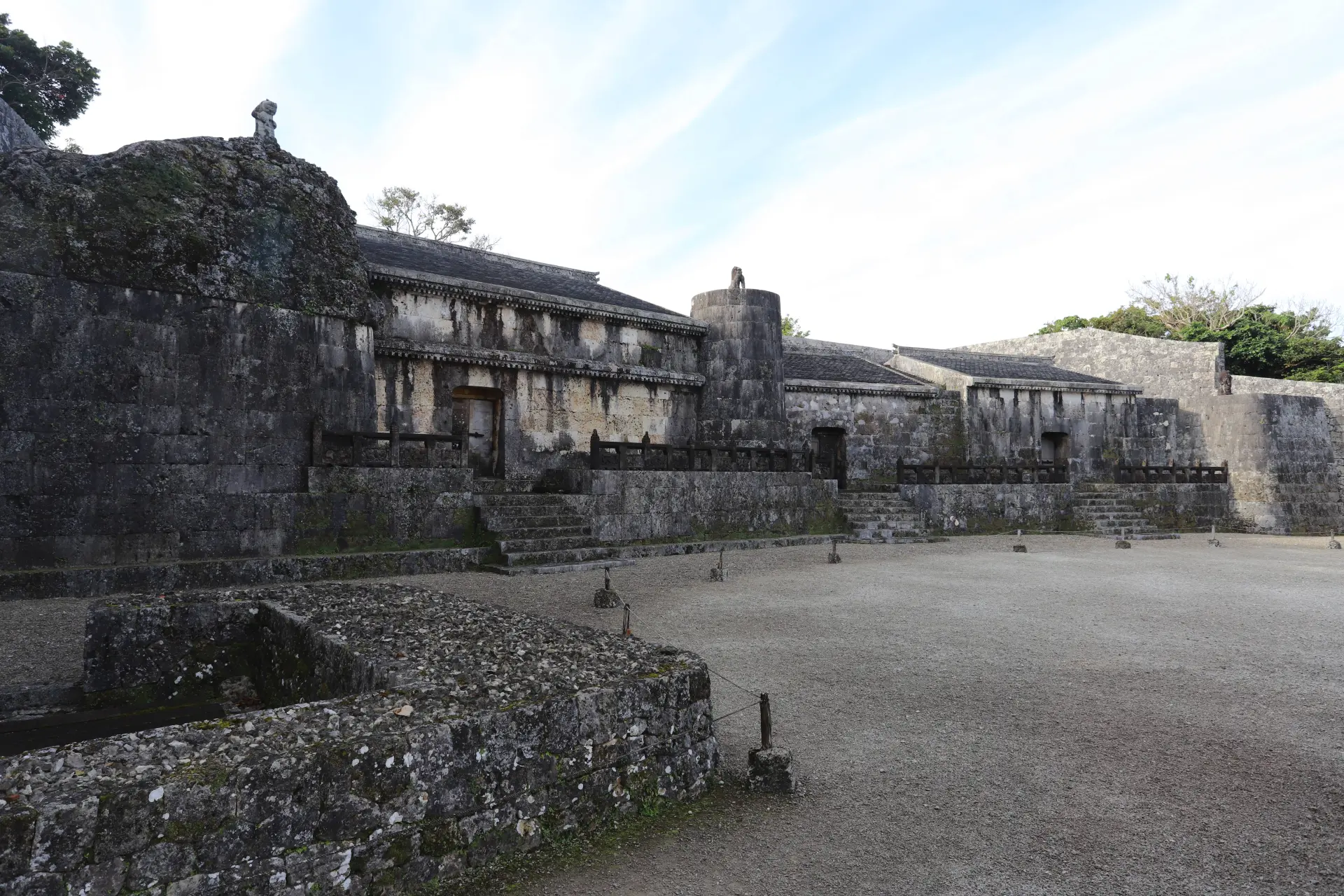
3. Tamaudun (Naha City)
This imposing royal mausoleum of the Ryukyu Kingdom is a World Heritage Site within walking distance of Shurijo Castle. Said to have been modeled after the castle, the massive stone structure is distinguished by three burial chambers arranged from east to west.
Highlights include remains dating from its original construction in 1501, lion statues on the roof, and dragon carvings on the railings before the burial chambers. A stop at the exhibition room in the Tamaudun Hōenkan helps visitors better understand its historical background and architectural value.
4. Tsuboya Yachimun Street (Naha City)
This Ryukyu limestone-paved street is a pleasant place to explore Okinawan pottery, known as yachimun. Kilns and shops line the approximately 400-meter street, offering everything from traditional Tsuboya ware to contemporary pieces.
Another pleasure of exploring Tsuboya is turning off the main street to wander the maze-like sujigwa, or back alleys. Taking time to search for a favorite piece of pottery is especially enjoyable when traveling alone.
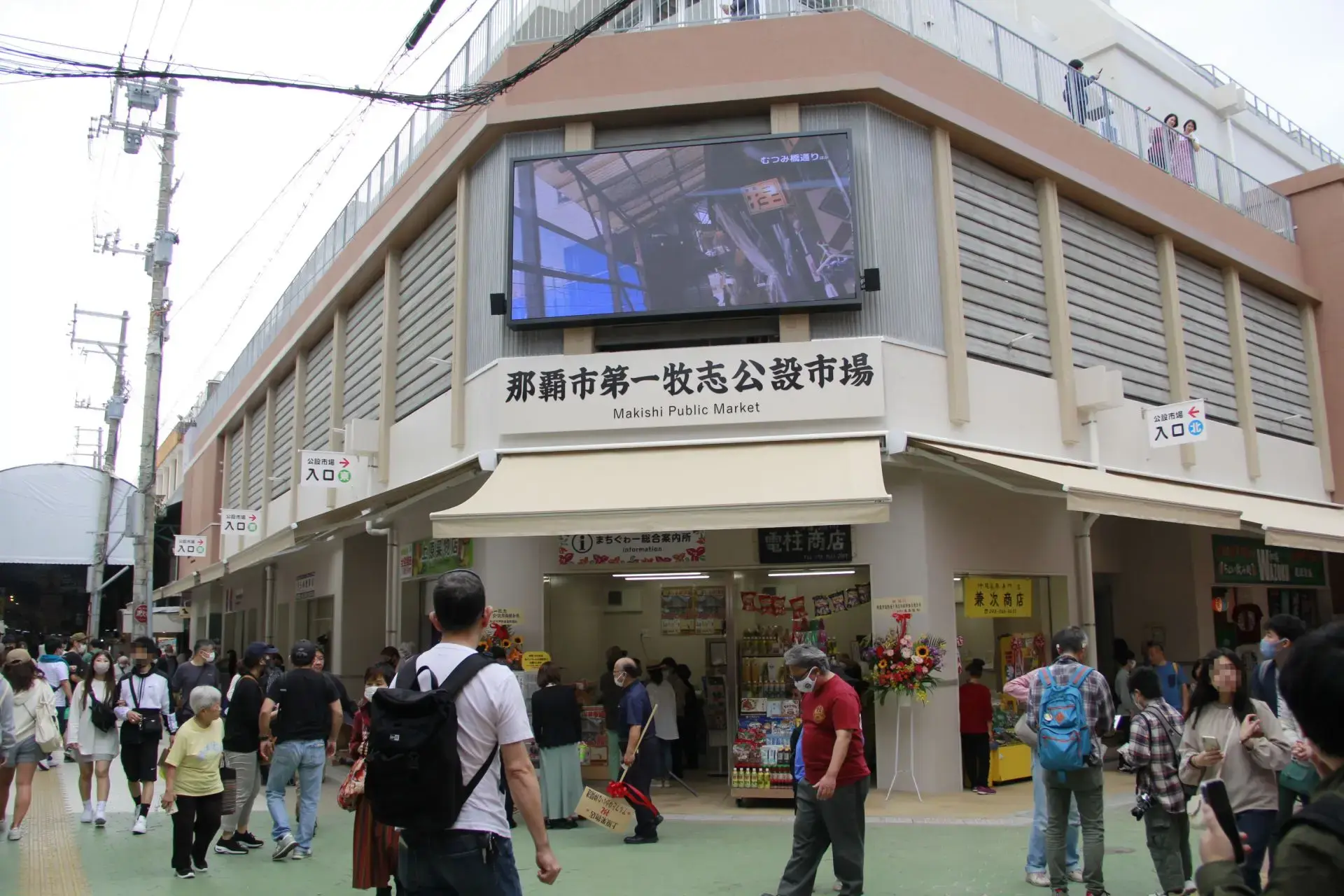
5. First Makishi Public Market (Naha City)
For a glimpse of everyday life in Okinawa, visit this market popular with local residents. As you browse the storefronts, colorful fish, island vegetables, pork, and other distinctly Okinawan ingredients draw you into the market's lively atmosphere.
If a vendor gives you a shibun, or little extra, at checkout, you can consider yourself a seasoned Okinawa traveler. Even these casual exchanges become lasting travel memories.
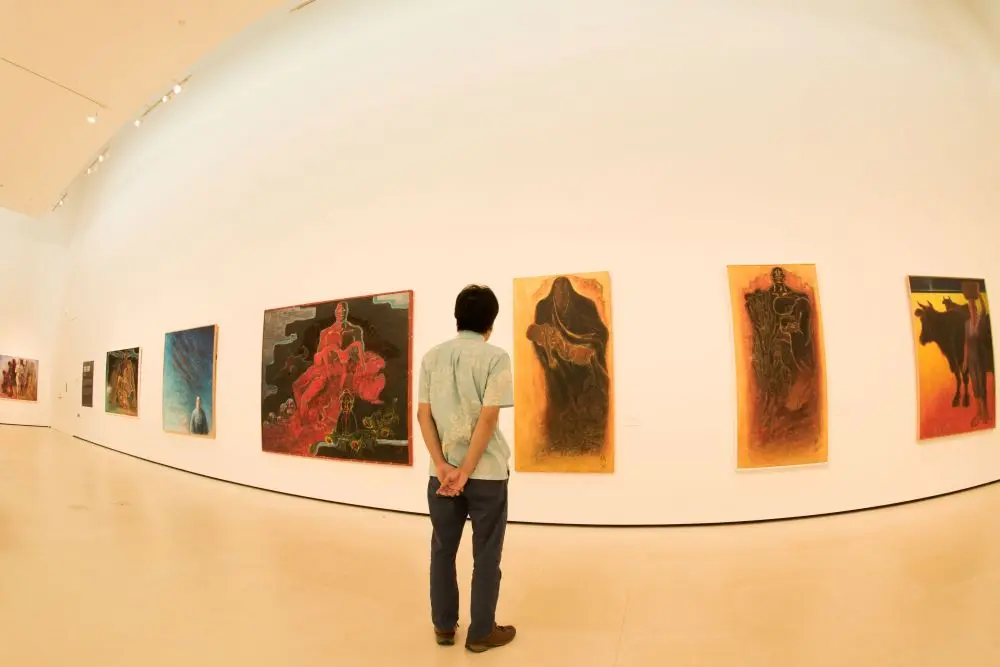
6. Okinawa Prefectural Museum and Art Museum (OkiMu) (Naha City)
The prefecture's largest cultural facility covers a broad range of subjects, from Okinawa's natural environment and history to its art. The museum features outdoor exhibits of traditional homes and raised storehouses, while the art museum displays modern and contemporary works connected to Okinawa as well as art from elsewhere in Asia.
Also worth visiting are the Yui Mui museum shop, which sells original goods inspired by the museum and art museum collections along with traditional crafts, and Came Came Kitchen, a museum café serving dishes made with Okinawan ingredients. Take your time and linger over the experience after viewing the exhibits.

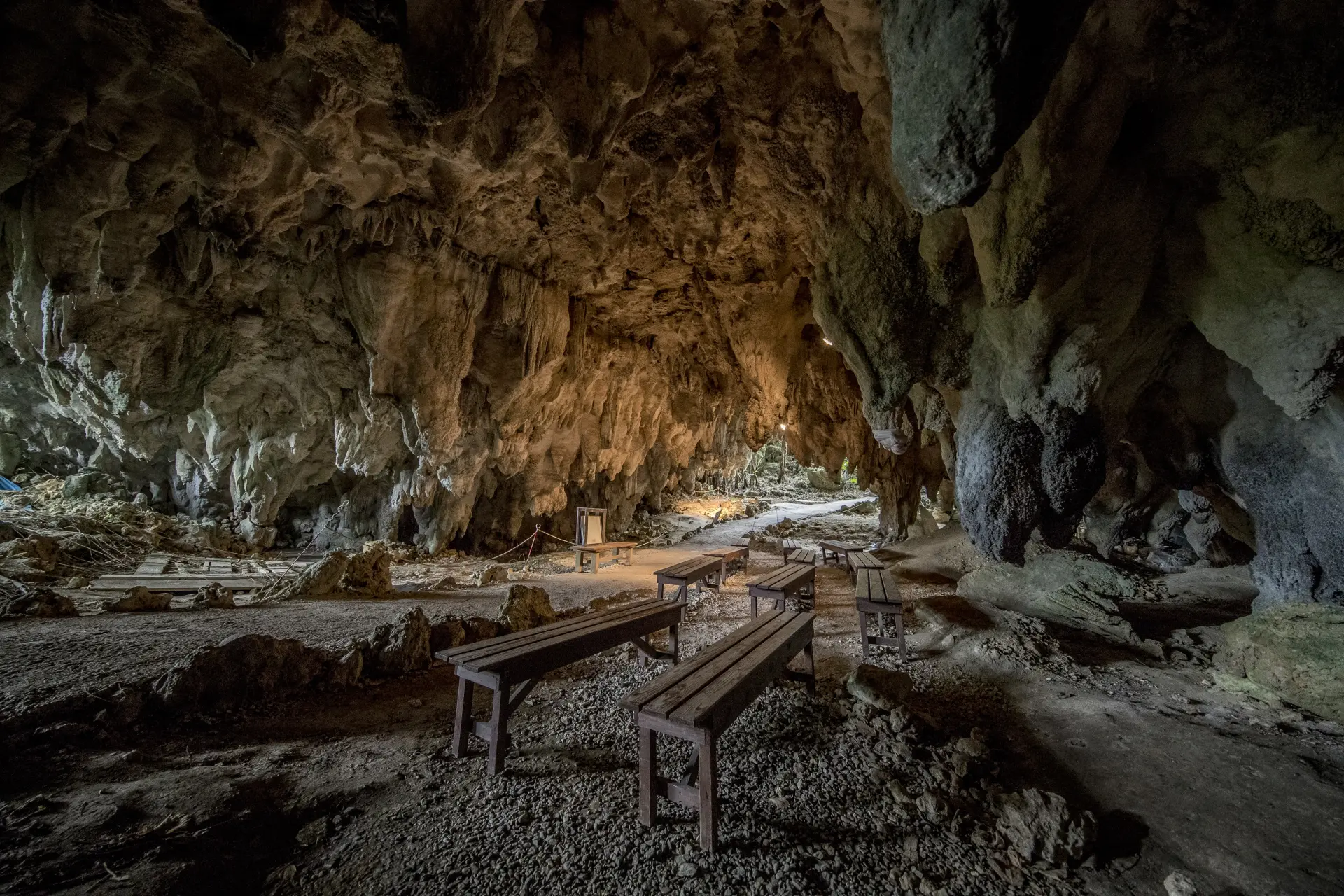
7. Valley of Gangala (Nanjo City)
This valley was formed when a limestone cave dating back hundreds of thousands of years collapsed. As a special place to experience Okinawa's natural landscape and ancient history, it can only be explored on a guided tour.
As you walk through the subtropical forest, scenery distinctive to the valley appears one after another, including archaeological sites, caves used for prayer, and enormous banyan trees. Listening to the guide's commentary offers deeper insight into the nature and history that live on in the valley. Although the paths are maintained, there are stairs along the way, so comfortable walking shoes are recommended.
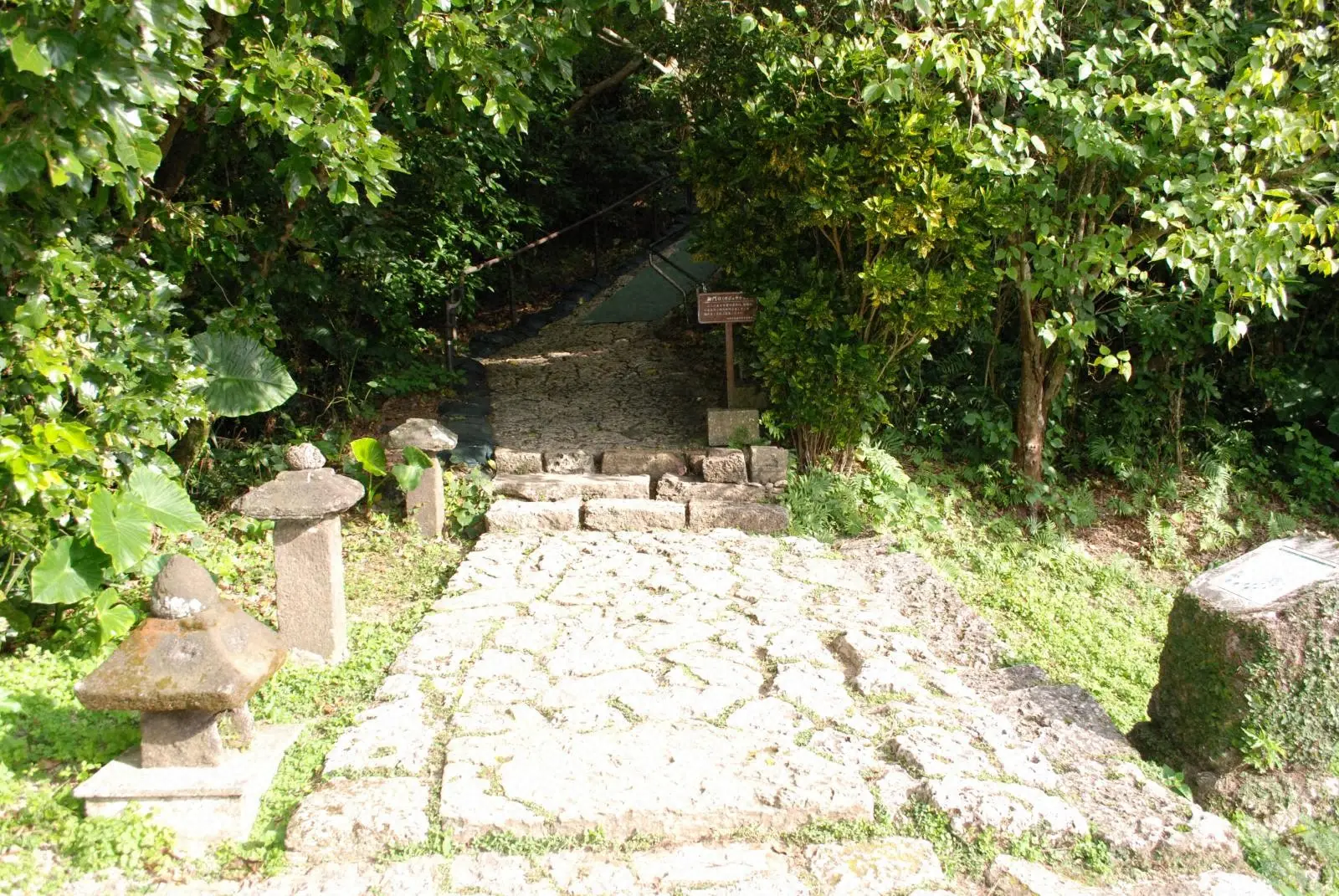
8. Sefa Utaki (Nanjo City)
This World Heritage Site, known as the most sacred place in the Ryukyu Kingdom, offers a meaningful encounter with Okinawa's spiritual culture. Prestigious places of worship such as Ufugui, Sangui, and Yuinchi are scattered through the forest and remain carefully preserved as sites of prayer.
Visitors must understand that this is still a sacred place where local people pray and behave respectfully. In its quiet surroundings, take time to reflect on Okinawa's spiritual traditions.
9. Okinawa World (Nanjo City)
This popular theme park offers experiences of Okinawa's natural environment and traditional culture in one place. Begin by walking through Gyokusendo Cave, formed over approximately 300,000 years, then continue to the Kingdom Village, lined with traditional houses, and the Tropical Fruit Garden.
There is plenty to see and do throughout the day, including traditional craft workshops, eisa dance performances, and traditional costume rentals. With so many attractions at Okinawa World, it is best to decide in advance where to start and how to make your way around.
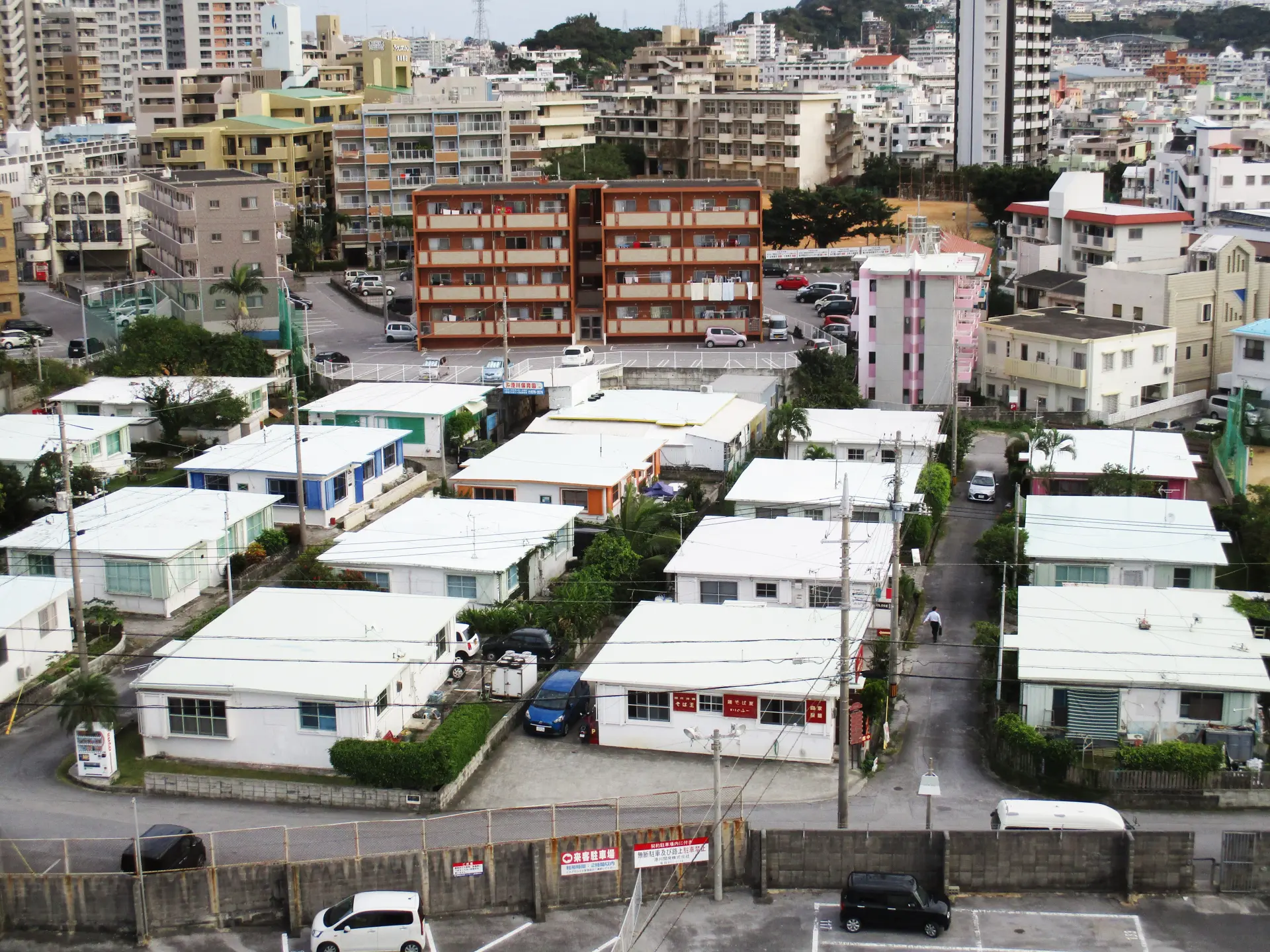
10. Minatogawa Stateside Town (Urasoe City)
This neighborhood of renovated residences once built for foreign residents during the American administration of Okinawa blends local character with an international atmosphere. Cafés, boutiques, and galleries appear one after another, inviting spontaneous stops.
Signs bearing the names of U.S. states mark streets such as Florida Street and California Street, making the area easy to navigate. Take a leisurely walk and soak up the neighborhood's atmosphere.
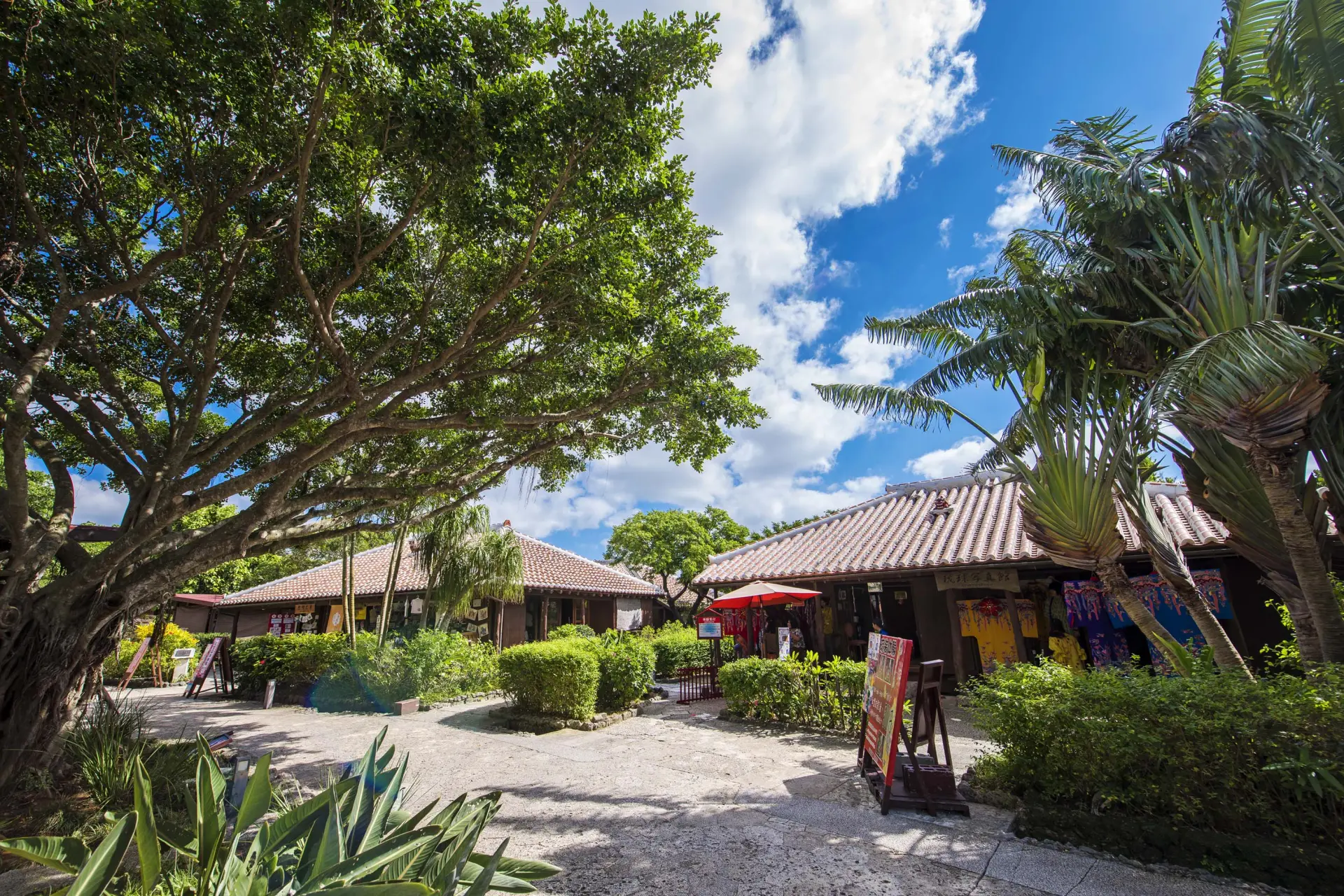
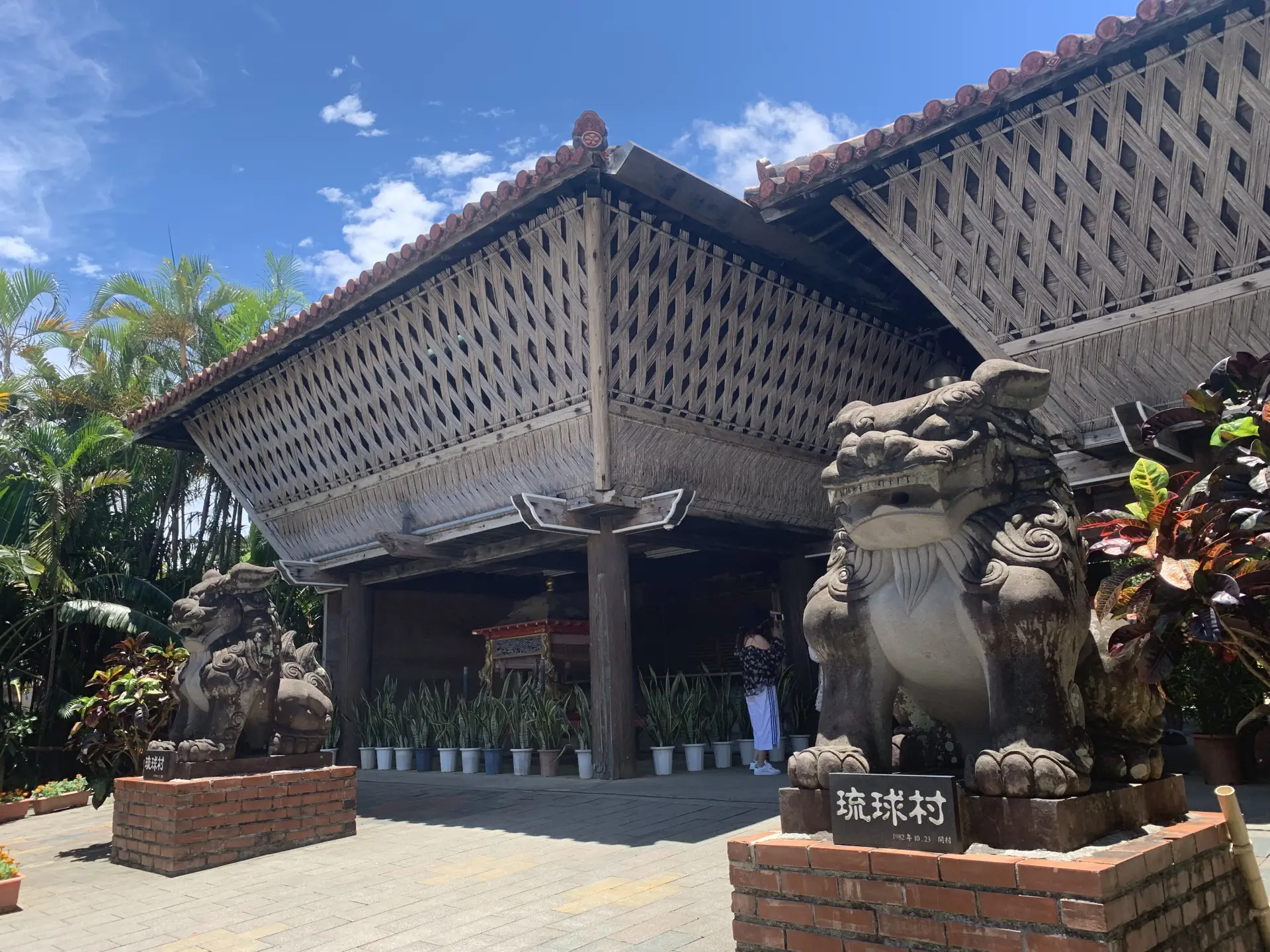
11. Ryukyu Mura (Onna Village)
This theme park is lined with traditional homes relocated from across Okinawa. In addition to experiences such as painting shisa, wearing Ryukyuan costumes, and making Okinawan glass, highlights include powerful eisa dance performances and traditional sugar-making demonstrations.
Pick up handmade Okinawan-style popo crepes or 100% sugarcane juice from a concession stand and enjoy them as you explore. Slow down and experience the atmosphere of old Okinawa firsthand.
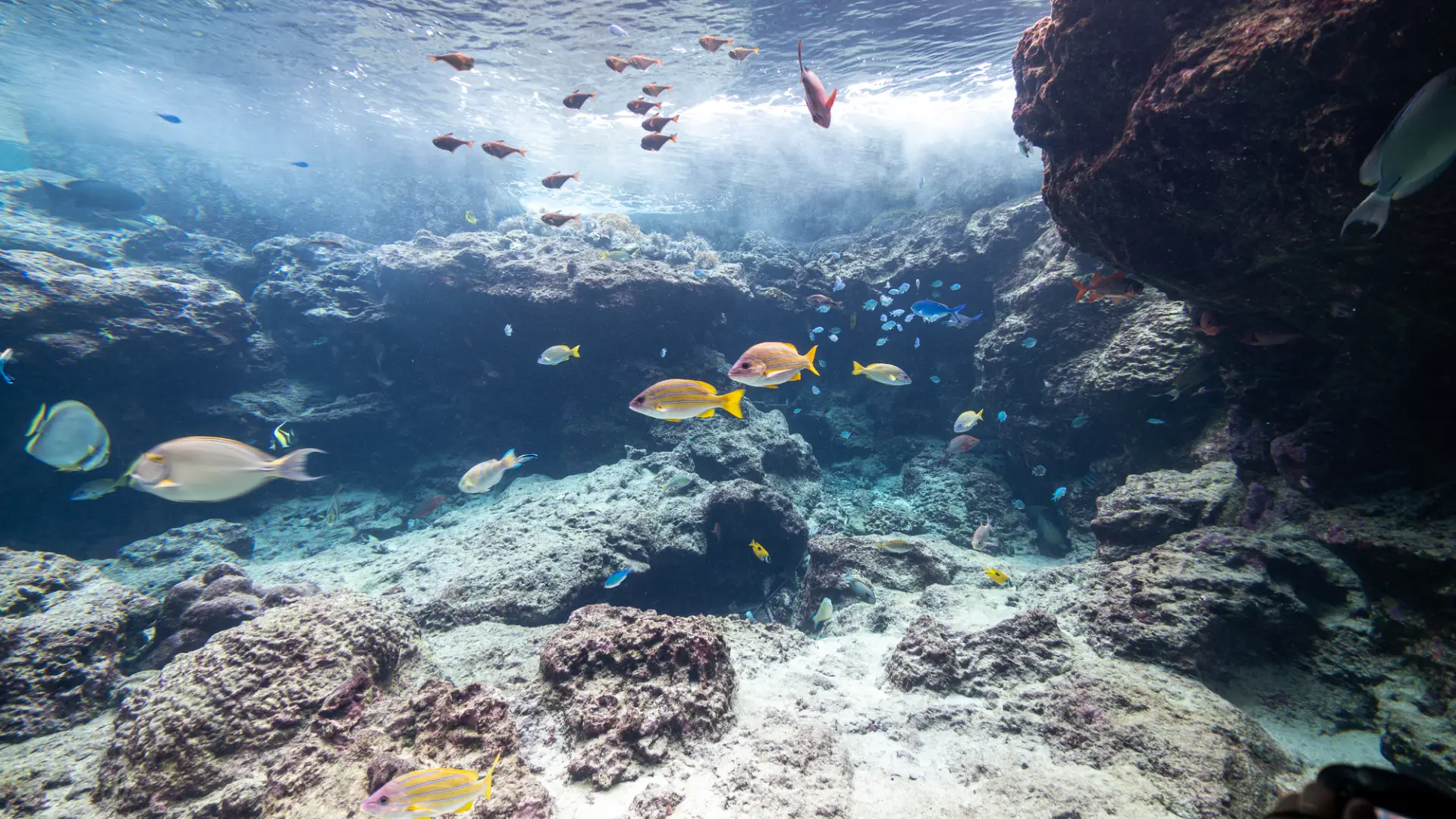
12. Okinawa Churaumi Aquarium (Motobu Town)
This popular attraction features exhibits that seem to capture the waters of Okinawa just as they are. Follow the displays as though diving beneath the surface, encountering diverse creatures from Okinawa's coastal waters to the deep sea.
The whale sharks and reef manta rays gliding through the enormous Kuroshio Sea tank are impressive in scale. Seeing these giant fish up close is a powerful experience. The Coral Sea tank, flooded with sunlight, features a large-scale living coral exhibit. Immerse yourself in the wonders of Okinawa's ocean.
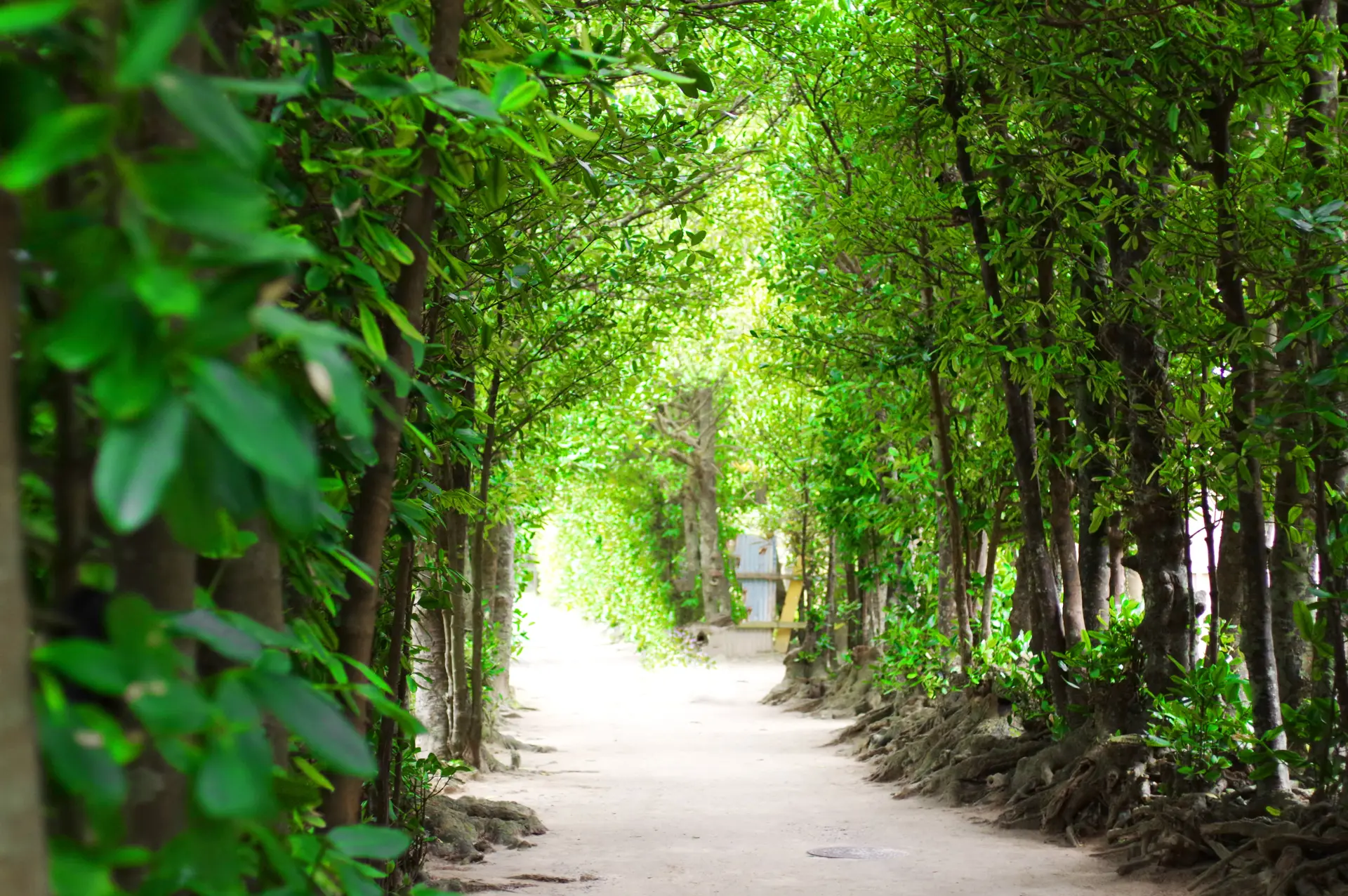
13. Bise Fukugi Tree Road (Motobu Town)
The fukugi-lined lanes surrounding this seaside village offer a peaceful place to stroll at an unhurried Okinawan pace. Some trees are over 300 years old, and fukugi still encircle approximately 250 homes, revealing their deep connection to local life.
Also look for the Couple Fukugi Trees at the entrance to the lanes, regarded as a spiritual spot said to bring marital harmony and happiness. The more detours you take, the more the area's distinctive atmosphere stays with you.
14. Kouri Bridge (Nakijin Village)
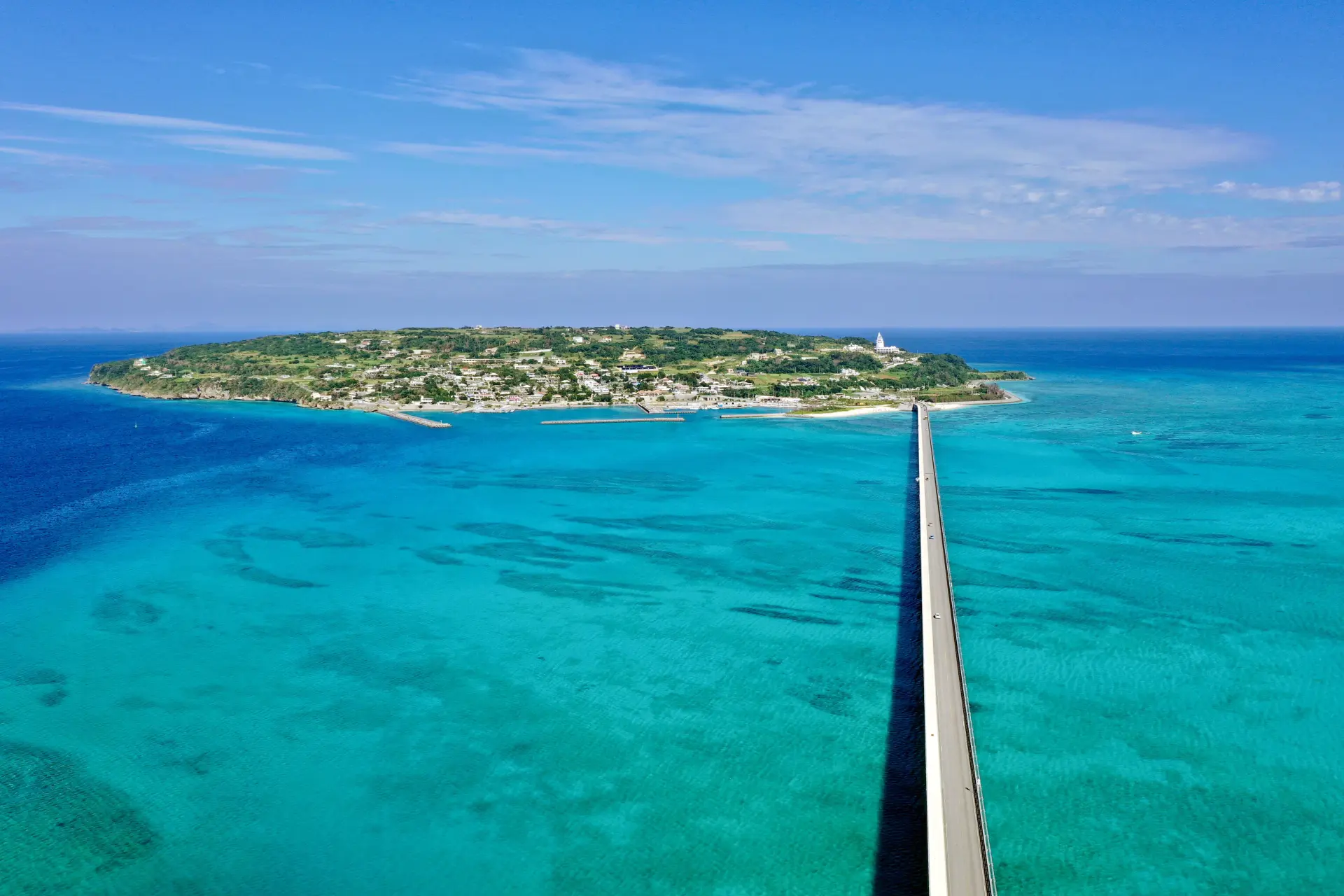
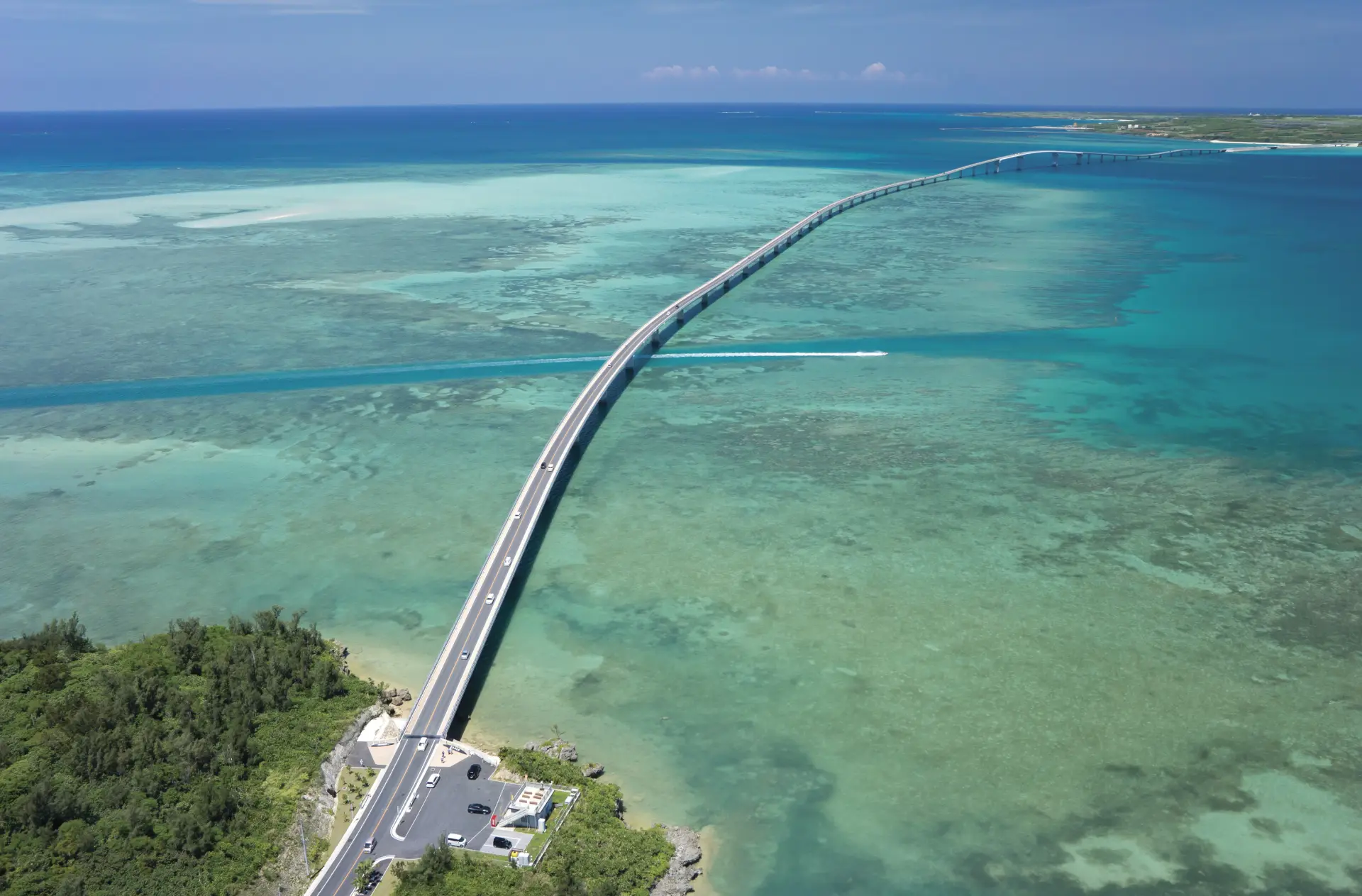
Stretching straight across an emerald-green sea, Kouri Bridge is one of Okinawa's foremost driving spots. Crossing the bridge is exhilarating in itself, but it is also worth parking at the observation area on the Yagaji Island side and walking while feeling the sea breeze.
Take in the surrounding views at a leisurely pace while enjoying a stroll that feels almost like walking over the ocean. The quintessential Okinawan scenery makes a fitting finale to a scenic trip.
Okinawa's Outlying Islands to Visit on a Solo Trip
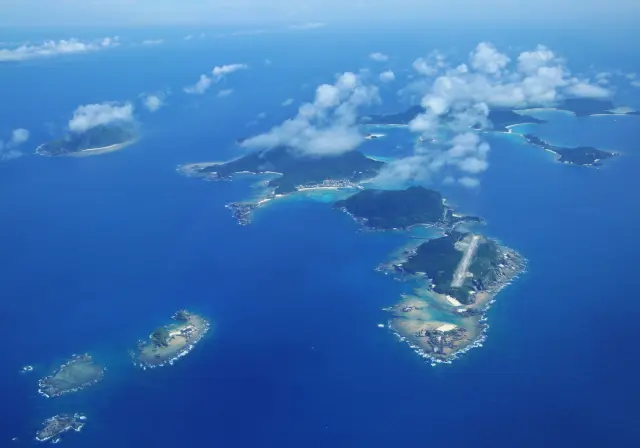
Okinawa's appeal extends beyond the main island. If you have enough time, consider venturing to one of its outlying islands.
Taketomi Island retains villages of red-tile houses, Iriomote Island is enveloped in World Natural Heritage wilderness, and Miyako Island is surrounded by exceptionally clear waters. Each has a distinct personality, with its own scenery and pace of life.
Visiting a different side of Okinawa from the main island opens up even more possibilities for solo travel.
15. Taketomi Island (Taketomi Town)
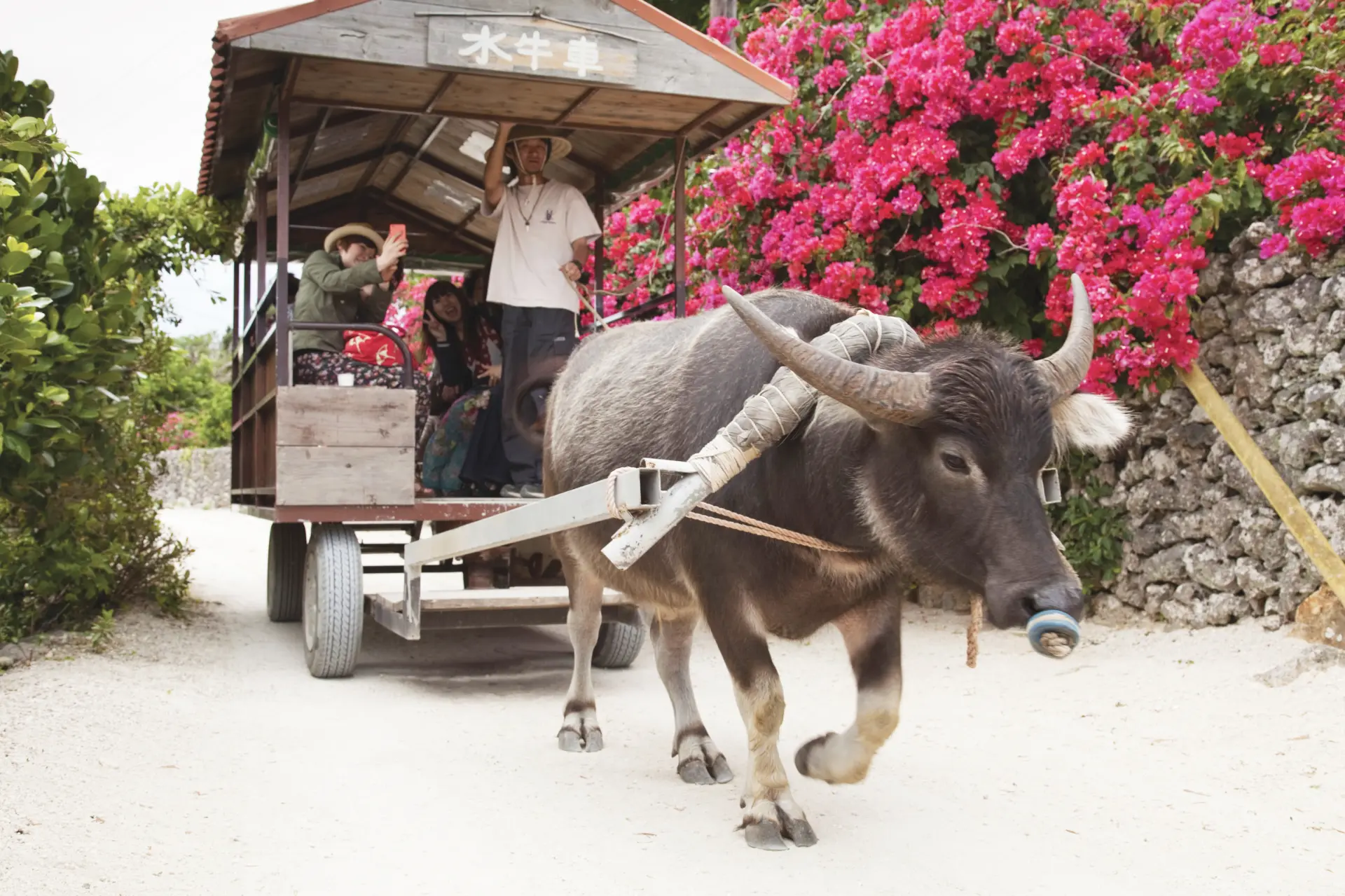
With red-tile roofs and white-sand roads, Taketomi Island is a small island where visitors can encounter a traditional Okinawan landscape. Highlights are scattered across the island, including three villages designated as an Important Preservation District for Groups of Traditional Buildings, Kondoi Beach, and Kaiji Beach.
The island can be toured in about half a day, but staying overnight lets you see the sunset from Nishi Pier and a night sky filled with countless stars. Explore without rushing, and the island's peaceful atmosphere will stay with you.
16. Iriomote Island (Taketomi Town)
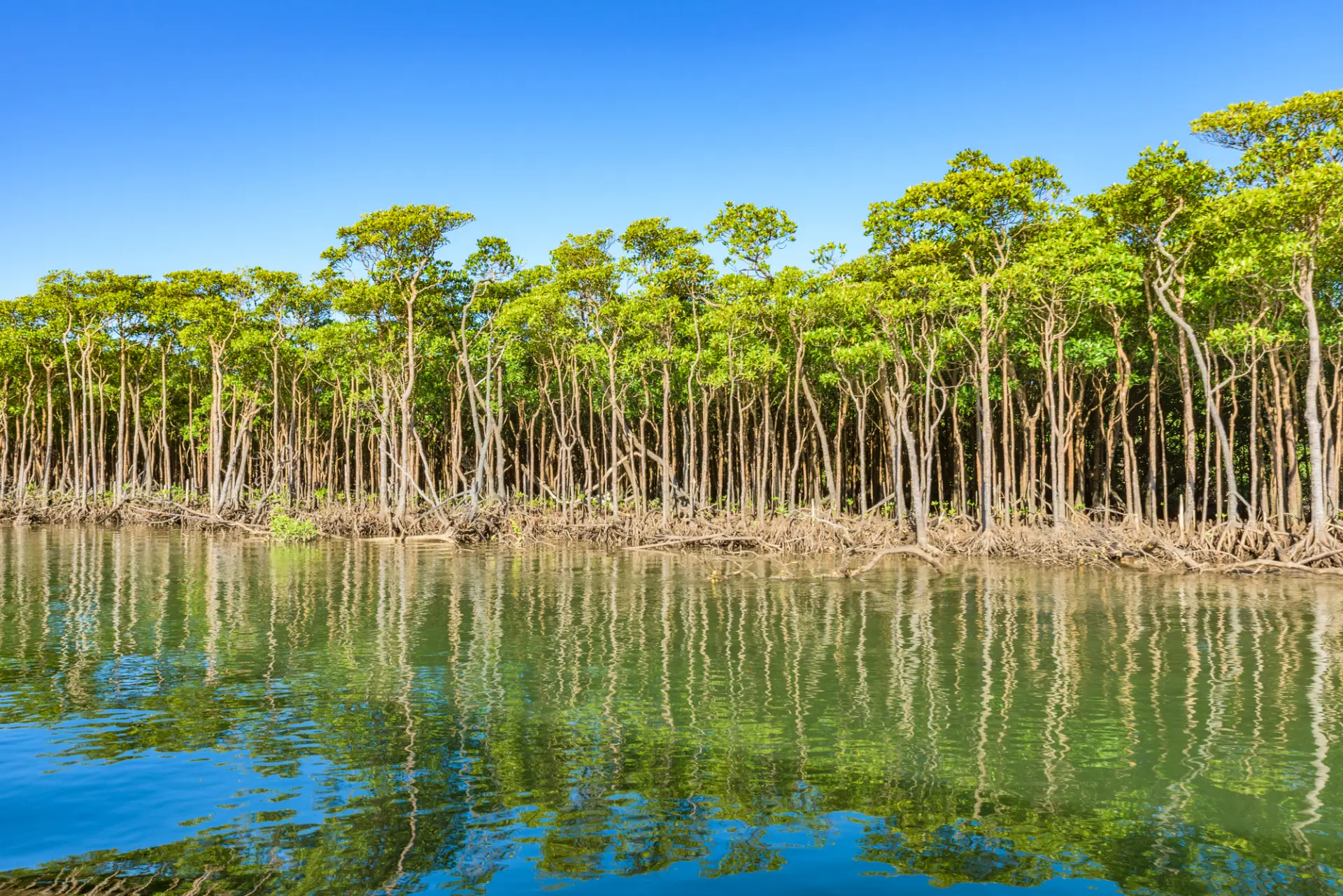
Registered as a World Natural Heritage Site, Iriomote Island is the largest island in the Yaeyama archipelago and retains extensive untouched wilderness. Subtropical forests cover approximately 90% of the island and support rare wildlife, including the Iriomote cat, earning it the nickname “the Galápagos of the East.”
There is also a wide range of activities for experiencing the wilderness, including kayak and canoe tours through mangrove forests and jungle trekking. Surrender yourself to the vast natural surroundings and discover an island entirely unlike Okinawa Island.
17. Miyako Island (Miyakojima City)
Known for its exceptionally clear waters called Miyako Blue, Miyako Island is recommended for travelers who want to immerse themselves in ocean scenery. Its appeal lies in the freedom to spend time as you please, whether driving along the coast or relaxing on the beach.
You can also slow down and savor island time at stylish cafés with a resort atmosphere. Venture to the surrounding islands connected by bridges, and even more scenery distinctive to the Miyako Islands unfolds.
5 Recommended Places to Eat on a Solo Trip to Okinawa
One of the pleasures of traveling alone is discovering flavors distinctive to the destination.
In addition to staples such as Okinawa soba and pork-and-egg rice balls, there are plenty of approachable places serving local dishes in traditional homes and sweets created in Okinawa.
Slip through a restaurant curtain between sightseeing stops or take a break while exploring the city. A dish chosen to suit your mood can make your travel memories even richer.
1. Shuri Soba (Naha City)
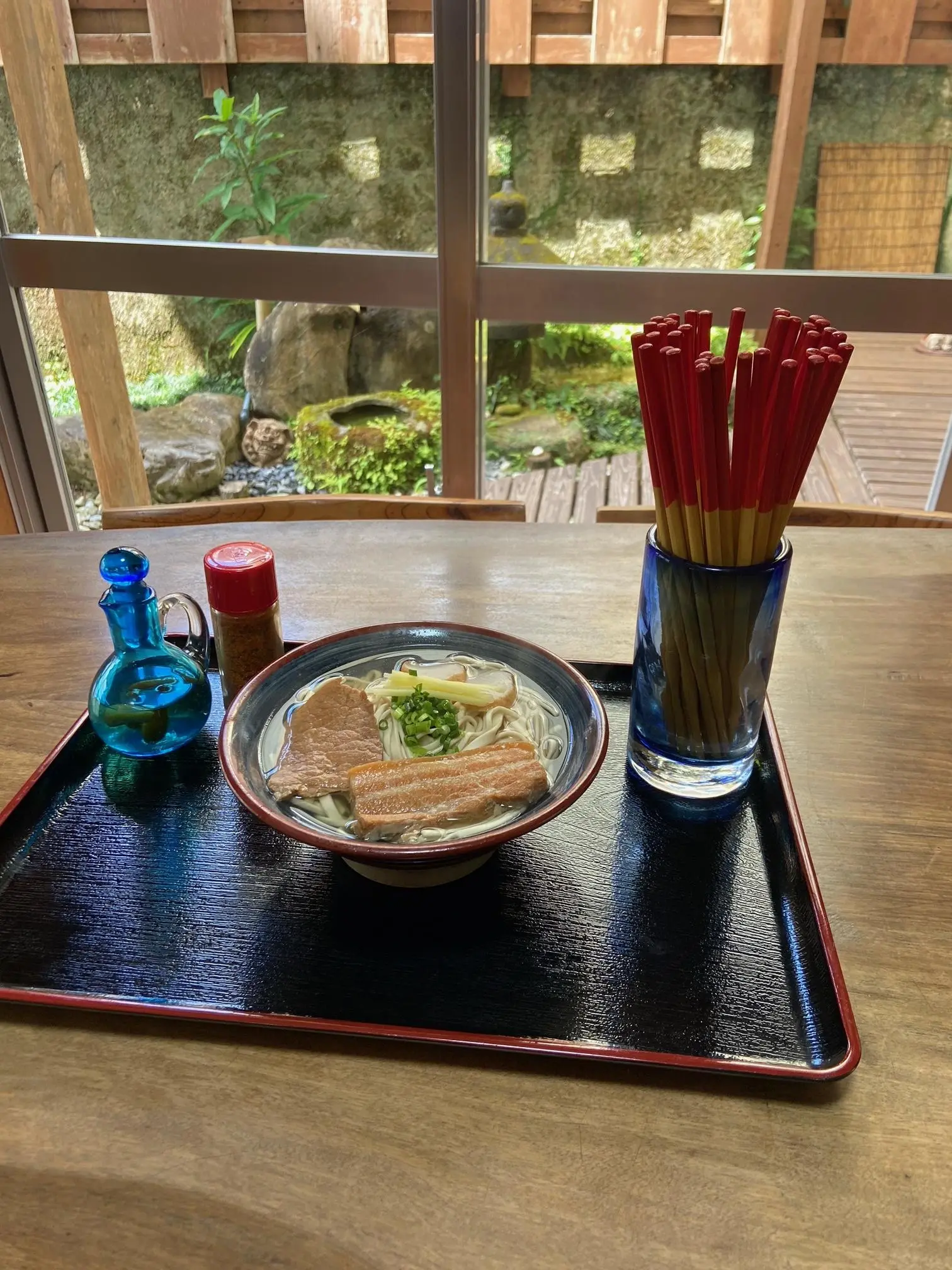
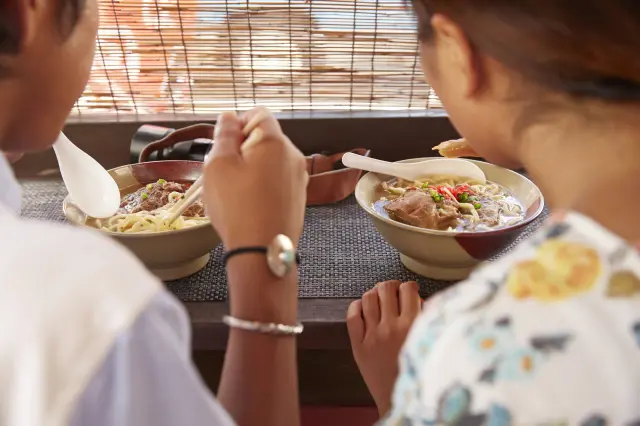
This popular Okinawa soba restaurant is an ideal stop after exploring the Shurijo Castle area. Chewy handmade flat noodles pair with a clear broth carefully prepared from pork and bonito flakes, creating a balanced flavor that never grows tiring.
In addition to bowls topped with classic ingredients such as pork belly and loin, simmered dishes and jushi seasoned rice are also popular. Housed in a renovated traditional residence, the restaurant has counter, table, and tatami seating. Take your time over a meal while reflecting on your walk around Shuri.
2. Pork Tamago Onigiri Makishi Market Branch (Naha City)
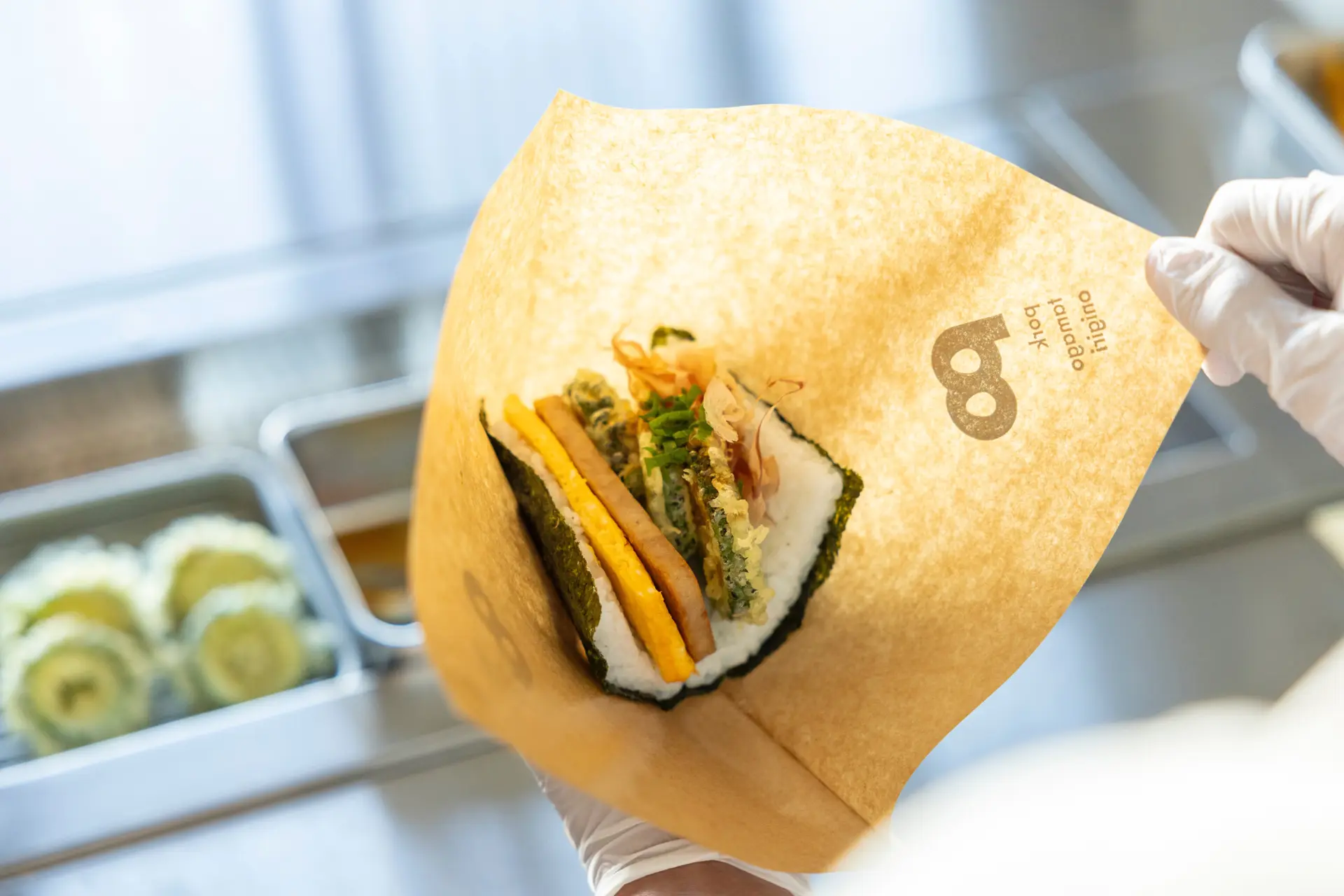
This specialty shop offers an easy way to try pork-and-egg rice balls, an Okinawan soul food. Alongside the classic pork tamago are many varieties featuring ingredients such as mustard greens, spicy cod roe mayonnaise, and island tofu, making it fun to choose according to your mood.
The shop is inside Makishi Public Market, known as the “Kitchen of Okinawa,” a sightseeing destination filled with fresh seafood and Okinawan ingredients. It makes a perfect snack while exploring the market.
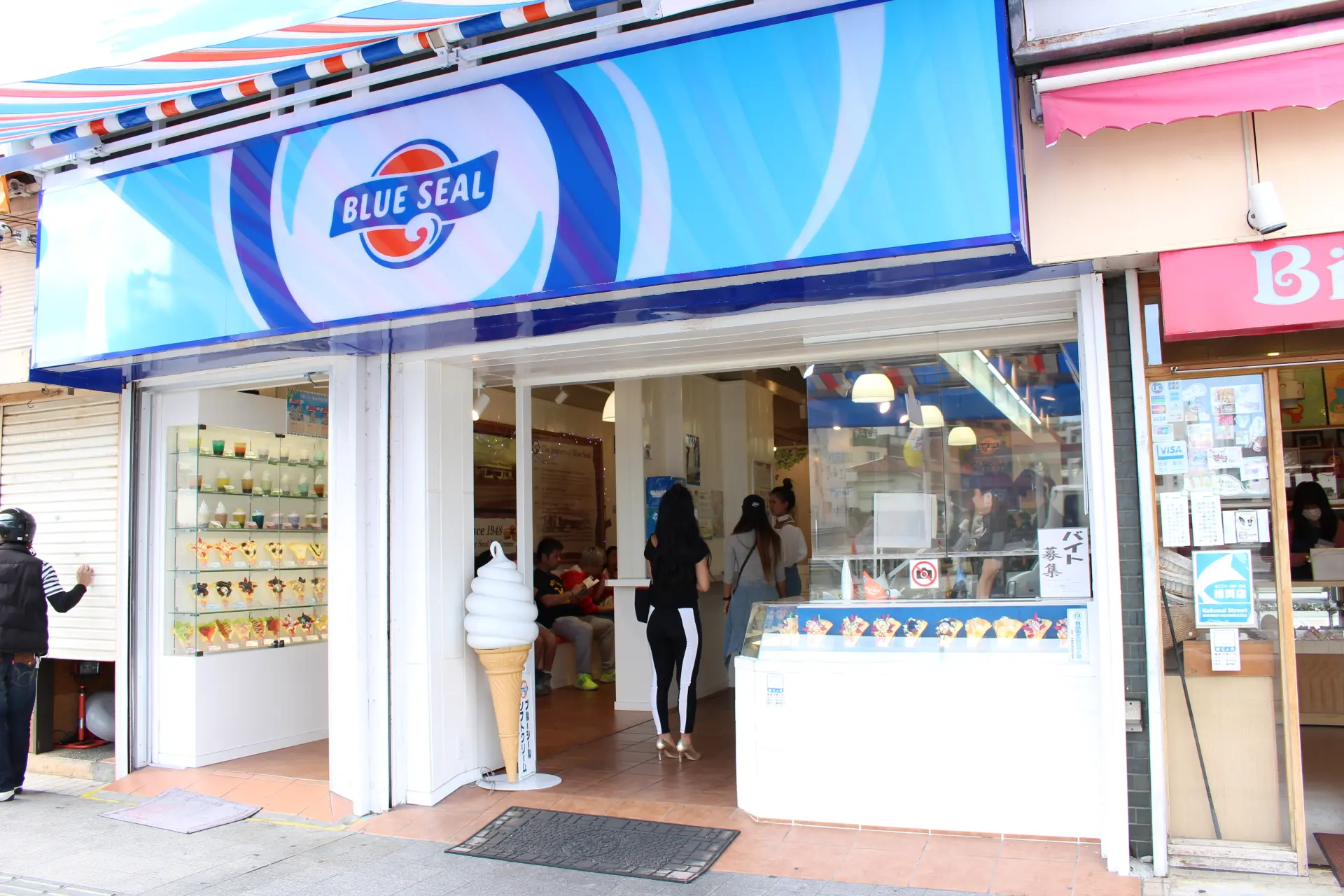
3. Blue Seal Cafe Kokusai Street Branch (Naha City)
This café belongs to one of Okinawa's best-known ice cream brands. Okinawan flavors such as purple sweet potato, salted chinsuko cookies, and shikuwasa citrus line the menu, and deciding which to choose is part of the fun.
With its American atmosphere, the Kokusai Street branch sits midway along Okinawa's leading shopping and entertainment street and is popular with visitors looking for a treat to enjoy while walking. It is also a convenient place to stop and rest while exploring the city.
4. Ufuyā Traditional Okinawan Restaurant (Nago City)
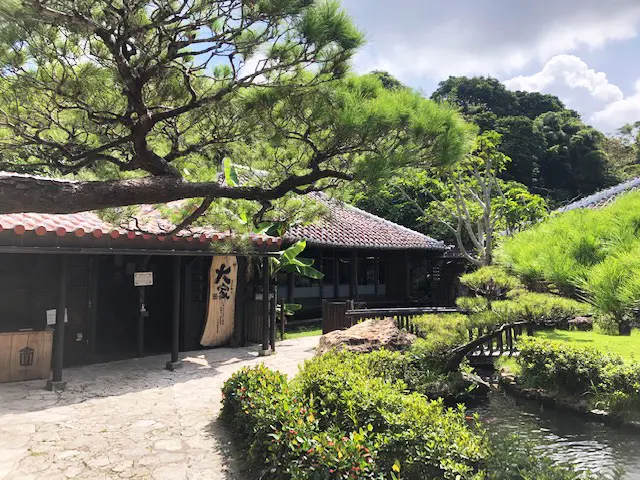
This popular restaurant in a traditional home over 100 years old is filled with Okinawan atmosphere. The menu includes Okinawa soba made with fresh house-made noodles, Agu pork, locally raised wagyu, and other dishes prepared with regional ingredients.
Eating Okinawan cuisine while watching the large waterfall at the center of a setting that feels like stepping back 100 years is a special experience. Stop during a tour of northern Okinawa and enjoy a meal amid the island's traditional scenery.
5. Captain Kangaroo (Motobu Town)
This hamburger restaurant is highly popular in northern Okinawa. Its bright, glass-fronted interior recalls a stylish North American café. The restaurant faces a beach across the road, and the ocean is just a 1-minute walk away.
Bite into a generously sized burger with a juicy patty and fragrant bun while taking in the seaside scenery, and your drive through northern Okinawa will feel all the more satisfying.

3 Recommended Hotels for a Solo Trip to Okinawa
On a solo trip, time spent at the hotel can be as enjoyable as sightseeing.
Okinawa offers accommodations to suit different travel styles, from convenient bases for exploring Naha on foot to seaside resort hotels in the Motobu area. Choose a property where you will feel comfortable based on factors such as access, views, and atmosphere, and your trip will be even more satisfying.
1. Hotel Gracery Naha (Naha City)
Located on Kokusai Street, this hotel makes a convenient base for sightseeing in Naha. Comfortable rooms with separate bathrooms and a Comfort Floor renovated in 2024 are among the amenities that let solo guests relax with ease.
Another attraction is the breakfast buffet, which offers more than 40 Japanese and Western dishes along with Okinawan specialties such as champuru and rafute. Start the morning with local flavors before setting out to explore.

2. Orion Hotel Motobu Resort & Spa (Motobu Town)
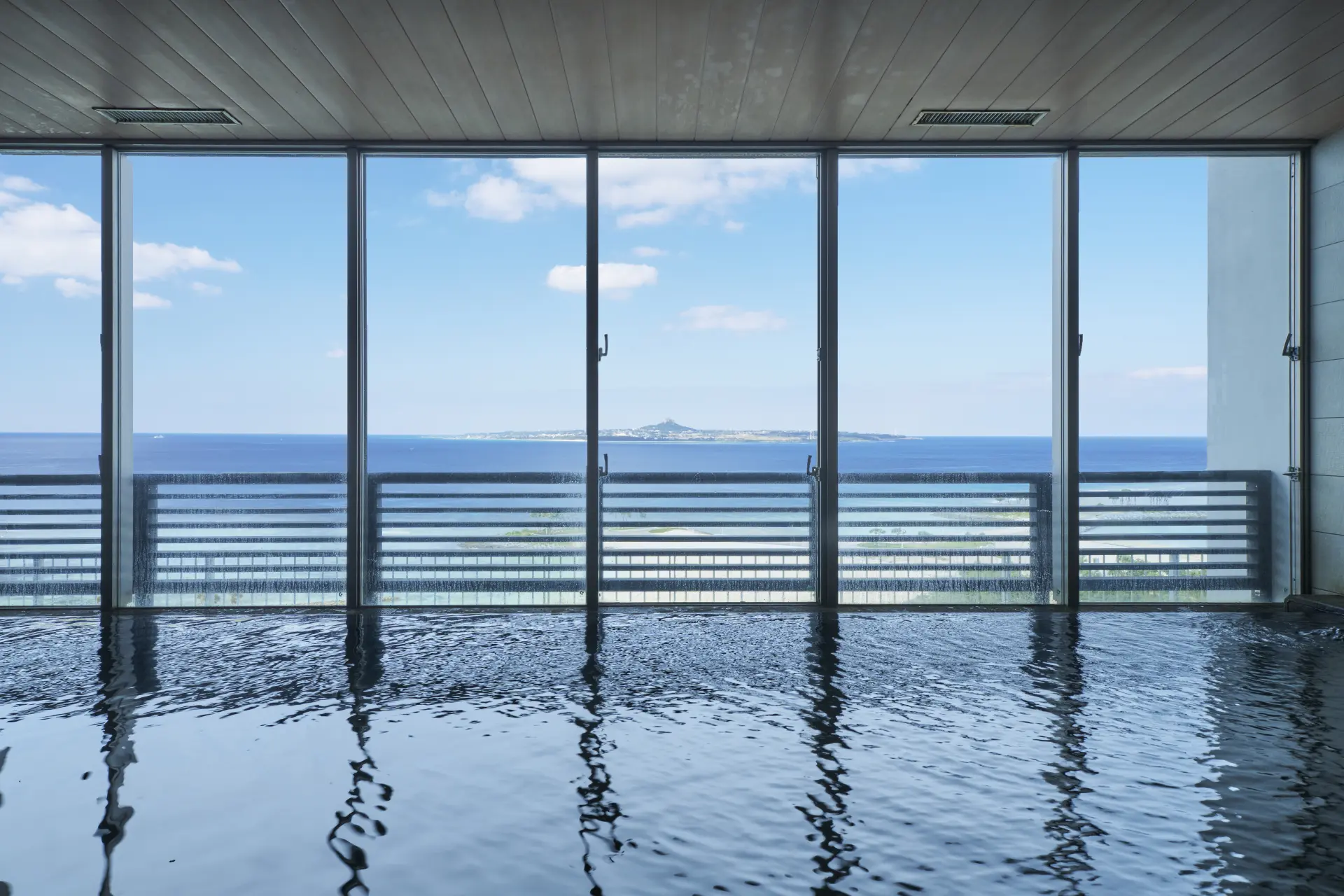
Every room at this resort hotel faces the ocean. Spacious guest rooms measuring at least 50 square meters overlook Emerald Beach and Ie Island, offering sweeping views distinctive to northern Okinawa.
Facilities include a large public bath fed by a natural hot spring, an infinity pool, and a range of restaurants and bars. It is also a convenient base for visiting Okinawa Churaumi Aquarium and exploring the north.
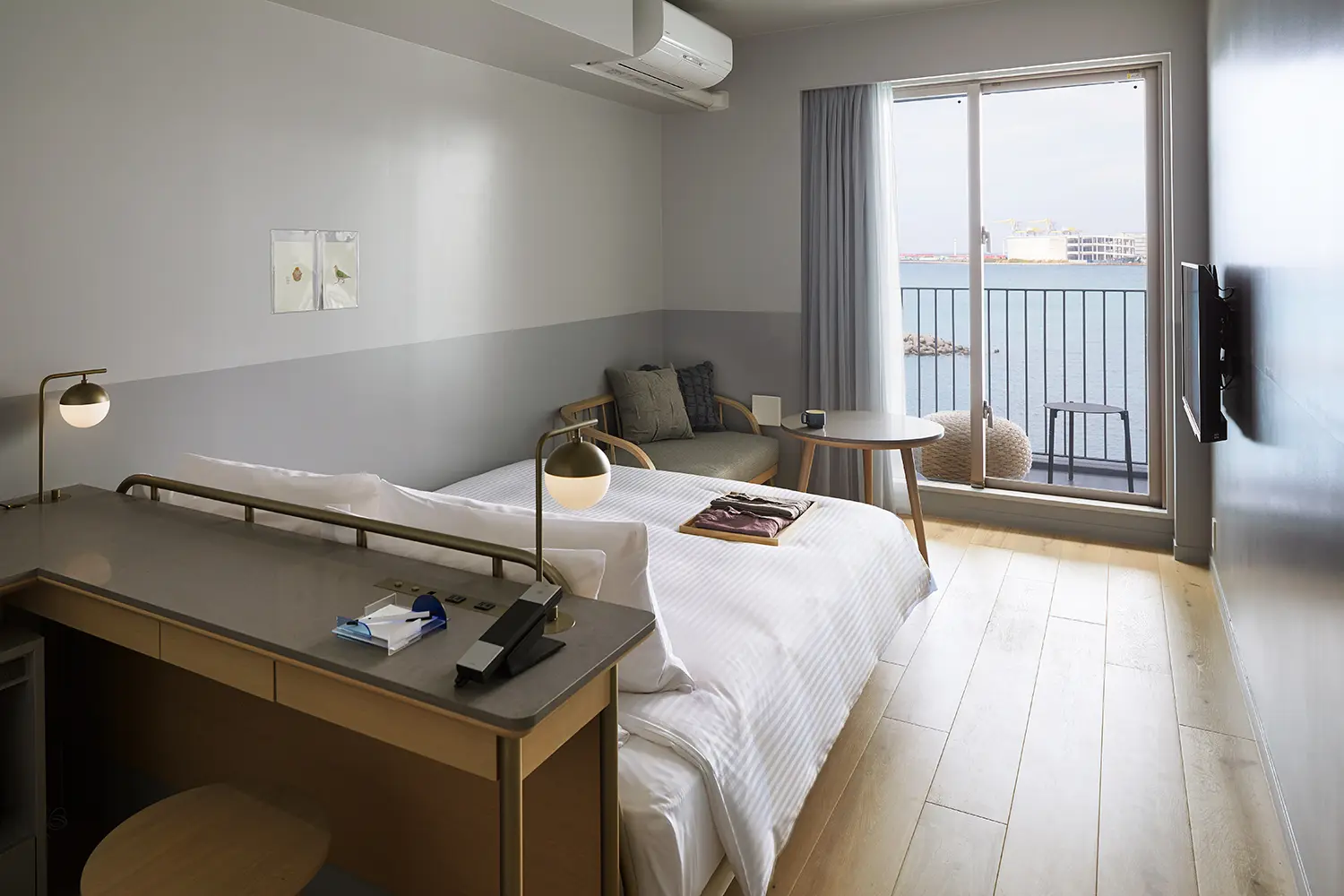
3. Hotel Anteroom Naha (Naha City)
This design hotel combines harbor views with contemporary art. Each room features works by a different artist, making the stay itself part of the travel experience.
Morning yoga sessions and art events are also held periodically, so check the schedule in advance. The hotel offers a stay that engages with Okinawa's creative sensibility beyond simply exploring its streets.
Recommended 2-Day, 1-Night Itinerary for a Solo Trip to Okinawa
Spend the first day exploring the history of the Ryukyu Kingdom and walking around Shuri and Naha, then rent a car on the second day and head north. One of the pleasures of solo travel is being able to continue at your own pace while discovering Okinawan scenery and culture.
Here is a sample itinerary that accounts for travel times and is easy to follow even on a first trip to Okinawa.
- Day 1
- Naha Airport → Yui Rail → Explore the Shurijo Castle area → Lunch at Shuri Soba → Explore Tsuboya Yachimun Street → Explore First Makishi Public Market → Take a break at Blue Seal Cafe Kokusai Street Branch → Visit the Okinawa Prefectural Museum and Art Museum (OkiMu) → Stay at Hotel Gracery Naha
- Day 2
- Hotel Gracery Naha → Rent a car → Experience Okinawan culture at Ryukyu Mura → Lunch at Ufuyā Traditional Okinawan Restaurant → Visit Okinawa Churaumi Aquarium → Stroll along the Bise Fukugi Tree Road → Drive across Kouri Bridge → Return the rental car at Naha Airport
Frequently Asked Questions About Solo Travel in Okinawa
Q
Can I enjoy a solo trip to Okinawa without renting a car?
You can easily explore central Naha and the Shuri area by Yui Rail and on foot. However, if you plan to visit northern attractions such as Okinawa Churaumi Aquarium, the Bise Fukugi Tree Road, and Kouri Bridge, renting a car will reduce travel time and let you explore more efficiently. Choose your transportation based on your itinerary and the areas you want to visit.
Q
How many nights are recommended for a solo trip to Okinawa?
A 2-day, 1-night trip is enough to visit the classic attractions on Okinawa Island. However, 3 days and 2 nights or more will provide a fuller experience if you want to explore Shuri and Naha at a leisurely pace or venture to Yambaru and southern Okinawa Island. If you plan to visit outlying islands such as Miyako, Taketomi, or Iriomote, it is best to arrange a separate itinerary.
Q
What should I consider when choosing accommodations for a solo trip to Okinawa?
Choose the area where you stay based on the purpose of your trip. Central Naha is recommended if you plan to focus on Shuri and Kokusai Street, while the Motobu area is convenient for exploring northern attractions such as Okinawa Churaumi Aquarium and Kouri Island. For solo travel, choosing a hotel with good access and enjoyable features such as a lounge or scenic views can make your stay more satisfying.
Q
For a first solo trip, is Okinawa Island or an outlying island better?
For a first solo trip to Okinawa, Okinawa Island is recommended because it offers a broad range of experiences, from exploring Shuri and Naha on foot to taking in scenic views in the north. If your main goal is to slow down and enjoy island time, however, an outlying island such as Miyako, Taketomi, or Iriomote is also an appealing destination. Choose according to the length of your trip and how you want to spend it.
Summary
Explore history and culture at Shurijo Castle Park and Tsuboya Yachimun Street, discover mysterious natural landscapes in southern Okinawa Island, and take in iconic Okinawan scenery in the Motobu area. If time allows, you can also venture to outlying islands such as Taketomi, Iriomote, and Miyako.
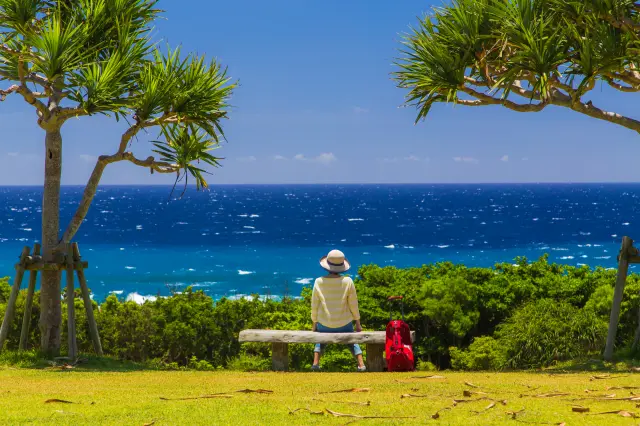
Traveling alone lets you change your stops according to your mood or linger before a view that catches your eye. From historic streetscapes to blue seas, explore at your own rhythm and encounter scenery and culture found only in Okinawa.