
11 Waterside and Town Experiences: Exploring Tottori Shaped by Water and Sand
A trip to Tottori begins with coastal scenery at the Tottori Sand Dunes and Kaike Onsen Kaiyu Beach, then continues to valleys such as Ashizu Valley and Sekka Valley, and townscapes like the Kurayoshi White Wall Warehouses and Wakasa Kura Street.
By following the landforms and views shaped by water and sand, along with the lives built around them, you can experience Tottori’s appeal in a fuller way. Explore landscapes where nature and town life meet, and enjoy the changes along the way.
Walk the Boundary Where Sand and Sea Meet
This area offers scenery unique to Tottori, created by wind-shifted sand dunes and coastlines where waves roll in.
Even along the same shore, differences in landforms and environment give each place a completely different character. Walk through places where sand and water meet, and see those changes for yourself.
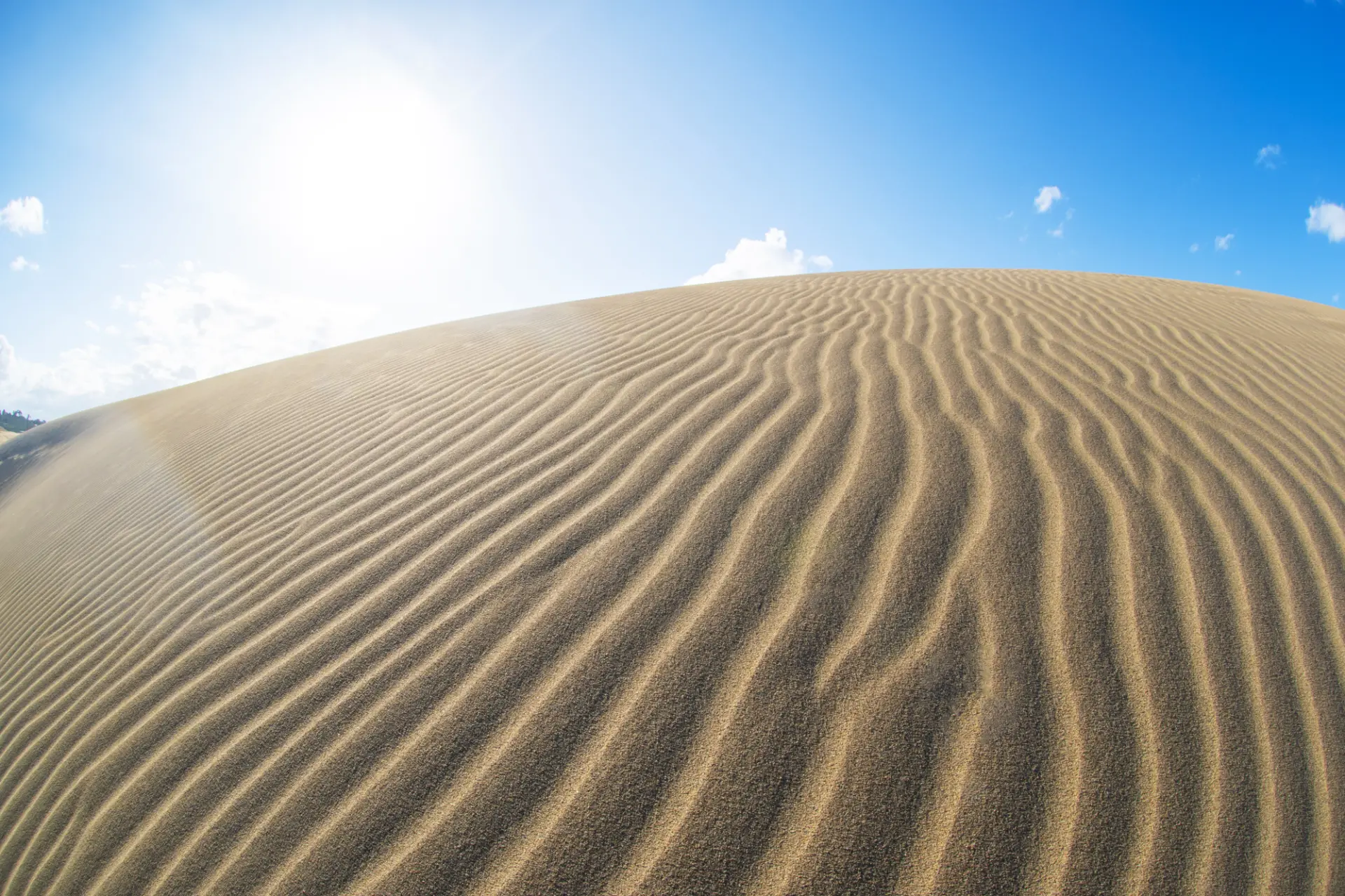
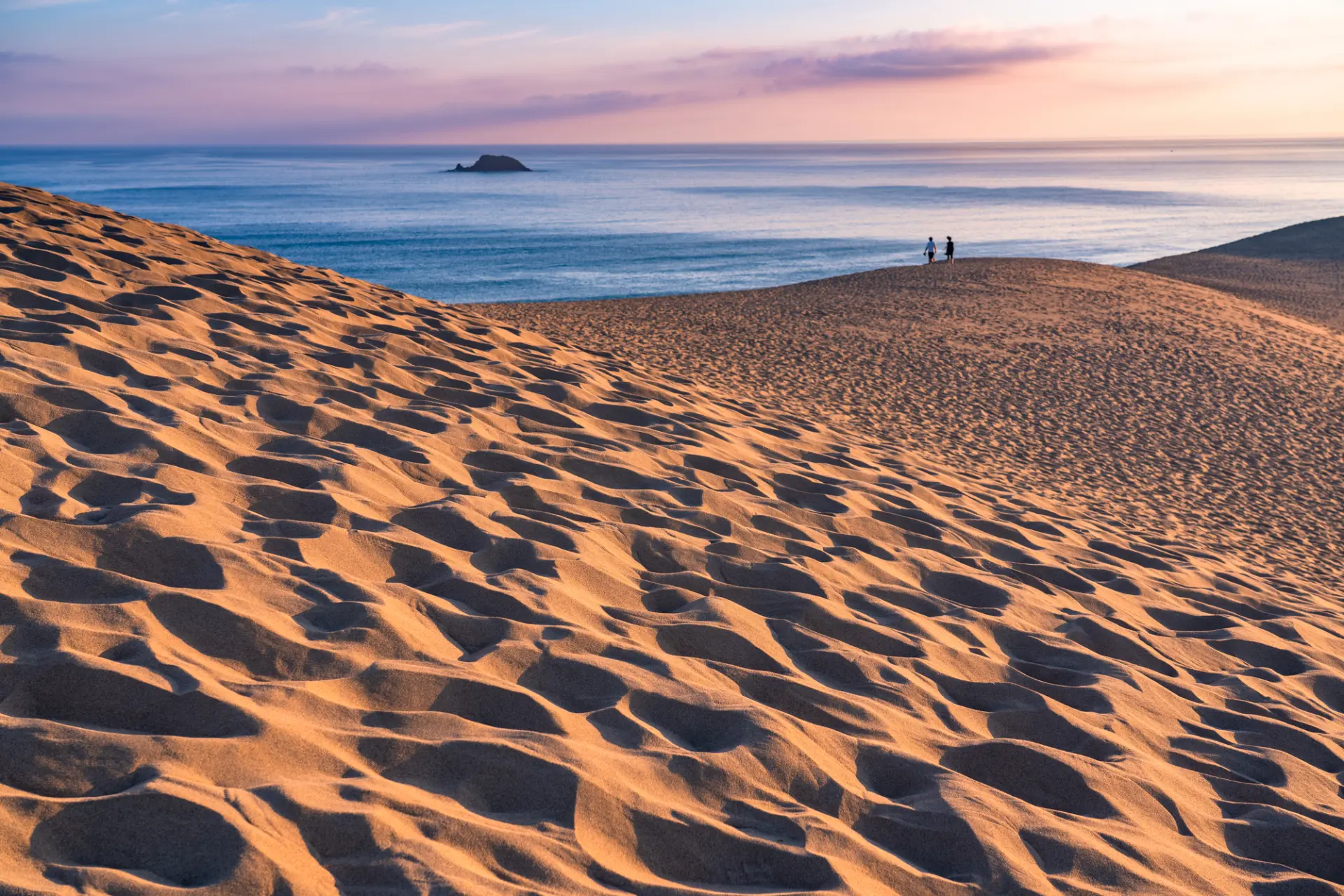
1. Tottori Sand Dunes (Tottori City)
A dune area with rolling stretches of sand along the Sea of Japan.
Within a vast scale of 16 km east to west and 2.4 km north to south, you can experience the dynamic landforms created by wind and sand. Designated as a Special Protection Zone and a National Natural Monument, it is one of Tottori Prefecture’s signature sightseeing spots.
Activities such as camel rides and sandboarding are also available, offering many ways to enjoy the dunes beyond simply walking. Take in the view from the top of the dunes and feel their scale firsthand.
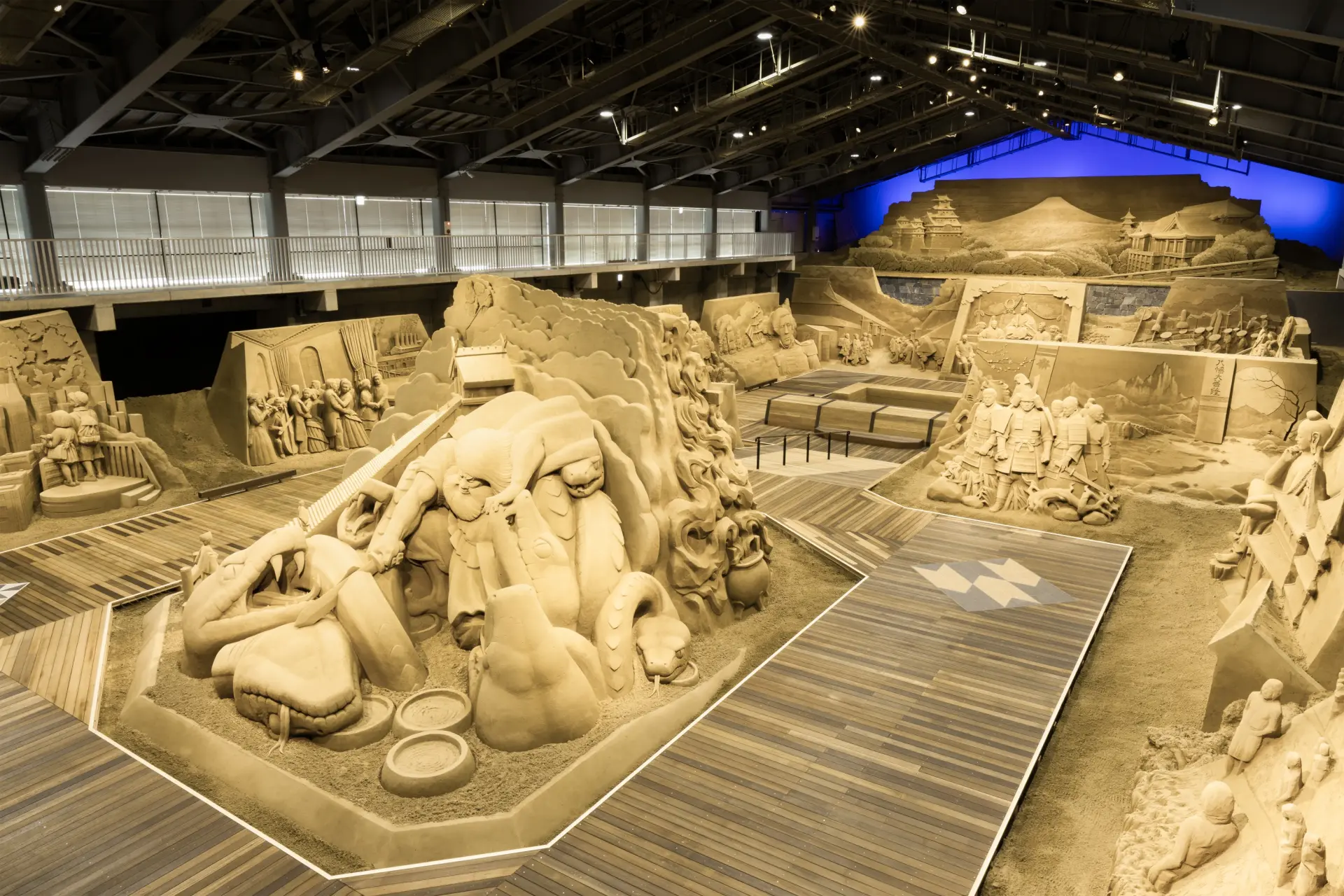
2. Tottori Sand Dunes The Sand Museum (Tottori City)
A unique museum displaying sculptures made from sand from the dunes.
The atmosphere changes with each theme, and the entire space is designed as a single work of art. With an environmentally conscious policy of using no hardening agents or similar materials, the sculptures are carefully carved in detail using only Tottori Sand Dunes sand and water.
The closer you get to the sand sculptures, the more you notice their precision, from human expressions to the movement of clothing. Be sure to see these limited-time creations in person.
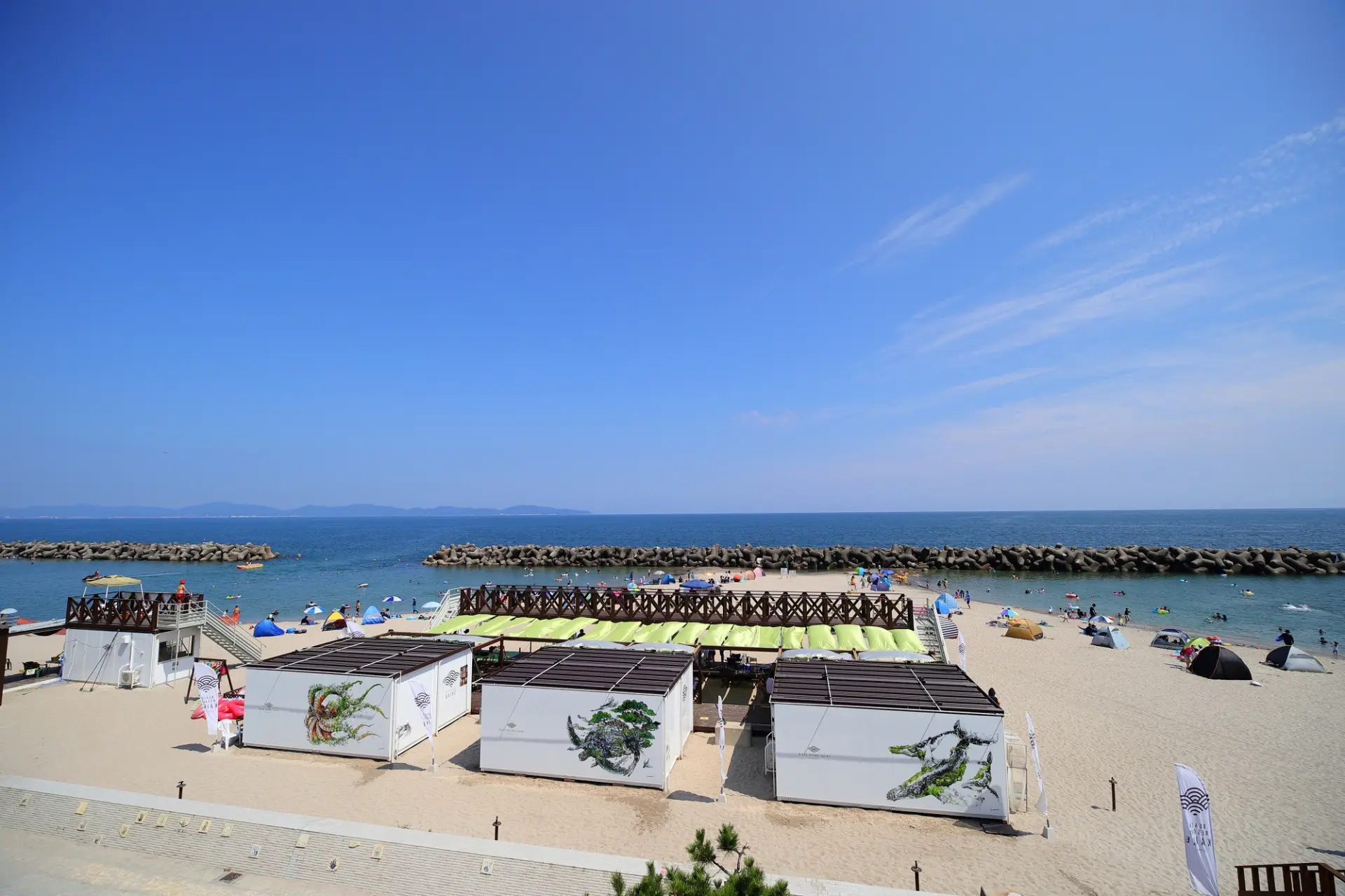
3. Kaike Onsen Kaiyu Beach (Yonago City)
A developed beach stretching along the coast directly in front of the hot spring town.
This swimming beach is known for its excellent water quality and safety, earning a spot among the Ministry of the Environment’s “88 Best Beaches in Japan.” Together with its white sand and green pine scenery, it offers a refreshing seaside atmosphere.
In summer, water athletics and marine activities also appear, creating different ways to enjoy the beach by day and night. Move between the sea and the hot springs, and choose a style of stay that feels unique to the area.

Step Into Valleys Carved by Water
These valleys were shaped over many years by water flowing through the mountains. As you follow the changing landforms created by rocks and forests, you can feel the scale of nature. Step into scenery that shifts the farther you walk.
4. Ashizu Valley (Chizu Town)
A nature-rich area with a valley surrounded by old-growth forest.
Quiet time passes amid scenery woven by steep cliffs and clear streams. If you walk along the mountain trails, you may even encounter giant trees that are several hundred years old.
Several walking routes are available, including a route around Mitaki Dam Lake and courses leading toward the headwaters. Choose a route based on your walking distance and purpose, and experience nature with real depth.
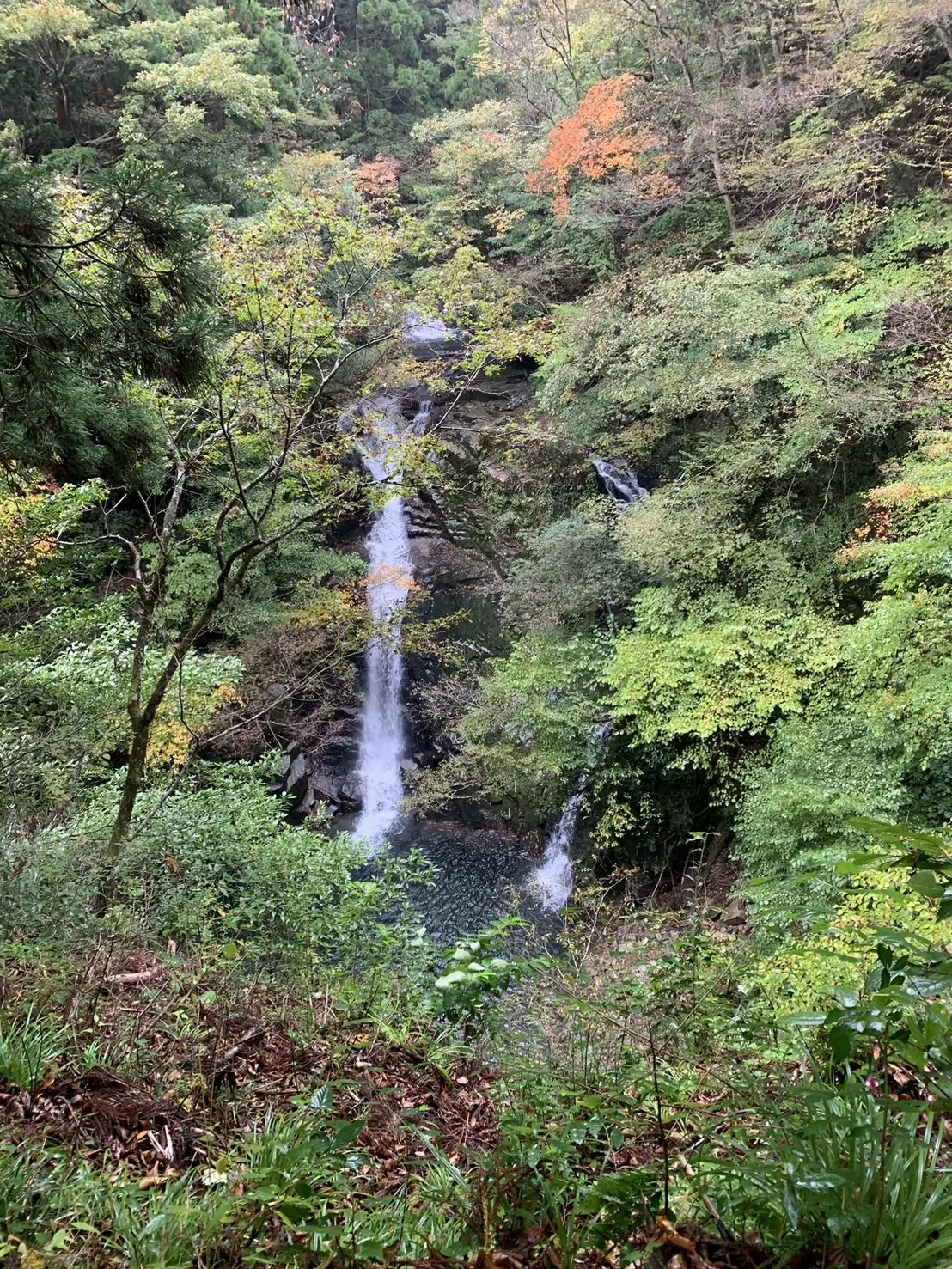
5. Sekka Valley (Nichinan Town)
A valley lined with unusual rock formations created by the erosion of granite. Its dynamic terrain stretches Approx. 12 km from north to south.
Seasonal scenery, such as cherry blossoms in spring and fresh greenery in early summer, is another highlight. The fall foliage is especially known as one of the most spectacular in the prefecture. Explore from the walking paths or from a car window, enjoying how the scenery changes by time of day and season.
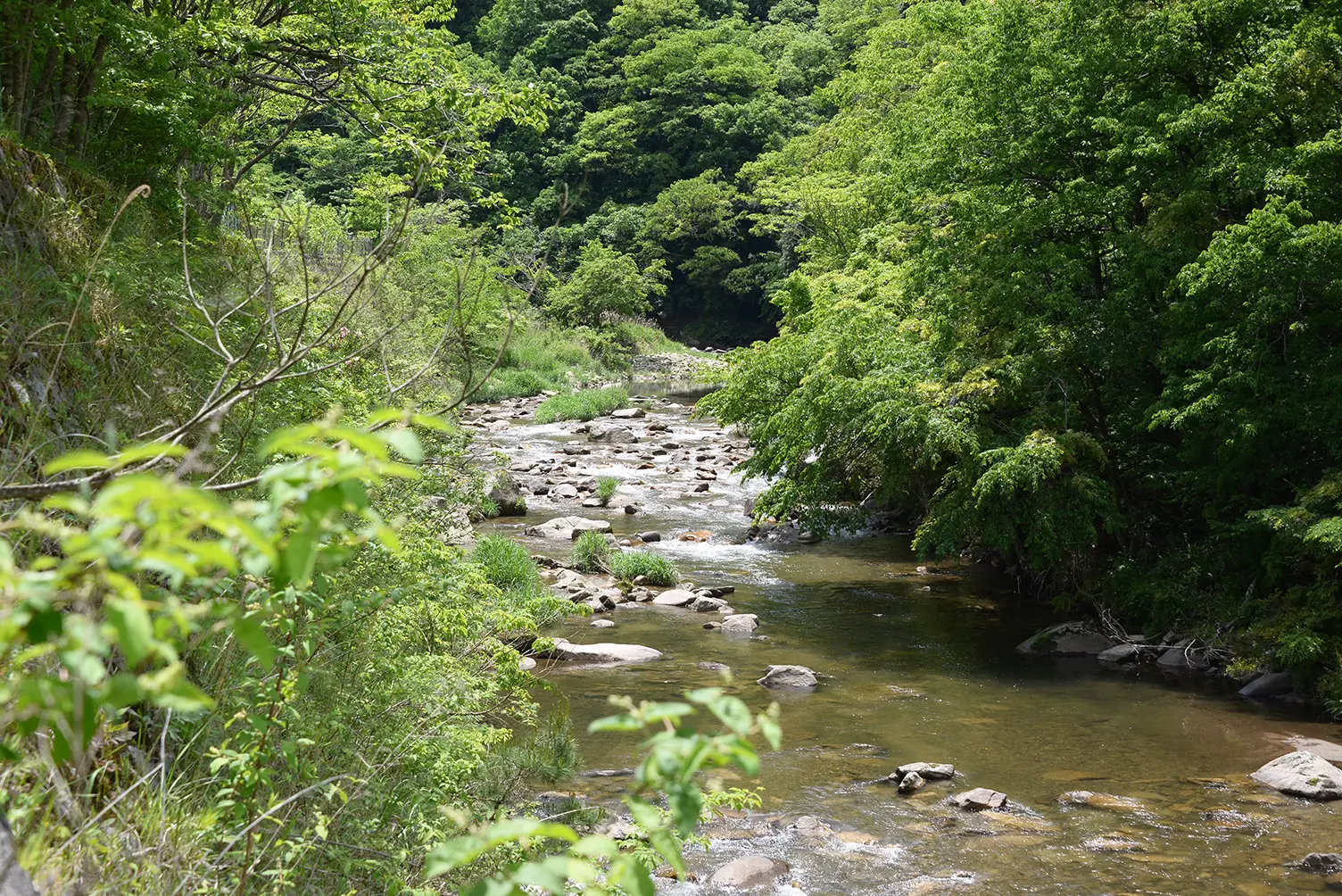
Follow Townscapes Shaped by the Flow of Water
Townscapes that developed along rivers and waterways still show traces of lives built with water.
Follow scenery shaped along the flow, including boats, waterways, and the arrangement of buildings. As you walk, take in how the town came to be.
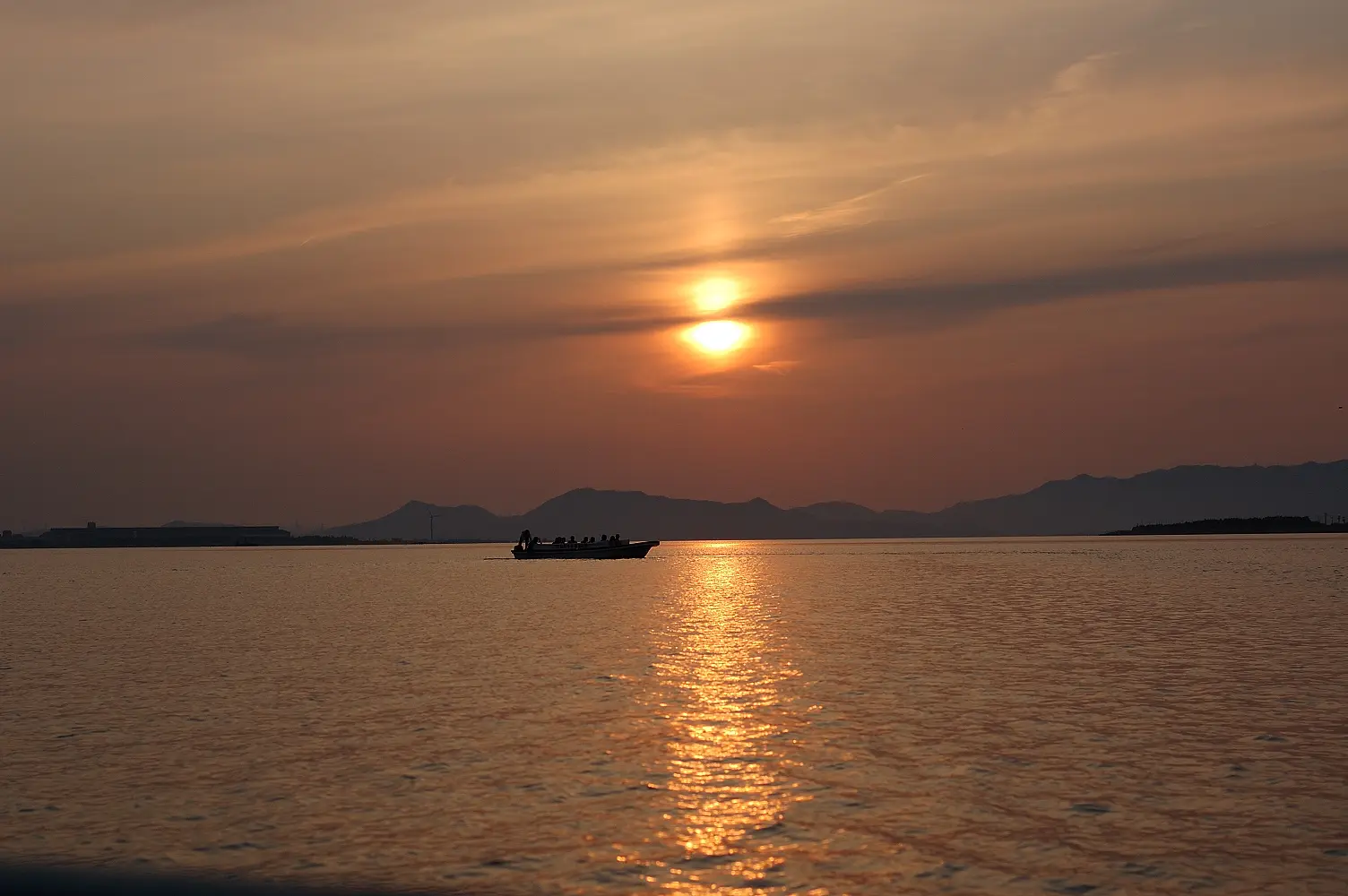
6. Kamo River and Nakaumi Sightseeing Boat (Yonago City)
A sightseeing boat that travels along the waterways from downtown Yonago to Nakaumi Lagoon. As you move along the route connecting river and sea, you can experience the relationship between the town and water.
Enjoy the atmospheric downtown scenery while cruising down the Kamo River, then take in views of Minatoyama Park and the Yonago Castle Ruins from Nakaumi. When the boat passes under bridges, the view changes, creating a lively experience throughout. See the townscape from the perspective of the water.
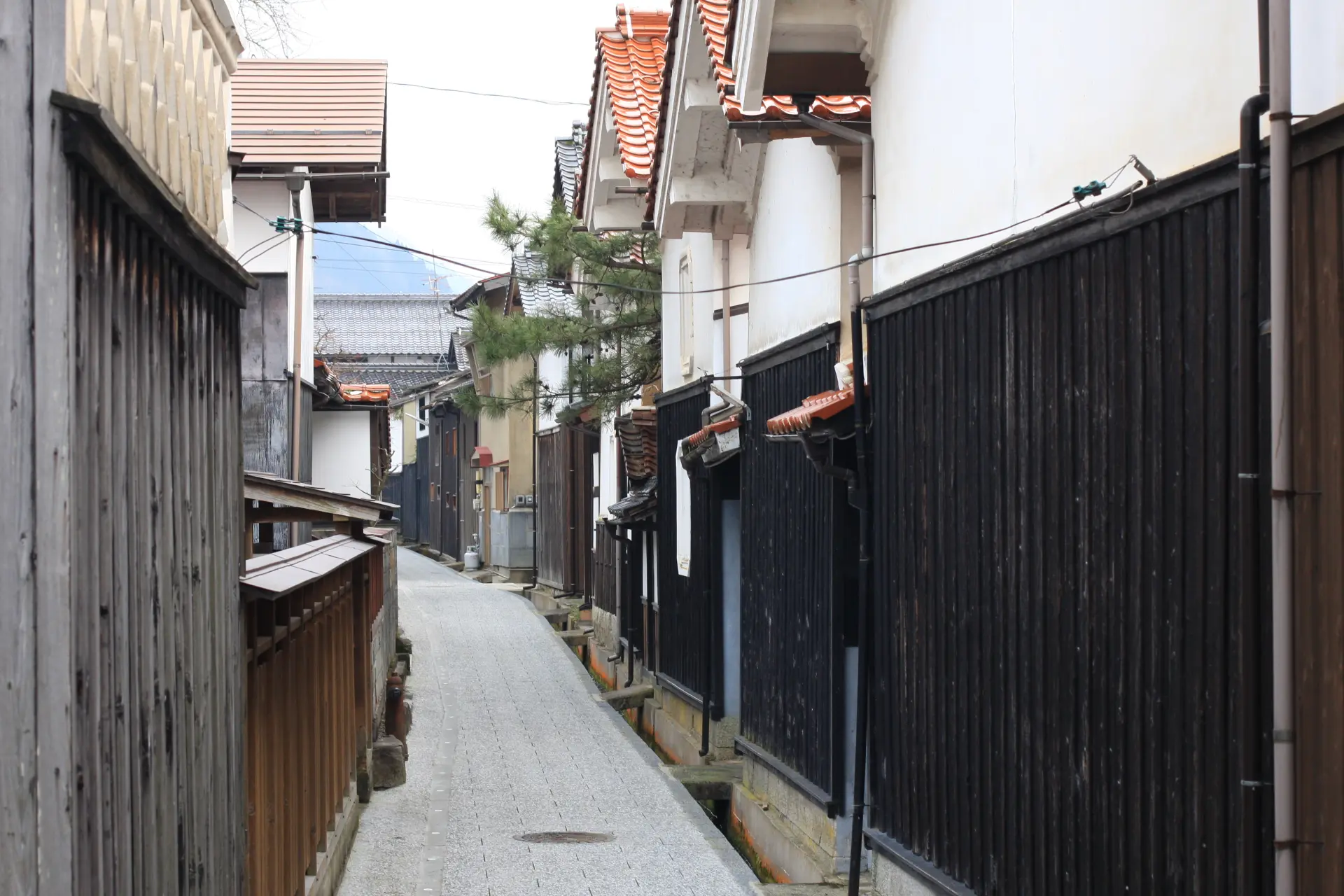
7. Wakasa Kura Street (Wakasa Town)
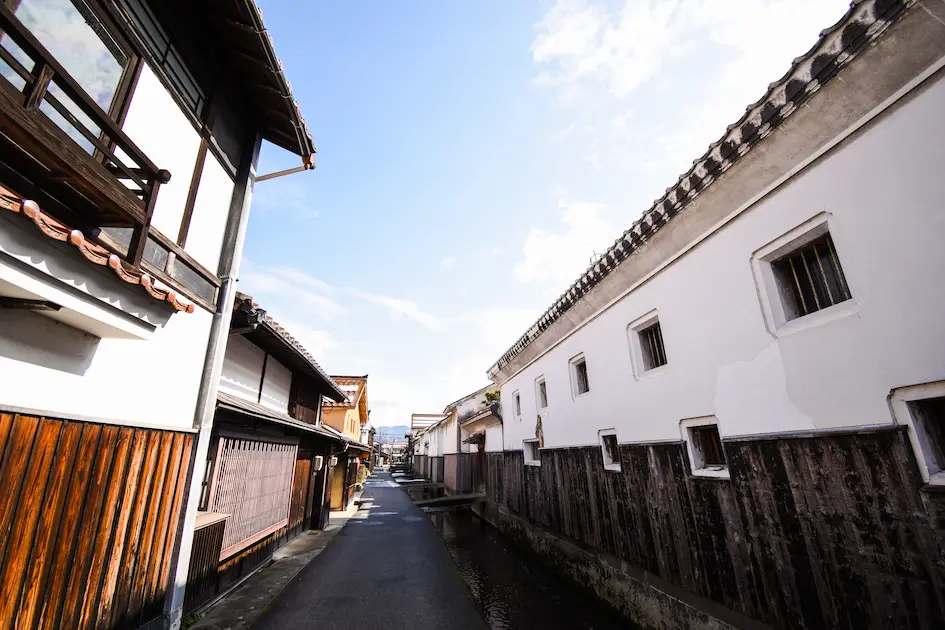
A historic street lined with white-walled storehouses. It preserves the atmosphere of a former post town, with an orderly townscape continuing along the way.
Along Kura Street, temples line one side for Approx. 300 m, while 20 merchant storehouses stand on the other side with their gable ends facing the street.
Red roof tiles, white walls, and flowing waterways combine to create a landscape unique to the region. Walk the street and observe the town’s structure.
8. Kurayoshi White Wall Warehouses (Kurayoshi City)
A historic townscape with white-walled storehouses and merchant houses lining the Tamagawa River. Buildings from the Edo through Taisho periods remain, creating a harmonious streetscape. Akagawara Building No. 10 serves as a tourist information center, so it is a good place to stop first.
Cafes and workshops are also scattered nearby, making the area a base for strolling through town. Take your time exploring together with the waterside scenery.
Experience Culture and Daily Life Alongside Water
These cultural sites and facilities developed against a backdrop of waterside resources and environments. Through exhibits and hands-on experiences, you can learn how each place came to be.
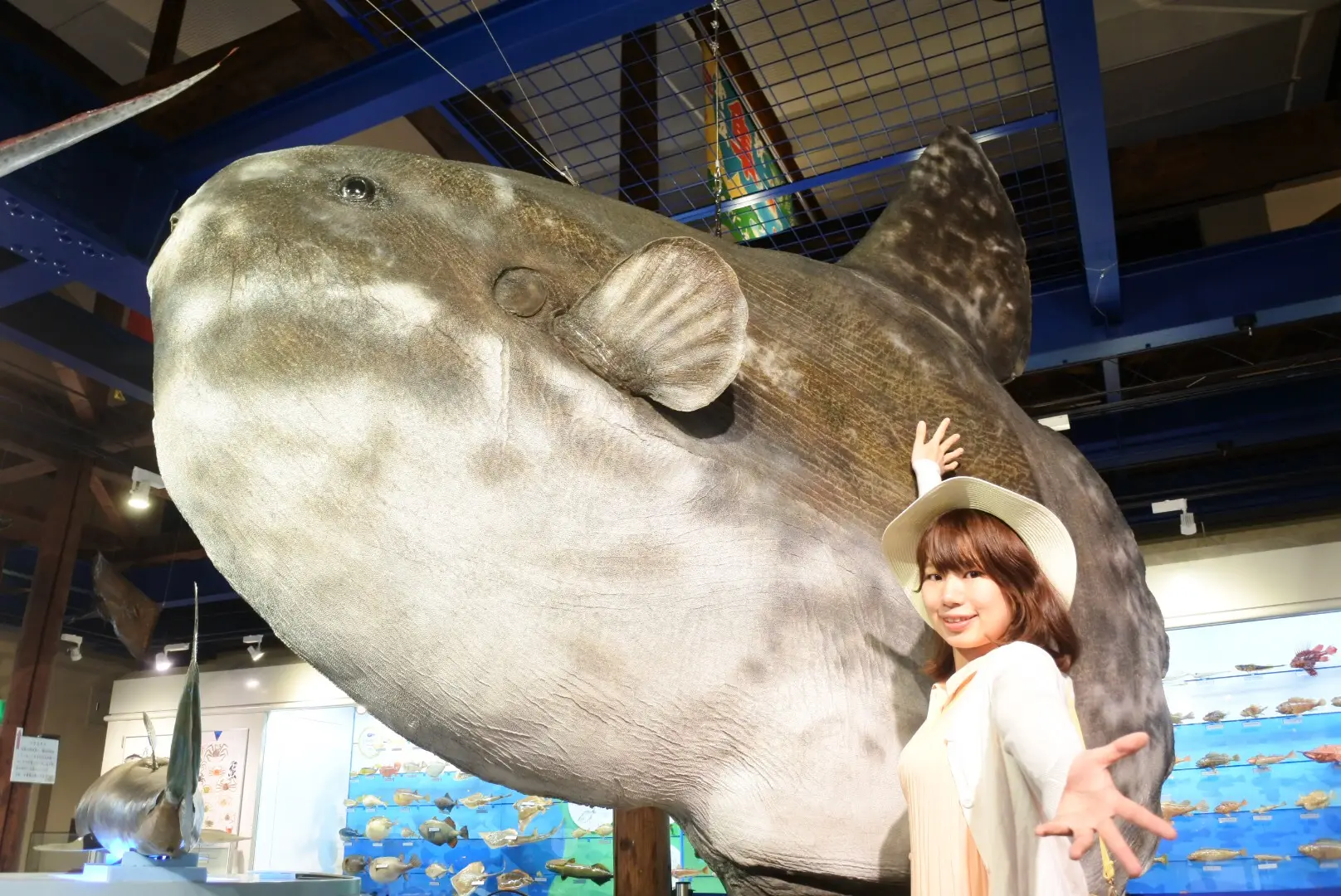
9. Umi to Kurashi no Shiryokan (Sakaiminato City)
A museum centered on displays of taxidermied fish. Many specimens are displayed in a repurposed sake brewery. The shark collection is especially extensive, with 40 types of various sizes on display.
The exhibition layout lets you compare everything from large fish to small fish at once. Take your time viewing them up close, a perspective only taxidermy can offer.
10. Tottori City History Museum Yamabikokan (Tottori City)
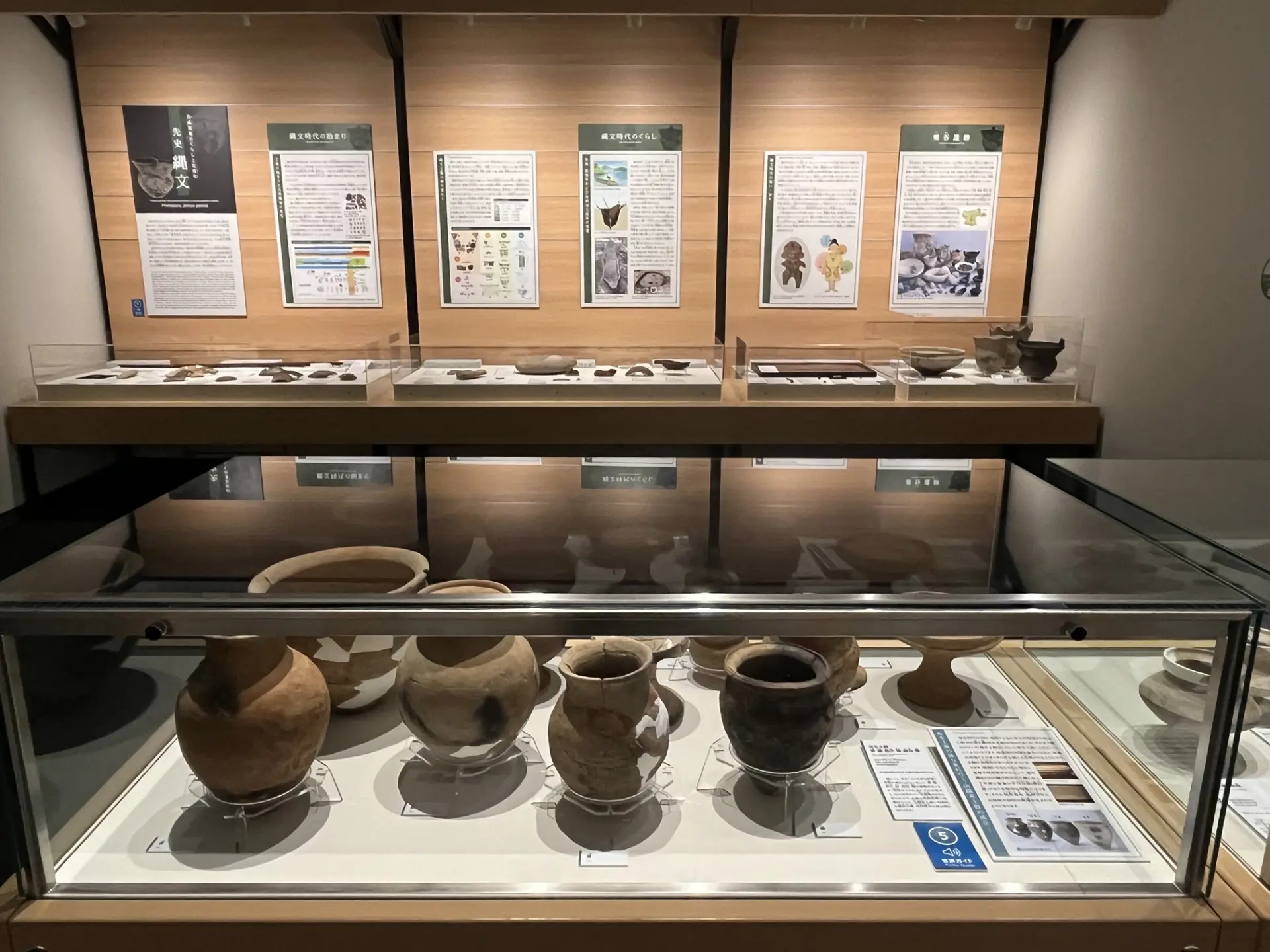
A museum introducing the history and culture of Tottori City. You can systematically learn the flow of history from the Jomon period to the present day.
The permanent exhibition room presents Tottori City’s history from the Jomon period to the present, with displays designed to help visitors learn each era in an organized way.
With models and videos included, the exhibits are easy to understand. Stopping by before walking around town is also a good option.
11. Misasa Onsen (Misasa Town)
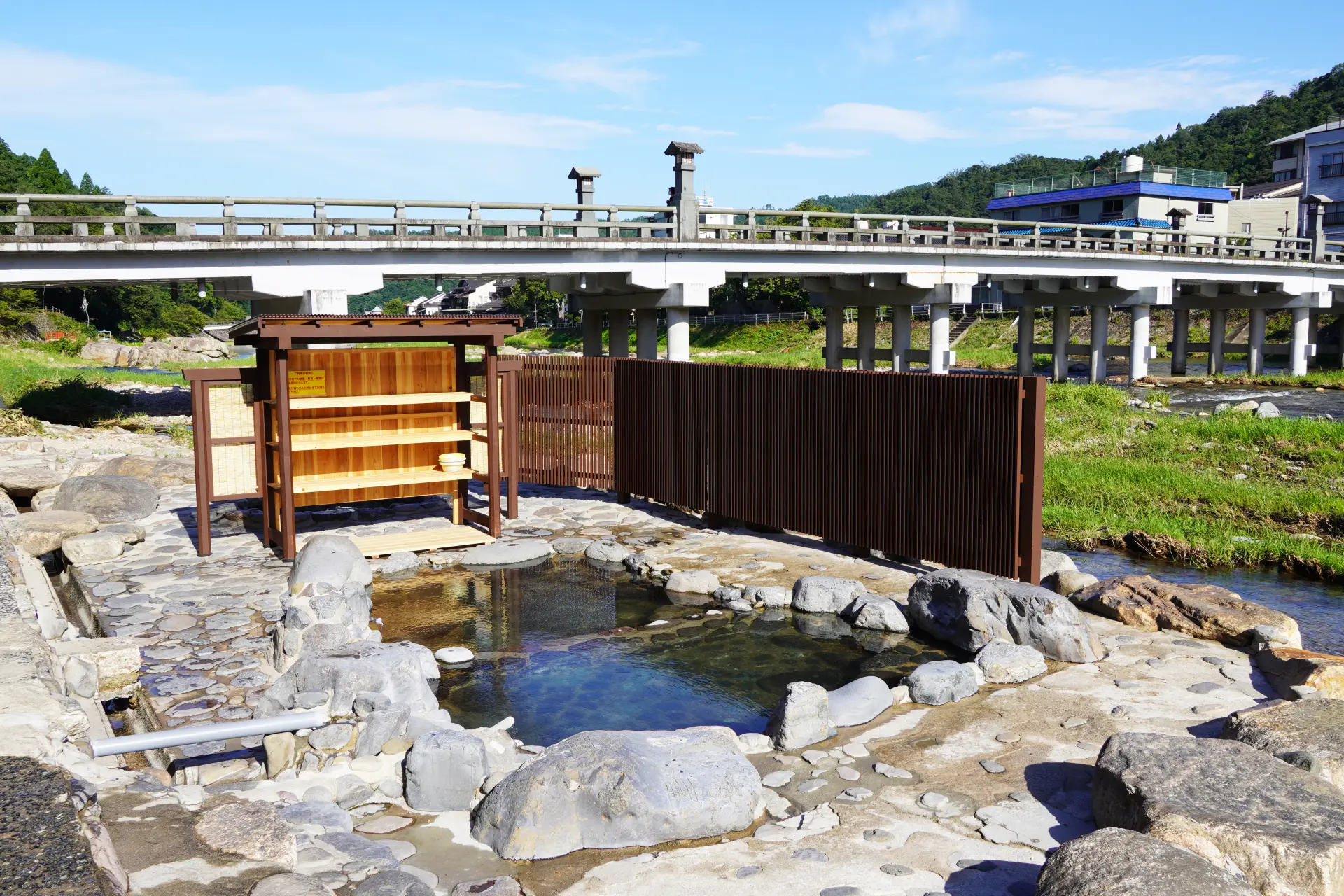
A hot spring area stretching along the Mitokugawa River. With a history as a therapeutic hot spring resort, it has a calm townscape. Its name is said to come from the legend that “if you stay for three nights and greet three mornings, every illness will be cured.”
As you walk along the riverside path and through the hot spring town, you can experience a culture that developed together with the baths. It is a place best visited with an overnight stay in mind.
Summary
Sand dunes, valleys, townscapes, and culture.
In Tottori, water and sand have influenced not only the scenery but also the shape of daily life. By following the different landscapes from place to place, the character of each area becomes clearer.
Connect the areas that interest you and experience the changes drawn by water and sand.