11 Educational Experiences in Fukushima: A Journey to See, Touch, and Discover
In Fukushima, you’ll find experiences across the prefecture that let you see, touch, and discover for yourself.
Explore how things work at Musitec World and the Koriyama City Fureai Science Museum, and observe the movements of living creatures at safari parks and aquariums.
As you also visit places connected to notable figures and culture, such as the Hideyo Noguchi Memorial Museum and Ouchi-juku, build on each experience and discover their differences.
Experience the Mechanisms of Nature and Space
By touching devices and moving your body, even mechanisms that are hard to see become easier to understand as movement.
Through hands-on operation and repeated experiences, take a closer look at how these mechanisms differ.
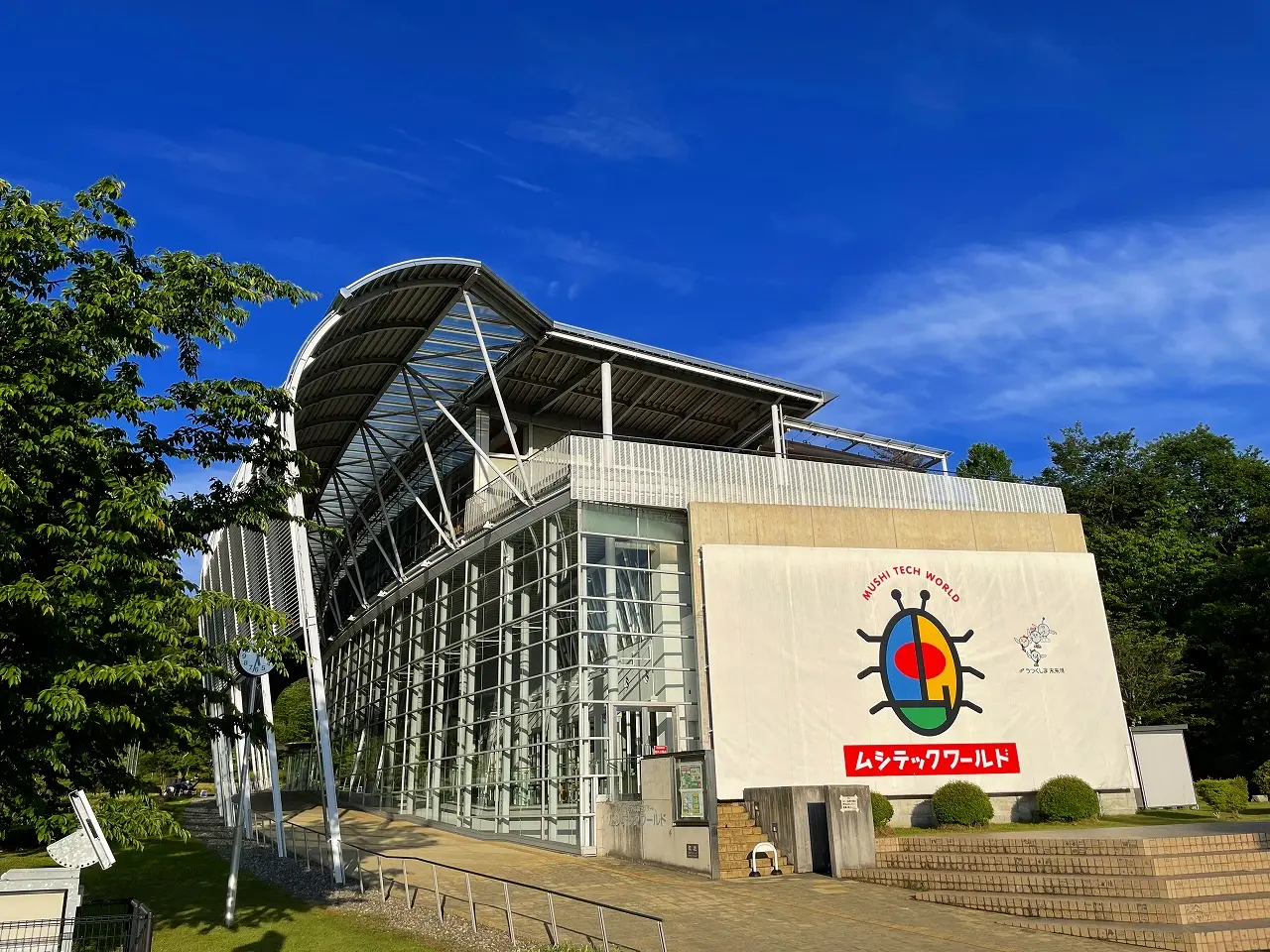
1. Musitec World Fukushima Forest Science Experience Center (Sukagawa City)
This insect-themed facility lets visitors learn about the workings of nature through hands-on experiences. Models and interactive devices show how insects fly and feed, making their movements easy to understand visually.
Popular nature experience programs are also held in the outdoor biotope and in the fields around the facility, where visitors can observe living creatures. There is also a flight simulator, offering a simulated flight experience through visuals that recreate the skies over Fukushima.
2. Koriyama City Fureai Science Museum (Koriyama City)
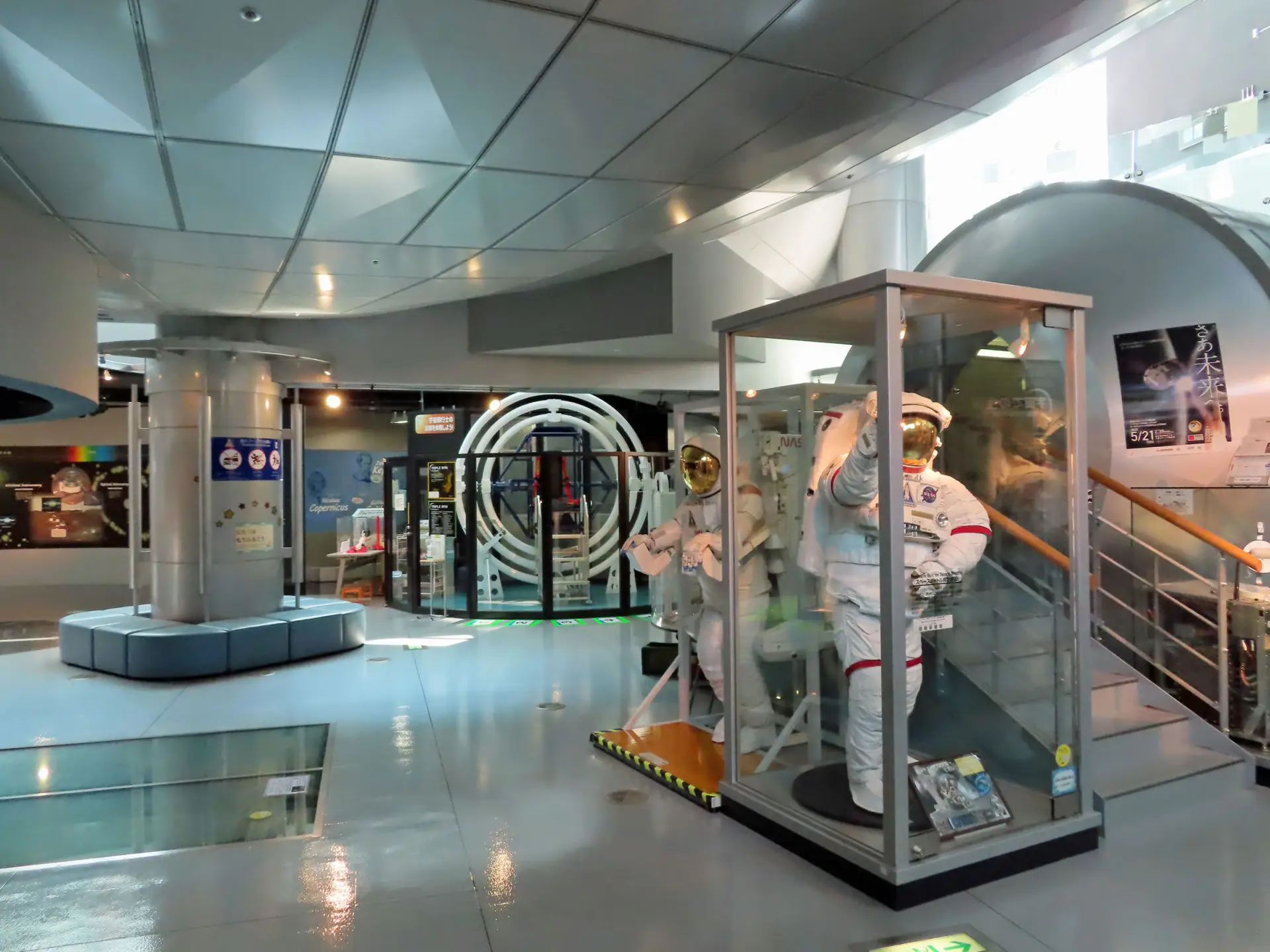
Located on the upper floors overlooking the city, this science museum offers exhibits and experiences themed around space. Its “Space Theater (Planetarium)” is one of the museum’s highlights and is recognized by Guinness World Records as the world’s highest planetarium above ground level.
On a device that recreates the gravity of the moon, the way you jump changes, while a spinning experience clearly reveals differences in your physical senses. Through these experiences, feel the difference from Earth’s gravity for yourself.
Compare Animals and Waterside Creatures
Animals and waterside creatures move and spend their time differently depending on the species. By changing your viewing position and distance as you observe them, you’ll begin to notice each one’s characteristics.
3. Tohoku Safari Park (Nihonmatsu City)
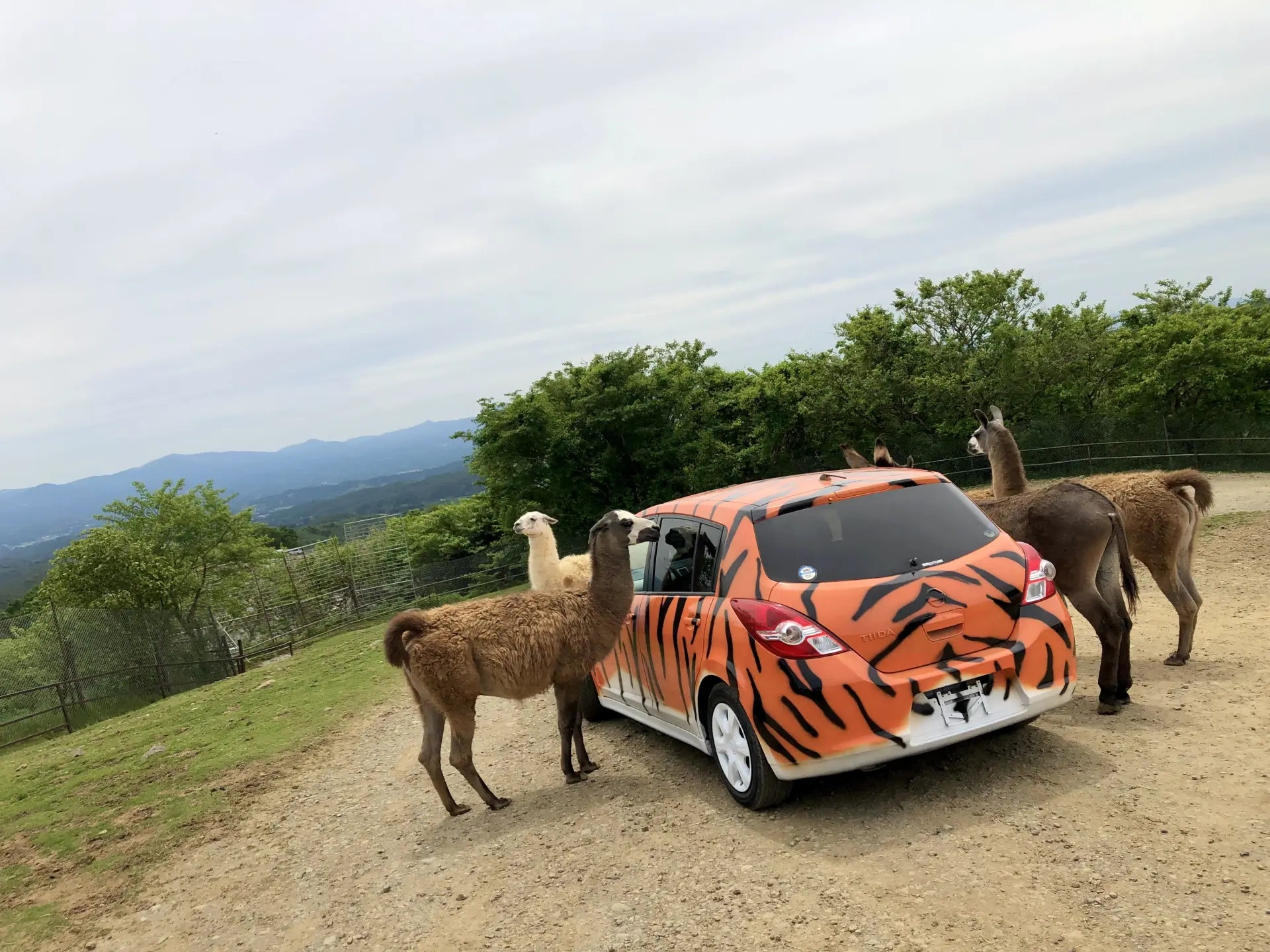
This safari park lets you observe animal behavior up close across its spacious grounds. In the free-roaming area, where you can drive along the route, watch animals live according to their wild instincts.
Carnivores and herbivores differ in the way they move and keep their distance, making their behavioral differences clear. Observe these differences between species from a distance that feels almost within reach.
4. Aquamarine Inawashiro Kingfisher Aquarium (Inawashiro Town)
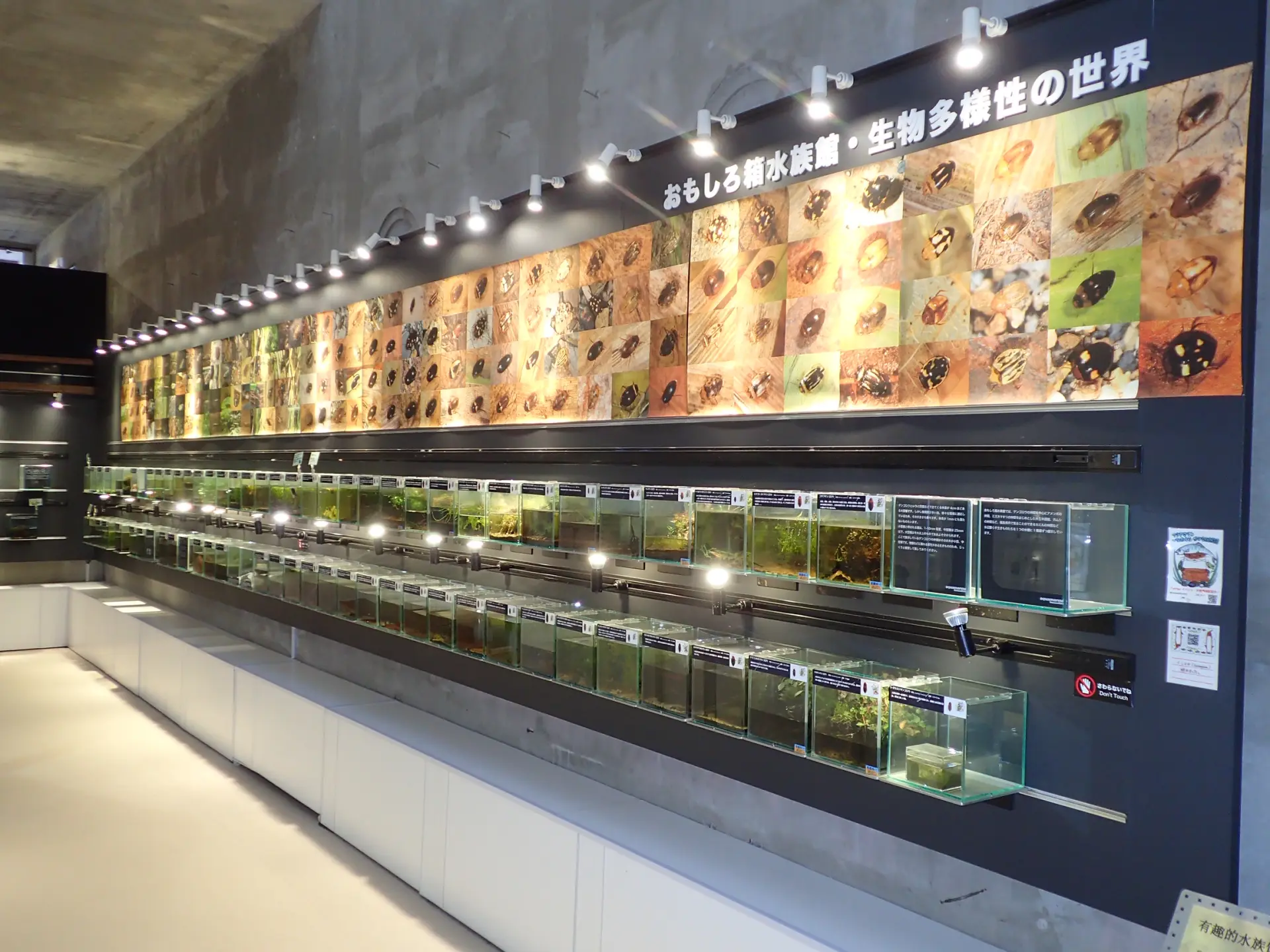
This aquarium is themed around Fukushima’s waterside environments and introduces the current state of the ecosystem by displaying both native and non-native species. The “River Creatures” area mainly features wild birds and river fish that live in the prefecture.
Kingfishers, brown dippers, Nikko char, and other species are displayed in the same environment, allowing visitors to observe differences in their movements and positions.
Learn from the Lives of People Connected to Fukushima
By following a person’s life through materials and exhibits, you can gain a concrete understanding of their journey.
The more you view the exhibits in order, the more clearly the achievements of these great figures come into focus.
5. Eiji Tsuburaya Museum (Sukagawa City)
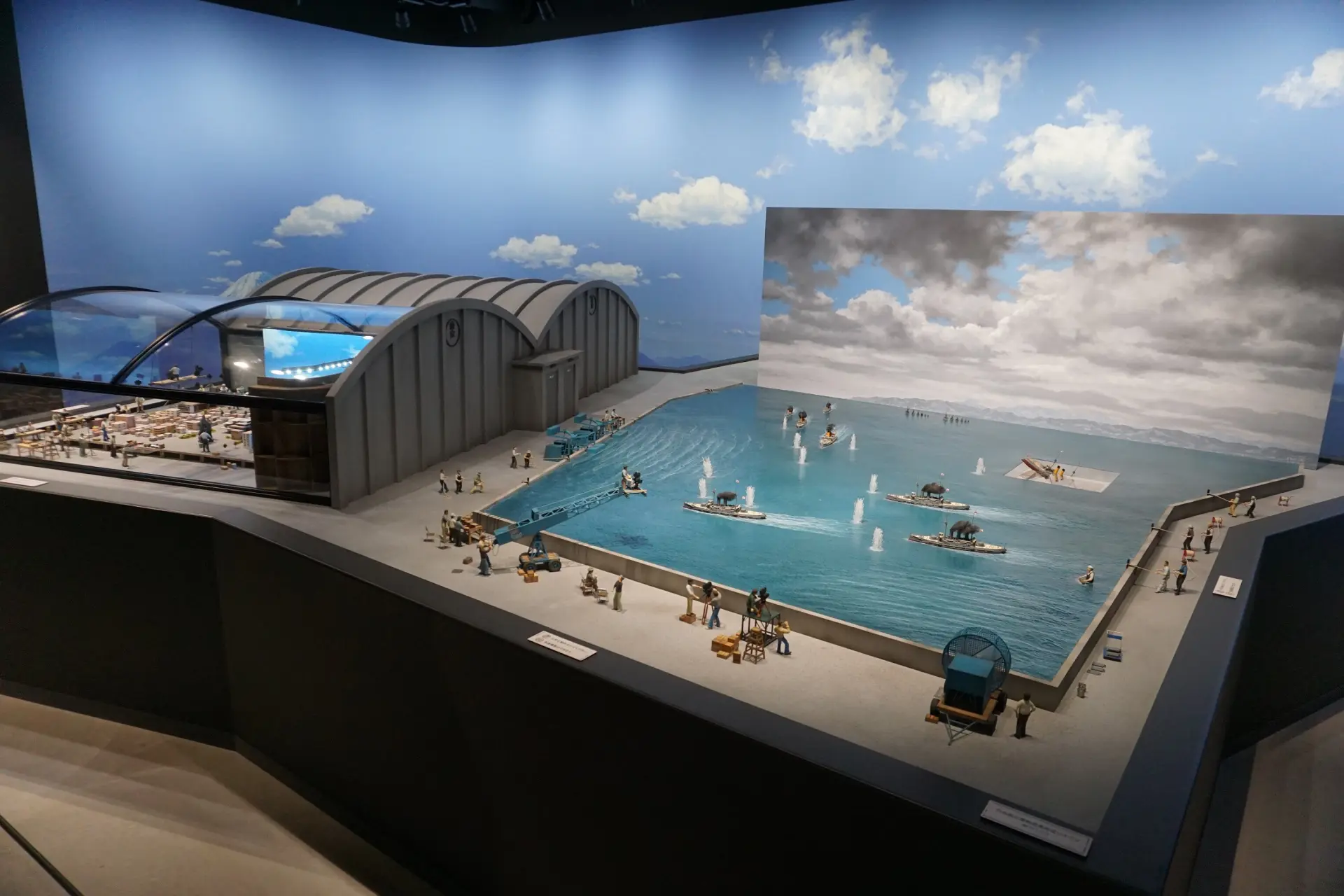
This facility introduces the life of Eiji Tsuburaya, who laid the foundation for tokusatsu special effects. It opened in 2019 in Sukagawa City, Tsuburaya’s hometown.
Through videos and models, the production process is shown step by step, allowing visitors to trace how works were brought to life. The museum also has related books on fields such as film, biology, and engineering, helping visitors deepen the discoveries they make there.
6. Hideyo Noguchi Memorial Museum (Inawashiro Town)
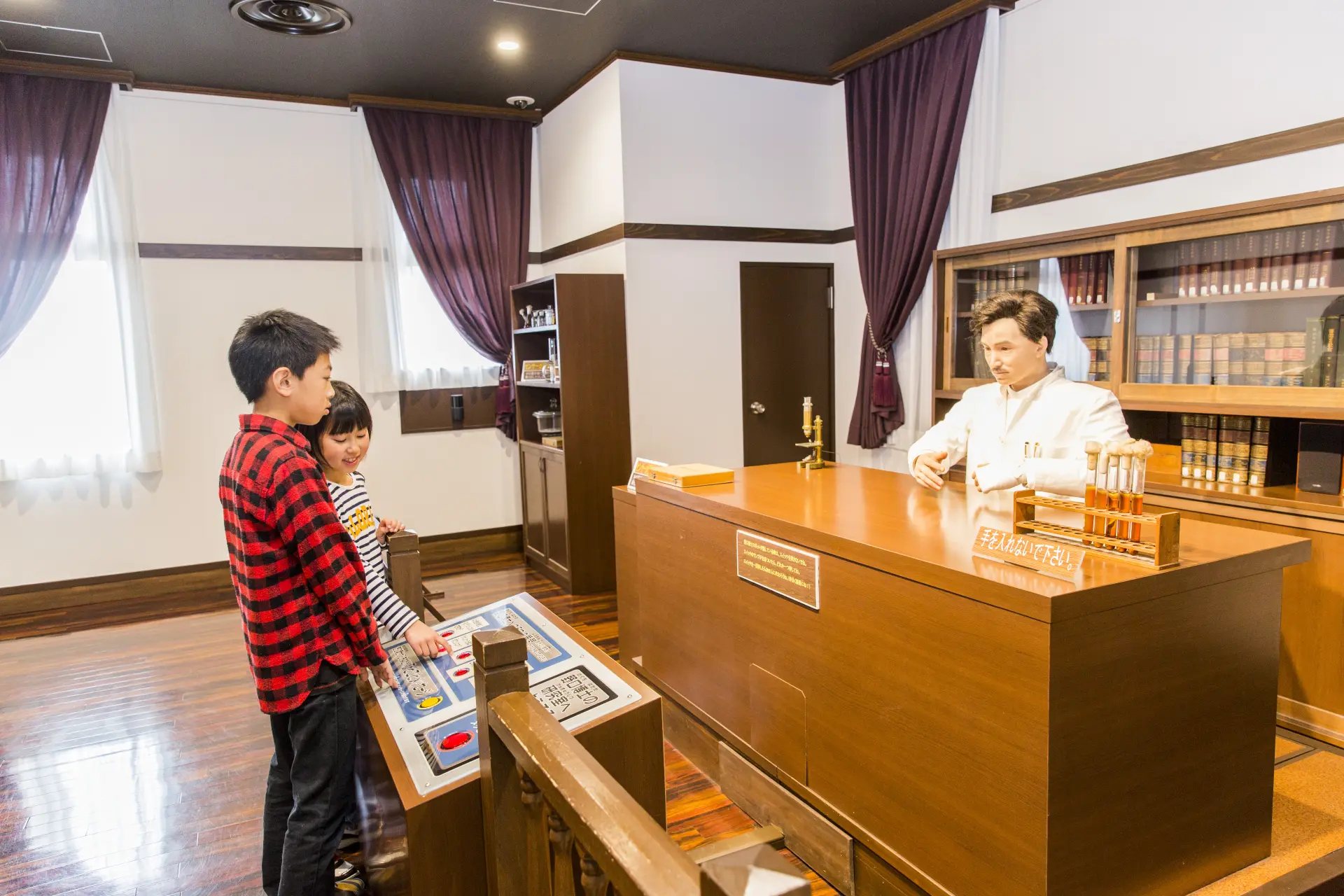
This facility introduces the life and research of bacteriologist Hideyo Noguchi and was established in 1939 to commemorate his achievements.
Through photographs, personal belongings, and exhibits in his birthplace home, visitors can trace his journey from childhood to his research career. Interactive games that families can enjoy while learning about his achievements are also well received.
7. Tsurugajo Castle (Aizuwakamatsu City)
Also known as a famous cherry blossom spot, this castle symbolizes the history of Aizu. Its castle keep, the only one in Japan roofed with red tiles, preserves the graceful appearance of the castle from the era of domain rule.
Inside the keep is the Wakamatsu Castle Keep Local Museum, which displays and exhibits materials from the region. Take in both the views from the keep and the past and present of Aizu.
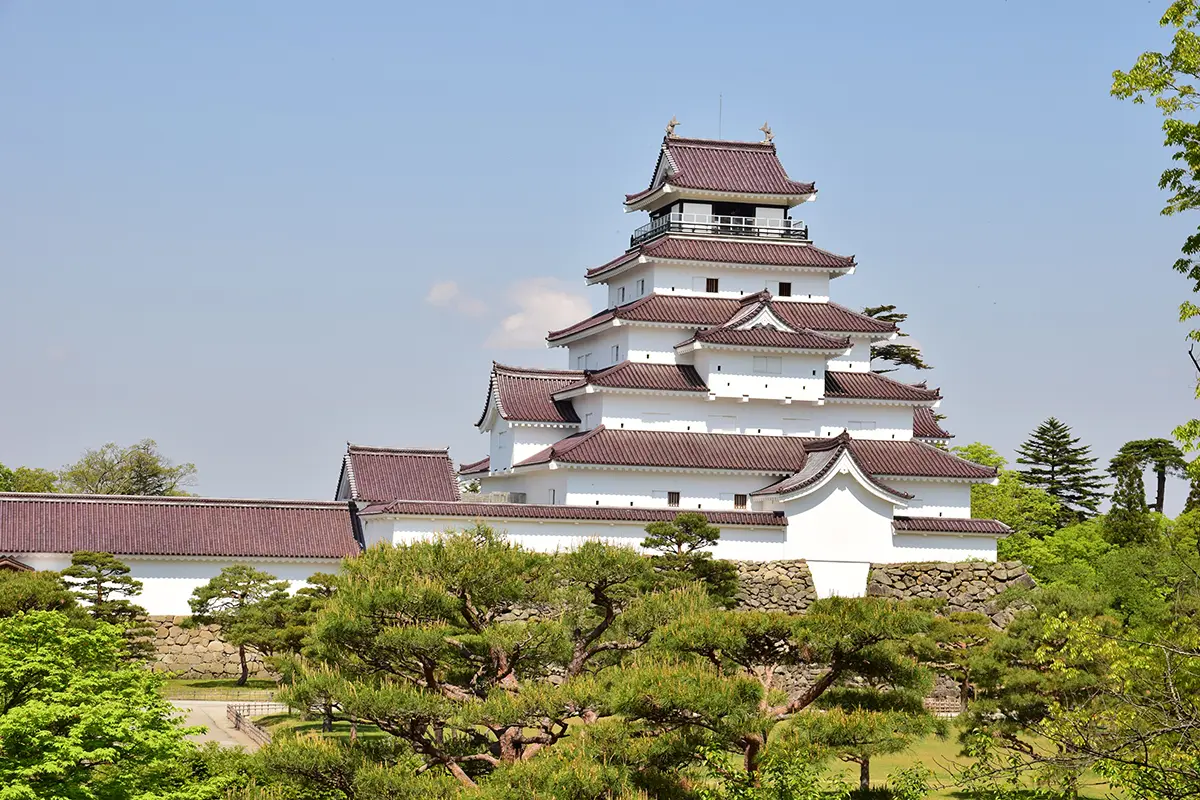
8. Nanokamachi-dori Street and Noguchi Hideyo Seishun-dori Street (Aizuwakamatsu City)
Nanokamachi-dori Street and Noguchi Hideyo Seishun-dori Street are located in central Aizuwakamatsu City. Lined with historic buildings from the Meiji period through the early Showa period, they are popular as retro sightseeing streets.
The two streets meet at a right angle, and walking the full route takes about 20 minutes (about 1.2 km). Storehouses, merchant houses, Western-style buildings, and other structures with different uses stand in sequence, and by changing your perspective as you walk, you can see the differences in their roles.
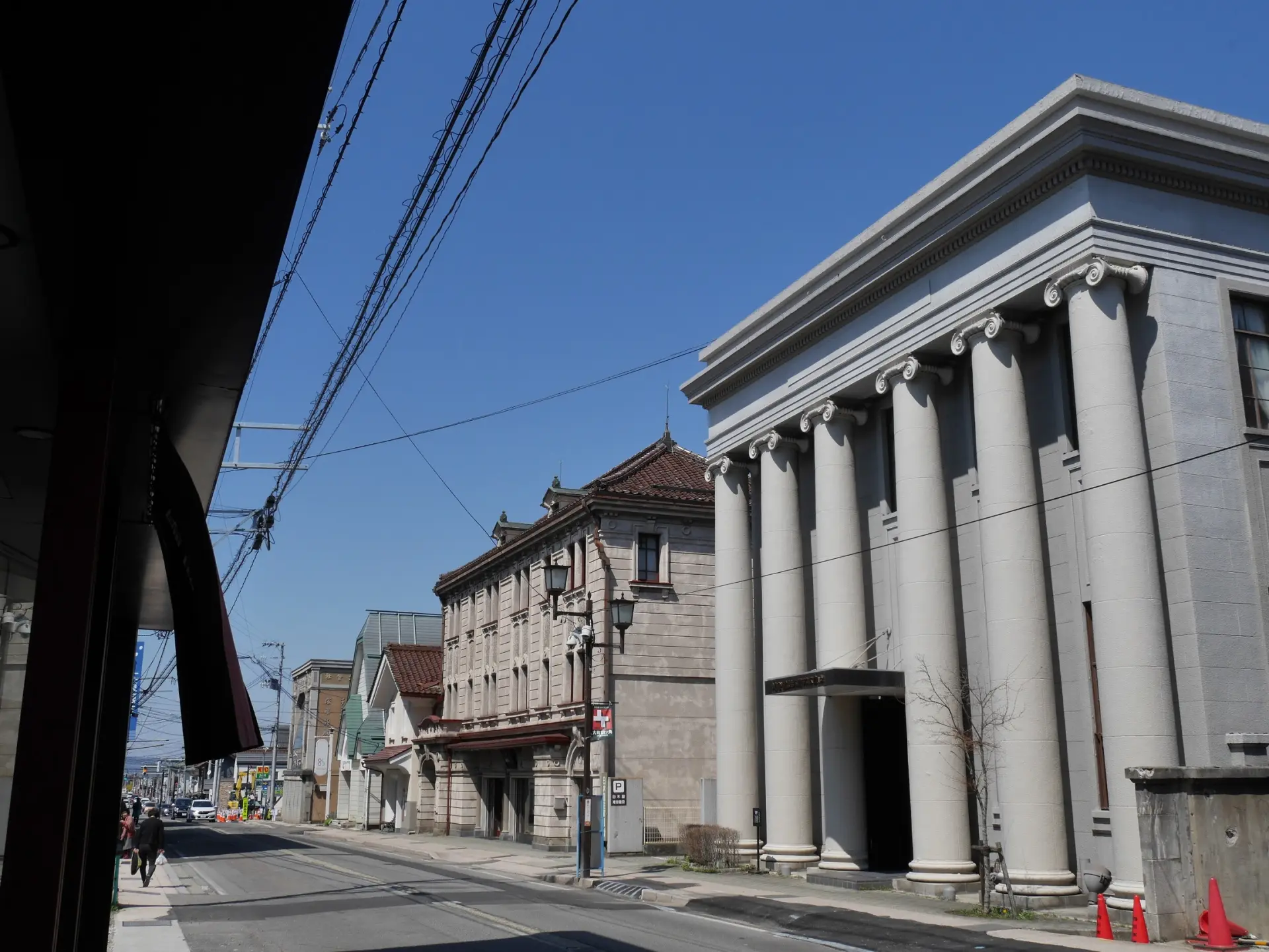
9. National Historic Site and Place of Scenic Beauty: Nanko Park (Shirakawa City)
This scenic site was created by Lord Matsudaira Sadanobu, the former lord of the Shirakawa domain, which once governed this area. Centered on the lake, the park has walking paths and a teahouse, with points of interest scattered throughout the grounds.
Enjoy a walk that takes in Kyorakutei, a city-designated Important Cultural Property teahouse overlooking Nanko, as well as the “Seventeen Scenic Spots,” where stone monuments of high historical value remain. At Suirakuen, a Japanese strolling garden centered around a pond, visitors can enjoy matcha and fresh Japanese sweets while viewing the garden.
Experience Different Ways of Life and Values
By placing yourself inside buildings and spaces, you can more clearly sense differences in lifestyles across eras and countries.
As you walk and spend time there, your perceptions gradually shift.
10. British Hills (Ten-ei Village)
This facility recreates a medieval British townscape, with everything from the buildings to the smallest details of the facilities designed in a consistent style. In addition to a variety of lodging plans that make you feel as if you have actually visited Britain, day visits are also available.
Dining facilities include a pub that serves more than 10 kinds of beer at all times and a country-style tearoom. As you explore while paying attention to the uses and layout of the buildings, you can gain a concrete sense of life at the time.

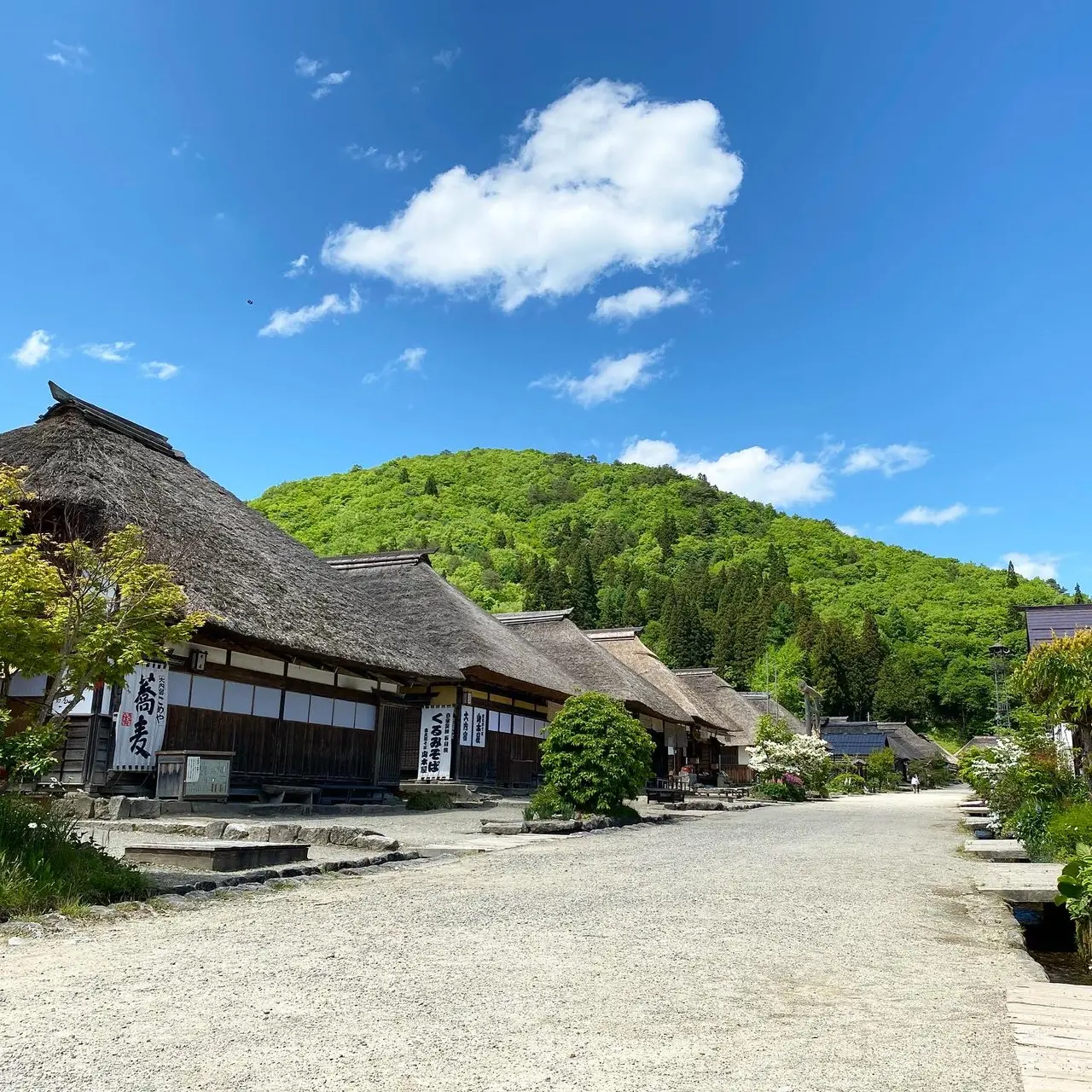
11. Ouchi-juku (Shimogo Town)
This village preserves the scenery of an Edo-period post town, with rows of thatched-roof houses. Many of the private homes also serve as shops, with soba restaurants offering the local specialty negi soba, as well as sweet shops and souvenir stores scattered throughout the area.
The construction and layout of the buildings reveal how people lived at the time, while also showing how their use differs today. Walk along the street and see these changes for yourself.
Summary
Nature, space, living creatures, people, and culture—Fukushima offers opportunities to build learning experiences across a wide range of fields.
By exploring how things work, observing living creatures, and tracing the background of history and culture, the differences between them become more concrete. If you visit each spot with a different point of view, the depth of your understanding will also change.
See, touch, and move as you discover those differences for yourself.