Kurayoshi White-Walled Storehouse District

Verified [Verified] denotes information that has been published with confirmation of its owing parties.

Kurayoshi White-Walled Storehouse District

A striking streetscape of storehouses unified by red roof tiles, white walls, and black charred cedar siding.

2.93 2

Last update :

This nationally designated Important Preservation District for Groups of Traditional Buildings features old merchant houses and storehouses built between the Edo and Taisho periods lining the Tamagawa River. This historic area flourished as the castle town of Utsubuki Castle during the Muromachi period, and samurai residences were later built around a local government office during the Edo period. Its picturesque streetscape has earned it the nickname “Little Kyoto.”

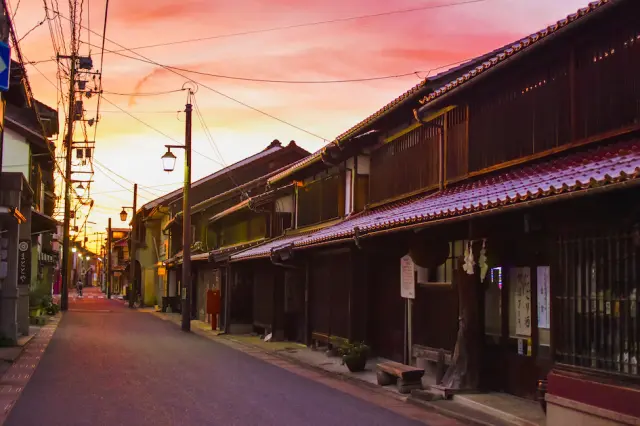
The buildings share a distinctive appearance, with black charred cedar siding on the lower half, white plaster walls above, and roofs covered with red Sekishu tiles. The district consists of Honmachi Street, lined with the main buildings of former merchant houses, and the rows of storehouses along the Tamagawa River. There are 15 Akagawara buildings that serve as key visitor attractions in the district, housing souvenir shops, cafés, workshops, and other facilities. Akagawara Building No. 10 is home to the tourist information center, making it a good place to begin your visit.

The surrounding area is home to many sake, soy sauce, and other breweries, and has been selected for both the “100 Scent Landscapes” and the “100 Beautiful Historic Landscapes of Japan.” The shopping streets retain many signs and other features from the Showa period, giving the area a distinctly retro atmosphere.

Highlights

  • A distinctive streetscape lined with storehouses featuring red Sekishu roof tiles.
  • The red roof tiles are characteristic of the San’in region and originated as Sekishu tiles in the Iwami region of Shimane Prefecture.
  • Shops offer locally brewed sake, craft beer, and wine.
  • Nearby attractions include the Tottori Prefectural Museum of Art, Tottori Nijisseiki Pear Museum (acepack Nashikkokan), and Enkei Gekijo Kurayoshi Figure Museum.

Photos

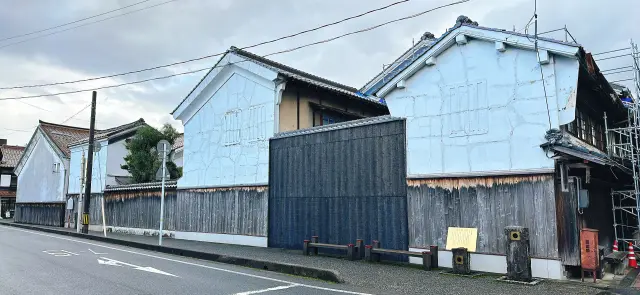
  • The vivid red Sekishu roof tiles are a distinctive feature

    The vivid red Sekishu roof tiles are a distinctive feature

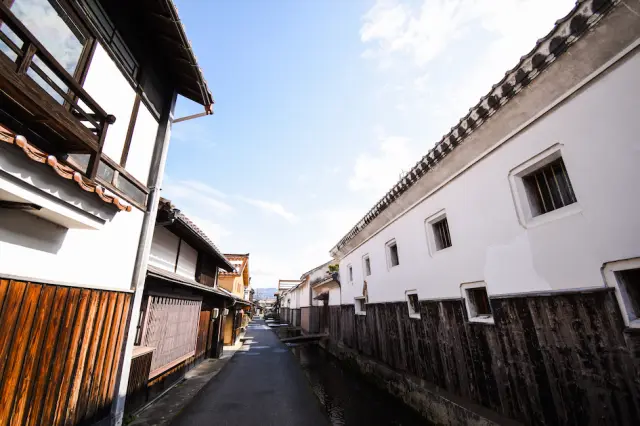
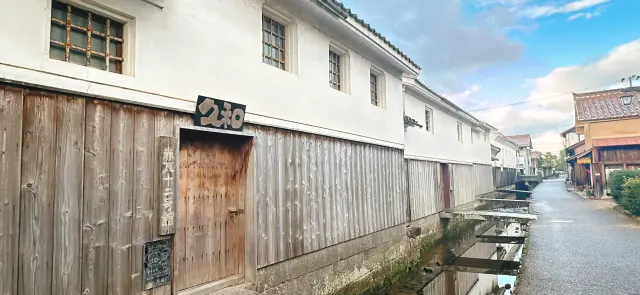
  • Atmospheric Honmachi Street runs behind the white-walled storehouses

    Atmospheric Honmachi Street runs behind the white-walled storehouses

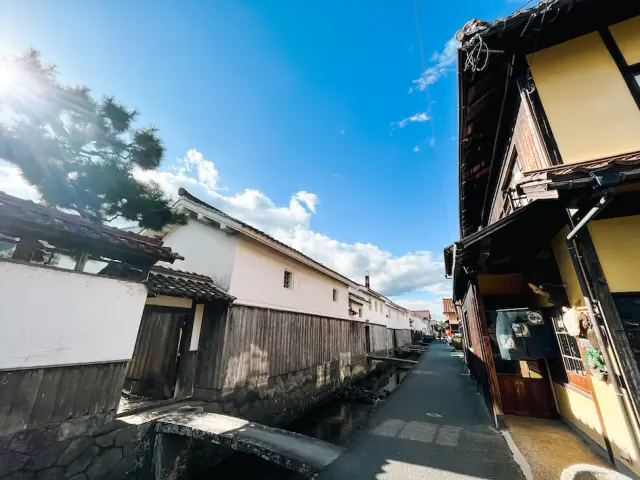
  • A bridge made from a single slab of stone

    A bridge made from a single slab of stone

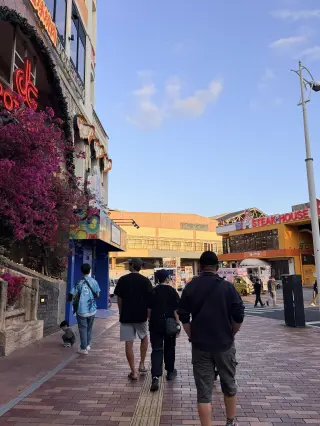
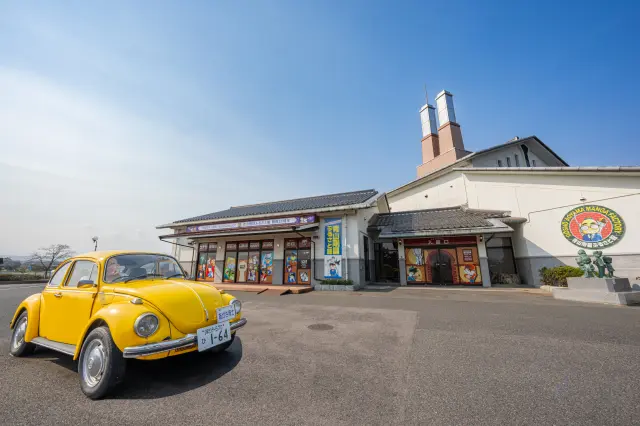
  • The area is also used as a filming location

    The area is also used as a filming location

Reviews

2

Some reviews are AI-translated.

  • See More

    Walking along the stone-paved streets of Kurayoshi Shirakabe Dozo Gun on a weekday, there’s this peaceful feeling, as if time itself has slowed down for you. It’s truly one of the best parts of traveling.
    Although it was a little disappointing that some of the specialty shops were closed, on the other hand, that actually made it the perfect time for a slow, relaxed stroll.

  • See More

    The street was pretty quiet and a lot of shops weren't even open. I finally found a café and ended up staying there all afternoon.

Details

Name in Japanese
倉吉白壁土蔵群
Postal Code
682-0821
Address
Shinmachi 1-chome and surrounding areas of Higashinakamachi, Uomachi, and Togiyamachi, Kurayoshi City, Tottori Prefecture
Phone
0858-22-1200 (Kurayoshi White-Walled Storehouse District Tourist Information Center)
Closed on
Varies by shop and facility
Hours
Varies by shop and facility
Access
1) 40 minutes by car from Yubara IC or Hiruzen IC on the Yonago Expressway
2) From JR Kurayoshi Station, take a Hinomaru Bus for 12 minutes, get off at Akagawara-Shirakabe Dozo, and walk 5 minutes
Credit Cards
Varies by shop and facility
Official website
Official website (Japanese)
Hokkaido Tohoku Kanto Chubu Hokuriku Kansai Chugoku Shikoku Kyushu Okinawa