
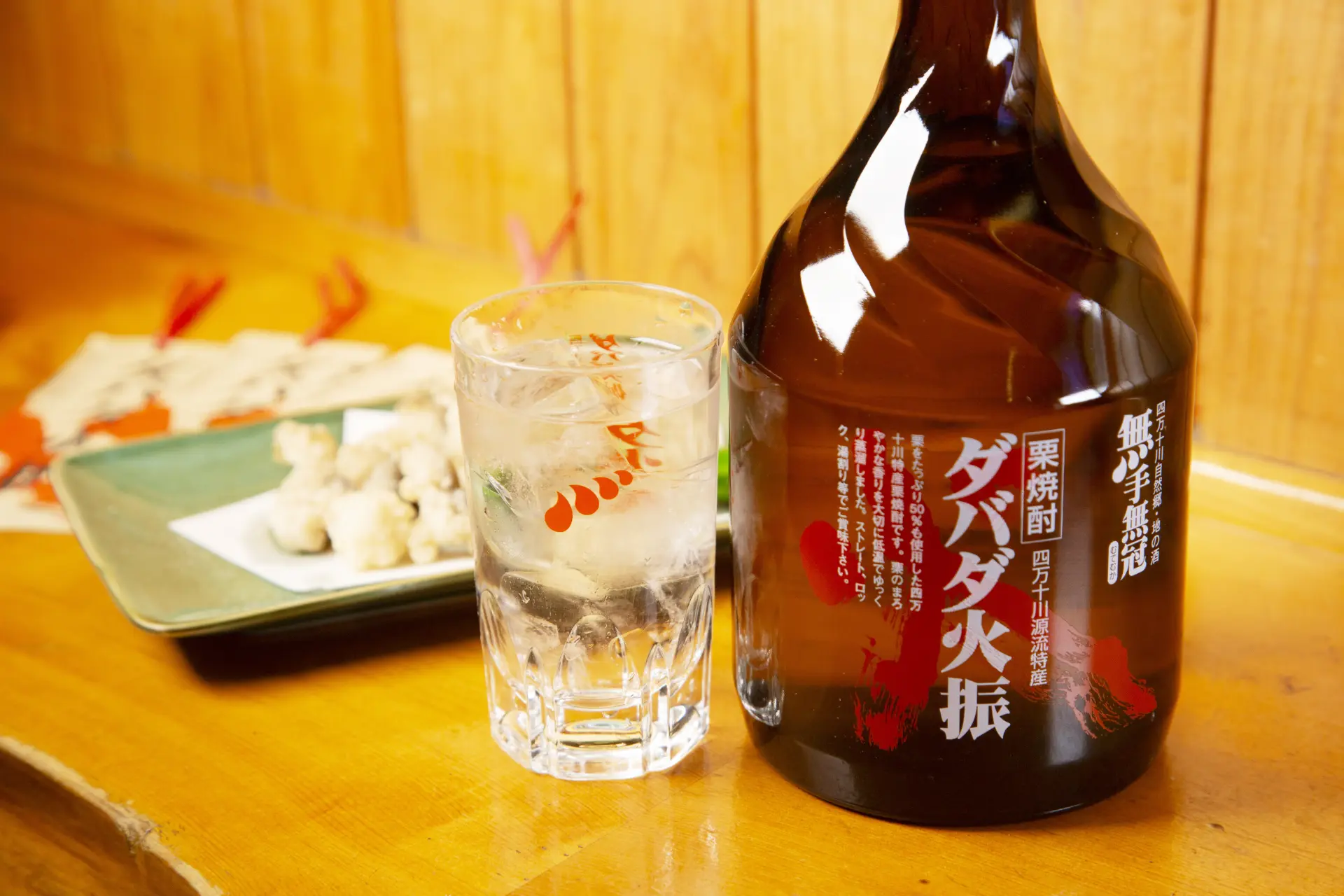
Sip, Savor, and Connect in Shimanto: Visit Mutemuka, Home of Dabada Hiburi Chestnut Shochu
Dabada Hiburi is a signature chestnut shochu from Shimanto Town in Kochi Prefecture. It is made by Mutemuka, a brewery and distillery in the town’s Taisho area. Surrounded by the rich natural environment of the Shimanto River, Mutemuka focuses on making drinks with local ingredients. Born in a region renowned for its chestnuts, Dabada Hiburi offers their mellow sweetness and toasty aroma. It is a distinctive spirit shaped by the blessings of the Shimanto River, known as “Japan’s last pristine river.” Visit the place where Dabada Hiburi is made, discover the makers’ dedication, and enjoy local food and drinks on a journey that brings you closer to Shimanto’s landscape and people.
What Is Dabada Hiburi, the Chestnut Shochu Born from Shimanto’s Natural Bounty?
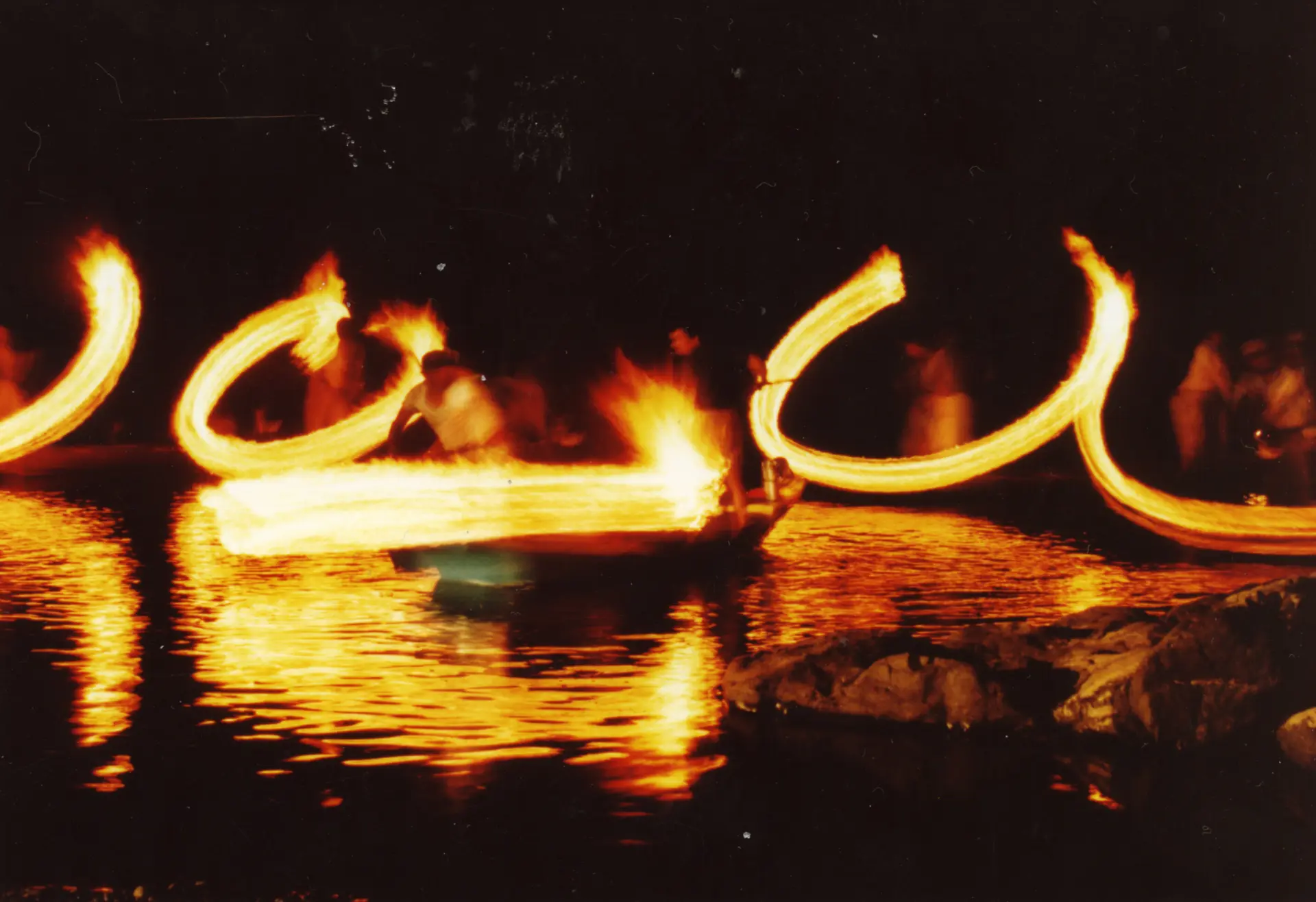
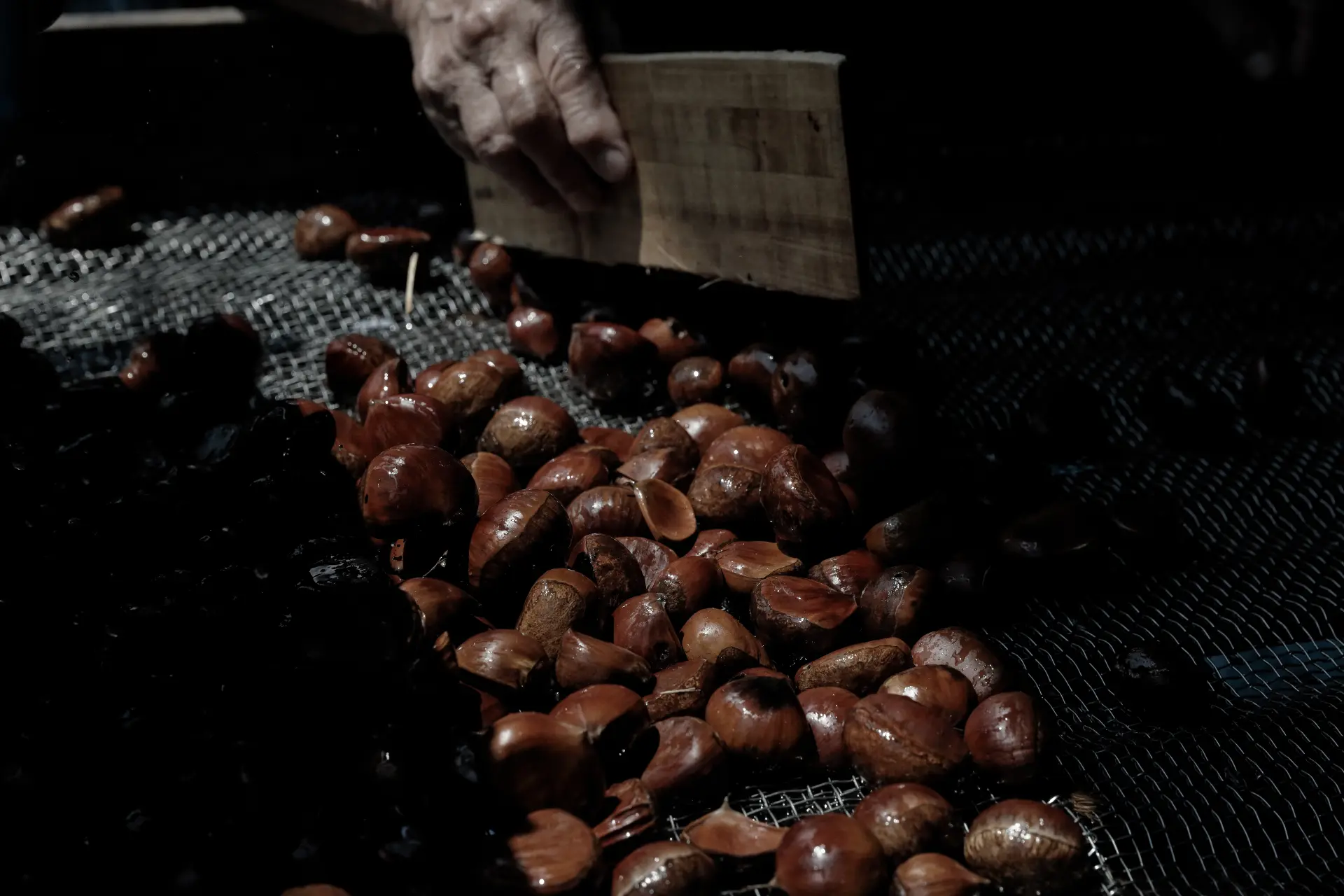
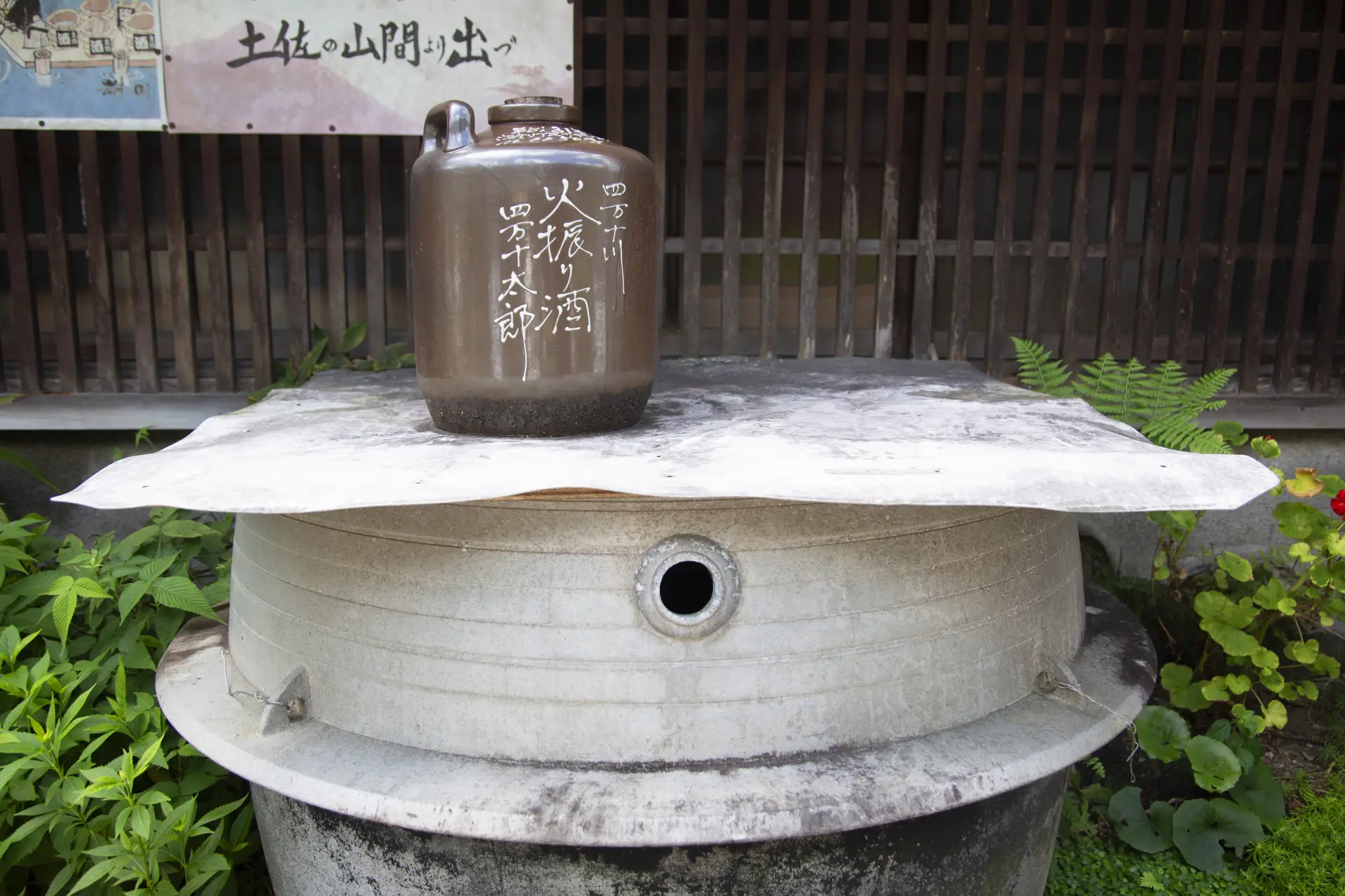
The Shimanto River basin is one of Kochi Prefecture’s leading chestnut-growing areas. Dabada Hiburi was created to make use of this local specialty. Chestnuts account for 50% of its ingredients, and slow distillation at low temperatures draws out their naturally mellow flavor and rich depth. The name “Dabada” comes from a local dialect term for gathering places or flat land in Shimanto’s mountain villages, while “Hiburi” refers to the traditional hiburi fishing practiced on the Shimanto River.
Access to Mutemuka
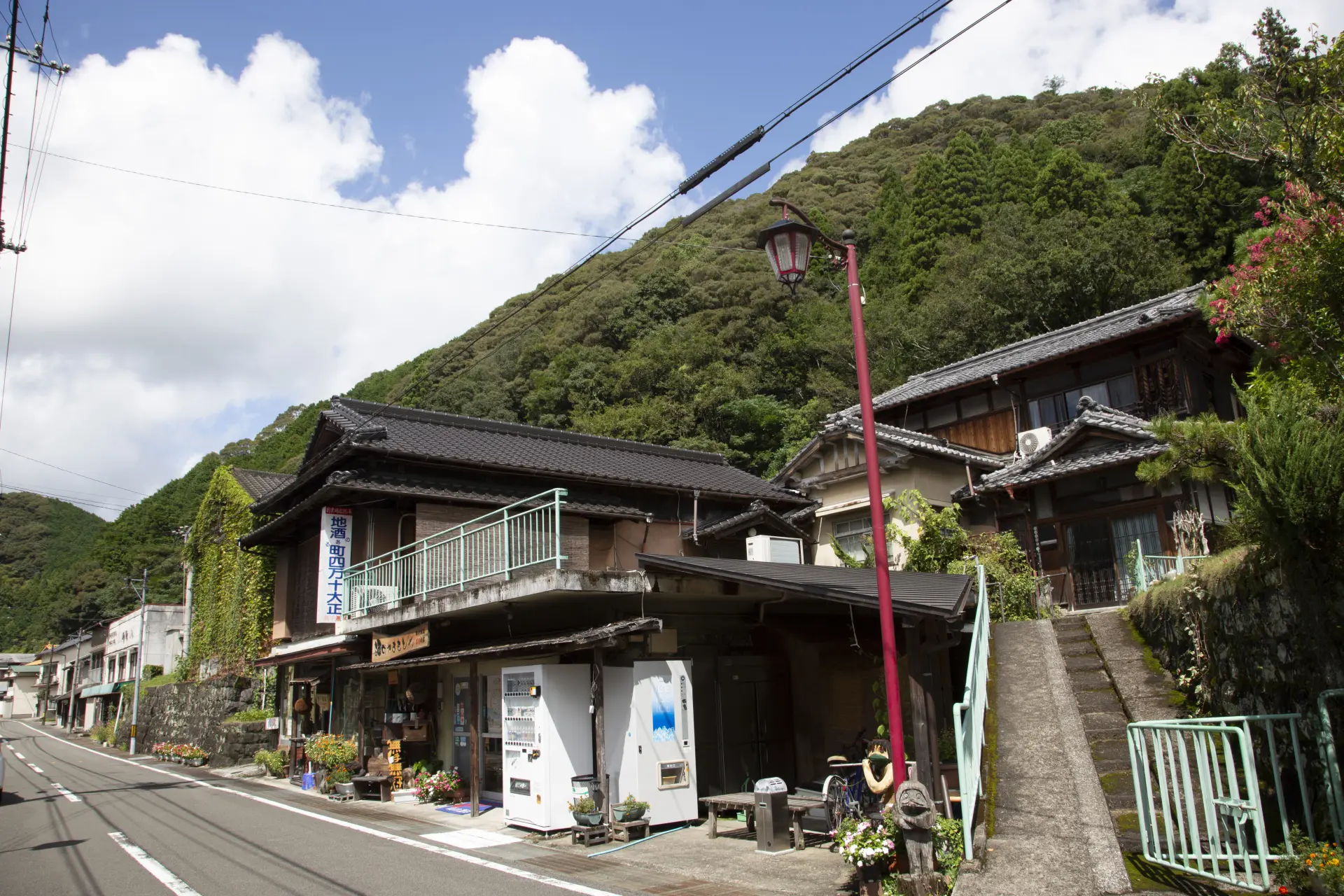
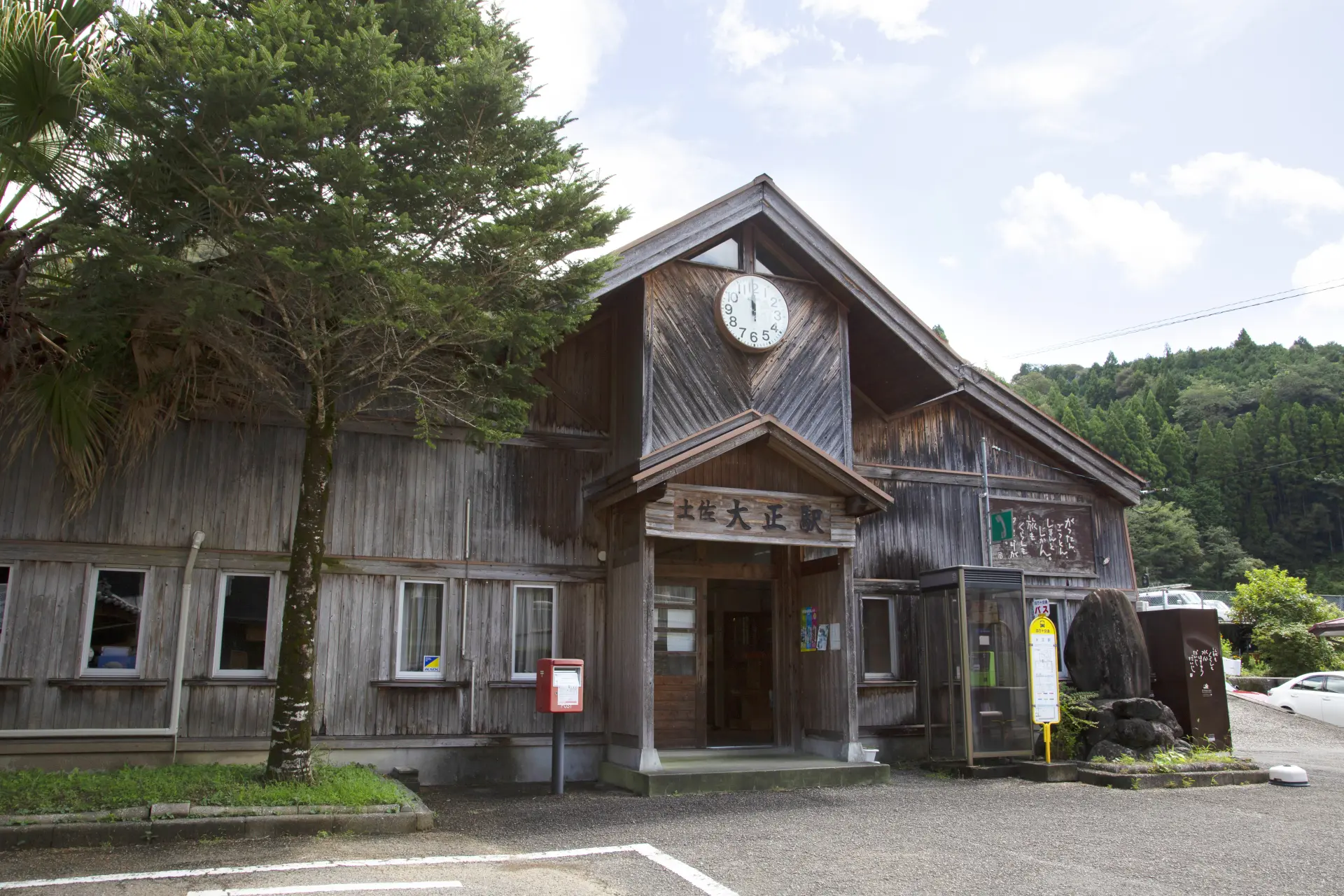
Mutemuka is in Taisho, Shimanto Town, in western Kochi Prefecture. By train, take the JR Yodo Line from Kubokawa Station to Tosa-Taisho Station, then walk for about eight minutes. By car, it is about 30 minutes from Shimantocho-chuo IC on the Kochi Expressway. Trains are infrequent, so check the timetable in advance when planning a rail journey.
Inside the Brewery: Visit Mutemuka
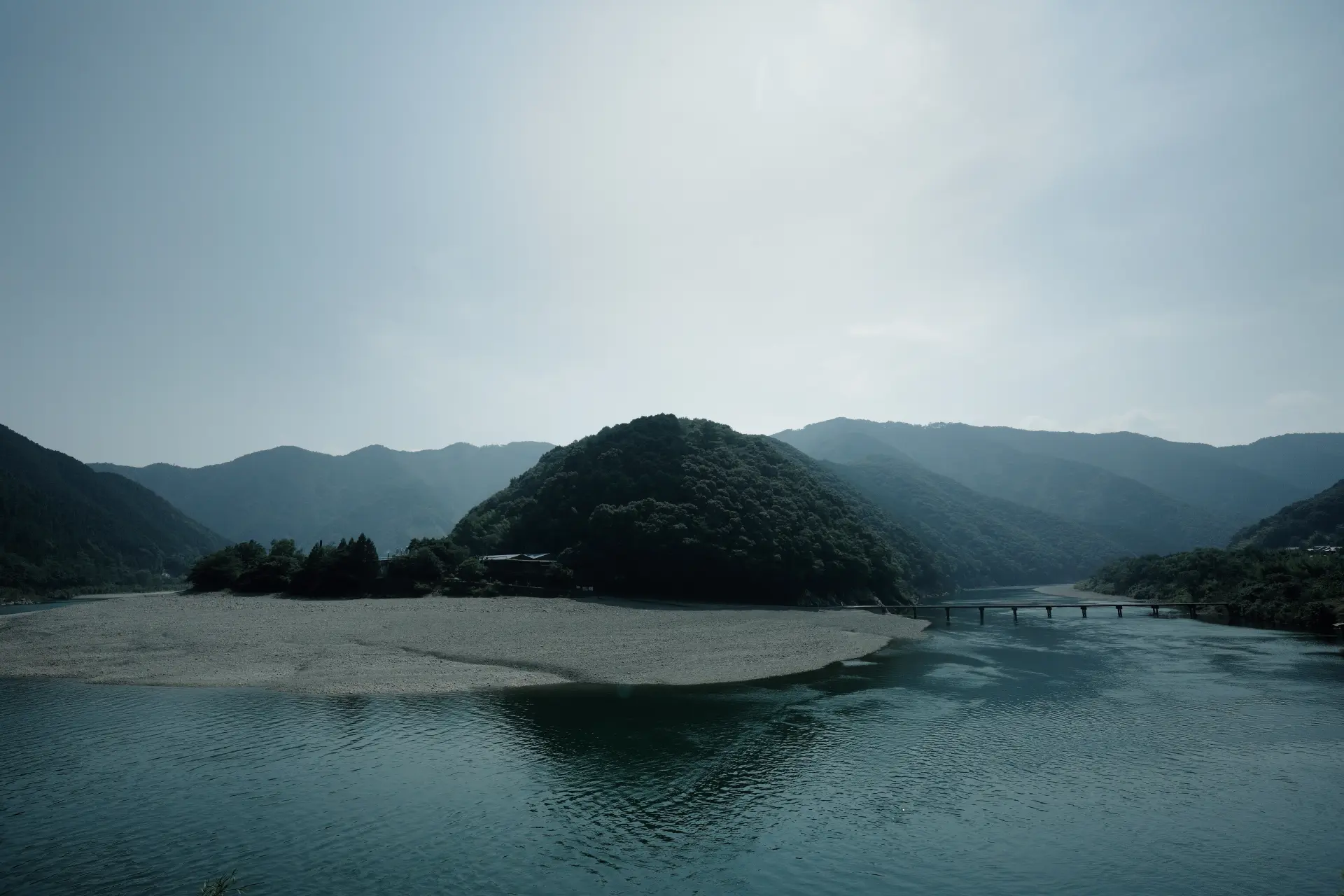
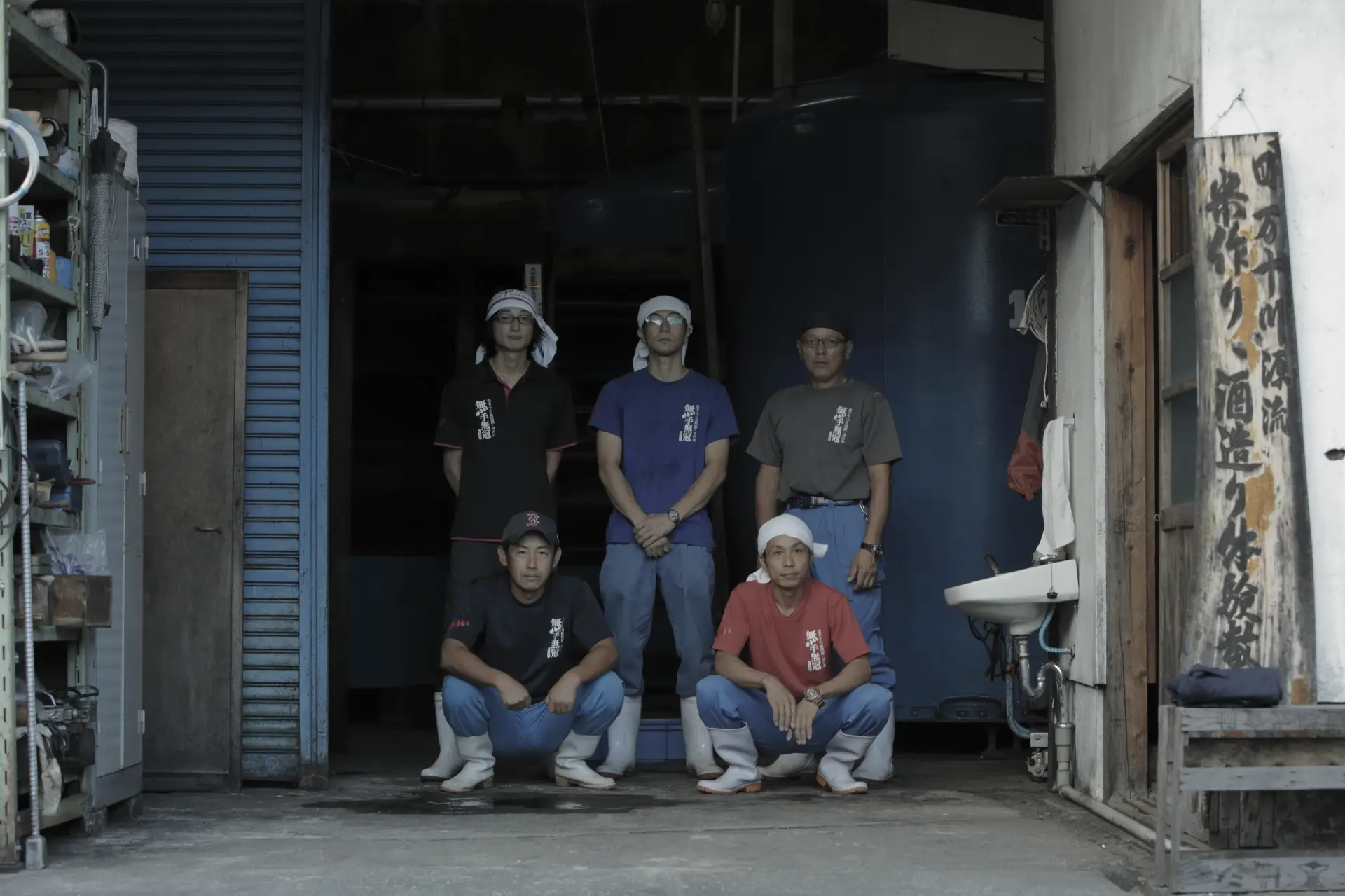
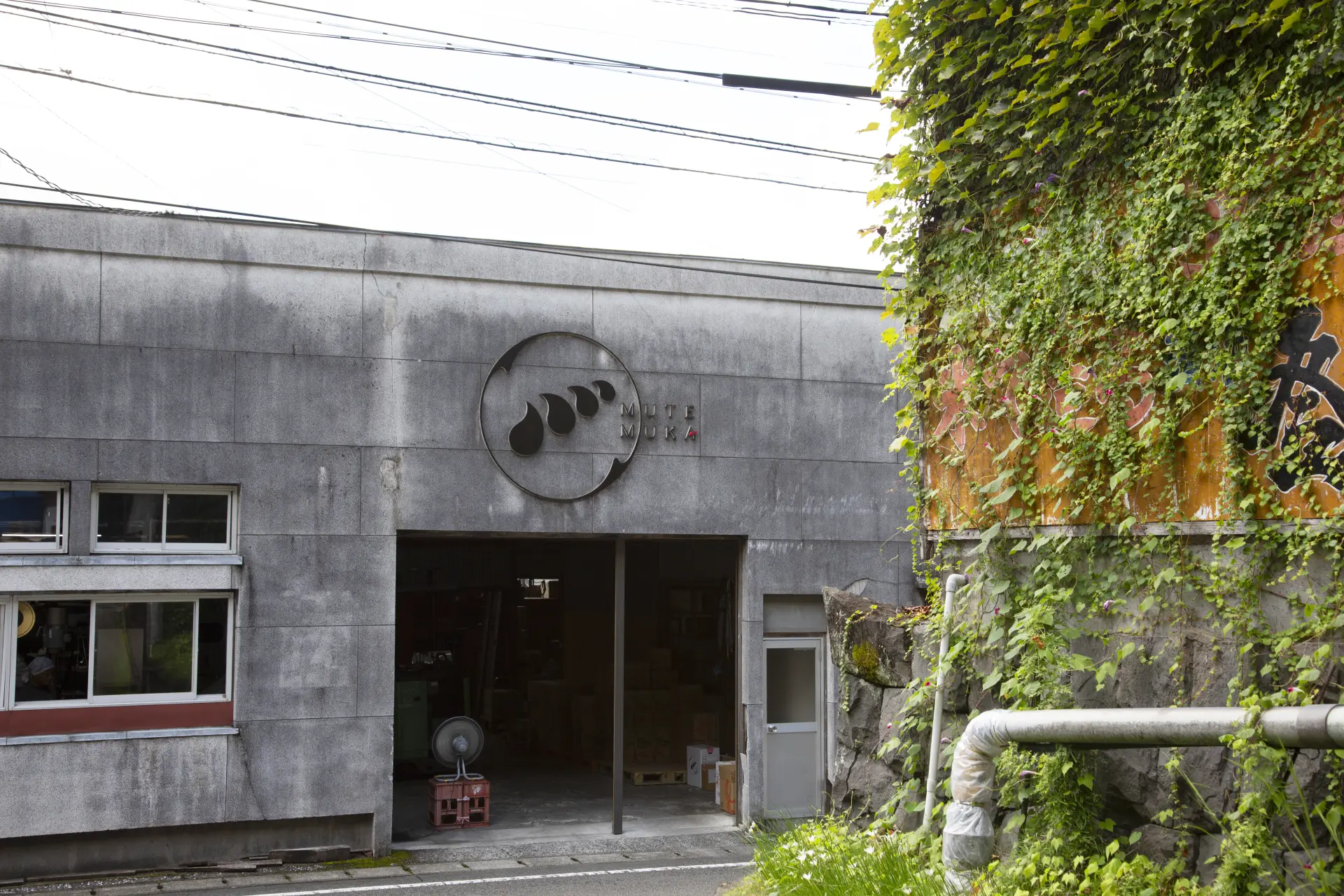
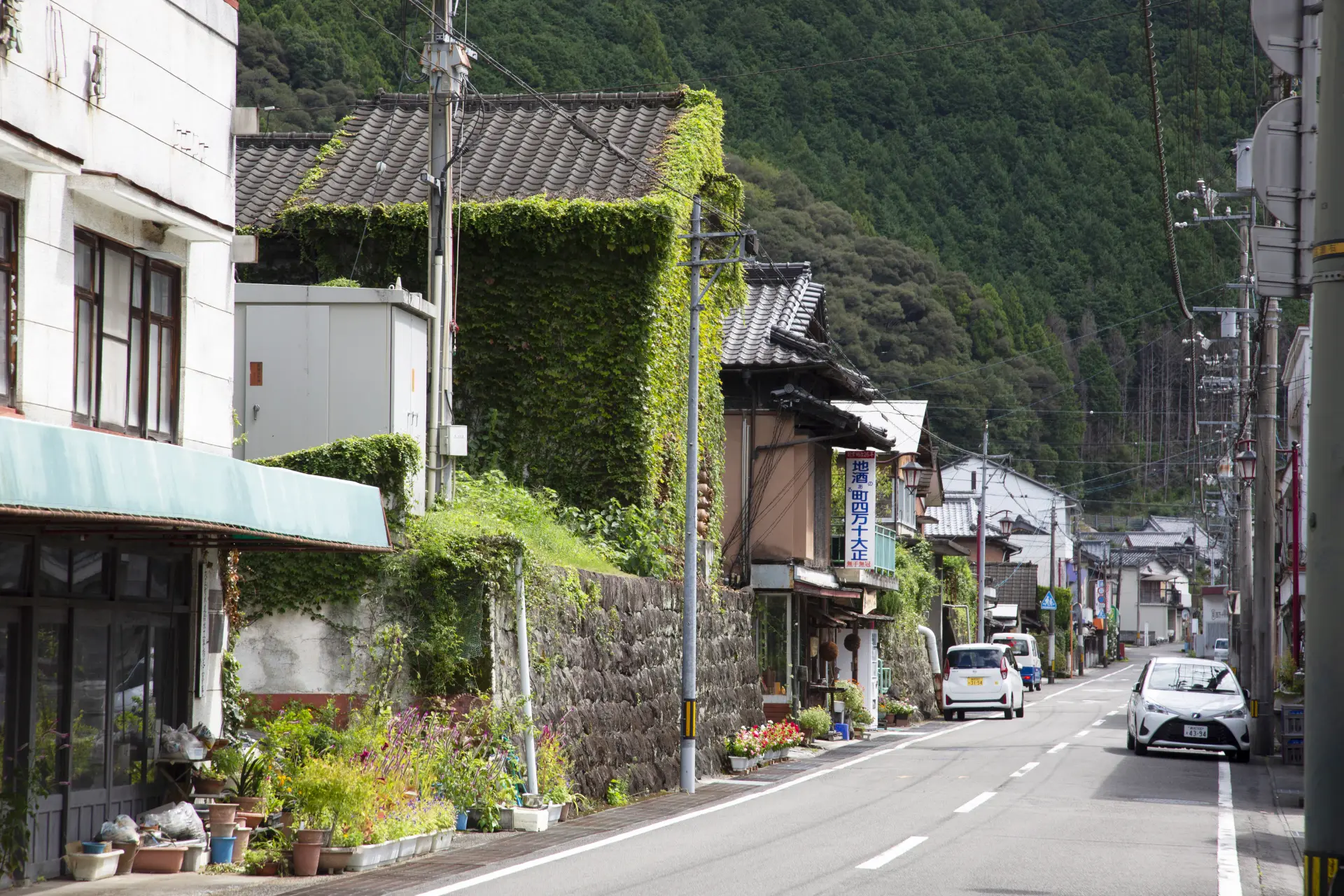
Mutemuka is based in Taisho, Shimanto Town, along the middle reaches of the Shimanto River. This mountain community is about two hours from Kochi City by JR train or an hour and a half by car. With an advance reservation, you can tour the brewery and see firsthand the setting and methods behind Dabada Hiburi and Mutemuka’s other drinks. Discover how Mutemuka uses Shimanto’s ingredients and explore its ties to the local community.
Hear from the Makers: How Dabada Hiburi Began
Mutemuka originally made sake, and local chestnuts inspired its move into chestnut shochu. At the time, the upper Shimanto River basin produced an abundance of chestnuts, but some were difficult to market. Local people approached the brewery to ask whether those chestnuts could be used to make shochu. Mutemuka took up the challenge, obtaining a shochu production license in 1984 (Showa 59) and beginning sales of chestnut shochu the following year, in 1985 (Showa 60). Today’s Dabada Hiburi grew out of that effort to put the region’s chestnuts to good use.
Dabada Hiburi and a Cycle Rooted in the Community
Making Dabada Hiburi also supports local agriculture. The residue left after distilling the chestnut shochu is returned to rice paddies as organic fertilizer. The brewery workers also make bokashi, a fermented organic fertilizer, to supplement its nutrients. Rice grown under contract by local farmers is then used to make sake. By using a by-product of chestnut shochu production to grow rice, and then making sake from that rice, Mutemuka has created a local cycle. These efforts reflect its commitment to making the most of local ingredients without waste.
Production of Dabada Hiburi Usually Begins in September
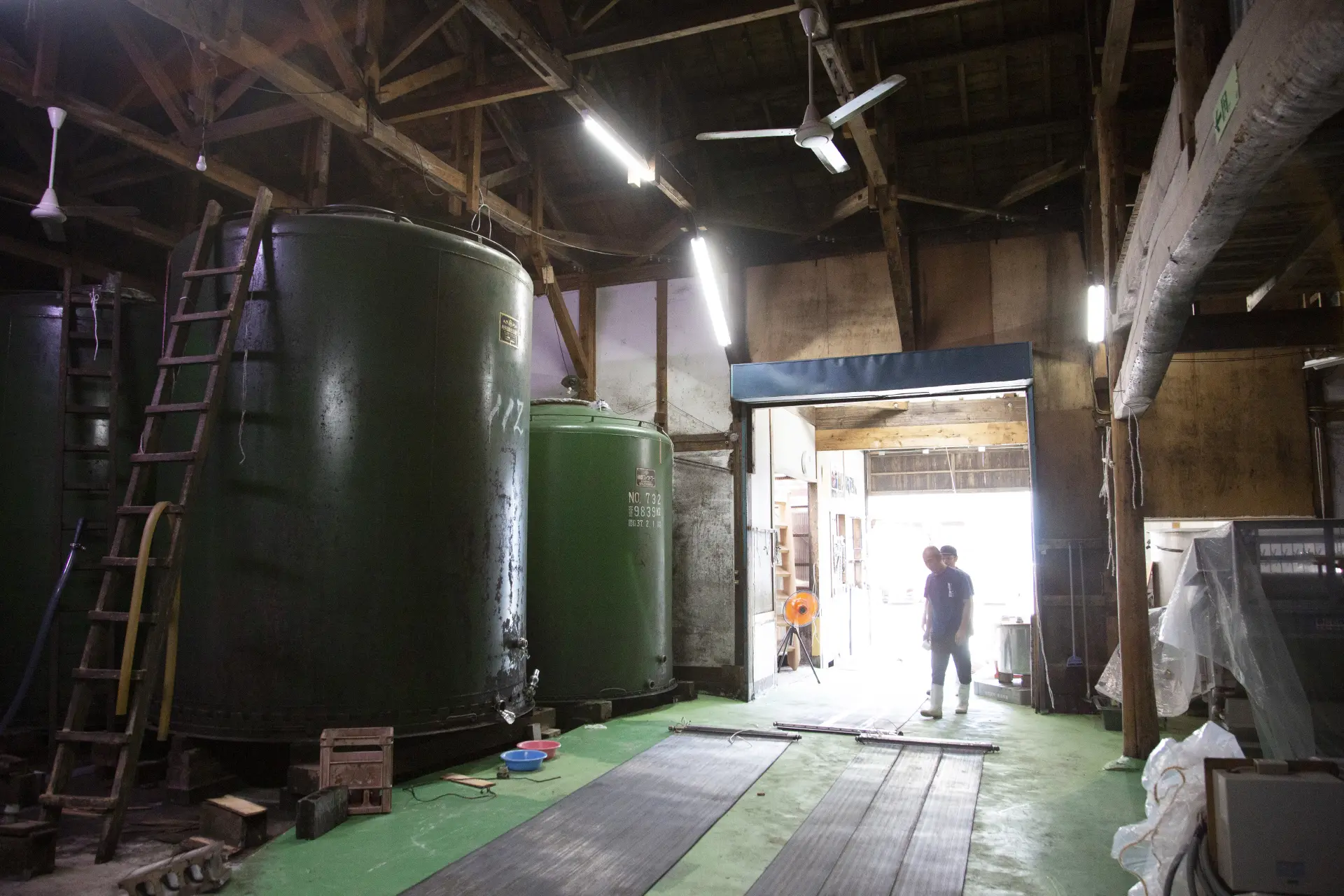
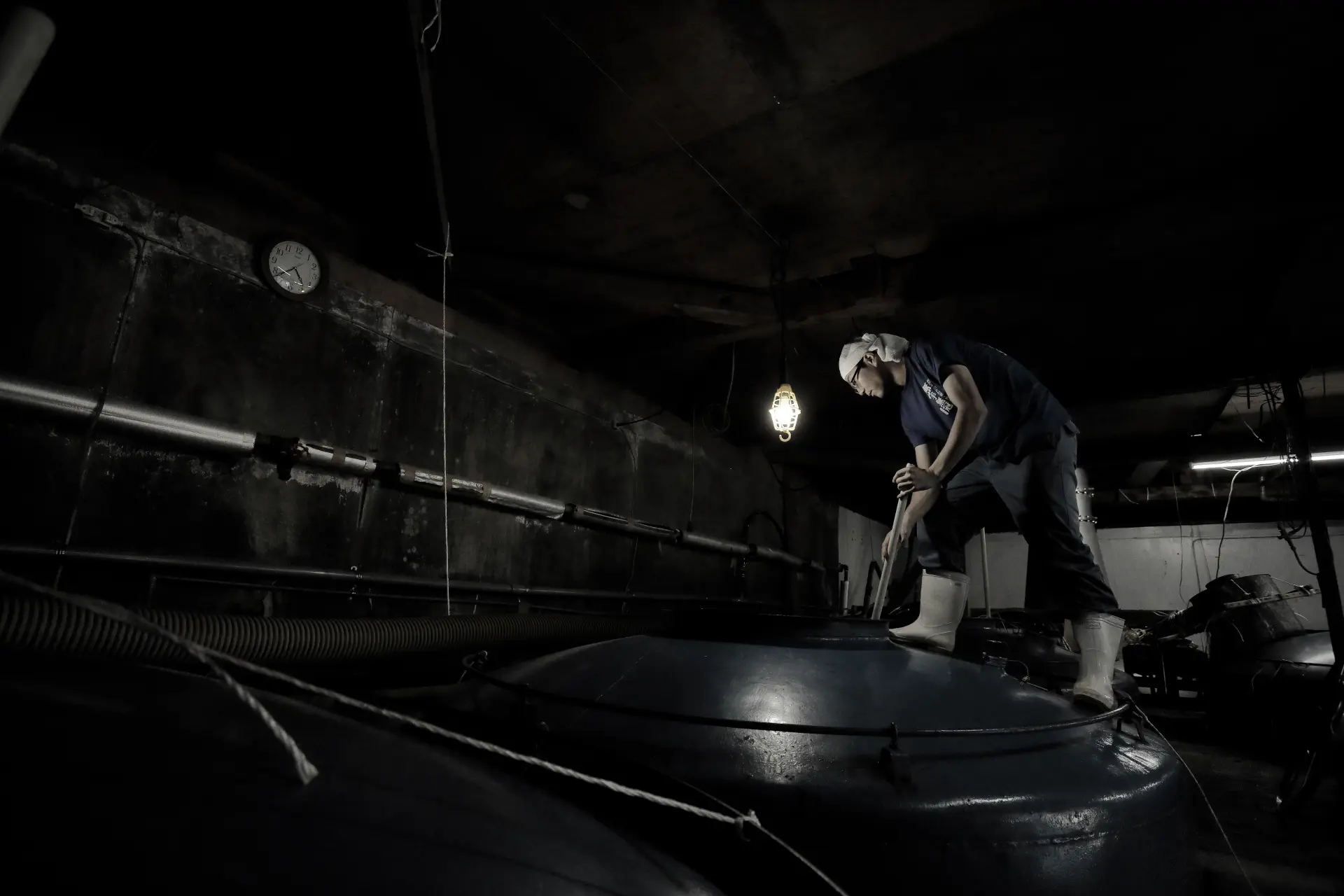
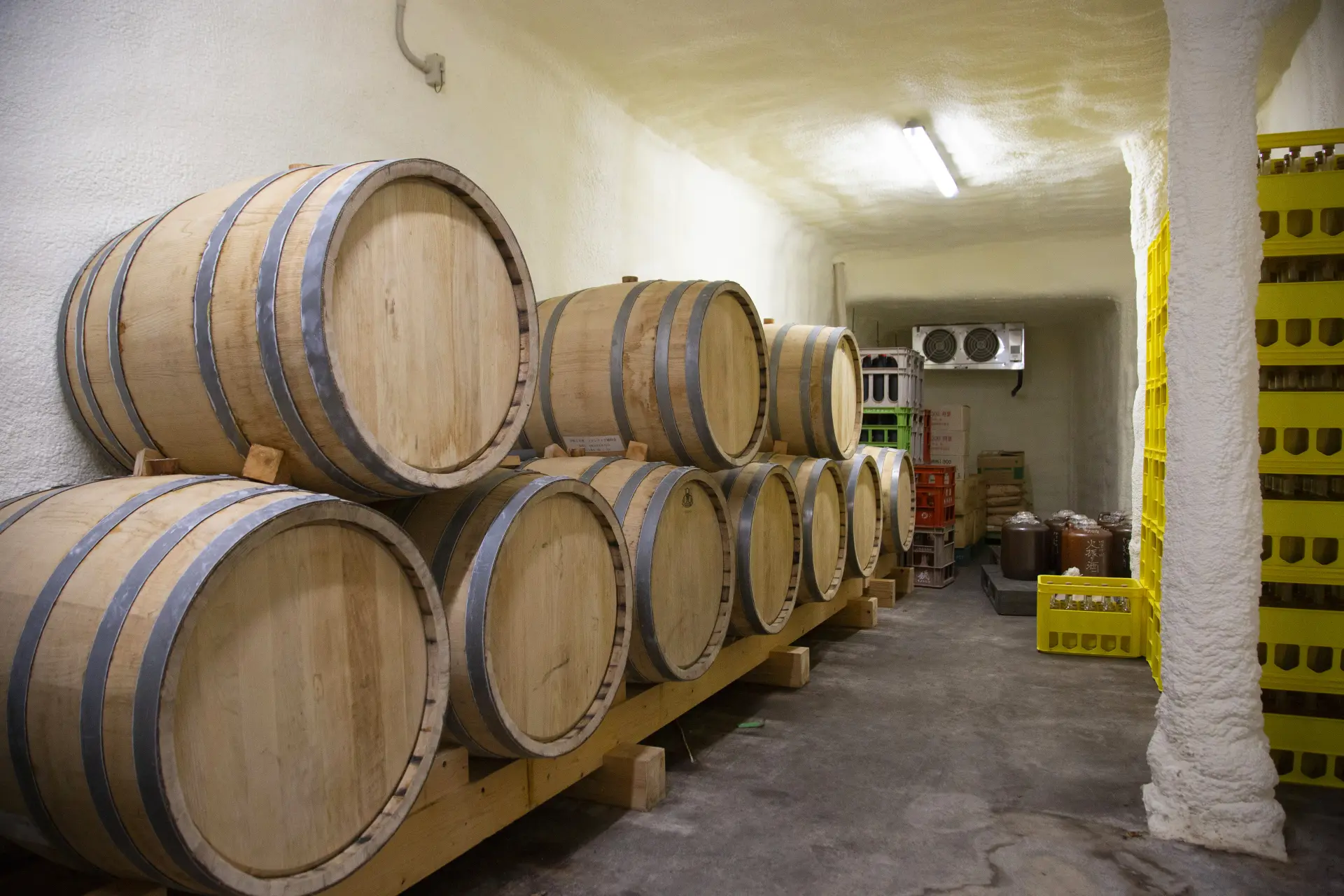
Production of Dabada Hiburi usually begins around September. The brewery is equipped for making the chestnut shochu, with production equipment and storage tanks inside and a bottling plant on the grounds. Sake production follows around October, as the brewery makes different drinks with the changing seasons.
Find a Special Bottle at the Brewery Shop
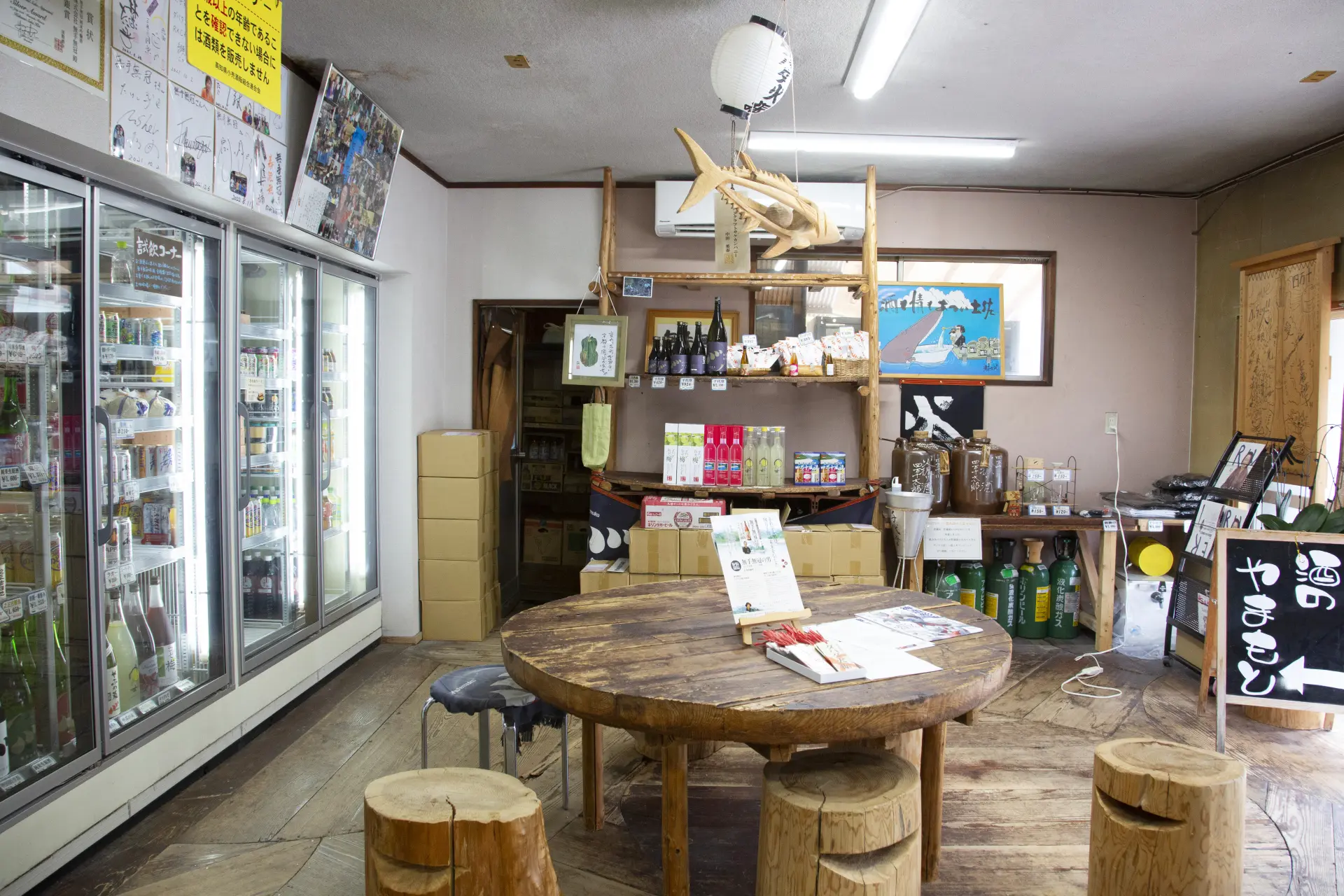
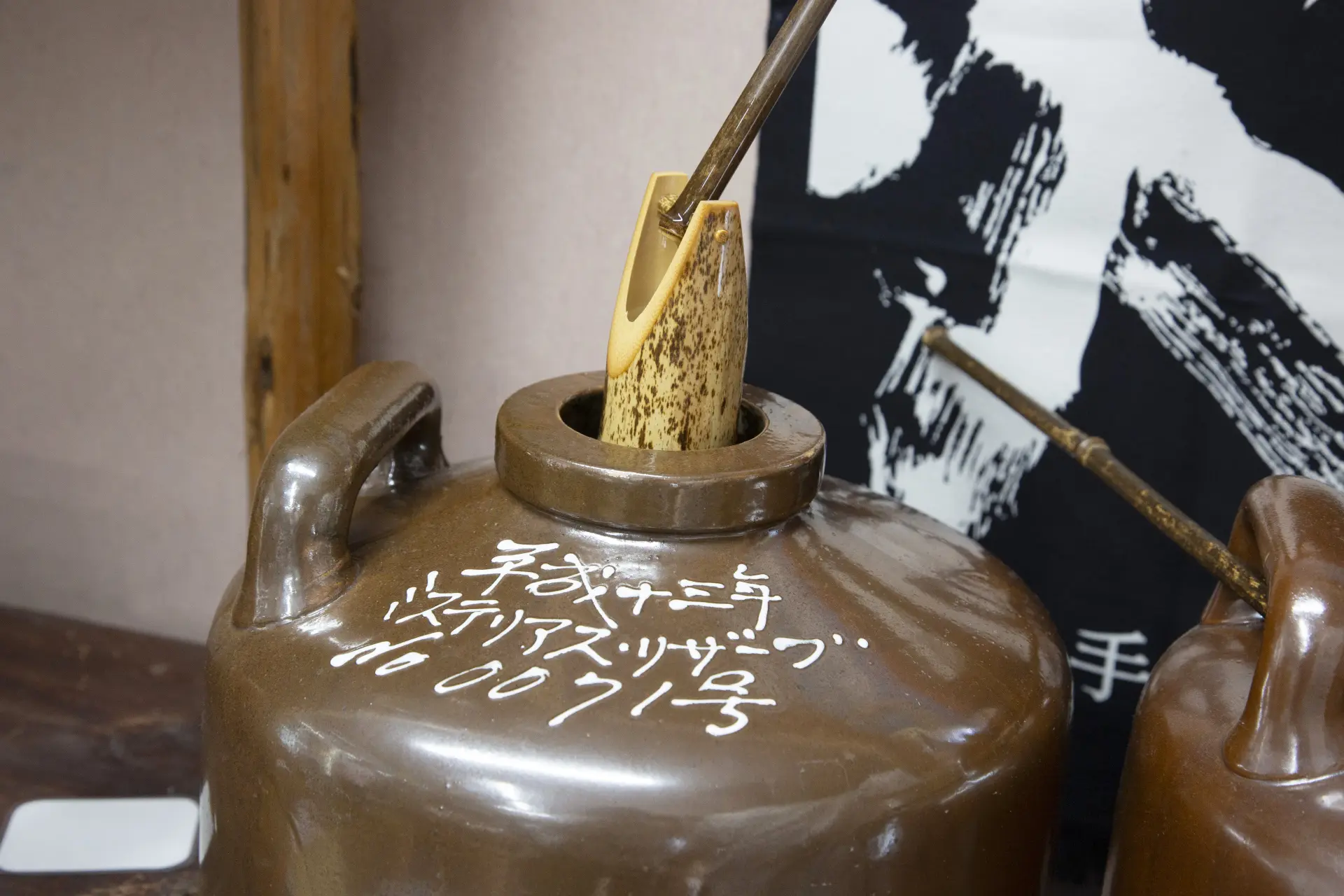
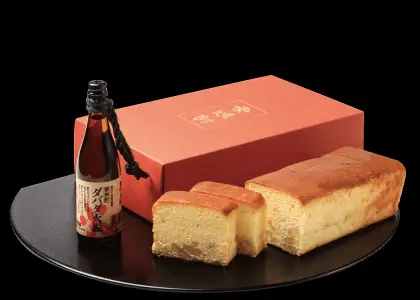
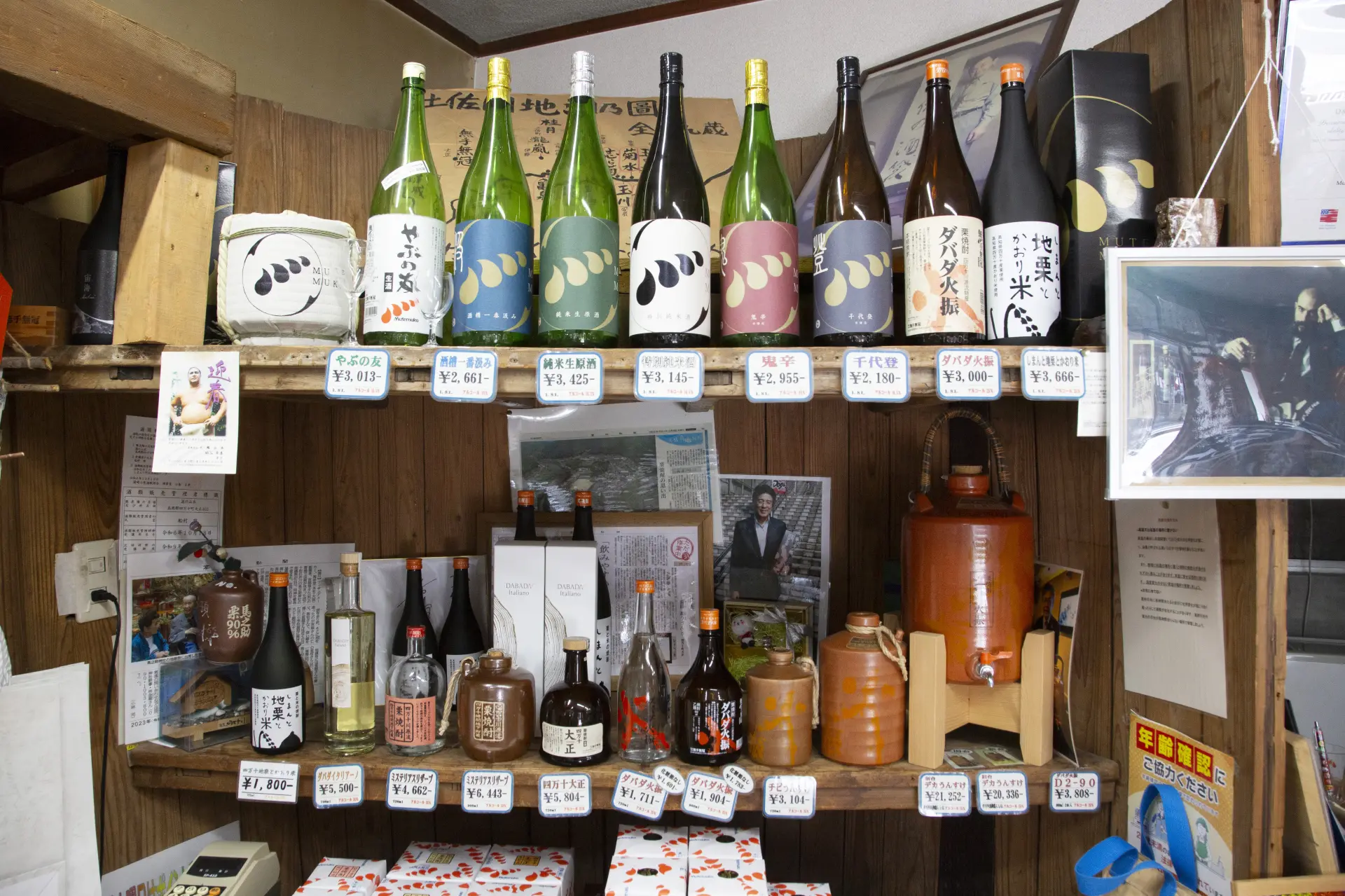
The shop attached to the brewery stocks Dabada Hiburi and a variety of other drinks made by Mutemuka. A highlight is Shimanto Mysterious Reserve, named for the area and aged for 40,100 hours in an underground tunnel storehouse. Tastings are available, so you can discover how aging shapes its flavor before choosing a bottle. The selection also includes treats such as Dabada Hiburi Baum, a baumkuchen cake made with Dabada Hiburi. After seeing where the drinks are made, browsing bottles and other products created in the area is another pleasure of visiting the brewery.
Let Time Work Its Magic at the Unique Shochu Bank
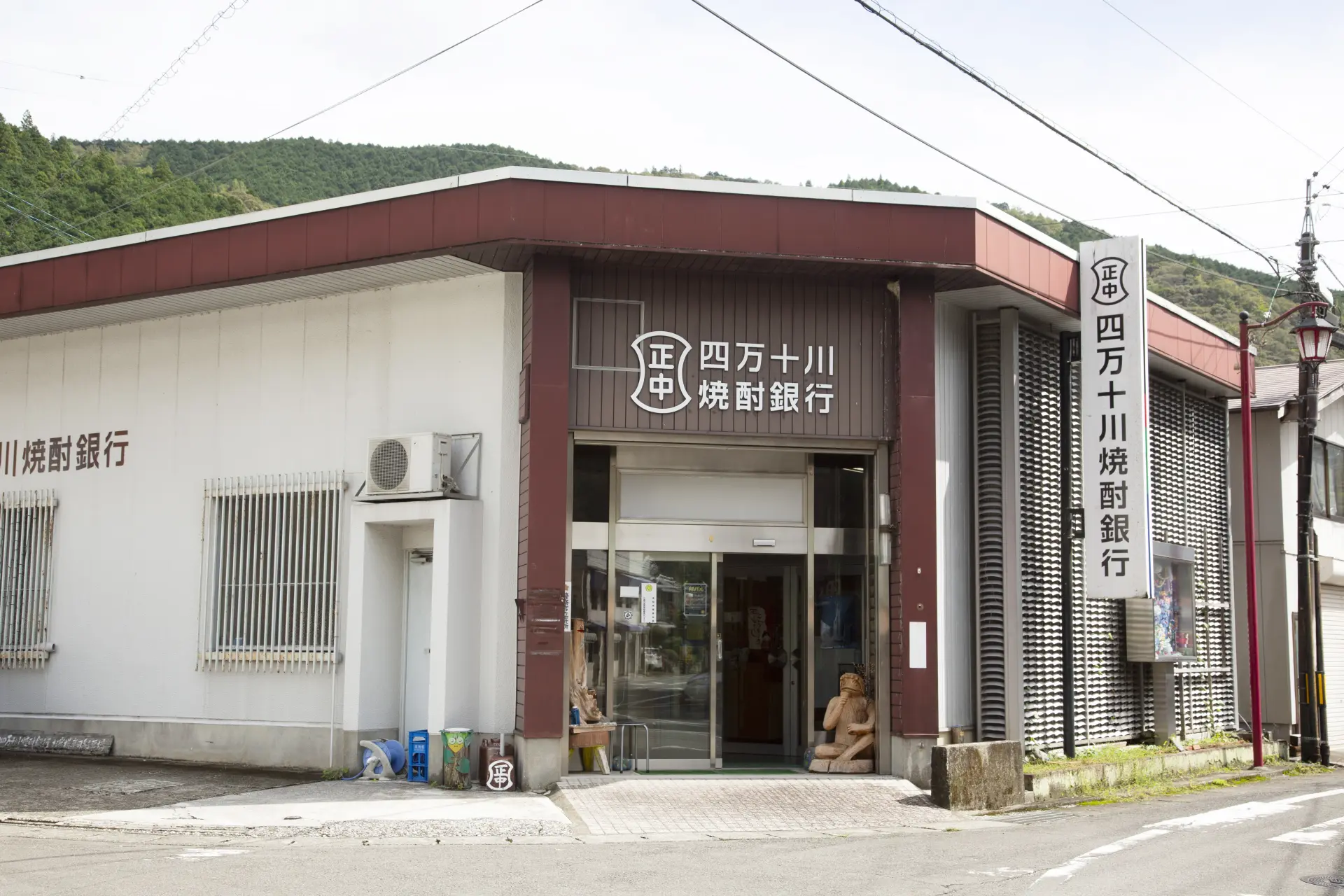
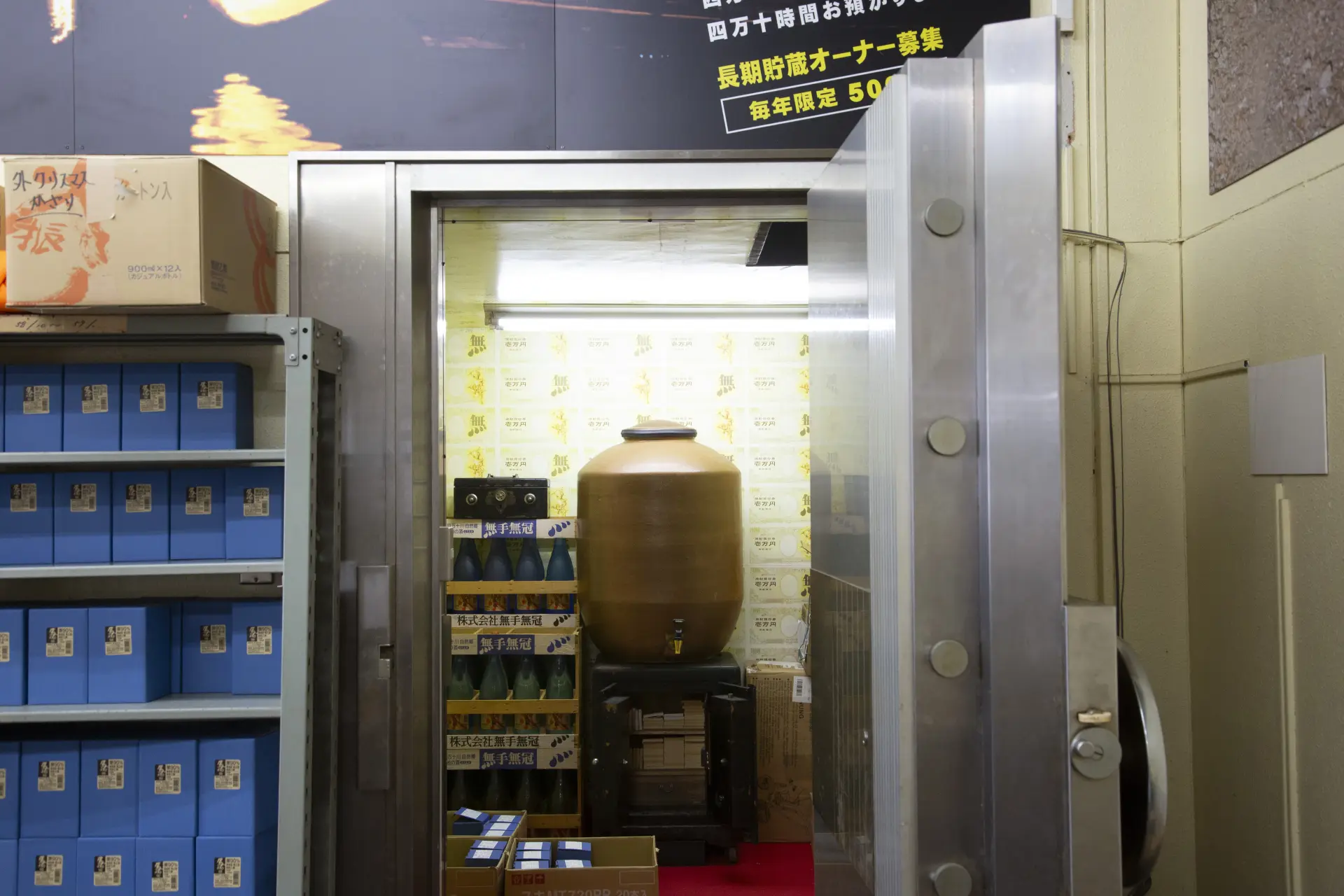
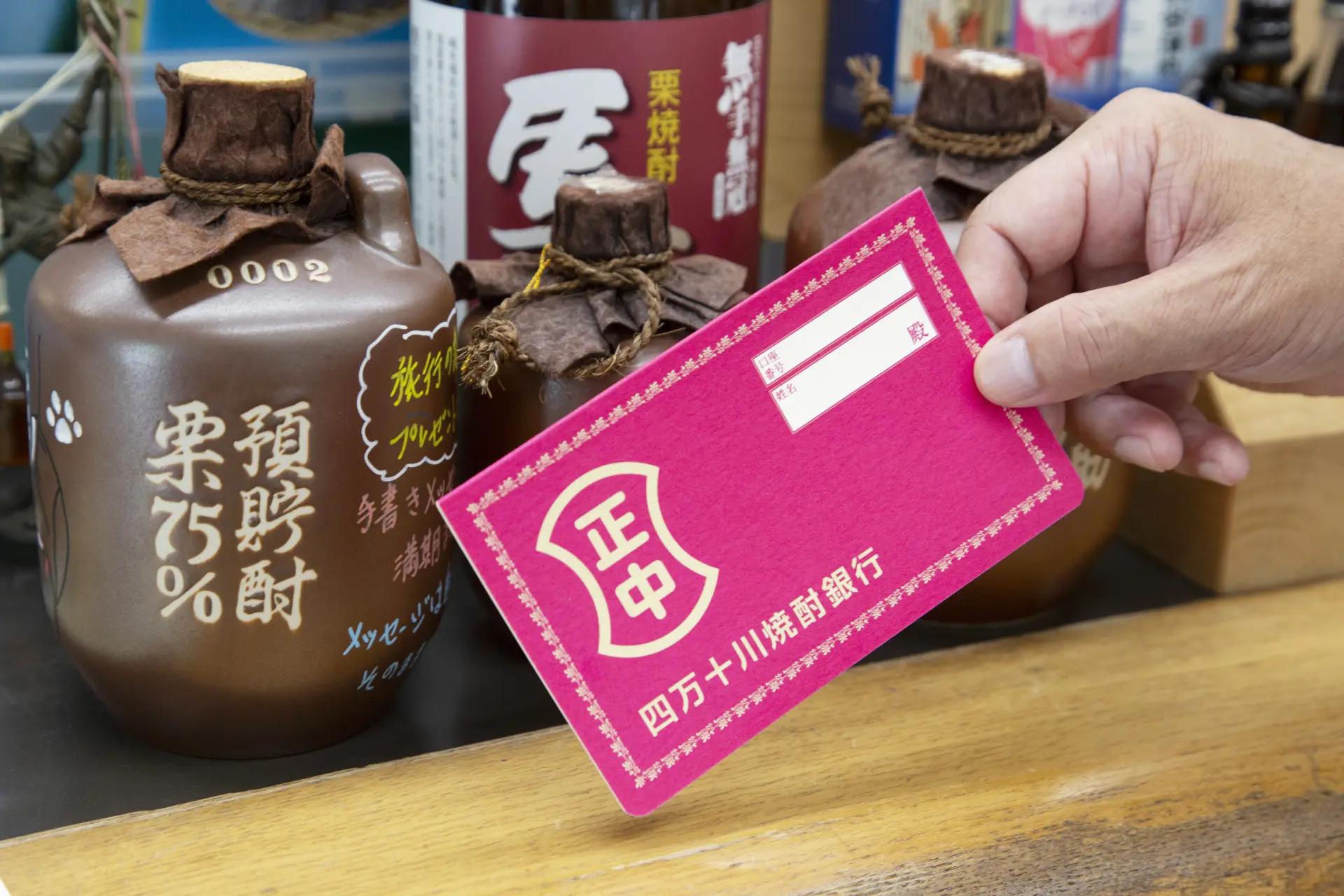
About a three-minute walk from the brewery is the Shimanto River Shochu Bank. Housed in a former local bank, this unusual facility retains the original vault and counter. Here, you can try Yochochu: depositing chestnut shochu to age instead of depositing money. Chestnut shochu made with at least 75% chestnuts and available only here is placed in jars and aged in the bank’s former vault. When you open an account, you receive a passbook and can choose an aging period of one, two, or three years. In another bank-inspired touch, you receive a small bottle as “interest” each year. Rather than simply buying a bottle to take home, you leave your shochu in Shimanto to develop over time. Returning to collect the aged drink is part of this experience in the region where it is made.
Enjoy Dabada Hiburi and Shimanto’s Food at Nondeya
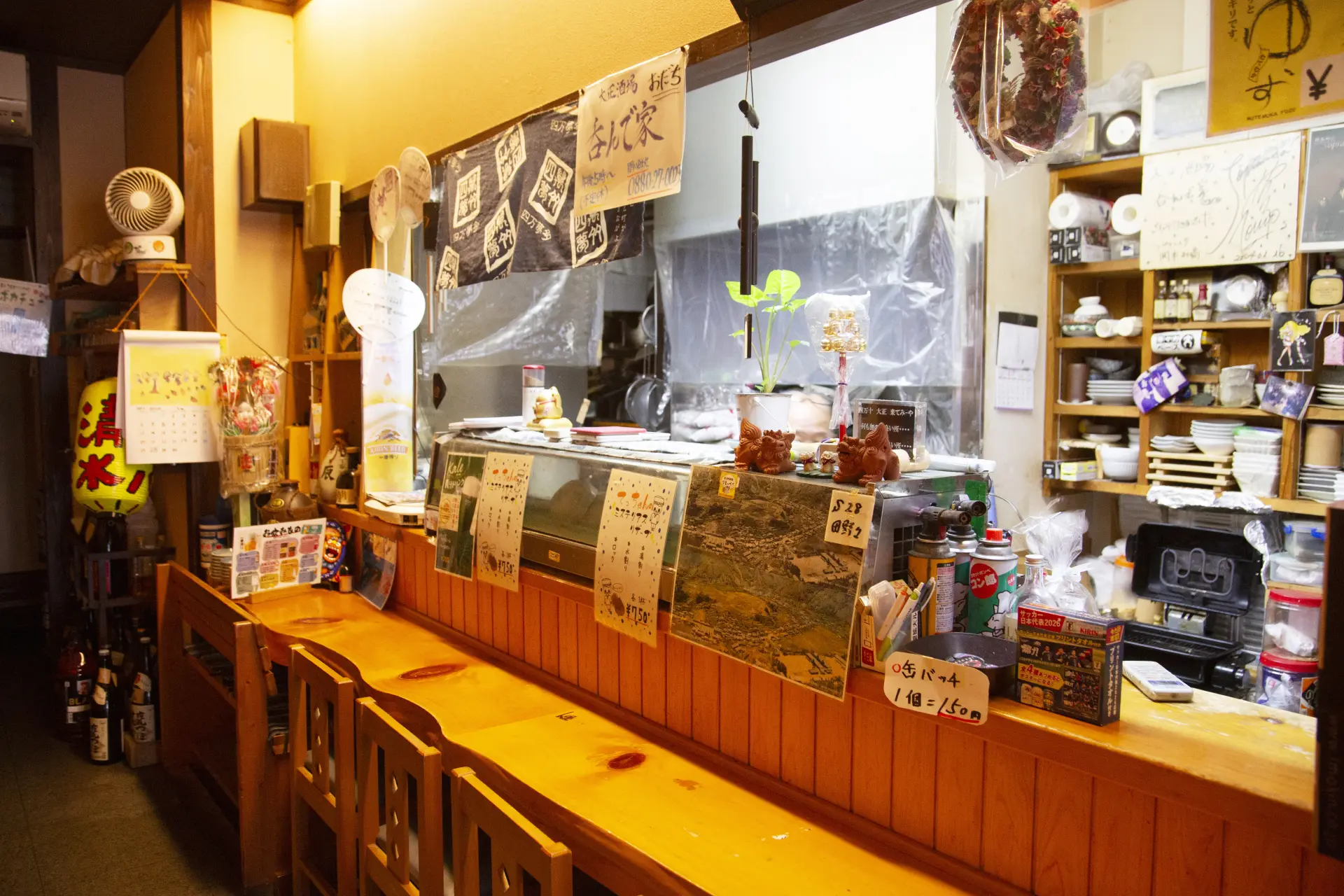
After meeting the makers and learning how their drinks are made, enjoy them alongside local food. Nondeya, near JR Tosa-Taisho Station, is an izakaya where local people gather. Its owner has spent many years devoted to cooking, using fish and vegetables sourced at the market to prepare Kochi dishes such as seared bonito, deep-fried moray eel, and shiitake mushroom tataki. Here, explore not only the individual character of Mutemuka’s drinks but also how each pairs with the food.
1. Chestnut Shochu|Dabada Hiburi
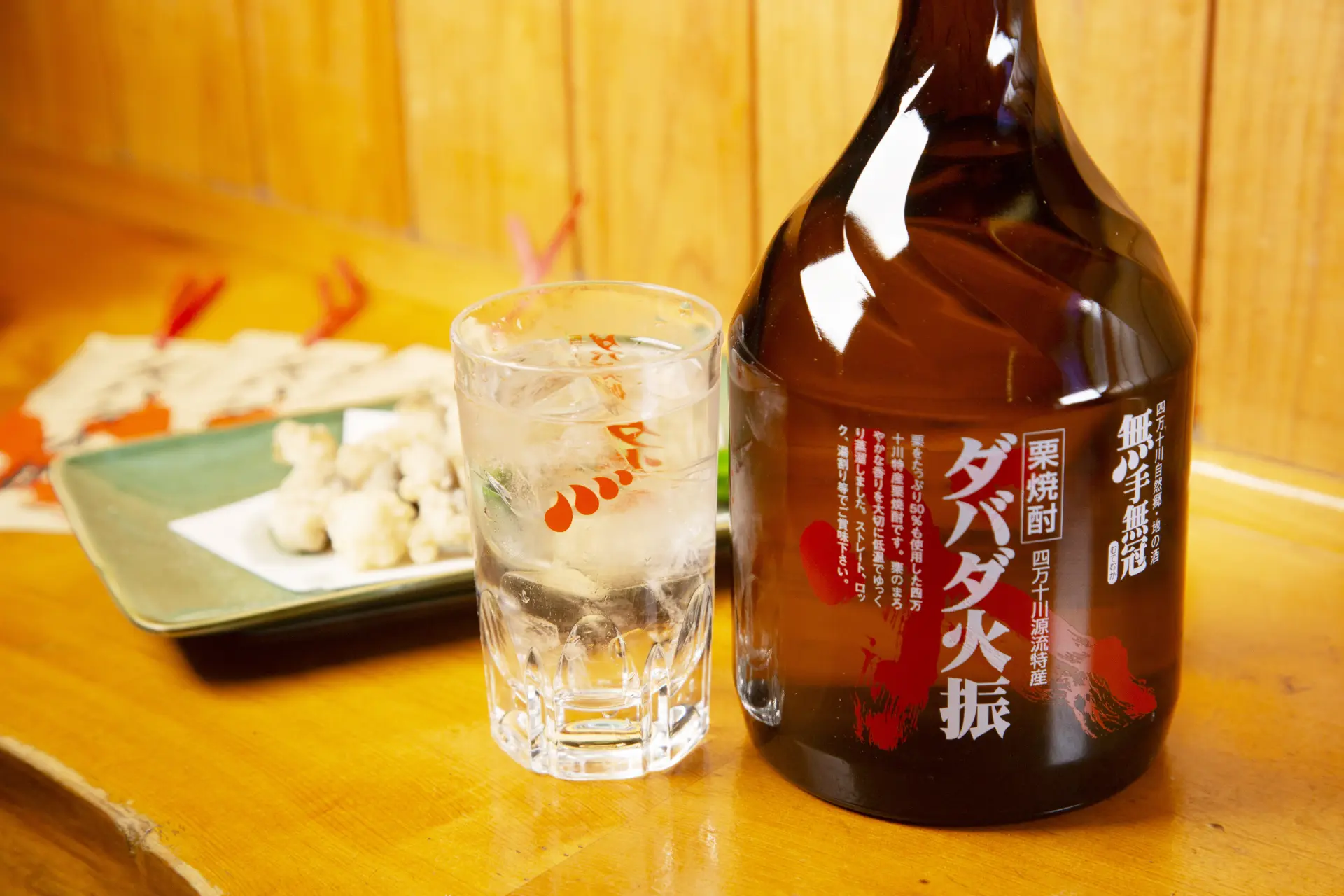
Chestnut shochu might sound sweet, but Dabada Hiburi is characterized by a clean mouthfeel and the naturally mellow flavor of chestnuts. Its mild character complements food without overpowering it, making it easy to pair with fish, meat, vegetables, and more. At Nondeya, try it with dishes typical of Kochi and Shimanto, such as seared bonito or shiitake mushroom tataki.
2. Chestnut Shochu|DABADA ITALIANO
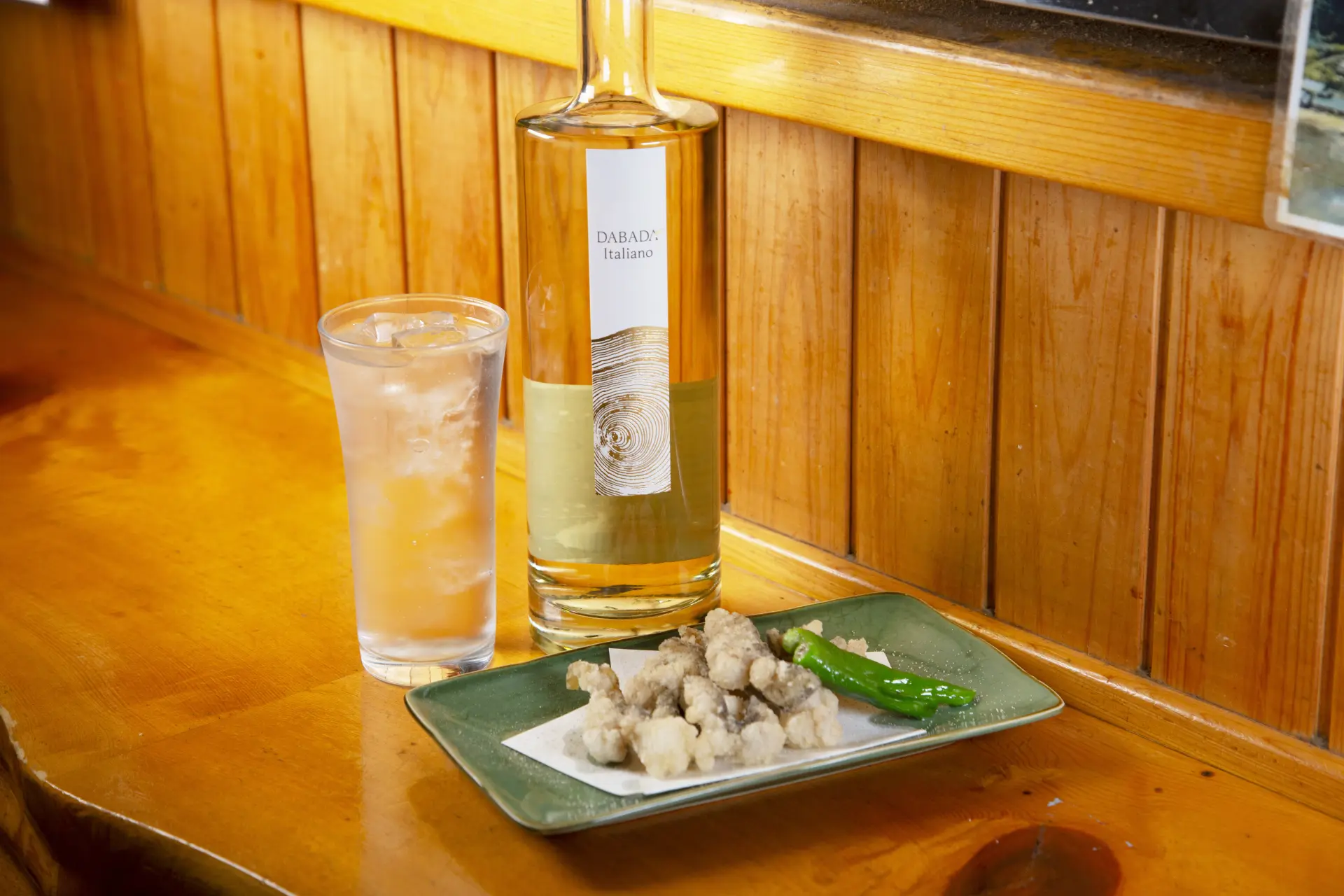
After discovering chestnut shochu through Dabada Hiburi, try another version from Mutemuka. DABADA ITALIANO uses chestnuts from Italy, one of the world’s leading chestnut-producing countries. It has a distinctive toasty aroma and makes a light, refreshing drink when mixed with soda water. At Nondeya, we paired it with deep-fried moray eel, a Kochi specialty. Enjoy a refreshing glass with soda water alongside the crisp coating and firm, springy texture of the moray eel.
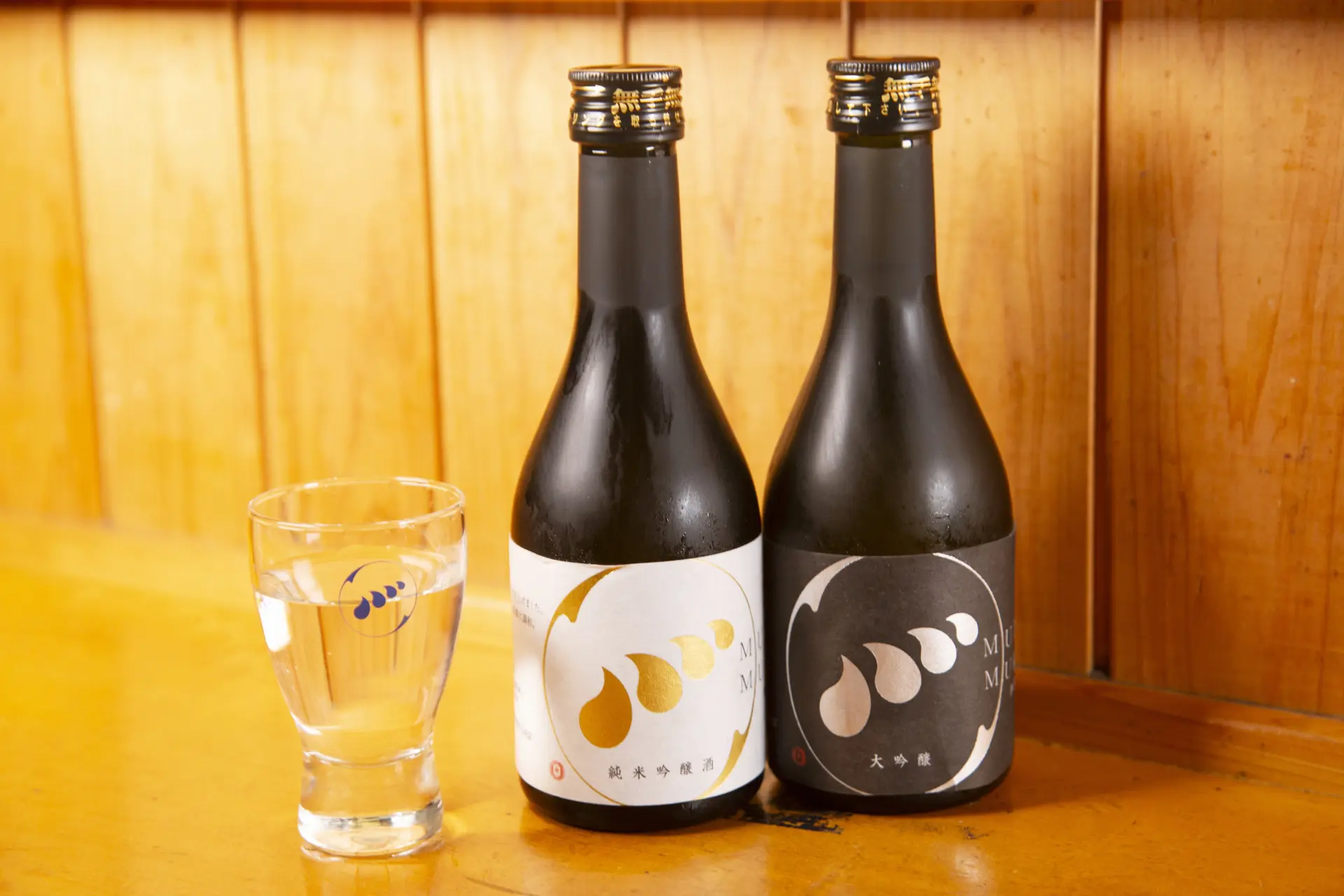
3. Sake|Mutemuka Junmai Ginjo
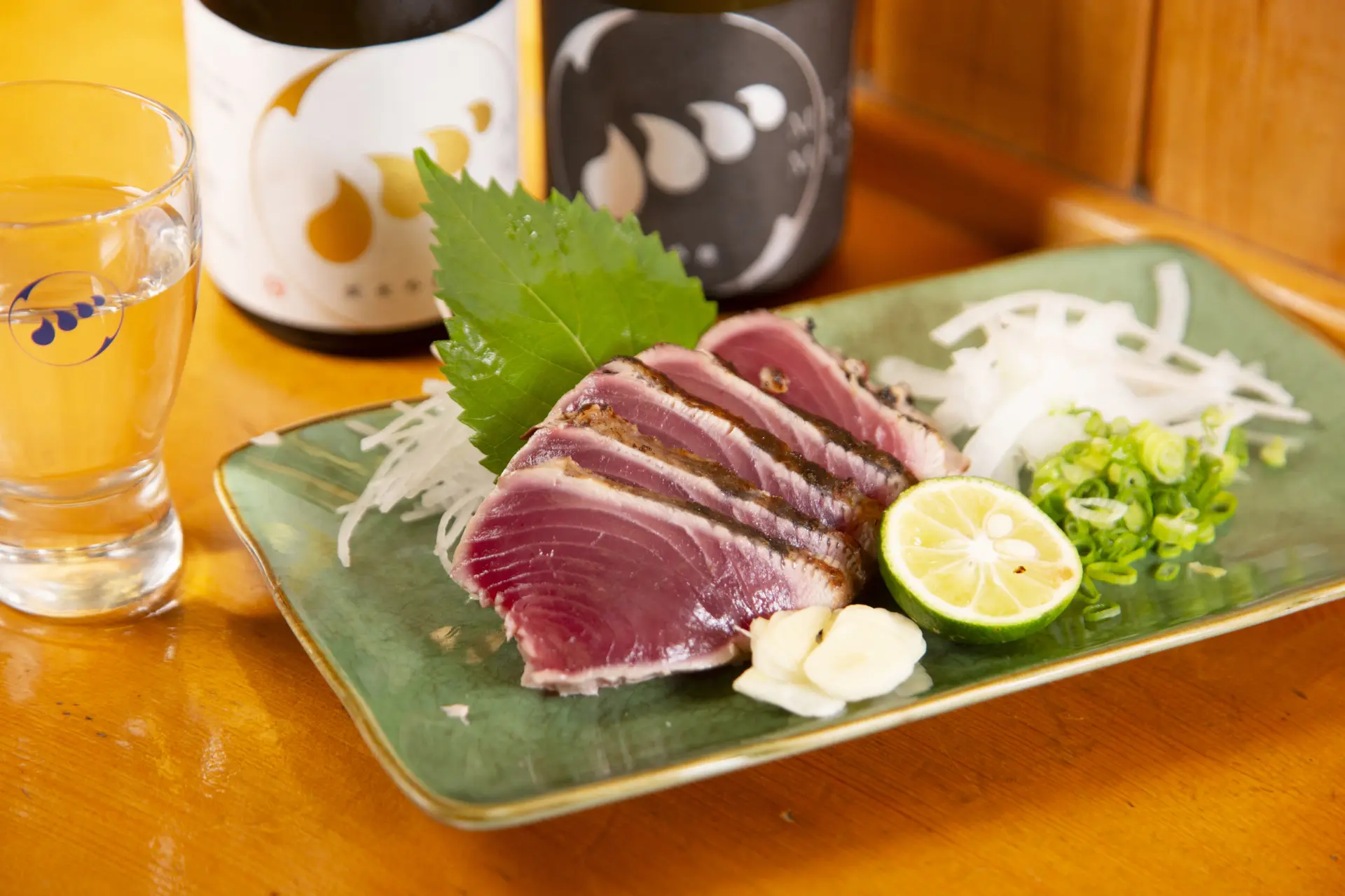
After trying the chestnut shochu, turn to sake, which is where Mutemuka’s story began. The brewery also produces sake using rice grown in partnership with local farmers. We tried Mutemuka Junmai Ginjo, made with sake rice from Shimanto Town polished to 55% of its original weight. Slightly dry with a clean finish, it pairs well with fish dishes. At Nondeya, we enjoyed it with seared bonito, one of Kochi’s signature regional dishes. The pairing brings together locally made sake and a taste of Kochi’s food culture.
- Japanese Name
- 呑んで家(のんでや)
- Address
-
515 Taisho, Shimanto-cho, Takaoka-gun, Kochi Prefecture
Google Map - Hours
- 5:00 pm until the last customer leaves
- Closed
- Sundays and occasional other days; opening by prior arrangement may be possible
Stay in Dabada Hiburi’s Hometown: A Two-Day, One-Night Shimanto River Itinerary
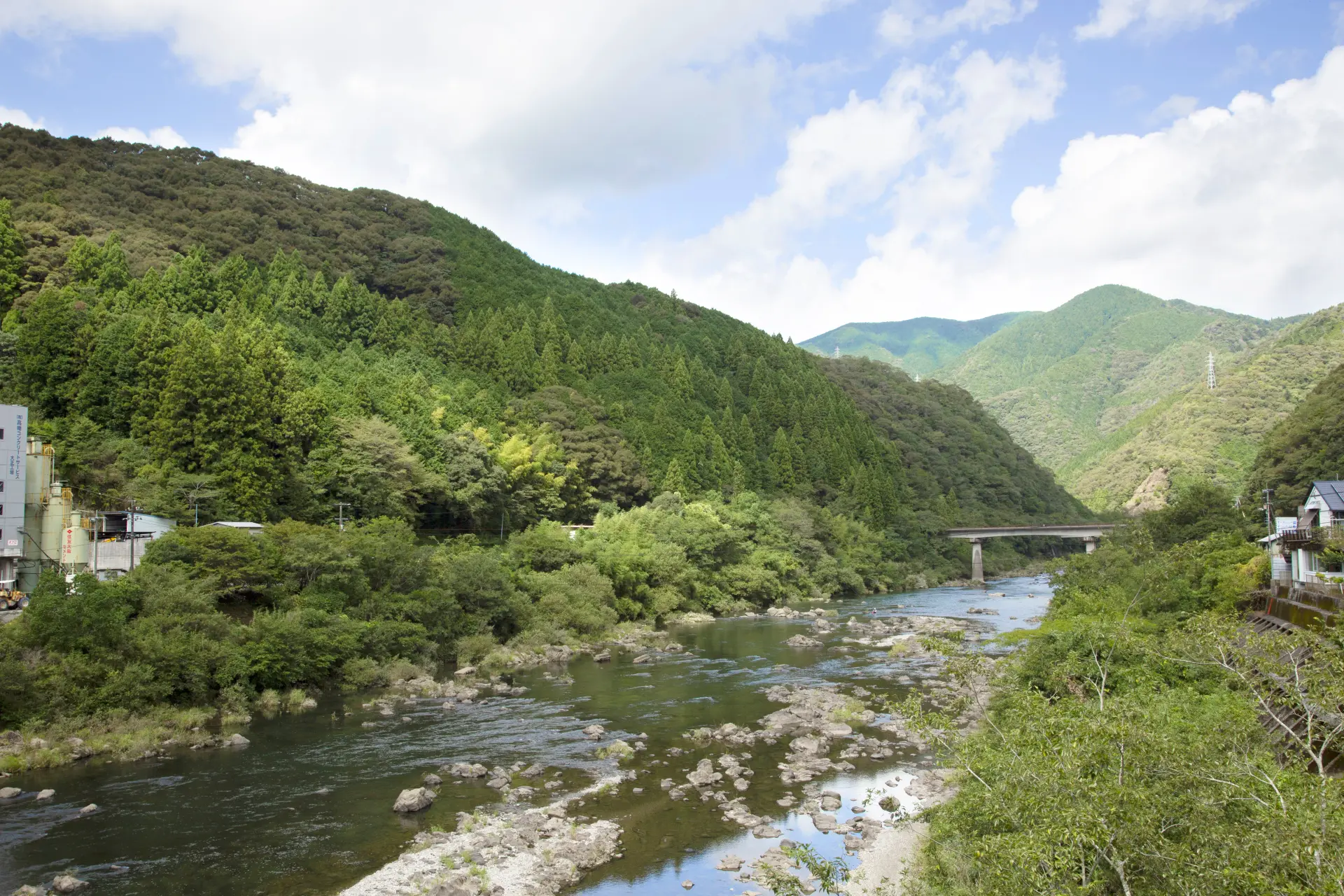
After visiting the brewery and enjoying Dabada Hiburi with local food, spend the night in Taisho, Shimanto Town. A small shopping district surrounds JR Tosa-Taisho Station, and the Shimanto River is about a five-minute walk from Mutemuka. Spend a night in the town where the drink is made, then visit the Shimanto River, known as “Japan’s last pristine river,” the next day. This two-day, one-night journey uses Dabada Hiburi as a starting point for getting to know Shimanto’s landscape and people.
Day 1|Enjoy Local Drinks and Food in the Home of Dabada Hiburi
Start with a visit to Mutemuka to see where Dabada Hiburi is made and learn the story behind it. After the tour, walk around Taisho, then head to Nondeya in the evening to join the local crowd. Over Dabada Hiburi and regional dishes, discover not only the drinks but also the people and everyday life of the area.
- Around 1:00 pm Arrive in Taisho, Shimanto Town
- 1:30-3:00 pm Tour Mutemuka and enjoy a tasting
- 3:00-3:30 pm Browse the brewery shop for souvenirs
- 3:30-5:00 pm Explore Taisho and the surrounding area
- Around 5:00 pm Check in at Ekimaehouse SAMARU guesthouse
- 6:00-8:00 pm Enjoy Dabada Hiburi, other local drinks, and regional dishes at Nondeya
- Around 8:00 pm Return to Ekimaehouse SAMARU
Connect with the Community at Ekimaehouse SAMARU in Taisho
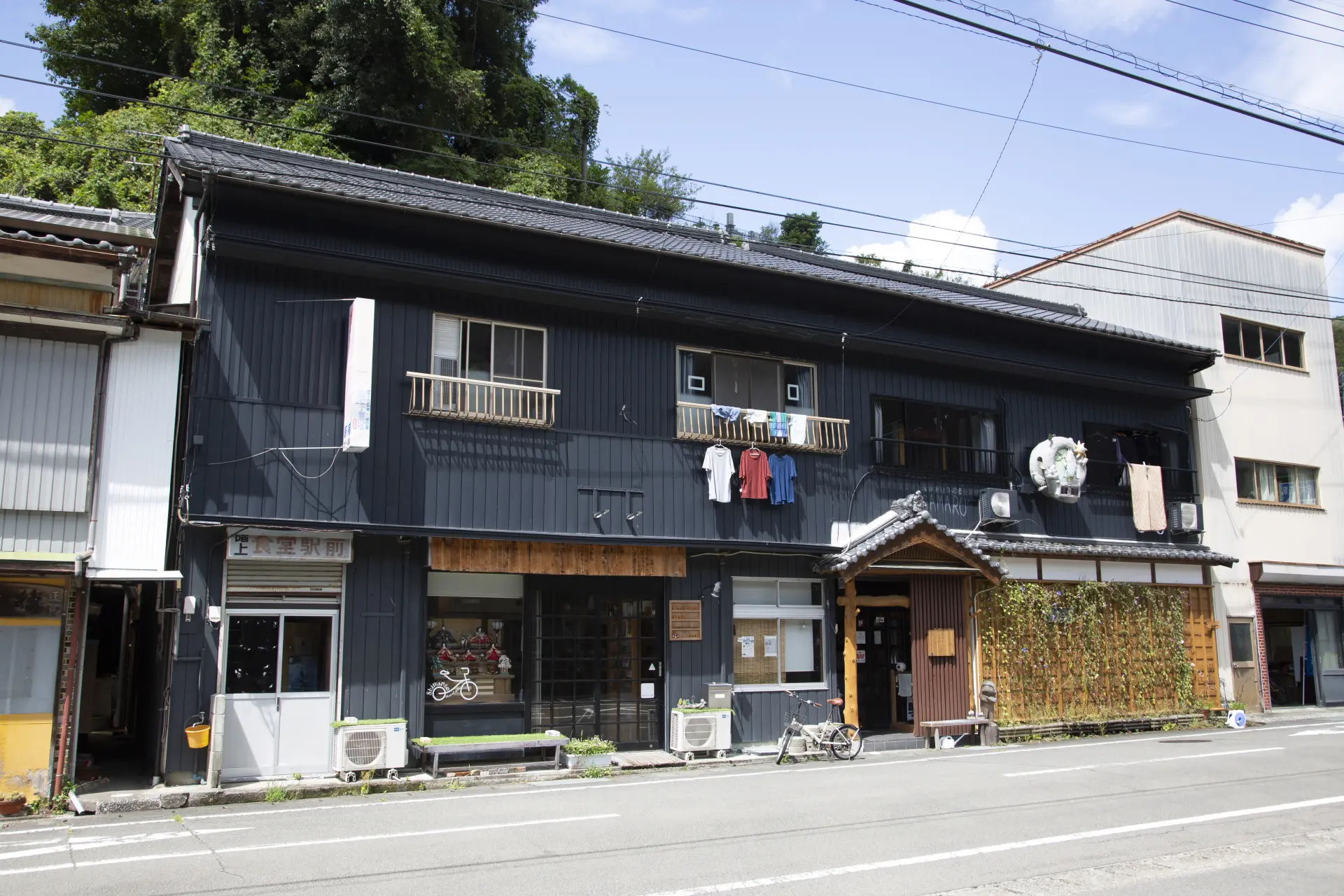
Directly opposite JR Tosa-Taisho Station, Ekimaehouse SAMARU is a guesthouse in a renovated former ryokan. Guided by the concept of “Becoming friends with Shimanto,” it is also a place where travelers and local people can meet. Staying in Taisho after your brewery visit and an evening of local food and drinks at Nondeya lets you experience aspects of everyday life that are easy to miss on a day trip.
- Japanese Name
- 四万十町ゲストハウス「Ekimaehouse SAMARU」
- Address
-
238-2 Taisho, Shimanto-cho, Takaoka-gun, Kochi Prefecture
Google Map - Check-in
- 4:00 pm
- Check-out
- 10:00 am
- Official Website
- Official Website
Day 2|Enjoy the Natural Beauty of the Shimanto River
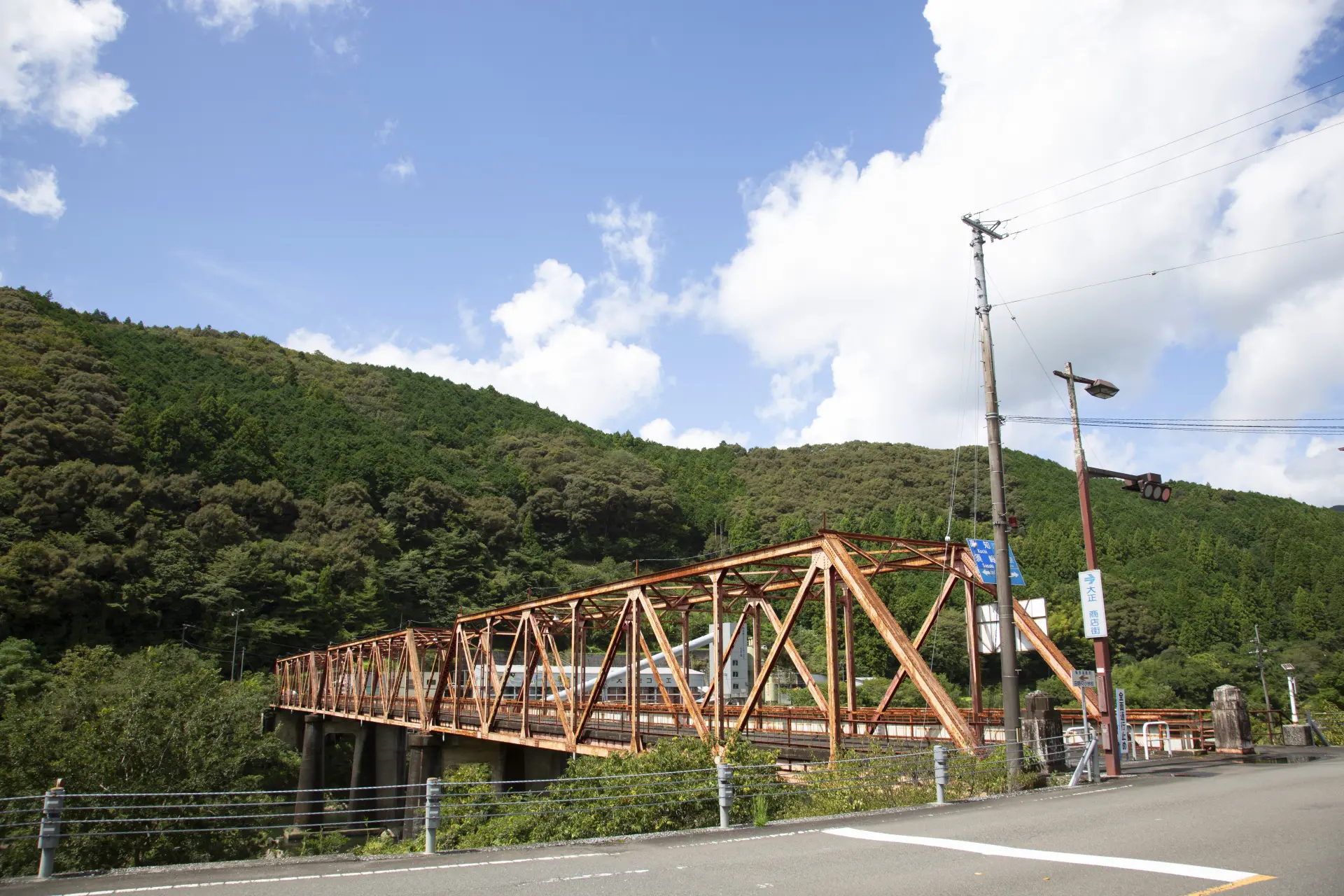
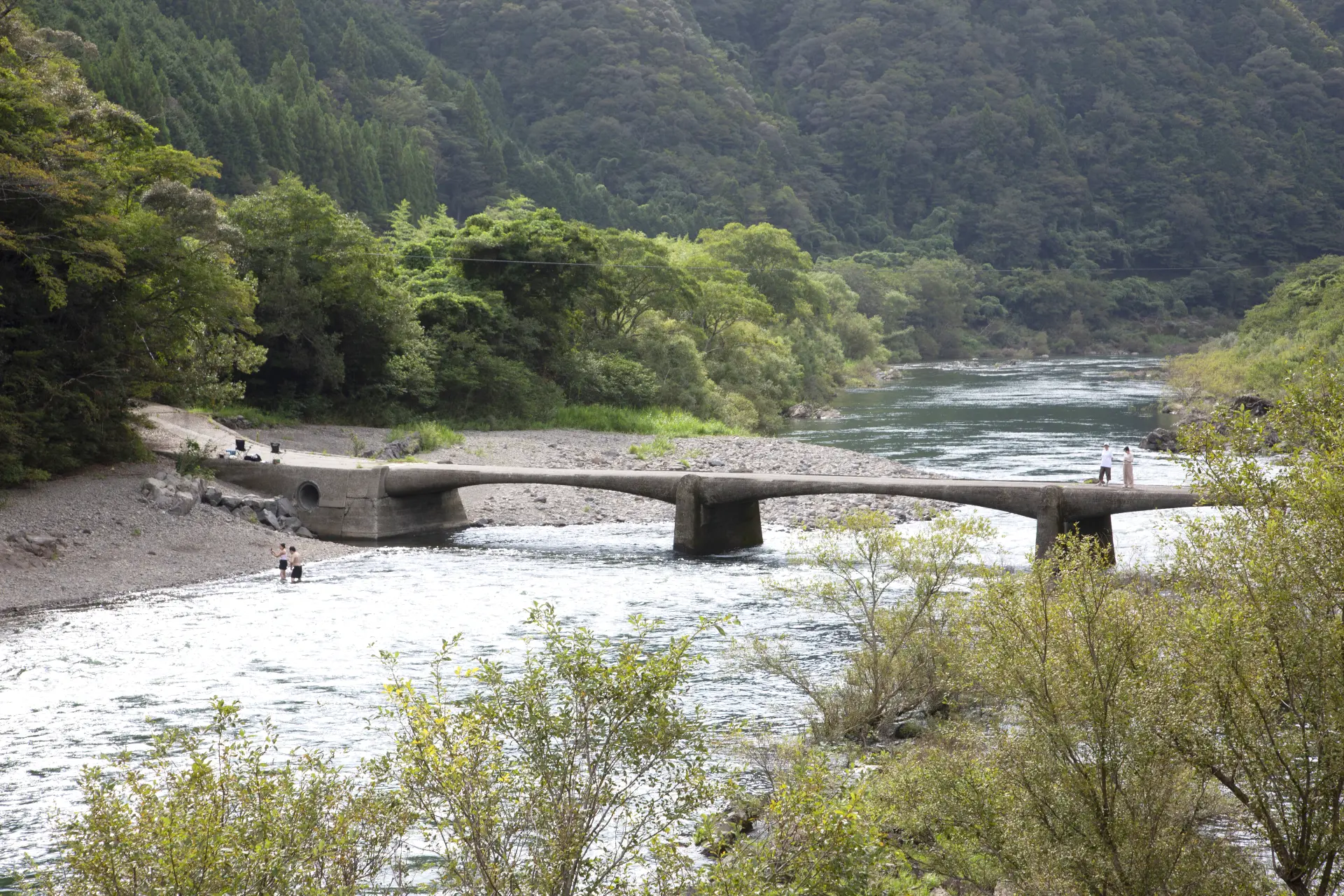
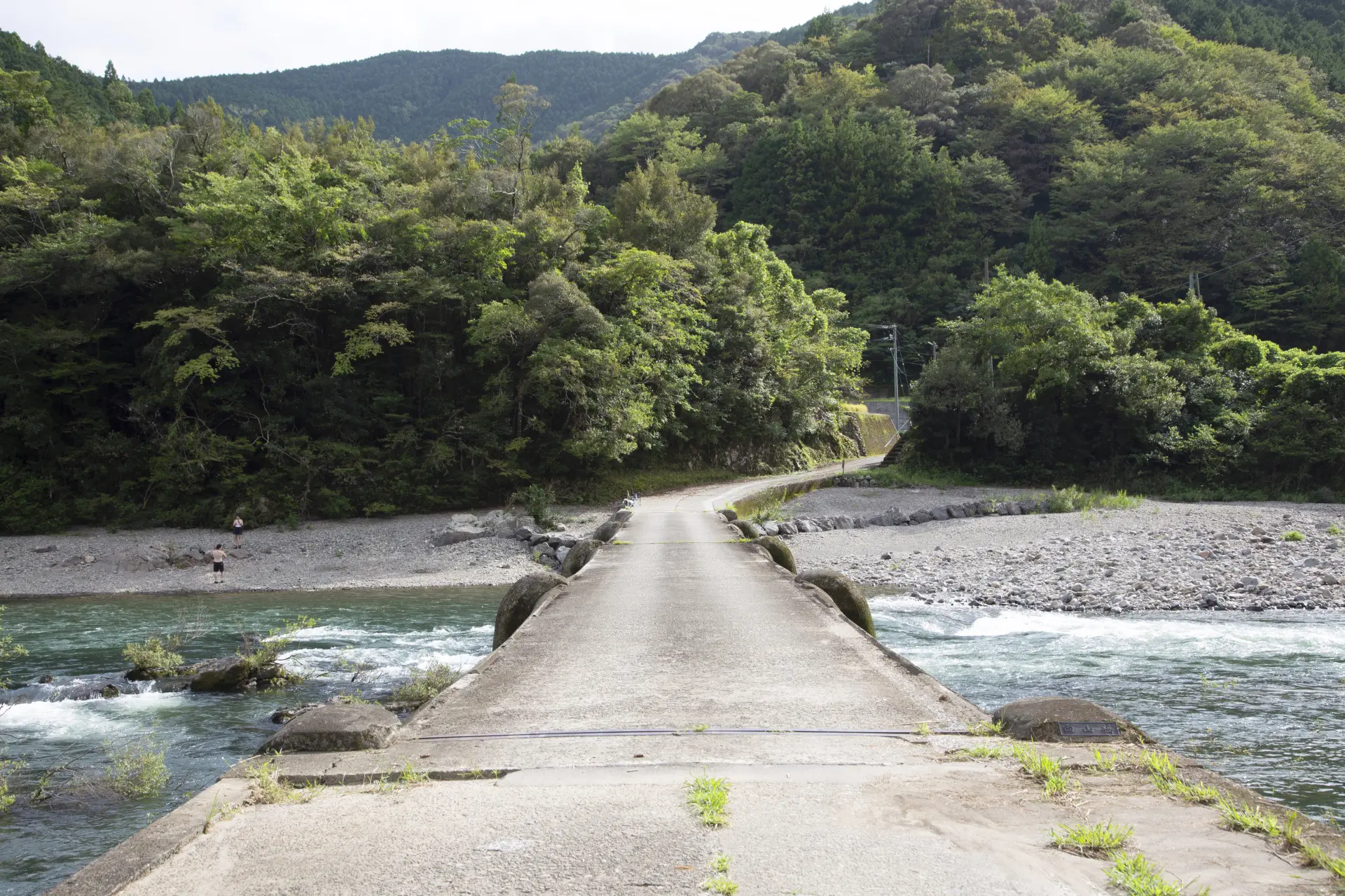
The day after discovering the story behind Dabada Hiburi at the brewery, explore places around Taisho recommended by its makers. The Shimanto River stretches for 196 km and has long been known as “Japan’s last pristine river,” partly because there are no large dams on its main course. Taisho lies along its middle reaches, in an area of abundant natural beauty where the Shimanto and Yusuhara rivers meet. Nearby sights include Ittohyo Submersible Bridge and Mukaiyama Bridge (Kamioka Submersible Bridge). Cycling, canoeing, rafting, and other activities offer ways to get closer to the natural environment that gave rise to Dabada Hiburi.
- Around 8:00 am Wake up and have breakfast
- Around 9:00 am Check out and head to the Shimanto River
- 10:00 am-noon Explore the river scenery and submersible bridges
- Noon-1:00 pm Enjoy a lunch featuring Shimanto’s local food
- 1:00-3:00 pm Try cycling or another Shimanto River activity
- Around 3:00 pm Leave for Kochi Ryoma Airport
Frequently Asked Questions about Mutemuka
Q
Can I tour the brewery?
Yes. Brewery tours are available with an advance reservation. Please book by phone at least one week before your visit.
Q
How do you recommend drinking Dabada Hiburi?
It works well neat, on the rocks, with water, or with soda water. To appreciate its mellow flavor, start by trying it neat or on the rocks, then enjoy it however you prefer.
Q
Are there places in Tokyo or Osaka where I can try Dabada Hiburi?
You can try it at places such as TOSASHIMIZU WORLD, Warayakiya, Doreba Kochi, and Marugoto Kochi.
Summary
Our journey to Shimanto in search of Dabada Hiburi brought us closer to the makers’ dedication and the appeal of the local cuisine. Discovering the connection between the place and its drinks through the bounty of the Shimanto River and encounters with local people is an experience you cannot find elsewhere. Taisho, Shimanto Town, is a mountain community well worth the journey, even though it is some distance from Kochi Station and Kochi Ryoma Airport. Visit if you would like to slow down, enjoy nature, and explore a townscape with a nostalgic feel.
Author
Writers & Editors
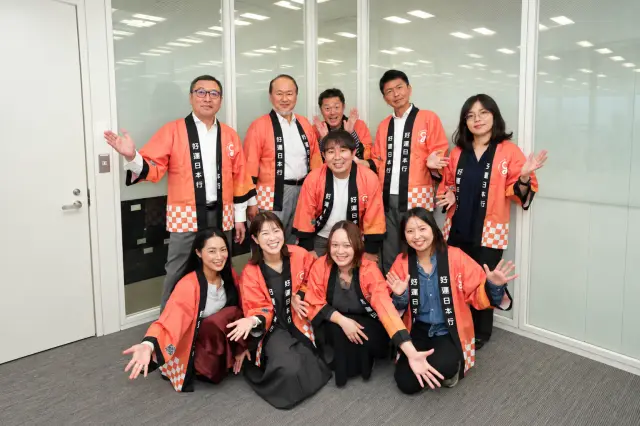
GOOD LUCK TRIP Editors
Sharing lesser-known ways to experience Japan with the world!