Tajimi Mosaic Tile Museum

Verified [Verified] denotes information that has been published with confirmation of its owing parties.

Tajimi Mosaic Tile Museum

A museum showcasing the many possibilities of mosaic tiles inside a curiously shaped building.

3.20 2

Last update :
Supervised by :  Tajimi Mosaic Tile Museum

Mosaic tiles are small tiles with a surface area of no more than 50 sq. cm. This museum opened in 2016 in Kasahara, Tajimi, Japan’s leading producer of mosaic tiles.
Its distinctive building, with earthen walls rising from bowl-shaped grounds, was designed by internationally acclaimed architect Terunobu Fujimori.

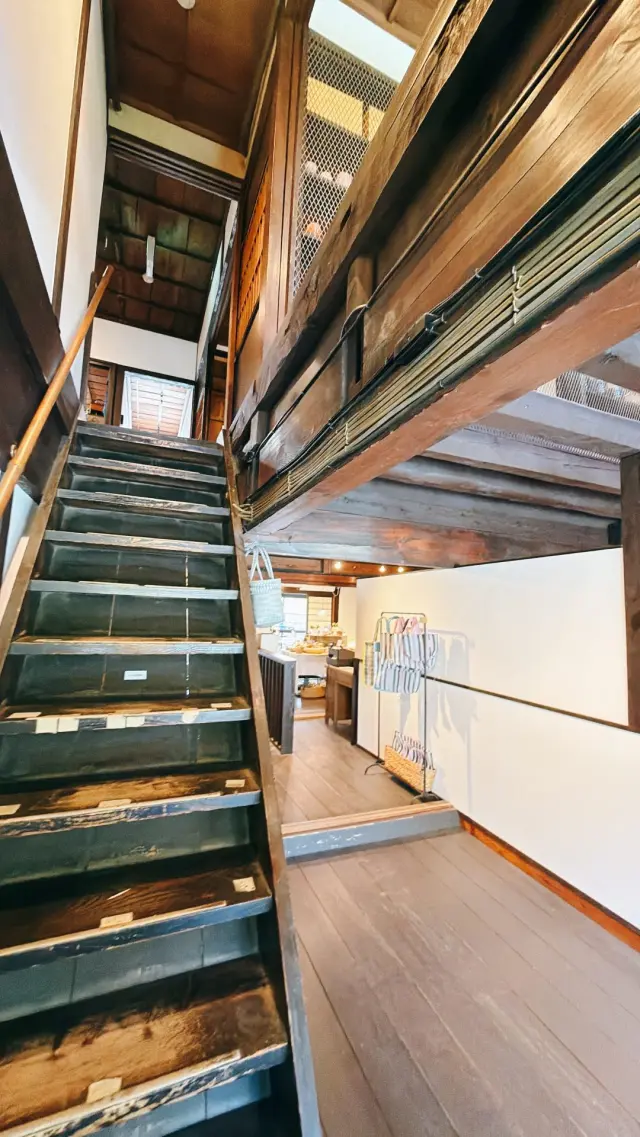
After entering the museum, first climb the grand staircase, designed like an earthen tunnel, to the fourth floor at the top. From there, make your way down through the museum while taking time to explore the exhibits on each floor.

The fourth floor is the museum’s main exhibition room, showcasing mosaic tiles selected by Terunobu Fujimori from its extensive collection. The entire floor is filled with a fascinating array of mosaic tile products and painted tiles.

The third floor introduces the tile manufacturing process and its history. Special exhibitions are also held in the adjoining gallery about three times a year.

The second floor is a showroom featuring the latest information on tiles, while the first floor houses a workshop studio and museum shop. At the workshop, visitors can try a popular craft activity in which they freely arrange tiles to create their own accessories. Reservations are required. Information is current as of July 2021.

Highlights

  • Take in the building’s distinctive exterior.
  • The fourth-floor exhibition of mosaic tiles selected by Terunobu Fujimori offers plenty to see.
  • The third floor provides an easy-to-follow introduction to the tile manufacturing process and its history.
  • Be sure to visit the workshop studio and museum shop as well.

Photos

  • The hill-like shape was inspired by the clay quarries where raw materials for tiles are extracted.©Akitsugu Kojima

    The hill-like shape was inspired by the clay quarries where raw materials for tiles are extracted.©Akitsugu Kojima

  • Natural light streams into the fourth-floor exhibition room, illuminating the sparkling “Tile Curtain.”©HAYASHI Masashi

    Natural light streams into the fourth-floor exhibition room, illuminating the sparkling “Tile Curtain.”©HAYASHI Masashi

  • In addition to a diverse range of tile artworks, the fourth floor displays tile-covered products from the past, including traditional cooking stoves and sinks.©Akitsugu Kojima

    In addition to a diverse range of tile artworks, the fourth floor displays tile-covered products from the past, including traditional cooking stoves and sinks.©Akitsugu Kojima

  • A section of the third-floor exhibition introducing a tool known as a hari-ita mounting board.©Akitsugu Kojima

    A section of the third-floor exhibition introducing a tool known as a hari-ita mounting board.©Akitsugu Kojima

  • Create your own accessory at the workshop studio.©Akitsugu Kojima

    Create your own accessory at the workshop studio.©Akitsugu Kojima

  • The museum shop’s fill-a-bag tile offer is especially popular.©Akitsugu Kojima

    The museum shop’s fill-a-bag tile offer is especially popular.©Akitsugu Kojima

Reviews

2

Some reviews are AI-translated.

  • 一個漸漸喜歡上慢旅的人
    See More

    If you like quieter small cities, I recommend Tajimi, just about a half-hour train ride from Nagoya. The moment I stepped off the train, I fully felt the charm of this historic pottery town, far from the hustle and bustle and filled with a relaxed atmosphere. It has long been one of Japan's major pottery centers and is known nationwide for Mino ware, a tradition passed down for a thousand years. Its deep-rooted craftsmanship can be felt throughout the streets and alleys.

    Besides strolling along the historic Honmachi Oribe Street and browsing the tasteful pottery shops lining both sides, you can feel the artisans' dedication everywhere.
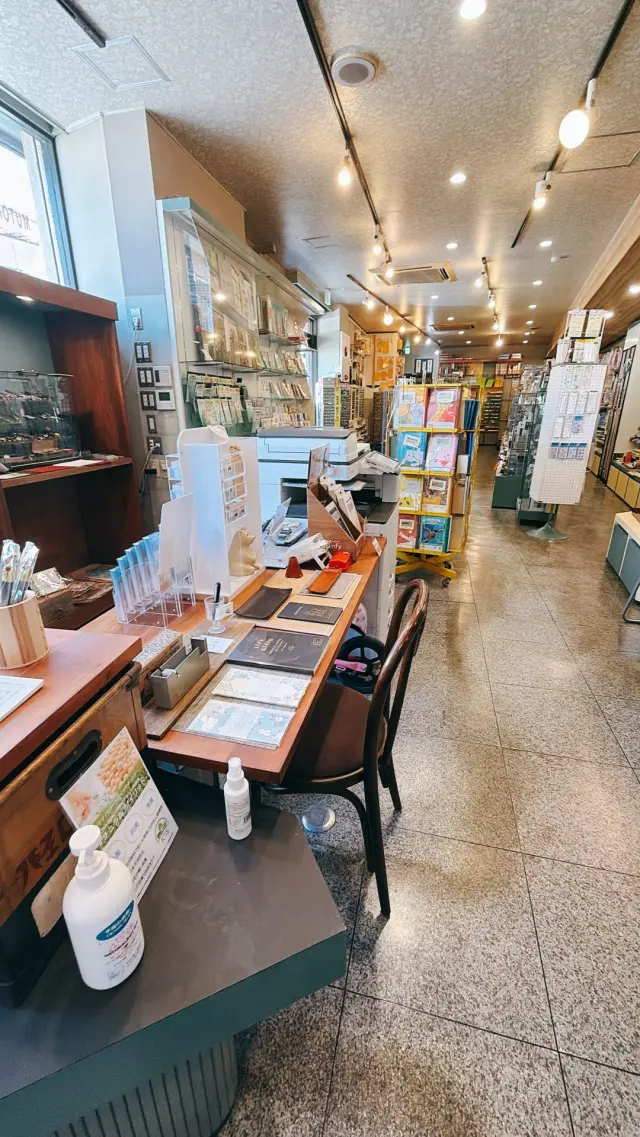
    When you get tired, enjoy fragrant soba noodles or charcoal-grilled eel over rice at the century-old restaurant Unagi no Uoseki. In the afternoon, stop by Kissahishiya Bunguten, which combines stationery with a retro space, for coffee and experience the pottery town's unique slow pace and cultural charm.
    It's a small town with a rich cultural heritage that's worth visiting.
  • Stan Lee
    See More

    The magic of mosaics is amazing! They create all kinds of unexpected fun.

Details

Name in Japanese
多治見市モザイクタイルミュージアム
Postal Code
507-0901
Address
2082-5 Kasahara-cho, Tajimi, Gifu Prefecture
Phone
0572-43-5101
Closed on
Mondays (or the following weekday if Monday is a national holiday), December 28–January 3
Hours
9:00 a.m.–5:00 p.m. (last admission at 4:30 p.m.)
Admission
Permanent exhibition: ¥310 for adults; free for high school students and younger
Access
About 17 minutes from Tajimi Station on the JR Chuo Main Line via the Tohtetsu Bus Kasahara Line; get off at Mosaic Tile Museum, located immediately by the bus stop
Credit Cards
Not accepted
Official website
Official website (Japanese)
Hokkaido Tohoku Kanto Chubu Hokuriku Kansai Chugoku Shikoku Kyushu Okinawa