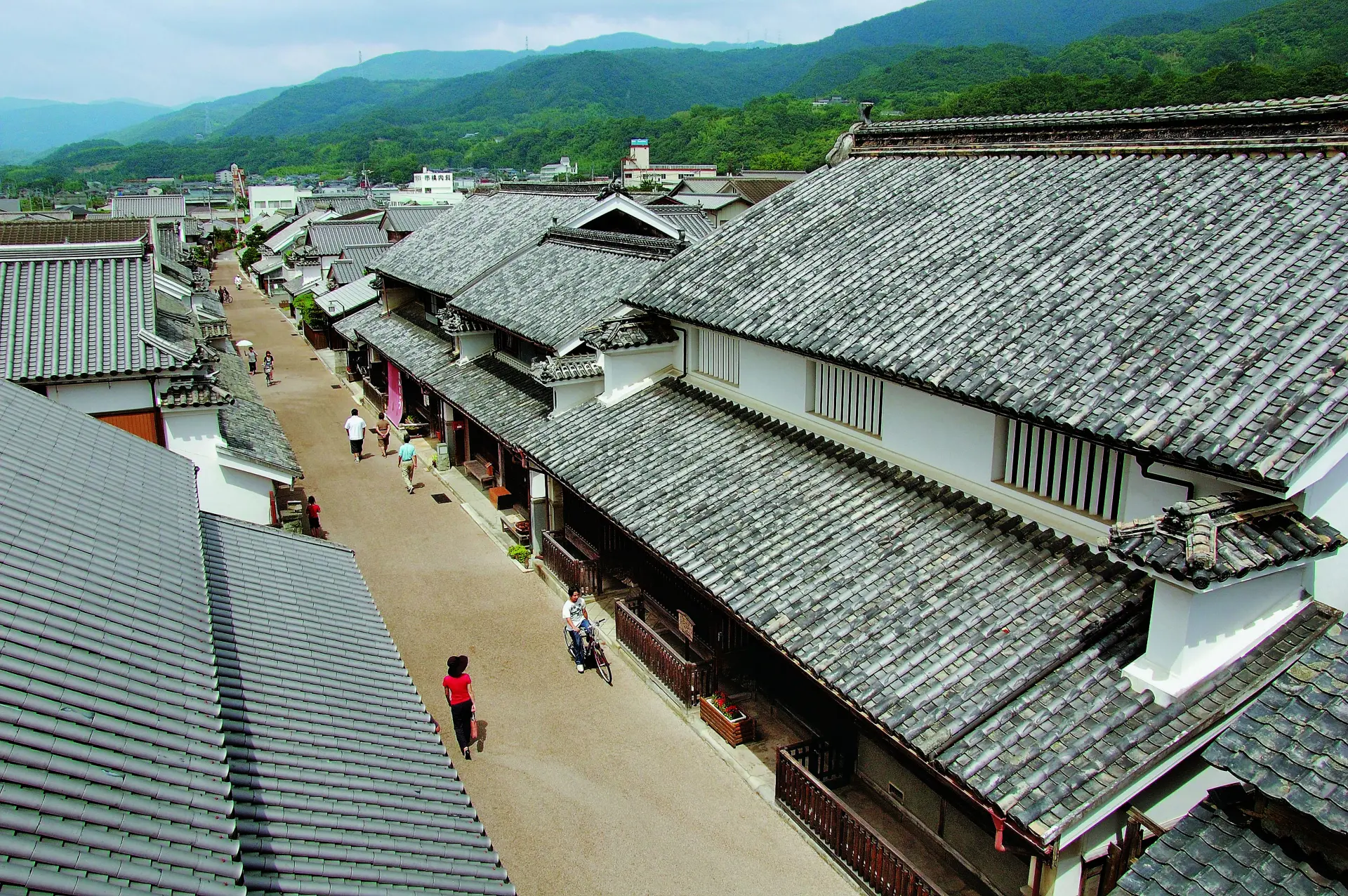
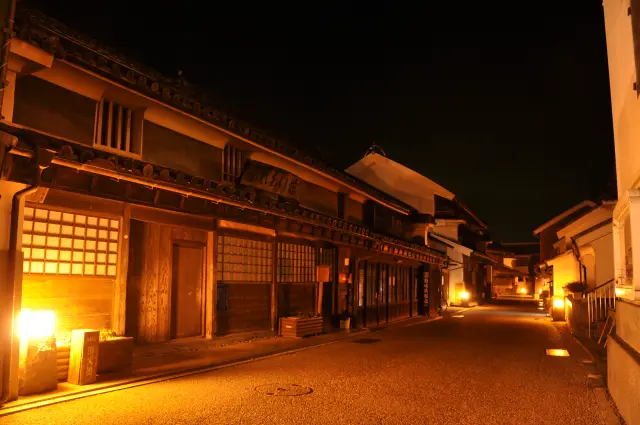
Wakimachi in Mima City began as a castle town during the Sengoku period and later flourished in the mid-Edo period as a distribution hub for indigo, which was widely produced at the time. Its townscape, preserving traces of the early modern and modern eras, extends for approx. 400 m and has a distinctive atmosphere.
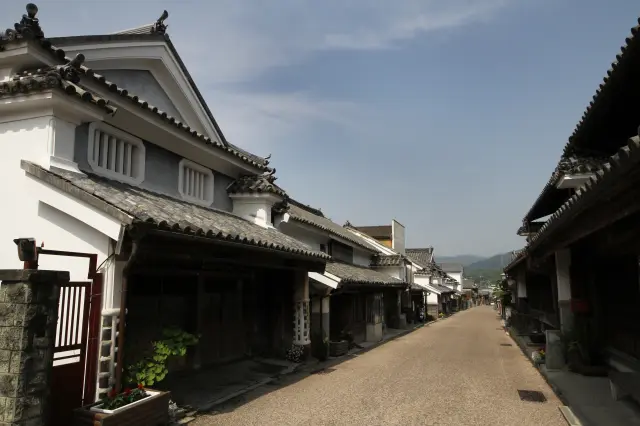
The town still has 85 residences built from the mid-Edo period to the early Showa period, mainly from the Meiji period. The oldest dates to Hoei 4 (1707), giving the area significant historical value, and it has been selected as an Important Preservation District for Groups of Traditional Buildings. A major feature of the townscape is the “udatsu” built between the first-floor roof and the second-floor roof of the houses. Early udatsu were built as fire walls to prevent fires from spreading to neighboring homes, but because they were costly, they gradually became strongly associated with decoration symbolizing wealth and status.
Visitors can tour the interior of the Yoshida Residence, the mansion of a wealthy merchant who made his fortune through indigo. Five buildings remain on the approx. 1,980-square-meter grounds, offering a glimpse of how prosperous merchants were at the time. For a break during your walk, stop by a restaurant or café renovated from an old private home, or visit the tourism exchange center.
Highlights
-
The historic townscape of Wakimachi, which prospered from the mid-Edo period.
-
-
Selected as an Important Preservation District for Groups of Traditional Buildings.
-
Called the “Udatsu Townscape” because fire walls known as “udatsu” can be seen on the houses.
-
Some houses are open for interior tours.