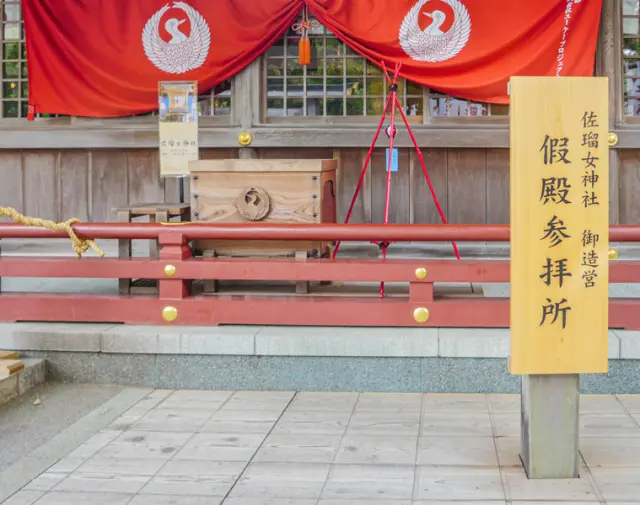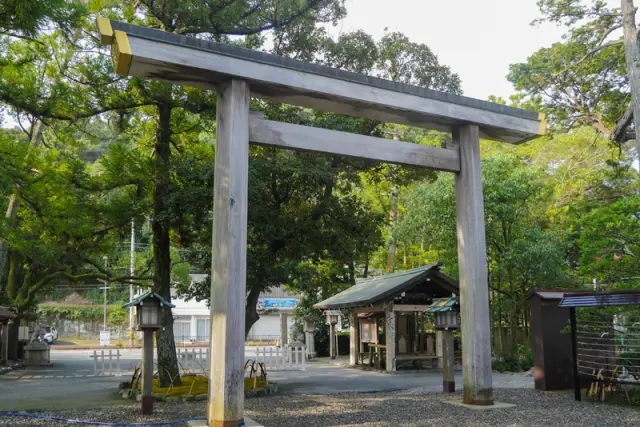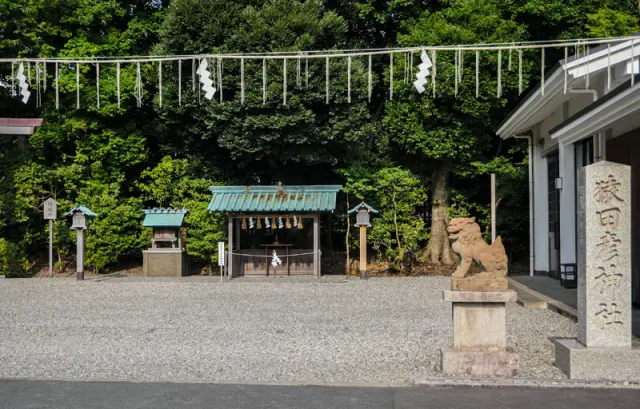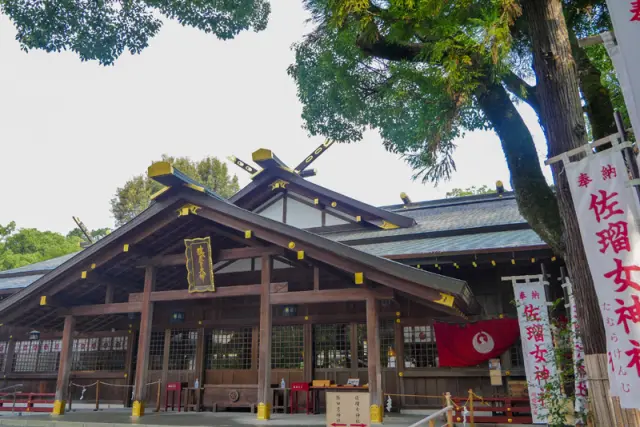
I really liked the atmosphere of worship here.
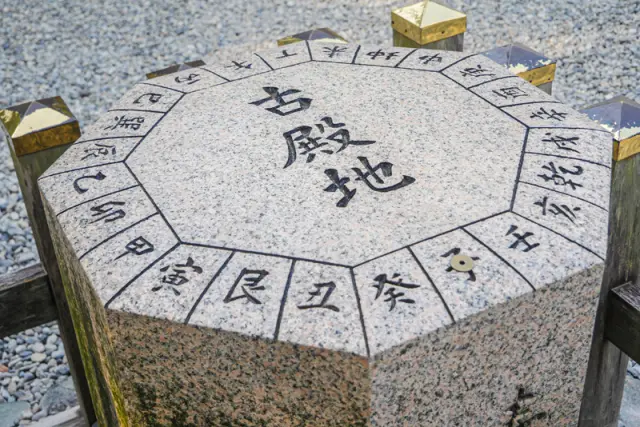
Compared with Ise Jingu, Sarutahiko Shrine has relatively fewer worshippers. It may be less lively, but that makes it easier to appreciate the buildings and every corner of the grounds at your own pace. I was especially impressed by the uncommon octagonal designs found throughout the shrine and the main sanctuary built in the distinctive Satahiko-zukuri style, with its unique double-gabled roof.
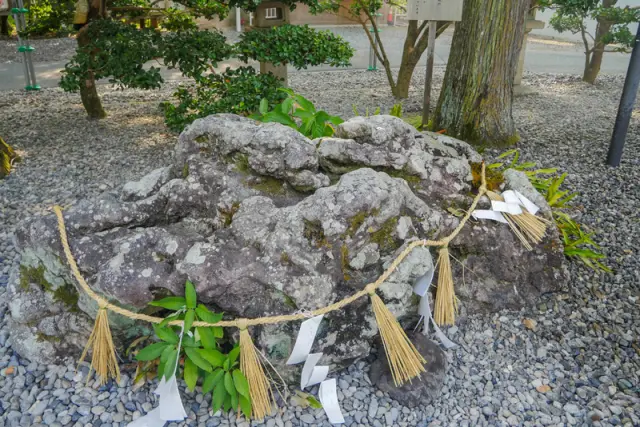
This architectural style, which differs from the forms commonly seen at most shrines, gives the entire shrine a distinct character. The grounds also have places worth seeing, such as the Direction Stone, Takara Stone, and Sarume Shrine. The Direction Stone is one of the features most closely associated with the shrine, giving physical form to the main deity's role in guiding people and providing a more tangible way to pray for good fortune.
Sarume Shrine, meanwhile, represents beliefs related to the performing arts and the repose of spirits, which showed me that even within the grounds of a single shrine, you can learn about different aspects of Japanese Shinto culture.
Overall, this isn't a particularly large shrine, but it has many details worth taking the time to observe. If you're not in a hurry, you can explore it slowly. It's not far from the Inner Shrine and Okage Yokocho area and can be reached on foot, so you can include them together in your itinerary and experience the character of this rare shrine in Ise that isn't affiliated with Ise Jingu.
All Reviews of Sarutahiko Shrine
3.13
2
- Overview
- Photos
- Reviews
- Basic Information
- Newest
- With Photos
- Most Liked
Showing 1–2 of 2
-
-
This is the only shrine in Japan dedicated to Konosuke Matsushita, the founder of Panasonic. You can visit it together with Ise Jingu.