• See More

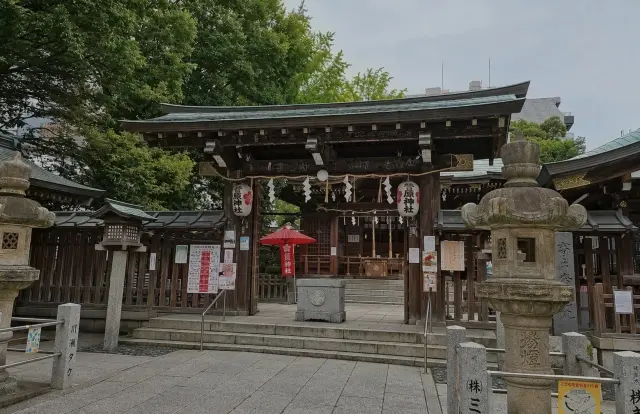
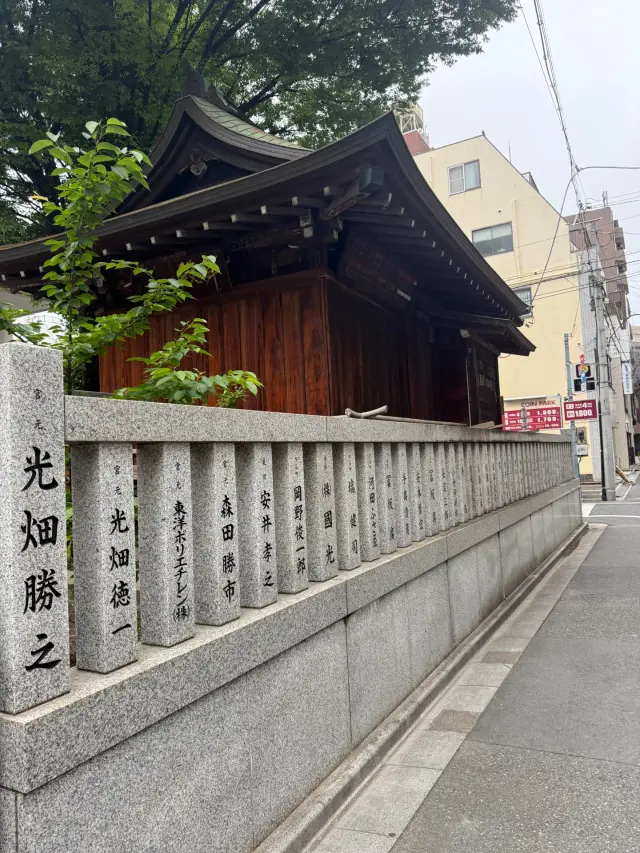
    This time, while walking around the Ueno area, I stopped by Shitaya Jinja. It’s only about a 3-minute walk from the station, which is really convenient. You can easily visit along the way without having to set aside extra time.

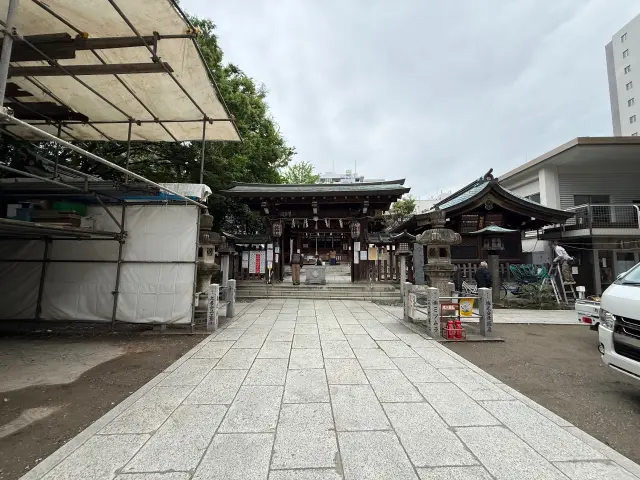
    Shitaya Jinja dates back to the Nara period and is one of Tokyo’s oldest shrines. It is also the origin of the area’s name. I had expected a shrine in the city to be fairly lively, but the grounds were surprisingly quiet and peaceful, with less noise and a greater sense of calm.

    Although it isn’t a very large shrine, it’s still quite nice to walk around and experience the atmosphere of a traditional Japanese shrine. If you’re planning to visit the Ueno area, you can stop by for a walk and say a prayer!
  • See More

    Before coming to Tokyo, I really liked the huge red lantern at Kaminarimon, so this time, instead of staying in busy areas like Shibuya or Shinjuku like everyone else, I chose to stay in Asakusa. Rather than spending all my time in a bustling downtown area, I prefer Asakusa's atmosphere—lively, but not so crowded that it feels overwhelming.

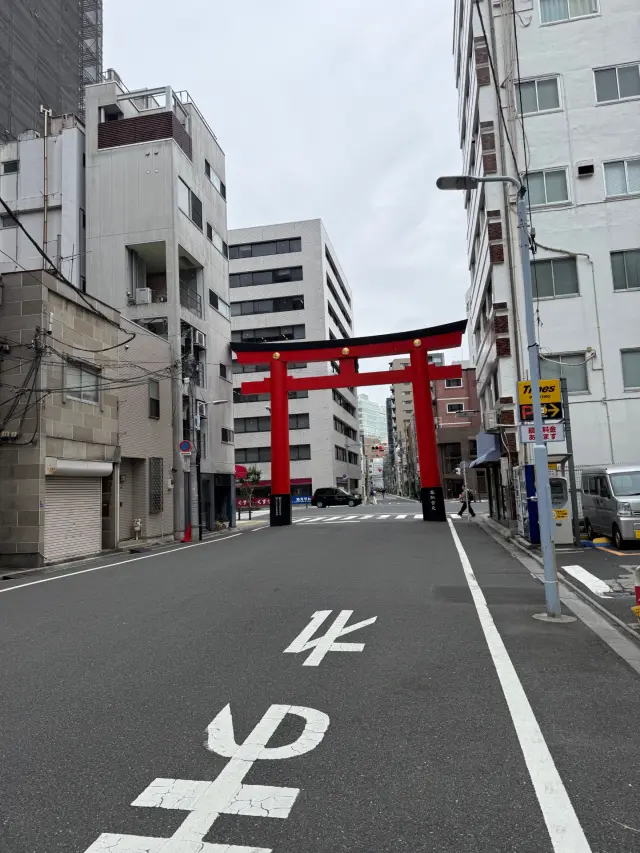
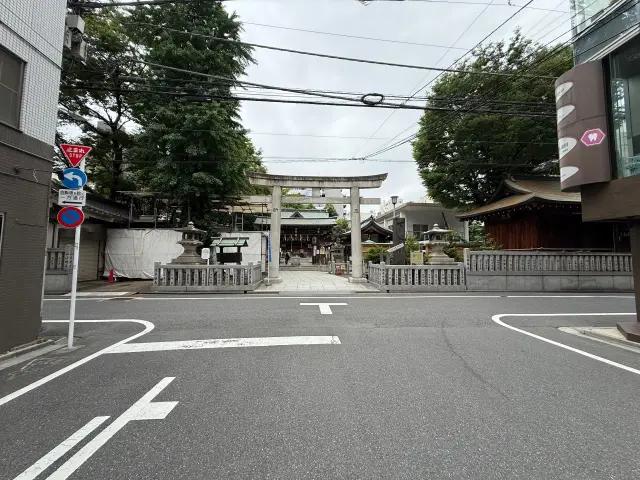
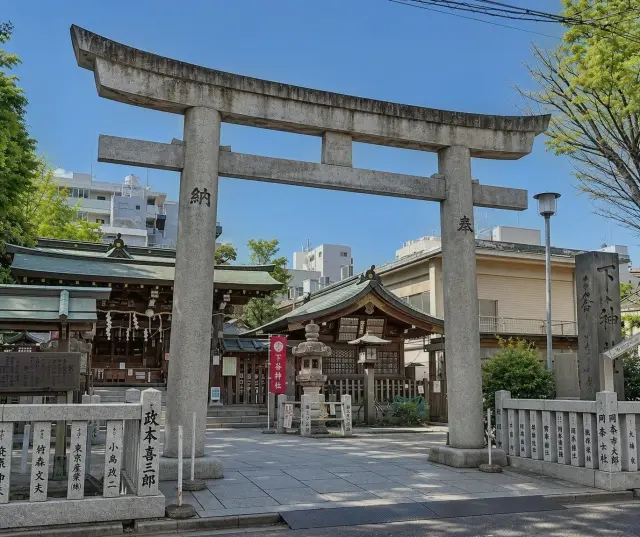
    Shitaya Jinja was a place I happened to come across during this trip. I was just strolling along the streets without any particular sights planned when I spotted the entrance to the shrine and realized there was such a charming place tucked away here.

    Once inside, there were fewer crowds than around Sensoji Temple and a greater sense of quiet. The red torii gates and traditional shrine buildings blend naturally with the surrounding Tokyo streets, giving it an everyday feel. Sometimes that's what travel is like—when you don't plan out your itinerary in detail, you end up discovering small places you never expected

  • See More

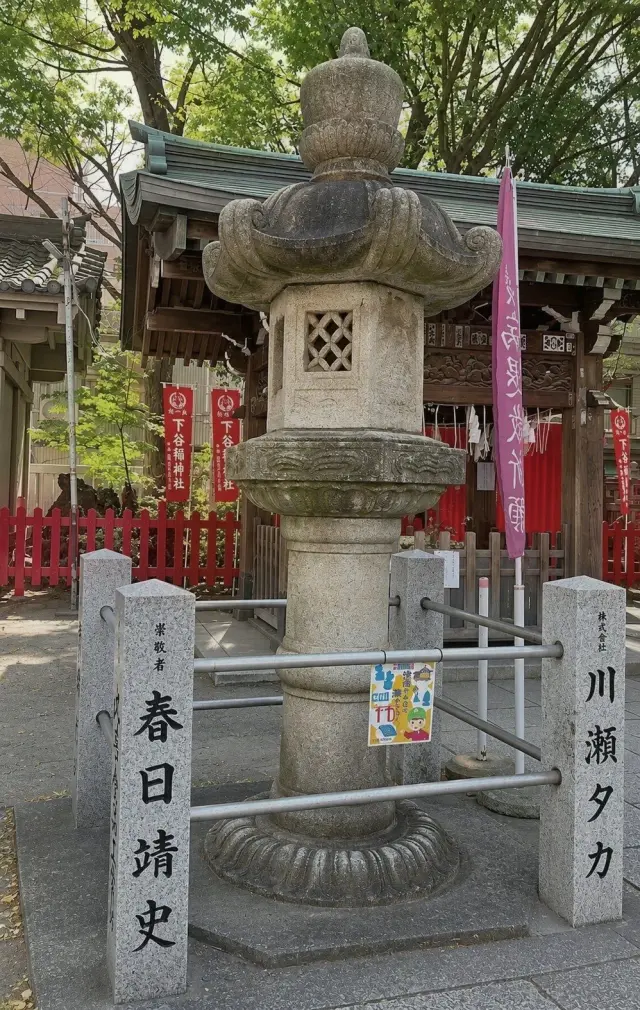
    This is the oldest Inari shrine in Tokyo. Every time I visit, I always get a goshuin stamp here.

Hokkaido Tohoku Kanto Chubu Hokuriku Kansai Chugoku Shikoku Kyushu Okinawa