• See More

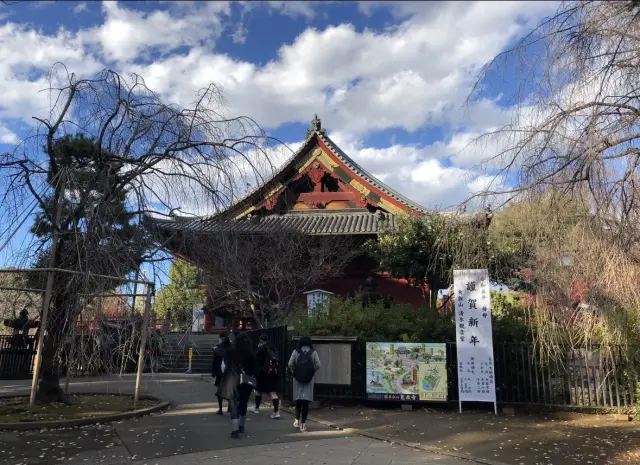
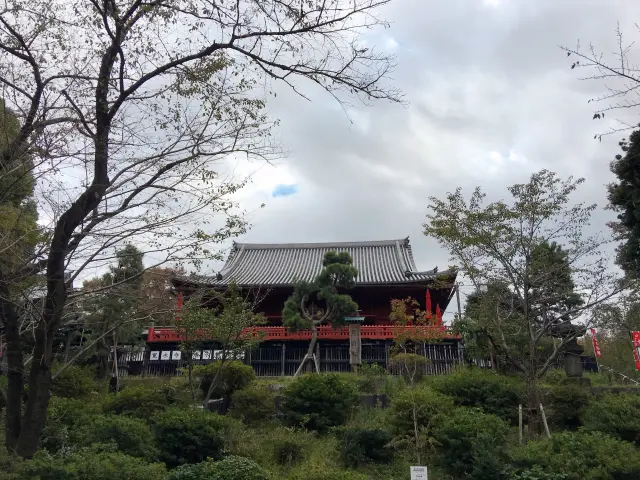
    While visiting the area around Ueno Park, I made a special trip to Kan'ei-ji Temple. I had always thought of it as a temple steeped in history, but once I arrived, I realized that the atmosphere here was very different from the lively streets around Ueno Park.

    The area around the temple is very quiet and peaceful, without the bustle of a tourist attraction and with a greater sense of calm and solemnity. As I approached the Konpon Chudo, I could feel the rustic, historic character of the building, and the overall surroundings naturally made me slow down.

    Inside the hall, what caught my eye most was the dragon deity mural on the ceiling. It was truly magnificent and impressive to look up at. Unfortunately, photography is prohibited inside the temple, so I could only take it in with my own eyes and preserve the scene in my memory.

    Kan'ei-ji was an important temple of the Tokugawa shogunate and the family temple of generations of Tokugawa shoguns. It also witnessed the history of the final years of the shogunate. The Battle of Ueno during the Boshin War took place in this area, and Tokugawa Yoshinobu, the last shogun, once lived in seclusion within the grounds of a temple associated with Kan'ei-ji.

    After visiting, I felt that this was more than simply touring a temple. It was more like stepping into a chapter of Japan’s Edo-period history. It isn’t a lively tourist attraction, but if you’re interested in Japanese history and culture, it’s definitely worth adding to your visit to Ueno.
  • See More

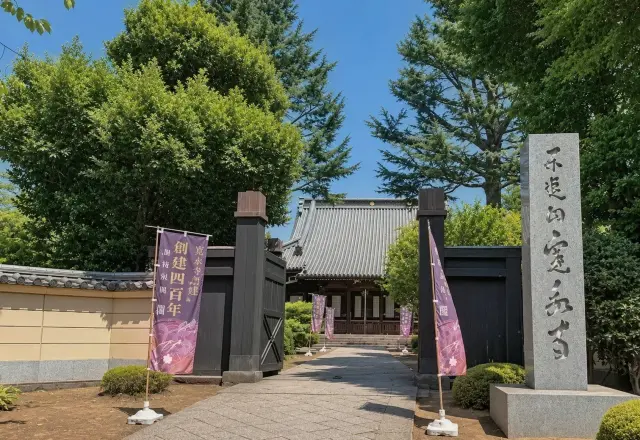
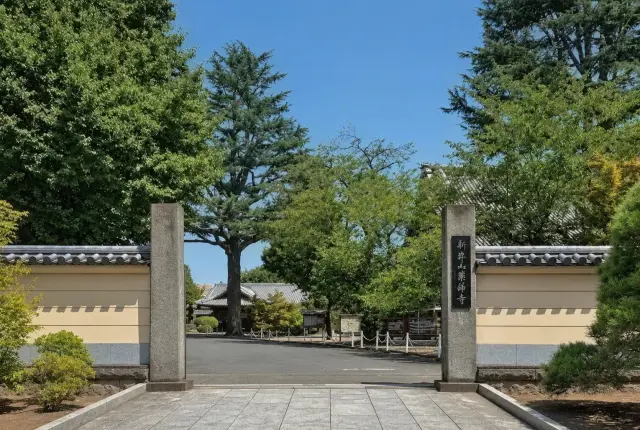
    Ueno Park is vast. In addition to the zoo and art museums, there are many historic temples, and even a full day isn't enough to see everything. Once, while walking through the park, I unexpectedly came across Kaneiji Temple. It sparked my curiosity and made me want to learn about the historical background of its construction. Kaneiji Temple was founded in 1625 by High Priest Tenkai, a close confidant of Tokugawa Ieyasu. It was built to pray for the stability of the shogunate and peace throughout the land, and it was also an important temple for the Tokugawa shogun family. The temple grounds were once enormous, covering the entire area that is now Ueno Park. Most of its buildings were destroyed by fire during the Battle of Ueno at the end of the shogunate, but you can still feel the solemnity and historical depth of this ancient temple today. Walking through the grounds, the atmosphere forms a striking contrast with the lively park, naturally making you slow down and take in the traces of the Edo period left behind by time.

  • See More

    While passing by Kaneiji Temple, I noticed that the temple's architecture had a quaint, traditional Japanese feel, so I took a photo as a keepsake. Although I hadn't specifically planned to go inside this time, it was still charming to come across it by chance.

    Sometimes that's how traveling is. Places you didn't plan to visit can turn out to be pleasant little surprises when you happen to pass by.

  • See More

    I was originally just stopping by, but I didn’t expect Kaneiji Temple to have such a long history. The trees are lush, and it felt especially nice to walk around. It has a peaceful feel, tucked away from the bustle.

  • See More

    Take a trip to the historic Kaneiji Temple. In recent years, it’s become a popular spot thanks to the NHK Taiga drama 'Atsuhime,' which brought in lots of visitors.

  • See More

    There are three wooden Yakushi Buddha statues inside the temple, and they’ve even been designated as important cultural properties by the Japanese government. The atmosphere inside feels really solemn.

Hokkaido Tohoku Kanto Chubu Hokuriku Kansai Chugoku Shikoku Kyushu Okinawa