You can see the Tsunoshima Bridge and the ocean right outside the window. On a nice day, the view is absolutely beautiful. The food itself is pretty standard—mostly Western-style or simple dishes. Nothing too surprising, but the scenery really makes the meal more enjoyable. The atmosphere is comfortable and perfect for taking photos. If you're visiting Tsunoshima and want a place to relax, enjoy the view, and take it slow, this spot is a great choice for a meal with a view.
Gran Vista Tsunoshima | Review by Angel Chung
Other Reviews by Angel Chung
-
Futagami Mountain Manyo Line
Mt. Futagami, with an elevation of Approx. 274 meters, stands near the border between Takaoka City and Himi City in Toyama Prefecture. The Futagami Mountain Manyo Line is an Approx. 8-kilometer scenic driving route that runs along the mountain ridge. On clear days, it offers spectacular views of Toyama Bay and the Noto Peninsula on one side, and the Tateyama Mountain Range on the other. From the observation deck near the summit, you can take in a panoramic view of Takaoka City.
The scenery is seriously great. As you walk, you get mountain views, countryside scenery, and a super relaxing rural atmosphere. The whole route isn’t too hard, though there are a few small uphill stretches, so it’s perfect for walking and chatting.
The Manyo poetry monuments along the way add a lot of charm too. They give the walk a nice mix of culture and romance. Highly recommend it on a clear day. The photos turn out great, the air feels fresh, and it’s the kind of walking route that leaves you in a better mood by the end. -
Negoro-ji Temple
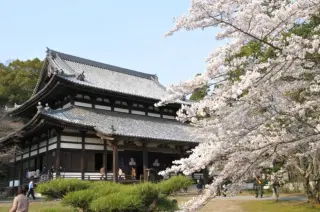
Negoro-ji Temple is the head temple of the Shingi Shingon school, located in Iwade City in northern Wakayama Prefecture, with a tradition spanning Approx. 900 years since its founding. The grounds are vast, covering 3.5 million square meters, and include many historically significant buildings, such as the Important Cultural Property Dendenpo-do Hall, which enshrines three statues including Dainichi Nyorai, also an Important Cultural Property. The National Treasure Daito Pagoda, measuring 40 meters tall and 15 meters wide, is among the largest in Japan.
The whole temple complex is huge and really solemn. Walking around, you feel especially calm and at peace.
Cherry blossoms in spring and maple leaves in fall—so beautiful and super photogenic.
If you’re into that quiet, serene vibe of old Japanese temples, this place is absolutely worth a visit!
-
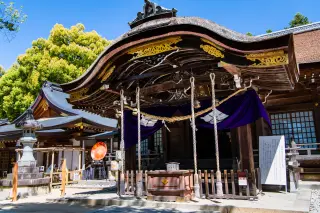
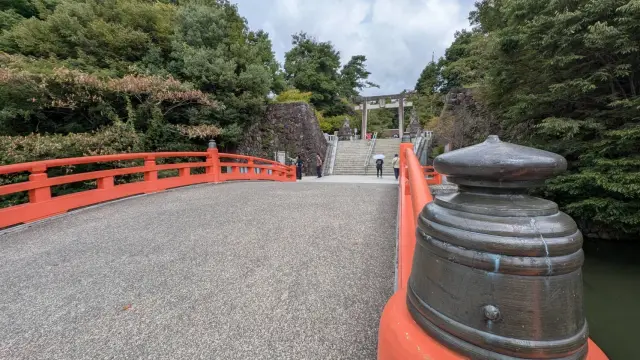
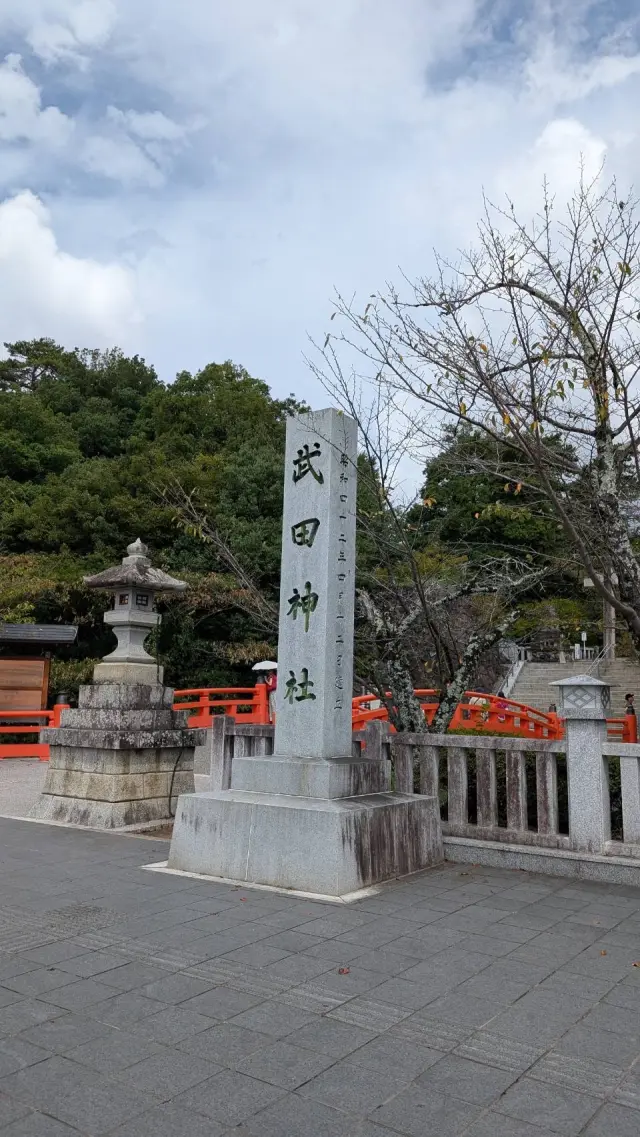
Takeda Shrine
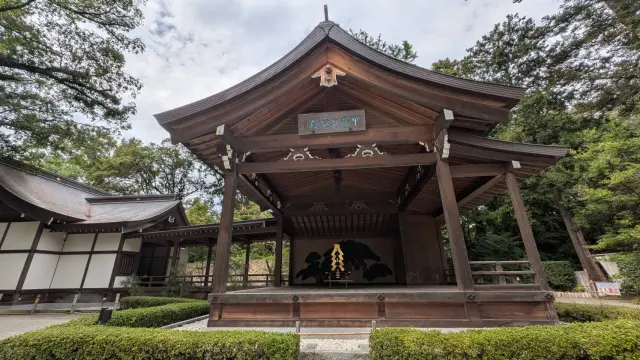
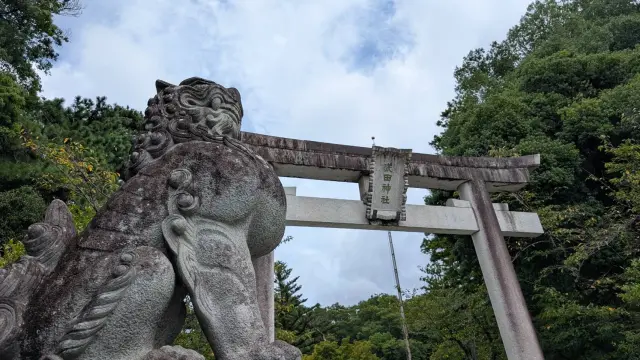
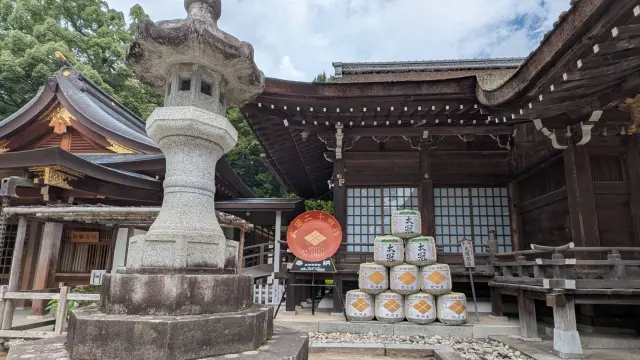
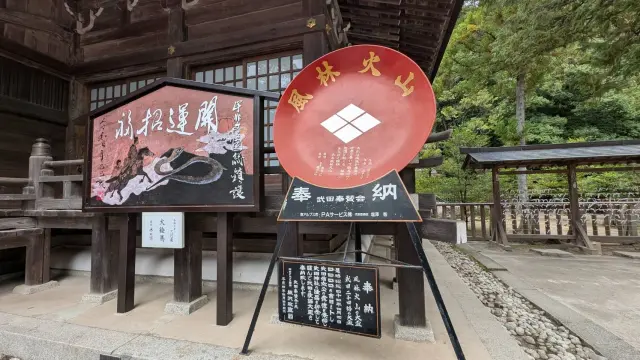
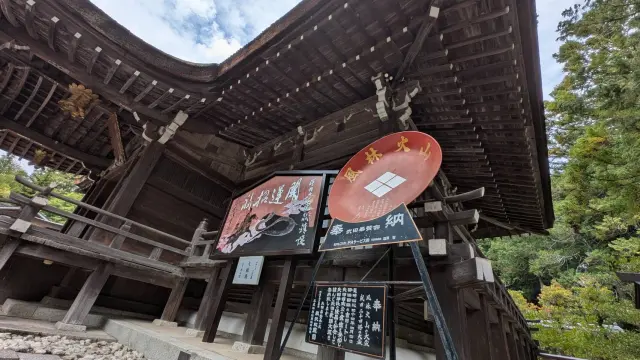
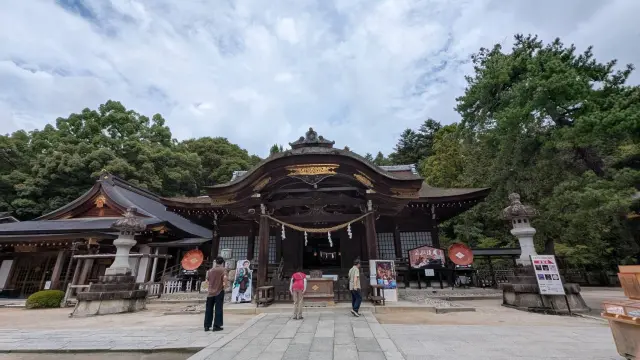
Takeda Shrine venerates Takeda Shingen, a famed warlord from the Sengoku period. It is said to offer blessings for prosperity in business, good luck, victory fortune, and protection from evil. The shrine is particularly famous for its victory fortune blessing and also for blessing those who strive to overcome themselves.
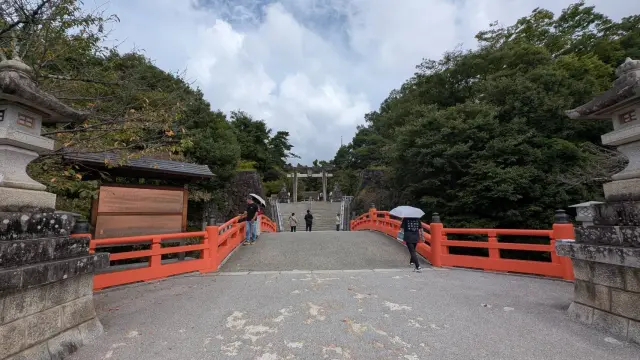
There are old wells, stone walls, and the remains of former residences on the grounds. If you love Japanese castle ruins or Sengoku history, it's definitely worth taking your time to explore.
-