

It's totally different from typical Japanese temples and shrines. The cultural contrast is pretty striking.
Tokyo Fukkatsu Daiseido (the Holy Resurrection Cathedral in Tokyo); Nicholai-do | Review by CHU-CHEN99
Other Reviews by CHU-CHEN99
-
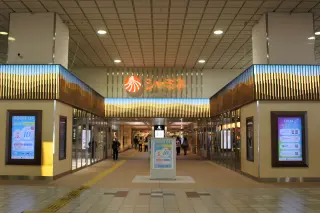
Shamine Tottori
Directly connected to JR Tottori Station, this shopping center is popular not only with locals for everyday use, but also with visitors to the prefecture, and stays lively day and night.
It’s a great place to stop by before catching your train or right after arriving, and it won’t waste your time. If you want to pick up all your Tottori souvenirs in one go, this place pretty much has you covered.
-

Kanda Myojin
Kanda Myojin is a historical shrine famous for bestowing its blessings in marriage and business prosperity, enhancing luck in battle while warding off danger and disaster. Located in Tokyo's central business district, many firms come to worship at the beginning of the year, as this shrine cannot be ignored if seeking fortune in business.
The shrine is clean and well-maintained. You can really tell they take good care of it. It doesn't feel touristy at all, so if you like peaceful places, you'll love it here.
-
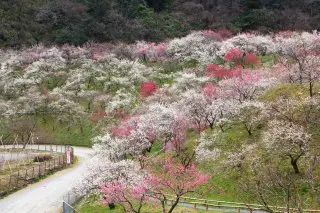
Takao Plum Village
Takao Plum Village consists of eight plum groves: the Plum Tree Road starting from Kamikunugida Bridge over the old Koshu-kaido road, Sekisho plum grove, Tenjin plum grove, Arai plum grove, Yunohana plum grove, Surusashi plum grove, Kogesawa plum grove, and Kobotoke plum grove, and it takes about 1.5 hours one-way to walk through them all.
Springtime here is absolutely stunning! The whole valley is covered in plum blossoms—so relaxing and beautiful. I never expected to find such a hidden plum blossom spot so close to Tokyo. What a pleasant surprise!