

There are lots of interactive elements inside—you’ll be using your ears, your hands, and even taking in the vibe of the space. The whole experience is pretty fun, and you won’t get bored.
Kankaku Museum | Review by 謝映嵐
Other Reviews by 謝映嵐
-
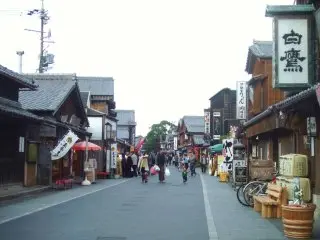
Oharai Machi, Okage Yokocho
In front of the Inner Shrine of Ise Jingu Shrine, there's a street called Oharai Machi that bustles with numerous worshippers every year. From the Edo Period to early Meiji Period, many people called Onshi lived here and performed Shinto dance and music for their worshippers (Oharai), thus, the name Oharai Machi is believed to have come about.
It really has that classic Japanese old-town feel, and the whole street is super fun to explore. Once you start walking and snacking, it’s hard to stop.
There are lots of local Ise foods and souvenirs, and the atmosphere is lively without feeling too chaotic. The wooden streetscape also looks great in photos.I’d recommend going on an empty stomach. Akafuku, Ise udon, and the other local specialties are definitely worth trying. It does get crowded on weekends, but it still feels like the kind of place that makes you want to slow down and wander around.
-
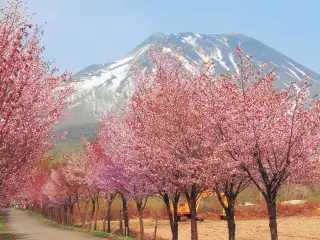
Mount Iwaki
Mount Iwaki, selected as one of Japan’s 100 Famous Mountains, rises to 1,624 meters, the highest elevation in Aomori Prefecture. Locally nicknamed “Oiwakisan,” it is also known as “Tsugaru Fuji” for its beautifully spreading shape over the Tsugaru Plain. Its form, visible from almost anywhere in the surrounding area, makes it a hugely popular photo subject.
The whole mountain feels so grand and has a real presence. Even from far away, it looks like a painting.
The air around it is super clean, and the drive up or the ride on the ropeway is really pleasant.
On a clear day, the view from the top is amazing. You can see all across Aomori. -
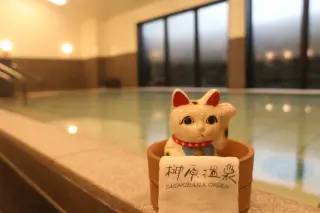
Sakakibara Onsen
Located in Tsu City, Mie Prefecture, Sakakibara Onsen is one of Japan’s most celebrated hot springs, praised by the Heian-era poet Sei Shonagon in The Pillow Book as one of the nation’s “Three Famous Springs.” It has long been known as the purifying bath of the Saio, the imperial princess who served at Ise Grand Shrine, and is still affectionately called “Miya no Yu” (The Shrine’s Bath) by locals. Even today, many visitors stop here to cleanse themselves before making their pilgrimage to Ise.
The environment is really peaceful and not too commercialized, which makes it great for relaxing and recharging. There are some small inns and Japanese gardens nearby, so after soaking in the hot spring, you can take a stroll and just slow down. It's especially nice if you want to get away from the hustle and bustle and just rest.