

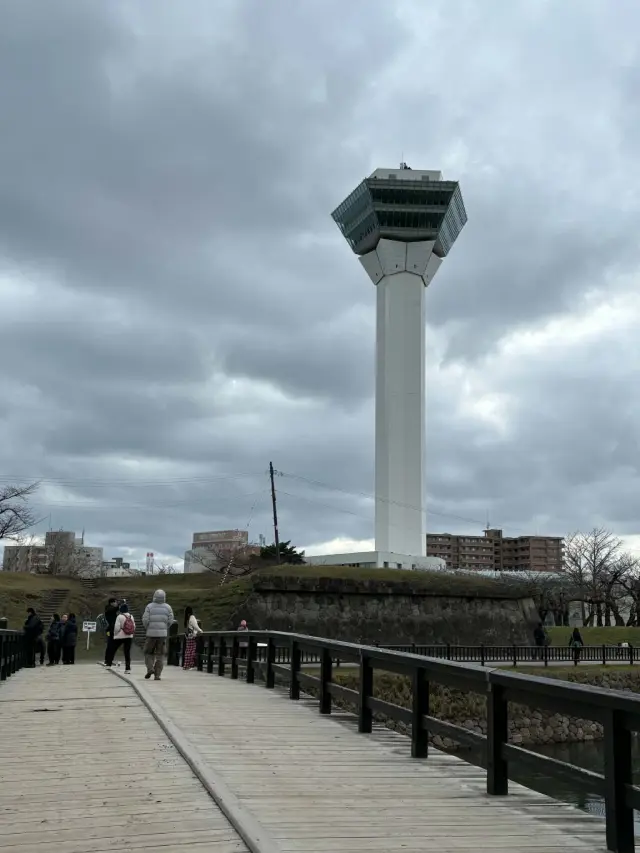
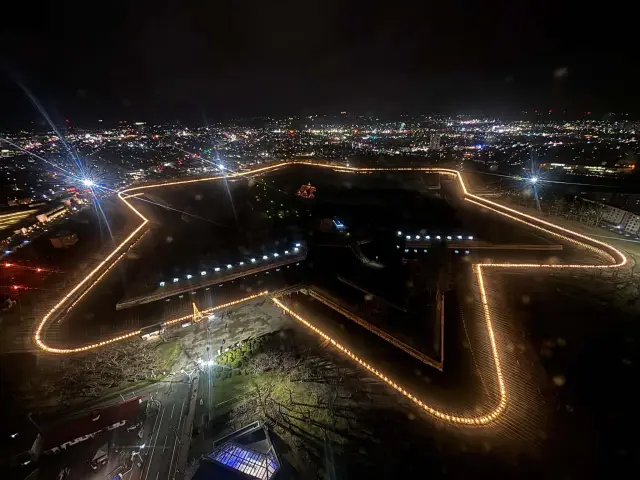
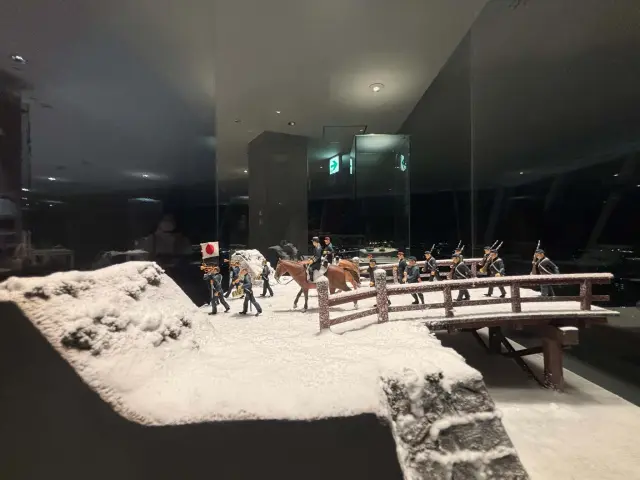
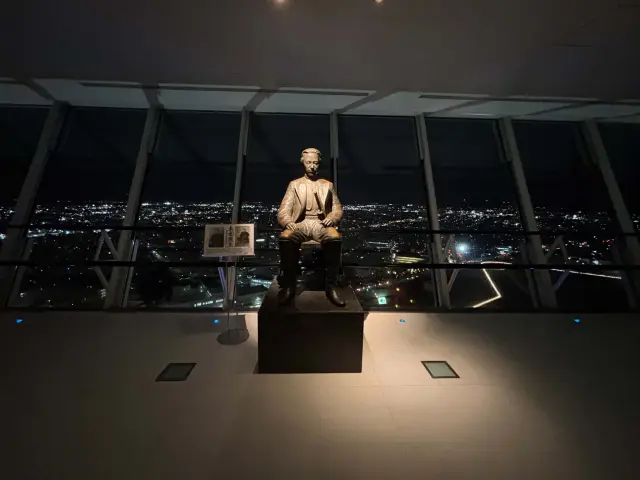
Goryokaku Tower is a popular spot overlooking Goryokaku Fort, with a different look in each season. Inside the tower is the Goryokaku History Corridor, which uses detailed miniature models to introduce the turbulent history of the Battle of Hakodate and Goryokaku. History buffs shouldn't miss the impressive bronze statue of Hijikata Toshizo. The souvenir shop on the first floor has a wide selection, including distinctive gifts to take home!
Goryokaku Tower | Review by Linda Liao
Other Reviews by Linda Liao
-

Hakodate Yunokawa Hot Spring
Yunokawa Hot Spring, visited by 1.35 million people annually, is one of Hokkaido's three major hot spring resorts. It's believed to have originated in 1653 when the 9th lord of the Matsumae Domain, Takahiro, recovered from a serious illness through its healing waters. During the Battle of Hakodate, it's also said that the former Shogunate army leader, Takeaki Enomoto, took to these waters for recuperation, attracting many for its reputed benefits.
While looking up attractions in Hakodate, I was surprised to find that Yunokawa Hot Spring was accessible by streetcar, so I planned a little trip there. In addition to hot spring inns, there is a free footbath called “Yumeguri Butai” next to the streetcar stop, where you can stop and soak your feet when you get tired from walking. Nearby Yukura Shrine is also worth a visit. The shrine grounds have an adorable sacred rabbit messenger called “Kami-Usagi,” as well as charmingly designed amulets that are hard not to linger over.
For lunch, I happened to wander into a family-run restaurant called Aoi Shokudo. The simple restaurant was run by a husband and wife, with the news playing on TV, giving it a very local, everyday atmosphere. I unexpectedly ordered tofu in broth with cod milt. The milt was smooth and delicate, with a rich, milky texture that paired especially gently with the tofu, leaving a lasting impression.
-
-

Motomachi Roman Catholic Church
Built by French missionary Father Mermet de Cashon when he entered Hakodate in 1859, the Motomachi Roman Catholic Church was rebuilt in 1910. It adopts the 12th-century Gothic architectural style, featuring a pointed bell tower soaring 33 meters high, a distinctive feature of the church. It is one of the oldest Catholic churches in Japan, alongside those established in Yokohama and Nagasaki.
That evening, I was hurrying to catch the Mt. Hakodate Ropeway to see the night view when I happened to pass by Motomachi Roman Catholic Church and couldn't help but stop. Illuminated by warm yellow lights, the white building looked especially elegant, with the outlines of its spire and rounded tower clearly visible. The most distinctive feature was the rooster ornament at the top of the spire, adding a touch of whimsy to the solemn church. The church dates back to 1859 and was rebuilt in 1923 after a fire. The current building incorporates Gothic-style architecture, and the altar inside was donated by Pope Benedict XV. I had only planned to pass by quickly, but it unexpectedly became a beautiful sight on my evening walk.
-
-

Atre Shinagawa
This commercial establishment located inside the station has a chic and stylish atmosphere reminiscent of New York. There are shops and restaurants located on the 2nd to 4th floors of the building.
Shinagawa Station is a major transportation hub in Tokyo, so naturally there are many commercial facilities around it. Whenever I pass by Atre Shinagawa, I can't help but go in for a look around. Its biggest advantage is that it's directly connected to the station, making it very convenient to fit in some shopping as soon as you exit. Compared with the designer boutiques in department stores, I prefer the shopping atmosphere here. You can take your time discovering lesser-known Japanese clothing brands, household goods, and all kinds of thoughtfully designed Japanese products, and often come across interesting little items unexpectedly. If you get tired from shopping, you can also stop by Blue Bottle Coffee for a drink and enjoy a relaxing break.
-


