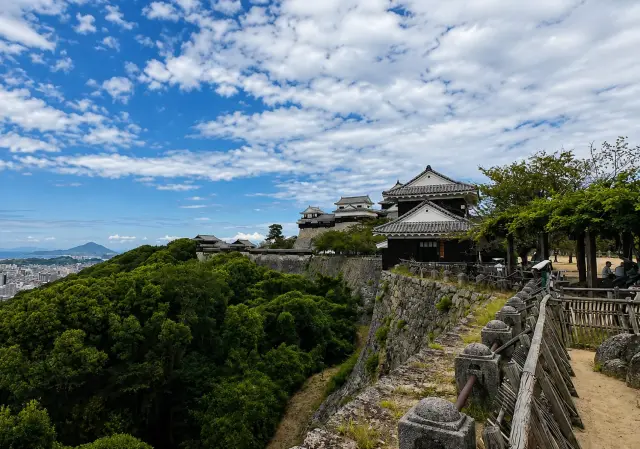
When visiting Matsuyama in Shikoku, you absolutely can't miss Matsuyama Castle!
Known for its reputation as being "impregnable," it is also the most iconic symbol of Matsuyama City. There are 21 National Important Cultural Properties, including the castle keep. Once inside, it was even more impressive than I had imagined. The historic buildings and expansive views look great in every photo, and there weren't too many visitors, so it was very comfortable to explore. As I took in the castle scenery along the way, I couldn't help but exclaim, "It's so beautiful!" If you're traveling to Shikoku, Matsuyama Castle is definitely worth adding to your itinerary!
Matsuyama Castle | Review by wendy
Other Reviews by wendy
-
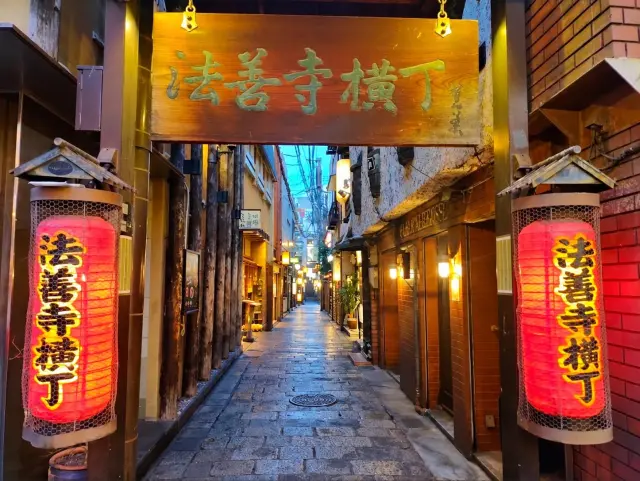
Hozenji Yokocho
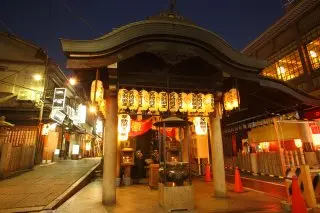
“Hozenji Yokocho” is two stone-paved alleys in the grounds of Tenryuzan Hozenji Temple of the Jodo sect of Buddhism, and has been one of Japan’s most popular tourist attractions since the Meiji period (1868-1912).
Tucked away in Osaka’s bustling Namba district, Hozenji Yokocho is a retro alley that feels instantly removed from the noise outside. It has winding stone-paved paths, nostalgic Japanese-style shops, and red lanterns glowing on both sides, creating a distinctly Japanese atmosphere.
The alley is home to the famous Mizukake Fudo Myoo statue. Many people come to splash water on it and pray for good fortune. Over the years, the statue has become covered in lush green moss, creating a very unique sight.
I personally recommend visiting at night! After dark, the lanterns and shop lights illuminate the entire alley. Together with the old-fashioned stone pavement, they create an especially charming atmosphere. It’s a great place to take a leisurely walk, snap some photos, and experience a different side of Osaka away from its busy shopping districts.
The area mainly has restaurants, izakayas, and distinctive little shops. The attraction itself is small, so you don’t need to set aside much time. You can easily combine it with a visit to Dotonbori and Ebisubashisuji Shopping Street.
-
-
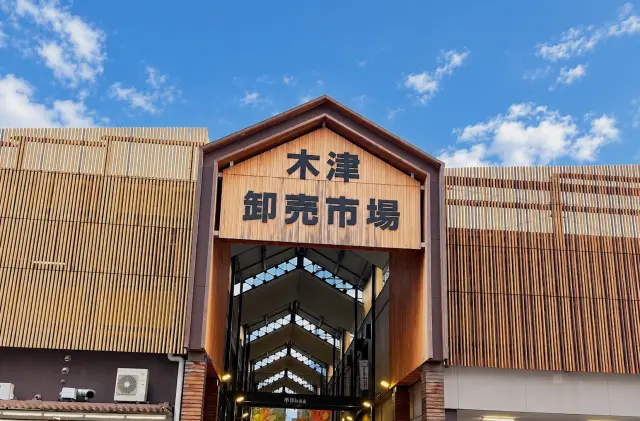
Osaka Kizu Wholesale Market
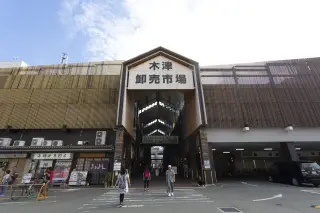
One of the largest privately-operated regional wholesale markets in Japan, Osaka Kizu Wholesale Market draws droves of professional chefs seeking top-quality ingredients. With a history spanning nearly 300 years, the market originated in the Edo period as a “nodachi-uri” (open-air trade market) where people brought their goods to sell.
When visiting Osaka, besides Kuromon Market, there’s another traditional market worth exploring: Osaka Kizu Wholesale Market! Known as “Osaka’s Kitchen,” this historic market plays an important role in supporting the food culture of Osaka, the “city of kuidaore.” It sells all kinds of fresh ingredients, from seafood and meat to fruits and vegetables. The wide selection and local atmosphere offer a glimpse into everyday life.
It isn’t as lively as a tourist market, but it has more of the authentic feel of a local wholesale market. If you want to experience a different side of Osaka’s food culture, consider planning a visit to Kizu Market.
-
-
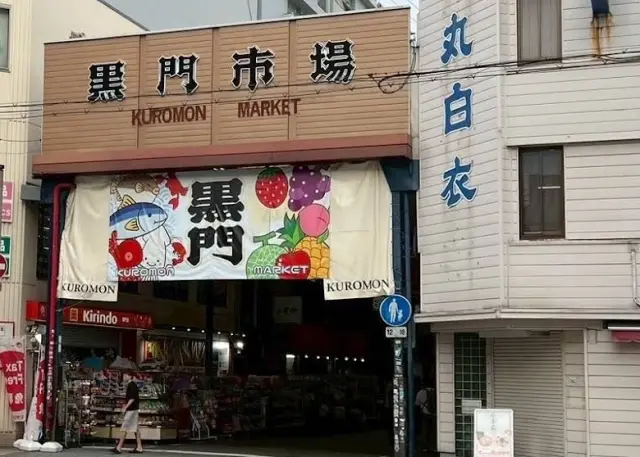
Kuromon Market
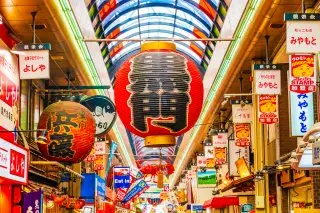
Kuromon Market in Minami, the heart of Osaka, is said to have started around 1822 and was approved as an official market by Osaka Prefecture in 1902. The market got the name “Kuromon Market (Black gate market)” because the gate to Enmyoji Temple near the market was black. Since then, it has been loved as Osaka’s favorite kitchen, and it has become a popular tourist attraction these days.
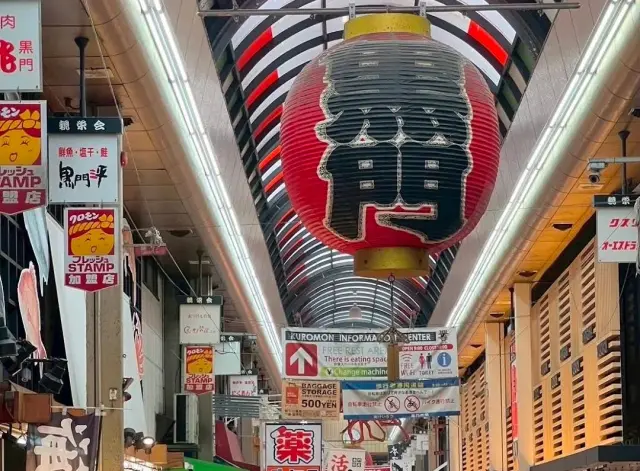
If you're visiting Osaka on your own and want to eat seafood and explore a market, Kuromon Market is another attraction that many tourists include in their itinerary! Known as “Osaka’s Kitchen,” Kuromon Market offers all kinds of seafood, wagyu beef, fruit, and seasonal ingredients. Along the way, you'll see plenty of freshly cut seafood, grilled seafood, and various snacks. You can eat as you walk and take in the lively market atmosphere.
However, after actually walking around, I felt that there really were a lot of tourists, especially visitors from other parts of Asia. Quite a few of the shops are also run by Chinese people, so the whole place feels very touristy.
Compared with Tokyo's Tsukiji Market, I personally think prices at Kuromon Market are a little lower, but they're still generally tourist prices. If you want a good deal, I recommend comparing several shops before buying instead of immediately purchasing something as soon as it catches your eye!
If it's your first time in Osaka, it's still worth stopping by to walk around, see the market, eat some seafood, and experience Osaka's lively everyday atmosphere. But if you're expecting the feel of a traditional local market, you may need to adjust your expectations a little!
-