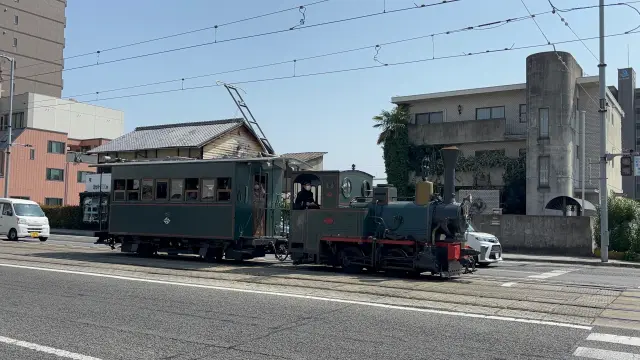
The Botchan Ressha Train is a famous sightseeing train in Matsuyama, Japan. Its retro steam locomotive design evokes the nostalgic atmosphere of the Meiji era, and it is also connected to Natsume Soseki's novel Botchan. The train currently operates mainly on Saturdays, Sundays, and national holidays, with about eight trips per day between Dogo Onsen, Matsuyama City Station, JR Matsuyama Station, and other stops. You can enjoy views of the Matsuyama cityscape while riding, making it a very unique travel experience.
Botchan Ressha Train | Review by Linda Liao
Other Reviews by Linda Liao
-

Karato market
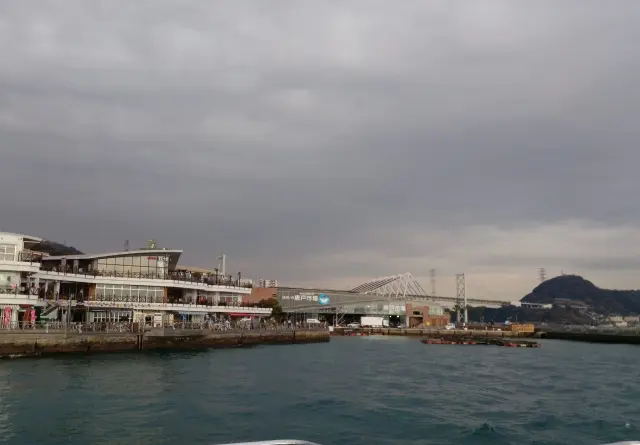
This fish market welcomes both professionals and tourists alike for shopping. Known for Shimonoseki's specialty Fugu, as well as a market for Sea Bream and Yellowtail, it offers a variety of fresh fish caught by local fishermen. The popular weekly event "Ikiiki-bakangai" also draws crowds every weekend.
When visiting Shimonoseki, Karato Market is a seafood destination you shouldn’t miss! This market mainly sells fresh fish and seafood wholesale and retail. Because it is close to the Kanmon Strait, you can enjoy a fresh and abundant variety of seafood, especially the local specialty, fugu. The stalls are filled with all kinds of nigiri sushi, sashimi, and seafood dishes, so you can choose whatever you want, and the prices are quite affordable. After buying your food, find a spot to enjoy it while taking in the ocean view. It’s definitely a culinary experience full of local flavor!
-
-
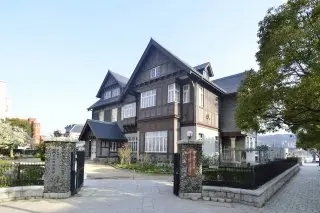
Former Moji Mitsui Club
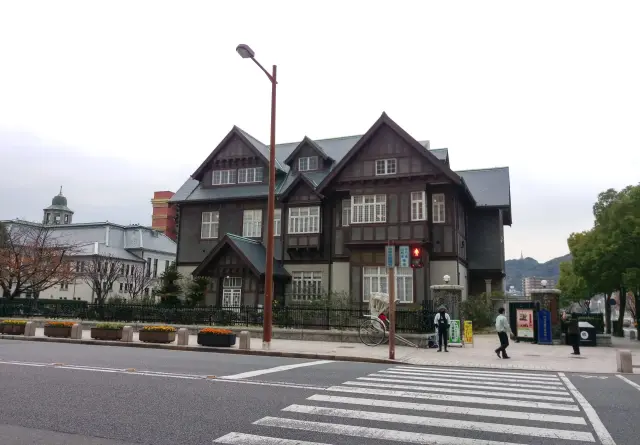
Built in 1921, it served as a social club for Mitsui Bussan. The building showcases the half-timbered style, a traditional European wooden architectural technique, where the wooden structure, like beams and pillars, are exposed on the exterior. This design, combined with the dark brown wooden elements emphasizing its vertical and horizontal lines against the contrast of the white window frames, characterizes its distinctive appearance.
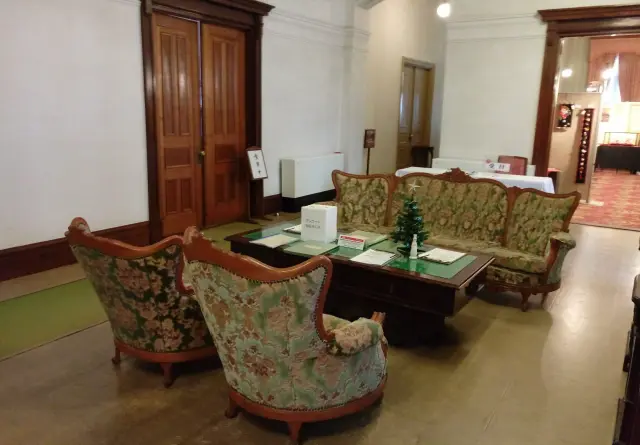
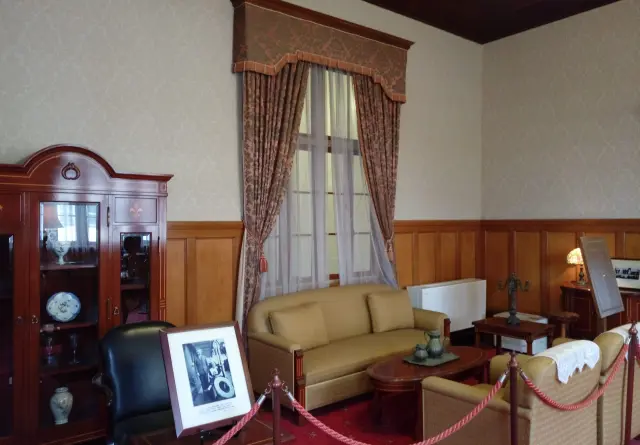
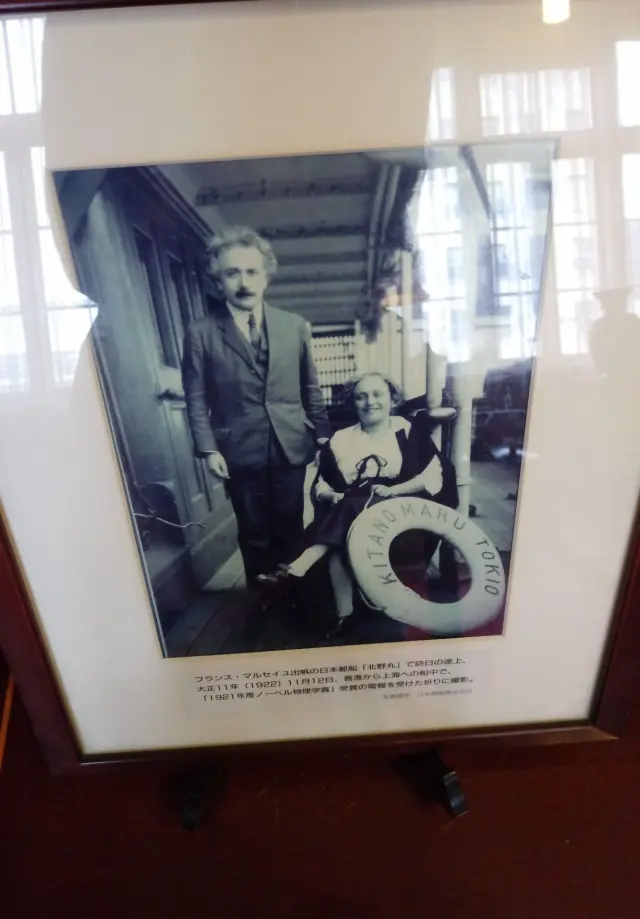
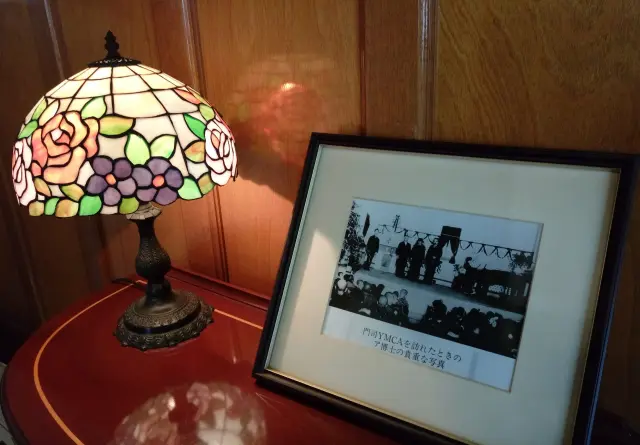
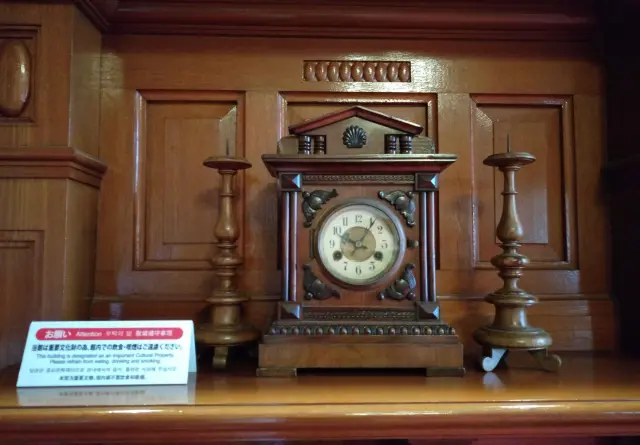
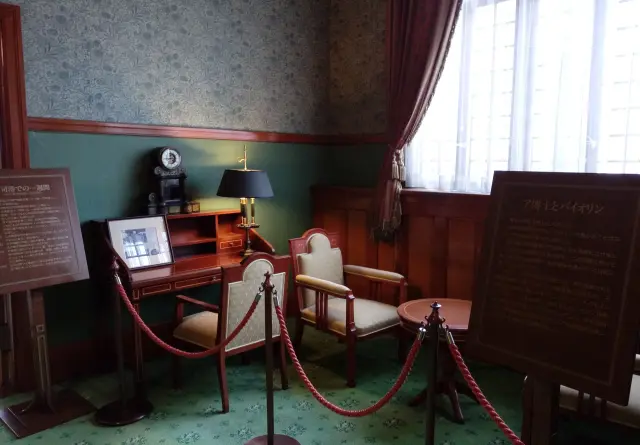
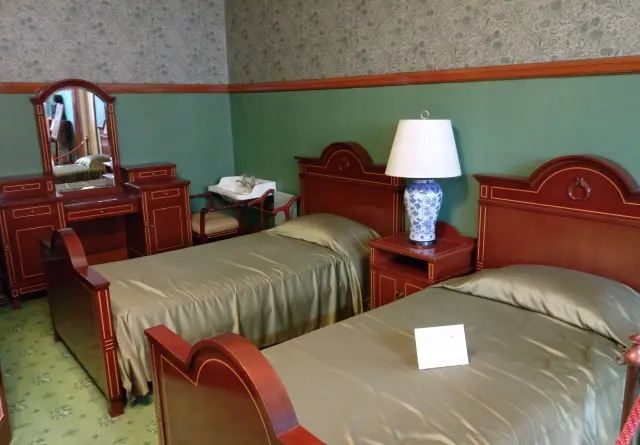
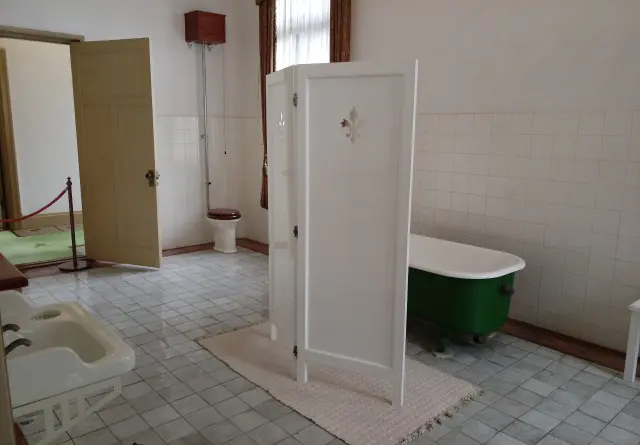
While strolling around Mojiko, I was drawn to this Western-style building with its exotic atmosphere. Since it was still early, I decided to buy a ticket and take a look inside. The Former Moji Mitsui Club was built in 1921 as a social club where Mitsui Bussan could entertain company guests and provide accommodations. It also bears witness to Mojiko’s thriving trade during that era. Inside, the refined wooden structure, ornate fireplaces, and vintage furnishings make you feel as though you’ve traveled back in time to experience the elegance of a century ago. The biggest surprise was learning that Einstein and his wife stayed here for five days during their trip to Japan in 1922! Their room from that time has been specially recreated on the second floor, along with related commemorative exhibits. The building also introduces Fumiko Hayashi, a writer from Moji. I had only gone in on a whim because the exterior caught my eye, but I unexpectedly learned so many historical stories, adding an extra discovery to my stroll around Mojiko.
-
-

Akihabara Electric Town
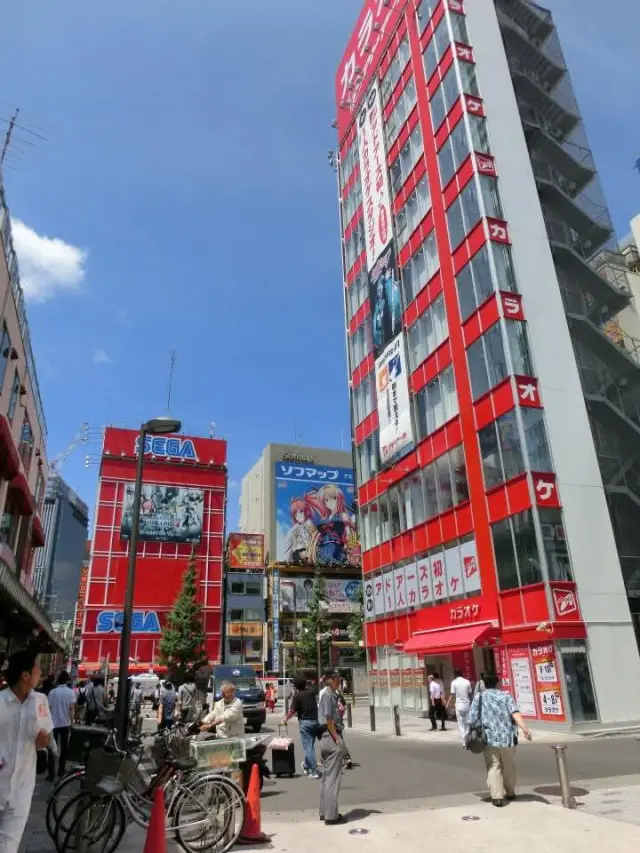
Large and small electronics shops cluster in this prominent shopping town in Japan. Nicknamed as Akiba, it is a popular spot not only domestically but also globally. Home appliances, PCs, smartphones, the latest digital devices, of course, but animations, games, figurines, model trains and other pop culture items are gathered here.
Akihabara Electric Town is one of Tokyo's best-known hubs for electronics and subculture. Originally known for its home appliance stores, it has evolved into a popular destination for fans of anime, manga, video games, and models. Large electronic billboards, anime characters, and themed stores can be seen everywhere, with a dazzling variety of products ranging from computer parts and video games to figurines and capsule toys. It's not to be missed if you're interested in Japanese otaku culture. As you explore the distinctive shops, you'll often come across unexpected collectibles and limited-edition items.
-