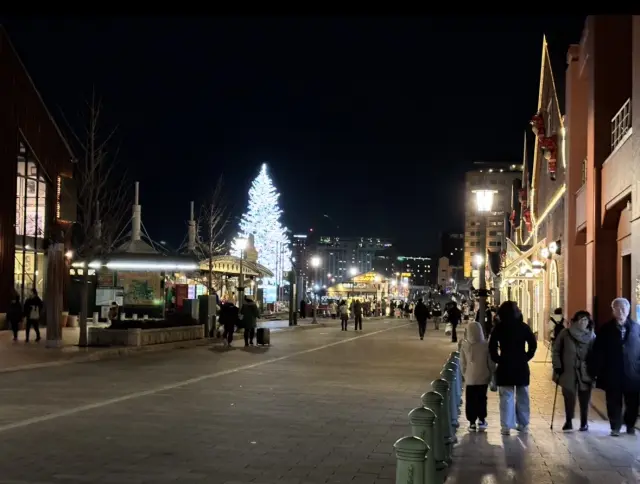
The Kanemori Red Brick Warehouse is one of Hakodate's most iconic tourist attractions, with rows of historic red brick buildings lining the bay. Once used as warehouses, the buildings have now been revitalized into a mix of shopping, dining, and recreation, blending vintage charm with modern touches. The warehouse complex has many different kinds of stores, including shops selling Hakodate souvenirs, Japanese-style general stores, and places offering desserts and coffee, making it quite fun to explore. Besides shopping, you can enjoy views of the harbor and the red brick buildings while taking in Hakodate's unique historical atmosphere. If you want to browse each store carefully and take your time choosing souvenirs, I recommend allowing about 1–2 hours so you won't feel rushed.
Kanemori Red Brick Warehouse Hakodate History Plaza | Review by Linda Liao
Other Reviews by Linda Liao
-
Kanazawa FORUS
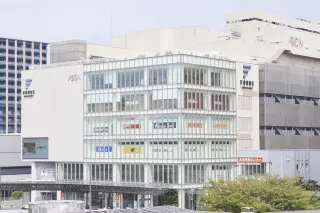
Located only a 1-minute walk from JR Kanazawa Station, this commercial facility operated by OPA features approximately 190 stores on each of its eight floors, offering a wide variety of goods from fashion items to interior goods, lifestyle goods, cosmetics, jewelry, etc. The lineup of stores has been renewed with the opening of new stores and the renewal of existing stores, and upgraded to the latest contents that show the "present" of Kanazawa.
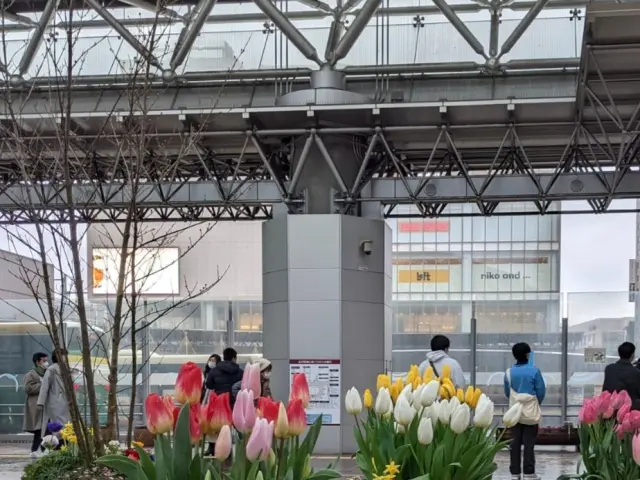
Kanazawa FORUS is right next to JR Kanazawa Station, just a 1〜2-minute walk from the station, and you can even see the mall from the train platform! It was raining the last time I visited Kanazawa, and I didn't feel like constantly taking out my phone to take pictures, so the only photo I have is this one taken from the platform. The mall has LOFT, a favorite among shoppers, with all kinds of stationery and household goods, as well as niko and..., a clothing and lifestyle store. It's conveniently located and sheltered from the wind and rain, so it's a good place to include at the end of a Kanazawa trip, leaving some time to shop for souvenirs.
-
-

Nikko Osaru Land
Make your way to Nikko in Tochigi Prefecture to find a theme park centered around the concept of “seeing, playing, and interacting”. Originally the Nikko Saru Gundan (Monkey Troupe) Theater, this coveted destination reopened in 2022 with a total rebrand to bring you all the best of monkeys and other furry friends.
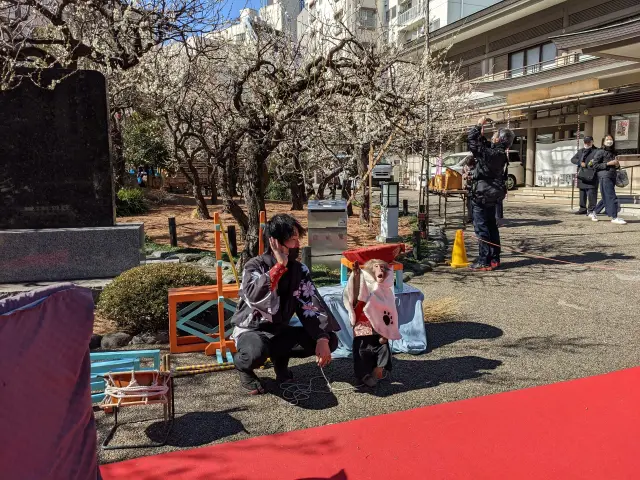
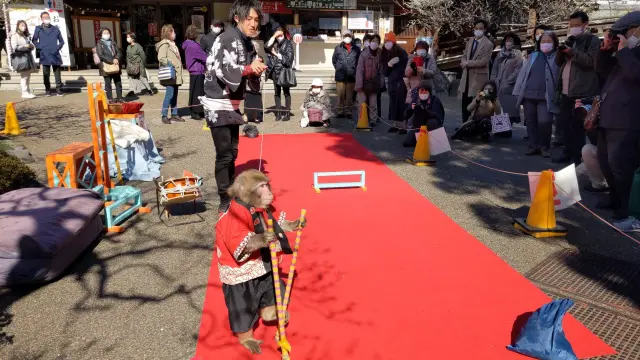
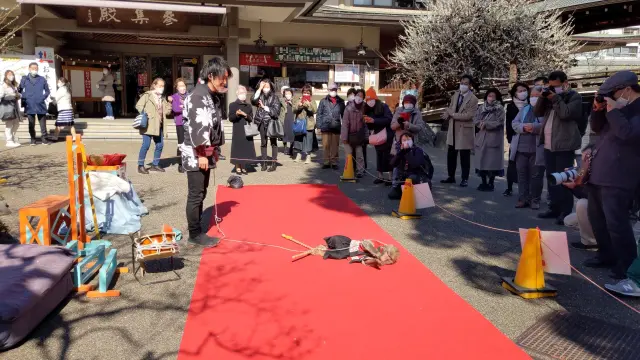
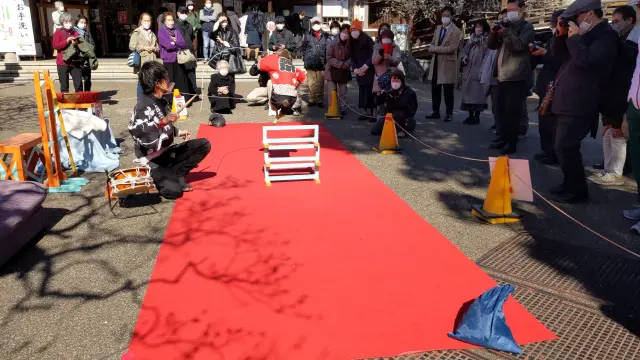
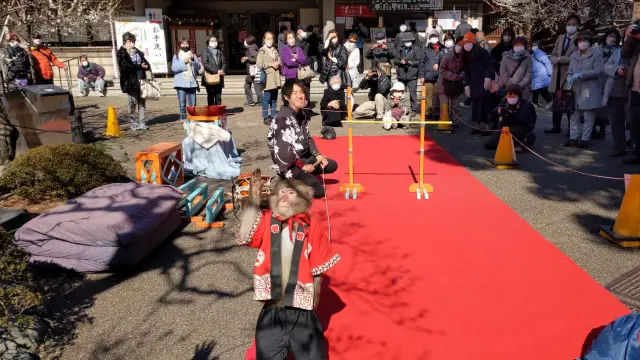
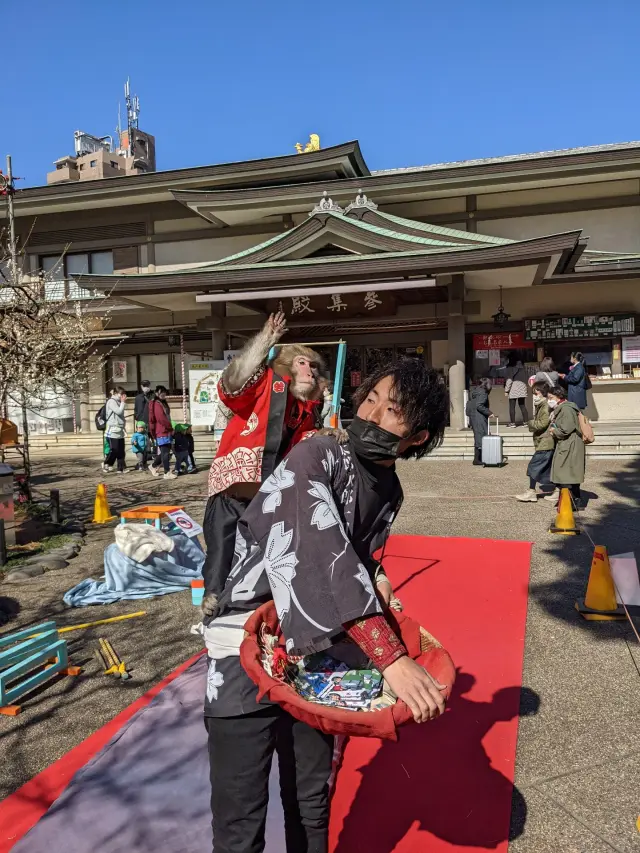
On a previous visit to see the plum blossoms at Yushima Tenmangu Shrine in Tokyo, I unexpectedly came across a traveling performance by the Taro Jiro Ichimon troupe, part of Nikko Saru Gundan. It was a delightful surprise during the trip! Known for the traditional Japanese art of sarumawashi (monkey performances), the troupe turns this traditional craft into a fun-filled show through the well-coordinated interactions between highly trained monkeys and their handlers. The little monkeys not only follow instructions but also work with the performers in a variety of amusing skits. Their humanlike gestures make it hard to look away.
From walking on stilts and jumping over fences to increasingly difficult challenges, each act made the atmosphere more and more exciting. The audience laughed out loud while cheering the little monkeys on, and when they successfully completed a trick, loud applause immediately erupted all around. I hope I'll have more opportunities to enjoy such skillful performances at local festivals, tourist attractions, and other places in Japan in the future.
-
-
Chubu Electric Power MIRAI TOWER
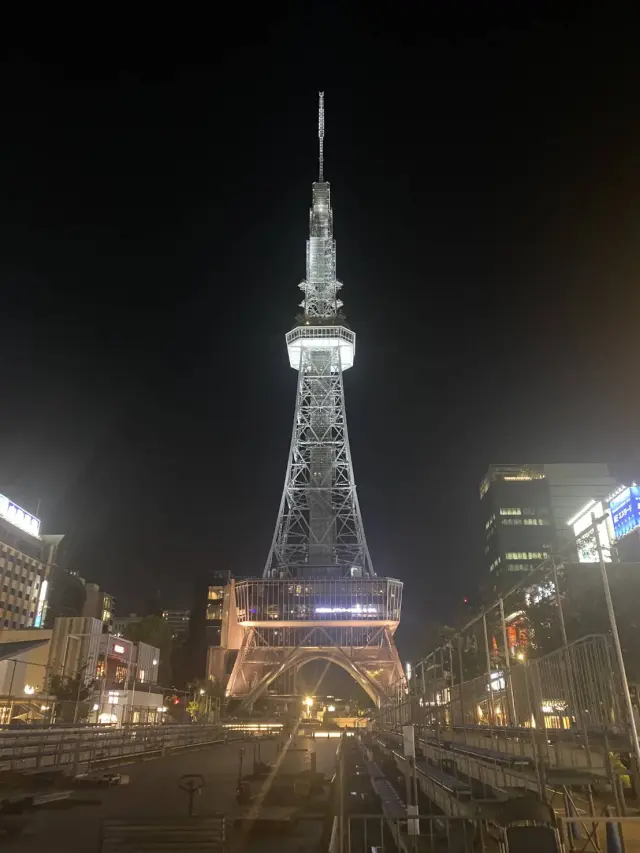
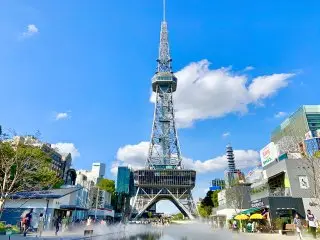
The tower is Nagoya’s symbol, built as Nagoya TV Tower for tourism and TV broadcast and completed in 1954. In 2011, TV signals were switched from analog to digital and its function as a consolidated radio tower was ended.
When you visit the Sakae area of Nagoya, it’s hard not to notice Chubu Electric Power MIRAI TOWER standing tall in Hisaya-odori Park! Built in 1954, this TV tower was one of Japan’s earliest consolidated radio towers and is a classic landmark in central Nagoya. The tower is especially striking against the blue sky, surrounded by lush greenery, a modern park, and shopping districts that create a cityscape unique to Nagoya. Once illuminated at night, it takes on a different kind of charm. Whether you stroll around and take photos during the day or enjoy the lights at night, it’s well worth it.
-