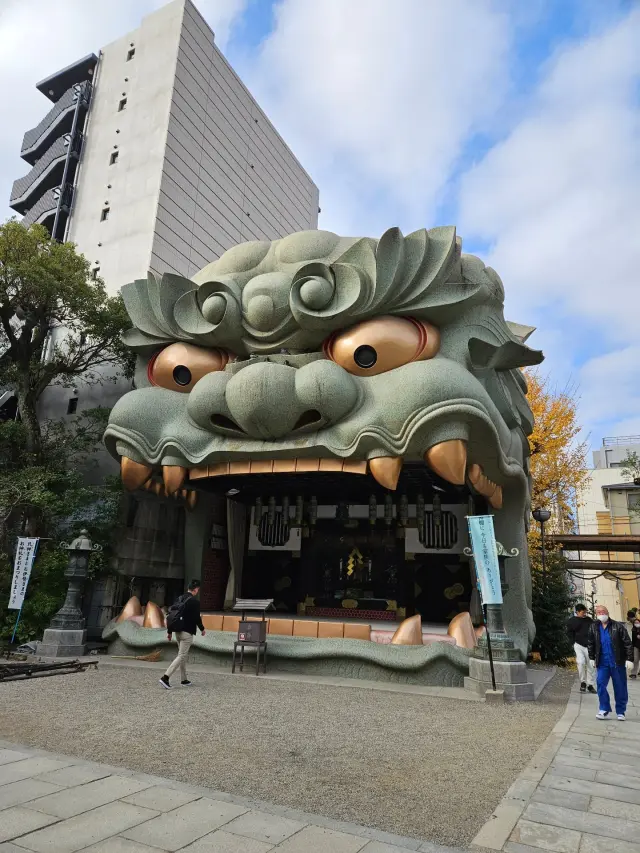
The most famous feature of Namba Yasaka Shrine is this incredibly photogenic lion head. It really is quite impressive in person, but the shrine is actually located between two buildings, and the grounds aren't very large. If you're just visiting and buying omamori charms and the like, about 30 minutes should be enough. Travelers staying nearby can save it for the last day, then head home after their visit.
They also have carp-shaped fortune slips here for an initial offering of JPY 500. The designs are quite cute, and the different-colored carp represent blessings for good fortune and safety, while some are for success in love. They instantly make you want to buy every color.
Namba Yasaka Shrine | Review by 李婕妤
Other Reviews by 李婕妤
-
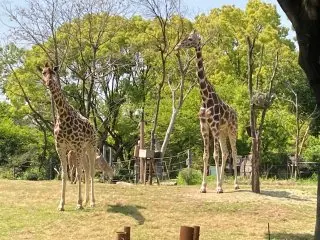
Tennoji Zoo
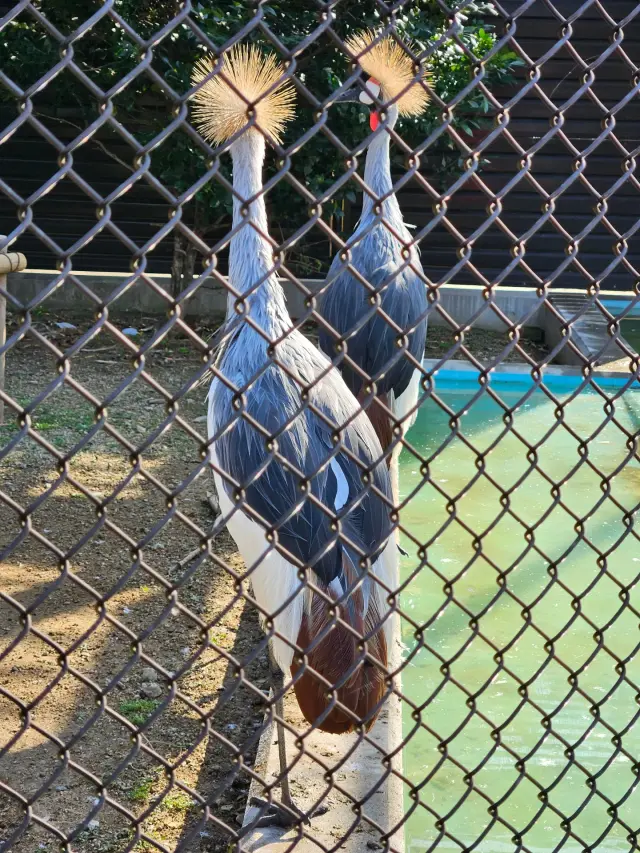
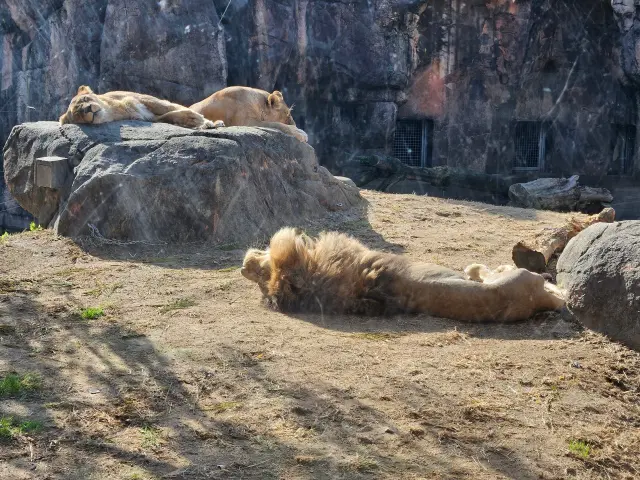
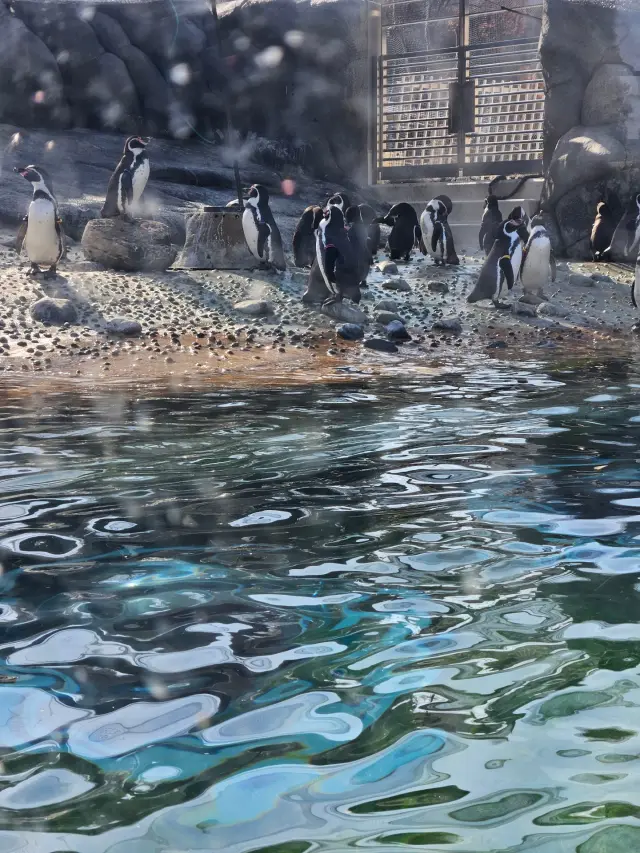
Tennoji Zoo opened on January 1st, 1915 and had its 100th anniversary in 2015. Almost 170 species and 1000 animals are kept in about 11 hectares of the zoo. In the reptile house, "Ifar," and in “African Savanna Zone” where hippopotamus, giraffes, and lions live, the ecological exhibition introduces reproduced scenery of animals’ habitats as closely as possible.
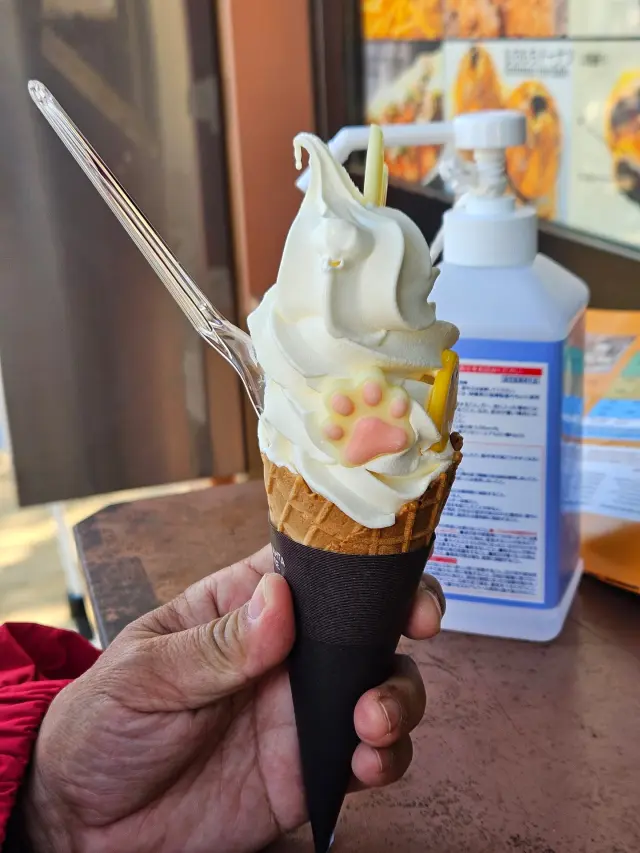
Tennoji Zoo is conveniently located near Tsutenkaku, so you can visit the zoo first and then explore the surrounding attractions. There are quite a few animals in the zoo, and the kids really liked them. When we went, the lions and some other animals didn't seem to be active, but the chimpanzees were very lively. Although the zoo isn't very large, it can still be tiring for children under elementary school age to walk around, so I recommend bringing a stroller if needed. They sell ice cream inside the zoo that is cute and fun, and the flavor is decent. The kids loved it.
-
-

Yasaka Koshindo
A temple built in a famous tourists spot in Kyoto called Higashiyama, where other famous sights such as the Kiyomizu Temple and Yasaka Shrine are located. The official name of the temple is "Daikokusan Kongoji Koshindo,” but is well-known as "Yasaka Koshin-san" in the local area. It is said that this was where the Koshin faith, which derived from Chinese Taoism, first started in Japan, and is also one of the three Koshin in Japan.
After walking from Kiyomizu-dera, I highly recommend stopping by this charming and colorful little shrine, Yasaka Koshindo!
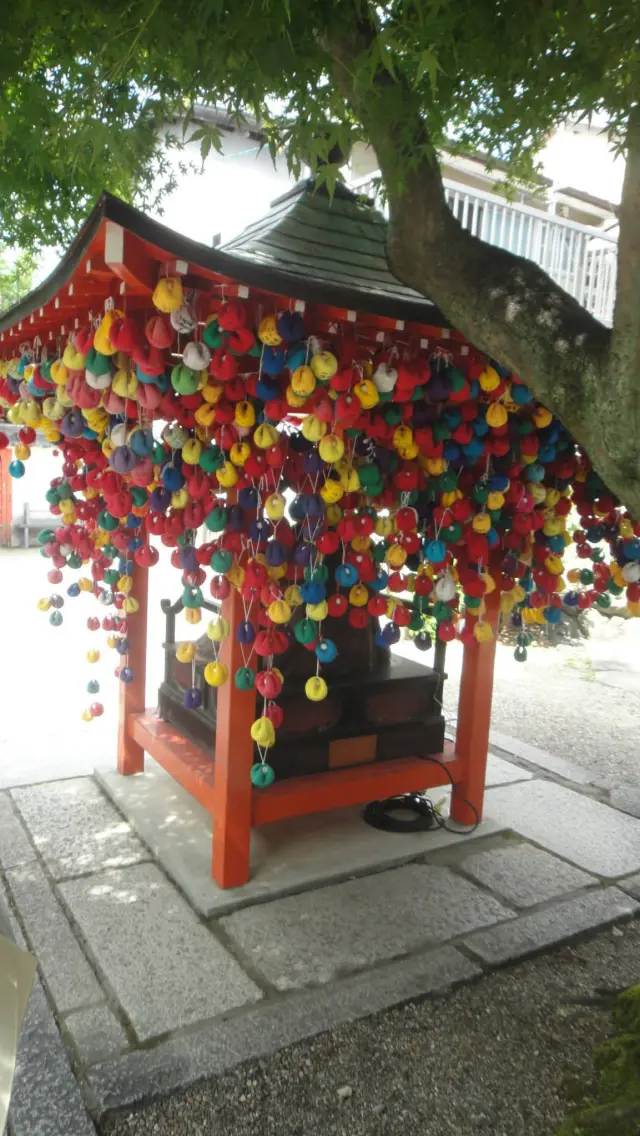
Although the grounds aren’t very large, as soon as you step inside, you’ll be drawn to the many colorful kukurizaru monkey charms. These adorable little monkey-shaped charms can be hung up after you write your wish on them to pray for good fortune, or you can take one home as a special souvenir of your trip to Kyoto.
Because this place is so colorful and atmospheric, if you’re lucky, you may even see newlyweds in gorgeous kimonos taking wedding photos here. It’s a very beautiful and romantic sight. It’s a wonderful place to stop by for photos while also experiencing a traditional cultural atmosphere! -
-
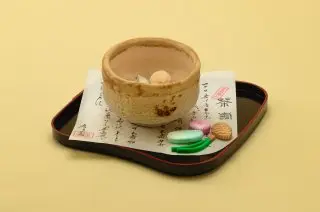
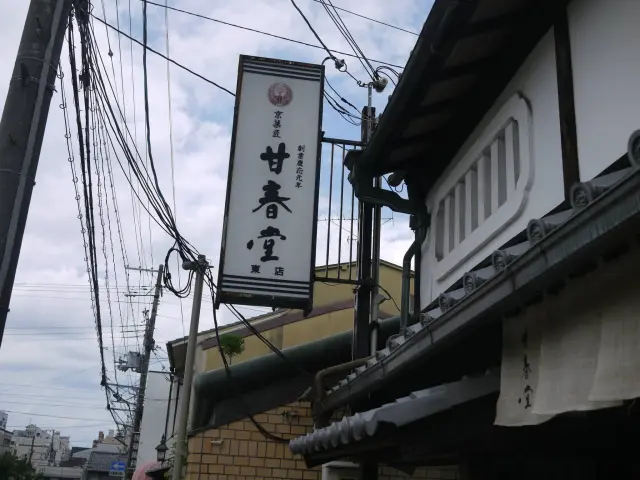
Kanshundo Higashiten
Founded in 1865, this historic Japanese confectionery store has deep ties with shrines and temples, serving traditional sweets to Toyokuni Shrine and the former Rokujyo Imperial Palace. They sell seasonal fresh sweets and dry sweets, led by their signature product 'Chajuki', modeled after a ceramic matcha bowl.
I visited the century-old Kyoto confectionery Kanshundo for a DIY wagashi-making experience, and the whole process was a wonderful surprise!
Although the artisan instructor didn't speak any foreign languages, there was no need to worry about communication. His attentive gaze and precise movements were extremely professional. He slowed down each shaping and molding step, demonstrated it himself, and carefully guided us, so even a complete beginner could feel confident making the sweets. Mine weren't as refined as the artisan's, but they still looked pretty good in photos.
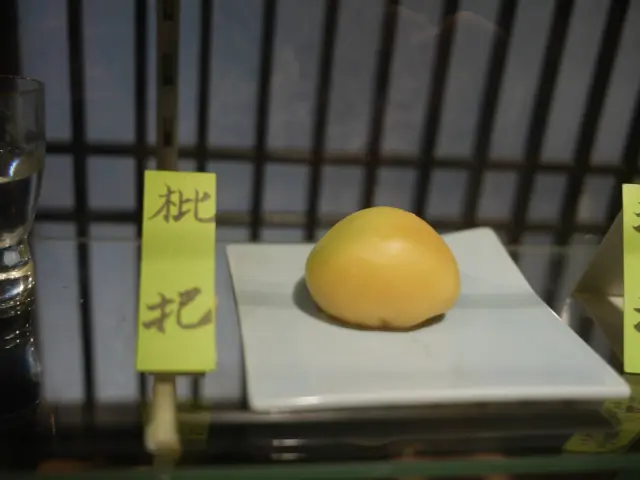
The experience included making two kinds of delicate fresh wagashi. The theme changes with the seasons, giving it a strong sense of Kyoto's seasonal traditions. After finishing our creations, we enjoyed them on the spot with hot matcha. The wagashi I made had a smooth texture and was sweet without being too rich, making the whole experience feel truly special!
Afterward, I stopped by the shop on the first floor. It displays and sells a wide selection of beautiful Kyoto-style sweets and seasonal items. The packaging was elegant and refined, so I picked up all the souvenirs I needed to bring back to Taiwan. I highly recommend including this in a Kyoto traditional culture itinerary! -