

Soak Up Epic Mountain and Sea Scenery: 16 Must-Visit Spots in Toyama
Toyama Prefecture is all about beautiful landscapes that change with the seasons.
From the Tateyama Kurobe Alpine Route connecting to Nagano to Kurobe Dam and the UNESCO World Heritage villages of Gokayama, Toyama is packed with scenic attractions.
You can also enjoy a wide range of traditional and local dishes made with ingredients grown in Toyama’s rich natural environment.
If you’re sightseeing in Toyama, here are the attractions you shouldn’t miss, plus recommended accommodations.
What is Toyama Like?
Toyama Prefecture sits in north-central Japan.
To the north is Toyama Bay, rich in seafood. To the east rise the dramatic Tateyama Mountains. To the west are rolling hills and rural mountain communities, and to the south you’ll find lush farmland and forests.
Among Toyama’s many natural highlights, the alpine scenery created by the Tateyama Mountains of the Northern Japan Alps—lined with peaks over 9,800 feet—is truly unforgettable.
Don’t miss the snow walls that form when the Tateyama Kurobe Alpine Route opens in spring, reaching heights of Approx. 66 feet.

What’s the best season for sightseeing in Toyama?
Toyama is beautiful year-round, but winter is on another level.
The snow-covered thatched-roof houses of Gokayama (a UNESCO World Heritage site) alongside the Tateyama mountain range are a must-see.
If you’re visiting Toyama anyway, consider timing your trip for winter.
What to wear in Toyama by season
- Spring (March - May): Sweater, long-sleeve shirt, jacket
- Summer (June - August): Light layers, short sleeves
- Fall (September - November): Light jacket, coat
- Winter (December - February): Down jacket, coat, thick sweater or jacket
How do you get to Toyama?
Toyama is easy to reach from major cities like Tokyo and Nagoya.
From Tokyo, it’s a 2-hour ride by Shinkansen. From Osaka or Nagoya, it takes Approx. 3 hours by limited express train and Shinkansen.
Toyama also has Toyama Airport, making it convenient to access from overseas.
Main ways to get around Toyama
Toyama has a solid public transportation network, and you can reach most sightseeing spots via Toyama Station, the area’s main hub.
For places without train service, combining trains with buses will help you get around smoothly.
Breathtaking Nature: 16 Handpicked Toyama Attractions
Toyama Prefecture is packed with nature-rich attractions, including Kurobe Dam, the Tateyama Kurobe Alpine Route, and the UNESCO World Heritage villages of Gokayama.
Beyond that, you’ll also find museums and unique sights like the famously “handsome” Takaoka Great Buddha.
If you’re visiting Toyama, make time for these carefully selected highlights that capture the best of the region.
1. Kurobe Dam
Japan’s tallest dam at 610 feet, and one of the largest in the world.
It’s a hugely popular attraction, drawing over one million visitors a year.
From the New Observation Plaza, you can watch an awe-inspiring water release of over 10 tons per second up close.

2. Kaiomaru Park
A waterfront park where the sailing ship Kaiomaru—known as the “Lady of the Sea”—is moored.
Spread across the bay area, you’ll find the Nihonkai Exchange Center with model ships from around the world, a bird park where you can spot Approx. 150 species year-round, the “Green Pergola” promenade (590 feet long and 33 feet wide), and the Fureai Plaza with a variety of playground equipment, including the large “Wave Hammock.” On weekends, it’s a lively spot for families and couples out for a stroll.

3. Toyama Glass Art Museum
Home to over 400 works, mainly contemporary glass art from Japan and abroad created since 1950. Located inside the six-story complex TOYAMA Kirari, it serves as a hub for sharing the appeal of glass as an art form, its possibilities, and many expressions of beauty—fitting for the “City of Glass.”

4. Kurobe Gorge
A dramatic V-shaped gorge carved deep by the Kurobe River.
Fed by waters that begin at Mt. Washiba in the central Northern Japan Alps, the river runs 53 miles between the Tateyama Mountains and the Ushirotateyama Mountains, cascading down steep slopes with an elevation drop of up to 9,800 feet.

5. Takaoka Great Buddha
A symbol of Takaoka, a city famous for being Japan’s leading producer of copperware.
This seated Amida Nyorai statue stands Approx. 52 feet tall and was built using the finest local metalworking craftsmanship.
Counted among Japan’s Three Great Buddhas, it’s also nicknamed “Japan’s most handsome man” for its beautiful features.
The Takaoka Great Buddha stands on the grounds of Daibutsu-ji Temple, and the original statue was first built Approx. 800 years ago.

6. Toyama Prefectural Museum of Art and Design
An art museum that seems to blend into the beautiful scenery of Kansui Park by the Fugan Canal, with sweeping views of the Tateyama Mountains.
It showcases works by artists from Japan and around the world from the early 20th century to today, including Picasso, Miró, Chagall, and Tsuguharu Foujita.

7. Gokayama: Ainokura & Suganuma Gassho-Zukuri Villages
Gokayama lies at the southwestern tip of Toyama Prefecture, made up of 40 small villages scattered across five valleys.
Surrounded by steep mountains, it can see snowfall exceeding 6.5 feet in winter.
Even today, many gassho-zukuri houses remain—built for heavy-snow regions, with steeply pitched thatched gable roofs.
The two villages of Ainokura and Suganuma are registered as UNESCO World Cultural Heritage sites.

8. Tateyama Kurobe Alpine Route
A mountain sightseeing route cutting through the Northern Japan Alps, lined with peaks over 9,800 feet. The route spans 23.1 miles with a maximum elevation difference of 6,480 feet.
Two gateways—Tateyama Station on the Toyama side and Ogizawa Station on the Nagano side—are connected by six types of transportation, including a cable car and ropeway.
With scenic spots along the way, you can enjoy everything from easy strolls to serious trekking while taking in vast alpine nature.

9. Firefly Squid Museum
An interactive museum attached to the roadside station “Wave Park Namerikawa,” located along the coast of Namerikawa—known for some of Japan’s best firefly squid fishing.
Highlights include a live theater where you can watch a firefly squid bioluminescence show, plus “Mystery Deep-Sea World,” where you can learn by touching deep-sea creatures. It’s a fun way to discover the firefly squid’s life cycle and the mysteries of Toyama Bay.

10. Zuiryu-ji Temple
The family temple of Maeda Toshinaga, the second lord of the Kaga Domain. It was built by the third lord, Toshitsune, over Approx. 20 years and completed by Kanbun 3 (1663).
Highlights include the Buddha Hall roof covered in lead tiles said to weigh 47 tons in total, and the Dharma Hall’s inner and outer sanctuaries with ceiling paintings of flowers and grasses by Kanō Yasunobu.

11. Unazuki Onsen
Unazuki Onsen is Toyama’s largest hot spring town and the gateway to Kurobe Gorge.
This historic onsen area marked its 100th anniversary in 2023, and the ryokan and hotels lining the Kurobe River offer sweeping views of the gorge’s magnificent nature.

12. Tateyama Kurobe Snow Otani Festival
The Tateyama Kurobe Alpine Route is one of the world’s premier mountain sightseeing routes, running through peaks over 9,800 feet. Near Murodo, an area known for heavy snowfall, “Otani” is a drift zone where snow piles up deeply—sometimes reaching nearly 66 feet.
The Tateyama Kurobe Snow Otani Festival is held each year from April to June, centered around this area.

13. Kansui Park (Fugan Canal Kansui Park)
A large 24.2-acre urban park in central Toyama City, an Approx. 9-minute walk from the north exit of JR Toyama Station.
Centered around a waterfront space that repurposes a former boat basin at the southern end of the Fugan Canal, the park features walking paths and grassy slopes along both banks.
It creates a relaxing place to enjoy the water while offering a cityscape worthy of a symbol of Toyama.

14. Toyama Castle Ruins Park
A park built on the former site of Toyama Castle, long ruled by successive lords who governed much of present-day Toyama Prefecture. Nicknamed “Floating Castle” for how it once seemed to hover over the water.
Remains such as stone walls, part of the moat, and the impressive Chitose Gomon gate still stand today. With its beautiful stroll-style Japanese garden, it’s beloved as one of the prefecture’s key historical sightseeing hubs.

15. Amaharashi Coast
A spot a 5-minute walk from Amaharashi Station on the JR Himi Line. In summer, a beach opens here, drawing visitors from all over for the crystal-clear water.
Beyond the gently lapping, shallow shoreline, you can take in views of the Tateyama Mountains (peaks over 9,800 feet) and the Noto Peninsula. With its white sand and pine groves, this scenic coastline was so captivating that it was even beloved by Manyōshū poet Ōtomo no Yakamochi.

16. Tulip Shikisai-kan
A museum in Tonami City, Toyama Prefecture—Japan’s top producer of tulip bulbs. It opened in 1996 to showcase the appeal of tulips, a local specialty exported worldwide.
In the “Wonder Garden” exhibition room, tulips bloom in vibrant colors all year. Don’t miss the one-of-a-kind displays, including the “Tulip Palace,” where cut flowers line a tower-like object, and the “Palette Garden,” inspired by a kaleidoscope of endless blossoms.

3 Popular Places to Eat in Toyama
Toyama is home to many distinctive restaurants.
Here are three standout spots where you can enjoy not just food and drinks, but also great atmosphere and views.
1. Shiroebitei
A specialty restaurant for shiro-ebi (white shrimp), located inside Toyama Station’s Kitokito Ichiba Toya Marche.
Opened in 2015, it serves dishes that highlight the shrimp’s natural sweetness and texture.
The signature item is the Shiro-ebi Tempura Rice Bowl, generously topped with white shrimp.
To preserve its delicate sweetness and beautiful appearance, the batter and seasoning are kept minimal—bringing out the full flavor of shiro-ebi.

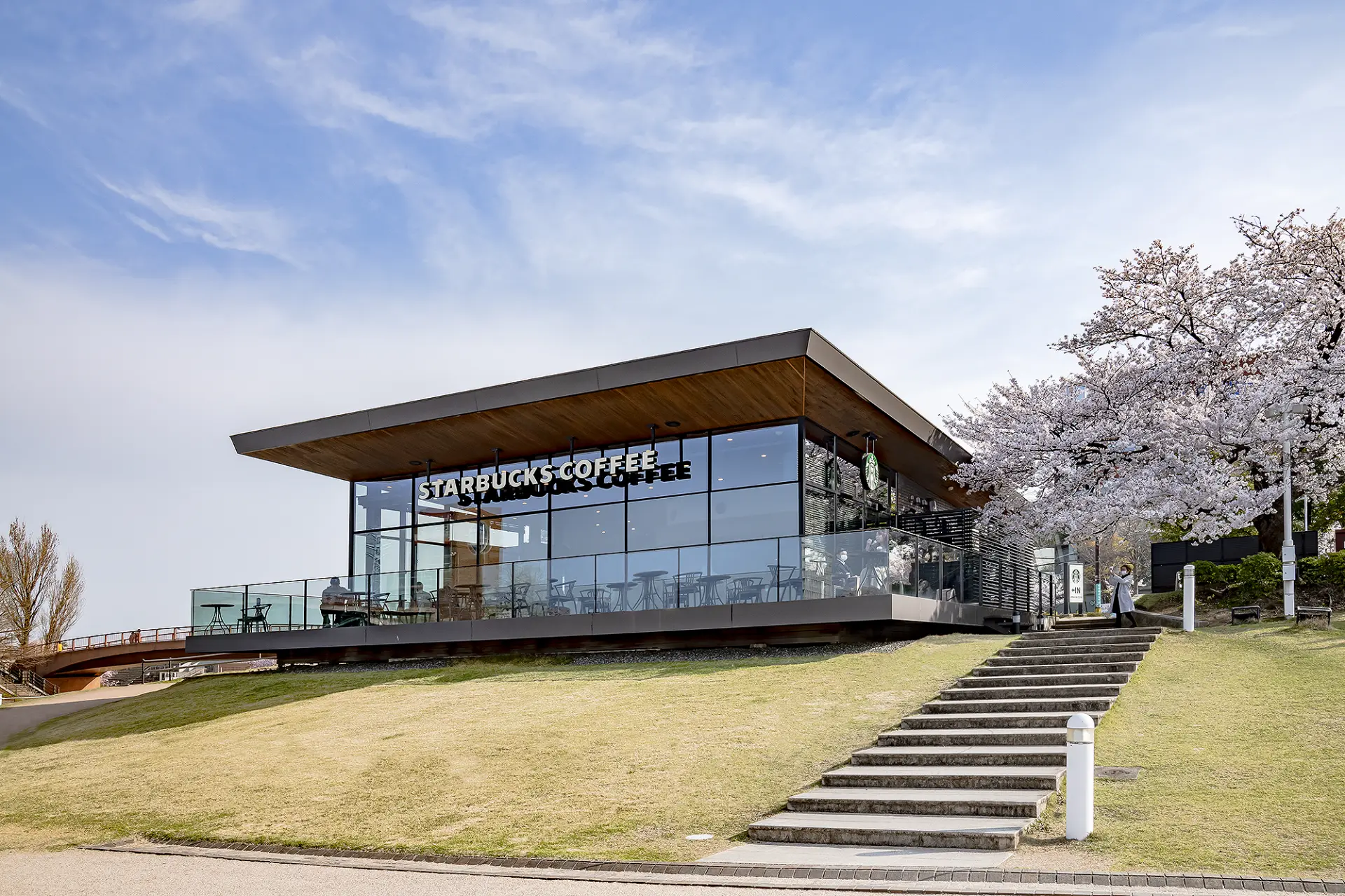
2. Starbucks Coffee Toyama Kansui Park
A regional landmark Starbucks inside Kansui Park, a lush waterside park around the Fugan Canal that was selected as one of Japan’s Top 100 Historic Parks.
The simple glass-front design blends into the park’s scenery, reflecting Toyama’s natural beauty and the canal’s history.
3. CRAFTAN
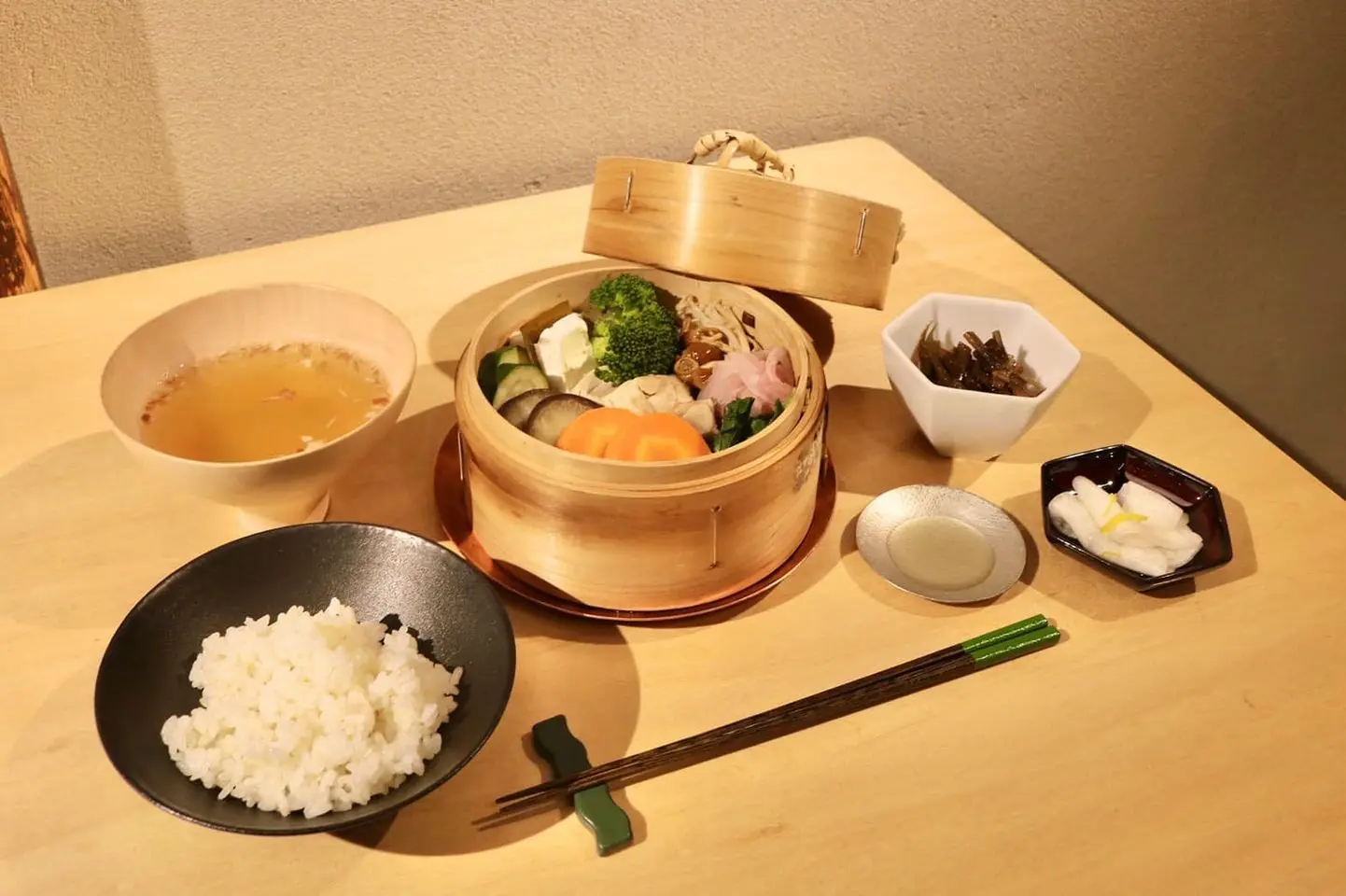
A kombu-jime specialty restaurant in Yamamachi Valley, an area in Takaoka City known for its historic streetscapes.
It reimagines Toyama’s local kombu-jime cuisine by applying the technique not only to fish, but also to meat and vegetables, with a modern twist.
Inside, you can enjoy dishes made with local ingredients alongside carefully selected craft beer and sake from around Japan.
Shopping and Local Food: 3 Popular Shopping Spots in Toyama
Here are three great places to shop for Toyama specialties and enjoy local food—plus Hokuriku’s first outlet mall.
They’re perfect for a break between sightseeing, picking up souvenirs, or digging into local favorites.
1. Shinminato Kitokito Market
A seafood market at Shinminato Fisherman’s Wharf, filled with fresh catches from Toyama Bay.
Along with restaurants and dining areas, there’s a beach BBQ corner where you can grill seafood on the spot. Enjoy seasonal sashimi, seafood rice bowls, set meals, and more at great prices.
You’ll also find local specialties like masu-zushi (trout sushi), firefly squid okizuke, dried fish, and kamaboko.

2. Mitsui Outlet Park Hokuriku Oyabe
Opened in July 2015 in Oyabe City in western Toyama as Hokuriku’s first large-scale outlet mall.
Designed with winter snow and rain in mind, it’s a two-story enclosed (indoor) mall.
It features a wide range of shops, from international brands and well-known select stores to women’s and men’s fashion from Japan and abroad, plus kids, sports and outdoor, accessories, and fashion goods.

3. Himi Fishing Port Marketplace: Himi Banya-gai
A roadside station in a seaside area with sweeping views of the Tateyama Mountains across Toyama Bay and Karajima Island off the coast of Himi.
Approx. 30 shops line the area, modeled after “banya” fishermen’s work huts, serving menus that showcase the food-lover’s reputation of Himi.

Enjoy Toyama’s Nature: 3 Handpicked Places to Stay
When sightseeing in Toyama, consider staying at a UNESCO-listed inn that preserves Japan’s nostalgic countryside, or a place where you can fully enjoy the grand views of Kurobe Gorge.
Here are three carefully selected accommodations where you can take in Toyama’s spectacular natural scenery.
1. Gokayama Gassho no Yado Shoshichi
A 200-year-old gassho-zukuri inn in the UNESCO-designated Ainokura Gassho-Zukuri Village.
The two-story building stands Approx. 36 feet tall, and the first floor—with its high ceilings—serves as the guest rooms.
With stays limited to either under 10 guests per night or just two groups, you can relax and fully appreciate traditional architecture.

2. Enraku
A long-established inn founded in 1937, beloved by many writers and artists over the years.
From simple tea flowers to wild mountain plants, the décor throughout the property reflects the original commitment to honoring things as they are.

3. Kurobe/Unazuki Onsen Yamanoha (ORIX HOTELS & RESORTS)
The ryokan and hotels lining the Kurobe River are known for great views, but Kurobe/Unazuki Onsen Yamanoha is especially famous for its scenery from the open-air bath.
The property’s signature panoramic open-air bath is designed with stepped levels, so each tier offers a different view.
Soak in the gentle waters known as “Tsubetsube Bihada no Yu” while taking in a wide panorama of Kurobe Gorge through the seasons, including the red bridge of the Kurobe Gorge trolley train.

Summary
Toyama Prefecture’s rich, majestic scenery is truly captivating.
And you can’t leave Gokayama—a UNESCO World Heritage site where Japan’s nostalgic countryside still remains—off your itinerary.
If you want to experience the best of Toyama, use the attractions and accommodations introduced here to plan your trip.
After enjoying Toyama, consider hopping on the Shinkansen and visiting Ishikawa Prefecture, just 20 minutes away.
With historic spots like Kenrokuen, a daimyo garden that reflects the legacy of Kaga’s great wealth, and Natadera Temple, a nationally designated Important Cultural Property, it’s an ideal destination for travelers who love Japanese history.