Gokayama Ainokura/Suganuma Gassho-Zukuri Village

Verified [Verified] denotes information that has been published with confirmation of its owing parties.

Gokayama Ainokura/Suganuma Gassho-Zukuri Village

Encounter the original landscape of Japan in a World Heritage village in the mountains.

3.32 5

Last update :
Supervised by :  Gokayama

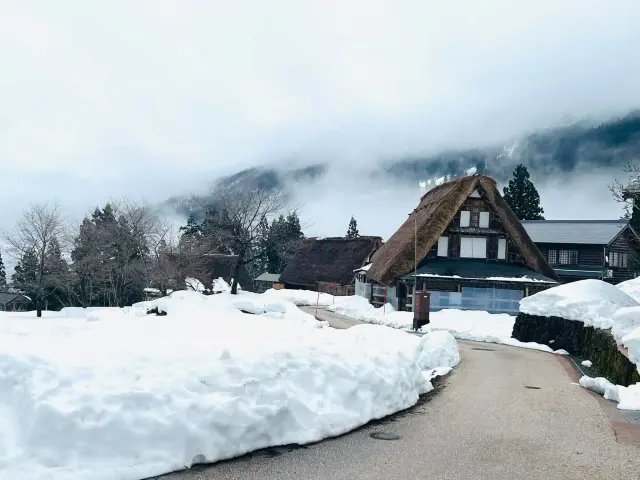
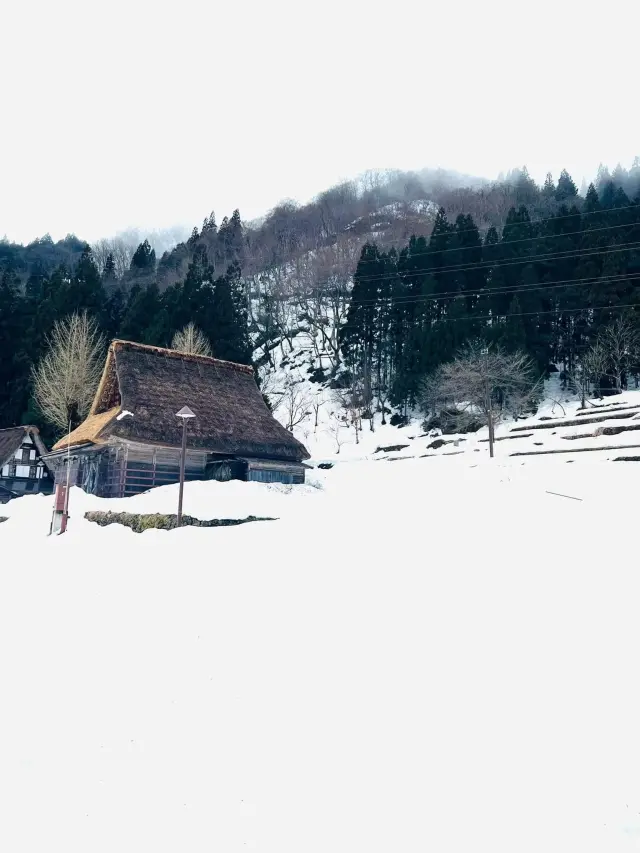
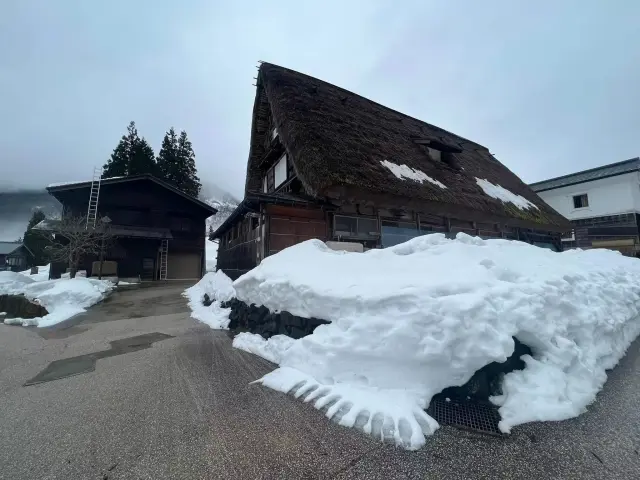
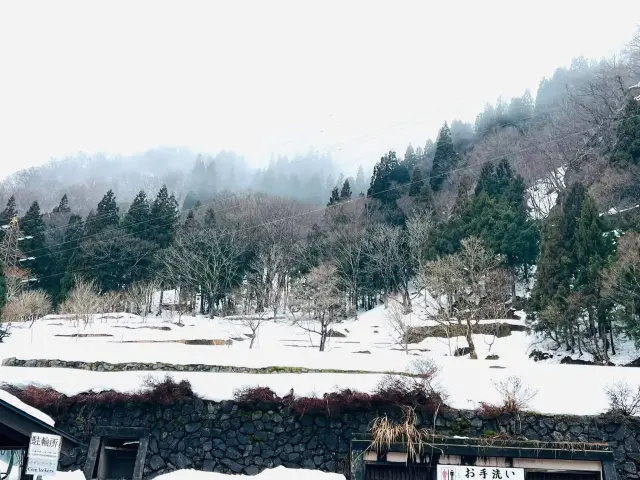
In the southwestern tip of Toyama Prefecture, Gokayama consists of 40 small villages scattered across five valleys. Surrounded by steep mountains, the area receives more than two meters of snow in winter. Many of the Gassho-zukuri houses, with their steeply pitched thatched and gabled roofs, are still dotted here. Two villages, Ainokura and Suganuma, are registered as World Heritage sites.

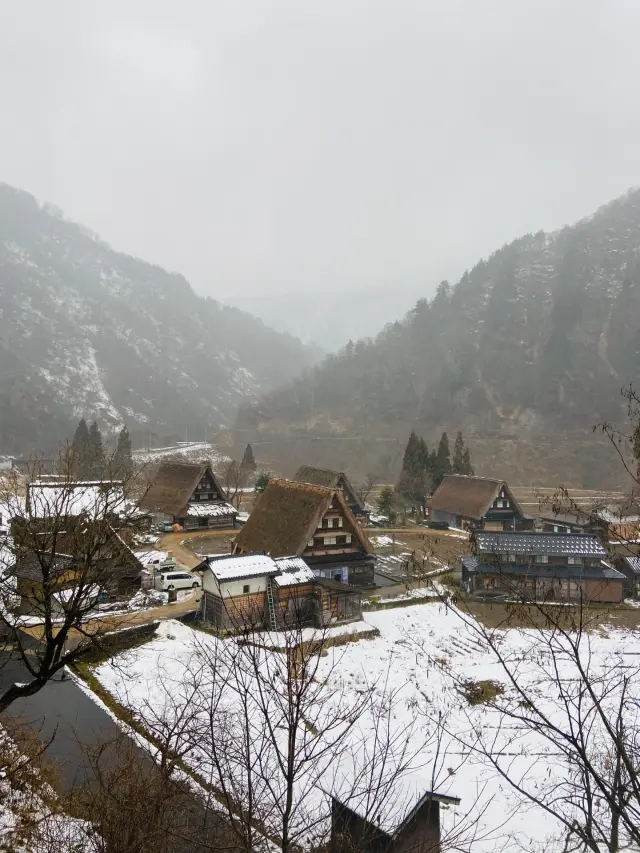
In Ainokura village, there are 20 houses of various styles from the 17th to the first half of the 20th century. There is also a Gassho-zukuri inn where you can experience the traditional culture of the people who live there. On the other hand, the village of Suganuma, separated by a river, has nine houses and other structures such as storehouses and watermill houses. In the past, there was no bridge, and you had to use a "basket ferry" to cross to the other side of the river, giving the village an air of seclusion.

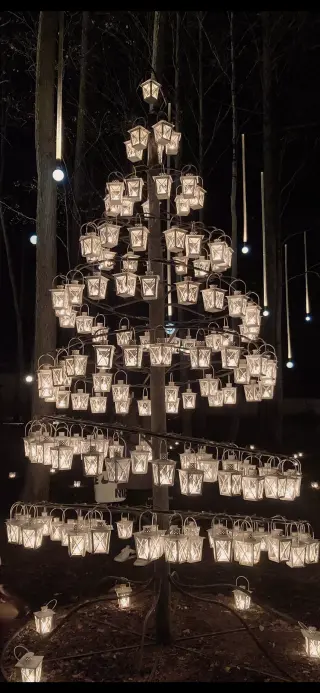
All of the villages have folk museums and experience centers that tell the story of Gokayama life and history, as well as folk art stores and restaurants that serve local cuisine. In Kaminashi village, there is a facility where you can watch the local folk song "Kokiriko". The World Heritage site of Ainokura-Suganuma Village is lit up from sunset on a limited basis throughout the four seasons, giving the whole area a fantastic appearance. You can enjoy a different scene from the daytime.

Highlights

  • The "World Heritage Bus" is a convenient way to get around from the center of Toyama Prefecture.
  • A day trip from the center of Toyama Prefecture is possible.
  • You can also stay at a Gassho-zukuri inn in the village (reservation required).

Photos

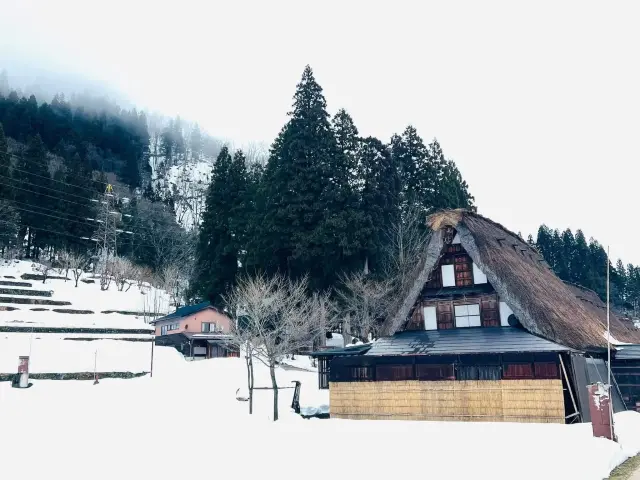
  • Ainokura village, with its peaceful rural landscape.
*Photo provider: Nanto City

    Ainokura village, with its peaceful rural landscape. *Photo provider: Nanto City

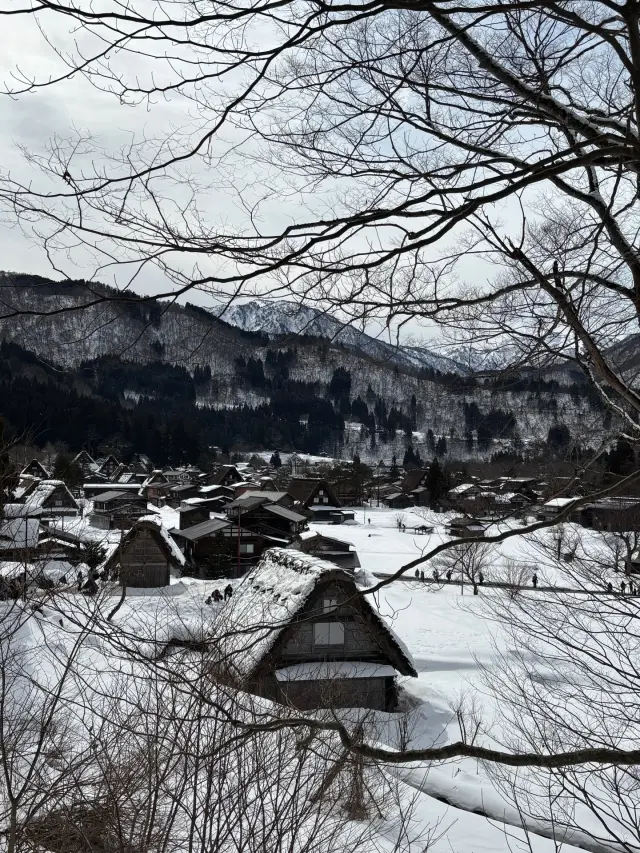
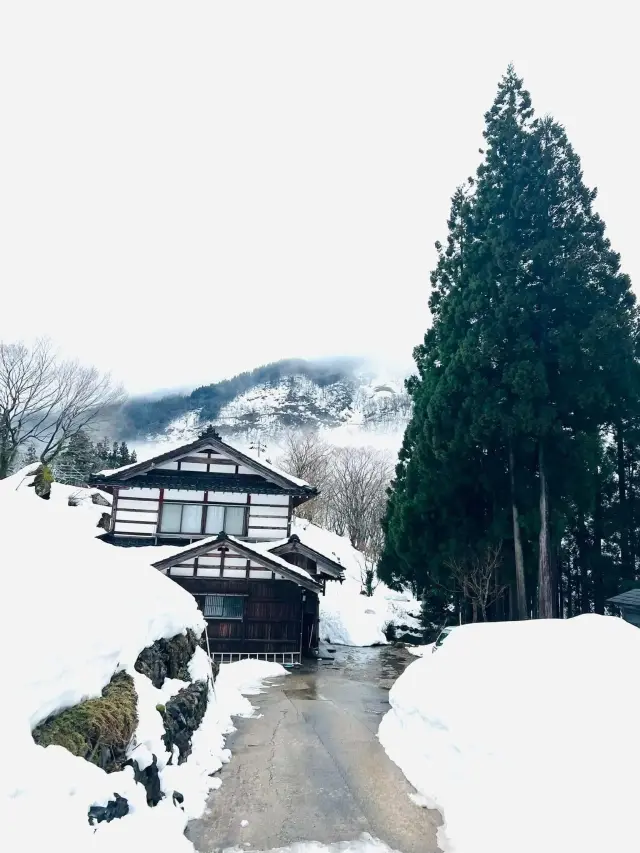
  • Suganuma village is covered in snow and silence prevails.
*Photo provider: Nanto City

    Suganuma village is covered in snow and silence prevails. *Photo provider: Nanto City

  • The Gokayama Information Center, located in Kaminashi village between Ainokura and Suganuma villages.

    The Gokayama Information Center, located in Kaminashi village between Ainokura and Suganuma villages.

  • Suganuma village, where houses are reflected in the paddy fields in spring.
*Photo provider: Nanto City

    Suganuma village, where houses are reflected in the paddy fields in spring. *Photo provider: Nanto City

  • "Kokiriko," a traditional Japanese folk song in Kaminashi village.
*Photo provider: Nanto City

    "Kokiriko," a traditional Japanese folk song in Kaminashi village. *Photo provider: Nanto City

Reviews

5

Some reviews are AI-translated.

  • See More

    The winter snowscape of Shirakawa-go Gassho Village is like an idyllic fairy-tale world, and it has also been designated a World Cultural Heritage Site.
    Driving there requires going along a stretch of winding mountain roads, but they aren't too narrow and aren't difficult to drive on. The parking lot is also very large with plenty of spaces, and there are many shops selling souvenirs from the village. It is also Japan's largest gassho-style village settlement. Other than the large number of tourists, there aren't really any drawbacks. I'm already planning to visit again next fall.

  • See More

    Gokayama is a group of gassho-style villages located in Nanto City, Toyama Prefecture, Japan. Together with Shirakawa-go, it is registered as a World Cultural Heritage Site.
    It includes two main settlements, Ainokura and Suganuma, characterized by their preserved thatched-roof gassho-zukuri houses with steeply pitched roofs. This architectural style was developed to cope with heavy winter snowfall. Compared with the larger Shirakawa-go, Gokayama has relatively fewer visitors and feels more peaceful.
    Main features
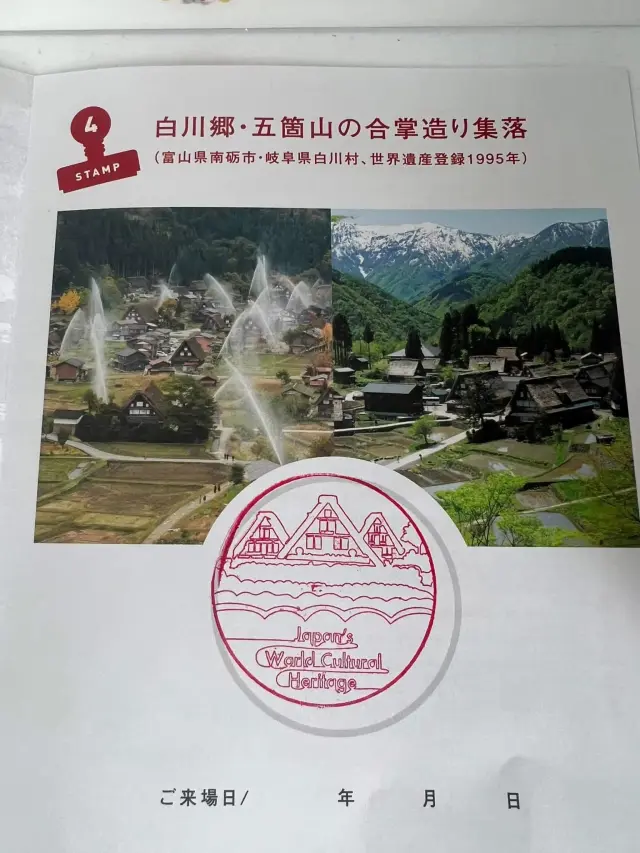
    World Heritage Site: In 1995, the Gokayama gassho-style villages and Shirakawa-go in Gifu Prefecture were jointly designated a UNESCO World Cultural Heritage Site.
    Gassho-zukuri architecture: There are many historic thatched-roof houses whose roofs resemble hands pressed together in prayer. This design allows snow to slide off effectively and is well suited to the area's snowy climate.
    Two main settlements:
    Ainokura: The larger settlement, with about 23 gassho-style houses, making it the largest gassho-style village in Gokayama.
    Suganuma: The smaller settlement, with about 9 gassho-style houses, and even more tranquil.
    Relaxed atmosphere: Since there are relatively fewer visitors, Gokayama offers a more peaceful travel experience.
    Beautiful scenery in every season: Each season has its own beauty, such as spring greenery, red maple leaves in fall, and snowy winter scenery.
    Recommended places to visit
    Ainokura Folklore Museum: A place to learn more about life in the village.
    Iwase Residence: About 300 years old, it is one of the largest gassho-zukuri buildings in Gokayama and Shirakawa-go. It is also designated as a National Important Cultural Property, and visitors can tour the interior and learn more about it.
    Haba Residence: It preserves the early style of gassho-zukuri architecture, and its exterior is currently open for viewing.

  • See More

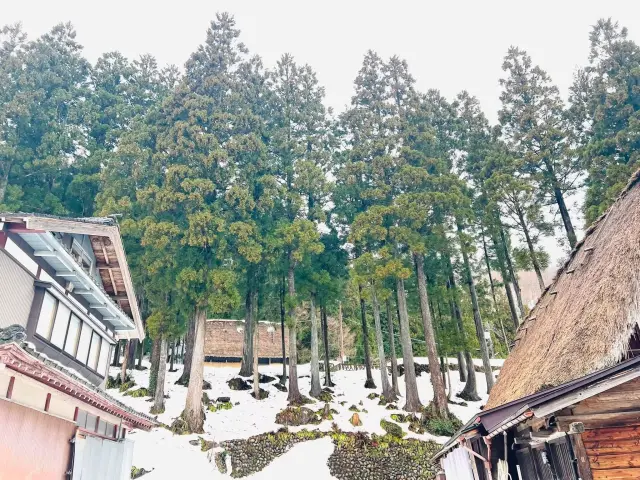
    Gokayama's Ainokura and Suganuma Gassho-style villages offer a soul-cleansing escape from the hustle and bustle. There is none of the noise of excessive commercialization here, only rustic thatched roofs surrounded by mountains, smoke rising from chimneys, and pastoral scenery. Strolling through the settlements among the mountains and clear streams, you can not only marvel at the architectural wisdom of the people who came before in withstanding heavy snow, but also deeply appreciate the pure tranquility and sense of seclusion. It is an idyllic retreat you will want to keep to yourself.

  • See More

    It's like a smaller version of Shirakawa-go, but it's a great choice if you prefer somewhere less crowded and quieter.

  • See More

    The snowy scenery is absolutely beautiful. It has a similar charm to Shirakawa-go's gassho-style villages.

Details

Name in Japanese
五箇山 相倉・菅沼合掌造り集落
Address
Ainokura Village: Nanto City, Toyama 939-1915
Suganuma Village: Suganuma, Nanto City, Toyama 939-1973
Telephone
0763-66-2123(The World Heritage Ainokura Gassho-Zukuri Village Preservation Foundation)
0763-67-3008(Suganuma World Heritage Preservation Association)
Closed
Ainokura Village: Open all year round
Suganuma Village: Year-end and New Year
Hours
Ainokura Village: 8:30am - 5:00pm
Suganuma Village: 8:00am - 5:00pm (9:00am - from December to March)
*Parking lot entry until 4:00pm
Admission
Parking lot conservation fee is 1000 yen for standard cars and mini cars.
Directions
Ainokura Village
Take the World Heritage Bus from Shin-Takaoka Station on the JR Hokuriku Shinkansen or Jobata Line, get off at Ainokura-guchi Bus Stop, and walk 5 minutes.
Suganuma Village
Take the World Heritage Bus from Shin-Takaoka Station on the JR Hokuriku Shinkansen or Johata Line, get off at Suganuma, and walk for 1 minute.
Official Website
Official Website (English)
Ainokura Village (Japanese)
Suganuma Village (Japanese)
Hokkaido Tohoku Kanto Chubu Hokuriku Kansai Chugoku Shikoku Kyushu Okinawa