

The Complete Hokkaido Travel Guide to Read Before Your First Visit
Hokkaido is full of highlights, from vast natural scenery to countless delicious local foods.
With so much to see and such a large area to cover, many travelers may wonder how to plan their trip.
No need to worry. This article covers not only Hokkaido’s appeal and popular sightseeing spots, but also transportation information, the charm and highlights of each area, and model itineraries, giving you everything you need for your first trip to Hokkaido.
Read to the end, and you’ll be able to create a Hokkaido travel plan that feels just right for you.
Hokkaido: Grand Scenery and Incredible Gourmet Experiences
Located in the northernmost part of Japan, Hokkaido has the largest land area of any prefecture.
Its area accounts for Approx. 22% of Japan’s total landmass.
One of Hokkaido’s biggest draws is its dynamic and beautiful natural scenery, made possible by its vast landscape.
In spring, you can enjoy cherry blossoms, in summer lavender, in autumn colorful leaves, and in winter snowy scenery, with seasonal beauty throughout the year.
Its wide plains and basins support large-scale farming and dairy production, and potatoes, onions, and dairy products are among its well-known local specialties.
Surrounded by the Pacific Ocean, the Sea of Okhotsk, and the Sea of Japan, Hokkaido is also blessed with abundant seafood and is famous for a wide variety of seafood dishes, including kaisendon seafood rice bowls.
There are also many other local specialties made with Hokkaido ingredients, and plenty of people visit Hokkaido just for the food.
On top of that, Hokkaido offers many ways to enjoy your trip, including sightseeing in cities such as Sapporo and Otaru, hot spring areas where you can relax in rich natural surroundings, and leisure facilities for families with children.

A Key Part of Hokkaido to Know: The Indigenous Ainu People
Hokkaido was developed in the Meiji era (1868–1912), but before that, it was home to the Ainu people, who had their own distinct culture.
The Ainu language once used by the Ainu people still remains in many place names across Hokkaido, and the names of about 80% of its municipalities are derived from Ainu.
There are not many chances to experience Ainu culture in Hokkaido, but there are cultural facilities where you can see traditional Ainu dances, crafts, and more, so if you are interested, it is worth a visit.

Average Temperatures in Hokkaido and What to Wear
Hokkaido has low average temperatures throughout the year, and in midwinter, some days drop below freezing.
It is one of Japan’s heaviest snowfall regions, so careful preparation is essential if you are traveling in winter.
Summer is comfortable and refreshing compared with Honshu because of the lower humidity.
Since Hokkaido is so large, the weather can differ between the north and south even on the same day, so keep that in mind.
Average Monthly Temperatures in Hokkaido (Sapporo)
| - | January | February | March | April | May | June | July | August | September | October | November | December |
|---|---|---|---|---|---|---|---|---|---|---|---|---|
| Average Temperature (°C) | -3.2 | -2.7 | 1.1 | 7.3 | 13.0 | 17.0 | 21.1 | 22.3 | 18.6 | 12.1 | 5.2 | -0.9 |
Seasonal Clothing Guide for Hokkaido
- Spring (March - May): Down jacket, coat, thick sweater, scarf, gloves
- Summer (June - August): Short-sleeved shirts, long-sleeved shirts, light sweater
- Autumn (September - November): Coat, jacket, sweater
- Winter (December - February): Down jacket, coat, thick sweater, scarf, gloves
Access to Hokkaido
It takes about 1 hour and 40 minutes by plane from Tokyo to Hokkaido. From Osaka, it takes Approx. 2 hours by plane.
Hokkaido has as many as 14 airfields, and 12 of them serve as gateways to the region by air.
Three airports have international flights: New Chitose Airport, Hakodate Airport, and Asahikawa Airport.
New Chitose Airport can be reached directly from Taiwan, Hong Kong, China, and other places.
You can also fly directly to Hakodate Airport and Asahikawa Airport from Taiwan.
Choose which airport to start your Hokkaido trip from based on your travel plan.

Access from New Chitose Airport to Major Stations
From here, let’s look at how to get from New Chitose Airport to Sapporo Station, Asahikawa Station, Kushiro Station, and Hakodate Station.
These stations are key transportation hubs for visiting nearby sightseeing spots, and they are often the first destination after leaving the airport.
Access from New Chitose Airport to Sapporo Station
- Route
- Take the JR Chitose Line Rapid Airport No. 11 at New Chitose Airport and get off at Sapporo Station
- Travel Time
- Approx. 40 minutes
Access from New Chitose Airport to Asahikawa Station
- Route
-
1. Take the JR Chitose Line Rapid Airport No. 11 at New Chitose Airport and get off at Sapporo Station
2. At Sapporo Station, transfer to the JR Hakodate Main Line Limited Express Lilac No. 1 and get off at Asahikawa Station - Travel Time
- Approx. 2 hours and 20 minutes
Access from New Chitose Airport to Kushiro Station
- Route
-
1. Take a flight from New Chitose Airport to Kushiro Airport
2. Walk 4 minutes to the Kushiro Airport bus stop, take an Akan Bus, and get off at the Kushiro Ekimae bus stop
3. Arrive after walking Approx. 4 minutes - Travel Time
- Approx. 1 hour and 45 minutes
Access from New Chitose Airport to Hakodate Station
- Route
-
1. Take a flight from New Chitose Airport to Hakodate Airport
2. Walk 4 minutes to the Hakodate Airport bus stop, take a Hakodate Teisan Bus, and get off at the Hakodate Ekimae bus stop
3. Arrive after walking Approx. 3 minutes - Travel Time
- Approx. 1 hour and 30 minutes
Can You Travel Without a Car? Main Transportation Options in Hokkaido
The main ways to get around Hokkaido are by bus and train. In Sapporo, the subway is the main transportation option.
That said, a rental car is generally recommended.
You should assume that Sapporo and Otaru are the only places where traveling solely by public transportation is easy.
In winter, snow often causes delays and service cancellations.
If renting a car is difficult, consider using sightseeing buses or sightseeing taxis.

Discount Passes You Should Use for Traveling in Hokkaido
Here, we’ll introduce some useful discount transportation passes you should know about if you want to keep travel costs down in Hokkaido.
Hokkaido Free Pass
The Hokkaido Free Pass is a ticket that gives you unlimited rides for 7 days on all JR Hokkaido lines and JR Hokkaido Bus services.
You can also use reserved seats in ordinary cars up to 6 times, and the express bus between Sapporo and Otaru is included as well.
The price is 27,430 yen for adults only.
Because it can also be used on limited express trains, which tend to be expensive, it becomes a better deal the more often you use public transportation.
This pass is recommended for travelers planning a longer trip and visiting multiple sightseeing areas.

The Appeal of Hokkaido’s Four Areas You Should Know Before Your Trip
Because Hokkaido is so large, it is impossible to see every area in just one or two trips.
That is why it is even more important than in other regions of Japan to understand the appeal and highlights of Hokkaido’s four main areas and prioritize them when planning your trip.
Even within the four areas introduced below, getting around takes time, so if a region or sightseeing spot catches your interest, be sure to explore it in more depth.
The Northern Hokkaido Area: Diverse Scenery and Many Ways to Enjoy It
The Northern Hokkaido Area stretches from central to northern Hokkaido.
Furano and Biei offer vast seasonal flower fields and beautiful rural scenery on a grand scale.
Asahikawa is a city with many leisure and cultural facilities, including Asahiyama Zoo, and it is also a great place to enjoy local food.
Wakkanai offers scenery unique to the northernmost point of Hokkaido.
In this way, the area is dotted with places of very different character, and the scenery changes completely depending on where you go.
If you venture farther to the remote islands of Rishiri and Rebun, you will find even more scenic beauty.
Rebun Island, where you can see as many as 300 kinds of flowers in bloom, is even known as the “floating flower island.”


The Central Hokkaido Area: Home to Popular Destinations Including Sapporo
The Central Hokkaido Area includes Sapporo, the heart of Hokkaido, as well as Otaru, Niseko, Toya, and Noboribetsu. New Chitose Airport, the main gateway to Hokkaido, is also in this area.
Sapporo, a city in harmony with nature, is especially popular as a sightseeing destination and is home to many of Hokkaido’s classic attractions.
Even Sapporo alone is packed with things to see, including spots with beautiful city views, theme parks, cultural facilities where you can experience Hokkaido’s history, markets where you can enjoy local food, and winter events that make the snowy scenery even more beautiful.
If you head a little outside the city, you can also reach Jozankei Onsen, a beautiful hot spring area surrounded by valleys.
Otaru, a port town filled with a nostalgic international atmosphere, also has plenty to offer, and simply walking through its retro streets is enjoyable.
Niseko, which has become especially popular with international visitors in recent years, is also part of the Central Hokkaido Area.
In Niseko, you can enjoy not only winter sports but also many other activities.
If you venture farther to Toya or Noboribetsu, you can experience dramatic natural scenery as well.


The Southern Hokkaido Area: Spots for Nature and Historical Culture
The Southern Hokkaido Area is located in the southwestern part of Hokkaido and has smaller temperature differences throughout the year and less snowfall than other parts of the island.
If you visit this area, Hakodate, one of Hokkaido’s most popular sightseeing destinations, is a must.
It developed as an international trading port, and its exotic streetscape and stately blend of Japanese and Western architecture are part of its charm.
The night view from Mount Hakodate, counted among the world’s top three night views, is also not to be missed.
A short trip from Hakodate brings you to Onuma Quasi-National Park, made up of three lakes created by the volcanic activity of Mount Komagatake and more than 100 small islands.
From a sightseeing boat cruising the lakes, enjoy spectacular views centered on Mount Komagatake, the symbol of the Southern Hokkaido Area.
Matsumae, home to Hokkaido’s only castle town, is also a popular destination, with many historic sites and cultural facilities where you can feel the history and culture of the Edo period (1603–1868).


The Eastern Hokkaido Area: Untouched Great Nature
The Eastern Hokkaido Area, which spreads across the east, is known for the beautiful natural scenery that feels uniquely Hokkaido.
If you travel here, you will encounter ecosystems shaped by rare plants and animals, along with mysterious natural landscapes.
One of the best examples is the Sea of Okhotsk, covered in drift ice that moves south from Siberia, something that in Japan can only be seen in Hokkaido during winter.
The Shiretoko Peninsula in the northeast is a UNESCO World Natural Heritage site, home to untouched nature and rich ecosystems.
You can experience this great natural environment in many ways, including the beautiful Shiretoko Five Lakes, where mountains reflect on the water’s surface, and Shiretoko cruises that travel along the coastline.
The Tokachi region, known for its thriving agriculture and dairy farming, is also in Eastern Hokkaido, and driving through its open pastureland is especially popular.
There is also plenty of appealing local food, including pork rice bowls, dairy products, and sweets made with locally grown ingredients.
Another feature of Eastern Hokkaido is its many lakes, especially the well-known Lake Akan, Lake Mashu, and Lake Kussharo.
Because it is one of the most nature-rich areas in Hokkaido, it is well worth visiting if you want something beyond the usual sightseeing spots.


How Many Days You Need to Fully Enjoy Hokkaido
For a trip to Hokkaido, you should set aside at least 3 days and 2 nights, and ideally 5 days and 4 nights if possible.
That is because not only are there many things to see, but Hokkaido is also vast, and traveling between spots and areas takes time.
If you cannot secure a long trip all at once, it is recommended to narrow your focus to one area and take a 3-day, 2-night trip.

A 3-Day, 2-Night Model Itinerary for Hokkaido’s Classic Spots
Here is a 3-day, 2-night model itinerary that is perfect for travelers who want to enjoy Hokkaido in a short time.
Day 1 involves getting around by rental car, while Days 2 and 3 use only public transportation.
Since the itinerary focuses on classic must-see spots, using this plan as a guide should help you enjoy the full appeal of Hokkaido.
Day 1: Visit Popular Sightseeing Spots in Asahikawa and Furano
On Day 1, you will visit popular sightseeing spots in Asahikawa, one of Hokkaido’s leading cities, and Furano, known for its beautiful rural scenery and flower fields, by car.
Because you will stay at a hotel in the forest, the entire day will be filled with the soothing beauty of Hokkaido’s grand nature.
9:00am Start from Asahikawa Airport
Day 1 begins with picking up the rental car you reserved at Asahikawa Airport.
First, head to Asahiyama Zoo, about 25 minutes away by car.

9:30am Observe Animal Behavior Up Close at Asahiyama Zoo
Asahiyama Zoo, Japan’s northernmost zoo, is a popular zoo known for its “behavioral exhibits,” which create comfortable spaces suited to each animal’s natural habits and let visitors observe their authentic behavior.
Be sure to see exhibits such as the Penguin House, where penguins freely swim around an underwater tunnel, the Seal House, where seals move up and down through a cylindrical tank, and the Polar Bear House, where you can watch polar bears dive into the pool.

12:50pm Compare Local Ramen at Asahikawa Ramen Village
Once you start getting hungry, get back in the car and drive about 10 minutes to Asahikawa Ramen Village.
Asahikawa Ramen Village is a facility where seven ramen shops from the city are gathered together to share the appeal and culture of Asahikawa ramen with more people.
Inside, you will find a lineup of popular local shops, including Aoba, one of Asahikawa’s long-established ramen restaurants.
If you spot a shop that catches your eye, step inside and give it a try.
It can also be fun to compare Asahikawa ramen from multiple shops.

2:30pm See Magical Scenery at Shirogane Blue Pond
After enjoying Asahikawa’s local food, head to Shirogane Blue Pond, about 50 minutes away by car.
With its striking vivid blue color, Shirogane Blue Pond is famous as one of Biei’s top sightseeing spots.
The pond’s mysteriously beautiful blue water, combined with the surrounding rich nature and standing dead larch trees, creates a dreamlike atmosphere that feels straight out of a fairy tale.
Take a walk around the area, find a good photo spot, and capture the magical scenery.

3:45pm Be Overwhelmed by the Vast Flower Fields of Farm Tomita
After enjoying Shirogane Blue Pond, head to your next scenic spot. A drive of Approx. 35 minutes will bring you to Farm Tomita.
Farm Tomita is a sightseeing farm in Nakafurano, Hokkaido, famous for its graceful lavender fields spreading across a large area.
Along with its spectacular lavender fields, one of its signature sights is the Irodori Field, where bands of vivid flowers such as purple lavender, white baby’s breath, and red poppies paint the gently sloping hills like a canvas.
Enjoy the beautiful scenery of each season.

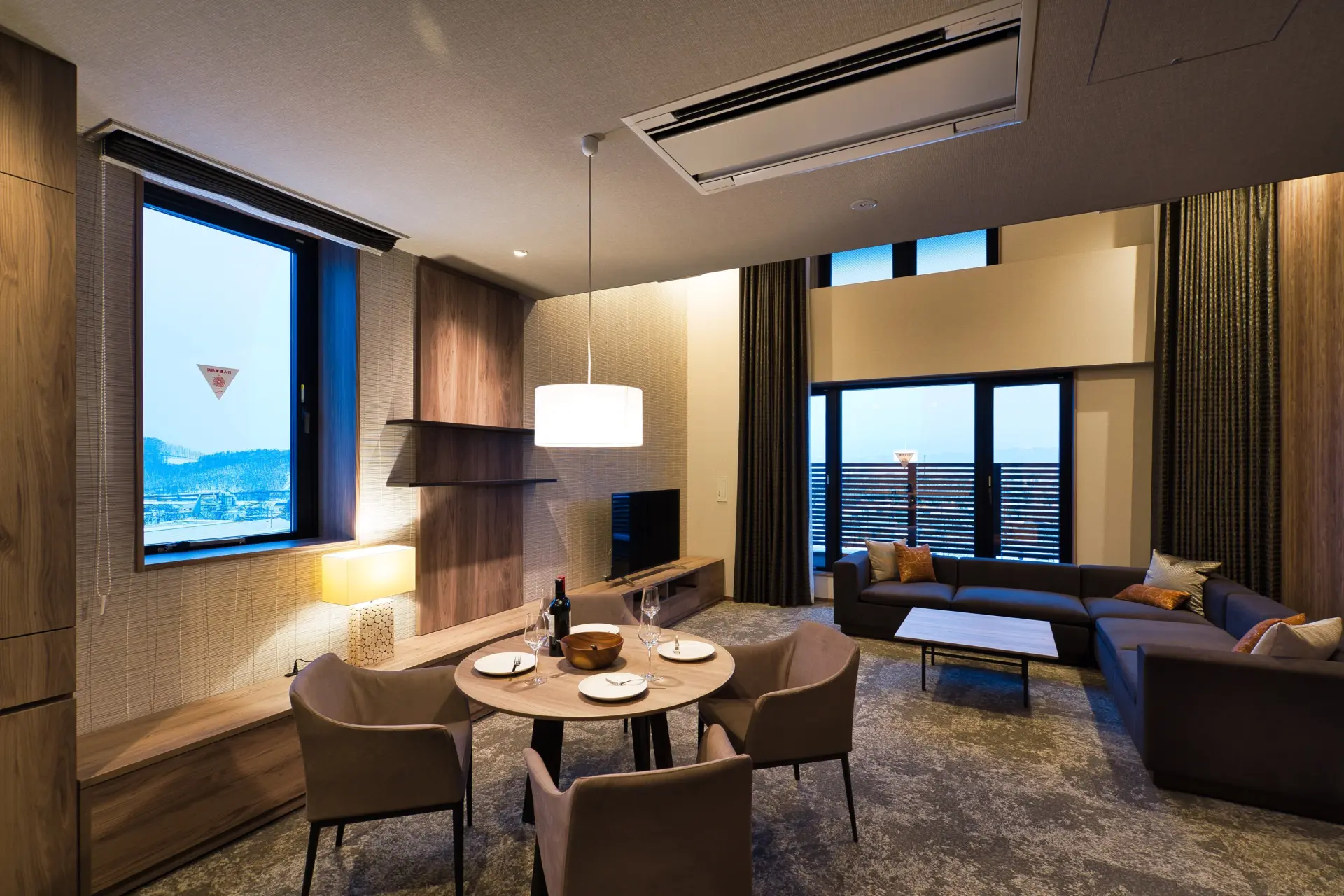
5:30pm Relax in the Excellent Setting of Hotel & Condominium Ichika
After enjoying the spectacular scenery, head to your accommodation for the first night, Hotel & Condominium Ichika. It is about 20 minutes by car from Farm Tomita.
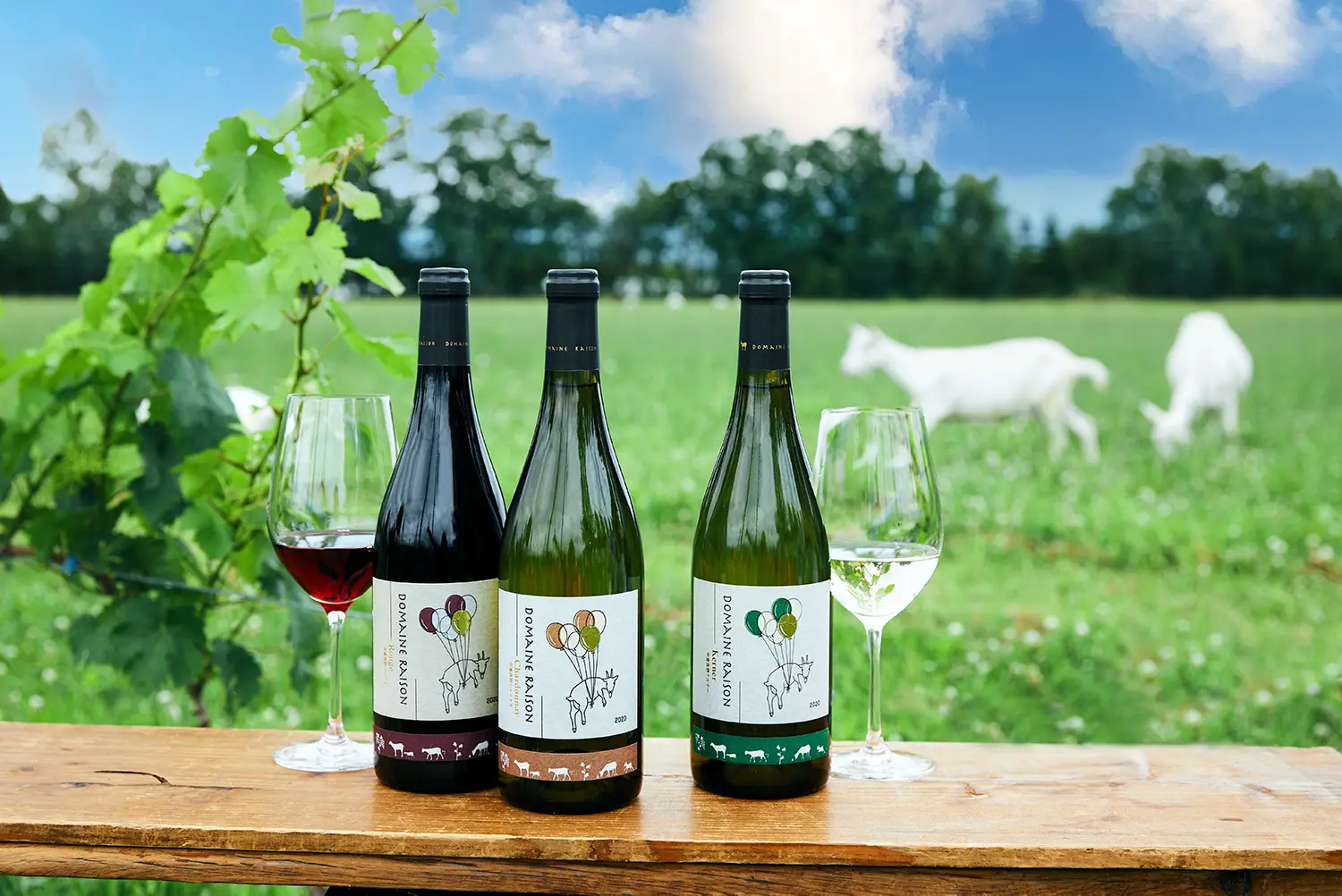
This hotel and condominium was produced by Group Raison, a company that operates wineries across Japan.
Created by a winery, this relaxing hotel is based on the concept of “a villa for guests visiting the winery” and offers 33 guest rooms, a lounge, a bistro, and a public bath in a soothing space where you can relax without feeling formal, even within its luxurious atmosphere.
Day 2: Visit Popular Sightseeing Spots in Sapporo
Day 2 begins at a scenic spot in Furano and then heads into Sapporo.
You will tour the city’s must-see sights, focusing on classic attractions such as the Sapporo Clock Tower and Odori Park.
8:40am Start from Your First Night’s Hotel
After breakfast at Hotel & Condominium Ichika, head to Flower Land Kamifurano, about 30 minutes away by car.
9:10am Enjoy Furano’s Grand Scenery at Flower Land Kamifurano
Flower Land Kamifurano is a sightseeing farm where you can enjoy colorful seasonal flowers across a vast 100,000-square-meter hillside property.
The flower fields on the slopes burst into bloom with a variety of seasonal flowers, beginning with cherry blossoms in spring.
From the observatory, you can take in a sweeping panorama of the Daisetsuzan mountain range, including Asahidake, Hokkaido’s highest peak, and Tokachidake, the symbolic mountain of Kamifurano, along with the townscape of Furano and the flower fields, all set against a wide-open sky.

1:40pm Capture the Spectacular Views at Sapporo Hitsujigaoka Observation Hill
After strolling around Flower Land Kamifurano, head to Sapporo Hitsujigaoka Observation Hill in Sapporo.
The drive takes Approx. 2 hours and 20 minutes, so be sure to take breaks along the way.
Hitsujigaoka Observation Hill is known for its sweeping natural views.
In spring, you will be greeted by fresh green pasture, in summer by lavender fields, in autumn by colorful leaves, and in winter by a pure white blanket of snow. It is an excellent photo spot with grand seasonal scenery throughout the year.
Enjoy a stunning Sapporo landscape that offers a different kind of beauty from Furano’s scenic views.

3:10pm Learn About Sapporo’s History and Culture at the Sapporo Clock Tower
After enjoying the scenery, return your rental car at Sapporo Station, about 20 minutes away by car, then walk about 15 minutes to the Sapporo Clock Tower.
The Sapporo Clock Tower was originally the drill hall of Sapporo Agricultural College, built to train leaders for the development of Hokkaido.
Today, it has been turned into a museum where you can see exhibits on Sapporo’s cultural properties and materials related to the Clock Tower.
Take a look at the history and culture of Sapporo, as well as the history of the Clock Tower, one of the city’s best-known landmarks.

3:55pm Enjoy the Scenery of Odori Park on the Way to Your Next Destination
After visiting the Sapporo Clock Tower, walk about 5 minutes to Odori Park.
Surrounded by Approx. 4,700 trees of 92 varieties, including lilacs and Japanese elms, it is a relaxing place where you can enjoy lawns and fountains as you make your way to your next destination, the Sapporo TV Tower.

4:10pm Take in a Panoramic View of Sapporo from Sapporo TV Tower
Built in 1956 at Nishi 1-chome, the starting point of Odori Park, Sapporo TV Tower has watched over the city’s development ever since and is loved by both locals and visitors as one of Sapporo’s iconic landmarks.
From the observation deck, about 90 meters above ground, enjoy spectacular views over Sapporo, and on clear days, you can also see the Ishikari Plain and the Sea of Japan.

5:50pm Enjoy the Beautiful Night View from Mount Moiwa
After enjoying the view from Sapporo TV Tower, walk to Nishi 8-chome Station on the Sapporo Streetcar Yamahana Line and head to Ropeway Iriguchi Station.
If you take the free shuttle bus from the station, you will arrive at the lower station of the Mount Moiwa Ropeway.
Transfer from the ropeway to the mini cable car and head up to the observatory at the summit.
From the observatory, a 360-degree view opens up over Sapporo’s cityscape, the Ishikari Plain, Ishikari Bay, and even scenic peaks such as Mashike Shokanbetsudake.
The night view has been selected as one of Japan’s New Top Three Night Views, so take your time and enjoy the sparkling city lights.

7:20pm Relax in the Natural Hot Spring at Jasmac Plaza Hotel
After enjoying the night view, take the mini cable car and ropeway back down to the base station, then head to Ropeway Iriguchi Station.
Take the Sapporo streetcar to Susukino Station, then walk about 5 minutes to reach Jasmac Plaza Hotel.
This community plaza combines a variety of facilities, from hot spring baths to relaxation salons, and hotel guests can use Yuka-kyo, one of Susukino’s largest natural hot spring facilities located inside the complex, as many times as they like.
Take your time and ease away the fatigue of your trip in the natural hot spring.
If you still have time, head out into the Susukino entertainment district to try some local food.

Day 3: Visit Popular Sightseeing Spots in Otaru
On Day 3, you will stroll through Otaru, a town with retro streets and an exotic atmosphere, while visiting its popular sightseeing spots.
You will also be able to buy souvenirs at a popular glass shop, so there is no need to rush your souvenir shopping at the airport just before your flight home.
8:20am Start from JR Sapporo Station
Day 3 starts from JR Sapporo Station.
Since it is only a 5-minute walk from the hotel, it is easy to access.
Take the train to Hakodate Station, and after getting off, walk about 10 minutes to reach Otaru Canal.

9:30am Stroll Along the Retro Otaru Canal
After serving its role as a canal following World War II, Otaru Canal has now been redeveloped with walking paths and small parks and reborn as one of Otaru’s 대표적인 sightseeing spots.
Walk along the gently curving promenade and enjoy the nostalgic retro scenery.
Be sure to stop by Asakusabashi Bridge, one of the best places to enjoy the view of Otaru Canal.

10:40am Step Into an Extraordinary World of Art at the Stained Glass Museum
While enjoying the scenery around Otaru Canal, walk about 5 minutes to the Stained Glass Museum.
This museum displays stained glass works made in the UK from the late 19th century to the early 20th century that were actually used in church windows.
Spending time in this beautifully glowing space, filled with works rich in British history, will make you feel as though you have stepped outside everyday life.
The Otaru Art Base, where the Stained Glass Museum is located, also has other facilities where you can enjoy wonderful art, crafts, and architecture from Japan and around the world.
If you have time, be sure to visit the other facilities as well.

12:10pm Try Otaru’s Soul Food at Wakadori Jidai Naruto Main Store
After enjoying the Stained Glass Museum, head to a famous restaurant for Otaru’s soul food, half-fried young chicken.
The signature menu item at Wakadori Jidai Naruto Main Store, about a 10-minute walk away, is its half-fried young chicken.
Though it is prepared simply with only salt and pepper and deep-fried, the flavor is irresistibly delicious. Crispy on the outside and tender and juicy inside, it is packed with the rich flavor of young chicken.
Enjoy this Otaru soul food for lunch.

1:10pm Buy Beautiful Glass Products as Souvenirs at Kitaichi Glass Sangokan
After lunch, walk another Approx. 15 minutes to Kitaichi Glass Sangokan.
Kitaichi Glass Sangokan is a popular glass shop and sightseeing spot in Otaru, lined with a wide variety of glass products, including original items.
Browse its wide selection of glassware, from tableware and drinking glasses to oil lamps and accessories, and pick up some souvenirs.

3 Must-Try Local Foods in Hokkaido
Hokkaido is a treasure trove of food, not only because of its thriving agriculture and dairy farming, but also because of its abundance of seafood.
Here are three local dishes you should definitely try while visiting Hokkaido.
1. Soup Curry
Soup curry is a curry dish served in a thin, non-thickened soup form.
The soup is made by blending several kinds of spices, such as turmeric and nutmeg, into a flavorful broth made from ingredients such as chicken and tomato.
Its cooking method is quite different from regular Japanese curry, and it may be easier to think of it as a curry-flavored soup.
Another characteristic is that the rice and soup are served separately, and it usually contains large chunky vegetables and other ingredients.

2. Genghis Khan
Genghis Khan, one of Hokkaido’s signature local dishes, is a meal of lamb or mutton grilled together with vegetables.
There are mainly two ways to eat it: one is to marinate the meat in sauce before grilling, and the other is to dip the grilled meat in sauce afterward.
It is also distinctive for being cooked on a special iron grill called a jingisukan pan, which has a raised center and lets the meat juices soak into the vegetables as they cook.
The biggest appeal of Genghis Khan is that it is both healthy and delicious.

3. Hokkaido’s Three Great Ramen Styles
The ramen styles of Sapporo, Hakodate, and Asahikawa are so well known that they are collectively called Hokkaido’s Three Great Ramen styles.
Sapporo ramen has a rich flavor made by simmering miso seasoning with pork-bone broth. It is characterized by plenty of vegetables such as bean sprouts and cabbage, giving it a crisp texture.
In contrast, Hakodate ramen has a light, clear soup.
It preserves a style introduced from China, and because there are relatively few specialty shops, it is often served at Chinese restaurants.
Asahikawa ramen typically features a double broth made with seafood and chicken bones, with a generous layer of lard on the surface of the soup.


Best Cherry Blossom Spots in Hokkaido for Unique Sakura and Beautiful Spring Scenery
Hokkaido’s vast natural scenery becomes colored with cherry blossoms in spring.
There are also cherry blossom varieties found only in Hokkaido, such as Ezo-yamazakura, so be sure to include famous sakura spots in your spring Hokkaido trip.
If you want to see Ezo-yamazakura, Maruyama Park in Sapporo is recommended.
As you stroll through the park, you can take your time admiring the dark-petaled Ezo-yamazakura as well as Somei Yoshino cherry trees.
In Hakodate, Goryokaku Park, a nationally designated Special Historic Site, is highly recommended.
In addition to walking through the park filled with blossoms, try looking down on Goryokaku Park from the observation deck of the nearby Goryokaku Tower.
You should be able to enjoy the spectacular sight of the star-shaped park covered with Approx. 1,500 cherry trees.
Matsumae Park, selected as one of Japan’s 100 best cherry blossom spots, is also very popular.
In its atmospheric grounds, dotted with residences recreating scenes from the Edo period, Approx. 10,000 cherry trees of about 250 varieties bloom beautifully. The impressive Kechimyaku-zakura tree, said to be over 300 years old, is another highlight.
For Sapporo’s average cherry blossom blooming date, full bloom date, and best viewing period, please refer to the table below.
However, because Hokkaido is so large, the best viewing times can differ greatly between Sapporo and other areas.
Be sure to check the peak blooming season for each area carefully before your trip.
- Blooming Date
- May 1
- Full Bloom Date
- May 6
- Best Viewing Period
- May 6–May 12
Reference: Japan Meteorological Agency: Cherry Blossom Blooming Status
Reference: Japan Meteorological Agency: Cherry Blossom Full Bloom Status


Furano’s Lavender Fields to Add to Your Summer Hokkaido Travel Plan
If you are visiting Hokkaido in summer, the lavender fields of Furano, which are at their best from late June to early August, are a must-see.
The vast rural landscape and lavender fields spreading across the foothills of the Tokachi mountain range create spectacular scenery you can only experience in Hokkaido.
Among the many lavender fields, Farm Tomita stands out as one of the most popular and well-known.
Of the 12 flower fields in the park, many people visit each year to see Lavender East, one of Japan’s largest lavender fields, and Irodori Field, where seven colors of flowers bloom brightly.
Flower Land Kamifurano, where you can tour the flower fields by tractor bus, and Hinode Park Lavender Garden, where lavender covers Approx. 4.2 hectares of rolling hills, are also popular spots.


Best Autumn Foliage Spots Where Hokkaido’s Great Nature Turns Colorful
In autumn, Hokkaido’s grand natural landscapes are colored by fall leaves.
Because you can enjoy autumn foliage on such a large scale, be sure to include some famous fall foliage spots in your autumn travel plan.
Onuma Quasi-National Park, centered around Mount Komagatake, the symbol of the Southern Hokkaido Area, with its many lakes and forests, is especially recommended.
The sight of its vast 9,083-hectare grounds turning crimson and gold is truly spectacular.
If you love hot springs, add Noboribetsu Onsen to your itinerary.
The atmosphere of this charming hot spring town combined with the autumn colors of the surrounding mountains is sure to be deeply relaxing.
If you are traveling in early autumn, there is no need to worry.
At Asahidake, famous as the place where autumn leaves appear earliest in Japan, the best viewing period is from mid-September to late September.
Ride the ropeway and enjoy an aerial stroll while looking down on the colorful autumn leaves.


Illumination Events to Add to Your Winter Hokkaido Travel Plan
As one of Japan’s heavy snowfall regions, Hokkaido sees large amounts of snow piling up in winter.
The snow-covered natural scenery and cityscapes are beautiful on their own, but during illumination events, the snow reflects the lights, making the scenery even more striking.
During the Sapporo White Illumination, the entire city seems wrapped in light, with creative illuminations held at five venues.
The Blue Canal event at Otaru Canal, known for its nostalgic scenery, is also highly recommended.
About 10,000 blue lights line the canal, creating a magical atmosphere.
The sightseeing boats that cruise the canal are also lit up in blue, so be sure to give one a try.
Hakodate Illumination, which brightly lights up the foot of Mount Hakodate, is also very popular.
The snow-covered, exotic streets of Hakodate, illuminated by lights in the roadside trees, create a beautiful and dreamy scene.
Many of these events are held from November to February of the following year, so if you are planning to visit Hokkaido in winter, be sure to check them out.


FAQ about Hokkaido Travel
Q
What season is recommended for traveling to Hokkaido?
Summer is especially recommended, when vast lavender fields spread out before your eyes.
Q
What sightseeing spot in Hokkaido is recommended for a family trip with children?
Asahiyama Zoo is recommended, where you can encounter a wide variety of animals.
Summary
In this article, we have comprehensively introduced the information you need for a trip to Hokkaido, including its appeal, the charms and highlights of each area, transportation information, and model itineraries.
If you are traveling to Hokkaido for the first time, be sure to use this article as a guide when planning your trip.
If you want to learn even more about sightseeing spots in Hokkaido, be sure to check out the article below as well.