
![[13 Popular Tourist Spots in Izumo] A Journey Through Spectacular Scenery and Power Spots](https://static.gltjp.com/glt/data/article/22000/21207/20251117_131243_14639a23_w1920.webp)
[13 Popular Tourist Spots in Izumo] A Journey Through Spectacular Scenery and Power Spots
Izumo, in Shimane Prefecture, is one of Japan’s top destinations, known for its many historical sites and cultural treasures tied to mythology.
From power spots centered around Izumo Taisha Shrine to beautiful seasonal landscapes, sunsets, and a unique local food culture, the area is filled with things to see and do.
In this article, we’ll introduce ways to enjoy Izumo, focusing on popular sightseeing spots and restaurants.
It’s put together so even first-time visitors or those less familiar with the area can make the most of their trip, so use it as a guide when exploring Izumo.
What is Izumo Like?
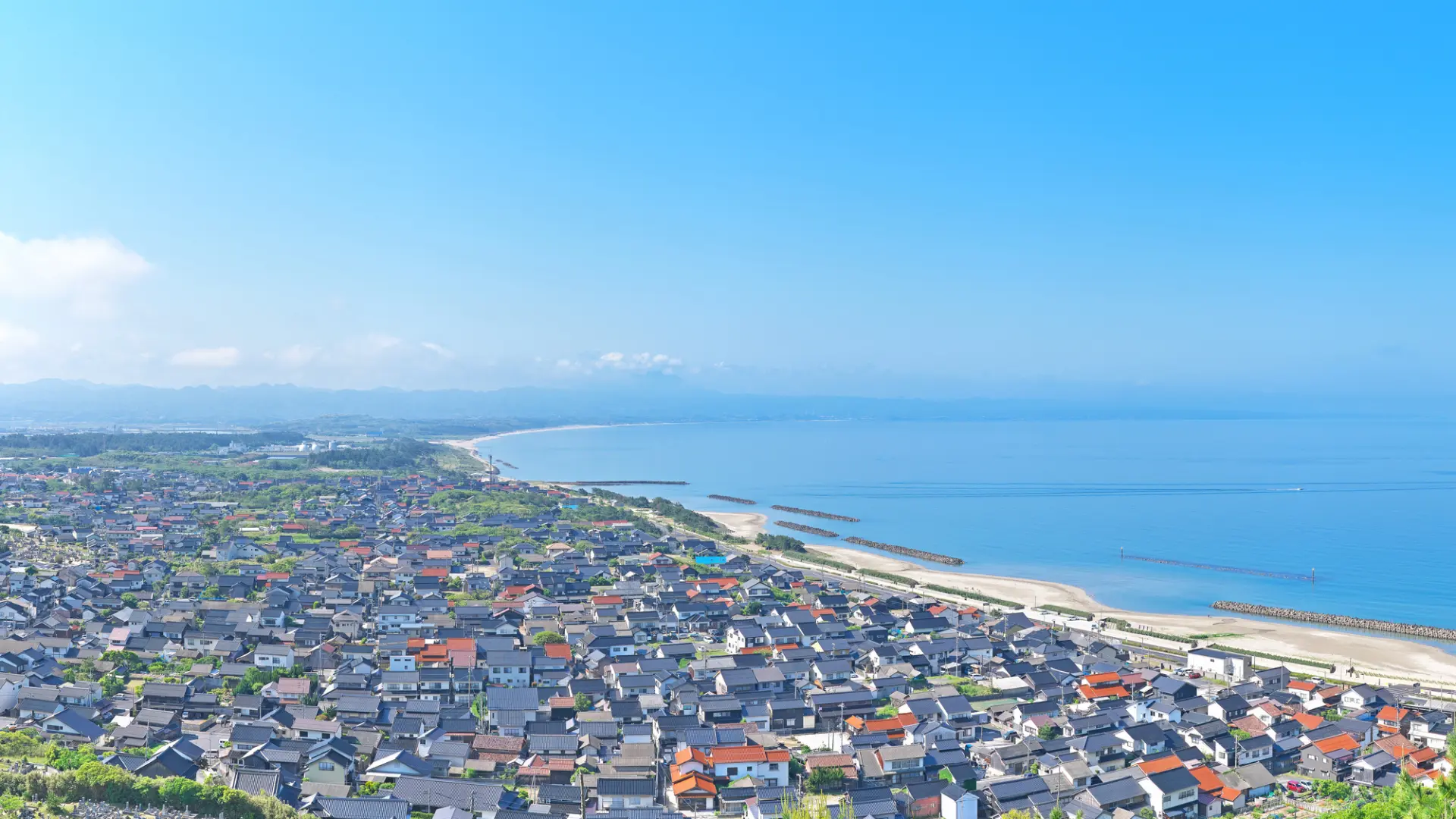
Located in eastern Shimane Prefecture, Izumo is a sightseeing destination famous as the land of mythology.
Centered on the Izumo Plain, it borders the Shimane Peninsula and the Sea of Japan to the north, and the Chugoku Mountains to the south, giving it a landscape where sea, mountains, plains, lakes, and rivers exist in harmony.
Although the area has the Sea of Japan-side climate typical of the Sanin region and may see snow in winter, it is relatively mild, and you can enjoy the changing seasons throughout the year.
Its greatest appeal is the deep presence of mythology, history, and culture, led above all by Izumo Taisha Shrine, one of Japan’s most important ancient shrines.
It is also the setting of the ancient Kunibiki myth, and the faith of ages past still lives on in the townscape and daily life, so simply walking along the mysterious approach and through the shrine grove lets you experience a quintessential Japanese landscape.
In addition to its many sightseeing spots connected to mythology, Izumo is also home to important historical heritage sites such as the Kojindani Ruins and the Nishidani Burial Mounds, with romantic places scattered throughout the area.
Another highlight is its local cuisine made with regional ingredients.
In particular, be sure to try Izumo soba, known for its distinctive three-tiered serving style, and Izumo zenzai, a traditional sweet closely connected to local worship culture, both of which are very popular.
Access to Izumo
The main gateway to Izumo is Izumo Enmusubi Airport, while Izumoshi Station serves as the base for your trip.
Below is a table showing how to get to Izumoshi Station from the major Japanese cities of Tokyo, Osaka, Nagoya, and Fukuoka.
| Starting Point | Route | Travel Time |
|---|---|---|
| Haneda Airport (Tokyo) |
1. Board a JAL flight from Haneda Airport, get off at Izumo Enmusubi Airport, and walk to the airport bus stop 2. Take the airport limousine bus bound for Kitahonmachi-mae from the Izumo Airport bus stop, get off at Izumoshi Ekimae, and arrive after a few minutes on foot *There are 5 flights per day |
Approx. 2 hours 15 minutes |
| Itami Airport (Osaka) |
1. Board a JAL flight from Itami Airport, get off at Izumo Enmusubi Airport, and walk to the airport bus stop 2. Take the airport limousine bus bound for Kitahonmachi-mae from the Izumo Airport bus stop, get off at Izumoshi Ekimae, and arrive after a few minutes on foot *There are 4 flights per day |
Approx. 1 hour 40 minutes |
| Komaki Airport (Nagoya) |
1. Board an FDA flight from Komaki Airport, get off at Izumo Enmusubi Airport, and walk to the airport bus stop 2. Take the airport limousine bus bound for Kitahonmachi-mae from the Izumo Airport bus stop, get off at Izumoshi Ekimae, and arrive after a few minutes on foot *There are 3 flights per day, and 1 flight per day also departs from Chubu Centrair International Airport |
Approx. 1 hour 50 minutes |
| Fukuoka Airport (Fukuoka) |
1. Board a JAL flight from Fukuoka Airport, get off at Izumo Enmusubi Airport, and walk to the airport bus stop 2. Take the airport limousine bus bound for Kitahonmachi-mae from the Izumo Airport bus stop, get off at Izumoshi Ekimae, and arrive after a few minutes on foot *There are 2 flights per day |
Approx. 2 hours 10 minutes |
Main Transportation Options for Sightseeing in Izumo
There are five main ways to get around when visiting sightseeing spots in Izumo: train, bus, taxi, rental car, and rental bicycle.
Choosing the right option flexibly based on your destination, travel distance, and sightseeing style is the key to enjoying your trip even more.
For example, if you plan to visit Izumo Taisha Shrine and the surrounding area, the Ichibata Bus plus walking is convenient, while the JR Sanin Line is useful for getting around the city or heading toward Matsue.
Because public transportation services are limited, rental bicycles (for the city center and short distances) and rental cars (for suburban areas and multiple destinations) are recommended for those who prioritize efficiency and comfort.
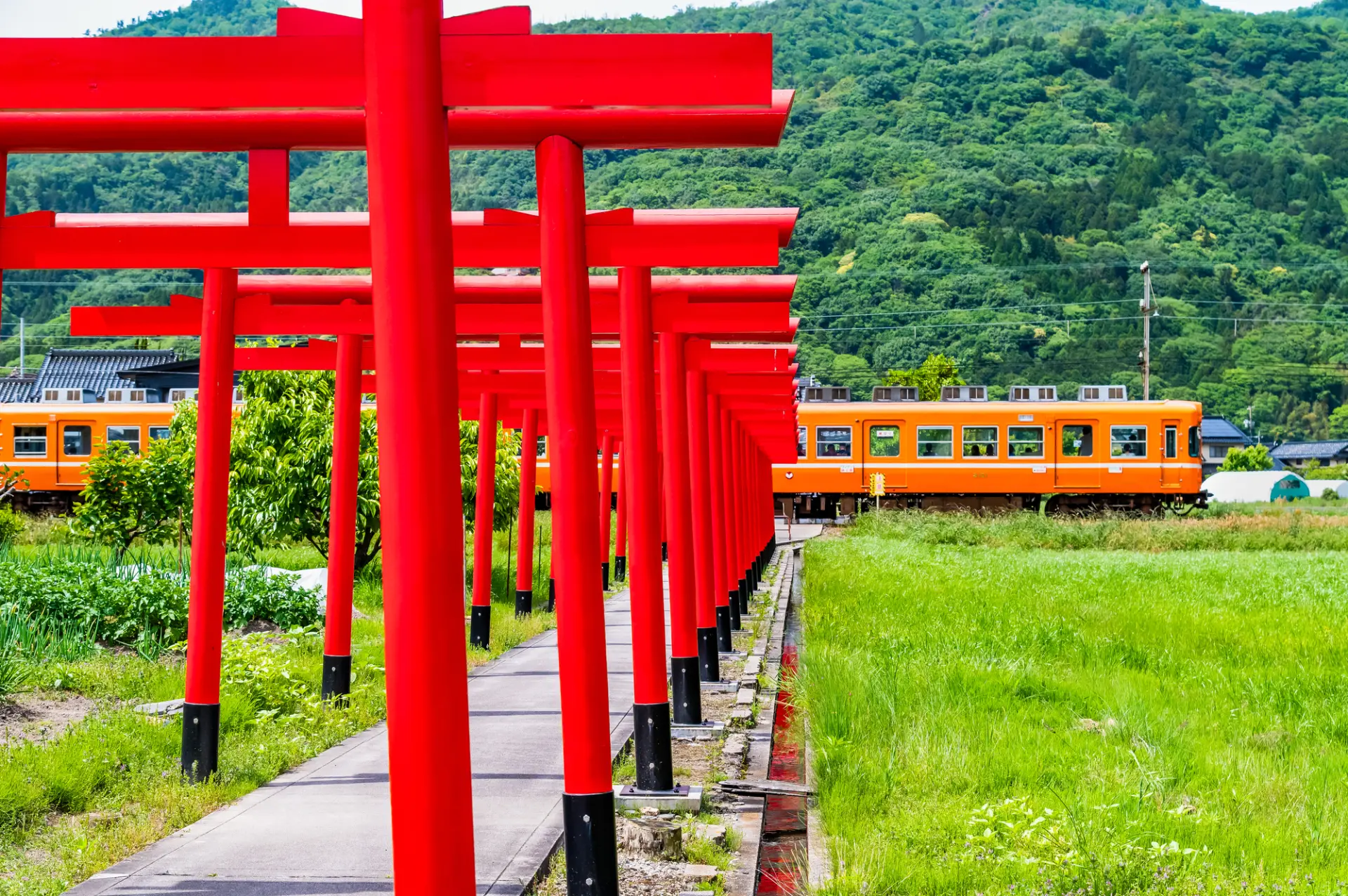
What Is the Best Season for Sightseeing in Izumo?
Autumn is the best season for sightseeing in Izumo.
The weather is comfortable, and sacred spots such as Izumo Taisha Shrine are wrapped in a clear, vibrant atmosphere.
Every year from late October to mid-to-late November, the autumn leaves reach their peak at various places around Izumo City, making it a great time to enjoy fall foliage.
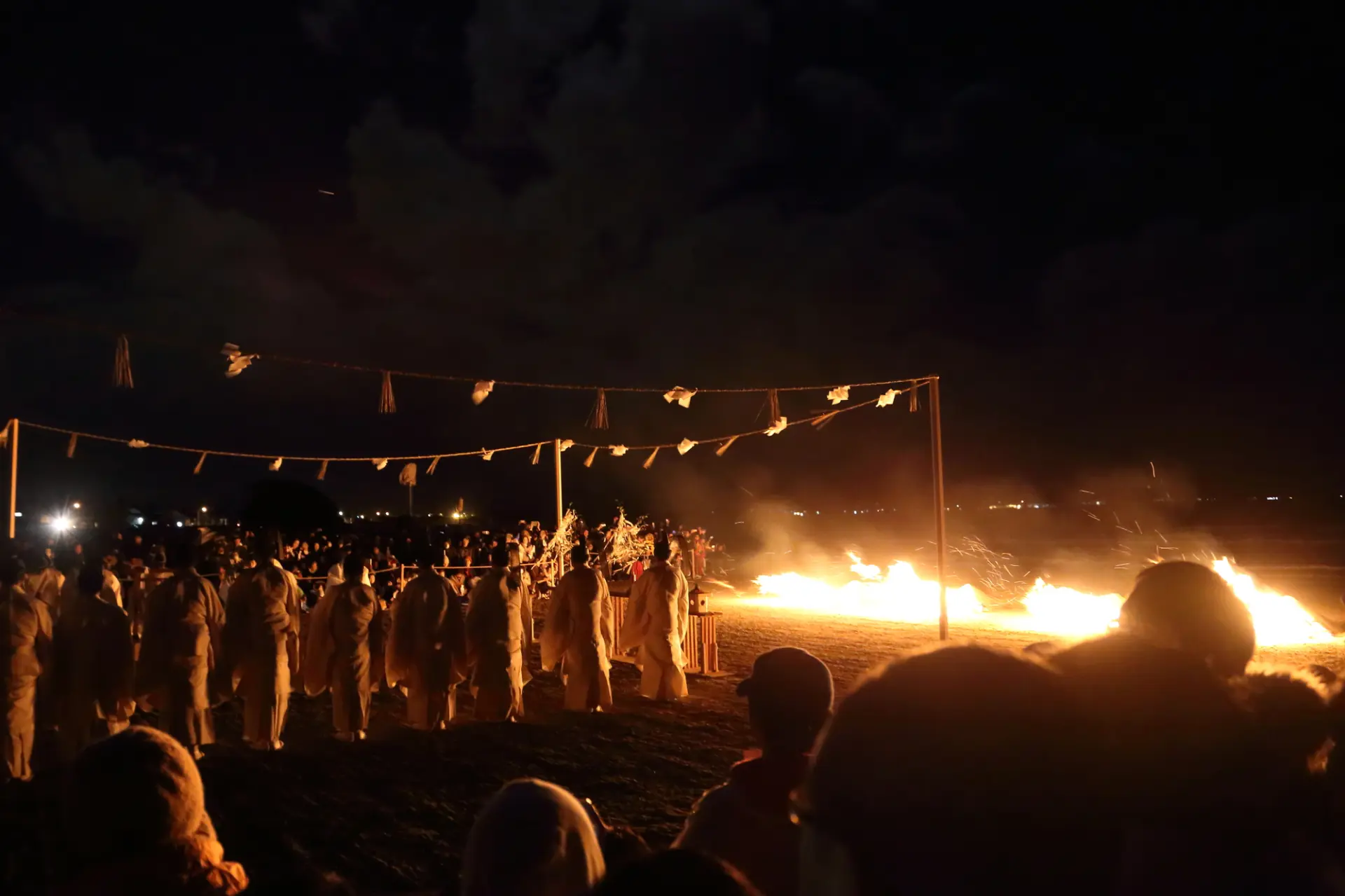
November, which corresponds to Kamiarizuki on the old lunar calendar, is also a mystical time when rituals are held in Izumo, where gods from around Japan are said to gather.
Along with visiting power spots, you can also experience traditional events, festivals, and local celebrations.
3 Must-Try Ways to Enjoy Izumo
From here, let’s look at three ways to fully enjoy Izumo.
Each one reflects a deep fusion of nature, history, and mythology, and experiencing the breath of the seasons and the area’s sacred energy can leave you feeling fulfilled.
One of Izumo’s defining features is the chance to connect with its climate and culture and gain a deeper sense of its identity, making for experiences you won’t find elsewhere.
These moments are sure to stay with you long after your trip, so consider building your plans around them.
1. Visit Power Spots Centered Around Izumo Taisha Shrine
Izumo Taisha Shrine is famous as one of Japan’s leading power spots, but there are many other places around Izumo City where you can feel the mystical energy unique to this land of mythology.
The main spots are listed below.
By visiting them together with Izumo Taisha Shrine, you can experience Izumo’s sacred atmosphere and powerful energy from multiple angles.
| Spot Name | Overview | Main Blessings |
|---|---|---|
| Susa Shrine | An ancient shrine dedicated to Susanoo-no-Mikoto, often called Japan’s top power spot | Good relationships, warding off evil, prosperity for descendants, etc. |
|
Misaki Shrine (Hinomisaki Jinja) |
An ancient shrine with a sacred atmosphere, known for its beautiful vermilion shrine buildings | Matchmaking, success in love, family safety, etc. |
|
Inochinushi no Yashiro (Inochinushi Shrine) |
A subsidiary shrine of Izumo Taisha Shrine dedicated to a deity governing life force, popular as a hidden power spot | Good health, longevity, recovery from illness, etc. |
-
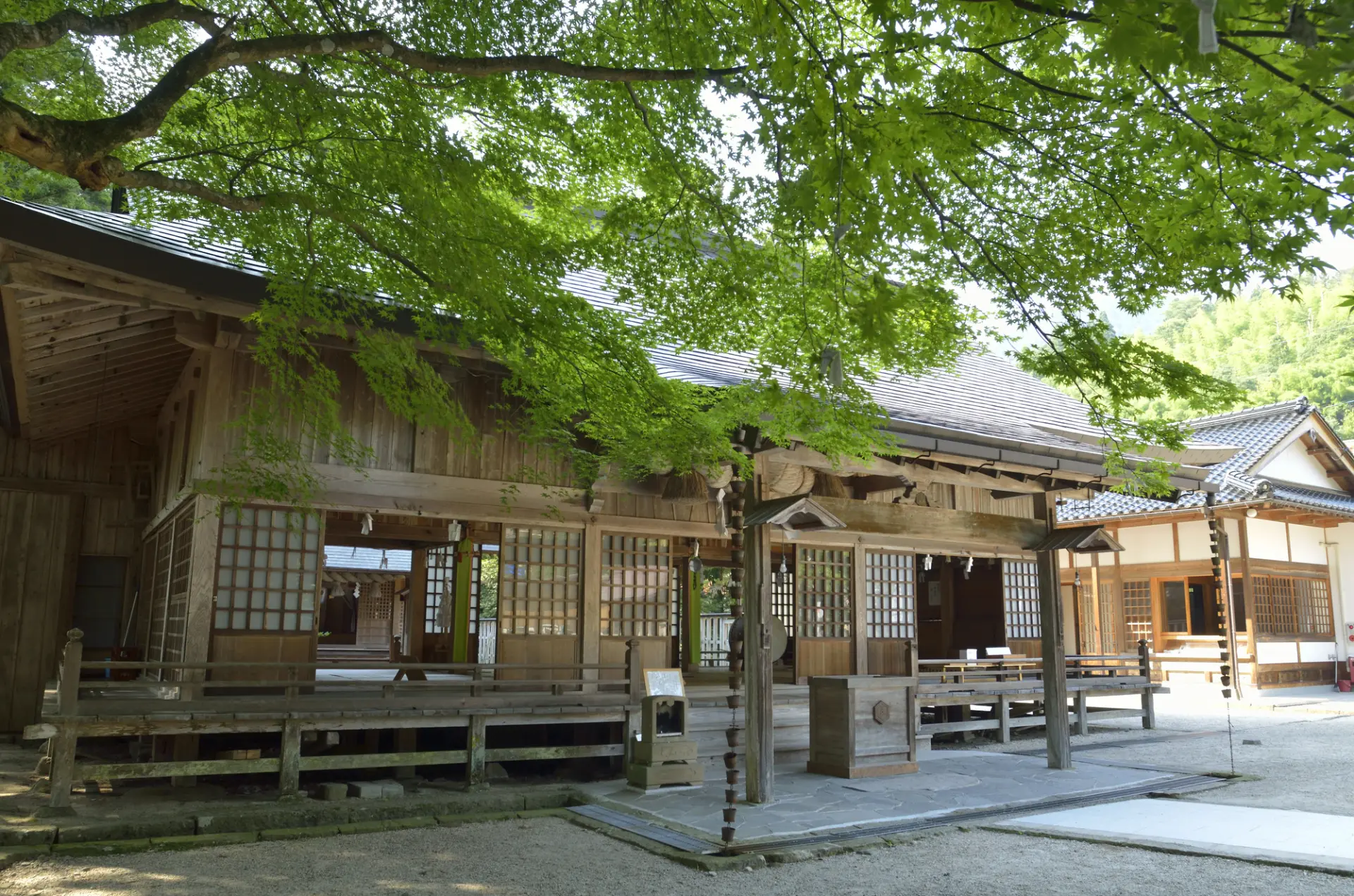
Susa Shrine, often described as one of Japan’s greatest power spots
-
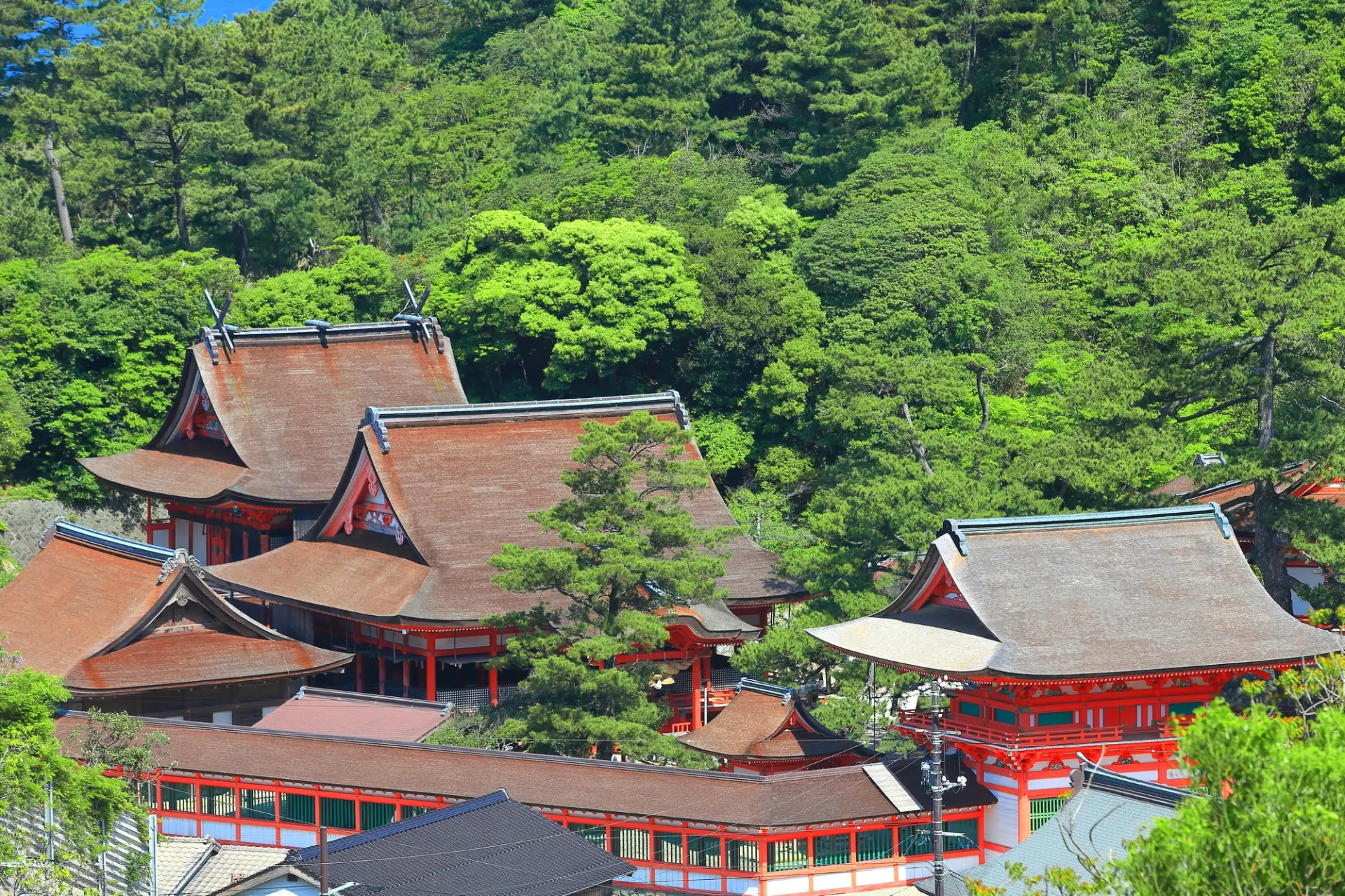
Misaki Shrine, dedicated to two deities who govern “day” and “night”
-
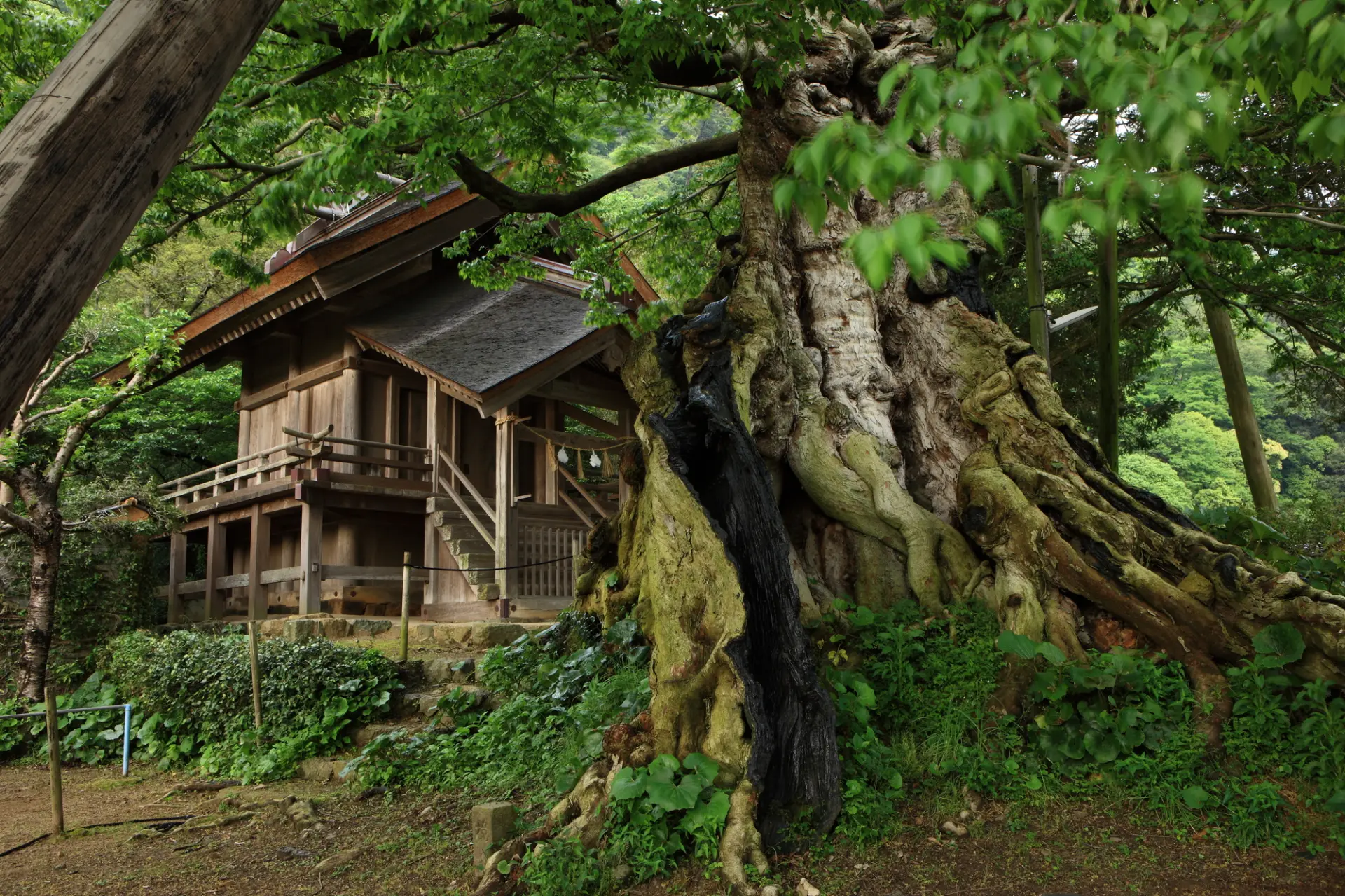
Inochinushi Shrine, located inside and outside the grounds of Izumo Taisha Shrine
2. Visit Beautiful Sunset Spots
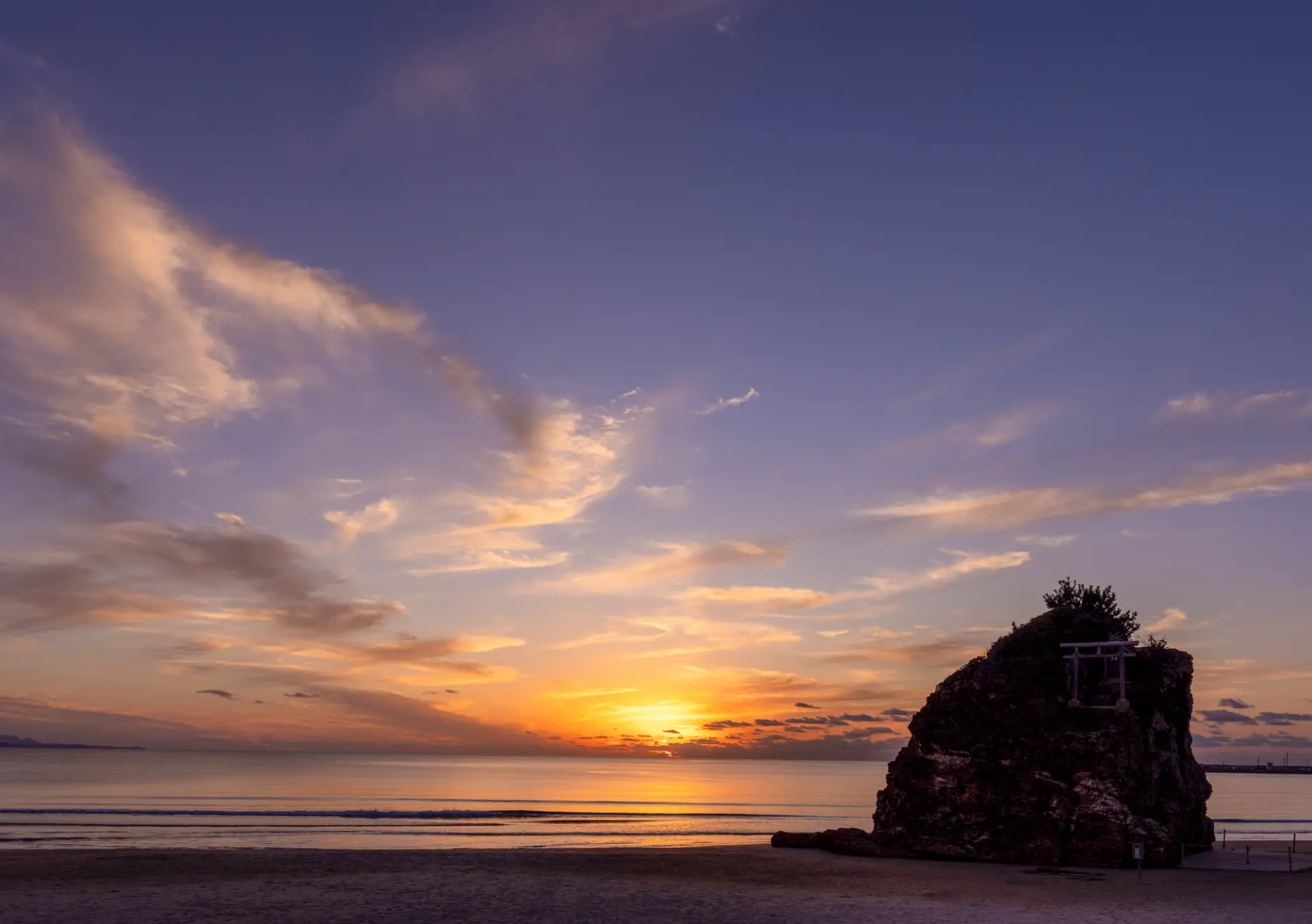
Izumo is home to two spectacular sunset spots: Inasa no Hama Beach and Hinomisaki.
Inasa no Hama is a wide sandy beach that appears in Izumo mythology and is regarded as a sacred place where gods from around Japan come ashore in October on the old lunar calendar.
The shoreline glowing in the evening light and the silhouette of Bentenjima Island offshore create a dreamlike scene, offering a solemn moment closely tied to worship.
Meanwhile, Hinomisaki, at the western tip of the Shimane Peninsula, is a place where you can view the sunset sinking into the sea up close, with cliffs and a white lighthouse as the backdrop.
Rich crimson and deep orange colors reflect on the water and cliffs, while flocks of black-tailed gulls on Fumishima Island add life to the scenery.
There are many other sunset viewpoints in the area tied to Izumo mythology and rituals, and the region as a whole has been recognized as the Japan Heritage site “Izumo, the Sacred Land Where the Sun Sets.”
Along with the beautiful views, another attraction is the chance to experience a sense of time and culture that has continued since ancient times.

3. Enjoy Autumn Leaves in Izumo
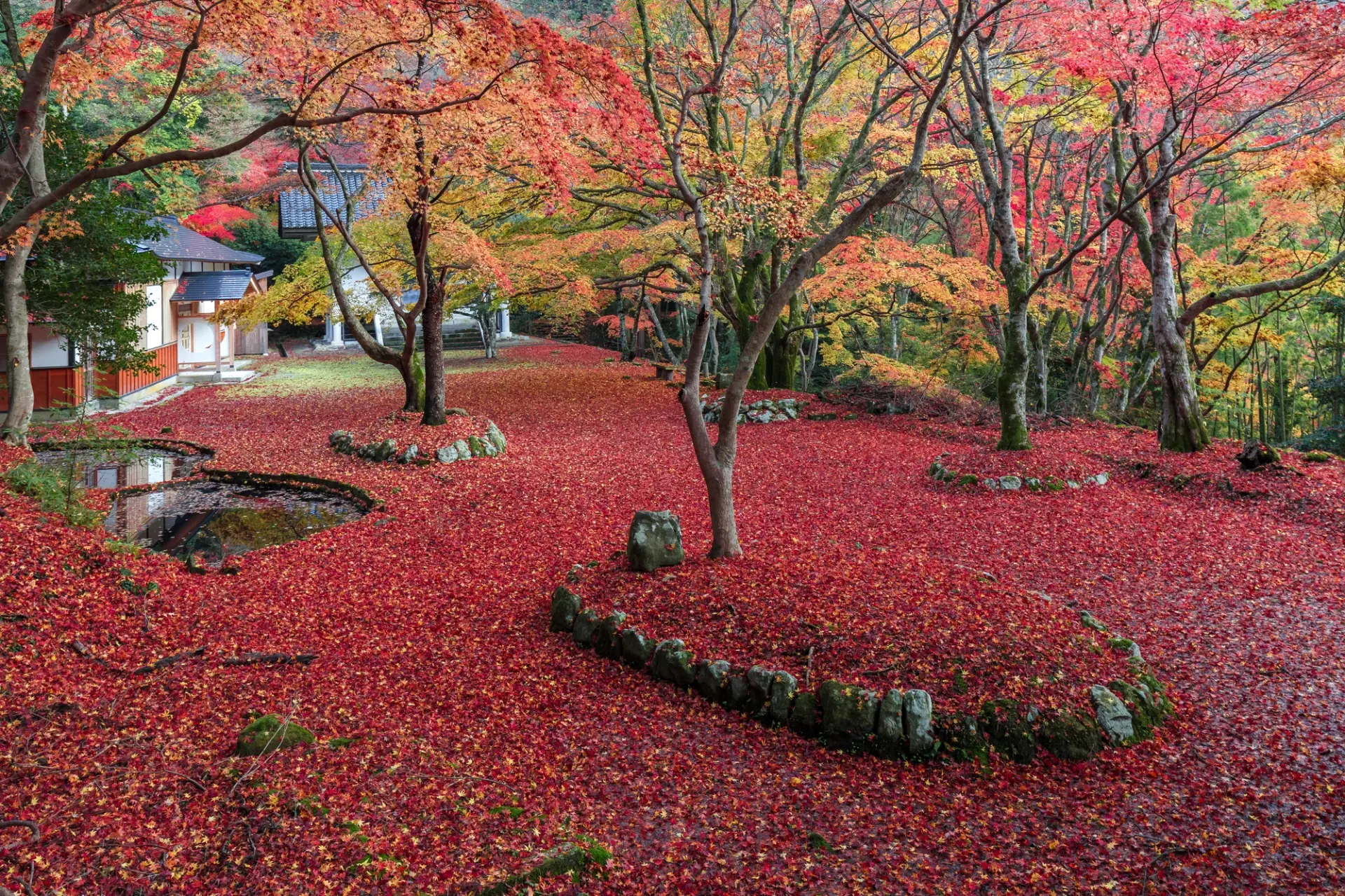
Izumo has many famous spots for autumn leaves, and when they reach their peak, historic temples and natural landscapes are dyed in vivid colors and take on the look of fall.
The areas colored in red, yellow, and orange are beautiful, and it’s also nice that you can usually enjoy these soothing scenes for free.
Recommended autumn foliage spots in Izumo City are listed below.
| Spot Name | Overview | Best Time to Visit (Approx.) |
|---|---|---|
|
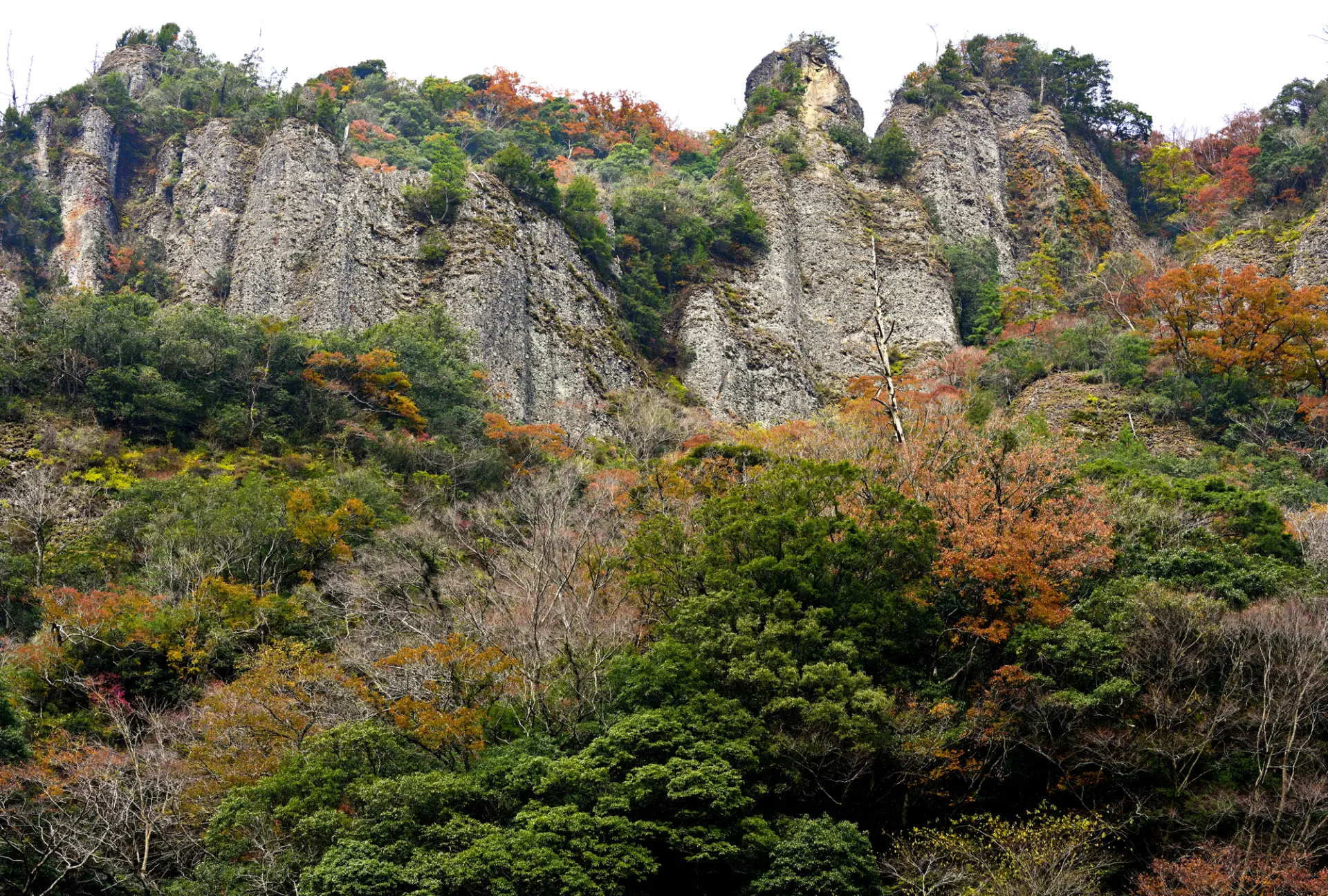
Tachikuekyo Gorge (Tachikuekyo) |
A gorge of towering rock formations and a mountain stream colored by autumn leaves, known for the contrast between natural beauty and vivid colors | Mid-November to late November |
|
Gakuenji Temple (Gakuenji) |
Considered one of the Sanin region’s top autumn foliage spots, where the temple grounds turn deep crimson in late autumn | Mid-November to late November |
|
Shojoji Temple (Shojoji) |
A hidden gem where you can enjoy autumn leaves at a relaxed pace in peaceful temple grounds | Mid-November to late November |
13 Popular Tourist Spots That Capture the Charm of Izumo
From here, we’ll introduce a carefully selected list of sightseeing spots in Izumo.
Most are deeply connected to Japanese mythology and history, and are well known as popular places that have long served as the cultural and religious center of the Izumo region.
Along with a sense of mystery, they offer seasonal natural beauty and a solemn atmosphere, making for experiences unlike anywhere else.
Use this guide to visit as many places as possible that catch your interest.
1. Izumo Taisha Shrine
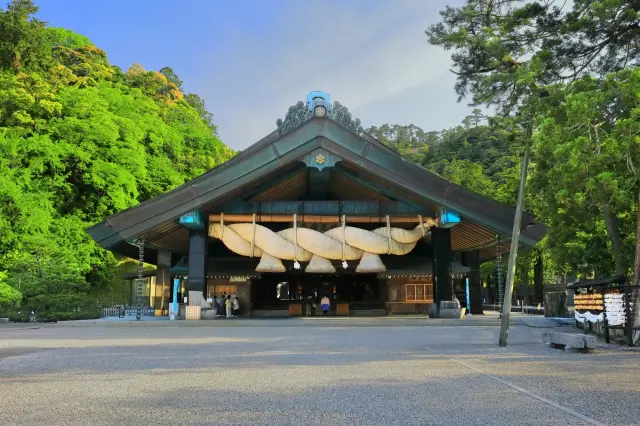
Izumo Taisha Shrine is mentioned in the Kojiki (712), Japan’s oldest historical record, and is one of the country’s most important ancient shrines alongside Ise Jingu Shrine. It enshrines Okuninushi no Okami, famous as the deity of matchmaking, as its main deity.
The giant sacred straw rope hanging at the front of the Kaguraden Hall is especially famous. At 13 meters long and 5.2 tons in weight, it is one of the largest in Japan.
The main sanctuary, rebuilt in 1744, was constructed in Japan’s oldest shrine architectural style and has been designated a National Treasure.
2. Shimane Museum of Ancient Izumo
This museum displays many valuable materials related to ancient Izumo, including Izumo Taisha Shrine and the many myths associated with the area.
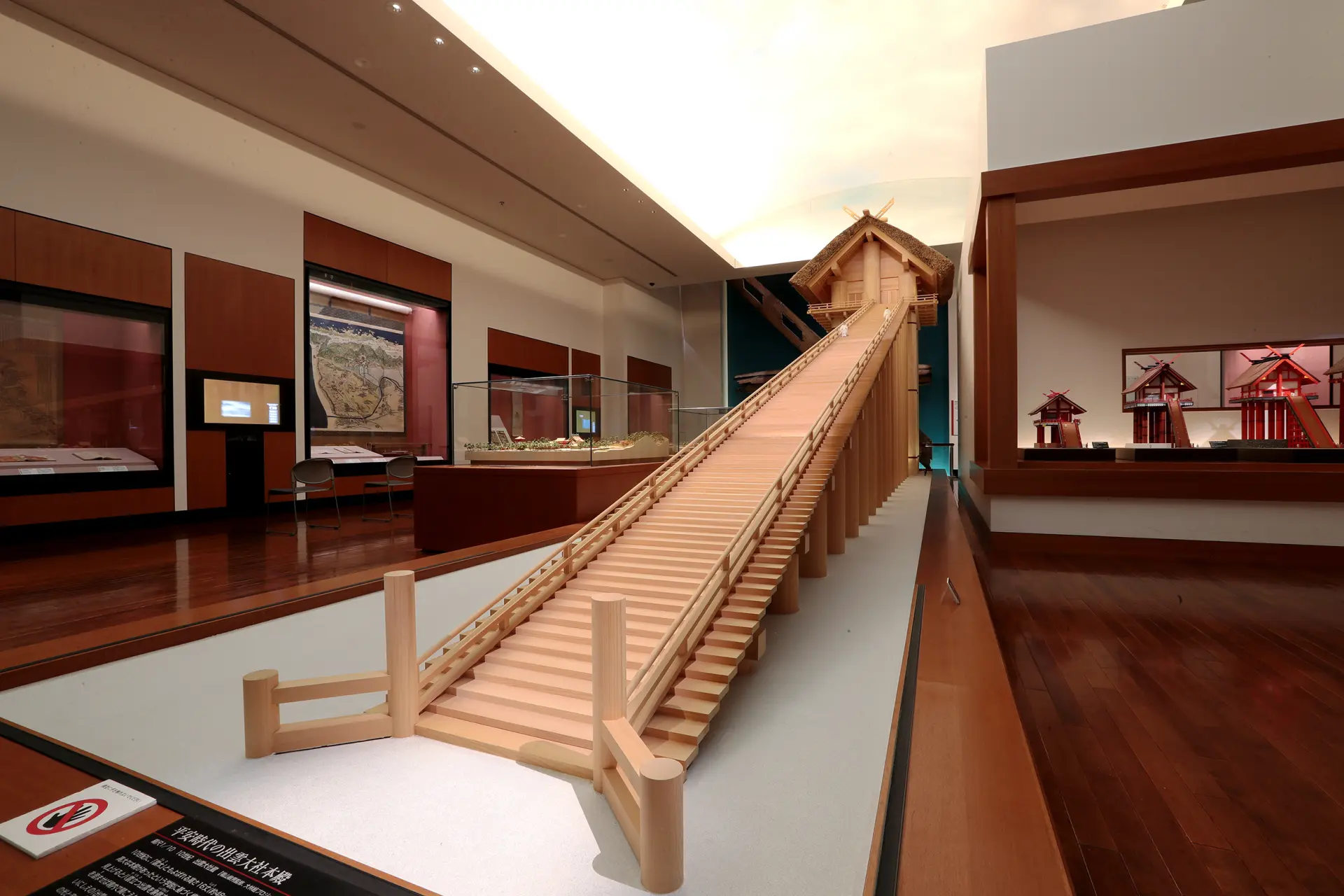
In the central lobby exhibit, you can see the giant pillar called Uzubashira, discovered in the grounds of Izumo Taisha Shrine in 2000. The themed exhibition rooms are divided into three sections, and the section “Izumo Taisha and Festivals of the Land of the Gods” features a one-tenth scale model of Izumo Taisha Shrine as it is believed to have stood in the Heian period, when it was said to be a giant elevated shrine building.
*Closed through September 2026.
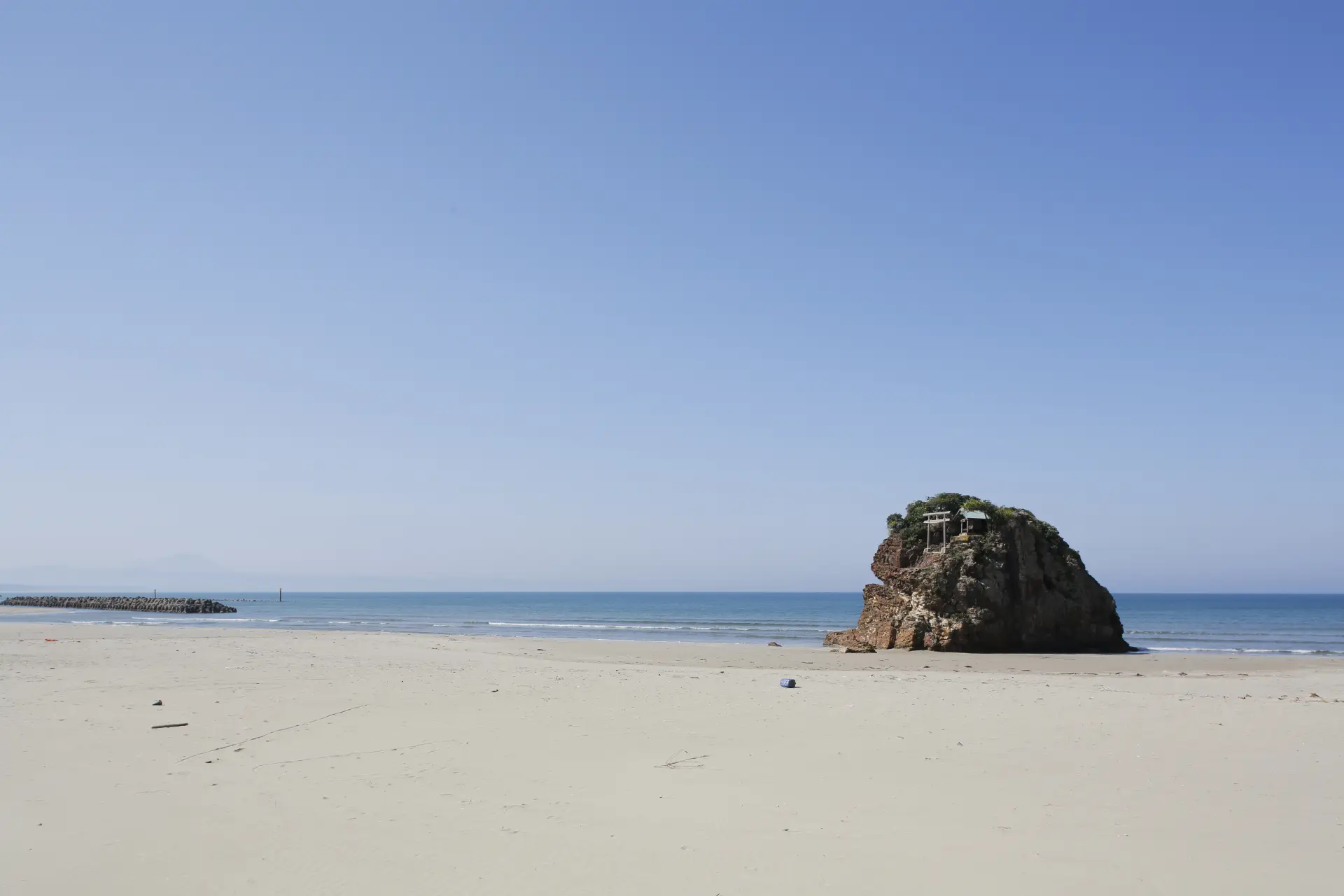
3. Inasa no Hama Beach
This sandy beach stretches for Approx. 2 km and is located about a 15-minute walk west of Izumo Taisha Shrine. Its beautiful scenery of white sand and green pine trees has earned it a place among Japan’s 100 Best Beaches.
It is also the setting of the “Myth of the Transfer of the Land” recorded in the Kojiki, and is said to be the place where the countless gods of Japan are welcomed once a year. On the night of October 10 on the old lunar calendar, the Kamimukae ritual is held here to welcome the gods.
Near the beach stands Kaminomiya, a subsidiary shrine of Izumo Taisha Shrine, where it is said that the gods hold Kamihakari, a divine meeting to decide many kinds of connections, including matchmaking between men and women.
4. Susa Shrine
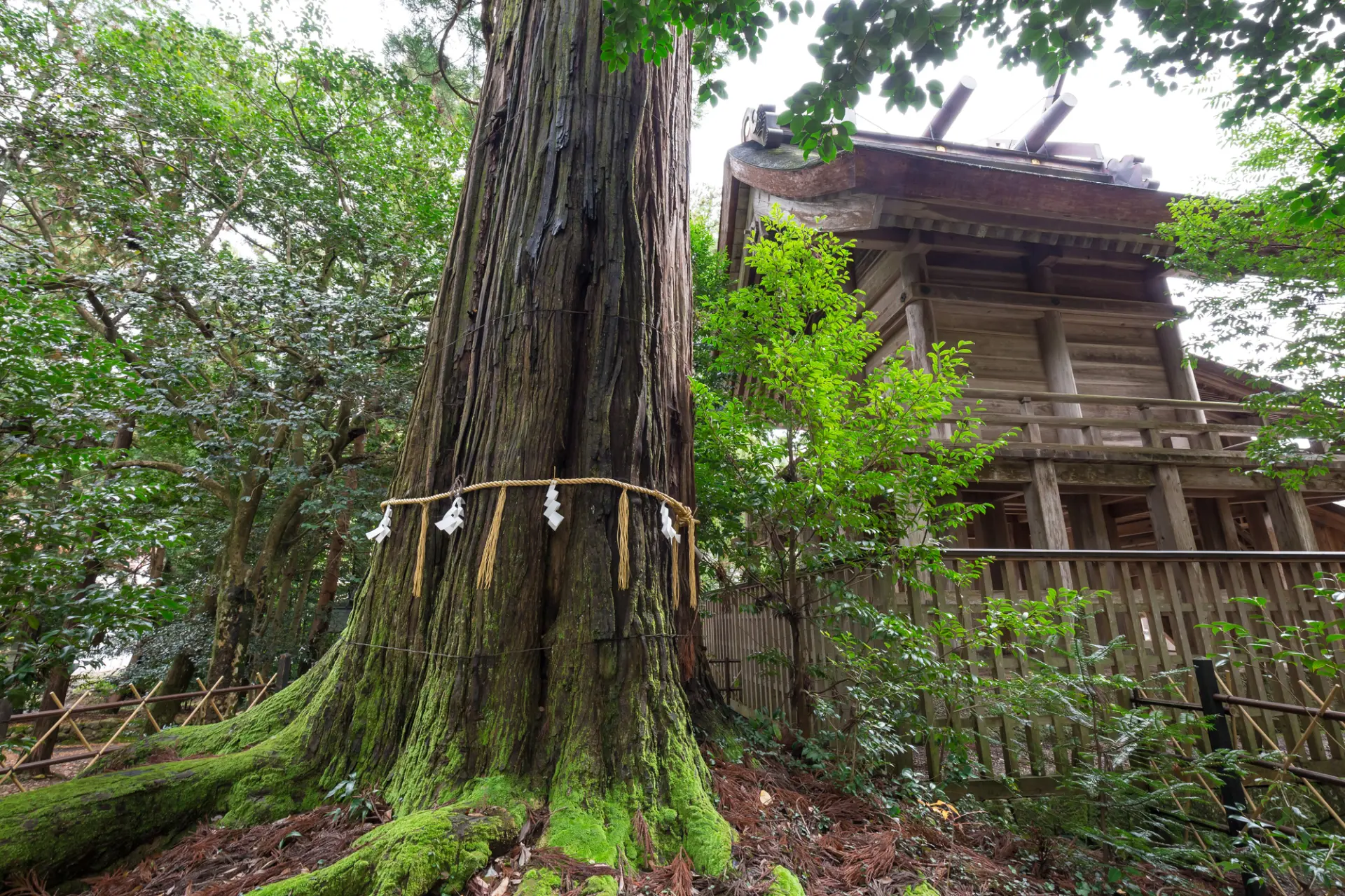
A historic shrine that also appears in the Izumo no Kuni Fudoki, a regional chronicle compiled in the Nara period.
Although there are many shrines across Japan dedicated to Susanoo-no-Mikoto, Susa Shrine is said to be the only one that enshrines his mitama, or divine spirit and essence.
The main sanctuary, designated as a prefectural cultural property, is an elegant example of the taisha-zukuri style, the same architectural style used at Izumo Taisha Shrine.
Also especially famous is the ancient cedar known as Osugi-san, said to be Approx. 1,300 years old, which towers over the grounds and draws deep devotion from worshippers.
5. Hinomisaki Shrine
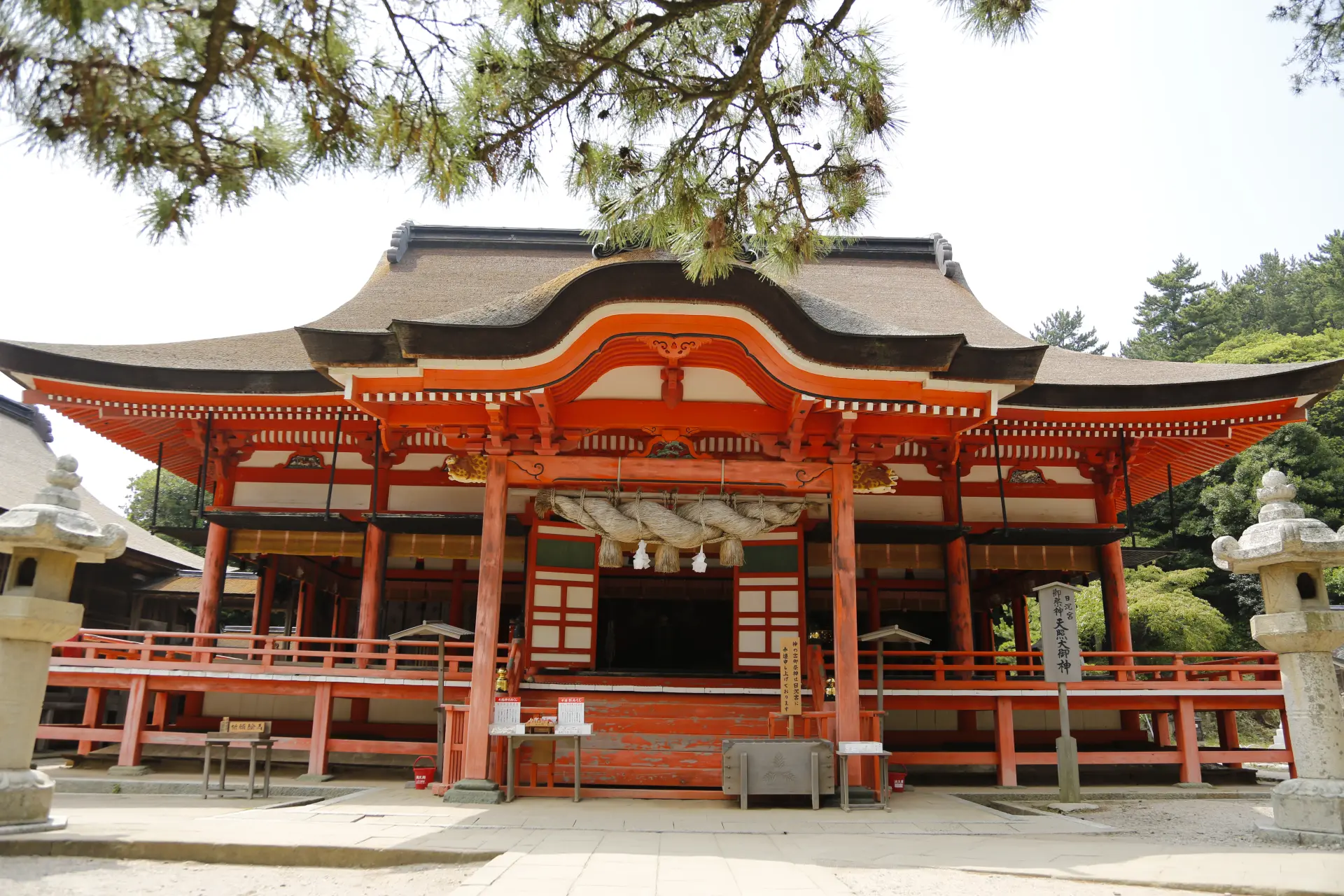
This shrine stands at Hinomisaki, the westernmost tip of the Shimane Peninsula, and is recorded in the Izumo no Kuni Fudoki as “Misaki no Yashiro.”
It consists of two main shrine buildings: the lower shrine, Hishizumi no Miya, in front, and the upper shrine, Kami no Miya, on a small rise to the right. In contrast to Ise Jingu Shrine, which is said to protect Japan’s daytime, this shrine is believed to protect Japan’s nighttime.
Beyond the granite torii gate stand a vermilion tower gate and shrine buildings in the gongen-zukuri style. The current structures were built as a shogunate project under the आदेश of Tokugawa Iemitsu.
6. Izumo Hinomisaki Lighthouse
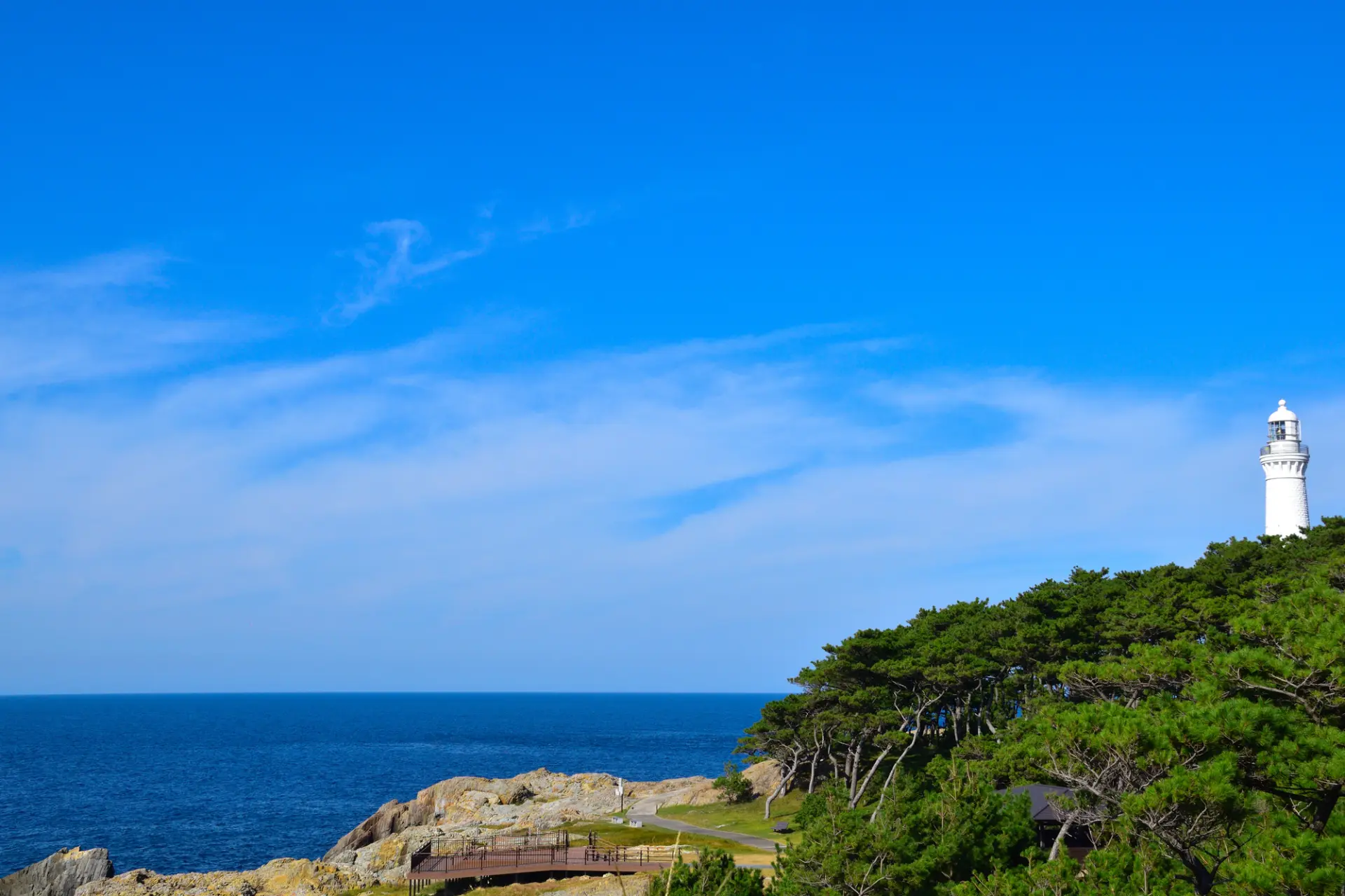
Standing on the cliffs of Hinomisaki at the western edge of Shimane Prefecture, this lighthouse rises 43 meters from the ground to the top of the tower, and 63 meters from sea level to the light, making it the tallest stone lighthouse in Japan.
Selected as one of the “100 World Lighthouses” and one of Japan’s “50 Best Lighthouses,” it is a large Western-style stone lighthouse representing Japan.
The outer walls are made of stone quarried in Taniai, Mihonoseki-cho, Matsue City, while the inner walls are built of brick in a double-wall structure, and the interior is also open to visitors.
7. Izumo Cultural Heritage Museum
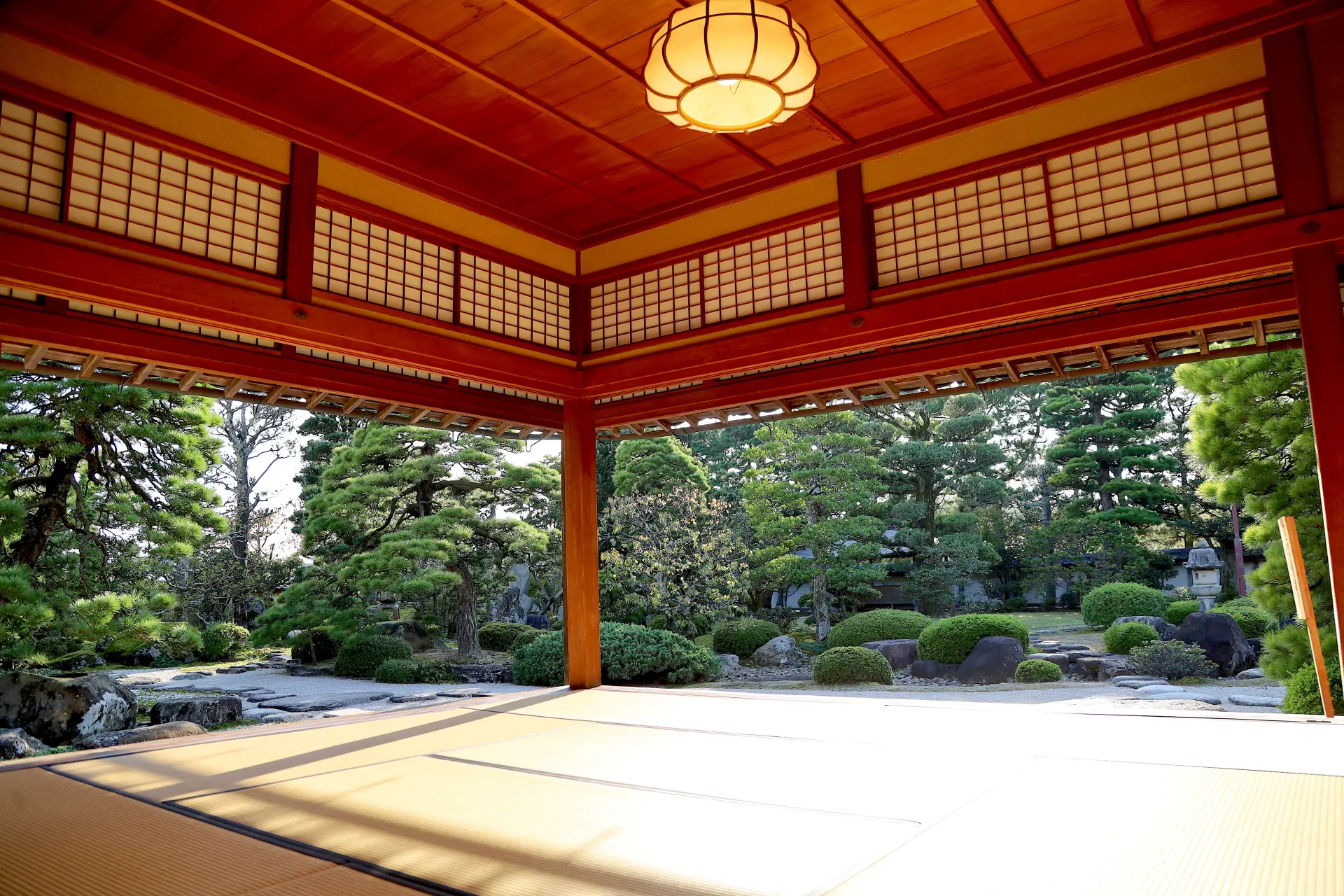
Surrounded by the beautiful tsuijimatsu windbreak pines unique to the Izumo region, this facility was opened with the aim of preserving and passing on traditions of the Izumo area that are gradually disappearing in modern times.
Passing through the gate, you will find the main house of the former Esumi family, who once prospered as wealthy farmers, right in front of you.
The impressive residence, originally built in 1896, was relocated here, allowing visitors to appreciate the features of traditional architecture from that time.
8. Tachikuekyo Gorge
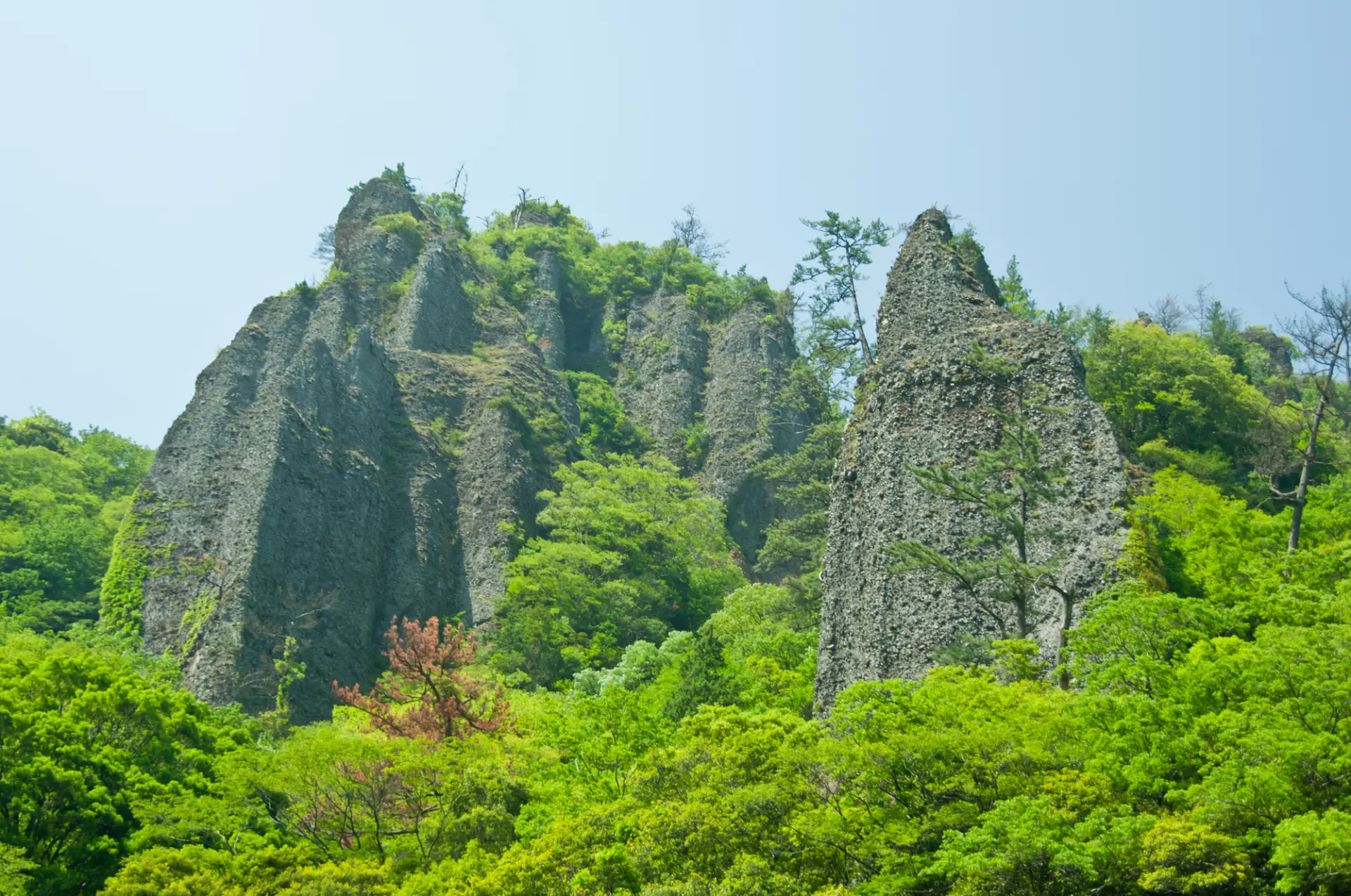
Tachikuekyo Gorge is a valley stretching along the upper reaches of the Kando River in southern Izumo City.
Over a distance of Approx. 1 km, cliffs rising 100 to 200 meters high and unusual rock pillars formed by erosion and weathering tower overhead.
Its quiet, mysterious scenery, reminiscent of an ink painting, has earned it the nickname “Yabakei of Sanin,” and it has been designated both a National Place of Scenic Beauty and a Natural Monument.
Notable rock formations include names such as Shinkame-iwa, Eboshi-iwa, and Rosoku-iwa, while the deep forest and old pine trees surrounding them create a striking display of natural beauty.
You can enjoy a walk along a promenade that takes about 1 hour to complete, and the changing seasons, including mountain cherry blossoms in spring, autumn leaves in fall, and snowy scenery in winter, are also part of its appeal.
9. Gakuenji Temple
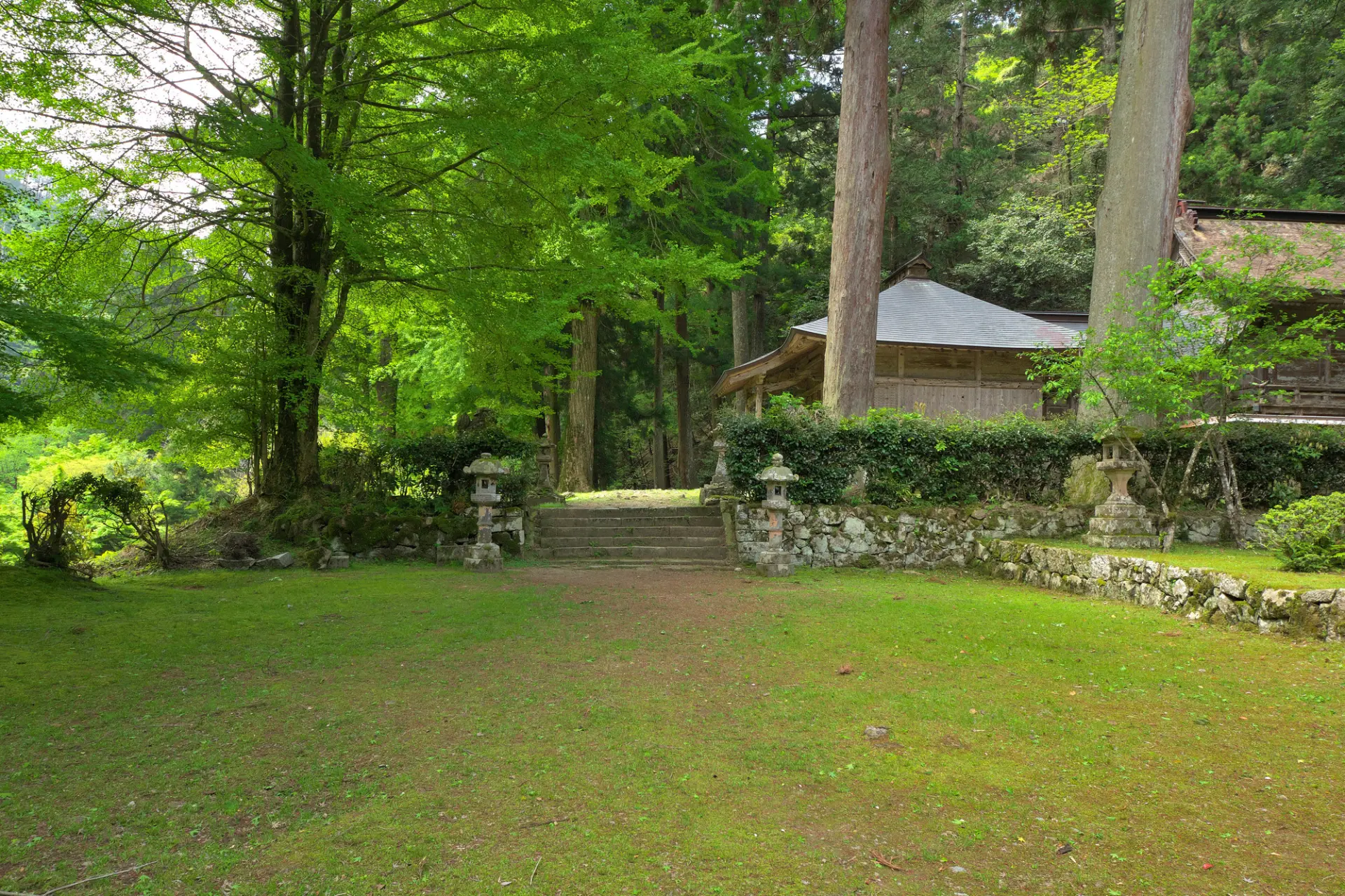
Gakuenji Temple is an ancient Tendai temple nestled in the mountains of Bessho-cho, Izumo City.
It is said to have been founded in 594, and in earlier times it flourished as a sacred site for Shugendo mountain worship and faith in Zao Gongen, while also maintaining deep ties with Izumo Taisha Shrine during the Warring States period.
In 2016, the temple grounds were designated a National Historic Site. The temple is also home to many Important Cultural Properties, including the Standing Bronze Statue of Sho-Kanzeon Bosatsu, making it an important site for understanding Buddhist culture and temple layouts from ancient and medieval times.
A famous legend that the young Musashibo Benkei trained here adds a romantic touch to the site.
10. Momen Kaido
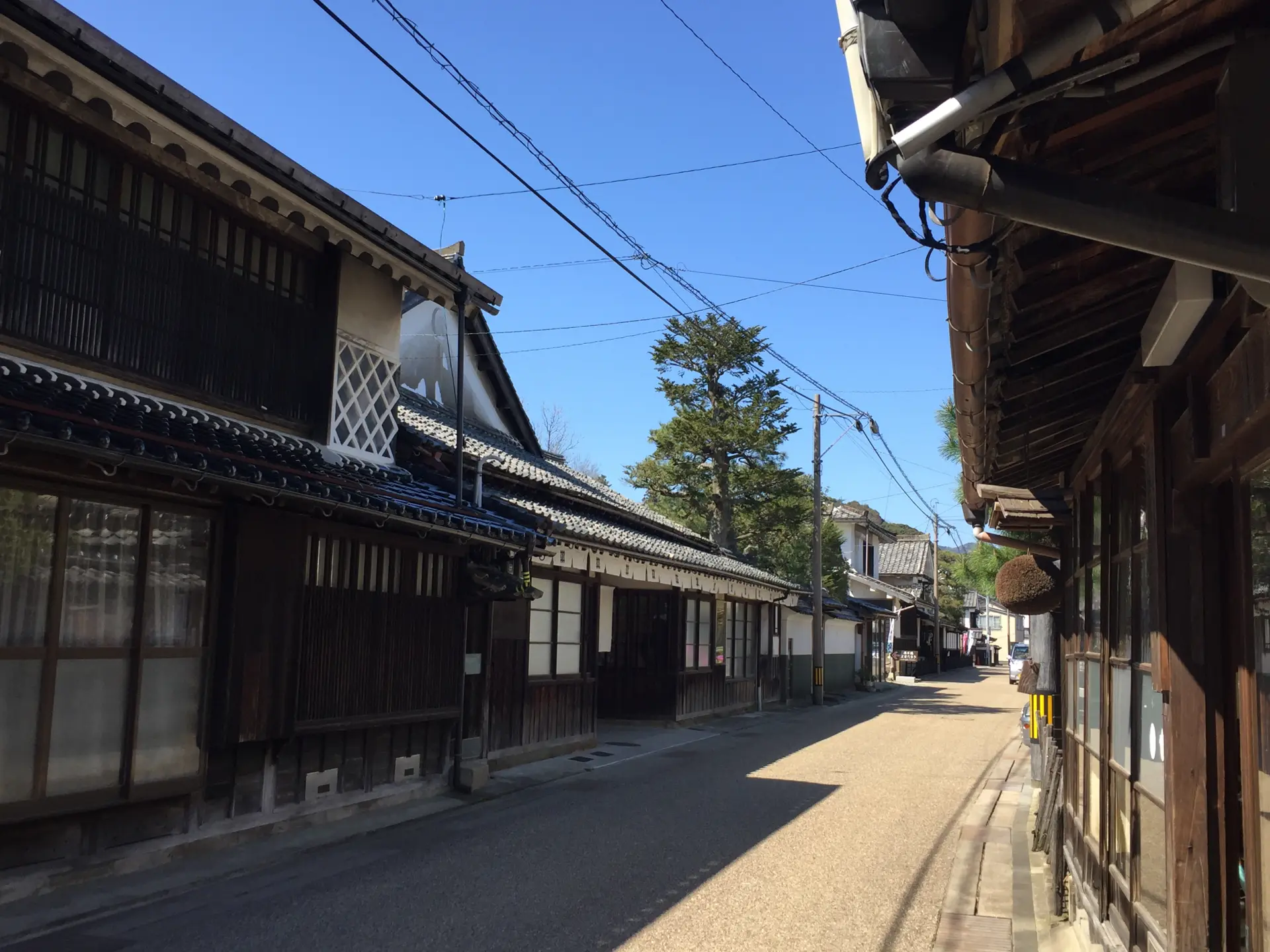
Hirata-cho in Izumo City was a production area for Unshu cotton. It prospered through the cotton trade from the late Edo period to the early Meiji period and grew into a major market district after Matsue. In particular, many merchant houses lined the areas around Shinmachi, Kataharacho, and Miyanocho, and the area came to be known as Momen Kaido, or Cotton Road.
Even today, nearly 30 townhouses remain, built in the traditional Hirata-cho style with kiri-zuma entrances, left-side roof tiles, namako walls, and Izumo lattice windows.
Among them are long-established sake breweries, soy sauce shops, and ginger candy stores with histories of over 100 years.
11. Ichibata Yakushi
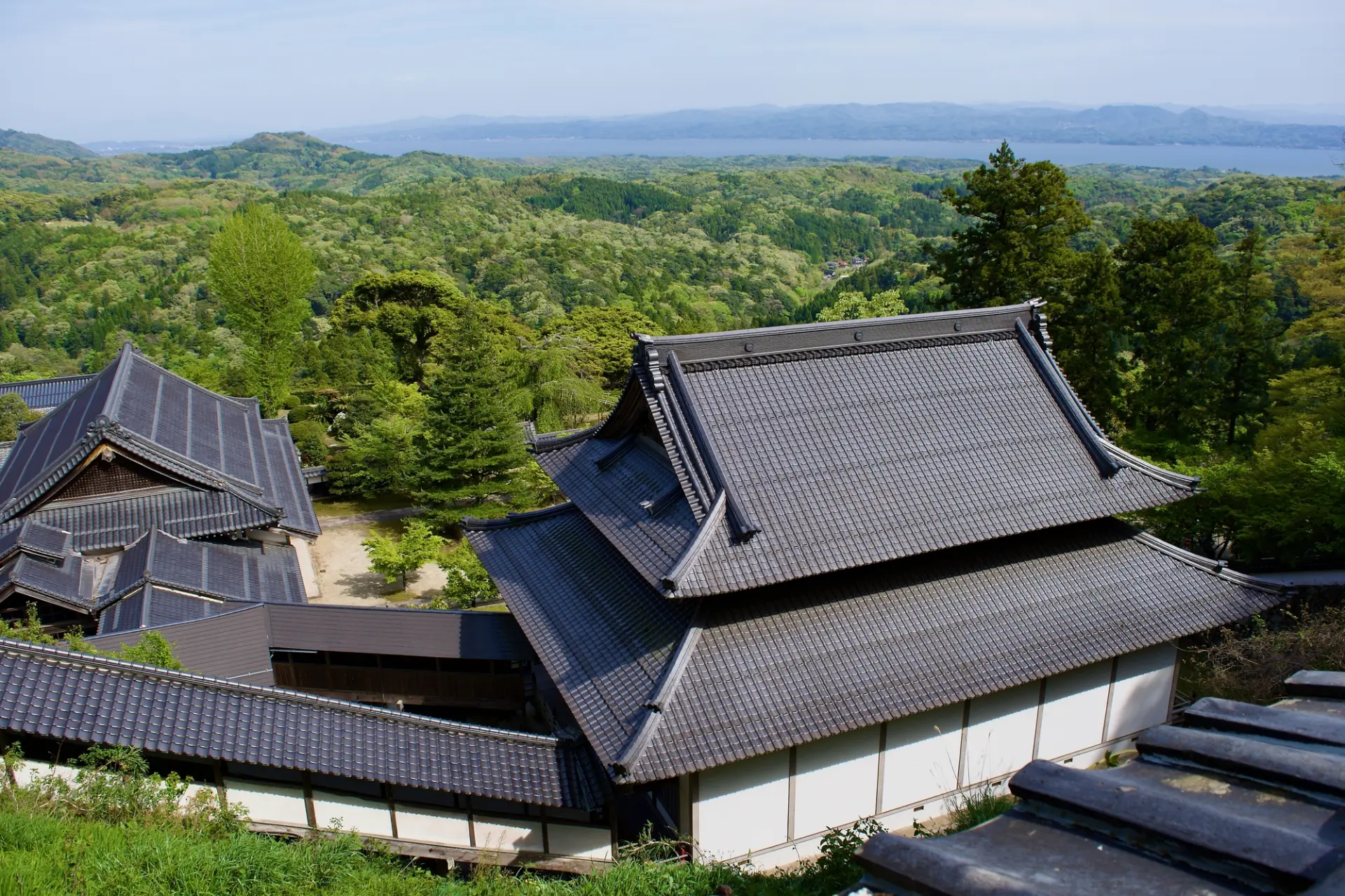
An ancient temple of the Myoshinji school of Rinzai Zen, standing on Mount Ichibata at an elevation of 200 meters.
With a history of more than 1,100 years, it has long drawn deep faith from people praying for healing from eye diseases and for the safe growth of children, and is affectionately known as “Me no Oyakushi-sama,” the Yakushi of the eyes.
The expansive temple grounds are lined with buildings such as the Yakushi Main Hall, Kannon Hall, and Hodo Hall, and from the mountaintop you can enjoy sweeping views of Izumo’s grand scenery, including Lake Shinji and Mt. Daisen.
The Hachiman Shisenbutsu, where 84,000 Buddhist statues are enshrined, is another highlight.
The stone staircase from the foot of the mountain to the Yakushi Main Hall, commonly known as the “1,300 stone steps,” is also famous, so if you’re confident in your stamina, it’s well worth the challenge.
12. Lake Shinji
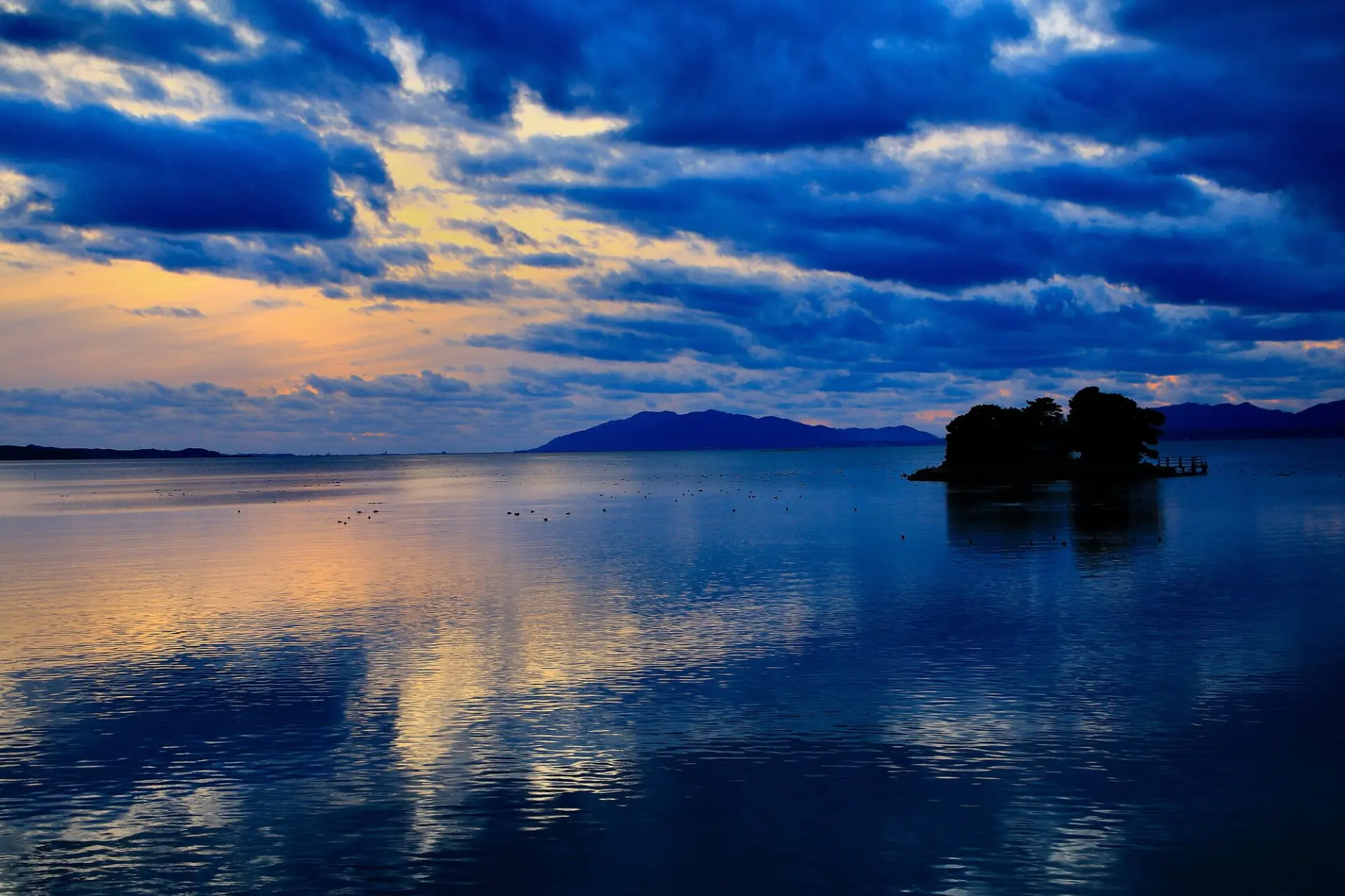
A brackish lake spanning Matsue City and Izumo City, where seawater and freshwater mix.
It is estimated to have formed about 10,000 years ago, and with an east-west length of Approx. 17 km, a north-south width of Approx. 6 km, and a shoreline of Approx. 47 km, it is the seventh largest lake in Japan.
The lake is rich in fish species, and its “Shinji-ko Shitchin,” including freshwater clams, sea bass, and moroge shrimp, are part of Shimane’s local cuisine.
It is also known as a famous sunset spot selected among Japan’s 100 Best Sunsets and 100 Best Scenic Views, and the silhouette of Yomegashima Island floating on the crimson-colored lake surface is especially beautiful.
Another attraction is the many scenic viewpoints around the lake, which let you enjoy the scenery from different angles.
13. Shojoji Temple
A Zen temple of the Myoshinji school of Rinzai Zen, founded in 1577.
The temple grounds feature a vast strolling garden, known for its serene scenery using moss-covered cedar groves and bamboo forests as borrowed scenery.
In spring, more than 1,000 azaleas bloom in full color, and the temple is loved locally as “Azalea Temple.”
Water lilies bloom in its two ponds in summer, autumn leaves color the garden in fall, and in winter the grounds are wrapped in snow, allowing visitors to enjoy beautiful scenery throughout the year.
5 Popular Restaurants Where You Can Enjoy Izumo Gourmet
Here is a carefully selected list of restaurants in Izumo City. Each is a popular place serving dishes and sweets made with great care, using the rich food culture of the Izumo area along with local ingredients and traditional techniques.
Each one offers a chance to experience the charm of Izumo through food, so visit the ones that appeal to you and enjoy the local flavors.
1. Soba-dokoro Tanakaya Main Store
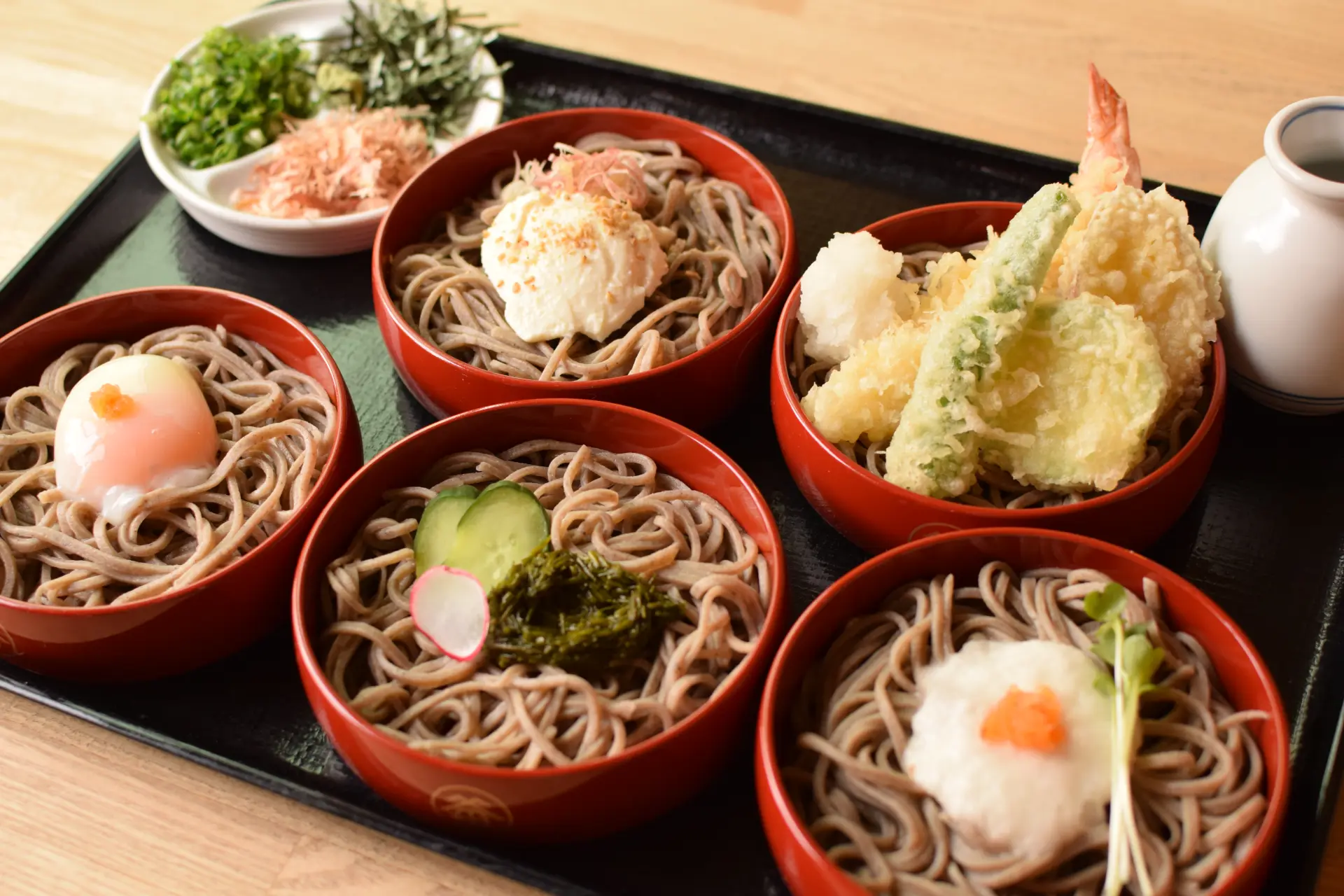
A specialty Izumo soba restaurant located right in front of the main gate of Izumo Taisha Shrine. Izumo soba is one of Japan’s three great soba varieties, alongside wanko soba from Iwate Prefecture and Togakushi soba from Nagano Prefecture.
It is made using a method called hikigurumi, in which whole buckwheat kernels are ground as they are, giving the noodles their dark color and rich flavor.
Tanakaya uses only domestically produced stone-ground soba flour, carefully selected by season from places such as Hokkaido and local Shimane Prefecture.
2. Izumo Soba Arakiya
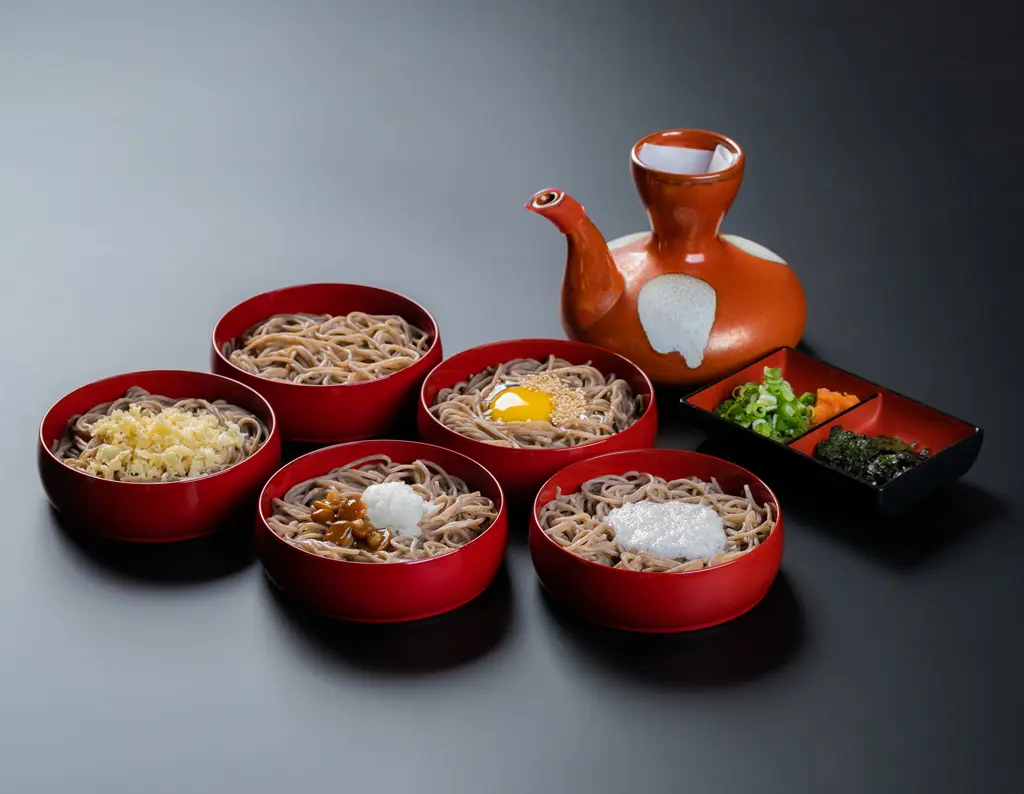
Izumo Soba Arakiya is a two-story soba restaurant standing in a residential neighborhood.
Founded in the Tenmei era (the 1780s), it is said to be the oldest soba restaurant serving Izumo soba. It continues to preserve the taste of Arakiya just as it has been since the time it was founded.
Its signature item is wariko soba, an Izumo specialty served in three stacked tiers. These round vermilion lacquer bowls, called wariko, are a local specialty, and the standard way to enjoy them is by pouring the dipping sauce directly over the noodles.
3. GARB CLIFF TERRACE IZUMO
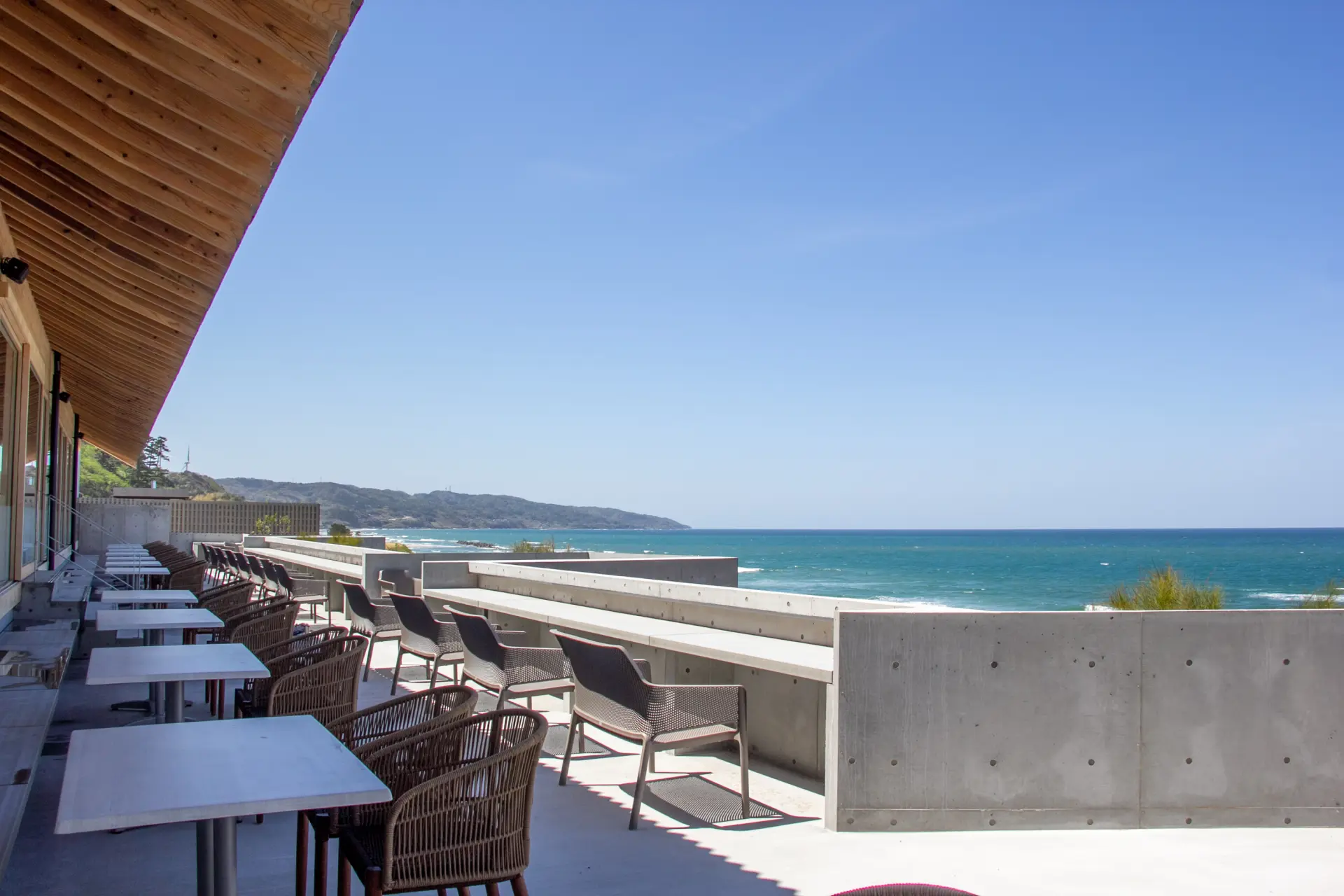
GARB CLIFF TERRACE IZUMO is a large restaurant and cafe on the coast of Taki-cho, at the westernmost edge of Izumo City.
Its terrace seats with ocean views are especially popular, letting guests enjoy meals while looking out over the Sea of Japan and the evening scenery.
The cuisine is based on traditional ingredients and cooking methods from Shimane, while also reflecting free and creative ideas unconstrained by nationality or genre.
Each dish, finished on a special wood-fired grill, is praised for offering a food experience that feels both nostalgic and new.
The “Recommended Course of the Month,” which highlights a wide variety of seasonal ingredients that change each month, comes especially recommended.
4. Fukunowa
Fukunowa is a specialty seafood shop focused on fugu, located along Shinmon-dori near Izumo Taisha Shrine.
In 2025, it reopened after a renewal that expanded the store space to Approx. 2.8 times its previous size, and opened Ofuku Cafe on the first floor, where visitors can relax in comfort.
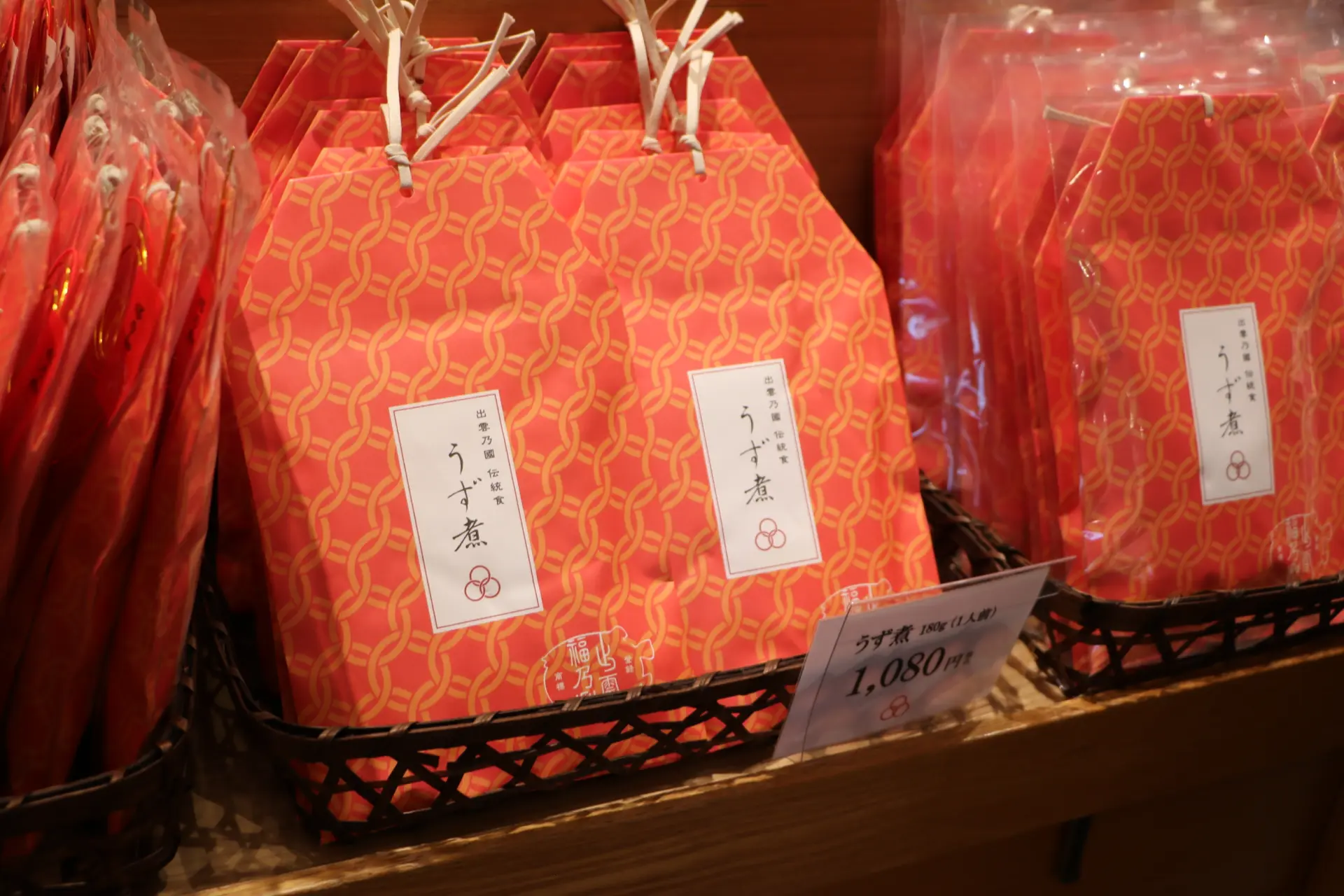
Its signature dish is uzuni, a traditional dish passed down at Izumo Taisha Shrine.
It is an auspicious hospitality dish enjoyed by dipping rice into a thick sauce filled with the savory flavor of fugu and vegetables.
Other menu items include the specialty Ofuku-yaki and Ofuku zenzai, served with fugu-shaped monaka wafers, with many dishes themed around fugu, which is said to bring good fortune.
5. Sakneya Taisha Store Izumo Zenzai Mochi
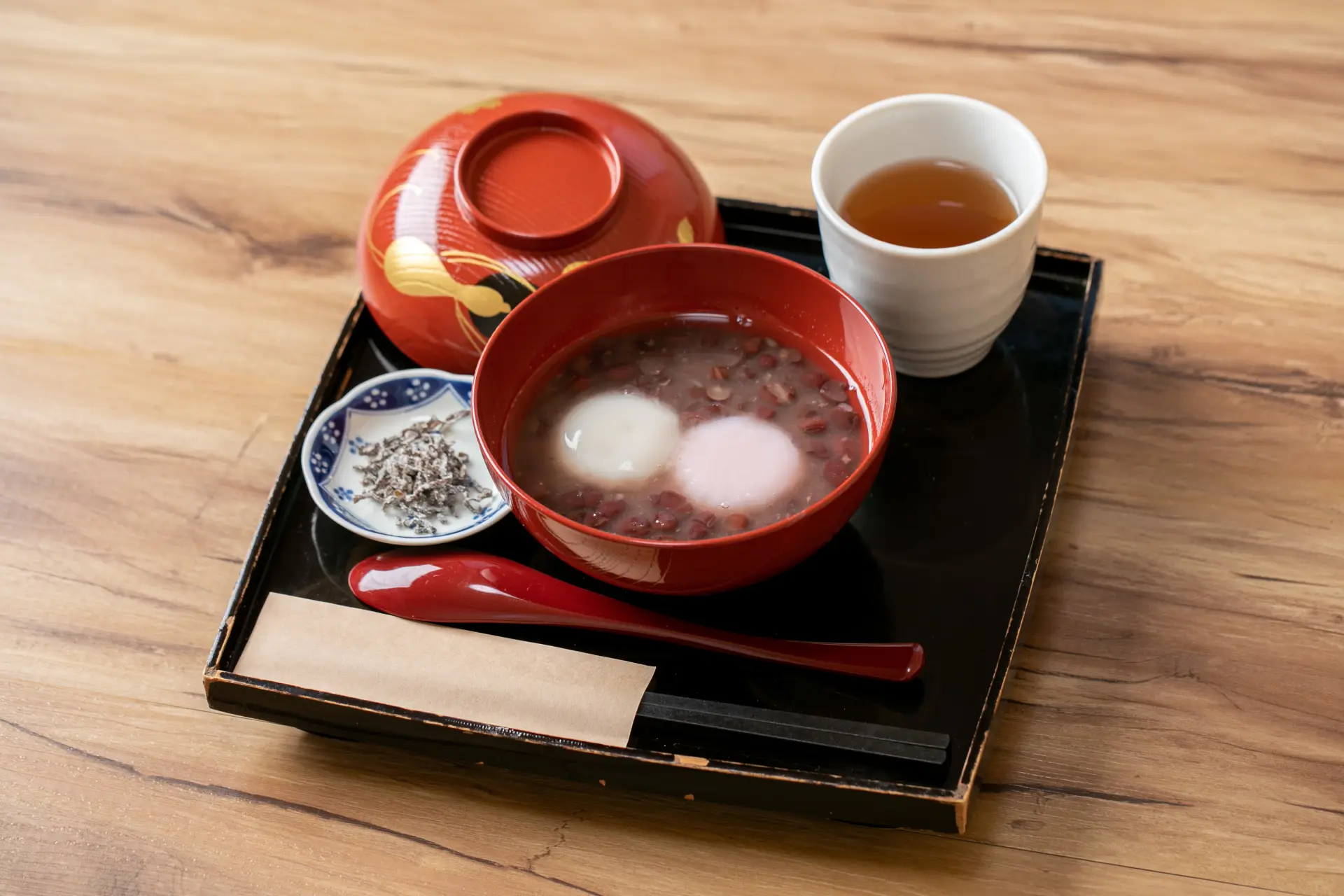
A teahouse located in Goen Yokocho, a spot gathering local gourmet foods, right in front of the main gate of Izumo Taisha Shrine.
It is run by Sakneya, a long-established Japanese confectionery shop founded in 1872, and is known for its Izumo zenzai.
Zenzai, one of Japan’s 대표적인 traditional sweets made by simmering azuki beans with sugar and serving them with mochi, is said to have originated in Izumo.
3 Places to Stay Where You Can Experience Izumo’s Unique Atmosphere
From here, we’ll introduce places to stay that value traditional Japanese spaces while offering a comfortable stay with cozy tatami flooring and Japanese-Western style guest rooms.
They are also highly rated for their cuisine featuring local flavors, and are popular accommodations that meet a wide range of needs, from families and couples to more seasoned travelers.
Use this guide to find the ryokan that suits your style.
1. Oyado Tsukiyo no Usagi
A Japanese-modern hot spring inn located about an 8-minute walk from Izumo Taisha Shrine.
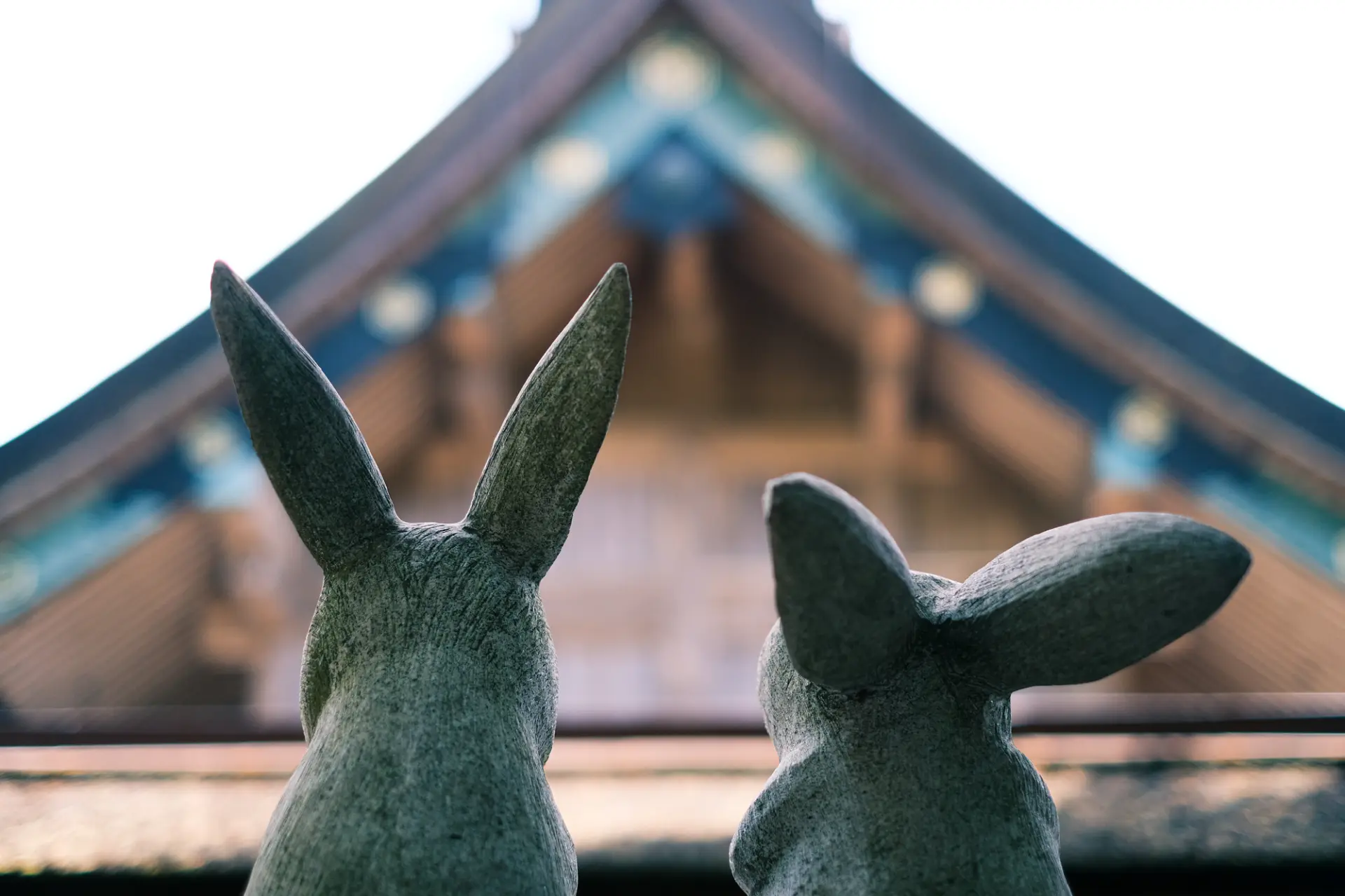
The entire building is covered with tatami flooring, creating a warm and comfortable atmosphere, while decorations inspired by the White Rabbit of Inaba seen throughout the inn add to the travel mood.
It features the natural hot spring Taisha no Yu, with a large communal bath, open-air bath, and sauna, as well as five private baths with different styles that can be used free of charge with no reservation required.
Soaking in a private bath is perfect for easing the fatigue of travel.
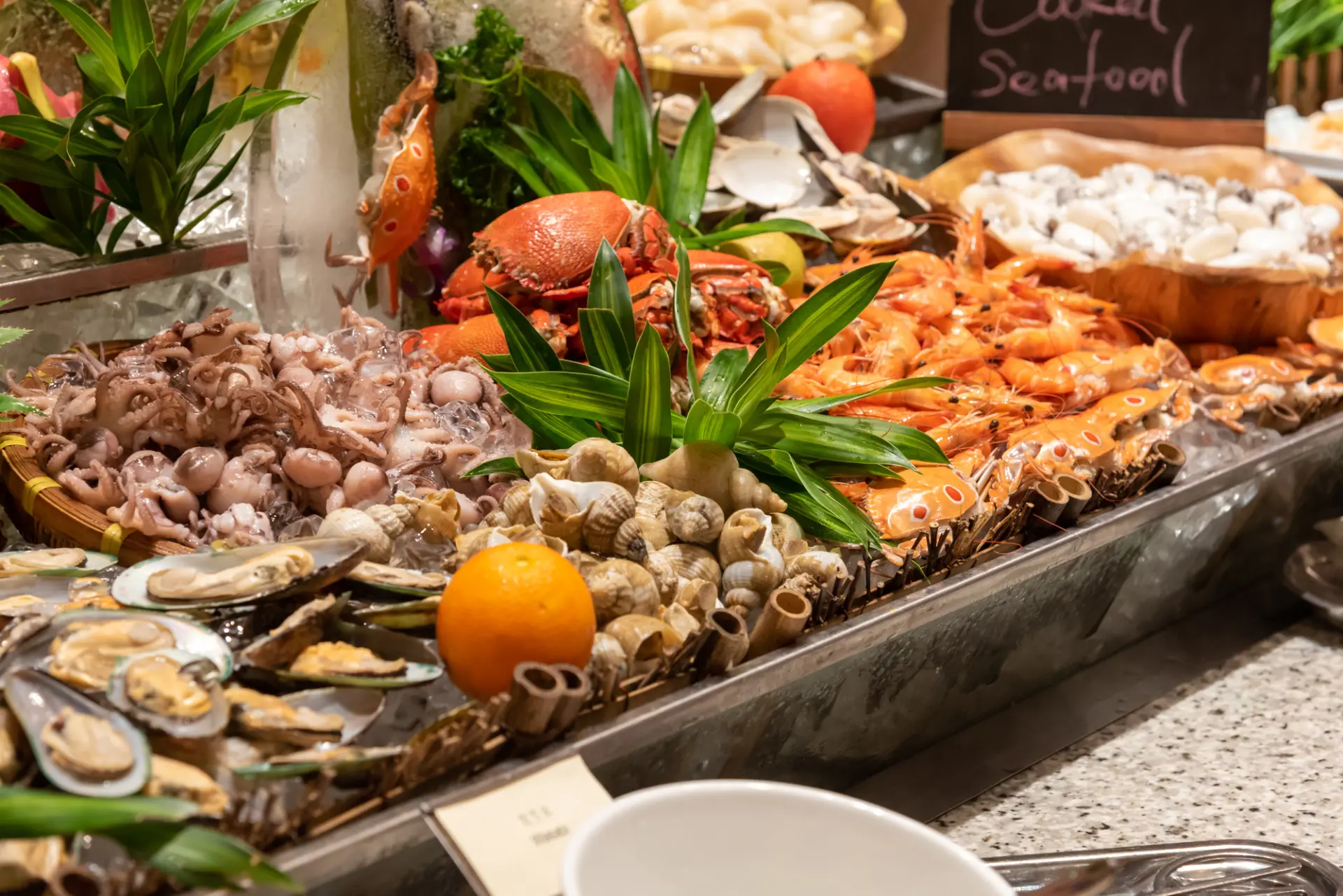
The live-kitchen buffet, where you can enjoy as much local cuisine and seasonal seafood as you like, as well as the complimentary late-night Yonaki soba, are also very popular.
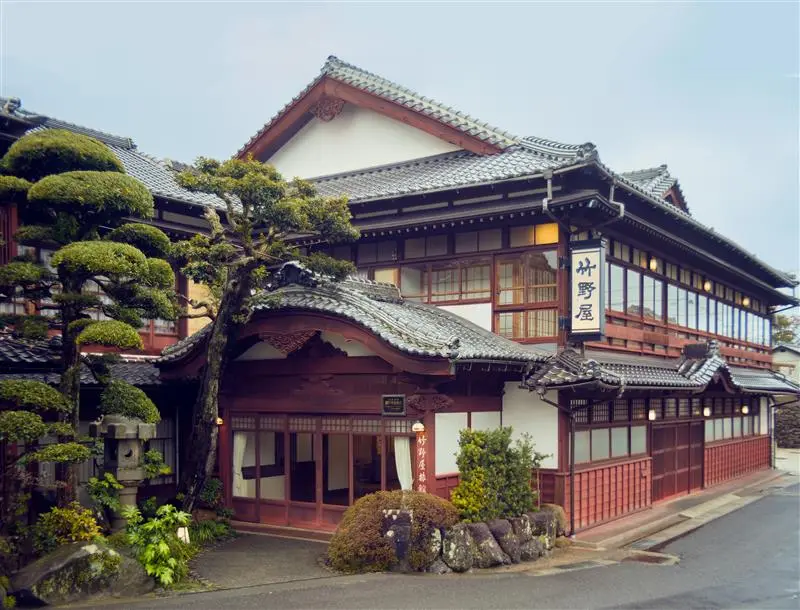
2. Takenoya Ryokan
A long-established ryokan founded in 1877, standing in an outstanding location about a 1-minute walk from the main gate of Izumo Taisha Shrine.
The wooden main building, constructed in 1929, has such historical value and commanding presence that even passing tourists stop to admire it.
From the spacious tatami lobby to the special guest room “Soga no Ma,” where members of the imperial family have stayed, the weight of history can be felt throughout the property.
Although the lighting and furnishings were renovated in 2016, the inn retains its traditional calm atmosphere while combining Japanese charm with modern comfort.
At the same time, it never feels stiff or overly formal, and is well regarded for its warm hospitality from staff whose kindness reflects the spirit of Izumo.
3. Yuyado Sohan
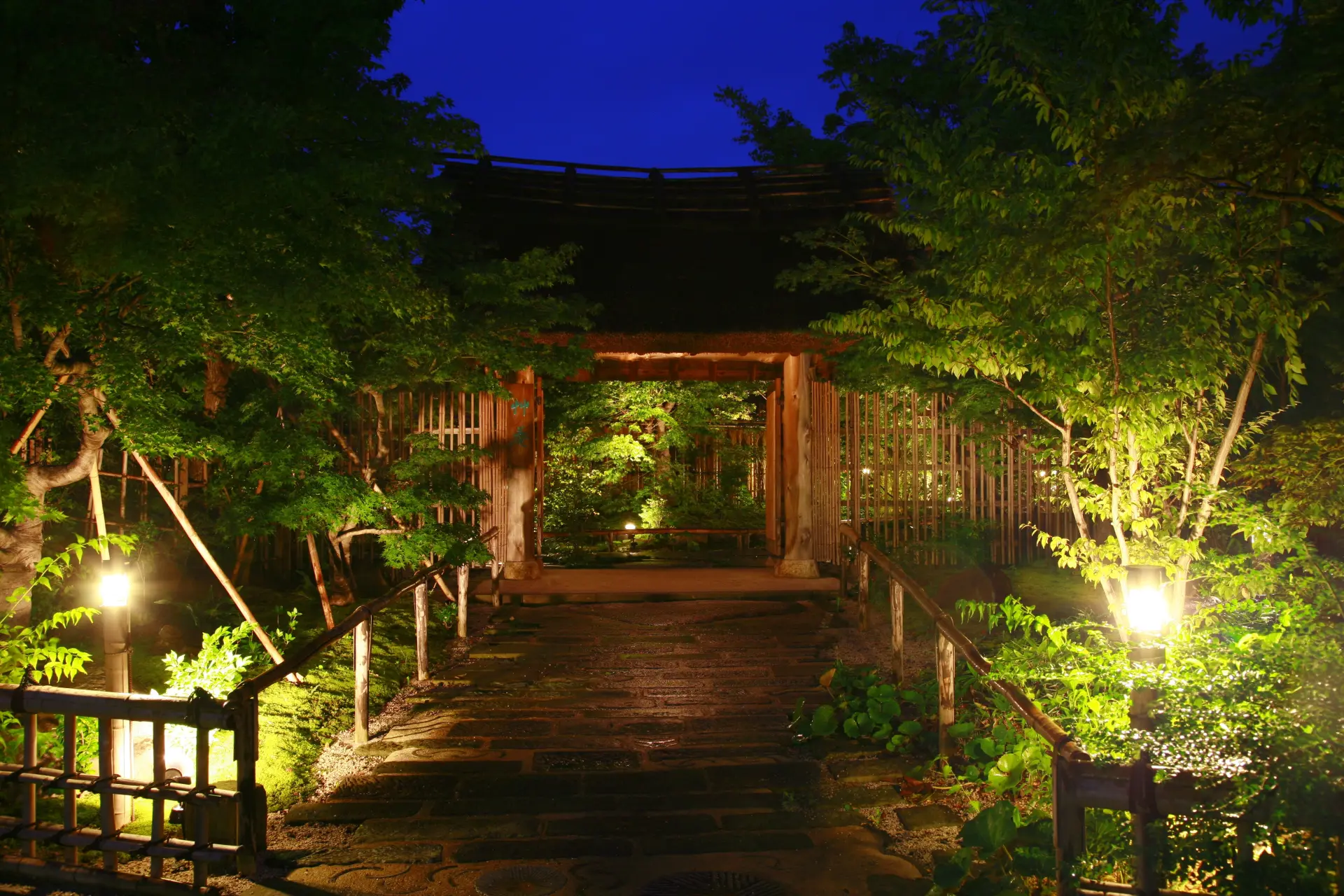
A kominka-style inn with only 17 rooms, located in Yunokawa Onsen, known as one of the “Three Great Beauty Hot Springs of Japan.”
Set in a quiet satoyama countryside, this atmospheric hot spring ryokan revives old houses from the Edo and Tenpo periods.
There are five private baths with different styles, all fed directly from the source with no heating or added water, and they are available anytime from 3:00pm to 10:00am the next day.
In the evening, guests can enjoy creative Japanese cuisine in a Western-style restaurant furnished with antique decor, featuring plenty of Izumo ingredients such as nodoguro blackthroat seaperch, Matsuba crab, rock oysters, Shimane wagyu beef, and sweetfish from the Hii River.
We Also Recommend Extending Your Trip from Izumo to the Scenic Oki Islands
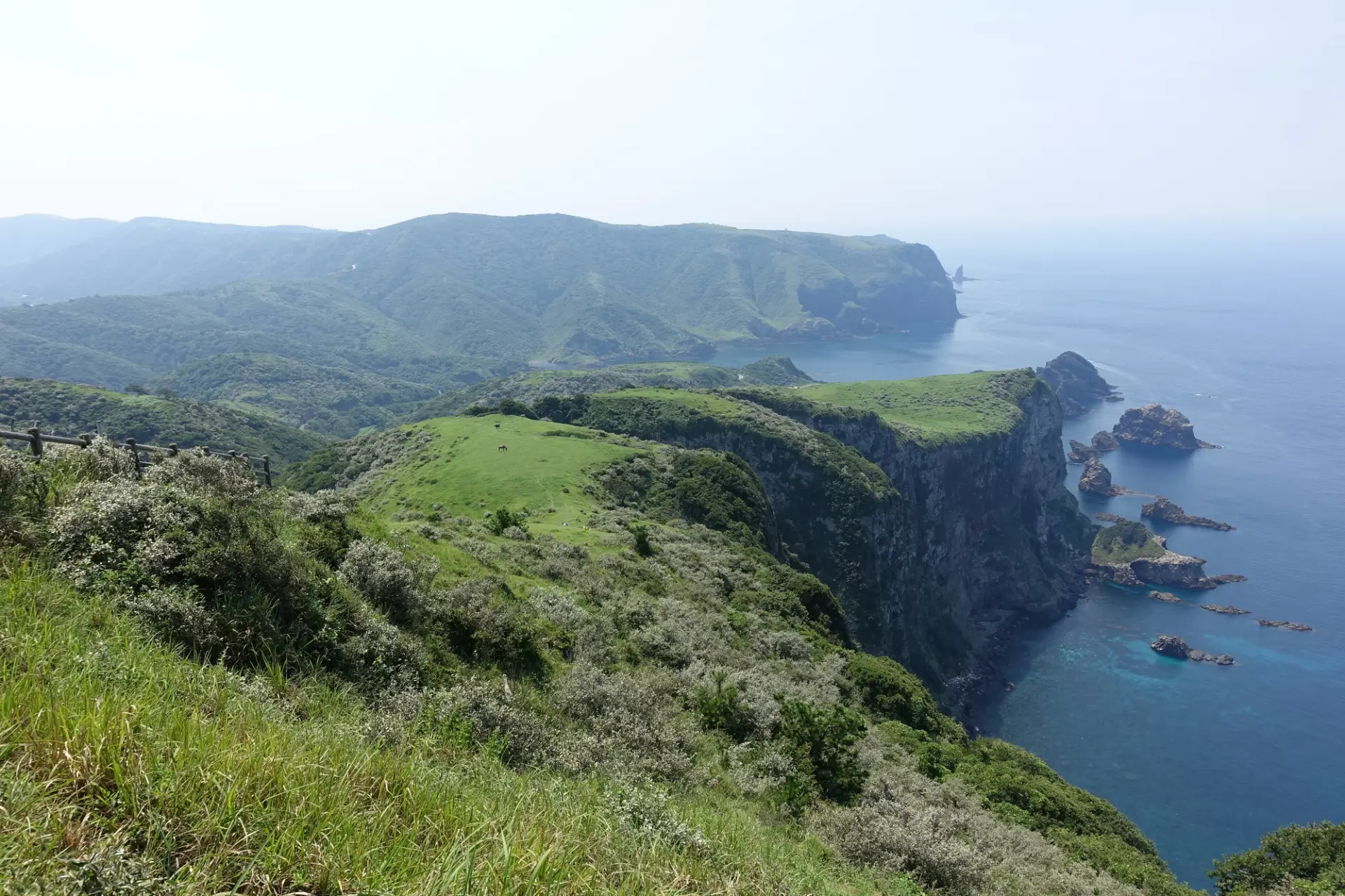
The Oki Islands are an archipelago of about 180 islands floating in the Sea of Japan to the northwest of Shimane Prefecture.
Centered on four inhabited islands, Dogo and the three Dozen islands, they make up the 15th largest island group in Japan.
They are mythological islands that appear in the Kojiki, and are also historically famous as a place of exile for figures such as Emperor Gotoba.
Their appeal lies in the many landscapes recognized as part of a UNESCO Global Geopark, featuring rugged yet rich untouched nature, diverse ecosystems, and scenery marked by traces of volcanic activity.
The breathtaking views created by sea cliffs, unusual rock formations, and clear waters leave a lasting impression.
Another feature is the chance to experience a distinctive culture through each island’s traditional events and food.
Since Oki World Geopark Airport, the main gateway, is only Approx. 30 minutes by plane from Izumo Enmusubi Airport, it’s well worth extending your trip to the Oki Islands.
FAQ about Izumo Sightseeing
Q
How many nights are recommended for a trip to Izumo?
If you want to visit the main spots efficiently, 1 night and 2 days is recommended. If you want to enjoy the entire Izumo area at a more relaxed pace, 2 nights and 3 days is recommended.
Q
When is the best time to see autumn leaves in Izumo?
It varies slightly between the mountains and plains, but every year the best time is generally from late October to mid-to-late November.
Q
When is the best time to see cherry blossoms in Izumo?
They usually reach their best from late March to early April, and often bloom fully around early April.
Summary
We’ve introduced the highlights of Izumo, ways to enjoy it, and some of its most popular sightseeing spots.
Izumo has long had deeply rooted traditions and faith, and even just walking around, you can sense a sacred atmosphere unlike anywhere else.
Izumo Taisha Shrine is the most famous spot, but there are many other destinations where history, nature, and food come together as one.
If you explore according to your interests, you’re sure to have a uniquely deep experience.
Be sure to also check out this article, which rounds up classic sightseeing spots in Shimane along with recommended restaurants and places to stay.