
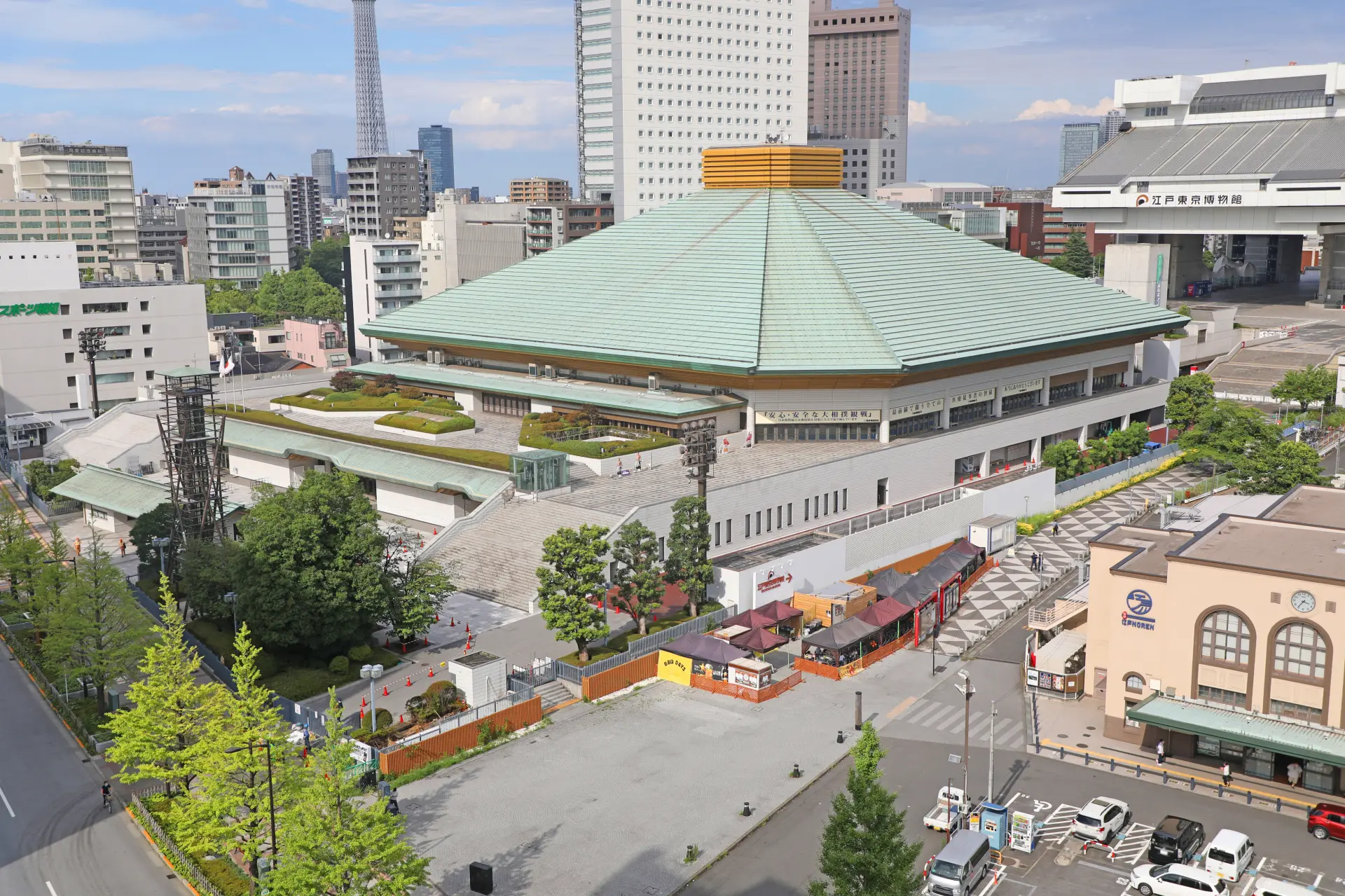
Ryogoku Travel Guide: Discover the Heart of Sumo and Edo Culture
Steeped in Edo culture and sumo history, Ryogoku is one of Tokyo’s most fascinating neighborhoods, where tradition and modern life exist side by side.
From sumo-related landmarks and museums to historic temples and shrines and scenic riverside spots, many of the area’s highlights are within walking distance, making it easy to explore Ryogoku in half a day or a full day.
In this article, we’ll introduce some of the best places to visit in Ryogoku.
Immerse yourself in the neighborhood’s history and culture while discovering a different side of Tokyo.
What Is Ryogoku?
Located in Tokyo’s Sumida City, Ryogoku is easily accessible via the JR Sobu Line and the Toei Oedo Line.
The neighborhood has flourished as a center of sumo culture since the Edo period (1603-1868) and continues to attract visitors from Japan and around the world who come to experience the traditions of Japan’s national sport up close.
Beyond its sumo-related attractions, Ryogoku is home to a museum showcasing the works of ukiyo-e artist Katsushika Hokusai, cultural facilities where visitors can explore the history of Edo and Tokyo, lush Japanese gardens, and scenic walking paths along the Sumida River.
The chance to experience history, culture, and art all in one place while soaking up the atmosphere of old Edo is part of what makes Ryogoku so appealing.
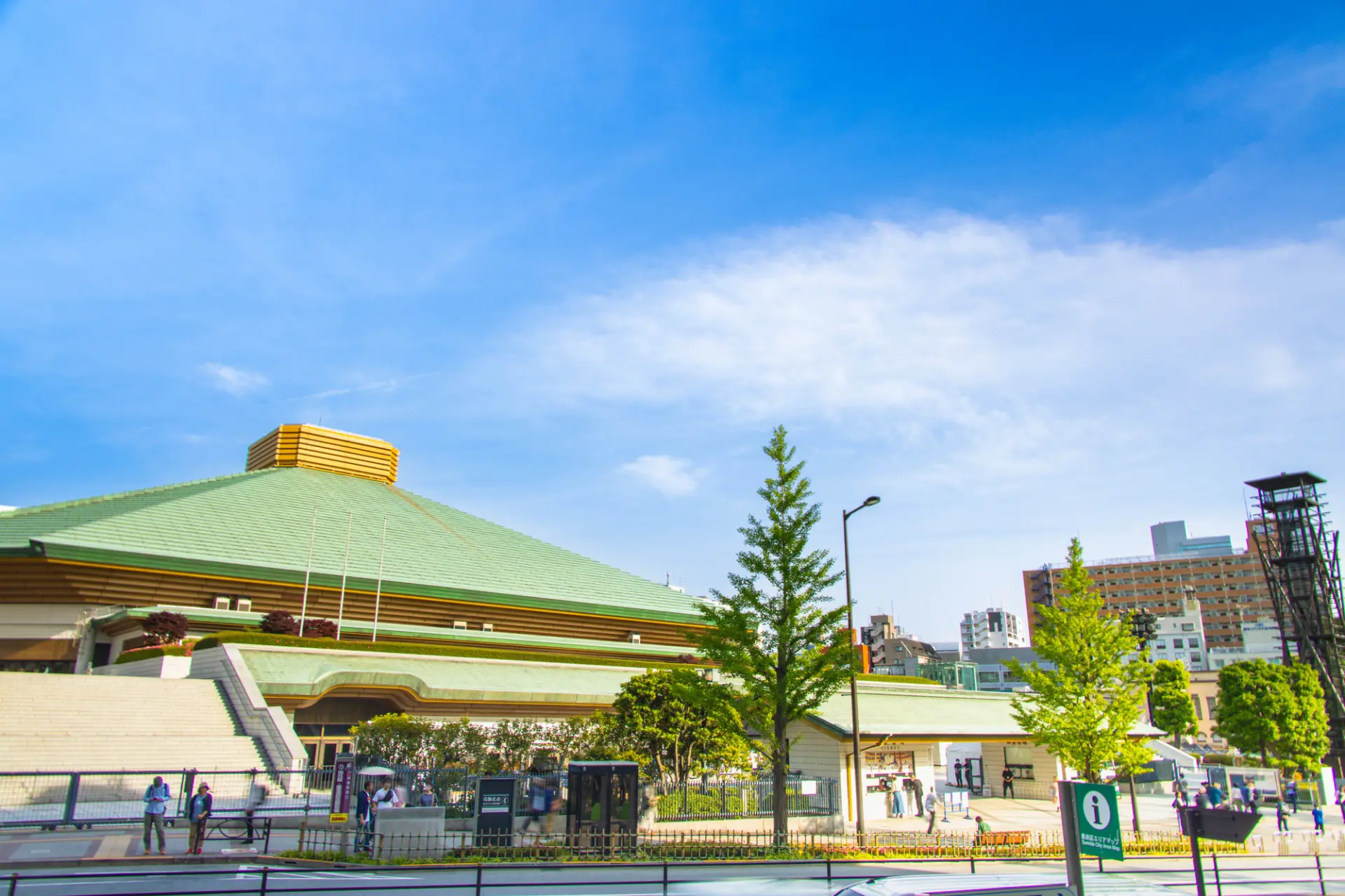
When Is the Best Time to Visit Ryogoku?
Spring (March-April) and autumn (October-November) are especially good times to visit Ryogoku, with mild weather making it ideal for exploring the area on foot.
In spring, cherry blossoms and fresh greenery around Kyu-Yasuda Garden and along the Sumida River create beautiful scenery against the backdrop of Ryogoku’s historic streets.
Autumn brings cooler temperatures, making it comfortable to explore the area’s many attractions on foot. If you visit a little earlier, in September, the September Grand Sumo Tournament brings an added sense of excitement to this famous sumo neighborhood.
What to Wear in Ryogoku by Season
- Spring (March-May)
- A lightweight jacket or cardigan
- Summer (June-August)
- Lightweight, short-sleeved clothing
- Fall (September-November)
- A light jacket or coat
- Winter (December-February)
- A warm coat, thick sweater, or down jacket
How to Get to Ryogoku
The main gateway to Ryogoku is Ryogoku Station, served by the JR Sobu Line and the Toei Oedo Line.
From Haneda Airport, the journey takes about 45-60 minutes via the Keikyu Line, Toei Asakusa Line, JR lines, and other services. From Narita Airport, it takes about 70-90 minutes via JR limited express or rapid trains, the Keisei Line, and other services.
Ryogoku is also easily accessible from central Tokyo, with the journey taking around 30 minutes from either Tokyo Station or Shinjuku Station.
Getting Around Ryogoku
Ryogoku’s main attractions are clustered around the station, making the area easy to explore on foot.
Ryogoku Kokugikan, the Edo-Tokyo Museum, the Sumida Hokusai Museum, and Kyu-Yasuda Garden are all within a 10-15-minute walk, allowing you to visit several attractions efficiently while enjoying a stroll through the neighborhood.
For destinations a little farther away, using a combination of Toei buses, the Toei Subway, and JR trains makes getting around easy.
13 Popular Attractions in Ryogoku
Known as the spiritual home of sumo, Ryogoku is a neighborhood steeped in Japanese traditions and the history of Edo.
Many of its major attractions are within walking distance of one another, including Ryogoku Kokugikan, the venue for grand sumo tournaments, as well as museums, historic temples and shrines, and Japanese gardens. This makes it easy to explore the area in half a day or a full day.
There are many ways to enjoy Ryogoku, from experiencing sumo culture and admiring ukiyo-e and Japanese swords to taking a leisurely stroll along the waterfront.
Here are some of the best attractions to visit while exploring Ryogoku.
1. Ryogoku Kokugikan
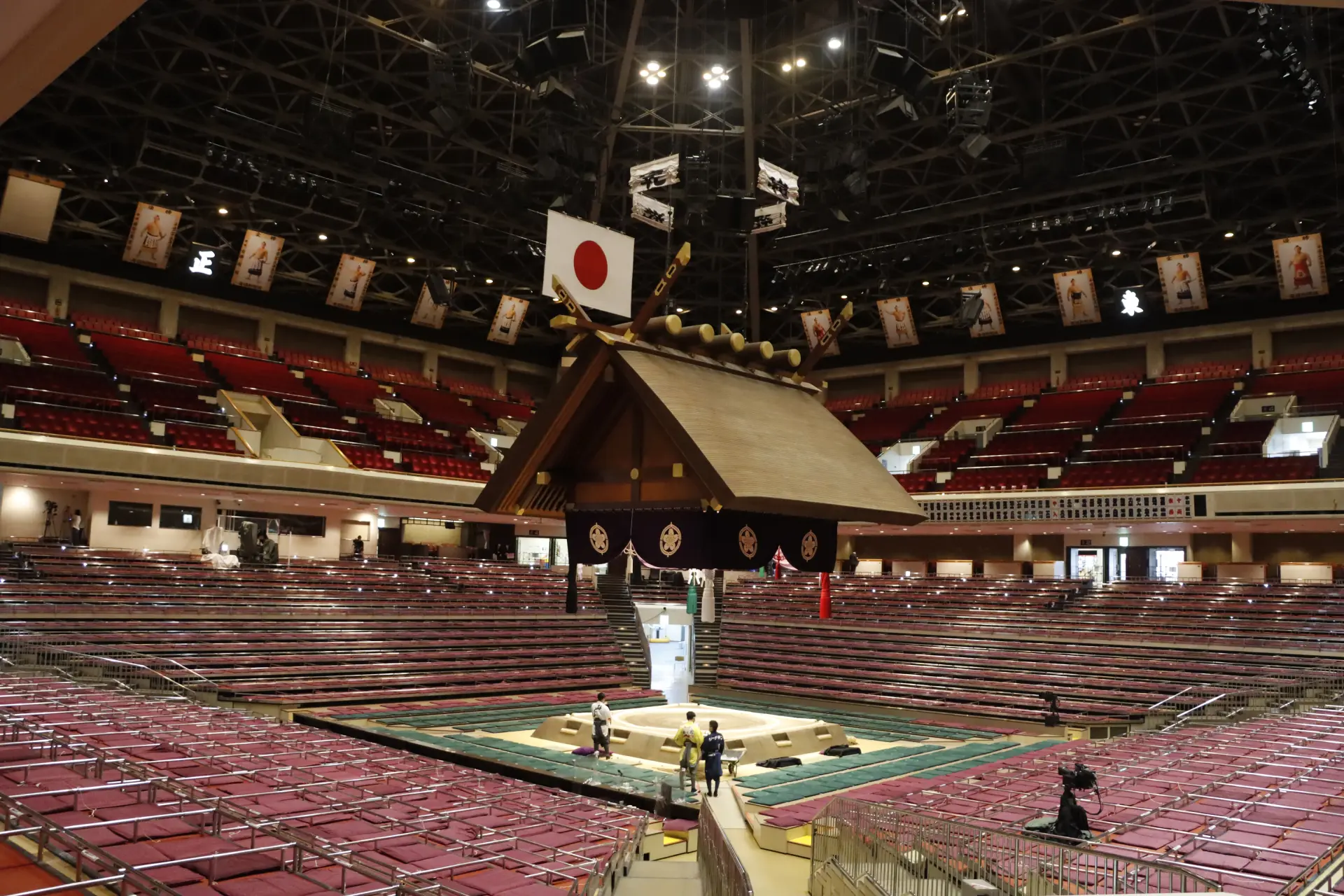
Ryogoku Kokugikan is the spiritual home of sumo, Japan’s national sport, and hosts three of the six annual Grand Sumo Tournaments each year.
Paintings depicting historic sumo bouts and championship trophies are displayed near the main entrance. During Grand Sumo Tournaments in Tokyo, life-size panels of sumo wrestlers are also set up, making them popular spots for commemorative photos.
A classic part of the sumo-watching experience at Ryogoku Kokugikan is enjoying one of the signature sumo wrestler bento boxes sold at the concession stands.
- Name in Japanese
- 両国国技館
- Postal Code
- 130-0015
- Address
-
1-3-28 Yokoami, Sumida-ku, Tokyo
Google Maps - Telephone
- 03-3623-5111
- Closed
-
Saturdays, Sundays, National and New Year holidays, Irregular holidays
*Note: The hall is open during Tokyo’s Basho and other events.
*Note: The schedule is subject to change. - Hours
-
9:30am - 5:00pm (Admission allowed until 4:30pm)
*Note: It depends on the event being held. - Admission
-
Free
*Note: Depending on the event being held, admission may be charged. - Access
-
(1) About 1 minute on foot from the West Exit of Ryogoku Station on the JR Sobu Line
(2) About 5 minutes on foot from Exit A4 of Ryogoku Station on the Toei Subway Oedo Line - Credit Cards
- Accepted
- Official Website
- Official Website (Japanese)
2. Edo-Tokyo Museum
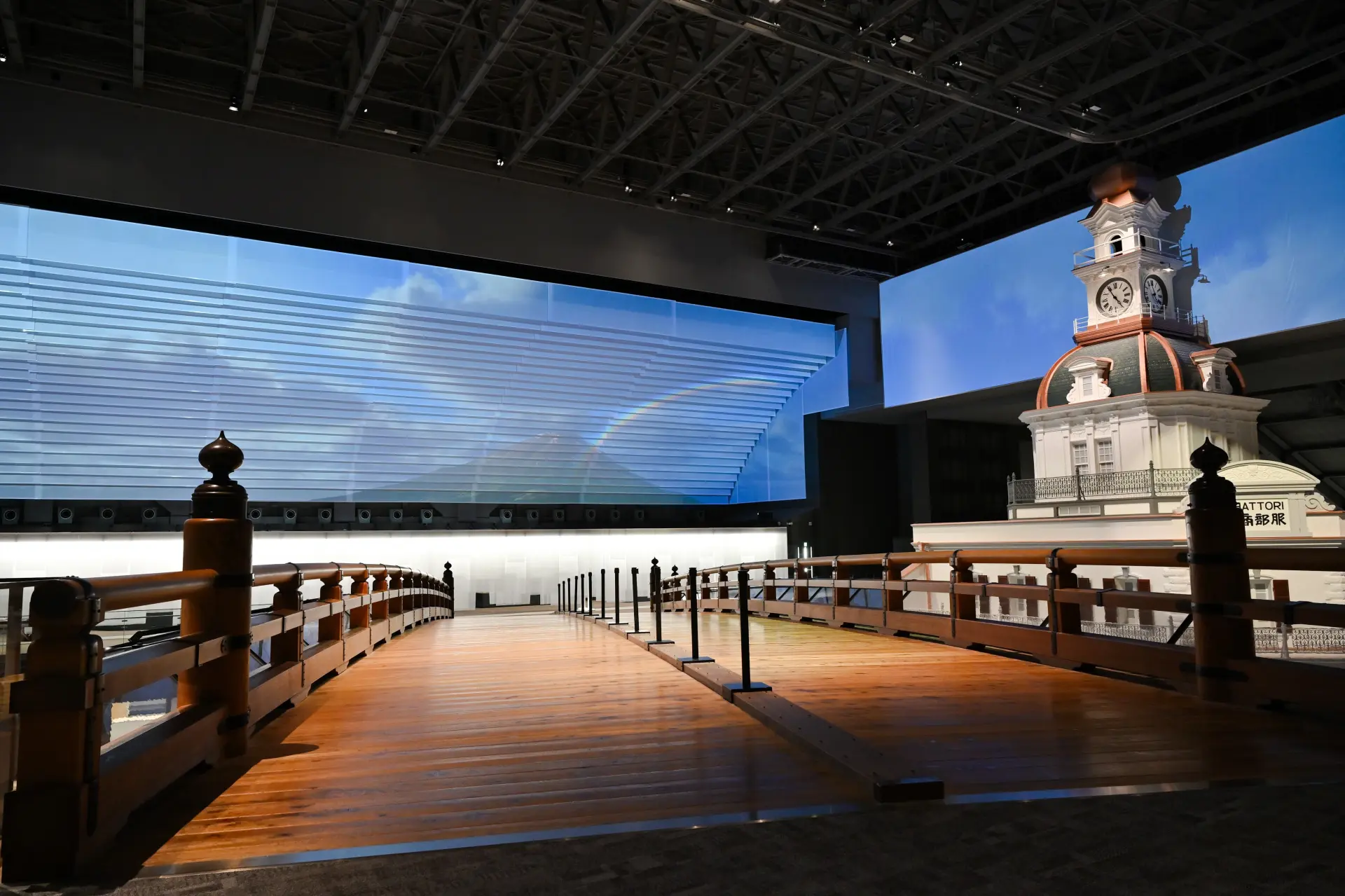
The Edo-Tokyo Museum offers a comprehensive look at the history and culture of Tokyo from the Edo period to the present day. Since opening in 1993, it has been a popular place to learn about the city’s history and development. Following extensive renovations, the museum reopened in March 2026.
The permanent exhibition spans approximately 9,000 square meters across a vast open space extending through the fifth and sixth floors, with displays centered on the Edo Zone and Tokyo Zone.
Among the highlights are a full-scale reconstruction of Nihonbashi Bridge and detailed scale models of historic townscapes, offering visitors a vivid glimpse into the lives and culture of people in Edo and Tokyo over the centuries.
- Name in Japanese
- 東京都江戸東京博物館
- Postal Code
- 130-0015
- Address
-
1-4-1 Yokoami, Sumida City, Tokyo
Google Maps - Phone
- 03-3626-9974 (Main)
- Closed on
- Mondays (or the following day if Monday is a national holiday or substitute holiday), New Year holidays
- Hours
- 9:30 am-5:30 pm (Saturdays 9:30 am-7:30 pm) Last admission is 30 minutes before closing
- Admission
- Varies by special exhibition and permanent exhibition; see the official Edo-Tokyo Museum website for details
- Access
-
1) Approx. 1-minute walk from Ryogoku Station on the Toei Subway Oedo Line
2) Approx. 3-minute walk from the West Exit of Ryogoku Station on the JR Sobu Line - Credit Cards
- Accepted
- Official website
- Official website (English)
3. The Sumida Hokusai Museum
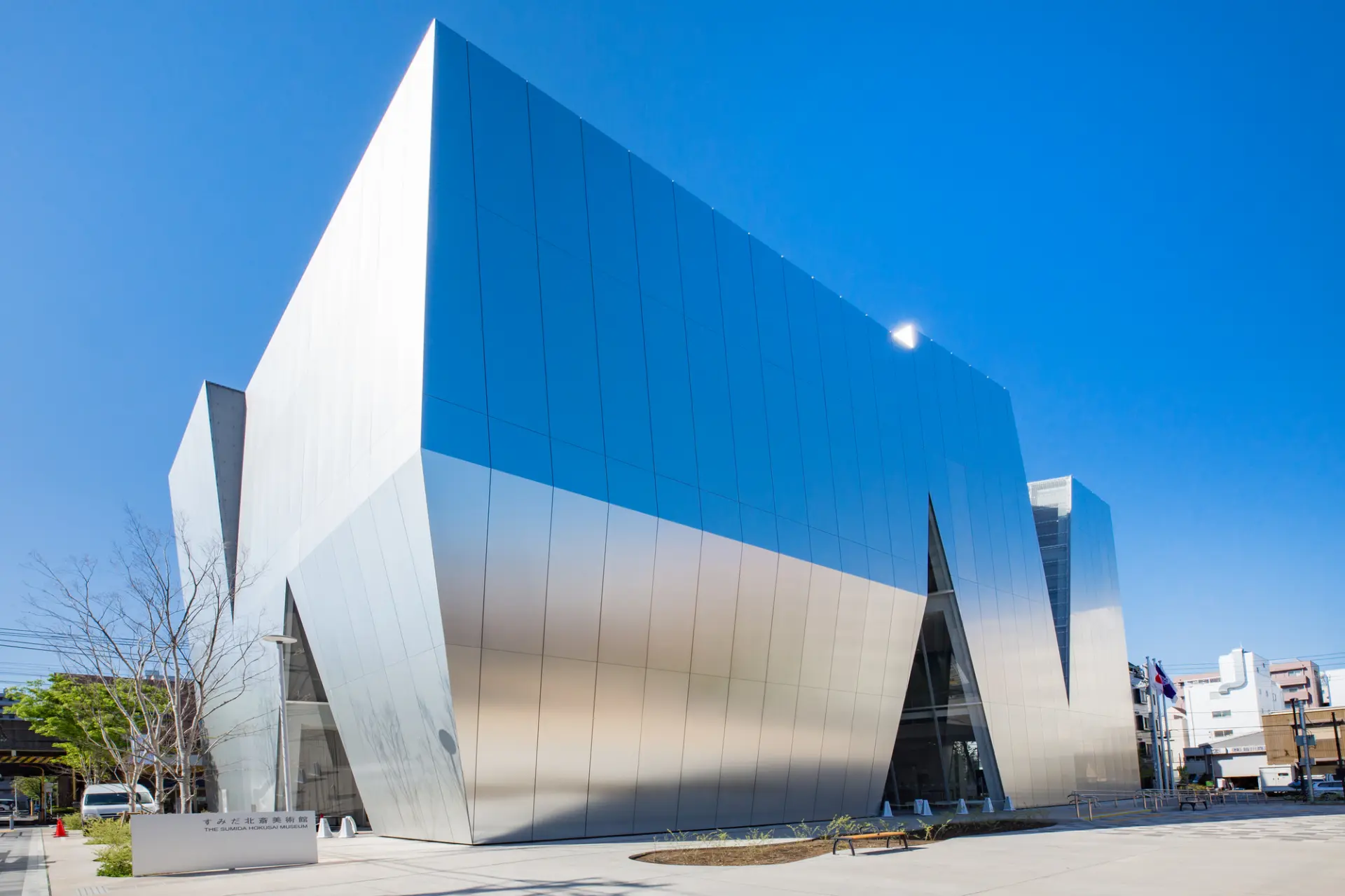
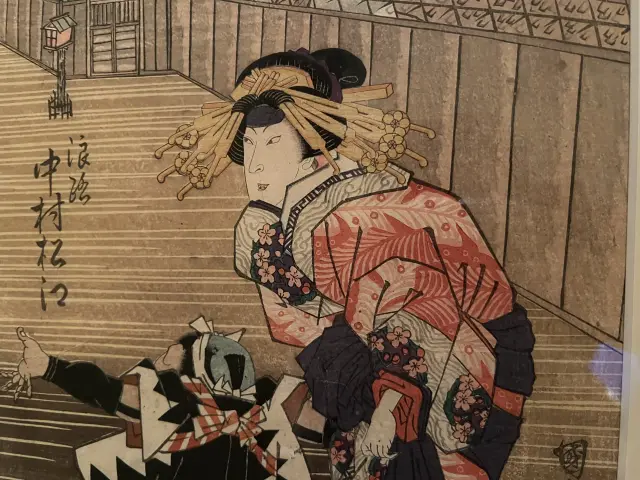
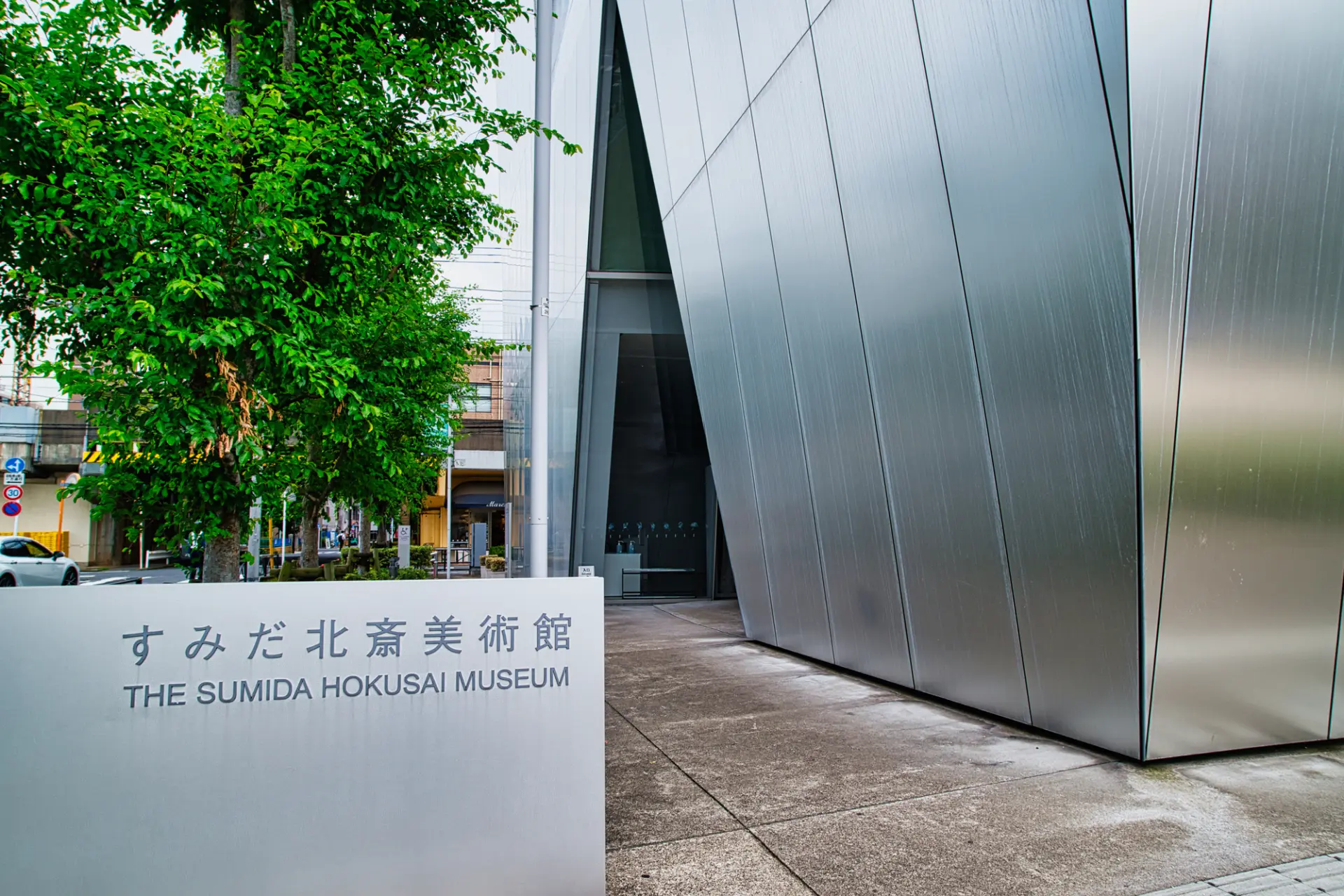
This museum showcases the life and works of Katsushika Hokusai, one of the world’s most renowned ukiyo-e artists.
The museum was established in Sumida because Hokusai spent most of his life in what is now Sumida City. Its exhibitions feature many of his best-known works, including Thirty-six Views of Mount Fuji, along with a variety of related materials.
The museum’s striking architectural design, featuring aluminum panels, is another highlight.
It is well worth a visit not only for those interested in Japanese art and ukiyo-e, but also for travelers discovering Japanese culture for the first time.
- Name in Japanese
- すみだ北斎美術館
- Postal Code
- 130-0014
- Address
-
2-7-2 Kamezawa, Sumida City, Tokyo
Google Maps - Phone
- 03-6658-8936
- Closed on
-
Mondays (or the following weekday if Monday is a national holiday or substitute holiday) and the New Year holidays
*Check the official website for details. - Hours
- 9:30 a.m.-5:30 p.m. (last admission at 5:00 p.m.)
- Admission
-
Adults: ¥400; ages 65 and older: ¥300; high school and university students: ¥300; junior high school students and younger: free
*Special exhibitions require a separate admission fee. See the official website. - Access
-
1) About a 5-minute walk from Ryogoku subway station
2) About a 9-minute walk from JR Ryogoku Station - Credit Cards
- Accepted
- Official website
- Official website (English)
4. Ryogoku Edo NOREN
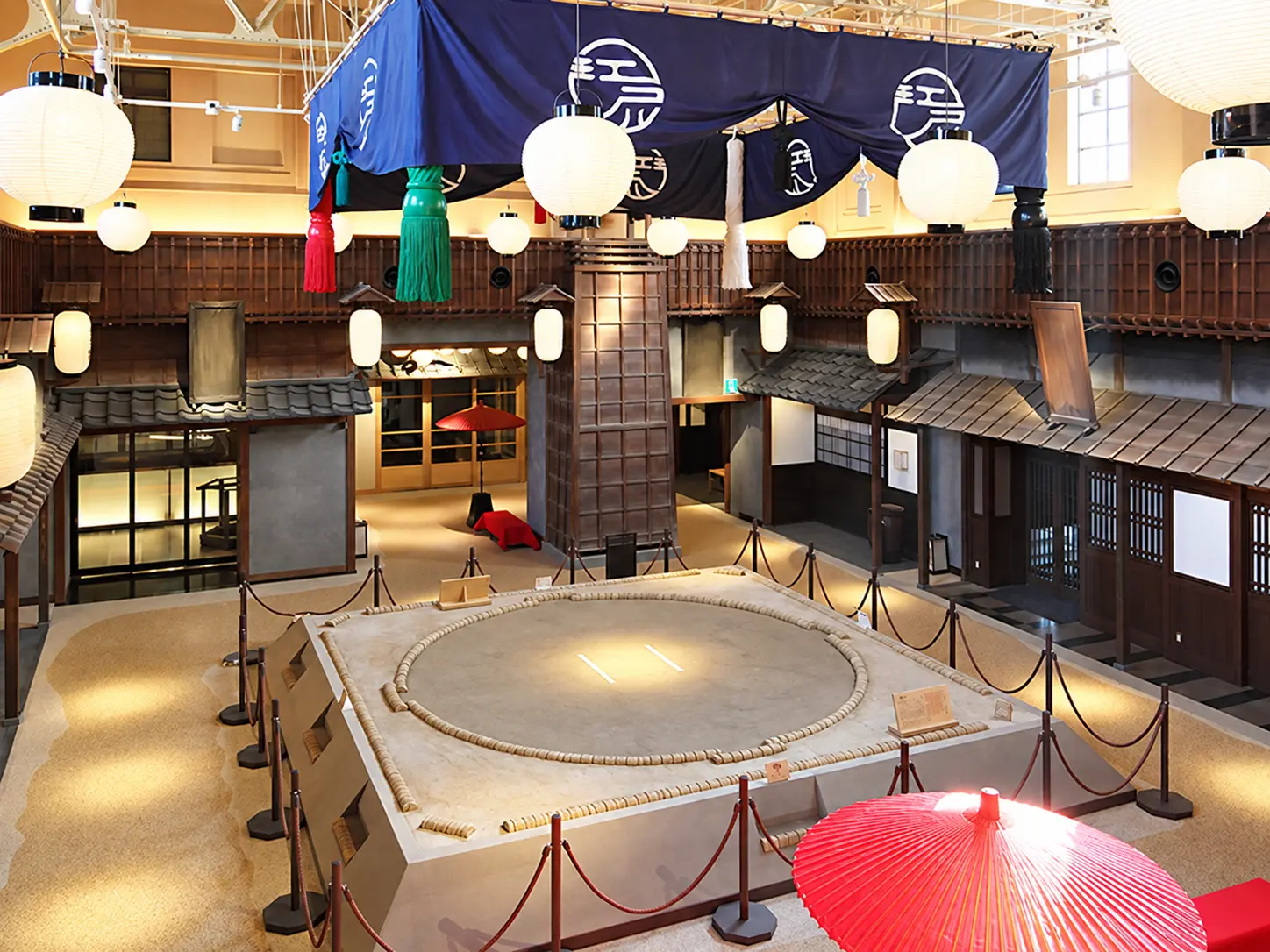
Directly connected to the West Exit of JR Ryogoku Station, this complex offers visitors a taste of Edo culture and local cuisine.
Its spacious atrium is designed to evoke the traditional townhouses of Edo, with a full-size sumo ring created under the supervision of the Japan Sumo Association and a traditional fire lookout tower at its center, giving the space a distinctly Ryogoku atmosphere.
The complex is also home to restaurants serving chanko cuisine, monjayaki savory pancakes, and other specialties associated with Ryogoku and Tokyo. Visitors can enjoy these local flavors while taking in the Edo-inspired atmosphere of the building.
- Name in Japanese
- -両国- 江戸NOREN
- Postal Code
- 130-0015
- Address
-
1-3-20 Yokoami, Sumida-ku, Tokyo
Google Maps - Phone
- 03-6658-8033
- Closed on
- January 1 and 2, and irregularly scheduled facility inspection days
- Hours
- 10:00 AM–11:00 PM; hours vary by establishment
- Access
-
1) Directly connected to the West Exit of JR Ryogoku Station
2) About a 7-minute walk from Toei Subway Ryogoku Station - Credit Cards
- Accepted
- Official website
- Official website (Japanese)
5. Japanese Sword Museum
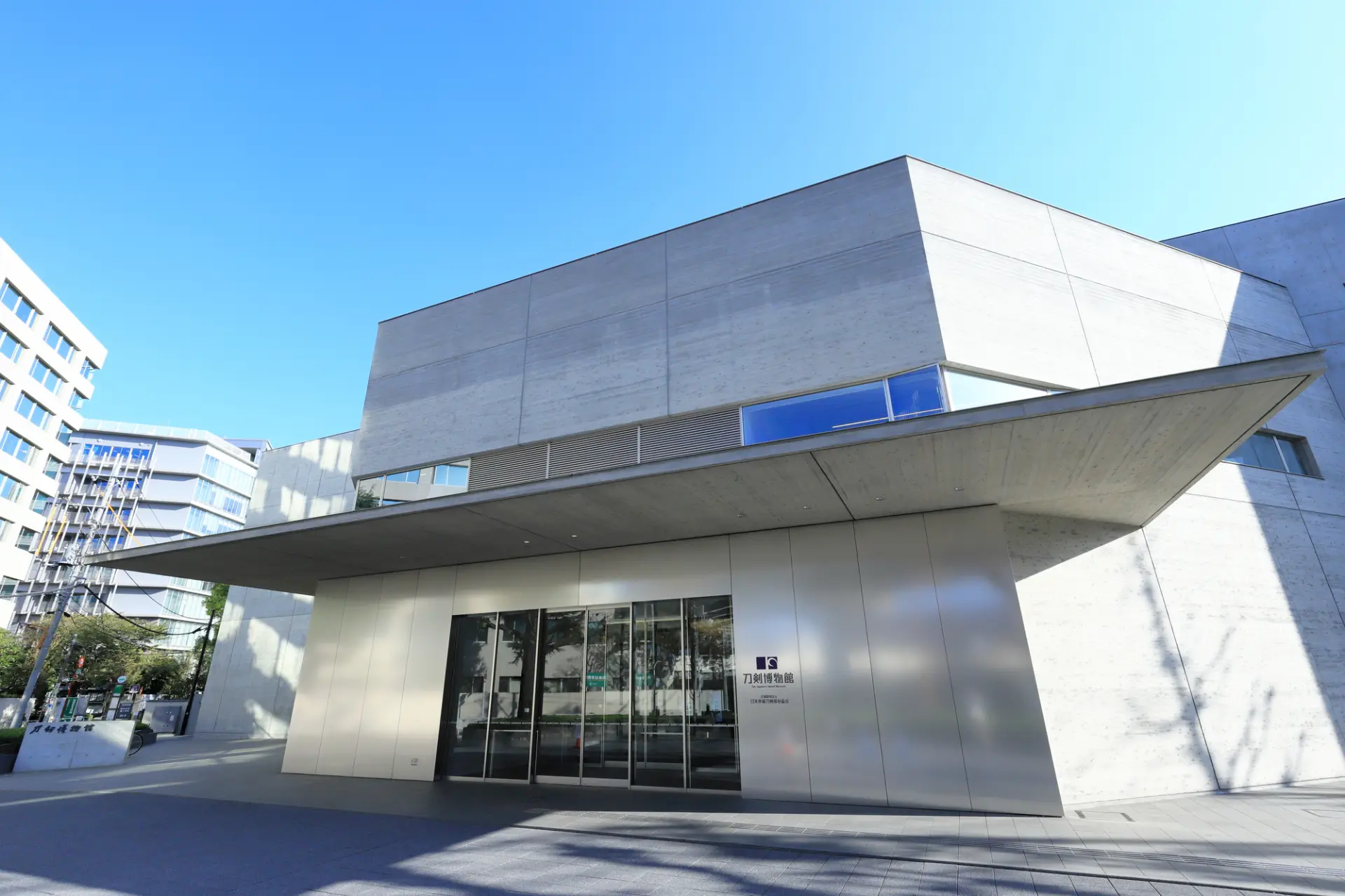
Dedicated to the preservation and study of Japanese swords, this museum displays valuable blades, including National Treasures and Important Cultural Properties.
Its accessible explanations introduce the beauty, craftsmanship, and historical background of these swords, making a visit engaging even for those unfamiliar with the subject.
Taking the time to appreciate the swords in the museum’s quiet exhibition spaces offers a deeper understanding of Japan’s traditional craftsmanship and samurai culture.
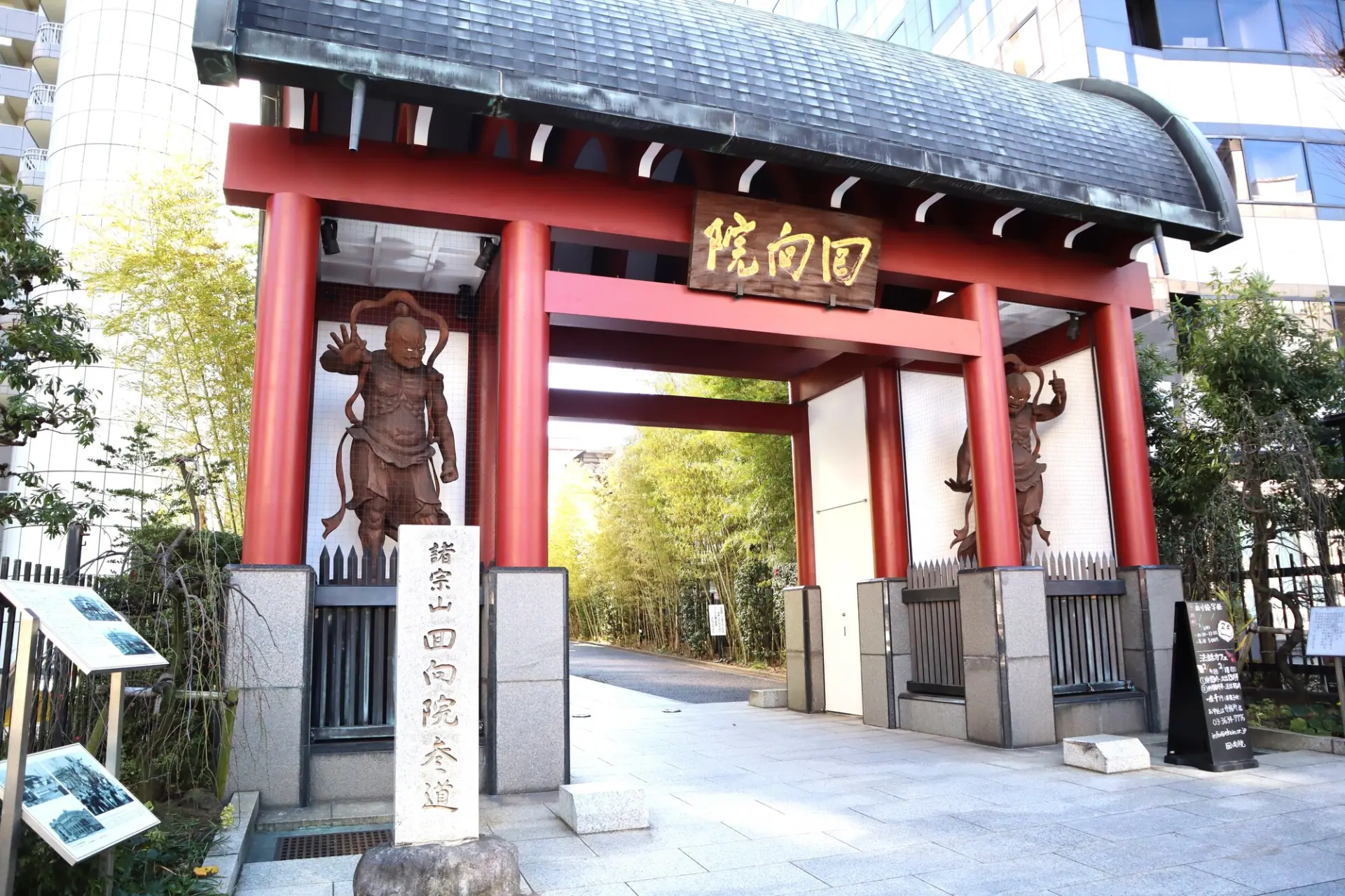
6. Ekoin Temple
This historic temple was founded to commemorate the victims of the Great Fire of Meireki in 1657.
Originally established to offer memorial services for those who had no relatives to tend their graves, the temple remains a place of prayer for many people today.
Ekoin is also known for its deep ties to sumo. During the Edo period, kanjin-zumo-sumo events held to raise funds for temples and shrines-were held on the temple grounds.
Stone monuments and memorial towers associated with sumo wrestlers from different eras can be found throughout the grounds, offering a glimpse into the history of Ryogoku’s development as a center of sumo culture.
7. Kyu-Yasuda Garden
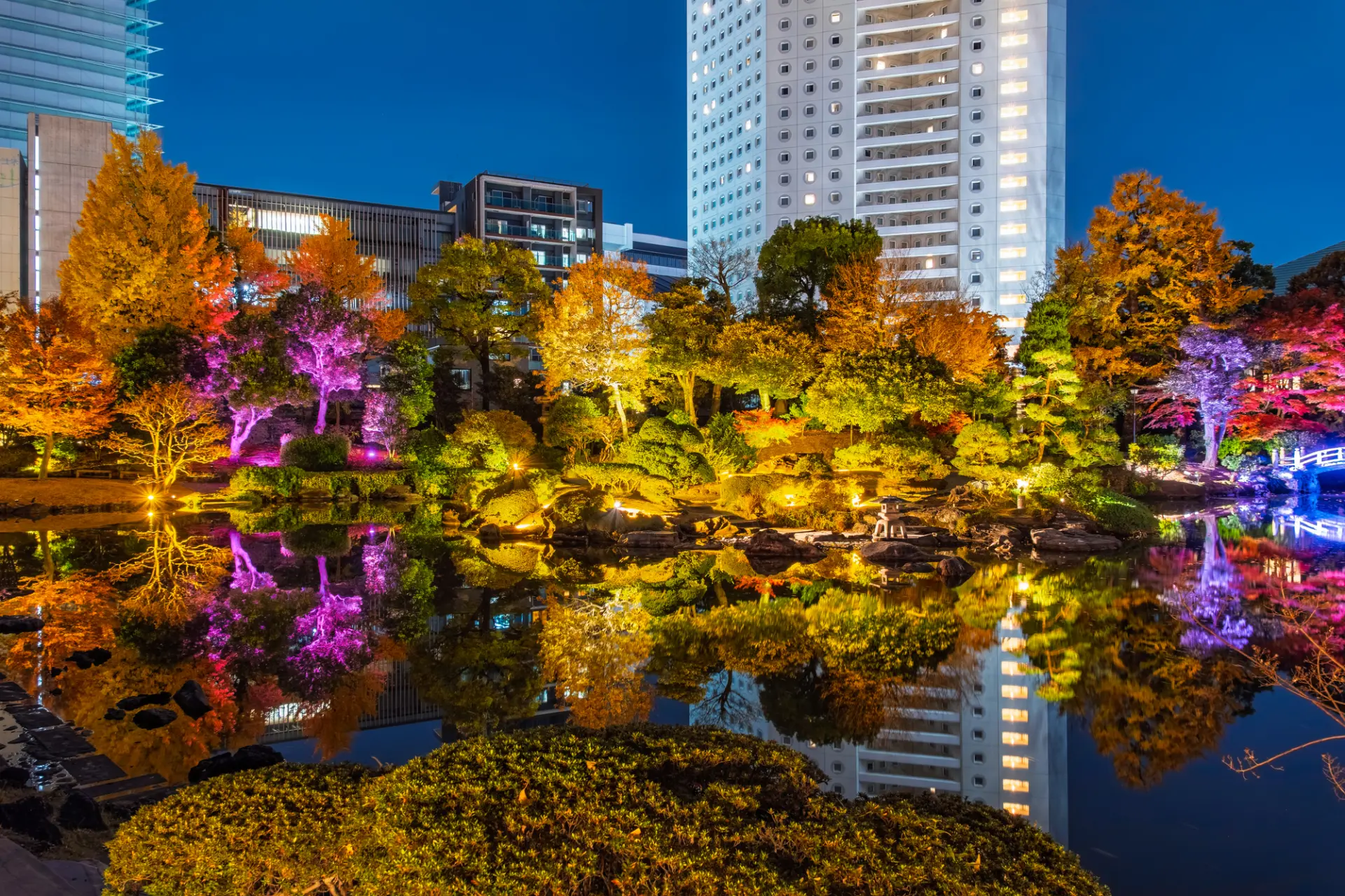
This strolling garden traces its origins to a feudal lord’s garden from the Edo period.
Seasonal scenery unfolds around a central pond, creating a peaceful setting that feels far removed from the bustle of the city.
Cherry blossoms and fresh greenery in spring and colorful foliage in autumn make the garden a popular place for leisurely walks and photography.
Located next to the Japanese Sword Museum, Kyu-Yasuda Garden is the perfect place to enjoy a relaxing stroll and a peaceful moment after exploring the area’s history and culture.
8. Sumida River Terrace
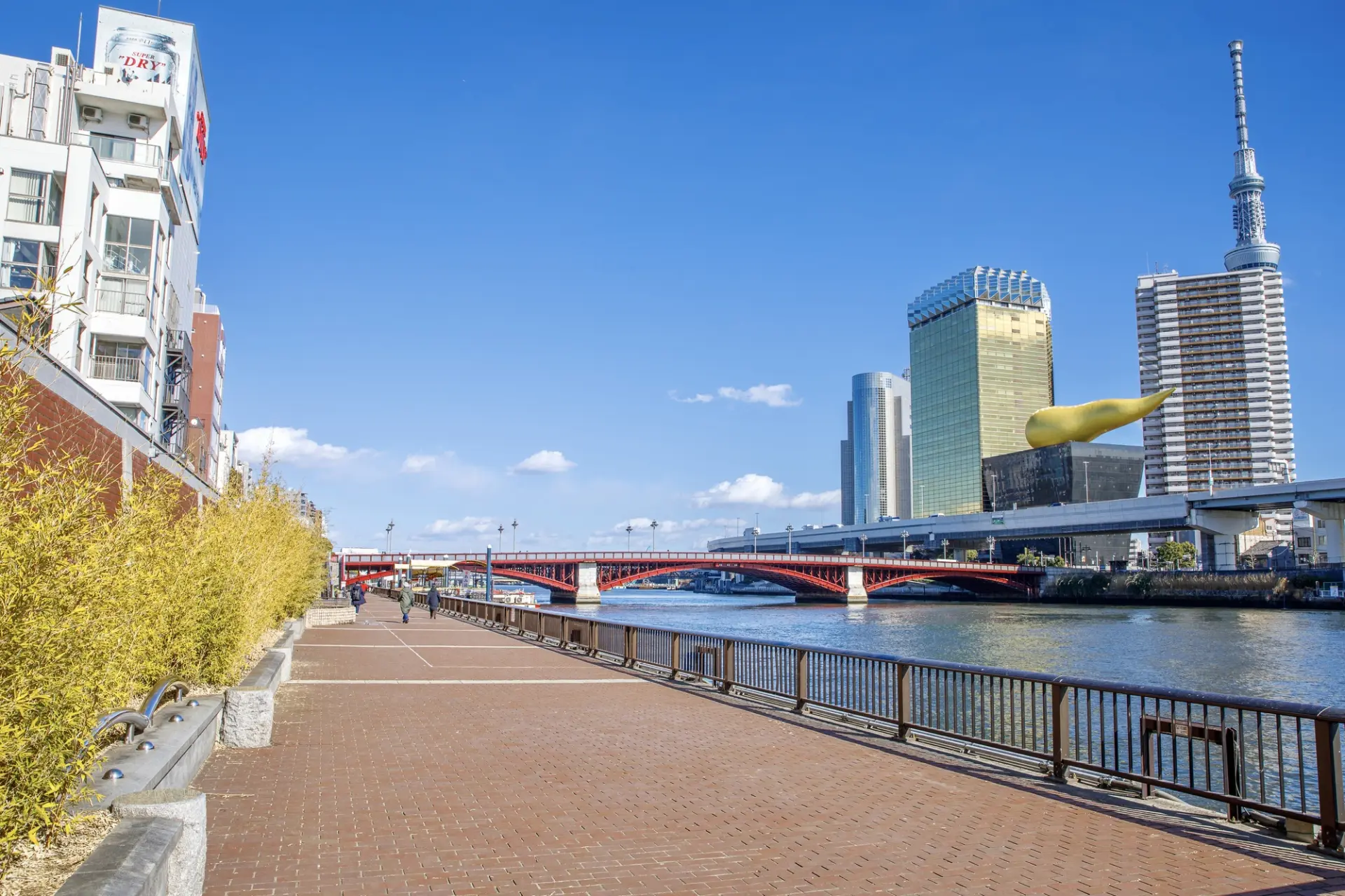
This promenade along the Sumida River offers expansive views and a relaxing setting for a leisurely walk.
Visitors can stroll at their own pace while watching water buses and traditional yakatabune boats pass by, with the cityscape on the opposite bank as a backdrop.
At dusk, the river offers beautiful sunset views, while after dark, illuminated bridges and high-rise buildings create a striking nightscape.
It is also an ideal place to take a break between sightseeing stops.
- Name in Japanese
- 隅田川テラス
- Address
-
Tokyo (Kita, Adachi, Arakawa, Taito, Sumida, Chuo, and Koto wards)
Google Maps - Phone
- 03-3232-3011 (Tokyo Metropolitan Park Association)
- Closed on
- Open year-round
- Hours
- Open at all times
- Admission
- Free
- Official website
- Official website (Japanese)
9. Sumo Museum
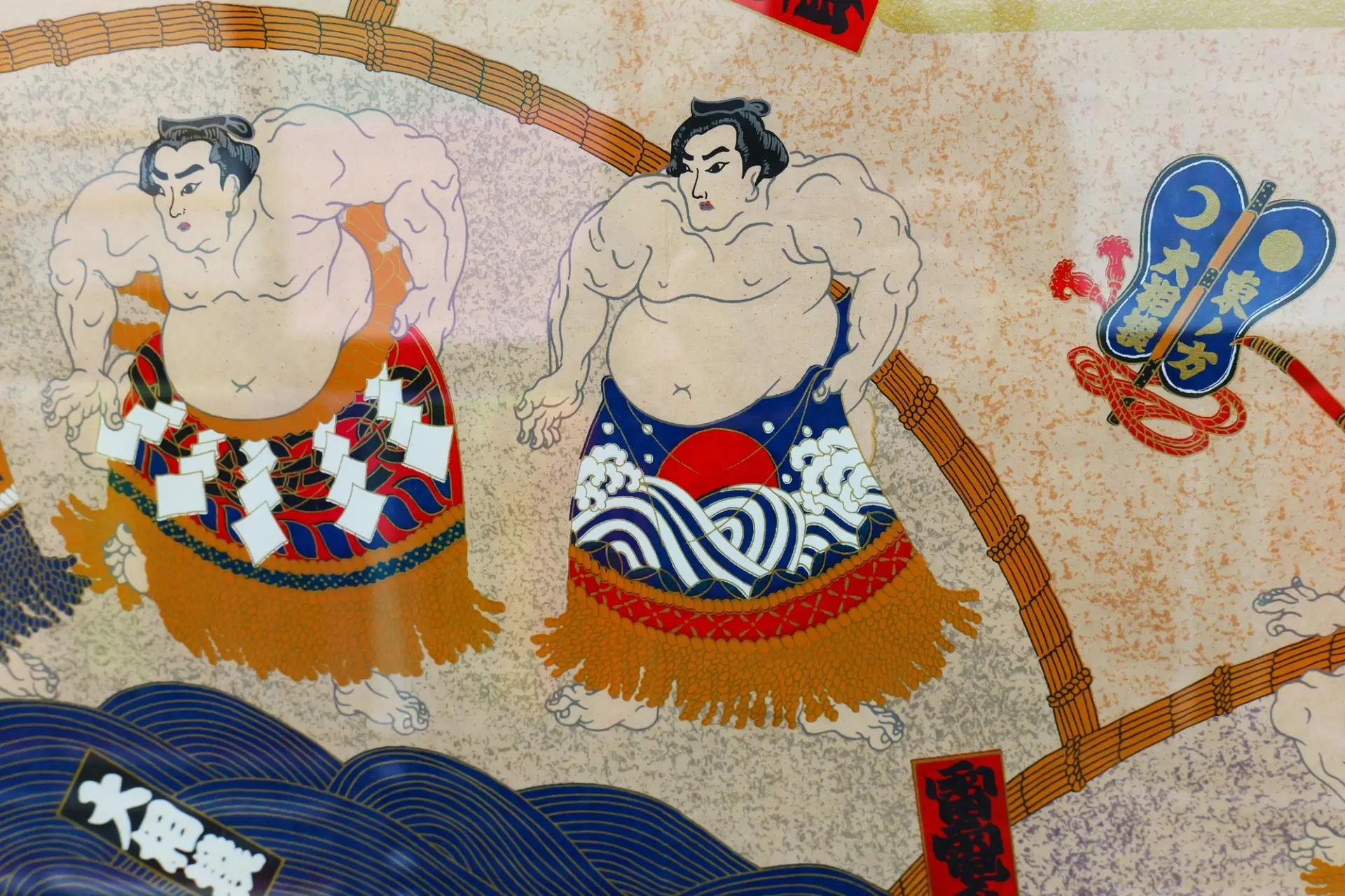
Located inside Ryogoku Kokugikan, the Sumo Museum is dedicated to the history and culture of sumo.
Its collection includes valuable historical materials such as kesho-mawashi (ceremonial aprons) worn by past yokozuna, nishiki-e woodblock prints, sumo ranking lists, and photographs.
Themed exhibitions change regularly, offering something new to discover with each visit.
Even visitors unfamiliar with the rules of sumo can learn through easy-to-follow exhibits how the sport has been preserved and passed down as part of Japan’s traditional culture.
Visiting the museum together with a Grand Sumo Tournament at Ryogoku Kokugikan offers an even deeper appreciation of the sport.
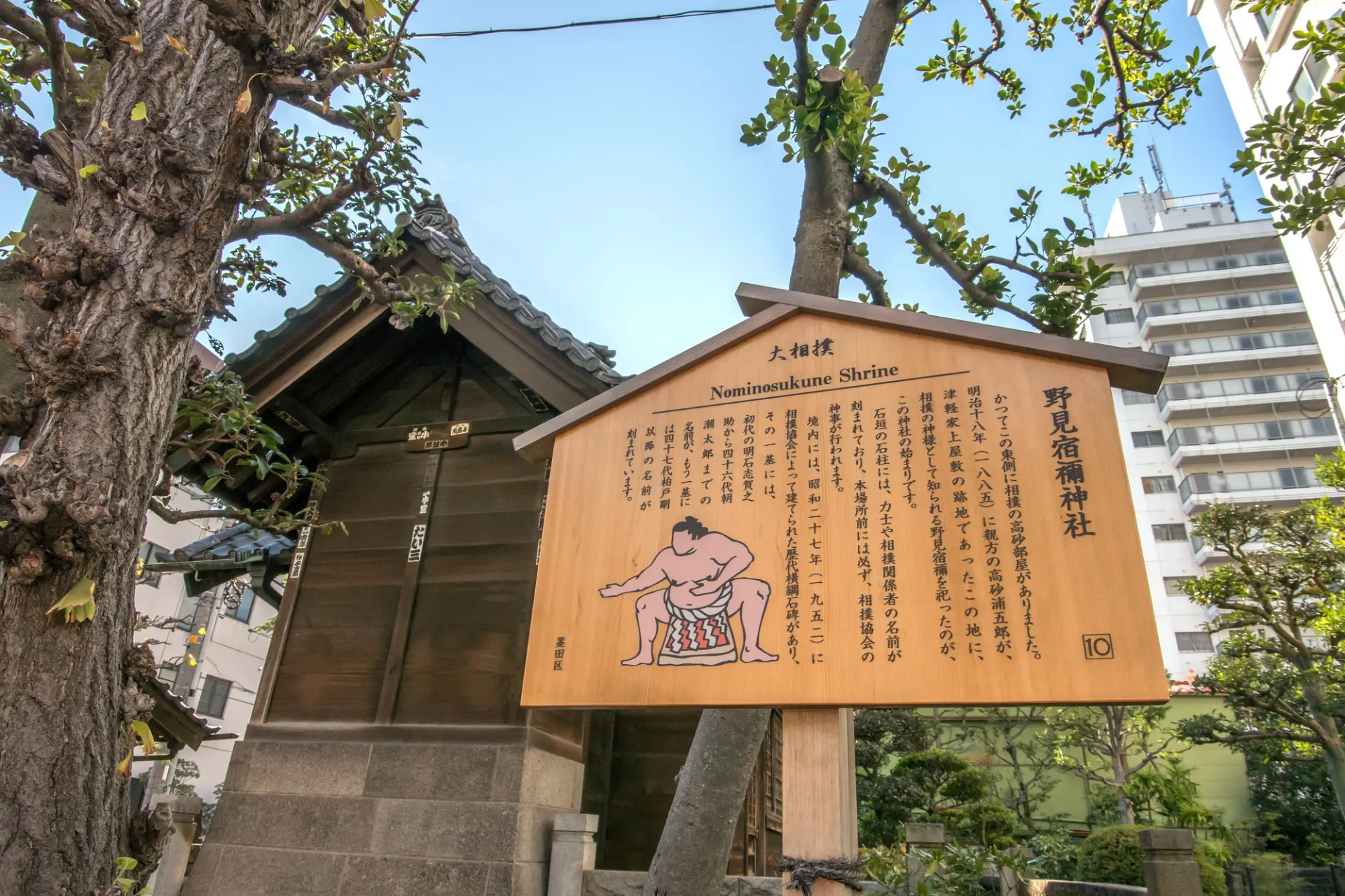
10. Nominosukune Shrine
Established by the Japan Sumo Association, this shrine is dedicated to Nominosukune, who is revered as a deity of sumo.
The grounds are home to monuments honoring sumo wrestlers and yokozuna, making the shrine a cherished destination for sumo fans.
Located just a few minutes’ walk from Ryogoku Kokugikan, the shrine is easy to visit and attracts many worshippers during Grand Sumo Tournaments.
For anyone interested in experiencing sumo culture beyond the tournament arena, this is a fascinating place to visit.
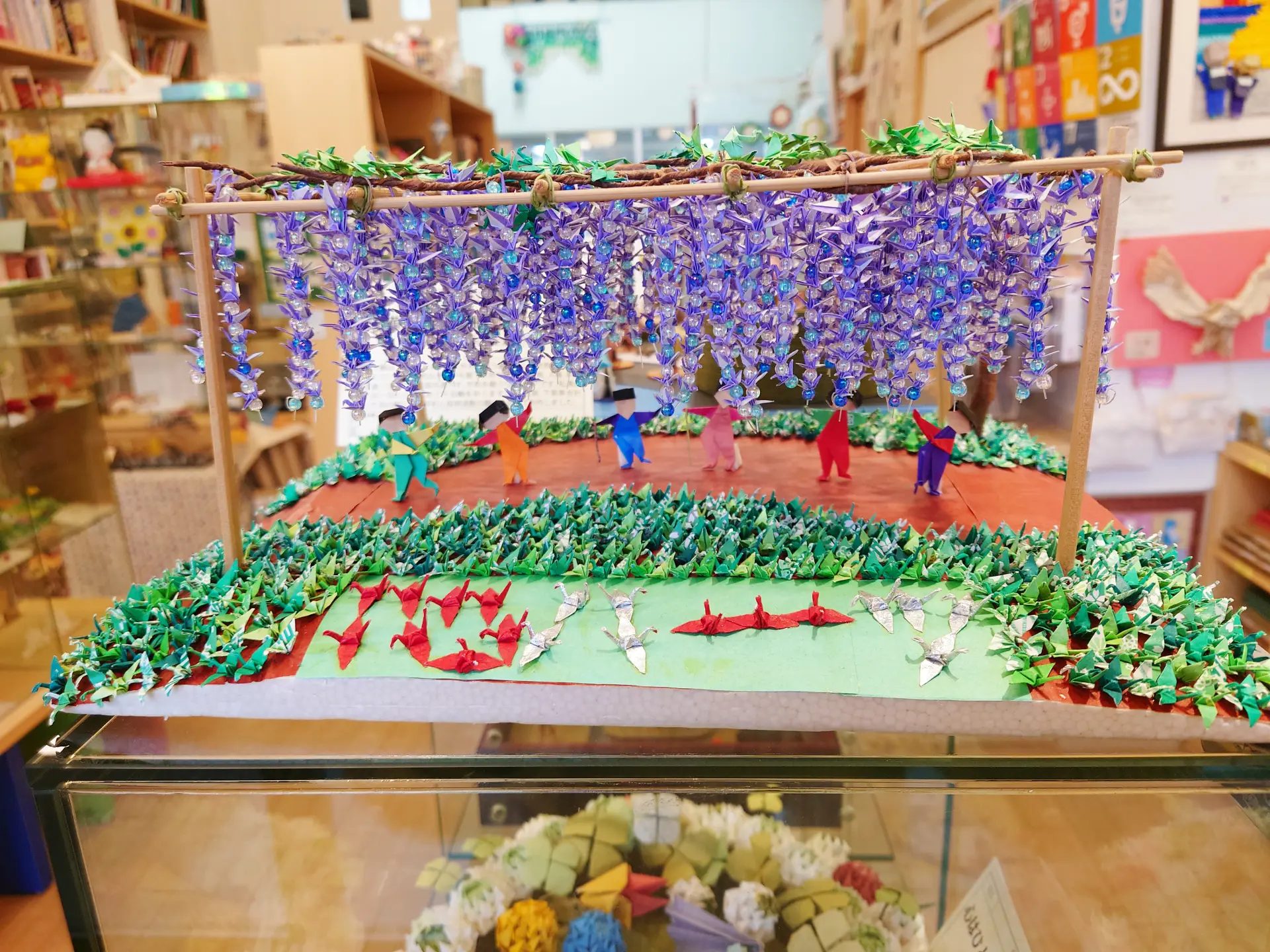
11. Tokyo Origami Museum
This small museum is dedicated to showcasing the art of origami, Japan’s traditional art of paper folding.
Inside, intricate origami creations are displayed alongside exhibits introducing the history and techniques of the craft.
Beyond viewing the exhibits, visitors can try their hand at origami and shop for related products, making the museum enjoyable for both adults and children.
It is also a great place for travelers looking for an easy and engaging way to experience Japanese culture.
- Name in Japanese
- 東京おりがみミュージアム
- Postal Code
- 130-0004
- Address
-
1-31-5 Honjo, Sumida-ku, Tokyo
Google Maps - Telephone
- 03-3625-1161
- Closed
- Public holidays (except weekends). If a public holiday falls on a Sunday, closed the following Monday.Facility Cleaning Day (4th Thursday of each month).
- Business Hours
- 9:30am - 5:30pm
- Admission
- Free
- Access
- 8-minute walk from Kuramae Station on the Toei Oedo Line.
- Credit Cards
- Accepted
- Official Website
- Official Website (Japanese)
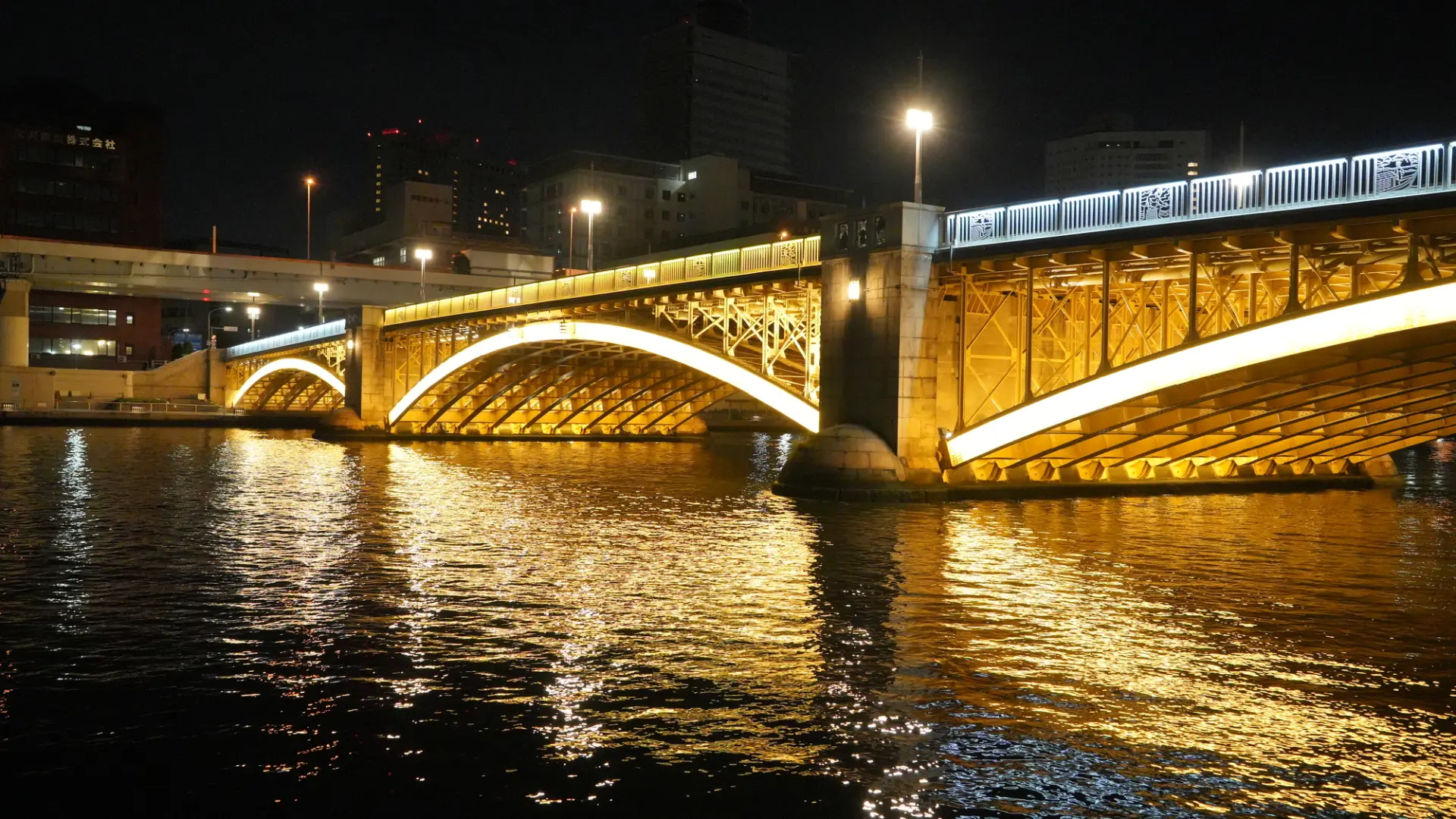
12. Ryogoku Bridge
This historic bridge has connected the two banks of the Sumida River since the Edo period, with countless people crossing it over the centuries. The surrounding area flourished as a popular destination for fireworks and enjoying the cool evening air in summer, and the bridge was depicted in many ukiyo-e prints.
From the bridge, visitors can enjoy sweeping views of the Sumida River and the surrounding cityscape, making it a popular place to pause during a walk.
The bridge offers different views by day and night. Combining a visit with a stroll along Sumida River Terrace is a great way to enjoy both the waterfront scenery and the area’s Edo history.
13. MERI, a Specialty Fabric Zori Shop
Located midway between the Edo-Tokyo Museum and the Sumida Hokusai Museum, MERI is a specialty shop for fabric zori sandals, where the atmosphere of Edo meets Sumida’s rich tradition of craftsmanship.
Each pair of MERI’s fabric zori passes through the hands of several skilled artisans: one braids the cords, another weaves them into the sandals, another makes the hanao straps, and yet another attaches them to complete the pair.
Since the brand was launched in 2012, MERI has produced thousands of pairs of fabric zori. The shop also offers popular workshops where visitors can make their own pair. Reservations are required.

- Name in Japanese
- MERIKOTI
- Postal Code
- 130-0014
- Address
-
1st Floor, Ooka Building, 1-11-8 Kamezawa, Sumida City, Tokyo
Google Maps - Phone
- 070-6986-0708
- Closed on
- Mondays and Tuesdays (open on national holidays)
- Hours
- 10:00 AM-6:00 PM
- Access
-
1) About a 5-minute walk from Exit A3 of Ryogoku Station on the Toei Oedo Line
2) About a 10-minute walk from the East Exit of Ryogoku Station on the JR Sobu Line - Credit Cards
- Accepted
- Official website
-
Official Instagram
Official Online Store
Cloth Zori Workshop Reservation Site
5 Things to Do in Ryogoku
Ryogoku offers much more than sumo. It is a neighborhood where visitors can experience Edo culture, art, local cuisine, and other distinctly Japanese experiences all in one place.
There are many ways to enjoy the area, from visiting historic landmarks and strolling along the waterfront to experiencing traditional culture.
Here are five things you won’t want to miss when visiting Ryogoku.
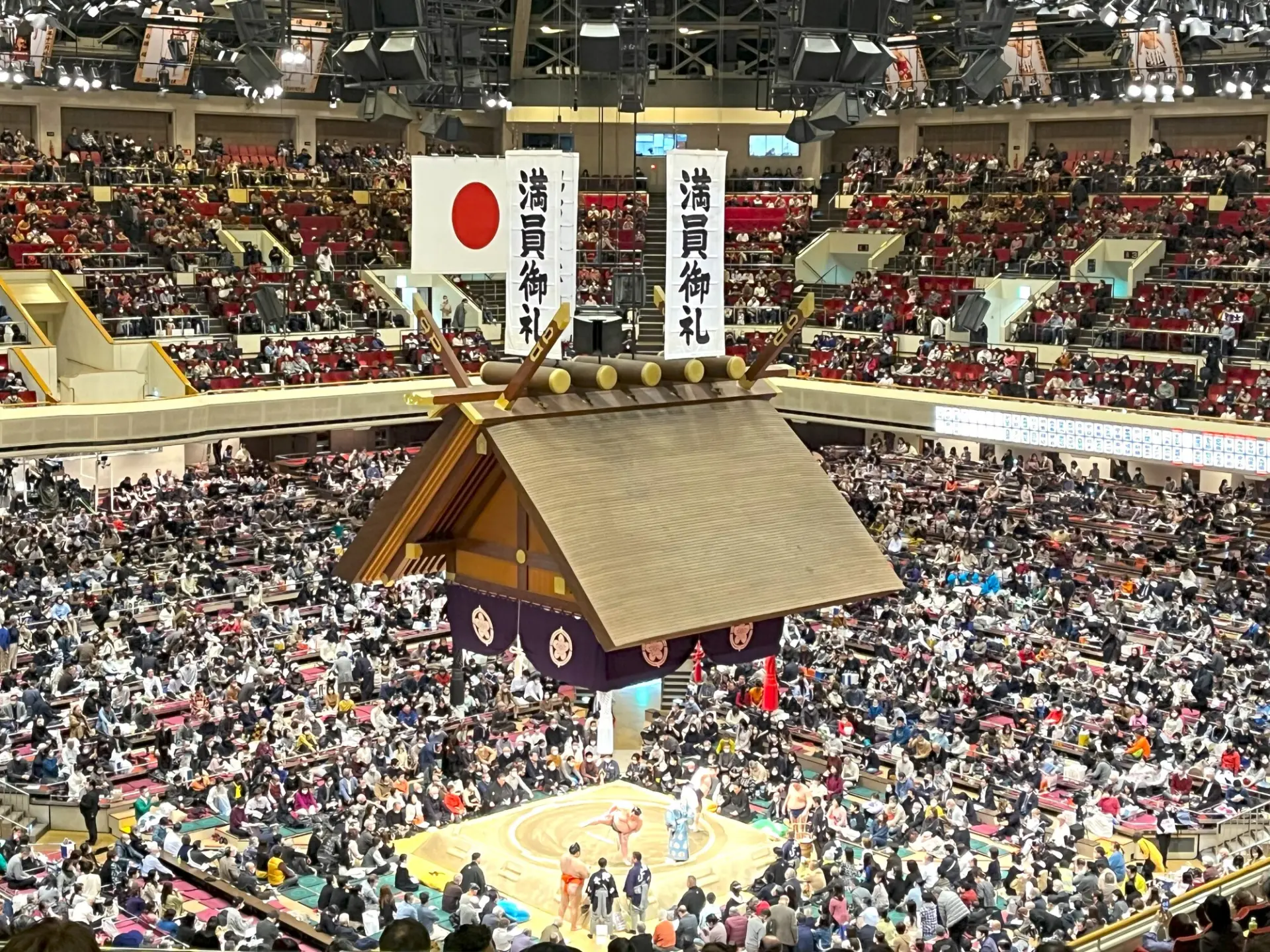
1. Watch a Grand Sumo Tournament and Experience Sumo Culture
When visiting Ryogoku, the spiritual home of sumo, watching a Grand Sumo Tournament is an experience not to be missed.
Grand Sumo Tournaments are held at Ryogoku Kokugikan every January, May, and September, giving visitors the chance to experience the power and intensity of sumo bouts up close.
Even outside tournament periods, you can explore the history and culture of sumo by visiting the Sumo Museum, Nomi no Sukune Shrine, and Ekoin Temple.
If this is your first time watching sumo, learning the basic rules and knowing what to look for can make the experience even more enjoyable, so be sure to check out the article below.
2. Explore Edo Culture and Art
One of Ryogoku’s greatest attractions is the opportunity to experience the history and culture that have shaped the area since the Edo period.
At the Edo-Tokyo Museum, visitors can learn about Tokyo’s history and the lives of its people, while the Sumida Hokusai Museum showcases the works and life of Katsushika Hokusai, one of the world’s most renowned ukiyo-e artists.
At the Japanese Sword Museum, visitors can admire Japanese swords as works of art while gaining a deeper understanding of traditional Japanese craftsmanship and samurai culture.
Together, these experiences offer a fascinating glimpse into Japan’s rich cultural heritage through history and art.
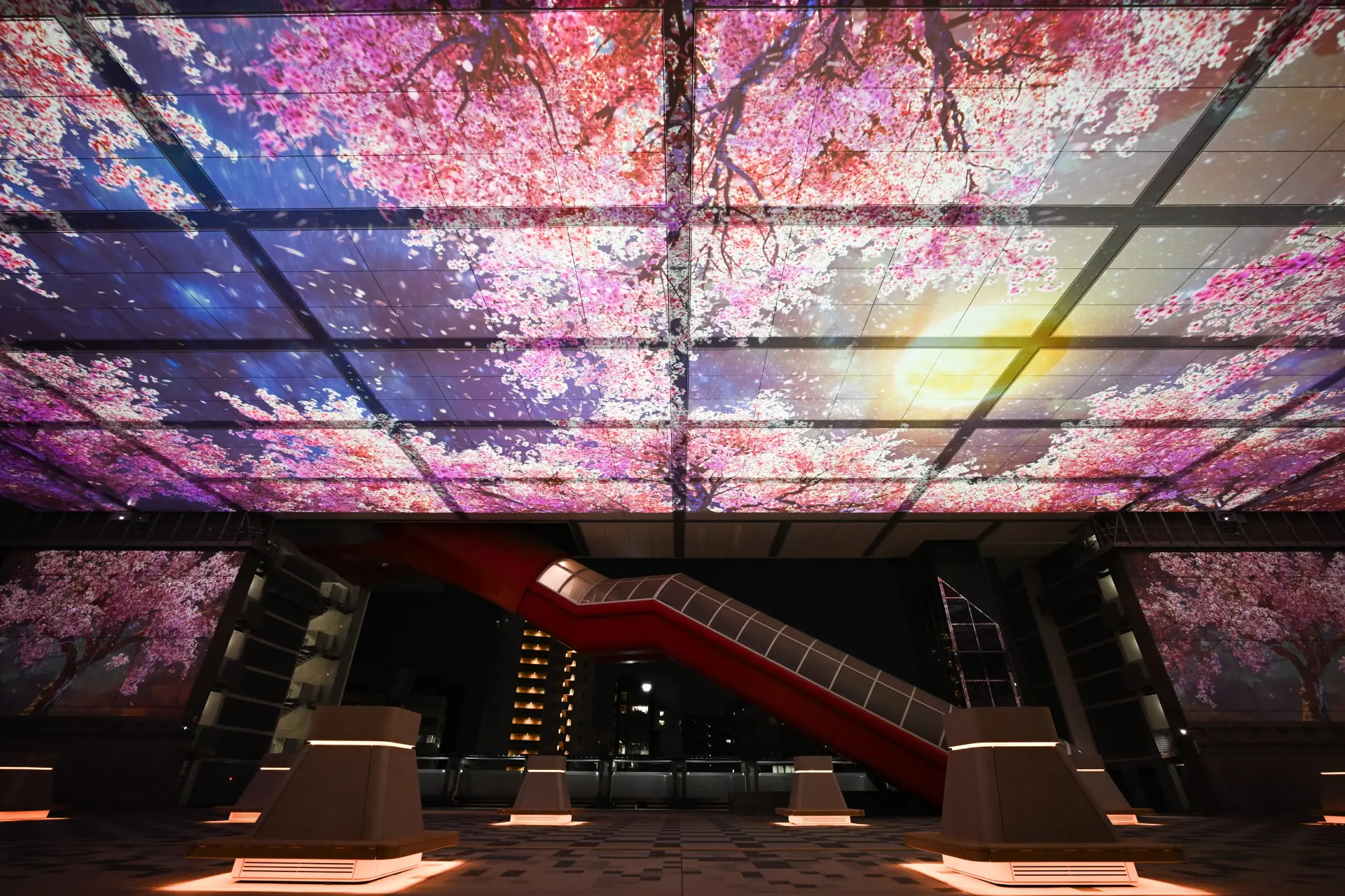
3. Taste Edo’s Food Culture
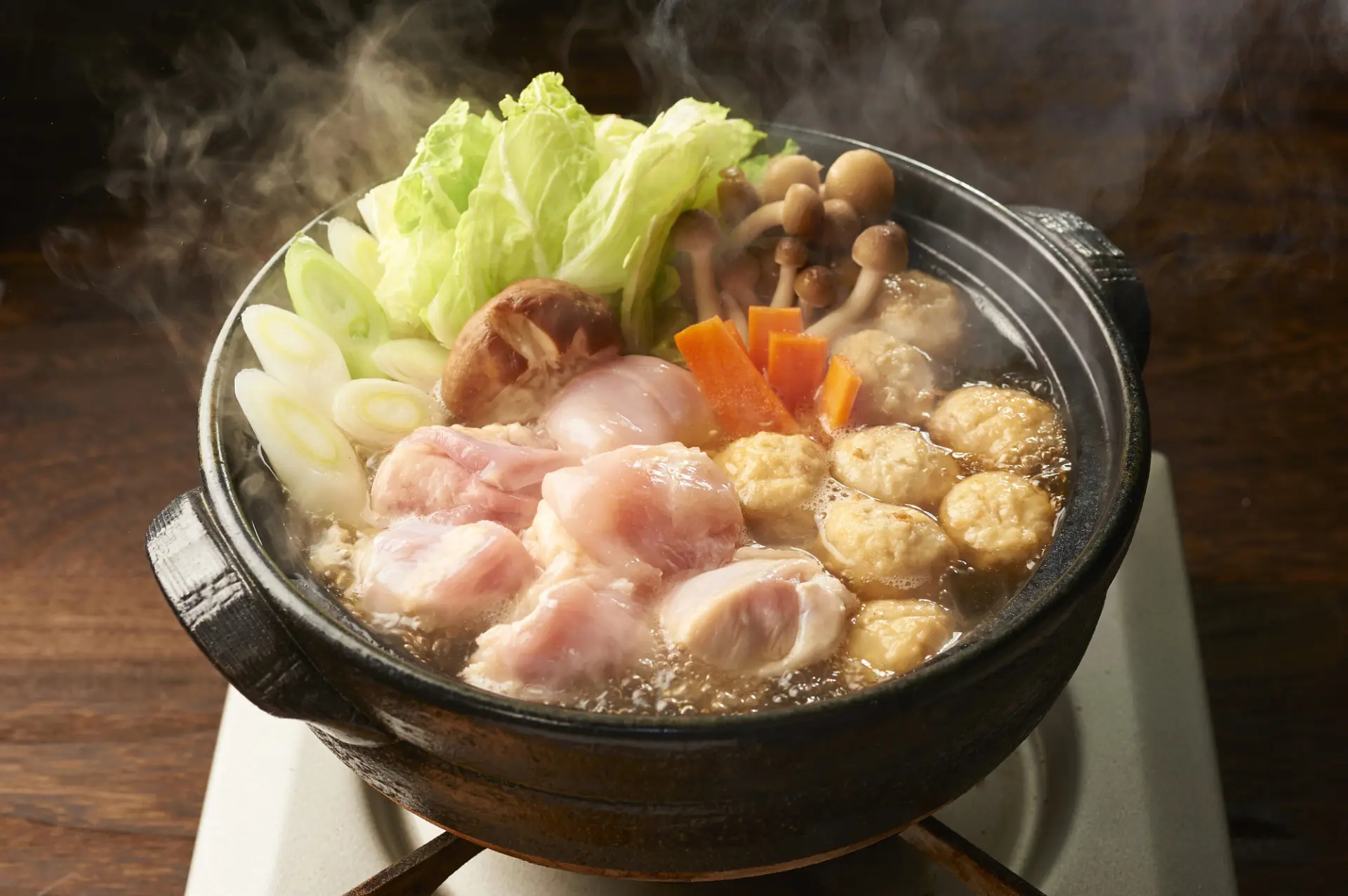
Chanko nabe, a hot pot dish traditionally enjoyed by sumo wrestlers, is a local specialty not to be missed in Ryogoku. This nutritionally balanced dish varies in flavor and ingredients from restaurant to restaurant, making it fun to try and compare different versions.
Another highlight is the chance to discover traditional flavors at long-established shops, including soba noodles and Japanese sweets that have been enjoyed since the Edo period.
Savoring the distinctive food culture of this famous sumo neighborhood alongside the traditional flavors passed down through Tokyo’s old downtown districts is sure to make your visit to Ryogoku even more memorable.
4. Stroll Along the Sumida River and Enjoy the Waterfront Views
After exploring the historic streets, take a leisurely walk along the Sumida River.
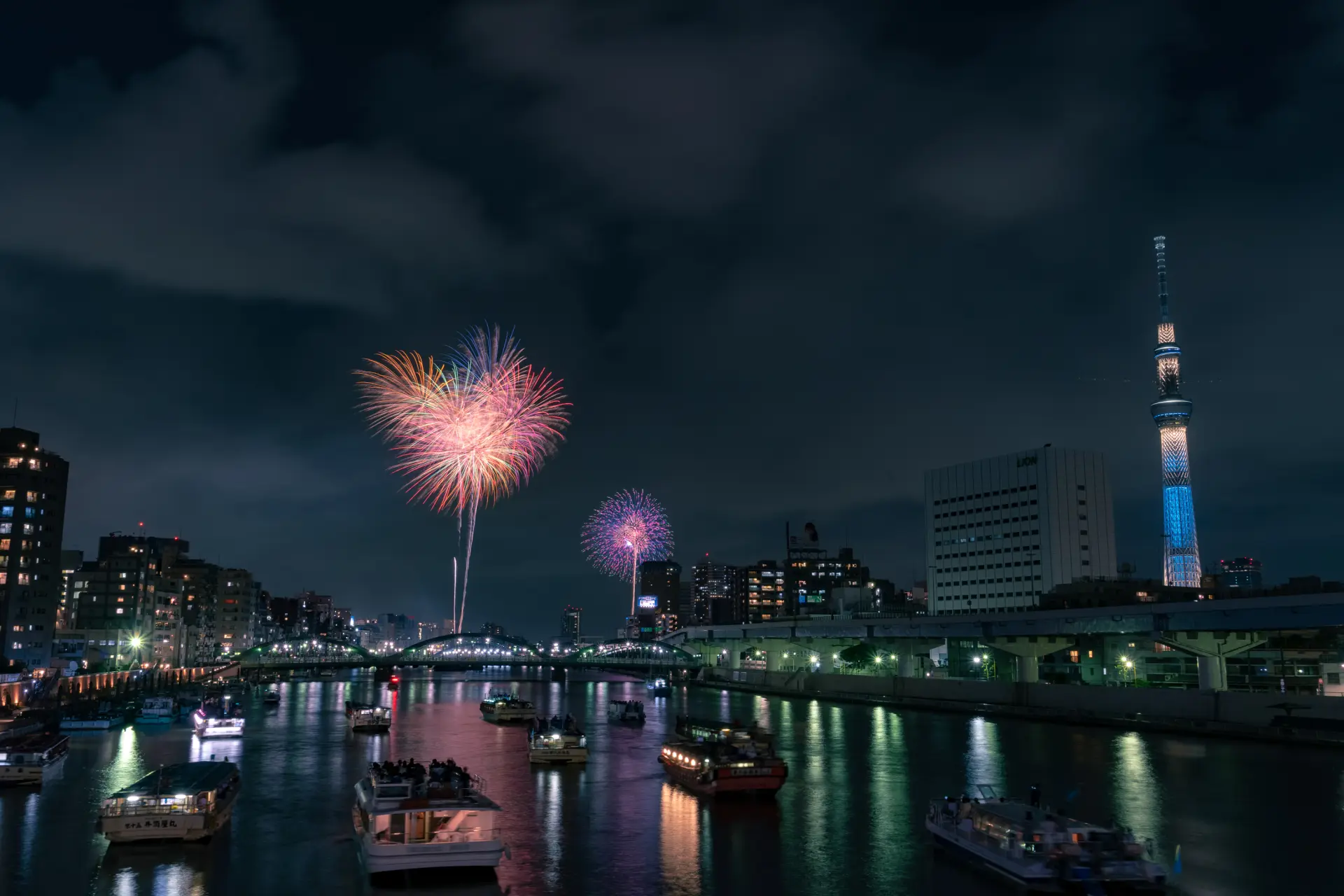
The promenade at Sumida River Terrace offers a relaxing setting for watching water buses and traditional yakatabune boats pass by.
From Ryogoku Bridge, you can enjoy sweeping views along the river and of Tokyo’s cityscape, with the scenery taking on a different character depending on the time of day.
The cherry blossoms in spring and the scenery at dusk are especially beautiful, making the area ideal for photography.
5. Discover Japanese Swords and Traditional Crafts and Shop for Ryogoku Souvenirs
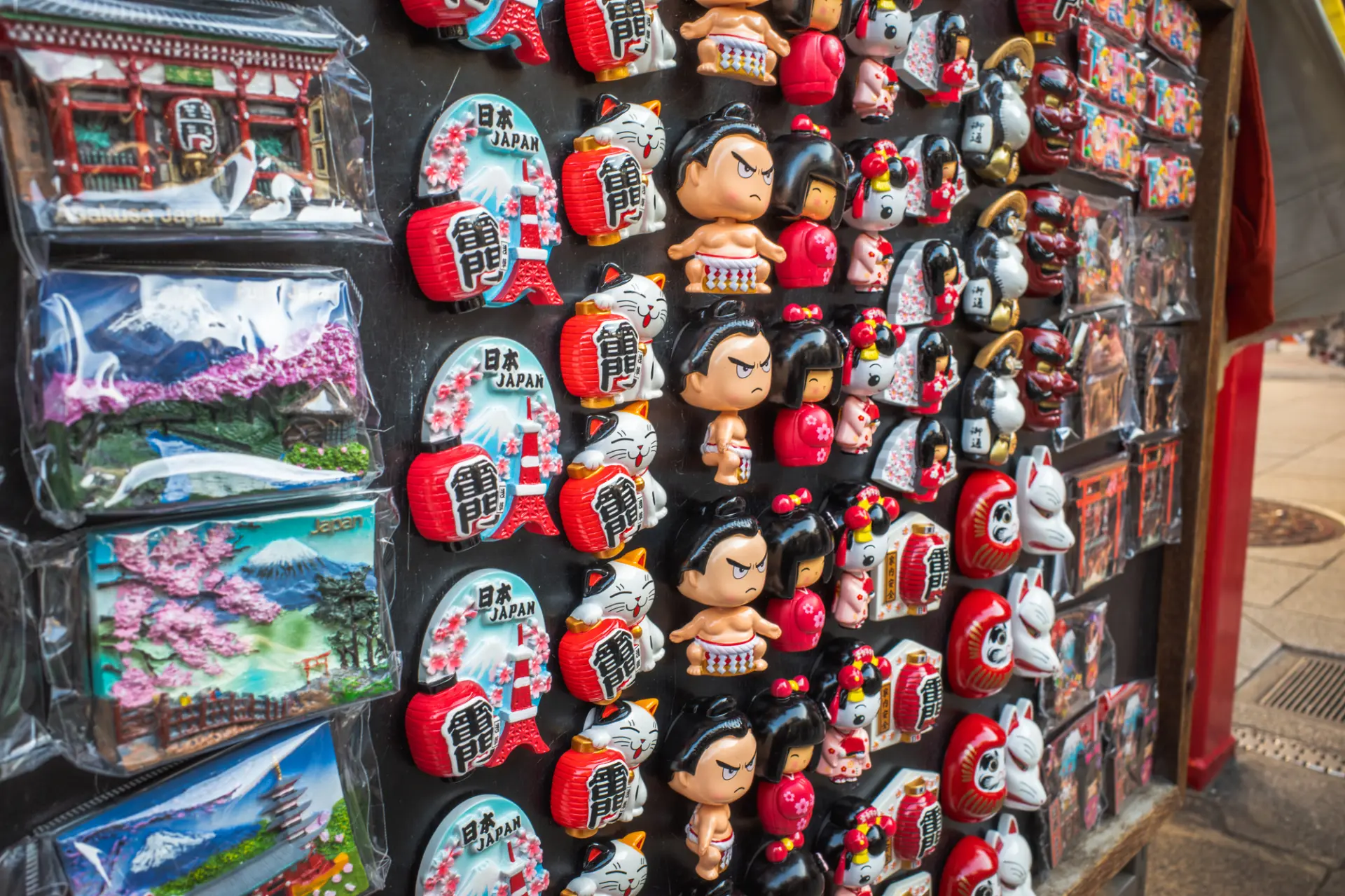
After admiring the beauty of Japanese swords at the Japanese Sword Museum, look for items unique to Ryogoku, such as sumo merchandise, Japanese-style accessories, and Edo Kiriko cut glass.
The Tokyo Origami Museum also sells origami creations and related goods that offer a distinctly Japanese touch.
Items showcasing traditional craftsmanship and artisanal skills make wonderful keepsakes for yourself or gifts for someone special.
6 Popular Places to Eat and Drink in Ryogoku
Ryogoku’s diverse food scene ranges from chanko nabe and soba rooted in Edo-period traditions to beloved local restaurants and stylish cafés.
With many of the neighborhood’s attractions within walking distance, it is easy to stop for a meal or drink while exploring the area.
Here are six recommended places to eat and drink during your visit to Ryogoku.
1. Chanko Kirishima Ryogoku Main Store
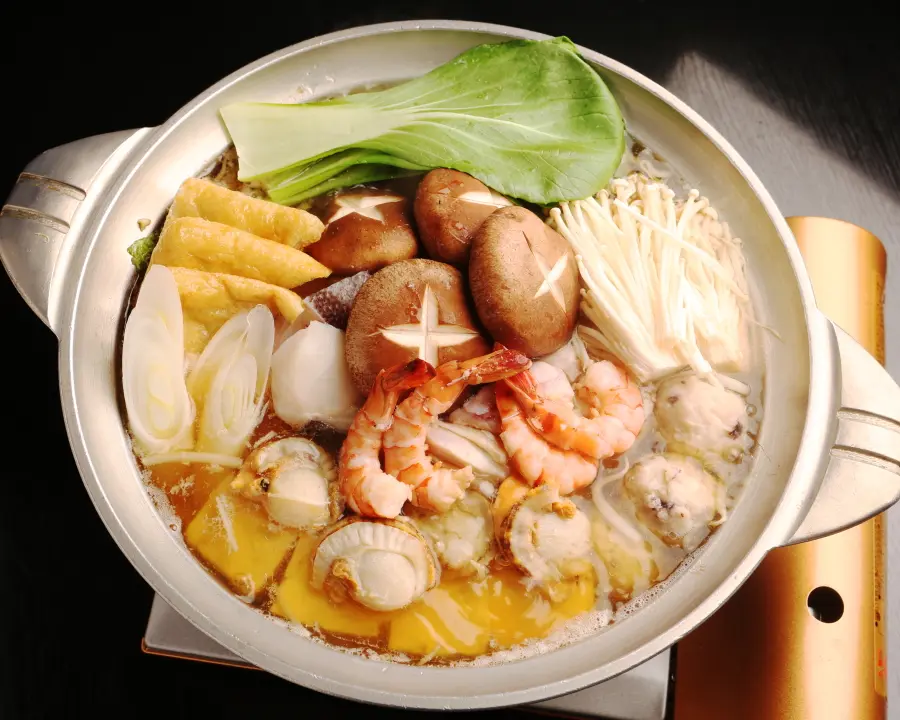
Meals prepared for and eaten by sumo wrestlers are known as chanko.
Run by a former sumo wrestler, this restaurant serves chanko nabe based on a recipe passed down from a sumo stable.
Its signature soup combines a rich chicken-and-pork-bone broth with soy sauce and miso. A touch of yuzu kosho adds a pleasantly spicy kick, while the restaurant’s signature minced chicken soaks up the flavorful broth, making it especially delicious.
Besides chanko nabe, popular dishes include seasonal sashimi and fried chicken wings.
- Name in Japanese
- ちゃんこ霧島 両国本店
- Postal Code
- 130-0026
- Address
-
2-13-7 Ryogoku, Sumida-ku, Tokyo
Google Maps - Tel
- 03-3634-0075
- Closed
- Mondays (Closed on Mondays and Tuesdays in June, July, and August)
- Business Hours
- Weekdays 11:30am - 3:00pm(L.O.2:00pm), 5:00pm - 10:00pm(L.O.9:00pm)
- Access
-
(1) About 1 minute on foot from the West Exit of Ryogoku Station on the JR Sobu Line
(2) About 9 minutes on foot from Ryogoku Station on the Toei Subway Oedo Line - Budget
- Lunch 1,000yen-2,000yen, Dinner 5,000yen-8,000yen
- Credit Cards
- Accepted
- Official Website
- Official Website (Japanese)
2. Beer Club POPEYE
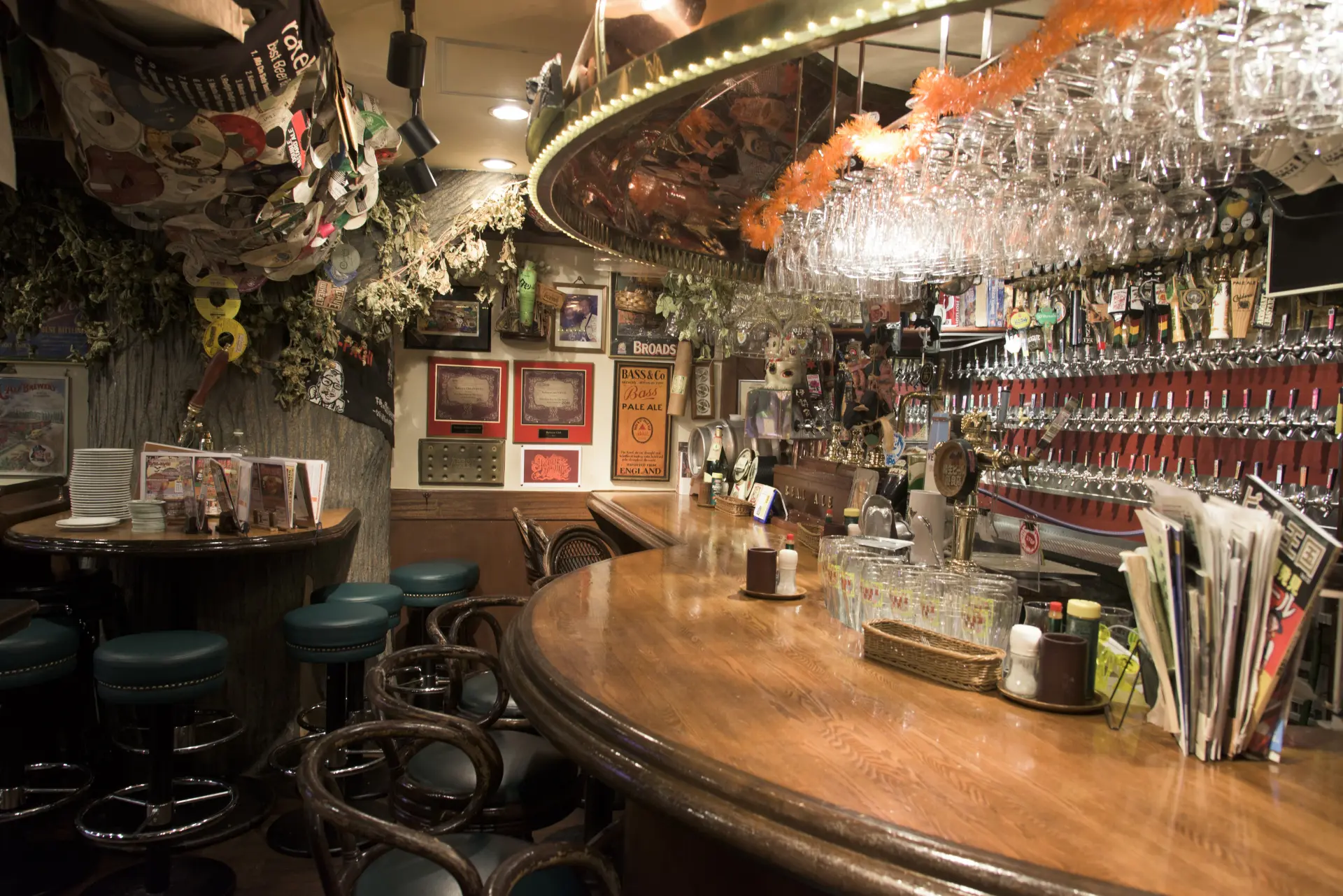
Located about a three-minute walk from JR Ryogoku Station, home to Ryogoku Kokugikan, this pub opened in 1985 as a Western-style izakaya.
In 1995, it began serving Echigo Beer, a pioneering name in Japan’s local craft beer scene, and steadily increased the number of taps. Today, with 100 taps, visitors can enjoy a wide variety of craft beers from across Japan.
- Name in Japanese
- 麦酒倶楽部 POPEYE
- Postal Code
- 130-0026
- Address
-
2-18-7 Ryogoku, Sumida-ku, Tokyo
Google Maps - Telephone
- 03-3633-2120
- Closed
- Mondays
- Business Hours
-
Tue-Thu 3:00pm-11:00pm (Last food order 10:00pm / Last drink order 10:30pm)
Saturday 2:00pm-11:00pm (Last food order 10:00pm / Last drink order 10:30pm)
Sundays & Holidays 1:00pm-10:00pm (Last food order 9:00pm / Last drink order 9:30pm) - Budget
- 2000-5000 yen
- Access
-
(1) About a 3-minute walk from the JR Chuo-Sobu Line’s Ryogoku Station
(2) About an 8-minute walk from the Toei Oedo Line’s Ryogoku Station - Credit Cards
- Accepted
- Official Website
- Official Website (English)
3. Edo Soba Hosokawa
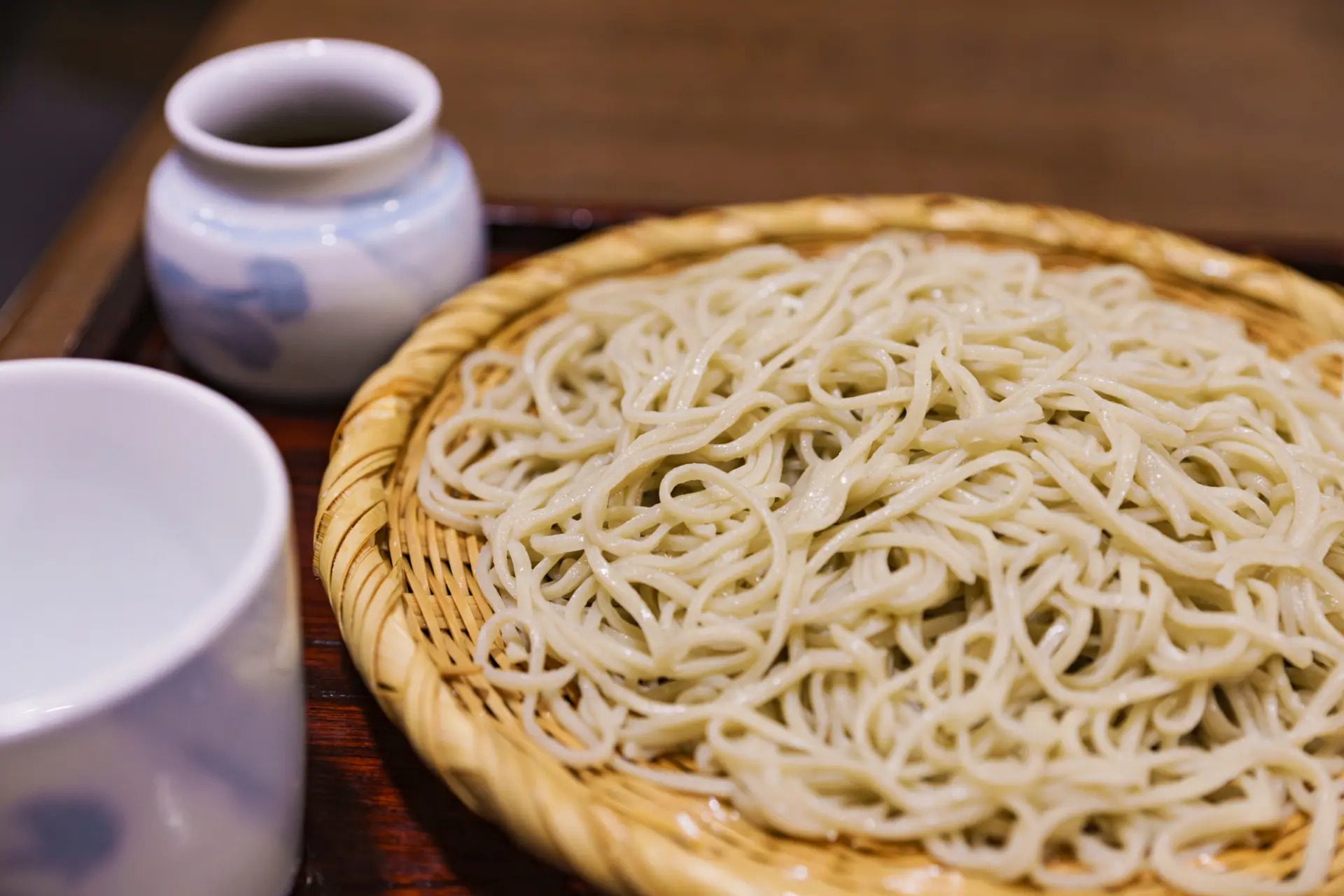
Known as one of Ryogoku’s leading soba restaurants, this popular spot attracts visitors from across Japan and overseas.
Its soba noodles are made by hand using domestically grown buckwheat, freshly stone-ground in-house every morning. The noodles are prized for their rich aroma and pleasantly firm texture.
The restaurant also offers a wide selection of seasonal dishes and sake, all of which can be enjoyed in a calm, traditional Japanese setting.
Carrying on the food culture of Edo to this day, it is a must-visit for anyone looking to enjoy authentic handmade soba.
4. Nezu Torihana Ryogoku
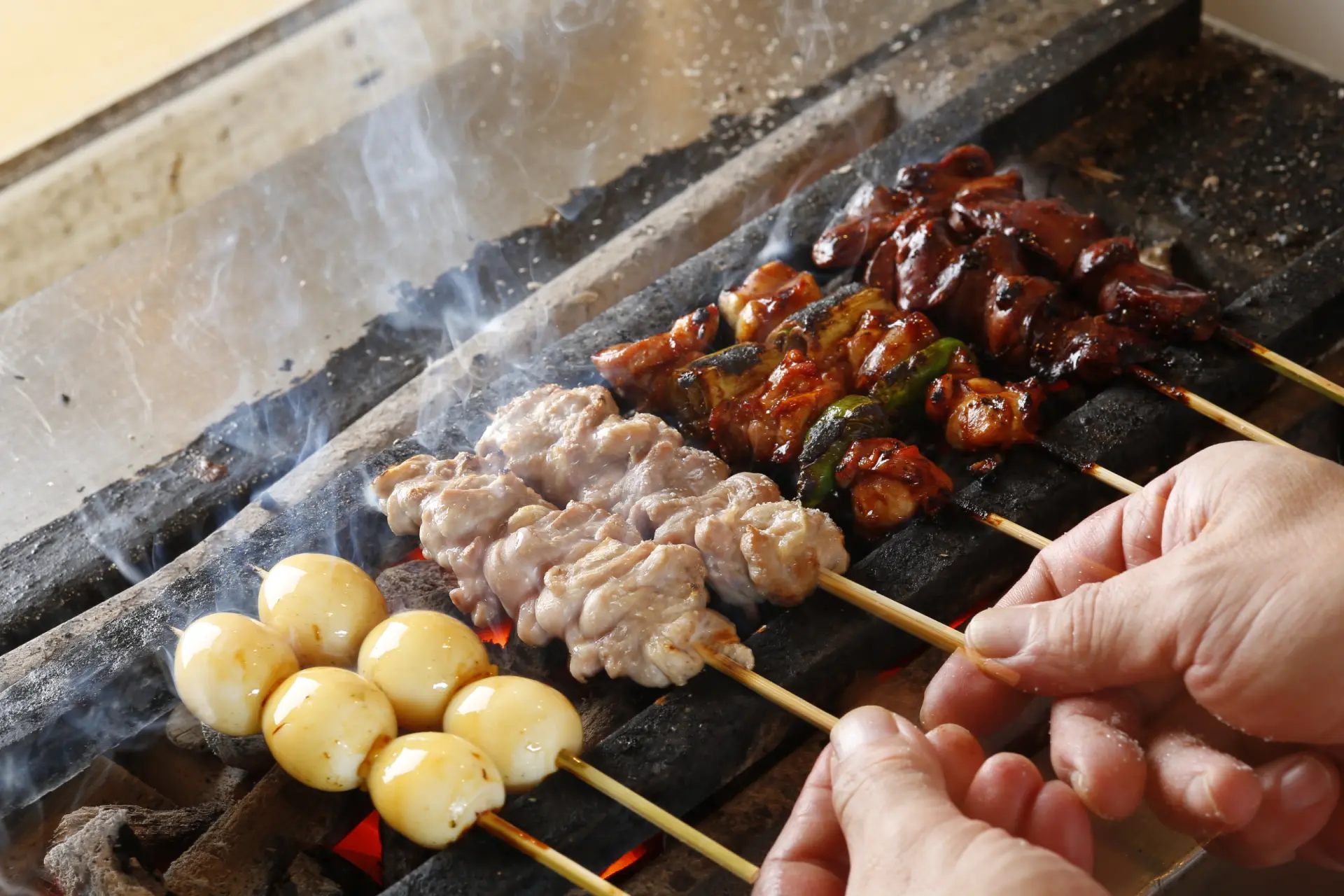
This restaurant specializes in Tokyo Shamo, a premium chicken breed from Tokyo.
Because the firmness and fat content of the meat differ between male and female chickens, the chefs carefully adjust the heat and grilling technique to bring out the best in each.
Popular dishes include charcoal-grilled chicken skewers, oyakodon chicken-and-egg rice bowls, and hot pot dishes. The restaurant also offers a selection of renowned sake from across Japan that pairs particularly well with Tokyo Shamo.
Located inside the Ryogoku Edo NOREN dining complex, visitors can also enjoy its Edo townhouse-inspired atmosphere and see a full-size sumo ring.
- Postal Code
- 130-0015
- Address
-
F1, Ryogoku-Edo NOREN 1-3-20 Yokoami, Sumida-ku, Tokyo
Google Maps - Telephone
- 03-6658-8208
- Closed
- No scheduled holidays
- Business Hours
-
Lunch 11:00am - 2:00pm(L.O. 1:30pm)
Dinner 5:00pm - 9:30pm(L.O. 8:30pm) - Budget
- Lunch 1000-3000 yen, Dinner 3000-6000 yen
- Access
- Directly outside of the west exit of the JR Chuo-Sobu Line’s Ryugoku Station
- Credit Cards
- Accepted
- Official Website
- Official Website (Japanese)
5. 〼kuramae
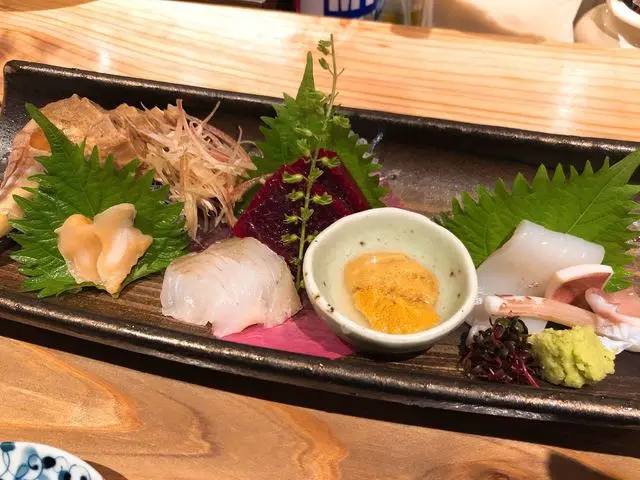
This welcoming izakaya features an intimate setting with seating exclusively at a U-shaped counter.
The menu showcases carefully selected ingredients, including fresh seafood delivered directly from Hakodate and Arita chicken from Saga Prefecture.
The restaurant also offers a wide selection of sake at reasonable prices.
Enjoy delicious dishes prepared right in front of you, paired with carefully selected sake.
- Postal Code
- 111-0055
- Address
-
Lions Plaza Kuramae #103, 1-4-1 Misuji, Taito-ku, Tokyo
Google Maps - Telephone
- 03-5809-1494
- Closed
- Mon.
- Business Hours
-
5:00pm - 11:00pm,
Sun. & Hol.: 5:00pm - 10:00pm - Budget
- 4,000 - 5,000 yen
- Access
- About a 5-minute walk from the Toei Oedo Line and Toei Asakusa Line’s Kuramae Station
- Official Website
- Official Website(Japanese)
6. BROWN TABBY Ryogoku
This modern Japanese café in Ryogoku offers a relaxing place to enjoy baked treats made with Japanese ingredients, specialty coffee, and rich soft-serve ice cream.
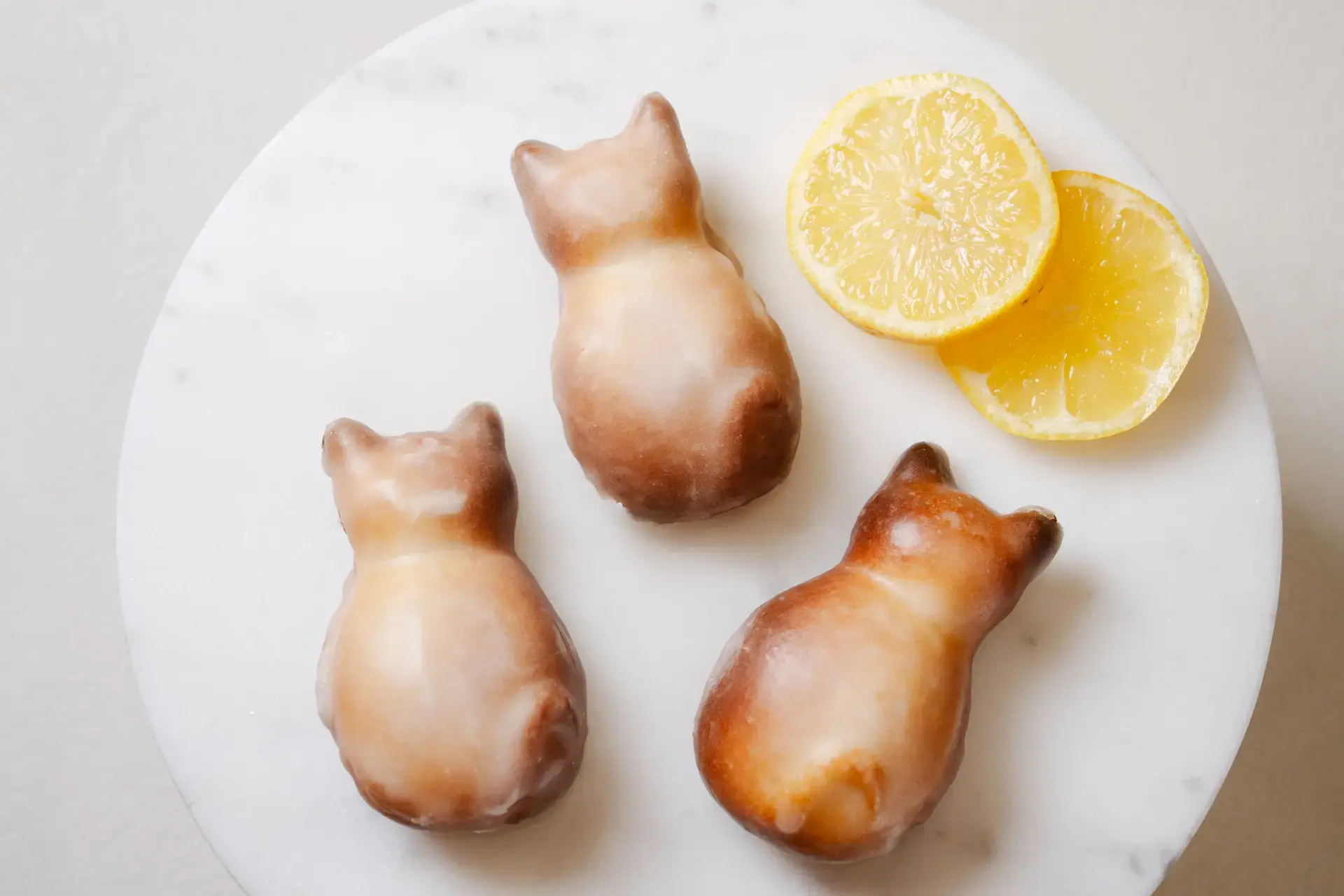
Its signature financiers and madeleines are baked fresh in-house every day using carefully selected ingredients, with each made to bring out its distinctive flavor.
The financiers, shaped like the adorable back view of a little cat, are sure to bring a smile to your face and also make perfect souvenirs.
Stop by while sightseeing or exploring the neighborhood to relax with freshly baked treats and a cup of coffee.
- Name in Japanese
- BROWN TABBY
- Postal Code
- 130-0014
- Address
-
3-13-4 Kamezawa, Sumida-ku, Tokyo
Google Maps - Phone
- 03-6240-4636
- Closed on
- Mondays and the New Year holidays
- Hours
- 11:00am–7:00pm
- Price Range
- 2,000 yen
- Access
- About a 10-minute walk from Ryogoku Station on the Toei Subway or Kinshicho Station on the JR lines
- Credit Cards
- Accepted
- Official website
- Official website (Japanese)
3 Recommended Hotels in Ryogoku
Ryogoku offers a range of comfortable hotels where you can immerse yourself in the atmosphere of sumo and Edo culture.
Options range from hotels with views of the Sumida River to distinctive properties filled with art and convenient hotels that make ideal bases for sightseeing or business.
With easy access to major Tokyo destinations such as Asakusa, TOKYO SKYTREE, and Ueno, Ryogoku is also an excellent base for exploring the city.
Choose a hotel that suits your travel style and enjoy a stay that lets you experience the unique character of Ryogoku.
1. THE GATE HOTEL RYOGOKU by HULIC
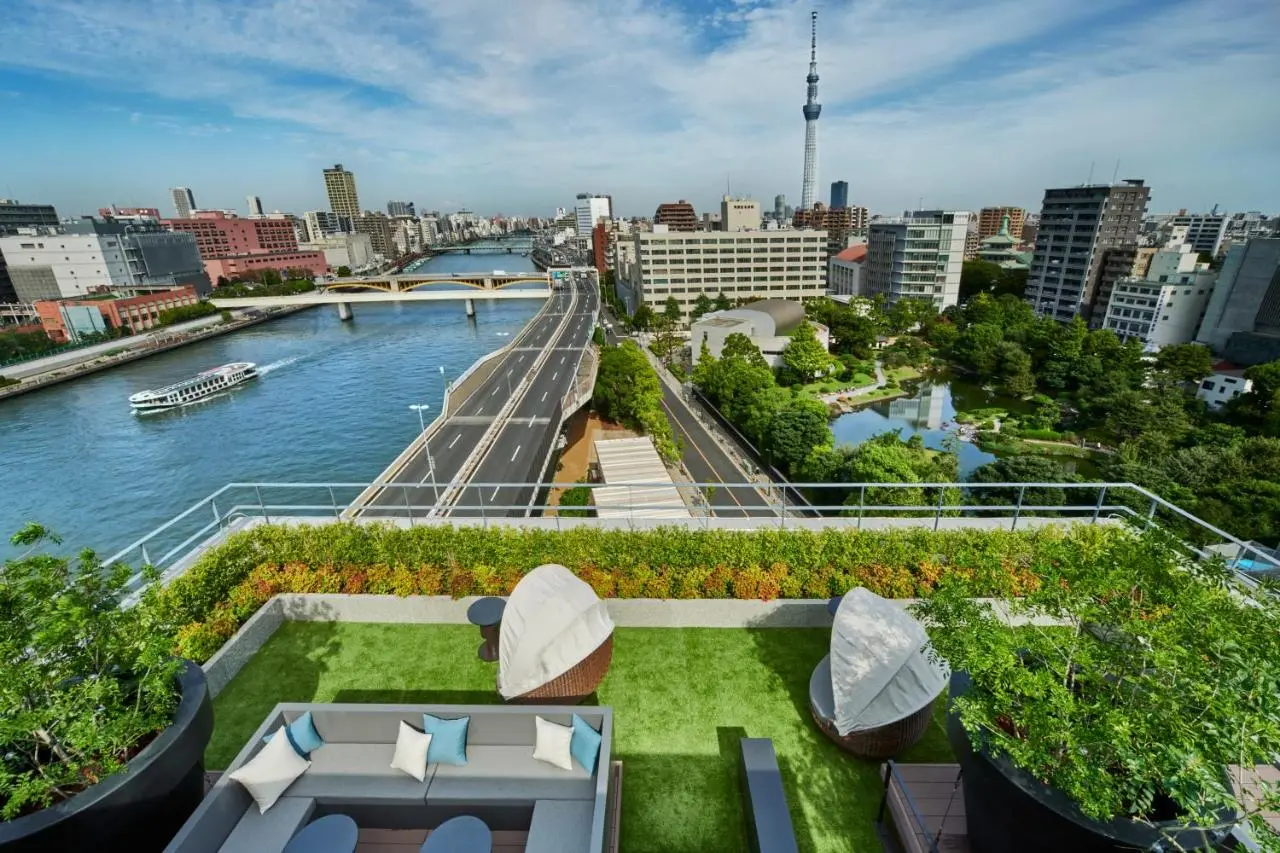
Located along the Sumida River and next to Ryogoku Kokugikan, this lifestyle hotel offers a relaxing stay in the heart of Ryogoku.
Some guest rooms, as well as the restaurant and terrace, offer views of the Sumida River and TOKYO SKYTREE, allowing guests to relax against a distinctly Tokyo backdrop.
Its refined design and tranquil atmosphere make it a great choice not only for sightseeing but also for anniversaries and other special occasions.
Located about a three-minute walk from Ryogoku Station, the hotel is a convenient and comfortable base for exploring the neighborhood.
- Name in Japanese
- THE GATE HOTEL 両国 by HULIC
- Postal Code
- 130-0015
- Address
-
1-2-13 Yokoami, Sumida-ku, Tokyo
Google Maps - Phone
- 03-5637-7041
- Check-in
- 2:00 PM
- Check-out
- 11:00 AM
- Rates
- From ¥19,360 per person for 2 guests sharing 1 room (room only)
- Access
-
1) About a 3-minute walk from JR Ryogoku Station
2) About a 7-minute walk from Ryogoku Station on the Toei Subway - Credit Cards
- Accepted
- Official website
- Official website (English)
2. KAIKA TOKYO by THE SHARE HOTELS
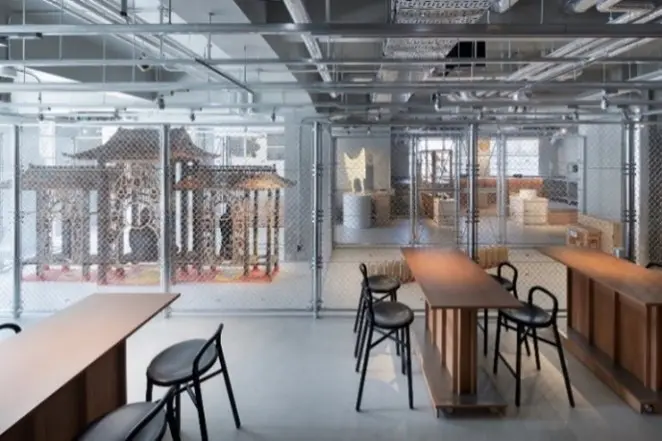
This distinctive design hotel embraces the concept of “art storage you can stay in.”
Contemporary artworks are displayed and stored throughout the hotel, creating the unique experience of staying in what feels like an art gallery.
Guest rooms feature simple, functional designs and offer a calm, comfortable space to unwind.
With easy access to Ryogoku and Asakusa, the hotel is an ideal choice for travelers looking to experience Tokyo’s art and culture.
3. Dai-ichi Hotel Ryogoku
This city hotel enjoys a convenient location directly connected to Ryogoku Station on the Toei Oedo Line and within walking distance of JR Ryogoku Station.
Some guest rooms on the upper floors offer expansive views of TOKYO SKYTREE, the Sumida River, and the surrounding Tokyo cityscape, creating a bright and open atmosphere.
Popular sightseeing areas such as Asakusa, Ueno, and Akihabara are also easily accessible, making the hotel convenient for both sightseeing and business.
With a wide range of facilities and comfortable guest rooms, the hotel is well suited to a variety of travel styles.
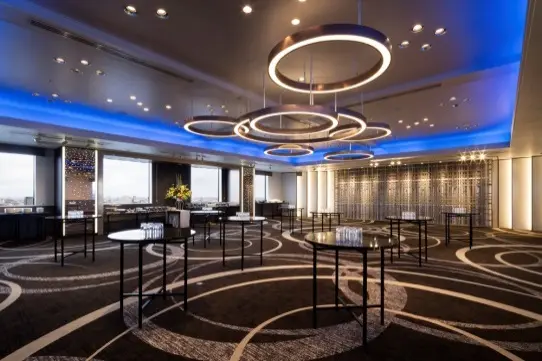
4 Seasonal Events in Ryogoku
Ryogoku hosts a variety of events that offer visitors the chance to experience Japanese traditions and culture alongside the changing scenery of the seasons.
From cherry blossoms in spring and fireworks in summer to colorful foliage in autumn and grand sumo in winter, each season brings a different reason to visit Ryogoku.
Combining sightseeing with a seasonal event can make your visit even more memorable.
Here are four seasonal events to enjoy when visiting Ryogoku.
1. Sumida Park Cherry Blossom Festival
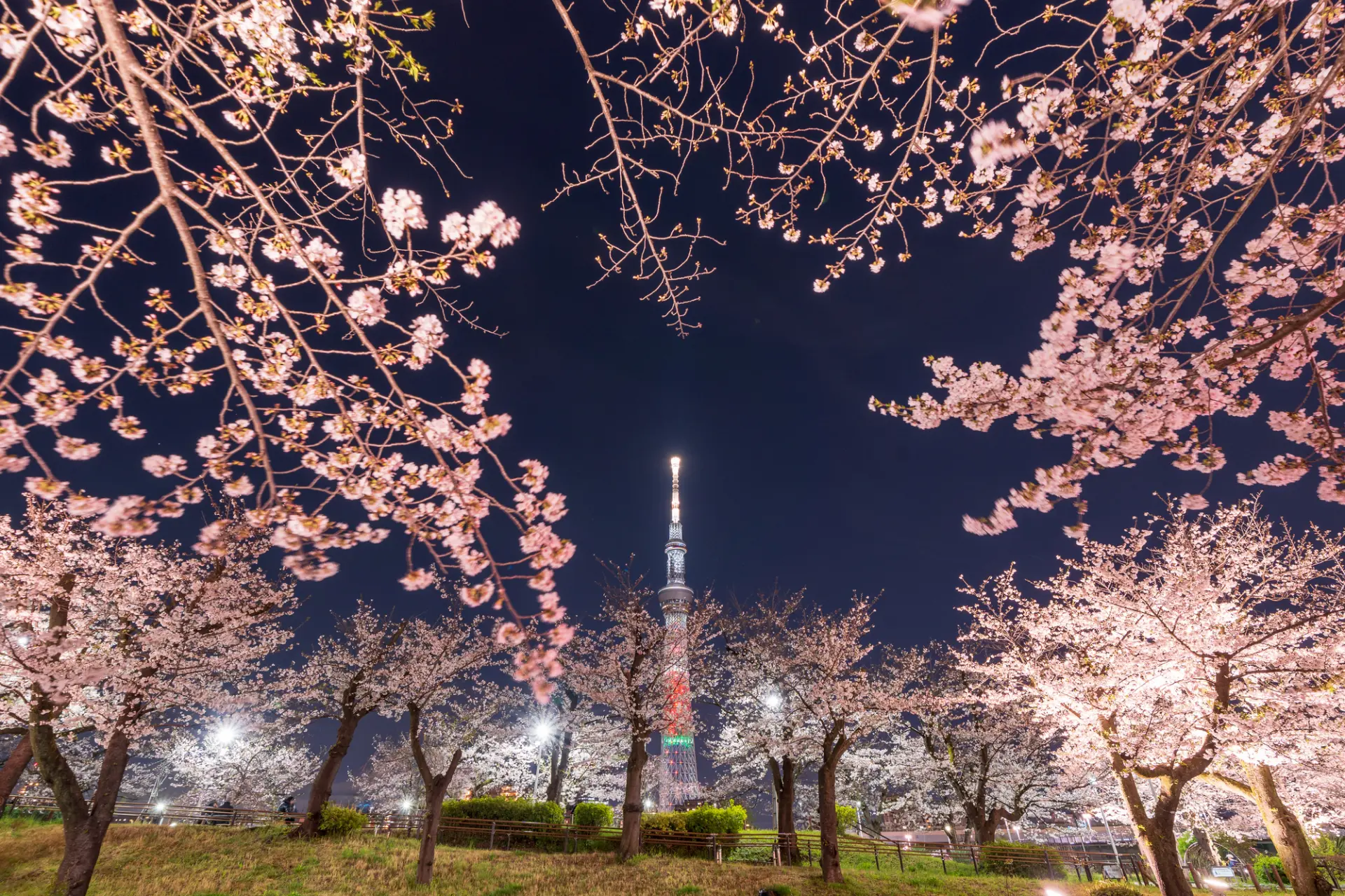
With approximately 500 cherry trees blooming along the Sumida River, the area is one of Tokyo’s most popular cherry blossom viewing destinations.
TOKYO SKYTREE rises beyond the rows of cherry trees lining both banks, creating spectacular scenery unique to spring.
A cherry blossom festival is held during cherry blossom season, with the trees illuminated at night.
The illuminations create an enchanting atmosphere quite different from the daytime scenery.
Combine your visit with a walk along Sumida River Terrace to make the most of spring in Tokyo.
- Name in Japanese
- 台東区隅田公園
- Address
-
7-1 Asakusa, Taito-ku, Tokyo
Google Maps - Telephone
- 03-5246-1321 (Taito City Urban Development Department, Parks Division – Park Management Office)
- Closed
- Free to walk
- Business Hours
- Walk anytime
- Admission
- Free
- Access
- About a 3-minute walk from the Tokyo Metro Ginza Line and Tobu Skytree Line’s Asakusa Station
- Official Website
- Official Website (Japanese)

2. Sumida River Fireworks Festival
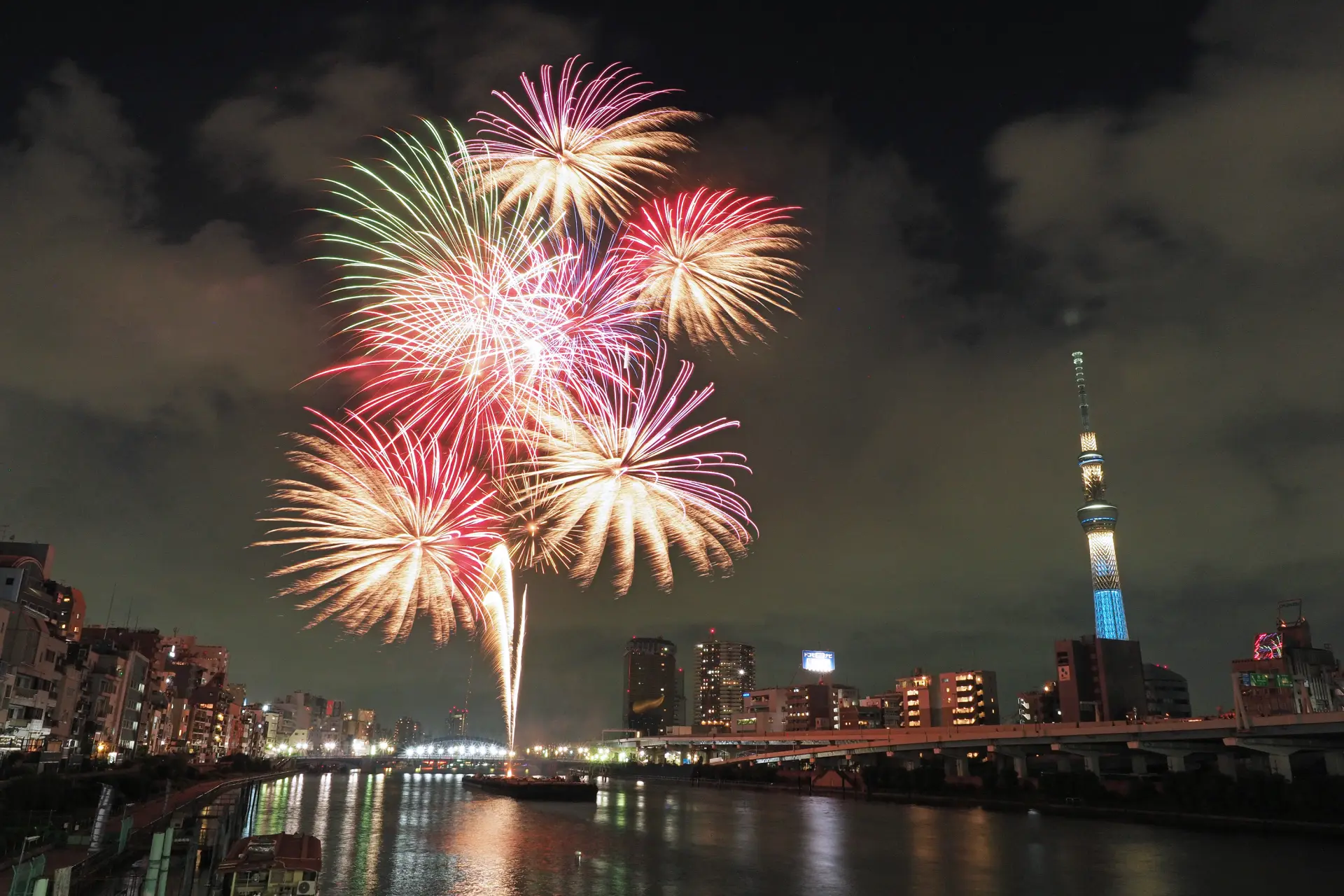
With origins said to date back to the Edo period, this historic event is one of Japan’s largest fireworks festivals.
Every year, it draws huge crowds as approximately 20,000 fireworks light up the summer night sky.
Spectacular fireworks burst across the sky above the Sumida River, with TOKYO SKYTREE adding to the impressive scenery. The Ryogoku area also becomes extremely crowded, so it is a good idea to plan your viewing spot and transportation in advance.
Don’t miss the chance to experience one of Tokyo’s signature summer traditions.
- Name in Japanese
- 隅田川花火大会
- Venues
-
(1st Venue) Downstream of Sakurabashi Bridge to Upstream of Kototoi Bridge
(2nd Venue) Downstream of Komagata Bridge to Upstream of Umaya Bridge - Phone
- 03-5608-1111 (Monday to Friday, 9:00am to 5:00pm)
- Date
- July 25, 2026 *Canceled in case of bad weather
- Time
- 7:00pm - 8:30pm
- Fee
- Free (with solicitation for citizen-sponsored seats)
- Access
-
(1st Venue) About a 15-minute walk from Asakusa Station on Tobu Railway, Tokyo Metro, and Toei Subway lines
(2nd Venue) About a 5-minute walk from Asakusa Station on Tobu Railway, Tokyo Metro, and Toei Subway lines, and from Kuramae Station on Toei Subway lines - Official Website
- Official Website (Japanese)

3. Autumn Foliage at Kyu-Yasuda Garden
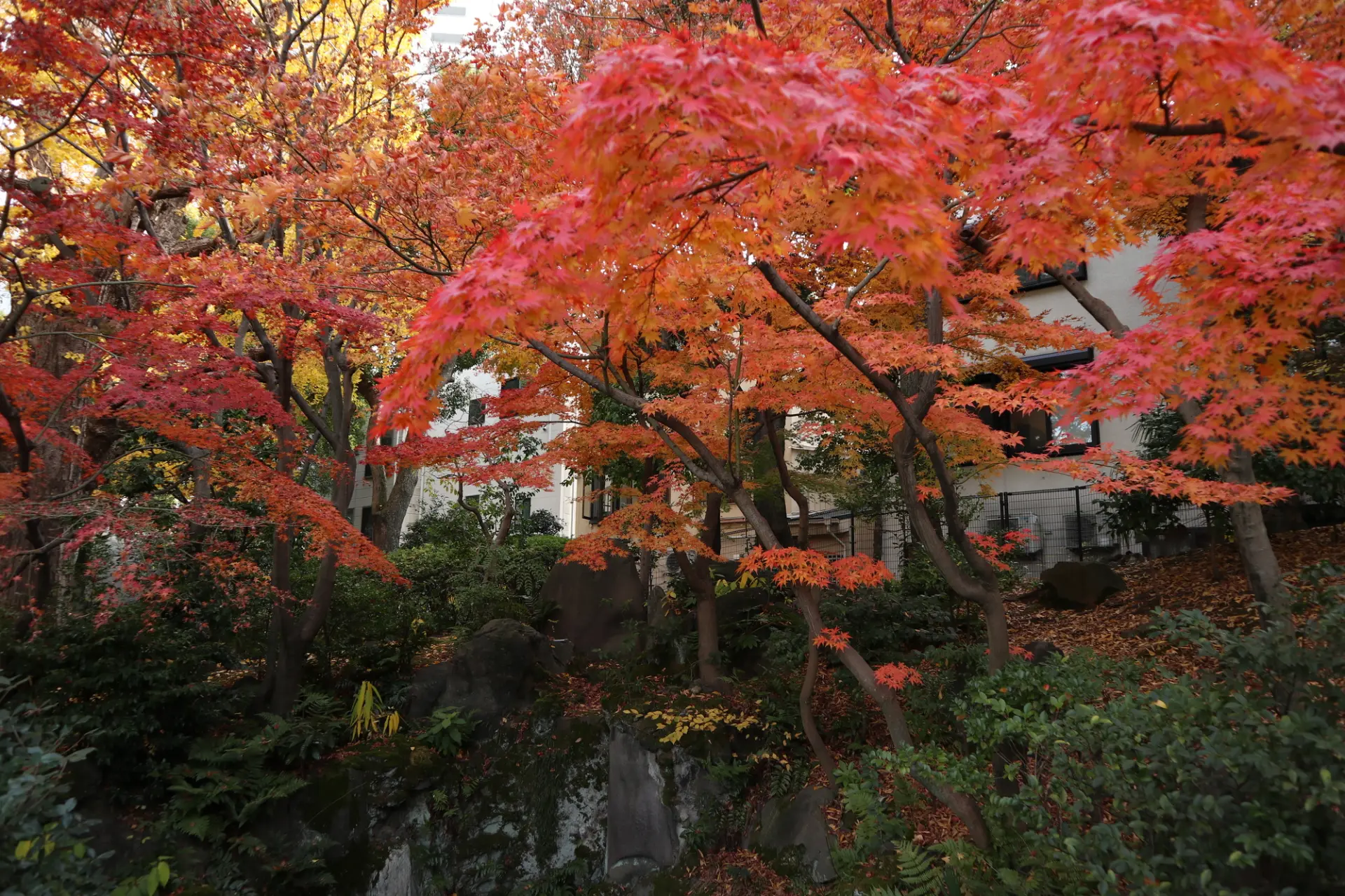
Created during the Edo period, Kyu-Yasuda Garden is a strolling garden where maple and ginkgo trees turn brilliant shades of red and gold in autumn, creating beautiful scenery that makes it hard to believe you are in central Tokyo.
The autumn foliage reflected on the surface of the pond, together with the tranquil scenery of the traditional Japanese garden, creates a peaceful setting perfect for a leisurely stroll.
Visit this historic garden and experience the beauty of autumn in Tokyo.

4. January Grand Sumo Tournament
Held every January at Ryogoku Kokugikan, the January Grand Sumo Tournament is the first Grand Sumo Tournament of the year and a winter tradition that draws sumo fans from across Japan.
In addition to the thrilling bouts as wrestlers compete for the championship, highlights include the ring-entering ceremonies featuring colorful kesho-mawashi ceremonial aprons and the excitement that fills the arena.
The tournament offers a chance to experience the powerful atmosphere of sumo in its spiritual home, Ryogoku, making it a must-see event for anyone looking to experience Japanese culture firsthand.
5 Things to Know Before Visiting Ryogoku
Ryogoku is easy to explore on foot, making it a convenient area to visit even for first-time travelers to Tokyo.
Still, there are a few things worth knowing in advance, including crowds during Grand Sumo Tournaments, reservations at popular restaurants, and seasonal weather conditions.
Here are five things to know before your visit to make your time in Ryogoku as smooth and enjoyable as possible.
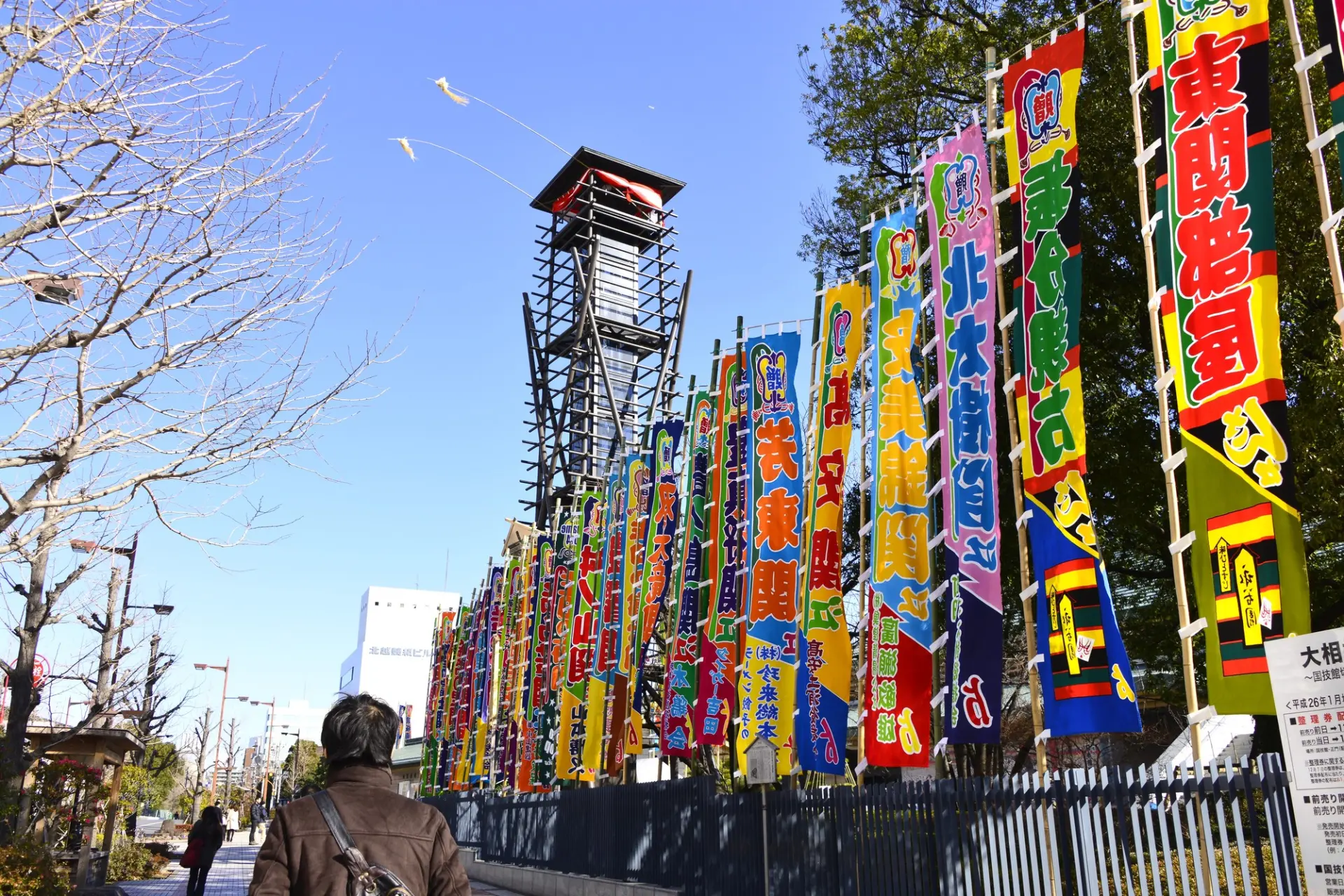
1. Stations and Restaurants Get Crowded on Sumo Tournament Days
On days when Grand Sumo Tournaments are held at Ryogoku Kokugikan, the large number of spectators makes JR Ryogoku Station, Ryogoku Station on the Toei Oedo Line, and nearby restaurants much busier than usual.
Long lines often form at station ticket gates and restaurants, especially before the day’s matches begin and after they end.
To make your visit as smooth and comfortable as possible, allow extra time in your schedule and consider having your meals a little earlier or later than usual.
2. Plan Ahead for Popular Chanko Restaurants and Morning Practice Visits
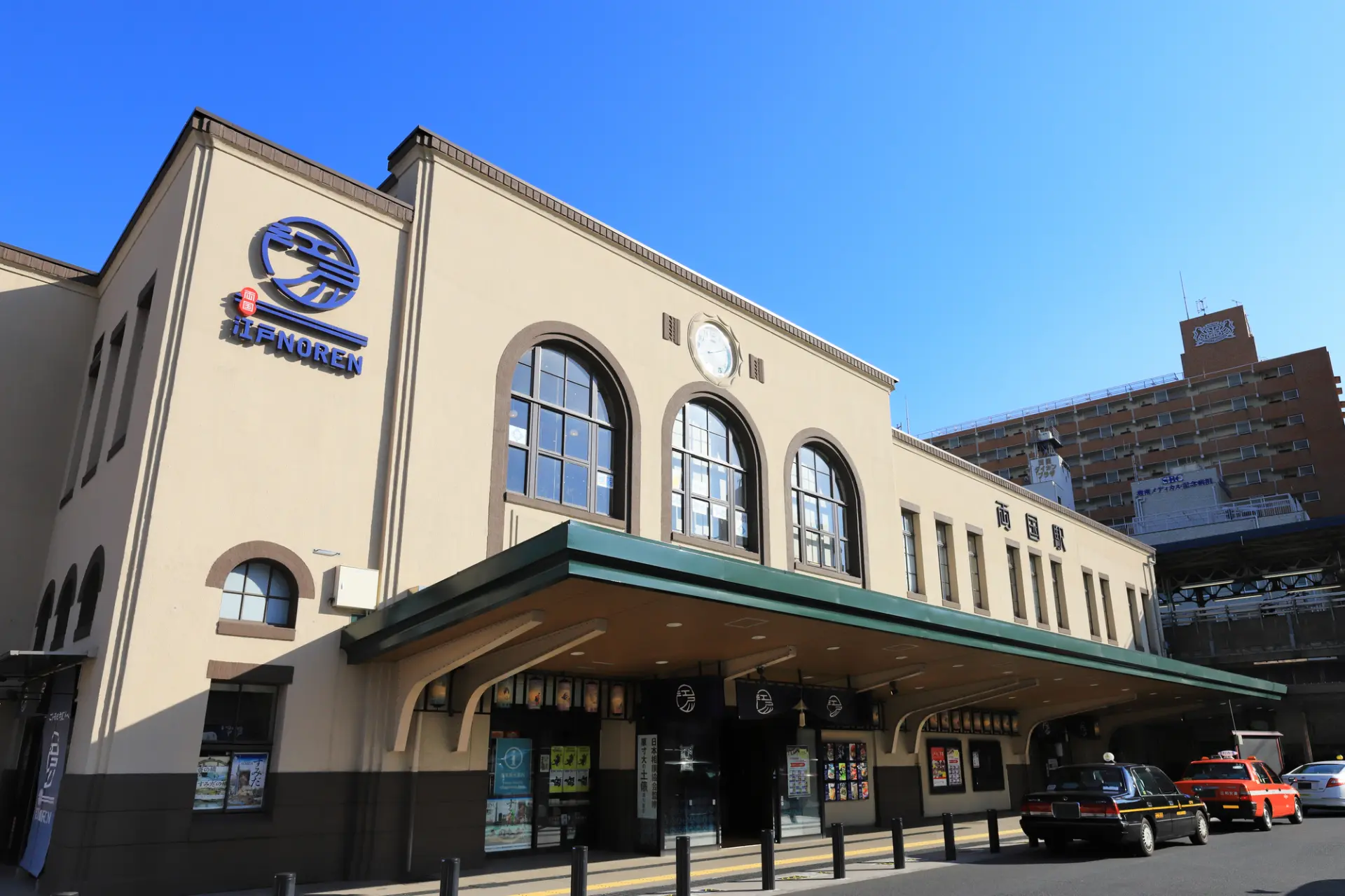
Ryogoku has many popular chanko nabe restaurants, which often fill up at dinnertime and on weekends.
If you have a particular restaurant in mind, it is a good idea to make a reservation in advance.
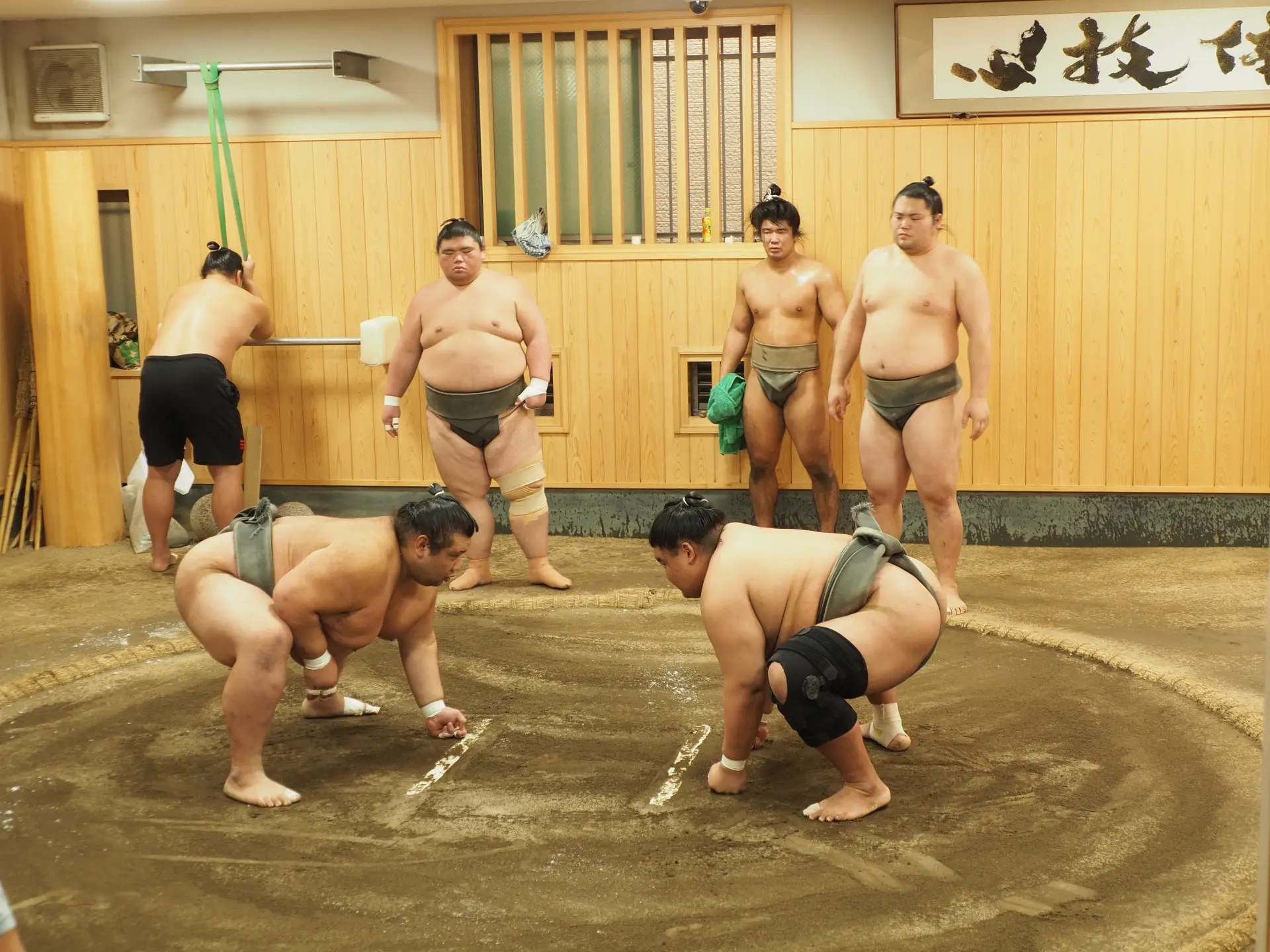
Many sumo stables do not allow the public to observe morning practice, while others require advance reservations, and viewing rules vary from stable to stable.
Check official websites and information on guided tours before your trip to help everything go smoothly on the day of your visit.

3. Wear Comfortable Shoes for Exploring on Foot
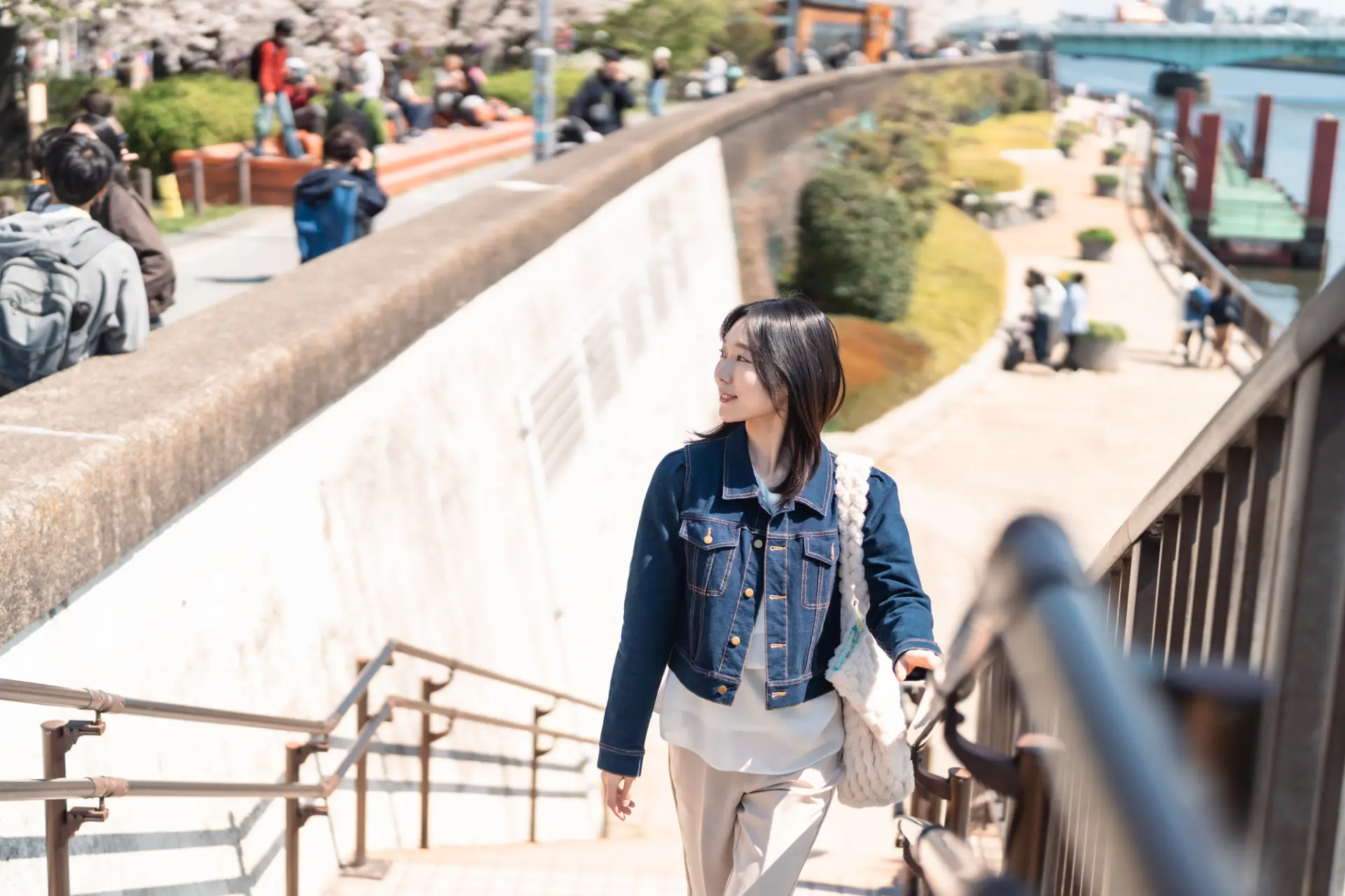
Ryogoku’s attractions are clustered within walking distance, making exploring the neighborhood on foot one of the best ways to get around.
Visiting Ryogoku Kokugikan, museums, gardens, and Sumida River Terrace may involve more walking than you expect, so comfortable shoes are recommended.
Bike-sharing services are also convenient if you want to venture a little farther.
There are relatively few large shopping complexes in Ryogoku, so consider heading to neighboring Kinshicho if shopping is on your agenda.
4. Prepare for Summer Heat and Cold Winter Winds Along the Sumida River
Many of Ryogoku’s attractions involve walking outdoors, so dressing appropriately for the season will make sightseeing more comfortable.
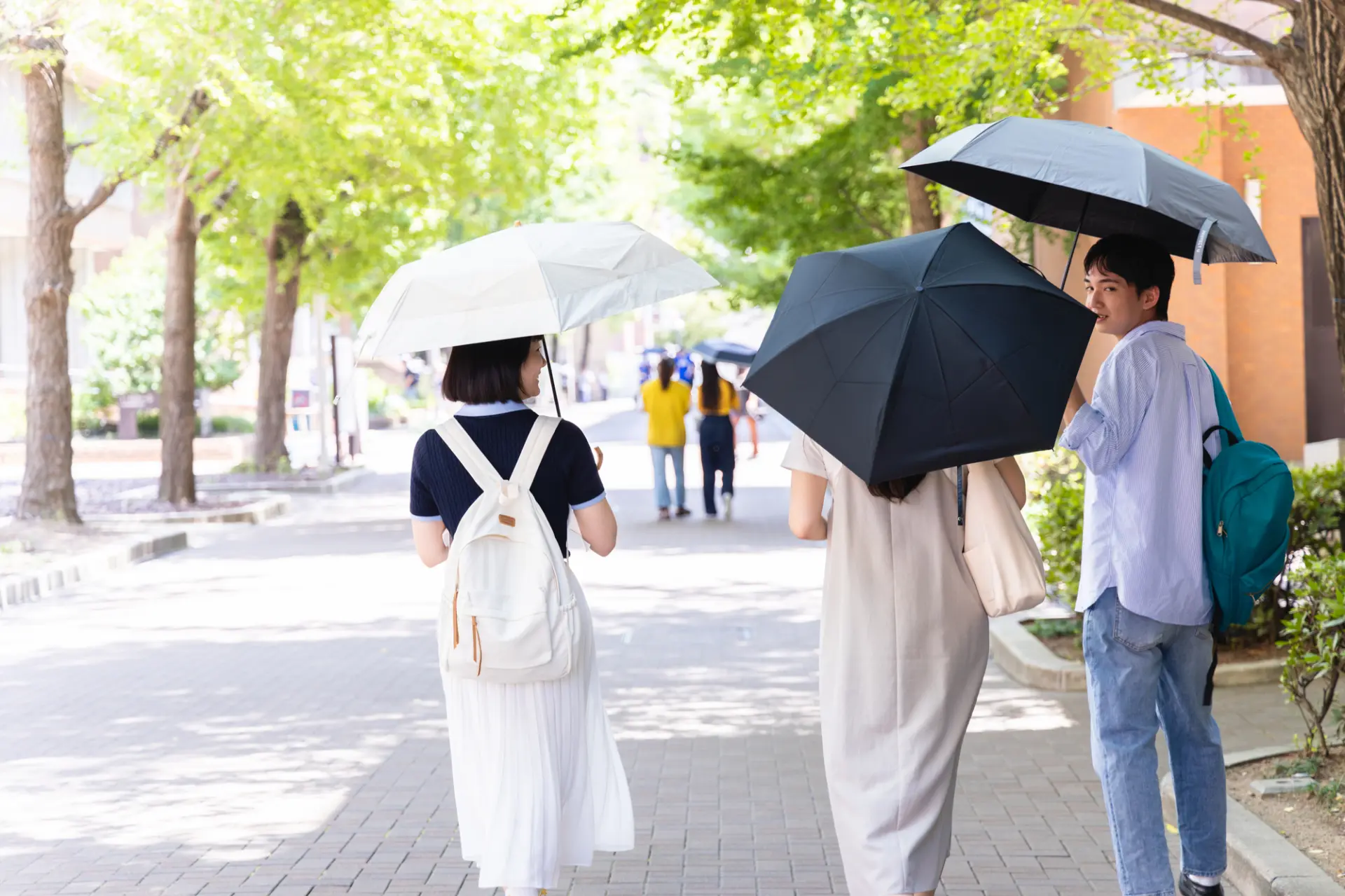
In summer, you may spend extended periods walking in strong sunlight. Take precautions against heatstroke by wearing a hat, carrying a parasol, and staying hydrated.
In winter, cold winds can blow along the Sumida River, making it feel colder than the temperature suggests.
Bring warm outerwear and a scarf to make your walks more comfortable.
5. Check Museum Closures and Special Exhibitions in Advance
Ryogoku has several rewarding cultural attractions, including the Edo-Tokyo Museum, the Sumida Hokusai Museum, and the Japanese Sword Museum.
However, opening hours and closed days vary by facility, and museums may also temporarily close while exhibitions are being changed or new exhibitions are being prepared.
If there is a particular exhibition you want to see, check the official website before visiting for opening hours, closure dates, current special exhibitions, and ticket information.
A One-Day Ryogoku Itinerary
Here is a one-day itinerary designed to help you efficiently explore the highlights introduced above.
With attractions clustered within walking distance, Ryogoku is easy to reach by train and explore on foot. In a single day, you can experience the neighborhood’s sumo culture, Edo history, Japanese art, food traditions, and scenic views of the Sumida River.
-
7:30 AM
Watch morning sumo practice (advance reservations required; joining a tour is recommended)
Visiting a sumo stable for morning practice lets you experience the wrestlers’ powerful training up close. Visiting arrangements and rules vary by stable, so check available tours and the latest information beforehand.
Recommended for early risers. -
9:00 AM
JR Ryogoku Station (pick up maps and brochures at the tourist information center inside the station if needed)
Start your sightseeing. Sumo-related monuments around the station offer an introduction to Ryogoku’s character. - About a 5-minute walk
-
9:30 AM
Edo-Tokyo Museum
Learn about history and culture from Edo to modern Tokyo, building context for your visit to Ryogoku. (About 90 minutes) - About a 10-minute walk
-
11:20 AM
The Sumida Hokusai Museum
Explore Edo culture and the appeal of ukiyo-e through the works and life of Katsushika Hokusai. - About a 10-minute walk
-
12:20 PM
Lunch at Ryogoku Edo NOREN
Enjoy chanko nabe or soba from a long-established restaurant in an Edo-inspired setting. - About a 5-minute walk
-
2:00 PM
Ryogoku Kokugikan and the Sumo Museum
Learn about sumo history and culture, and watch powerful bouts during tournament periods. - About a 5-minute walk
-
2:45 PM
Ekoin Temple
Visit this historic temple associated with fundraising sumo tournaments. - About a 5-minute walk
-
3:10 PM
Kyu-Yasuda Garden and the Japanese Sword Museum
Stroll through a Japanese garden with seasonal scenery, then appreciate the beauty and traditional craftsmanship of Japanese swords. - About a 10-minute walk
-
4:30 PM
Sumida River Terrace and Ryogoku Bridge
Walk beside the Sumida River at dusk and take in Tokyo’s waterfront scenery. - About a 10-minute walk
-
5:15 PM
Around Ryogoku Station
Look for souvenirs that reflect Ryogoku, such as sumo and Hokusai merchandise, before heading back.
On Grand Sumo Tournament days, consider spending the afternoon watching sumo at Ryogoku Kokugikan. If you plan to attend, visiting other attractions in the morning will help you make the most of your day.
Frequently Asked Questions About Visiting Ryogoku
Q
Can I explore Ryogoku on foot?
Yes. The main attractions are clustered within walking distance, so you can easily explore them while enjoying a walk through the neighborhood.
Q
Is Ryogoku worth visiting outside Grand Sumo Tournament periods?
Yes. With sumo-related landmarks, history museums, art museums, and other attractions, Ryogoku offers plenty to explore throughout the year.
Q
What other areas can I visit from Ryogoku?
Asakusa and TOKYO SKYTREE are easy to reach in about 5-10 minutes by train, making them convenient additions to your sightseeing plans.
Summary
Known as the spiritual home of sumo, Ryogoku offers far more than Grand Sumo Tournaments, with Edo history and culture, art, and food among its many attractions.
Many of its highlights are within walking distance of one another, making the neighborhood easy to explore even on your first visit to Tokyo.
Whether you immerse yourself in sumo culture, discover Japanese history and art at museums, or stroll along the Sumida River, Ryogoku offers plenty of ways to experience a different side of the city.
If you are looking to discover another side of Tokyo, use this guide to plan your visit to Ryogoku, a neighborhood where history and culture remain very much alive.