
Nikkozan Rinnoji Temple

Verified [Verified] denotes information that has been published with confirmation of its owing parties.

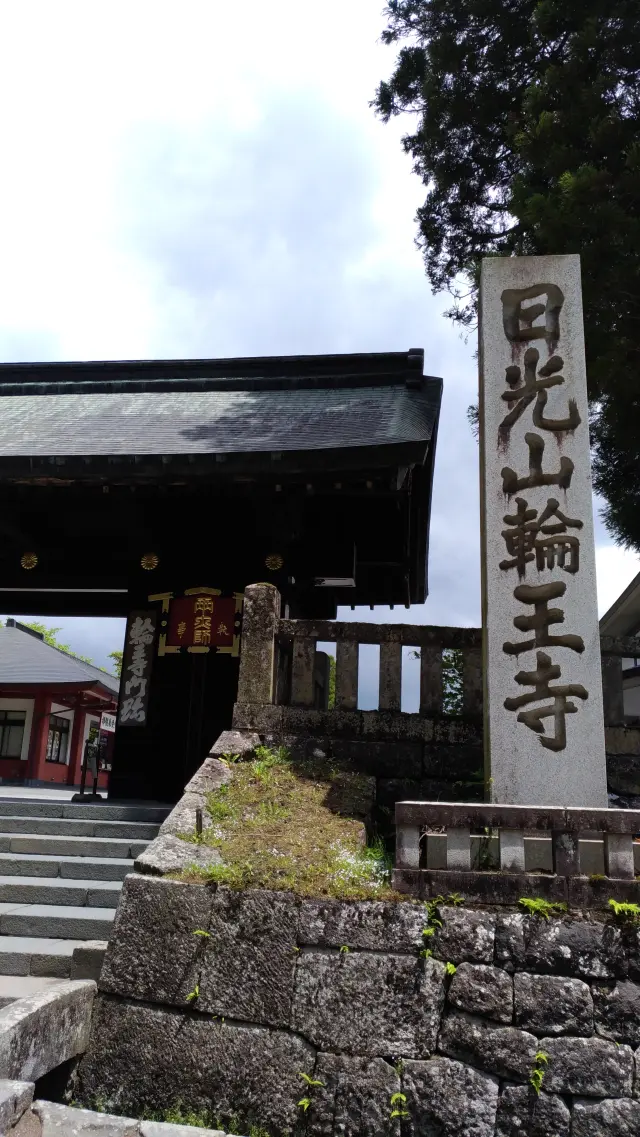
Nikkozan Rinnoji Temple

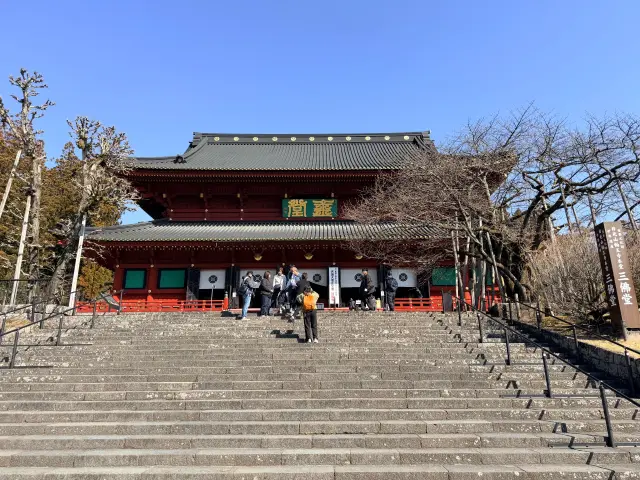
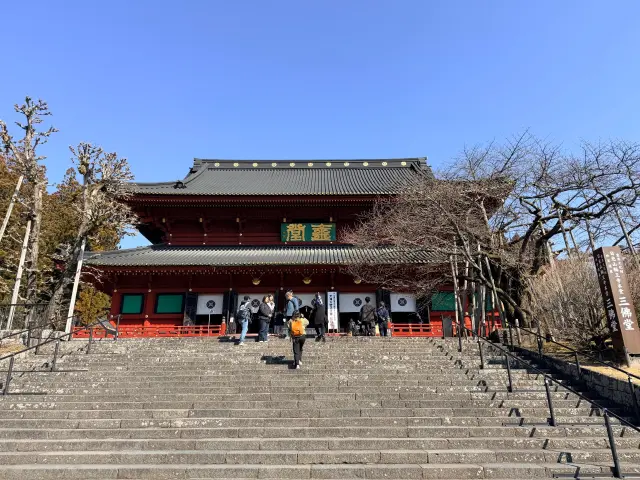
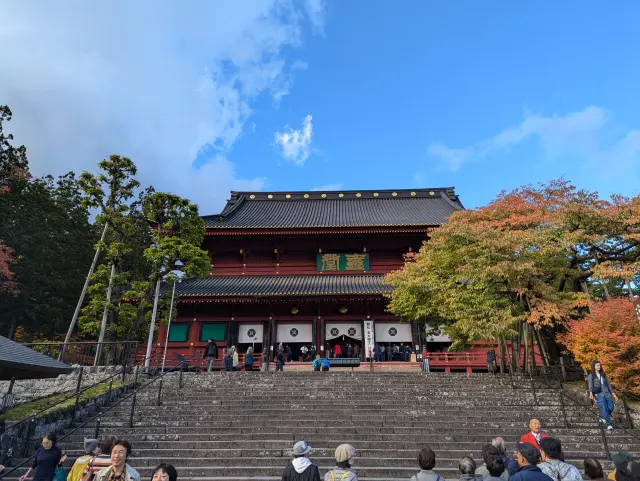
Known for Sanbutsudo Hall, the largest wooden structure at Nikkozan.

3.25 4

Last update :
Supervised by :  Nikkozan Rinnoji Temple

Nikkozan Rinnoji Temple is the collective name for its halls, pagodas, and sub-temples. Its history is said to have begun when Shodo Shonin, the founder of Nikko, built Shihonryuji Temple.
Sanbutsudo Hall is the largest wooden structure at Nikkozan and enshrines three Buddhist statues: the Thousand-Armed Kannon, Amida Nyorai, and Bato Kannon.

In spring, visitors can see the Kongozakura cherry tree, estimated to be 500 years old, in bloom. In fall, Shoyo-en Garden offers picturesque views of colorful foliage.
Taiyuin Mausoleum has a stately, subdued design featuring gold and black, while its 315 lanterns are another impressive sight.
The temple is registered as part of the Shrines and Temples of Nikko World Heritage Site.

Highlights

  • Sanbutsudo Hall, the largest wooden structure at Nikkozan.
  • See the approximately 500-year-old Kongozakura cherry tree in spring and the colorful foliage of Shoyo-en Garden in fall.
  • Registered as part of the Shrines and Temples of Nikko World Heritage Site.

Photos

  • Sanbutsudo Hall, the largest wooden structure at Nikkozan. It may be closed to visitors during ceremonies and events.

    Sanbutsudo Hall, the largest wooden structure at Nikkozan. It may be closed to visitors during ceremonies and events.

  • Taiyuin Mausoleum may be closed to visitors during ceremonies and events.

    Taiyuin Mausoleum may be closed to visitors during ceremonies and events.

  • The Treasure House holds approximately 30,000 objects, including one National Treasure, and displays around 50 at any given time.

    The Treasure House holds approximately 30,000 objects, including one National Treasure, and displays around 50 at any given time.

Official FAQs

Frequently Asked Questions have been vetted and answered directly by each listing.

Q

Are goshuin temple stamps available?

A

Yes, they are available at each hall.

Q

Is parking available?

A

Yes, Parking Lots 1 and 2 are available.

Q

Are coin-operated lockers available?

A

Yes, they are available in Parking Lot 1.

Reviews

4

Some reviews are AI-translated.

  • BobbyJenny
    See More

    Nikkosan Rinnoji Temple has a long history and impressive, dignified architecture. As soon as you step inside, you can feel a calm and peaceful atmosphere.

    The temple preserves many valuable Buddhist statues and cultural treasures, showing deep religious and artistic significance. Walking through the grounds, the old buildings and natural scenery complement each other beautifully.

    It’s a relaxing place that also helps you better understand Nikko’s history and culture. A classic spot that’s worth taking your time to appreciate.

  • 金己田
    See More

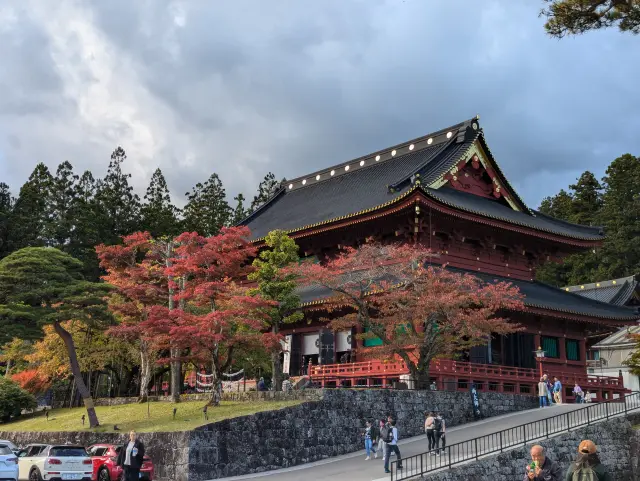
    Visiting Rinnoji Temple in the fall was especially beautiful. The vermilion Sanbutsudo Hall stood out beautifully against the surrounding autumn leaves, and the beauty of Nikko’s shrines and temples really comes from the harmony between the architecture and nature.

    Inside the main hall, the three massive Buddha statues were truly impressive. Photography is not allowed inside, which actually helps you focus on appreciating the statues.

  • 楊莎莎
    See More

    As a World Cultural Heritage site, Nikko’s shrines and temple are must-visit spots if you’re in Nikko. Super popular and definitely worth seeing.

  • PeiZhu Chen
    See More

    Even though it's crowded during the fall foliage season, the atmosphere inside the grounds is truly amazing.

Details

Name in Japanese
日光山輪王寺
Postal Code
321-1431
Address
2300 Sannai, Nikko City, Tochigi Prefecture
Phone
0288-54-0531
Admission
Rinnoji ticket (Sanbutsudo Hall and Taiyuin Mausoleum): ¥900; elementary and junior high school students, ¥400
Combination ticket for Sanbutsudo Hall, Taiyuin Mausoleum, the Treasure House, and Shoyo-en Garden (available only at the ticket counter or as an e-ticket): ¥1,000; elementary and junior high school students, ¥500
Closed on
Open year-round
Visitor access may be restricted during ceremonies and events.
The Treasure House and Shoyo-en Garden close approximately once every 1.5 months for exhibit changes.
Hours
April–October: 8:00 a.m.–5:00 p.m.
November–March: 8:00 a.m.–4:00 p.m.
Admission ends 30 minutes before closing.
Access
From Nikko Station on the JR Nikko Line or Tobu-nikko Station on the Tobu Nikko Line, take the Tobu World Heritage Sightseeing Bus for approximately 7 minutes, get off at Shodo Shonin Statue-mae, and walk approximately 1 minute.
Official website
Official website (Japanese)
Hokkaido Tohoku Kanto Chubu Hokuriku Kansai Chugoku Shikoku Kyushu Okinawa