
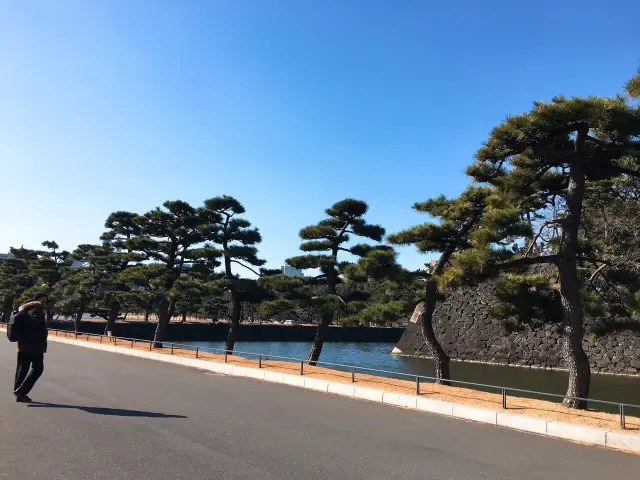
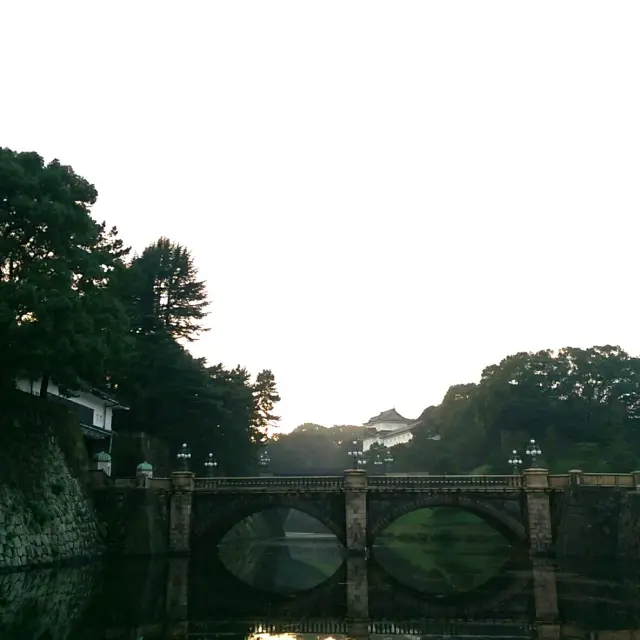

The East Gardens of the Imperial Palace are part of the Imperial Palace, home to Their Majesties the Emperor and Empress, and are managed by the Imperial Household Agency. Developed from parts of the former Honmaru, Ninomaru, and Sannomaru areas of Edo Castle, they are open to the public as an Imperial Palace garden.
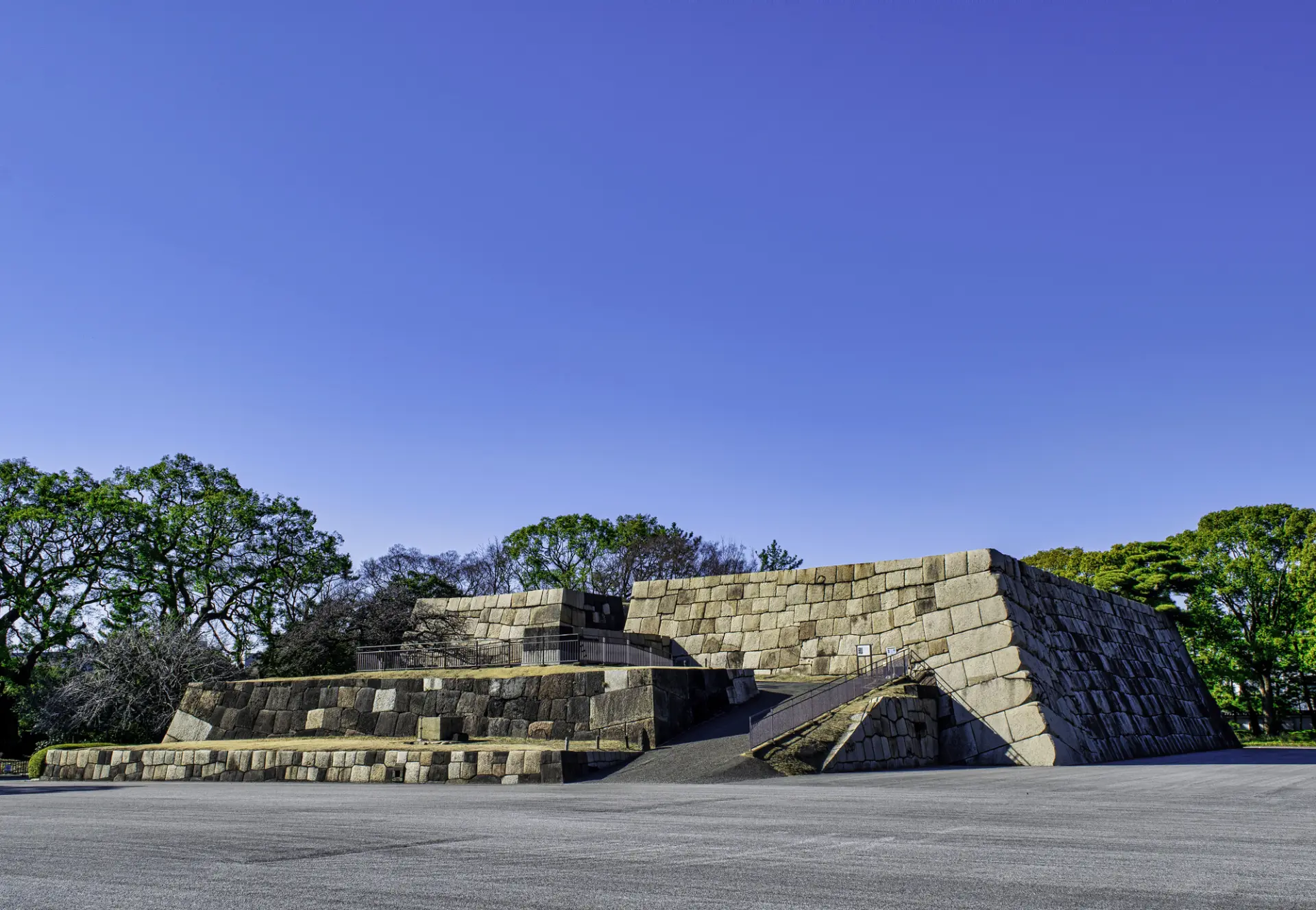
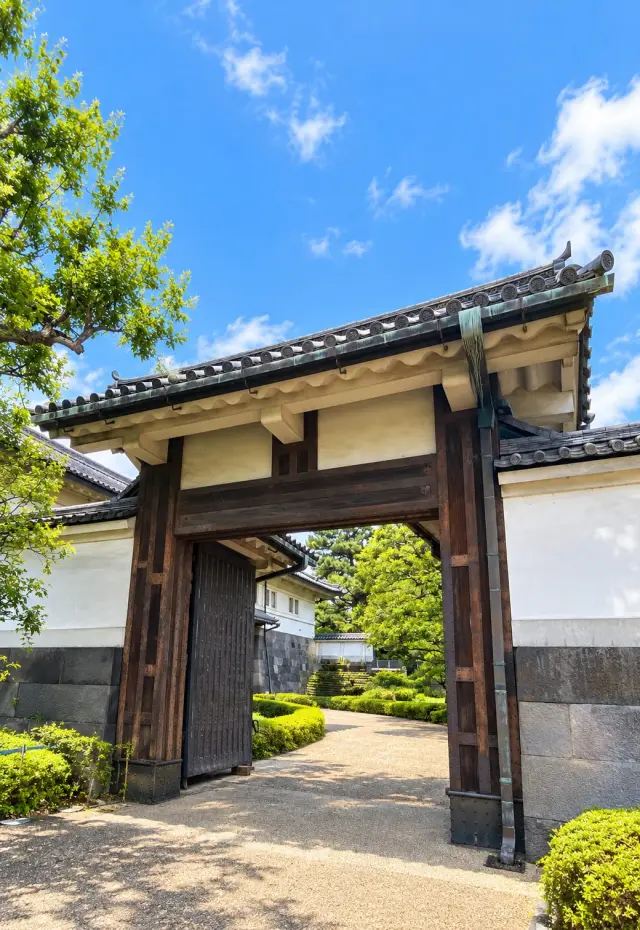
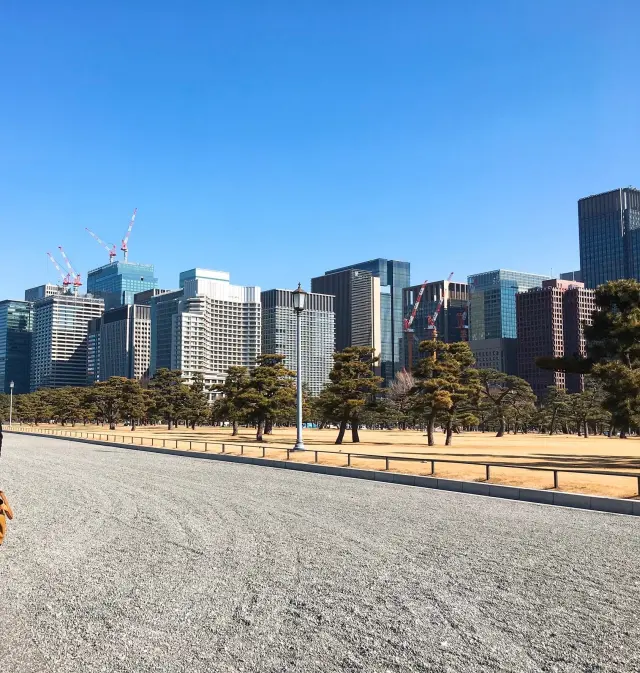
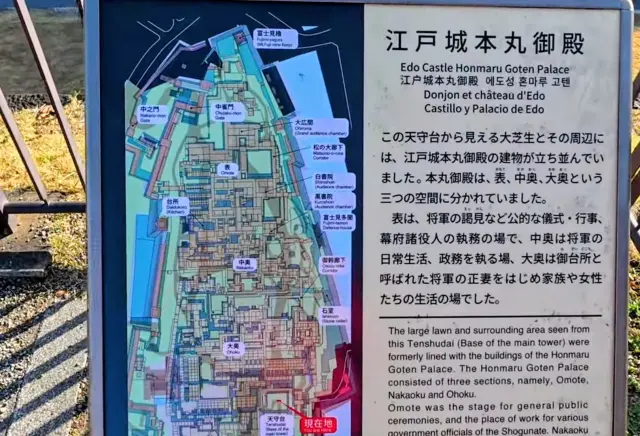
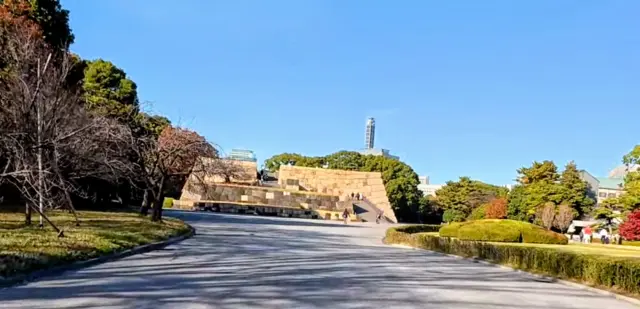
The grounds feature many valuable historic sites that preserve traces of the Edo period, including the Tenshudai, the stone base built to support Edo Castle’s main keep, as well as three guardhouses and Fujimi-yagura. The Honmaru site, with its wide lawn for relaxing, and the Tenshudai, where visitors can enjoy views from a height of Approx. 11 meters, are ideal spots to take your time. Also popular is the Ninomaru Garden, reconstructed based on historical plans to recreate the garden that existed during the time of Ieshige, the ninth Tokugawa shogun.
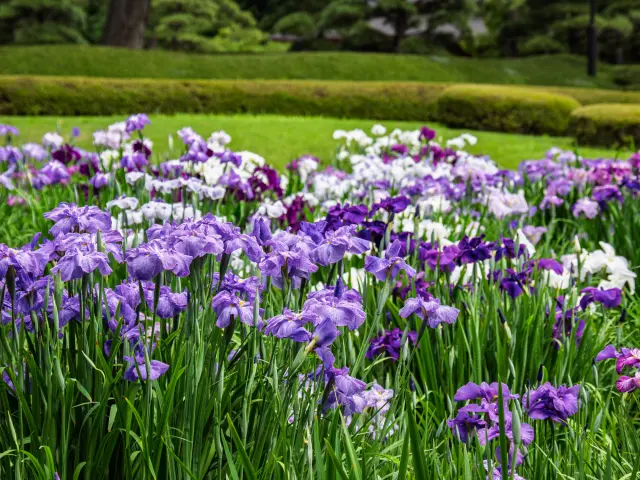
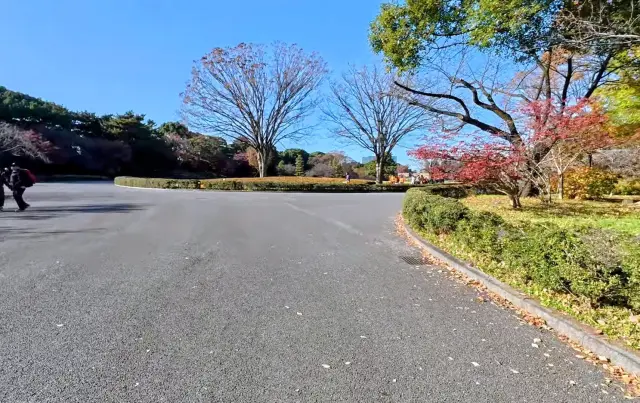
Another draw of the East Gardens is its rich natural setting, which makes it hard to believe you are in central Tokyo. In addition to the Ninomaru Grove, which recreates the natural landscape of Musashino, and the Orchard of Ancient Fruit Varieties, planted with fruit cultivars no longer grown today, visitors can also see seasonal flowers, wild birds, and insects.
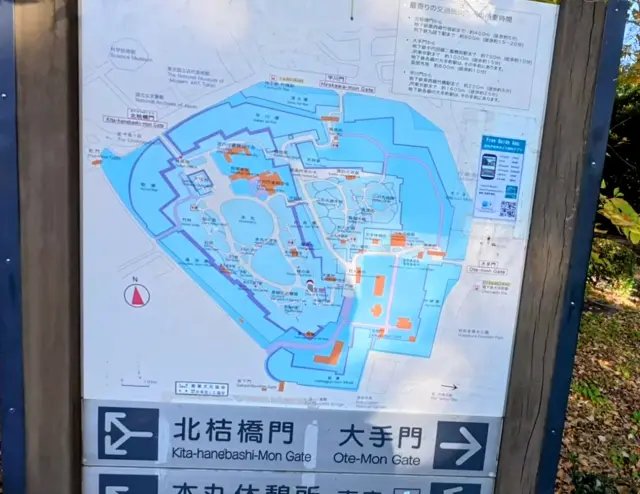
Admission is free. Visitors can enter and exit through three gates: Otemon Gate, Hirakawamon Gate, and Kitahanebashimon Gate. Pick up an admission slip when entering and return it when leaving.
Highlights
-
A garden attached to the Imperial Palace.
-
Developed from parts of the former Honmaru, Ninomaru, and Sannomaru areas of Edo Castle.
-
Open to the public, except for some areas.
-
Home to many valuable historic sites, including remains of Edo Castle.
-
Enjoy lush nature, including wooded groves and seasonal flowers.