• See More

    Centered around the Kyoto Imperial Palace, this was where generations of emperors lived for more than 500 years. Today, it is a vast park in central Kyoto filled with a sense of history.

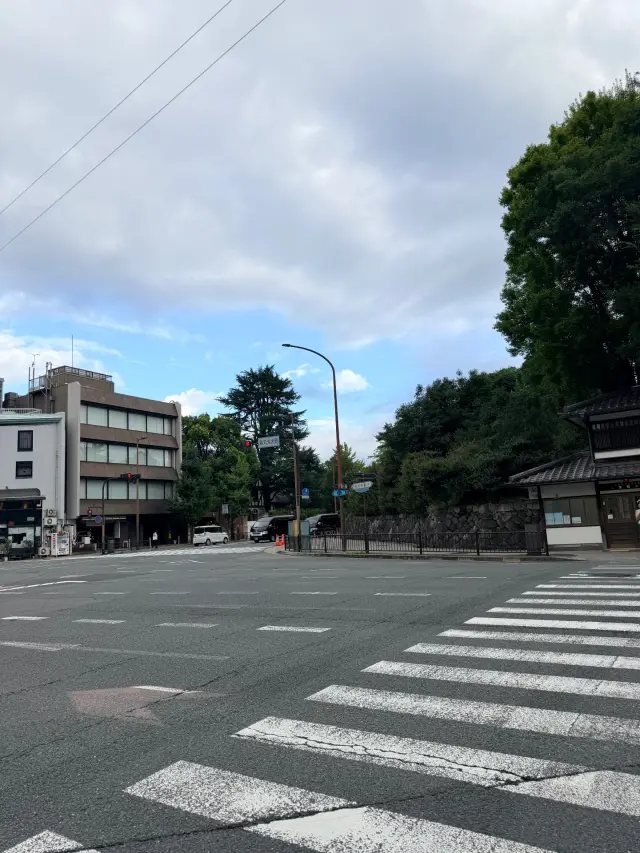
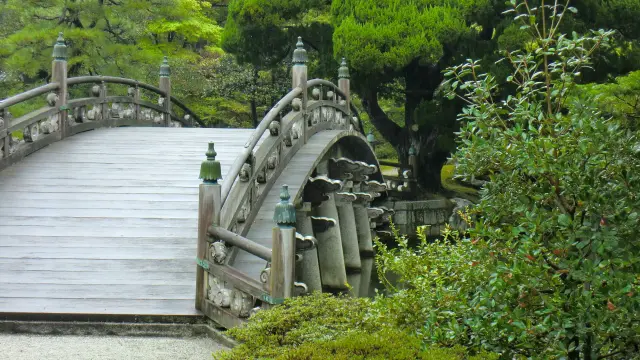
    What I liked most when I first entered Kyoto Gyoen was how open and peaceful it felt. Walking among the tall trees, wide stretches of greenery, and old imperial buildings naturally made me slow down. The weather was so nice on the day I visited, with blue skies, white clouds, and greenery everywhere. The whole park looked especially beautiful and relaxing!

    I didn't plan any particular itinerary and just took my time walking around and looking at everything. That actually made it easier to experience Kyoto's more leisurely side. Besides Kyoto's busy attractions, I also recommend setting aside some time to stroll through Kyoto Gyoen and experience Kyoto's history and tranquility.

  • See More

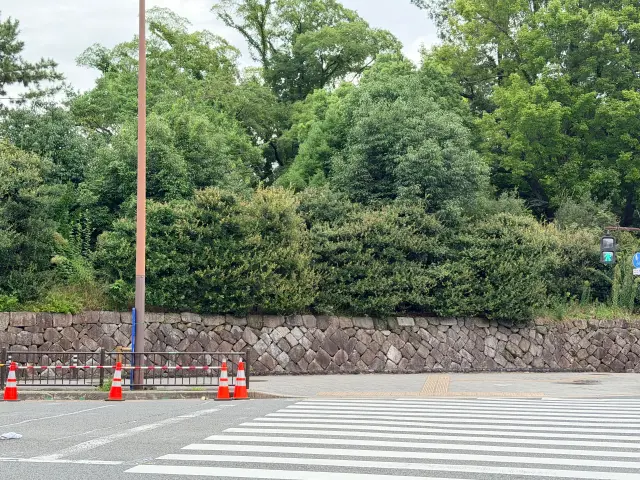
    When I arrived at Kyoto Gyoen, my first thought was, “It’s so big and so relaxing!” The vast green spaces and tall trees immediately make you feel far away from the bustle of downtown Kyoto. Walking along the wide paths, you occasionally come across historic buildings and garden scenery, and the whole atmosphere is very laid-back.

    This area used to be the imperial district surrounding the Kyoto Imperial Palace, but now it’s a park where anyone can take a walk or relax. Without the pressure of rushing through an itinerary, you can walk slowly and take in the scenery, which makes it easier to appreciate Kyoto’s unique history and tranquility.
  • See More

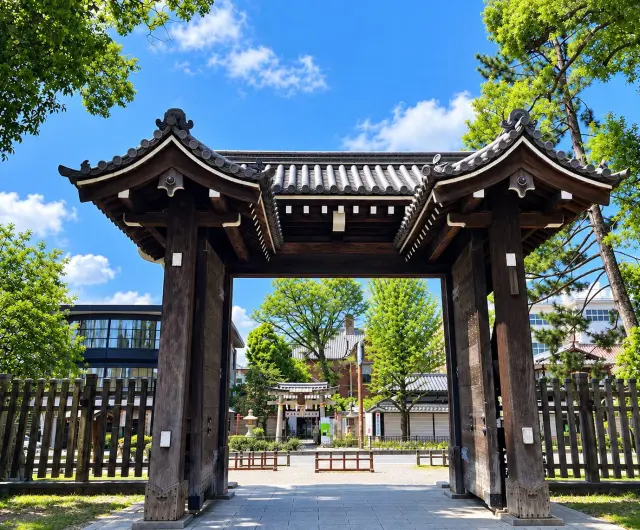
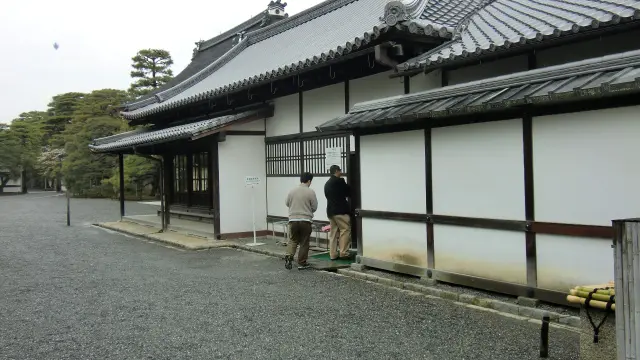
    Kyoto Gyoen is located in central Kyoto and is much larger than I imagined, with broad tree-lined paths, lawns, and straight roads crisscrossing the grounds. Most of the main paths are gravel, giving a distinct sense of the ancient capital. The area was once home to the Imperial Family and the residences of court nobles, and it bears important witness to Kyoto’s long history as Japan’s political and cultural center.

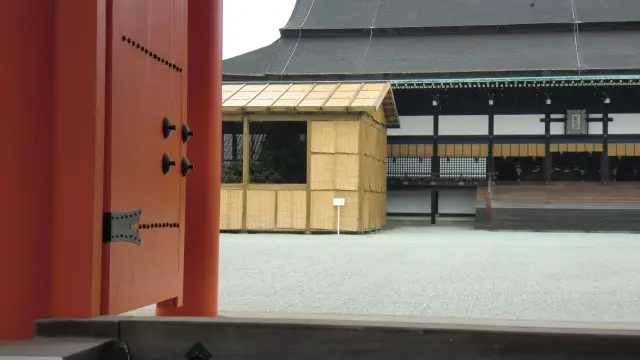
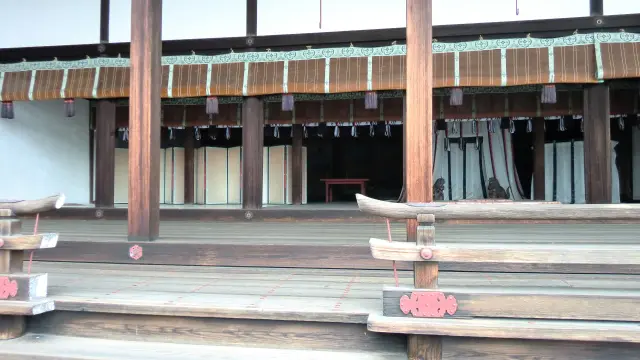
    The highlight is the Kyoto Imperial Palace, where generations of emperors once lived and held important ceremonies. The different buildings are not just beautiful on the outside; each palace, hall, and residence served a different purpose, from formal court ceremonies and receiving guests to the daily lives of the emperor and members of the Imperial Family. You can see the carefully planned spaces of Japanese court life. I recommend taking a guided tour to explore it more thoroughly and fully enjoy the visit.

  • See More

    Kyoto Imperial Palace no longer requires advance reservations and admission is free. If you want to join an official guided tour, you just need to gather at the visitors' lounge at the designated time. Bags are inspected before entry, and overall security is quite strict.

    The palace itself is actually not as ornate as you might imagine. If you're expecting a lavish palace, Nijo Castle may be closer to what you have in mind. What really matters about Kyoto Imperial Palace is its buildings, such as the Shishinden and Seiryoden, and its history as the longtime residence of the emperor and a venue for important ceremonies. Inside the Shishinden are the Takamikura throne used for enthronement ceremonies and the Michodai throne for the empress. In front of the hall are the iconic Sakon cherry tree and Ukon tachibana tree, though visitors are kept at a distance and can only view them from outside.

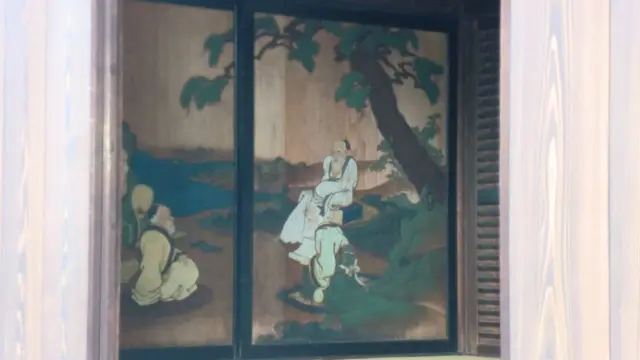
    What I found most interesting about Kyoto Imperial Palace was the layout of the space itself and its sense of history. Some of the sliding doors and wall paintings are also very intricate. However, if you're simply comparing architectural details or gardens, Kyoto has quite a few places with more to see. For gardens, I would recommend Katsura Imperial Villa more.

    If you want to experience buildings related to the imperial family up close, I would actually highly recommend Daikakuji Temple near Arashiyama. It was formerly the Saga Imperial Palace and also has buildings relocated from Kyoto Imperial Palace, and you can view them from much closer than at Kyoto Imperial Palace.

    Overall, what makes Kyoto Imperial Palace special is its historical significance rather than its splendor. If you're already interested in Japan's imperial family, court system, or traditional architecture, it's still worth a visit.

  • See More

    The imperial palace gardens are huge, and every area is really well maintained and clean.

  • See More

    This is the residence of the Japanese Emperor in Kyoto. It's managed openly, so anyone can enter.

  • See More

    This place is huge! I walked for two or three hours and still didn't see everything. Hope I can come back next time.

  • See More

    This is a fantastic spot to see cherry blossoms in Kyoto. The weeping cherry trees are especially gorgeous.

Hokkaido Tohoku Kanto Chubu Hokuriku Kansai Chugoku Shikoku Kyushu Okinawa