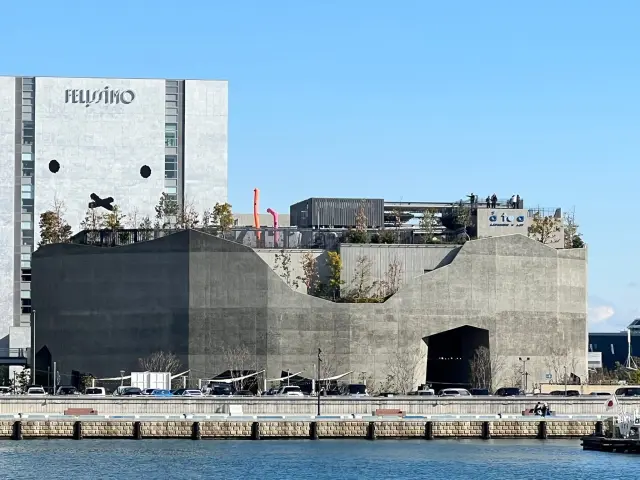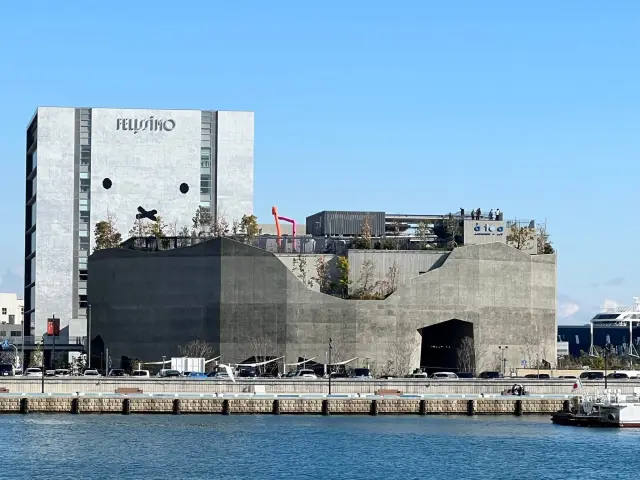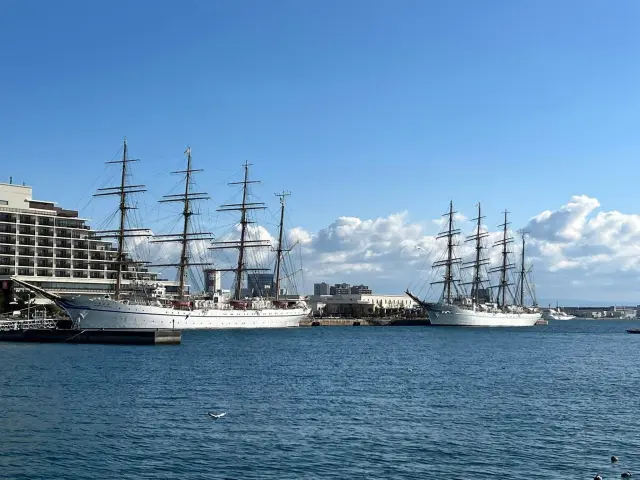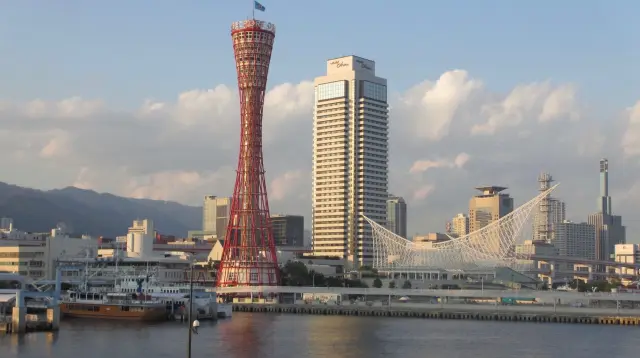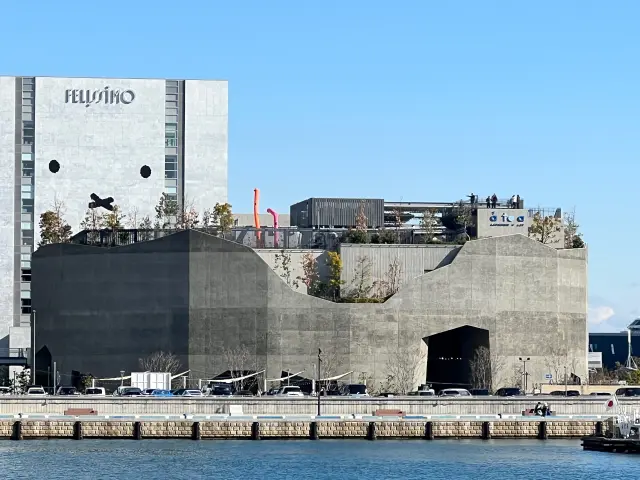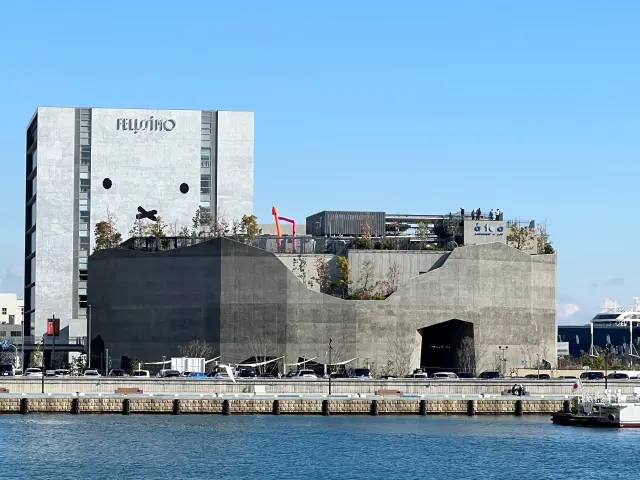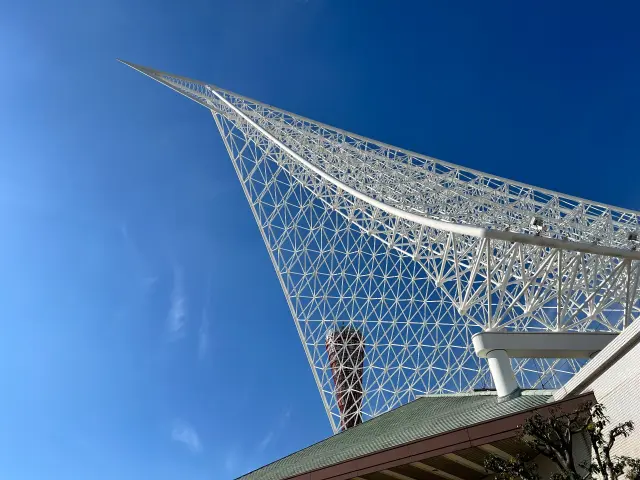
Located in the Shinko Pier No. 1 area of Kobe Port, the Kobe Port Museum is a cultural complex that includes átoa, a space combining an aquarium and digital art. The high-rise building behind it with the famous smiling-face logo is Stage Felissimo, the headquarters of the well-known lifestyle goods brand FELISSIMO.
I. Architectural design features of the Kobe Port Museum
* Biomimicry and geological imagery of “uplifted earth”
* The texture of fractured earth: Rather than the smooth glass curtain walls commonly seen on commercial buildings, the exterior is designed to resemble enormous, rugged layers of concrete rock. Its jagged, V-shaped geometric fractures symbolize faults and rock strata that have been “uplifted” to the surface by crustal movement and tectonic pressure in nature.
* Waterjet Wash method: After pouring the concrete, the architectural team at Taisei Design used high-pressure water to wash away the surface cement, exposing the aggregate made with local soil and stone that was mixed into the concrete from the first floor to the top floor. This gives the building natural textures and a primal vitality, as if it had been eroded by sea winds and formed through layers of geological deposits over thousands of years.
* The interplay of nature, light, and nature
* The open rooftop garden and geometric openings above the building allow sunlight to pour into the interior, blending the harbor scenery, water—the átoa aquarium—and imagery of rocky strata. This gives the cold modern building materials an organic quality, like “breathing rock.”
II. The significance of rebirth after the 1995 Great Hanshin Earthquake
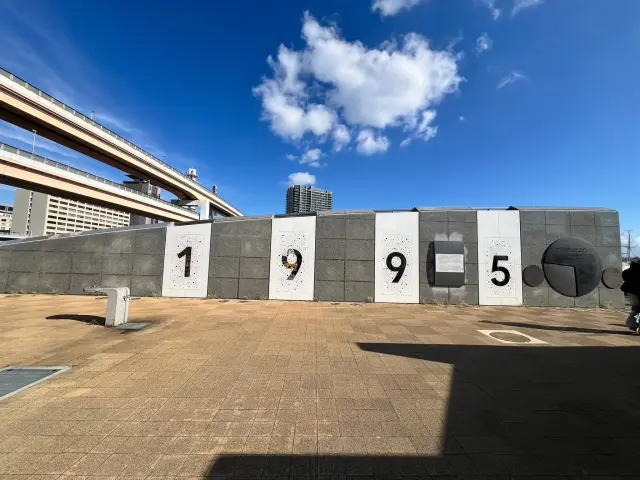
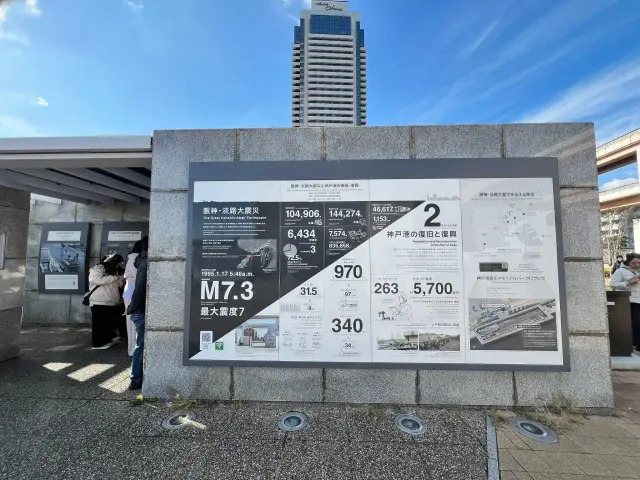
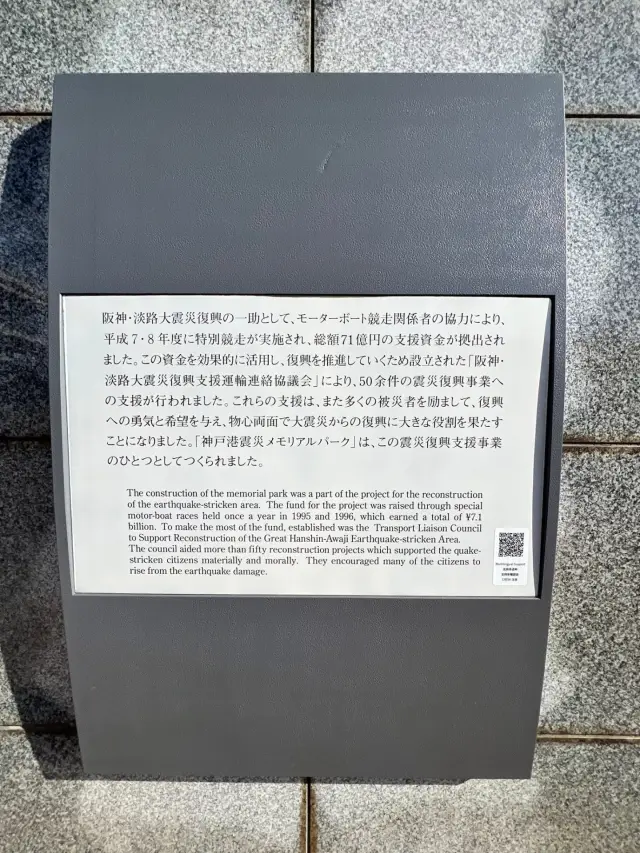
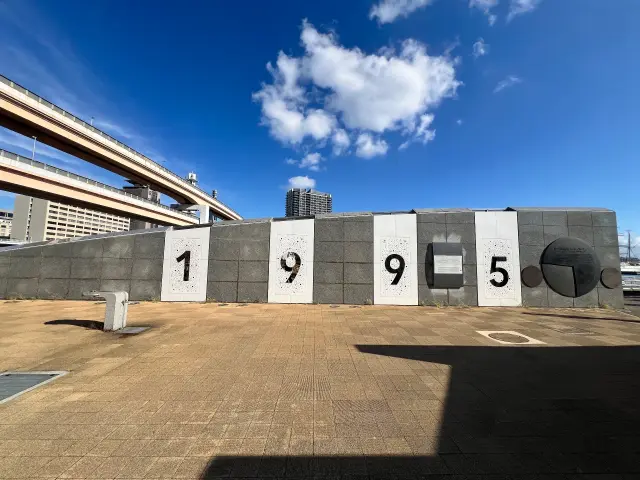
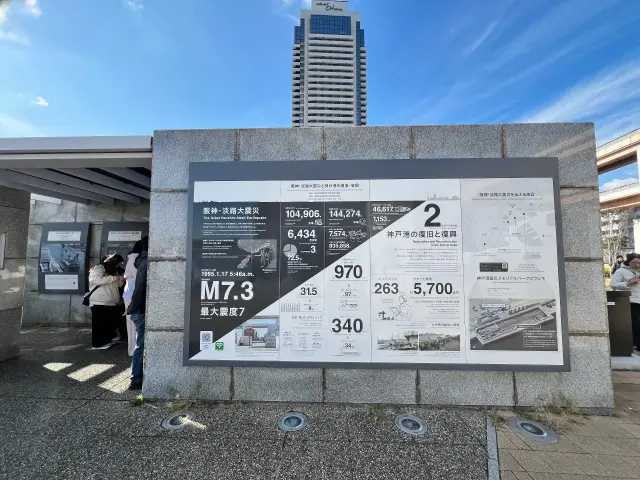
The Great Hanshin Earthquake that struck on January 17, 1995, devastated the port city of Kobe. At the time, Kobe Port’s wharf facilities, foundations, and historic buildings suffered tremendous damage. The construction of this building in the port area carries profound symbolism of “rebirth”:
* Confronting and transforming the trauma of the earth’s crust
* The earthquake is a painful memory caused by movement along faults in the earth’s crust. The Kobe Port Museum openly uses “faults,” “uplifted earth,” and “torn rock strata” as its architectural vocabulary, symbolizing how “the city rises again from the trauma of the earth’s shaking and is reborn from the faults.”
* From devastated ruins to “new life through culture and art”
* The Shinko Pier area of Kobe Port, once severely damaged, was formerly dominated by industrial warehouses and logistics wharves. As part of Kobe Port’s redevelopment plan, this complex bringing together art, marine life at átoa, food, and culture marks the port area’s transformation from its traditional industrial functions and the shadow of the earthquake into a new-era living room filled with creativity, aesthetics, and vitality.
* Resilience through harmonious coexistence between people and nature
* The people of Kobe showed tremendous resilience after facing such a massive natural disaster. The building deliberately gives its concrete surfaces a naturally rugged texture and plants trees and greenery on the rooftop, symbolizing that “even after the earth splits apart, life and greenery can still sprout and flourish again through cracks in solid rock.” It embodies the unyielding spirit of the city of Kobe.
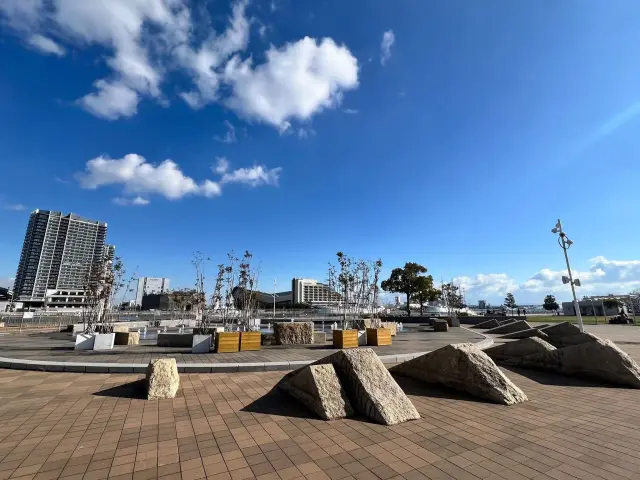
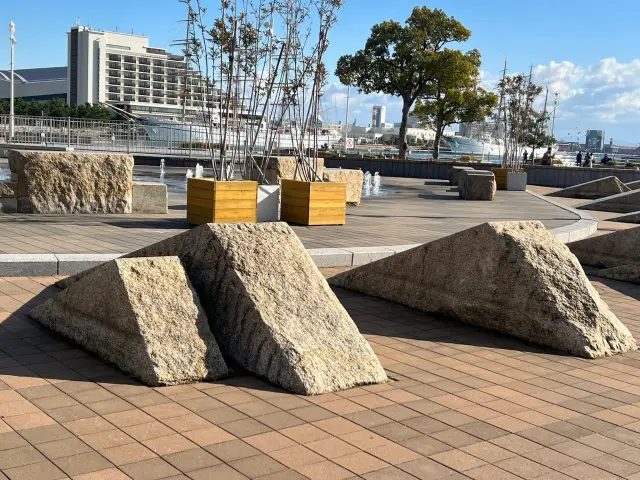
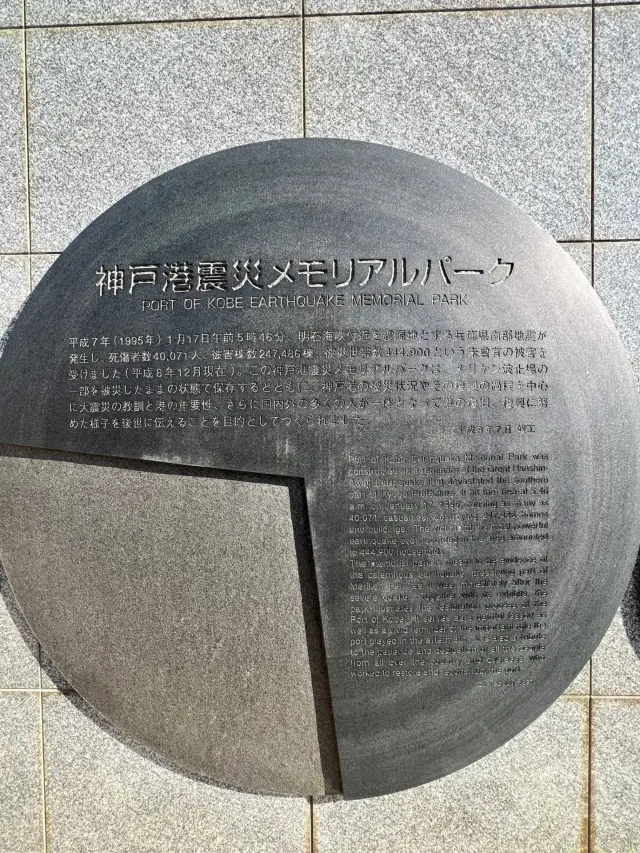
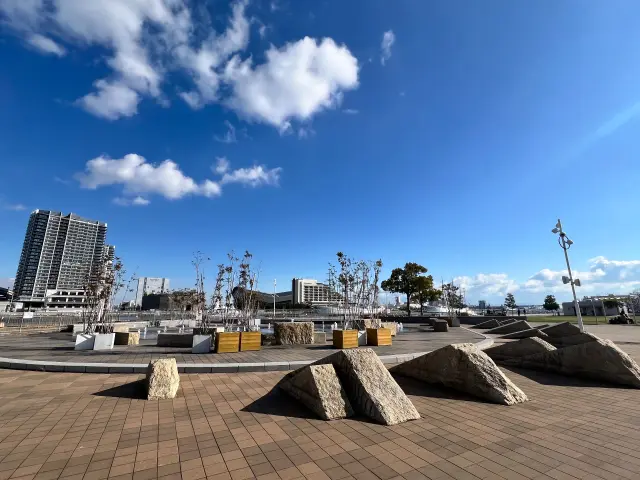
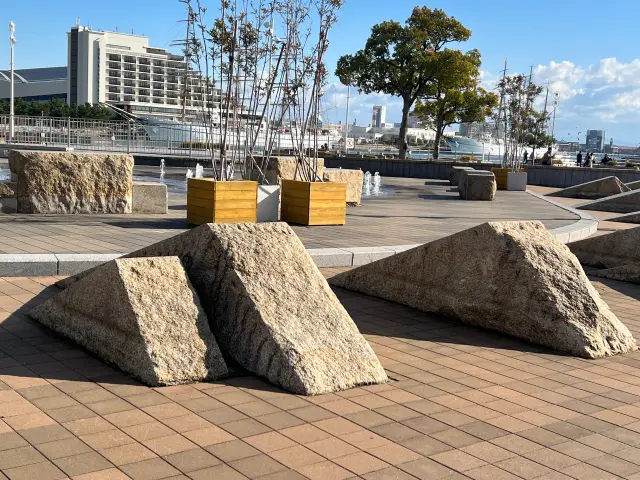
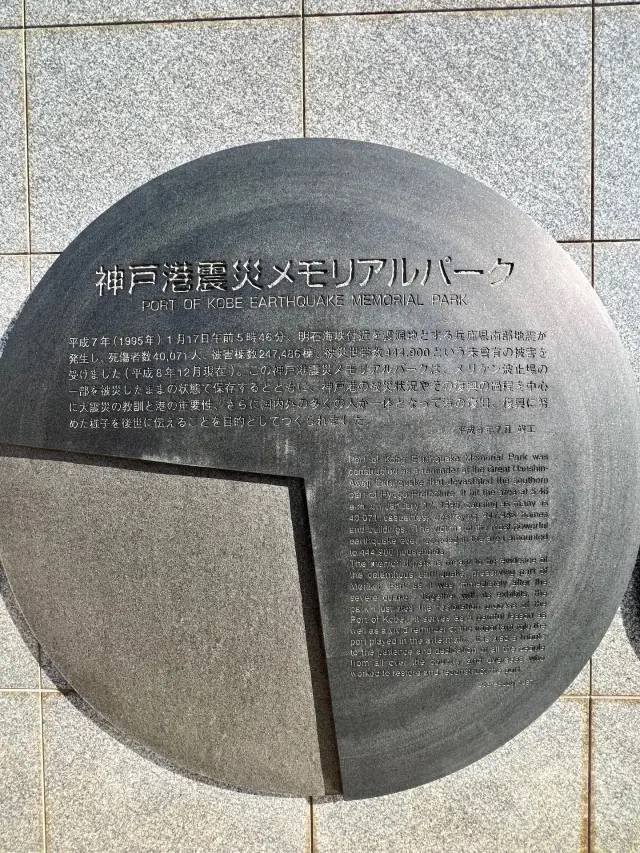
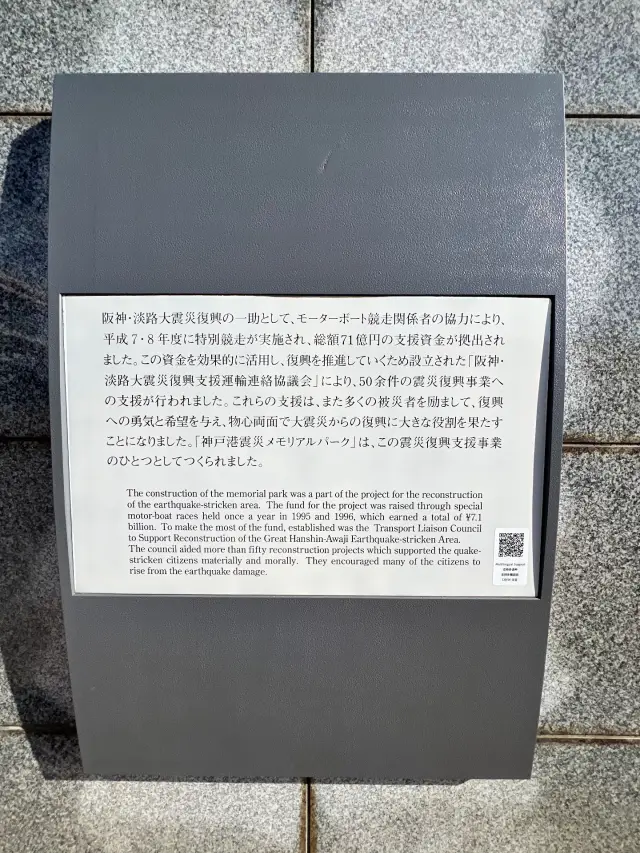
Port of Kobe Earthquake Memorial Park: The damaged wharf has been preserved as it was after the 1995 Great Hanshin Earthquake, serving as a historical record and memorial.
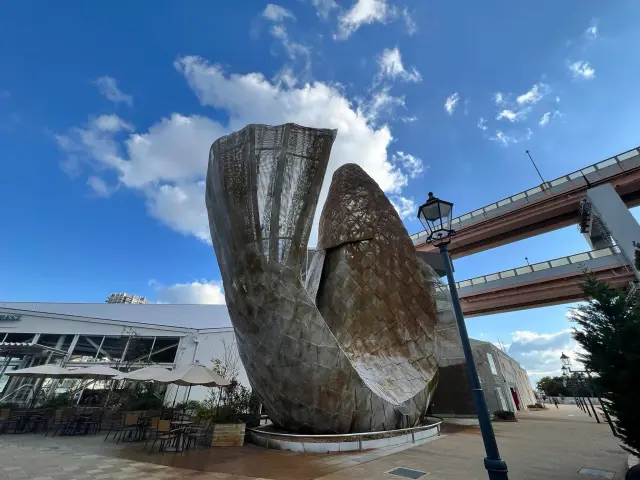
Public art and sculptures: Several modern artworks are scattered throughout the park, including the “Fish Dance” sculpture designed by Philip Johnson.
Waterfront walks and coffee: It is very relaxing to stroll along the seawall promenade in the sea breeze or enjoy coffee at the nearby Starbucks.
Nearby facilities
Kobe Harborland: A large nearby commercial district with shopping malls, restaurants, and a Ferris wheel, where you can also shop and dine.