Kobe Port Tower

Verified [Verified] denotes information that has been published with confirmation of its owing parties.

Kobe Port Tower

A deep-crimson tower that rises gracefully over the waterfront-an iconic symbol of Kobe.

3.36 7

Last update :
Supervised by :  Kobe Port Tower

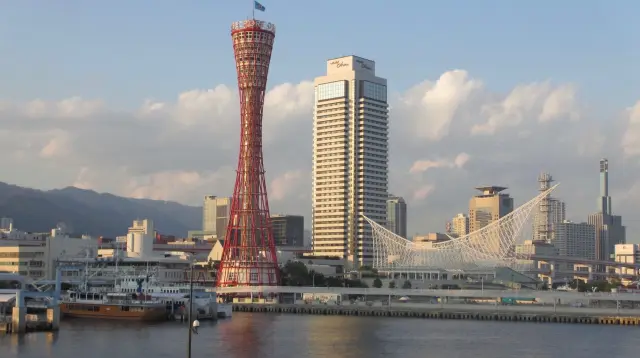
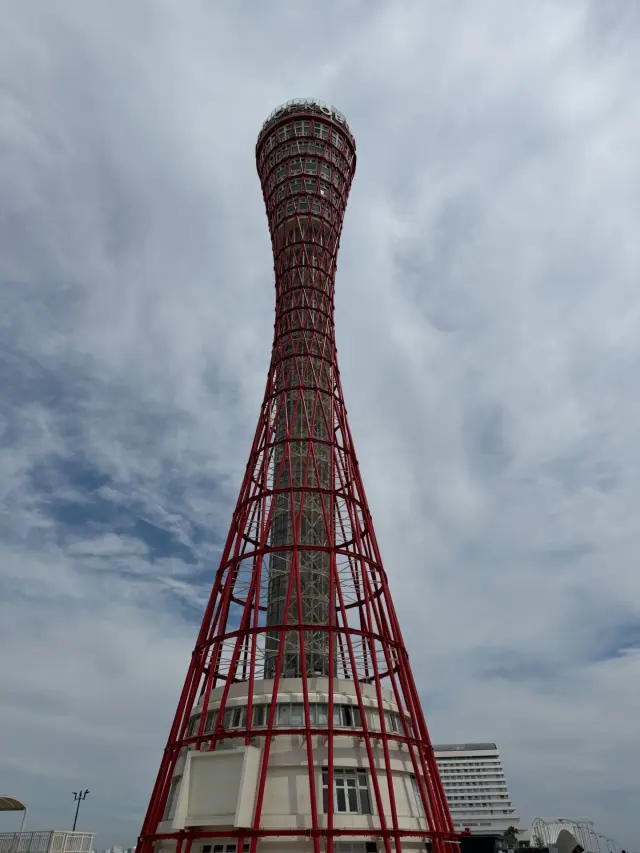
Rising over Kobe Harbor, this port tower is known as the “Beauty of the Iron Tower” for its graceful hyperboloid shape—like an elongated drum—and its vivid red exterior. Loved by locals as a symbol of Kobe since its debut in 1973 (1963), it reopened after Approx. 2.5 years of seismic reinforcement and renovation, with a grand renewal in April 2024.

The biggest highlight of the renewal is the rooftop area, open to visitors for the first time. From the open-air, glass-walled deck you reach by stairs from the 5th observation floor—where the elevator arrives—you can take in a 360-degree panoramic view of Kobe’s cityscape and harbor. Enjoy spectacular views that change with the time of day, from sparkling seas and blue skies to beautifully glowing night scenery.

Other new spots include a museum displaying LED neon art on the observation floors and a rotating cafe & bar that takes 30 minutes to make one full rotation. On the lower floors—accessible without a ticket—a cafe restaurant with a newly built terrace where you can enjoy food and drinks with harbor views, plus a select shop featuring Kobe specialties, have also opened.

Highlights

  • A vivid red tower standing tall over Kobe Harbor.
  • Renewal reopening in April 2024.
  • Enjoy 360-degree views of Kobe from the rooftop deck.
  • A gallery and rotating cafe & bar are open on the observation floors.
  • A new terrace cafe and select shop have opened on the lower floors.

Photos

  • A Kobe Harbor landmark since 1963

    A Kobe Harbor landmark since 1963

  • The rooftop deck, newly open to visitors with this renewal

    The rooftop deck, newly open to visitors with this renewal

  • Enjoy stunning night views from the observation floor where the elevator arrives(C)KOBE TOURISM BUREAU

    Enjoy stunning night views from the observation floor where the elevator arrives(C)KOBE TOURISM BUREAU

  • A vivid red soft-serve inspired by the tower

    A vivid red soft-serve inspired by the tower

  • Artworks themed around “Akaki (Kagayaki)” are on display on the 4th observation floor(C)Fumito Suzuki

    Artworks themed around “Akaki (Kagayaki)” are on display on the 4th observation floor(C)Fumito Suzuki

  • On the 3rd and 4th lower floors, you can enjoy food and drinks on the open terrace

    On the 3rd and 4th lower floors, you can enjoy food and drinks on the open terrace

Official FAQs

Frequently Asked Questions have been vetted and answered directly by each listing.

Q

Is there free Wi-Fi available in the area?

A

No.

Q

Are there coin lockers?

A

Yes.

Q

Is re-entry allowed?

A

No.

Q

Is there a smoking area?

A

No.

Q

Any other frequently asked questions?

A

There is also an FAQ page on the Kobe Port Tower website.
https://www.kobe-port-tower.com/faq/

Reviews

7

Some reviews are AI-translated.

  • See More

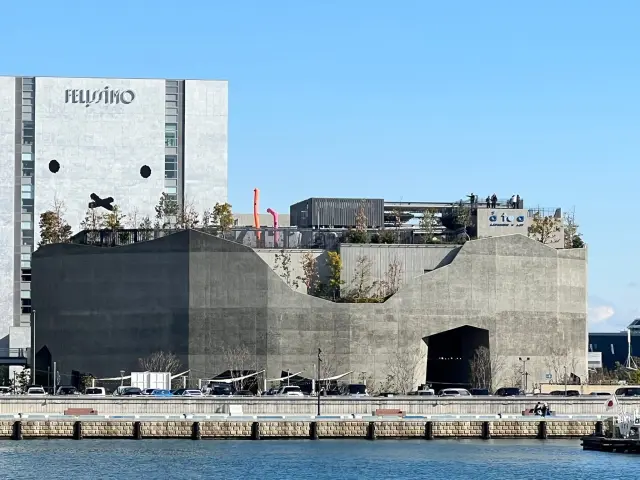
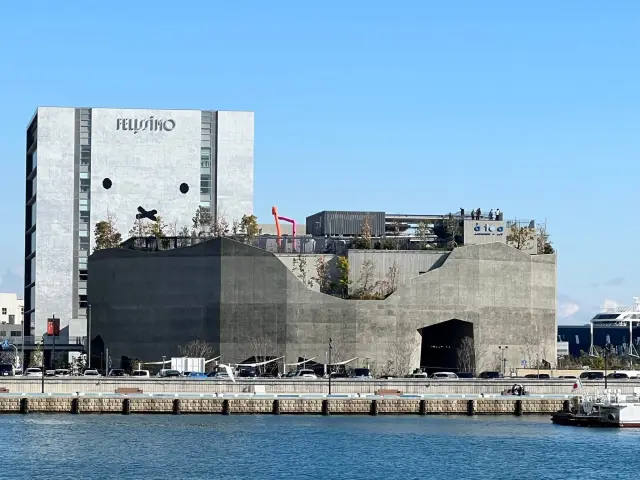
    Located in the Shinko Pier No. 1 area of Kobe Port, the Kobe Port Museum is a cultural complex that includes átoa, a space combining an aquarium and digital art. The high-rise building behind it with the famous smiling-face logo is Stage Felissimo, the headquarters of the well-known lifestyle goods brand FELISSIMO.
    I. Architectural design features of the Kobe Port Museum
    * Biomimicry and geological imagery of “uplifted earth”
    * The texture of fractured earth: Rather than the smooth glass curtain walls commonly seen on commercial buildings, the exterior is designed to resemble enormous, rugged layers of concrete rock. Its jagged, V-shaped geometric fractures symbolize faults and rock strata that have been “uplifted” to the surface by crustal movement and tectonic pressure in nature.
    * Waterjet Wash method: After pouring the concrete, the architectural team at Taisei Design used high-pressure water to wash away the surface cement, exposing the aggregate made with local soil and stone that was mixed into the concrete from the first floor to the top floor. This gives the building natural textures and a primal vitality, as if it had been eroded by sea winds and formed through layers of geological deposits over thousands of years.
    * The interplay of nature, light, and nature
    * The open rooftop garden and geometric openings above the building allow sunlight to pour into the interior, blending the harbor scenery, water—the átoa aquarium—and imagery of rocky strata. This gives the cold modern building materials an organic quality, like “breathing rock.”
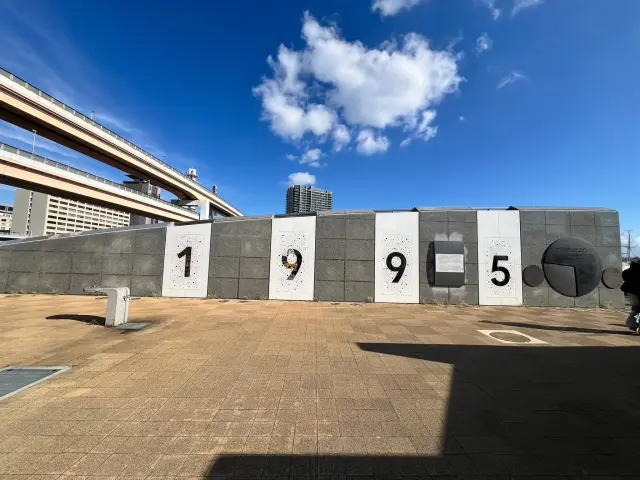
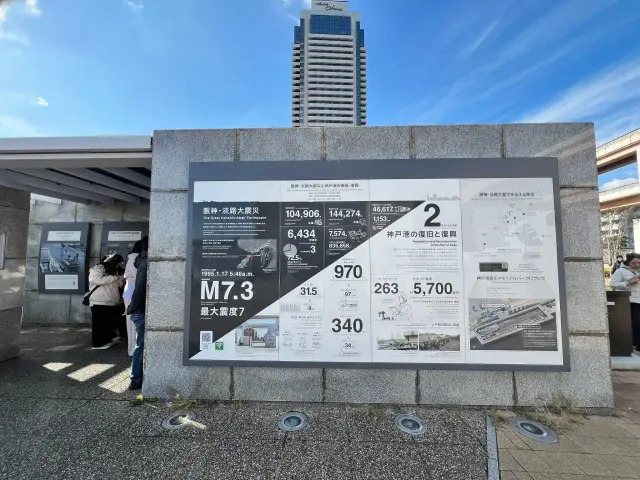
    II. The significance of rebirth after the 1995 Great Hanshin Earthquake
    The Great Hanshin Earthquake that struck on January 17, 1995, devastated the port city of Kobe. At the time, Kobe Port’s wharf facilities, foundations, and historic buildings suffered tremendous damage. The construction of this building in the port area carries profound symbolism of “rebirth”:
    * Confronting and transforming the trauma of the earth’s crust
    * The earthquake is a painful memory caused by movement along faults in the earth’s crust. The Kobe Port Museum openly uses “faults,” “uplifted earth,” and “torn rock strata” as its architectural vocabulary, symbolizing how “the city rises again from the trauma of the earth’s shaking and is reborn from the faults.”
    * From devastated ruins to “new life through culture and art”
    * The Shinko Pier area of Kobe Port, once severely damaged, was formerly dominated by industrial warehouses and logistics wharves. As part of Kobe Port’s redevelopment plan, this complex bringing together art, marine life at átoa, food, and culture marks the port area’s transformation from its traditional industrial functions and the shadow of the earthquake into a new-era living room filled with creativity, aesthetics, and vitality.
    * Resilience through harmonious coexistence between people and nature
    * The people of Kobe showed tremendous resilience after facing such a massive natural disaster. The building deliberately gives its concrete surfaces a naturally rugged texture and plants trees and greenery on the rooftop, symbolizing that “even after the earth splits apart, life and greenery can still sprout and flourish again through cracks in solid rock.” It embodies the unyielding spirit of the city of Kobe.

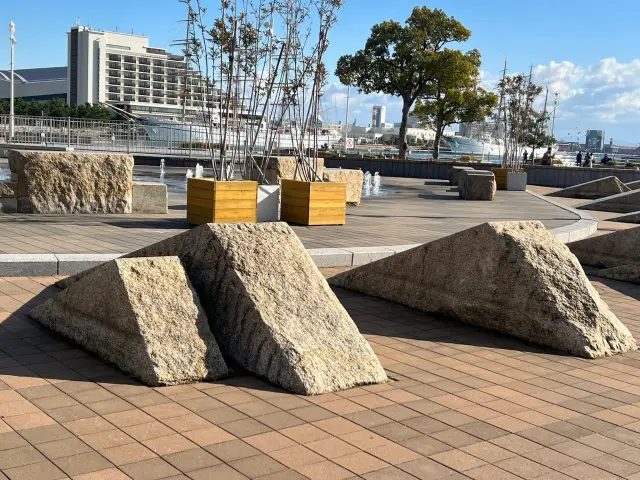
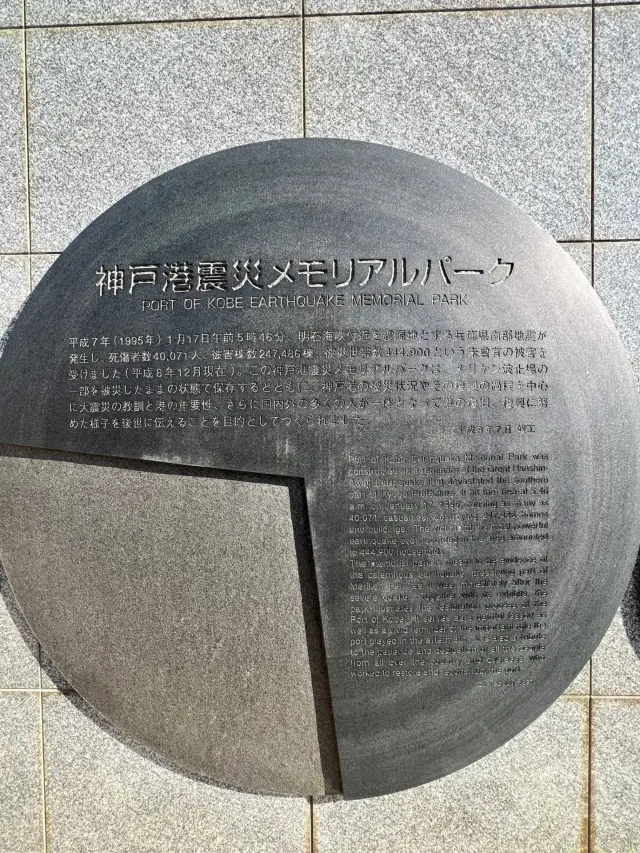
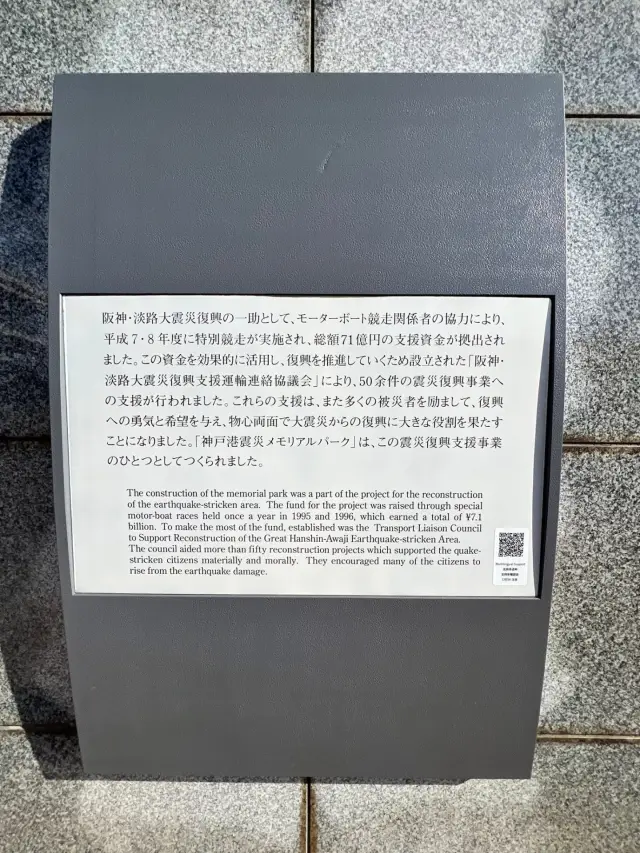
    Port of Kobe Earthquake Memorial Park: The damaged wharf has been preserved as it was after the 1995 Great Hanshin Earthquake, serving as a historical record and memorial.
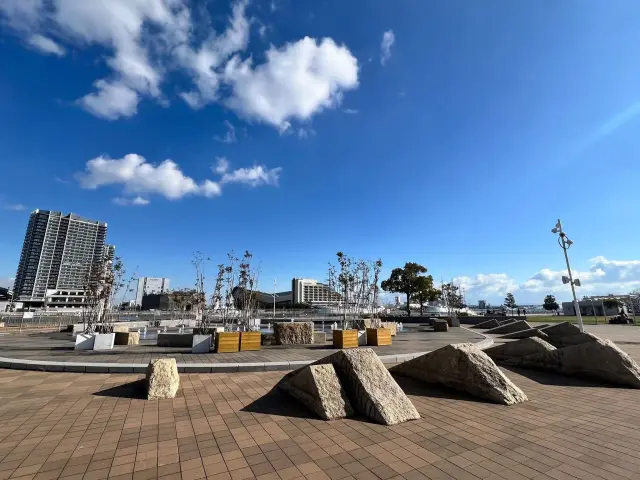
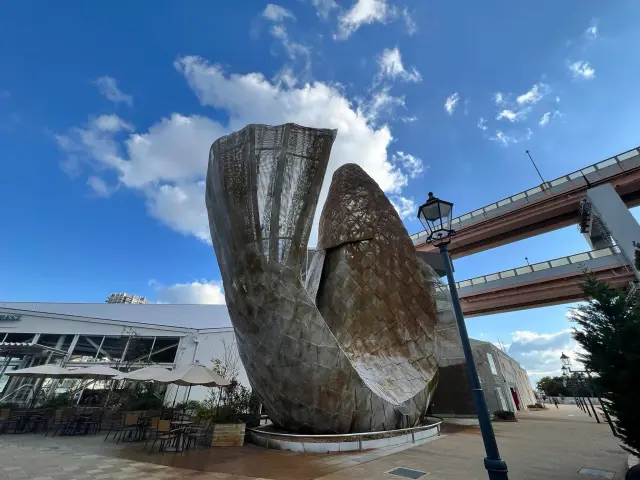
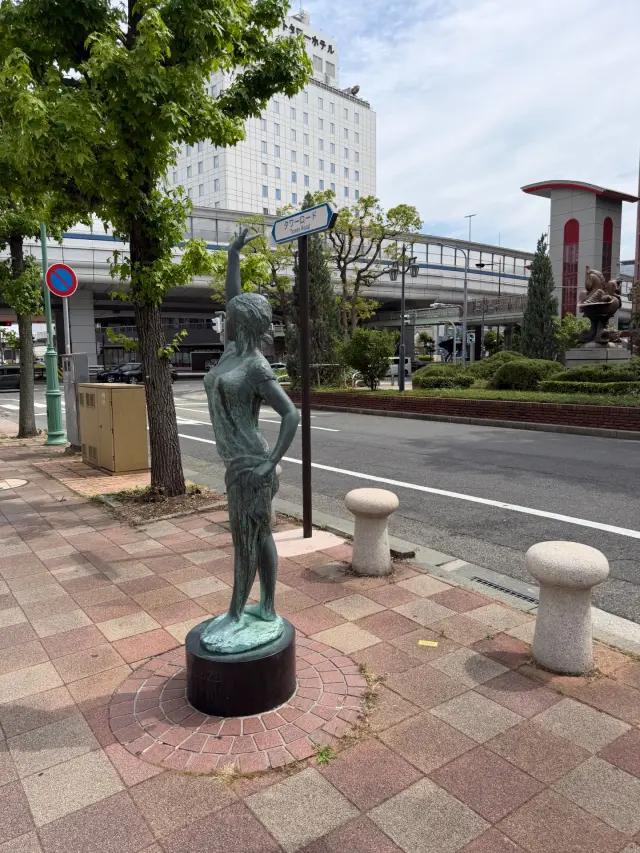
    Public art and sculptures: Several modern artworks are scattered throughout the park, including the “Fish Dance” sculpture designed by Philip Johnson.
    Waterfront walks and coffee: It is very relaxing to stroll along the seawall promenade in the sea breeze or enjoy coffee at the nearby Starbucks.
    Nearby facilities
    Kobe Harborland: A large nearby commercial district with shopping malls, restaurants, and a Ferris wheel, where you can also shop and dine.

  • See More

    Taking a walk around the harbor in the afternoon or evening while enjoying the sea breeze is very pleasant. At sunset, the colors of the sky complement the harbor beautifully, and every casual photo looks like a postcard. The atmosphere is quite romantic.

  • See More

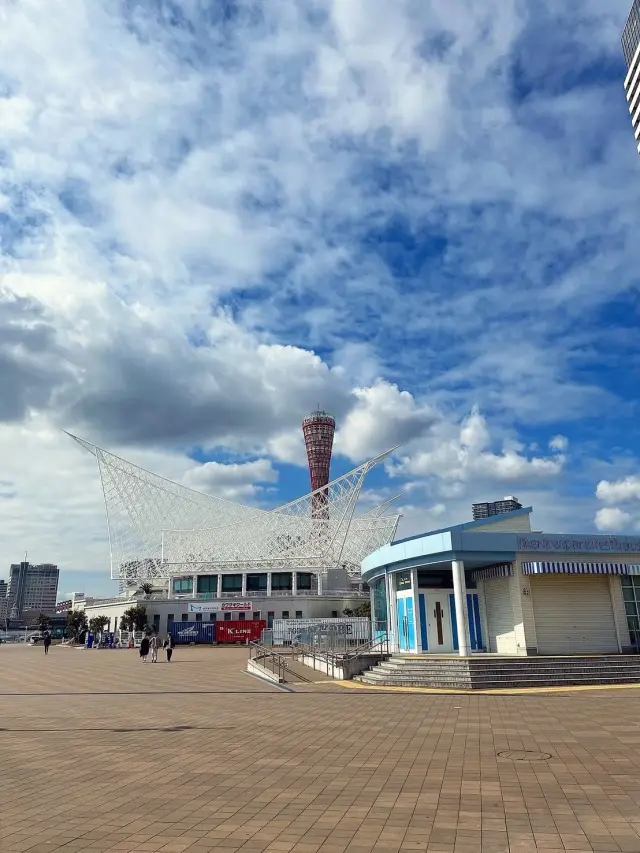
    This time, I specifically planned to visit Kobe's landmark, Kobe Port Tower, during the day. I thought the nighttime view would be more beautiful, but the daytime scenery was surprisingly stunning! Set against the blue sky and white clouds, the lines of this unique red tubular hyperboloid structure look incredibly striking and futuristic. It looks great in photos from any angle and is truly the most iconic sight in Kobe.
    The view from the observation deck at the top is incredibly expansive. You can take in the beautiful scenery of Kobe Harbor, the blue sea, and the neatly arranged city streets nearby, and even see the distant mountains clearly. When the breeze blows, it really makes you feel completely relaxed. After enjoying the view, you can also take a leisurely walk around the harbor's shopping centers and waterfront promenade and grab something to eat. I highly recommend saving a clear day to go up the tower when visiting Kobe and experience the bright scenery and port-city atmosphere!

  • See More

    I thought Kobe Harbor was just a place to take some photos, but at night it completely blew me away!
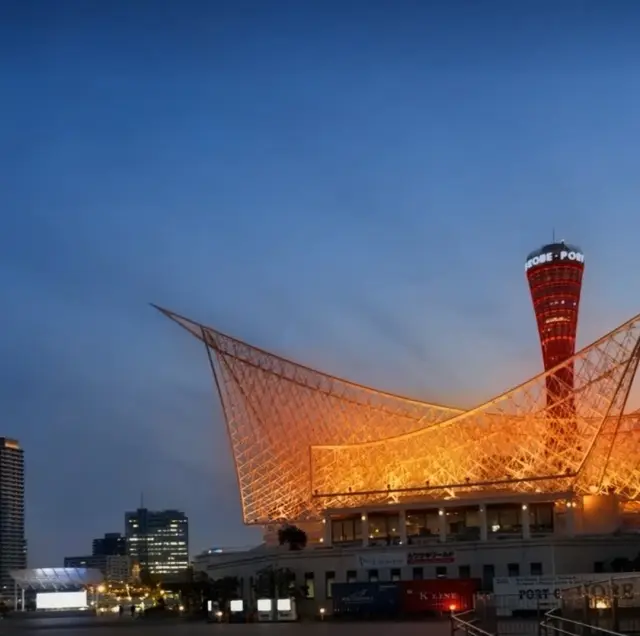
    The bright red Kobe Port Tower is really distinctive, so it’s no wonder everyone calls it the “Beauty of the Iron Tower.” It really stands out during the day, but once it lights up at night, the atmosphere is completely different. Paired with the harbor night view, it’s so romantic, and every photo looks great. I highly recommend coming around sunset so you can catch the sunset, night view, and tower all in one visit. It’s so beautiful you won’t want to leave. Don’t miss this place when you come to Kobe!

  • See More

    Kobe Port Tower is a famous landmark in Kobe, with a distinctive red tower design. From the observation deck, you can look out over Kobe Port, the city, and the beautiful bay views. The scenery is wide open during the day, while at night the lights sparkle and create a wonderfully romantic atmosphere. It’s definitely one of the must-visit spots in Kobe.

Details

Name in Japanese
神戸ポートタワー
Postal Code
650-0042
Address
5-5 Hatobacho, Chuo-ku, Kobe, Hyogo
Closed on
Open daily *Except for maintenance closure days and private event days
Hours
9:00am–11:00pm *Hours vary by floor
Admission
Observation Floor + Observation Deck: Adults (high school students and up) 1,200 yen, Children (elementary to middle school students) 500 yen / Observation Floor: Adults 1,000 yen, Children 400 yen
Access
1) Approx. 5 min on foot from Minato Motomachi Station (Kobe Municipal Subway Kaigan Line)
2) From the Port Loop bus stop “Sannomiya Ekimae,” 16 min to “Port Tower-mae,” then Approx. 1 min on foot
Credit Cards
Accepted
Official website
Official website (Japanese)
Hokkaido Tohoku Kanto Chubu Hokuriku Kansai Chugoku Shikoku Kyushu Okinawa